Top 5 Caves around Valdegovía
Caves around Valdegovía, a valley in the province of Araba, are notable for their historical significance, particularly the "artificial caves" or "hermit caves." These sites offer insight into early medieval eremitic life, carved into limestone rock by hermits seeking solitude. The region features a blend of historical sites and natural landscapes, providing diverse exploration opportunities. Valdegovía is home to more than 16 such artificial caves, primarily excavated in limestone rock.
Best caves around Valdegovía
- The most popular cave is Rock…
Last updated: August 13, 2026
Rock Caves of Villanueva de Valdegovía
Highlight • Cave
Translated by Google •
Tip by

San Miguel El Viejo Cave
Highlight • Cave
Translated by Google •
Tip by

Sign up now to discover places like this
Get recommendations on the best single tracks, peaks, & plenty of other exciting outdoor places.
Sign up for free
OjoDeArtzena
Highlight • Cave
Translated by Google •
Tip by
Cueva de los Moros
Highlight • Cave
Translated by Google •
Tip by

Hayal de Curtiveranos Cave
Highlight • Cave
Translated by Google •
Tip by
Start today with a free account
Your next adventure awaits.
Login or Signup

Other adventures around Valdegovía

Tips from the Community

When the river is low with water, it is difficult to cross it to reach the interior.
3
0

Medium difficulty walk through the Angosto area... Valdegobia and etc.
1
0

The original village dates back to prehistoric times, to the Iron Age. There are some references to it during the Roman times and the Muslim times. Now it is a small town with less than 200 inhabitants.
1
0

In the vicinity of the town of Manzanedo, the cave church of Cueva del Hoyo is located. It is excavated in a natural cavity open through an entrance and with a small window and a natural skylight.
0
0
It was difficult for me to find it (you have to go down a bit along a path next to the cliff), but this little cavity is cool, now with a fence to keep sheep.
1
0
A huge cavity. The interior is easily accessible. And the environment is amazing. Highly recommended
3
0
Splendid hole, through which you can get. And I have heard that you can even go out 400 meters further, but I have not tried it.
1
0

Frequently Asked Questions
What kind of historical significance do the caves in Valdegovía hold?
The caves in Valdegovía are primarily "artificial caves" or "hermit caves" excavated in limestone rock during the early Middle Ages. They offer a unique glimpse into the lives of hermits who sought solitude and spiritual devotion. Sites like the Pinedo Caves, dating back to the 6th and 7th centuries, showcase complex structures used for dwelling and religious functions, reflecting the eremitic phenomenon in Euskadi.
Are there specific routes or trails to explore the caves?
Yes, you can explore "the route of the artificial caves of Valdegovía," which is a journey of just over 9 kilometers connecting several historical sites. While there isn't a dedicated walking path for the entire route, informative panels are available at the sites, and access is free. A private vehicle is essential to comfortably visit these dispersed locations.
What natural features can I expect to see in and around the caves?
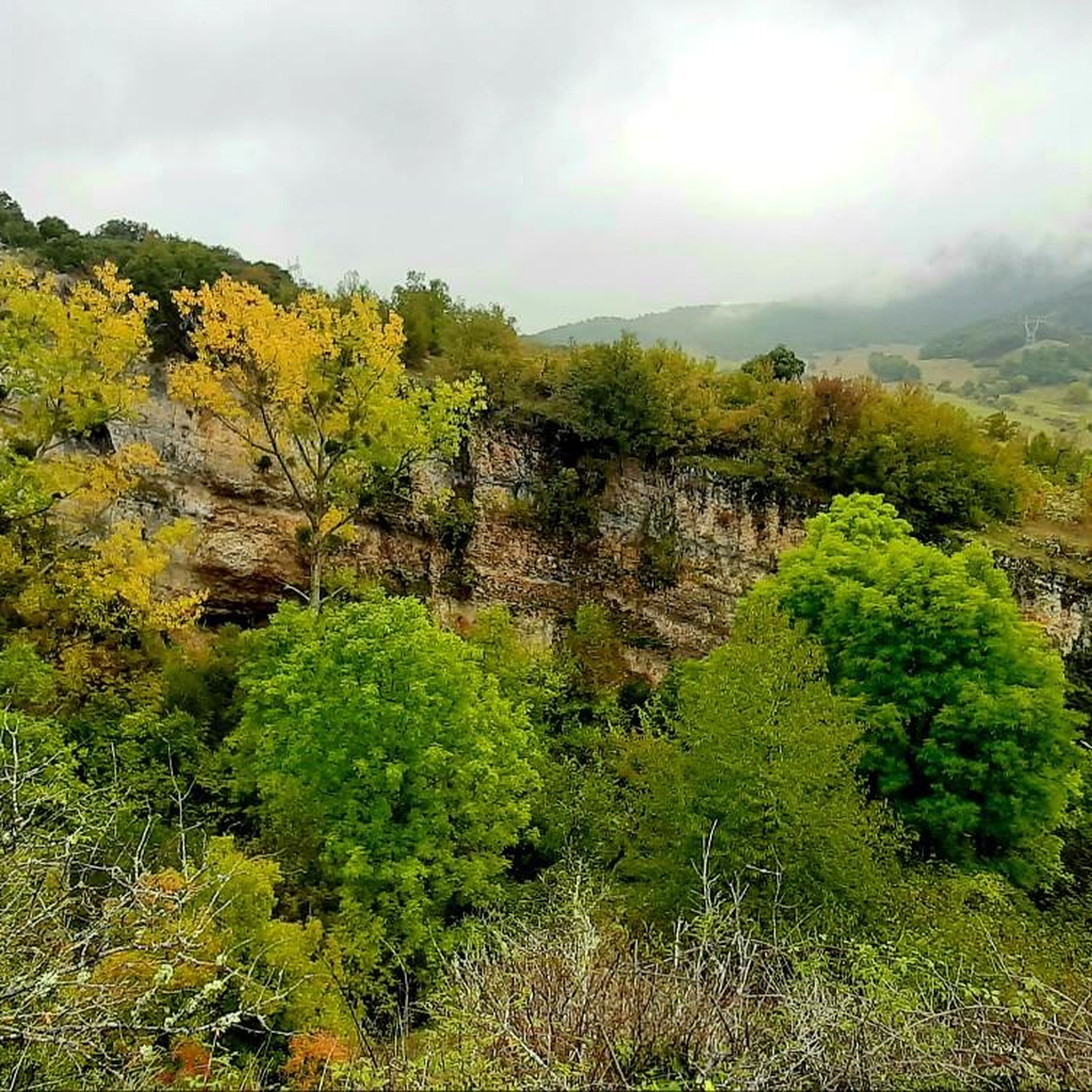
Beyond the caves themselves, the region offers diverse natural landscapes. For instance, the San Miguel El Viejo Cave is a large natural monument set in an amazing environment. The Hayal de Curtiveranos Cave is located within a forest, offering a blend of cave exploration and natural scenery.
Are there amenities like picnic areas or parking near the caves?
Yes, some cave sites have been enhanced for visitors. For example, the area around the Corro Caves (also known as "caves of the Moors") has a picnic area and parking. Similarly, the environment around the Tobillas Caves has been reconditioned to provide easier access and parking.
Do I need permits to visit the caves in Valdegovía?
Access to the artificial caves of Valdegovía, such as those along the designated route, is generally free and does not require permits. However, it's always advisable to check for any specific local regulations or temporary closures before your visit.
What are the difficulty levels for exploring the caves?
Many of the caves are accessible, but some may involve moderate difficulty. For example, the Rock Caves of Villanueva de Valdegovía involve a medium difficulty walk. The interior of San Miguel El Viejo Cave is easily accessible, though crossing a river might be difficult when water levels are high. Some, like OjoDeArtzena, can be difficult to find.
How much time should I allocate to explore the caves?
To fully appreciate the historical significance and explore multiple sites along the "route of the artificial caves of Valdegovía," you should plan for at least half a day, if not a full day, especially since a private vehicle is recommended to travel between the dispersed locations.
Are there family-friendly caves around Valdegovía?
Many of the artificial caves are suitable for families interested in history and light exploration, as they are often open-air or have easily accessible interiors. The presence of picnic areas at sites like the Corro Caves also makes them convenient for family outings.
What outdoor activities can I do near these caves?
Valdegovía offers a variety of outdoor activities. You can find numerous hiking trails, including moderate routes like the Purón River Gorge and Santa Ana Trail. There are also MTB trails and running trails for various fitness levels, allowing you to combine cave visits with other adventures.
What is the best time of year to visit the Valdegovía caves?
The caves can be visited year-round, but spring and autumn generally offer the most pleasant weather for exploring the outdoor sites and surrounding natural areas. These seasons provide comfortable temperatures for walking and enjoying the landscapes without the extreme heat of summer or potential cold and rain of winter.
What should I wear when visiting the caves?
Given that many caves are historical sites and some involve walking outdoors, comfortable walking shoes are essential. Layered clothing is also recommended, as temperatures inside caves can be cooler than outside, and weather conditions can change. If you plan to explore more rugged areas, consider appropriate outdoor gear.
What makes the San Martín de Valparaíso site unique?
The San Martín de Valparaíso site is particularly notable for its barranco (ravine), which houses more than 30 tombs. This makes it one of the largest necropolises in the area and gives it significant historical and archaeological value, offering a different perspective on the region's ancient past compared to the hermit caves.
Most popular attractions around Valdegovía

Get inspired with the komoot mobile app


Explore more
Extend your search for the best caves by checking out these guides of the top ones around Valdegovía:
