Top 17 Castles around Algimia De Almonacid
Castles around Algimia De Almonacid are nestled within the Sierra de Espadán Natural Park, a region characterized by its historical defensive structures and natural landscapes. This area offers a glimpse into a rich past, featuring sites with Moorish origins and strategic importance. The terrain includes hills commanding panoramic views, often accessible via hiking trails through cork tree forests. These historical sites provide insights into medieval times and regional heritage.
Best castles around Algimia De Almonacid
- The most popular castles is…
Last updated: October 7, 2026
Historic center of Jérica
Highlight • Historical Site
Jerica is located in the Valencian Community in the province of Castellón at an altitude of 523 meters.
Translated by Google •
Tip by

Segorbe
Highlight • Settlement
Translated by Google •
Tip by

Sign up now to discover places like this
Get recommendations on the best single tracks, peaks, & plenty of other exciting outdoor places.
Castro Castle
Highlight • Castle
Translated by Google •
Tip by

Star Castle
Highlight • Castle
Translated by Google •
Tip by
Jinquer
Highlight • Historical Site
**Ruins of the old …
Translated by Google •
Tip by
Sign up for free to discover even more castles around Algimia De Almonacid.
Already have an account?
Start today with a free account
Your next adventure awaits.

Tips from the Community

This charming village with over 1,600 inhabitants has a very charming center, beautiful historic buildings, and charming steep alleys. Jerica is located in the Valencian Community in the province of Castellón at an altitude of 523 meters.
10
0

Segorbe has several outstanding monuments that reflect its rich history and cultural heritage.
5
0
The Castillo de la Estrella, also known as the Castillo de Sopeña, is located in Segorbe, in the province of Castellón, Valencian Community. This castle stands on one of the hills that dominate the city and is part of a historical complex that includes walls and an aqueduct.
4
0

After the Reconquista, many castles in the region were modified or rebuilt to adapt to Christian styles and needs.
7
0

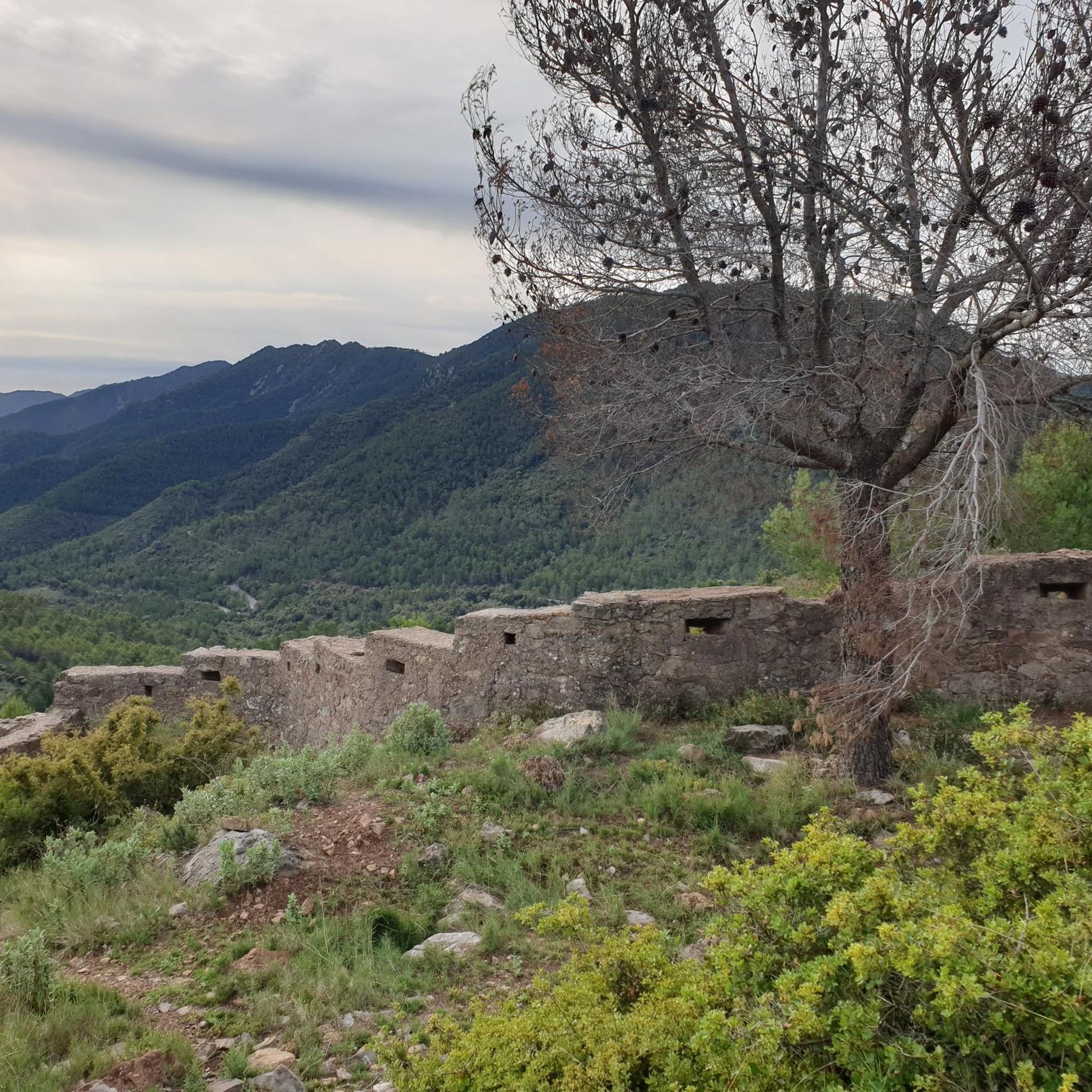
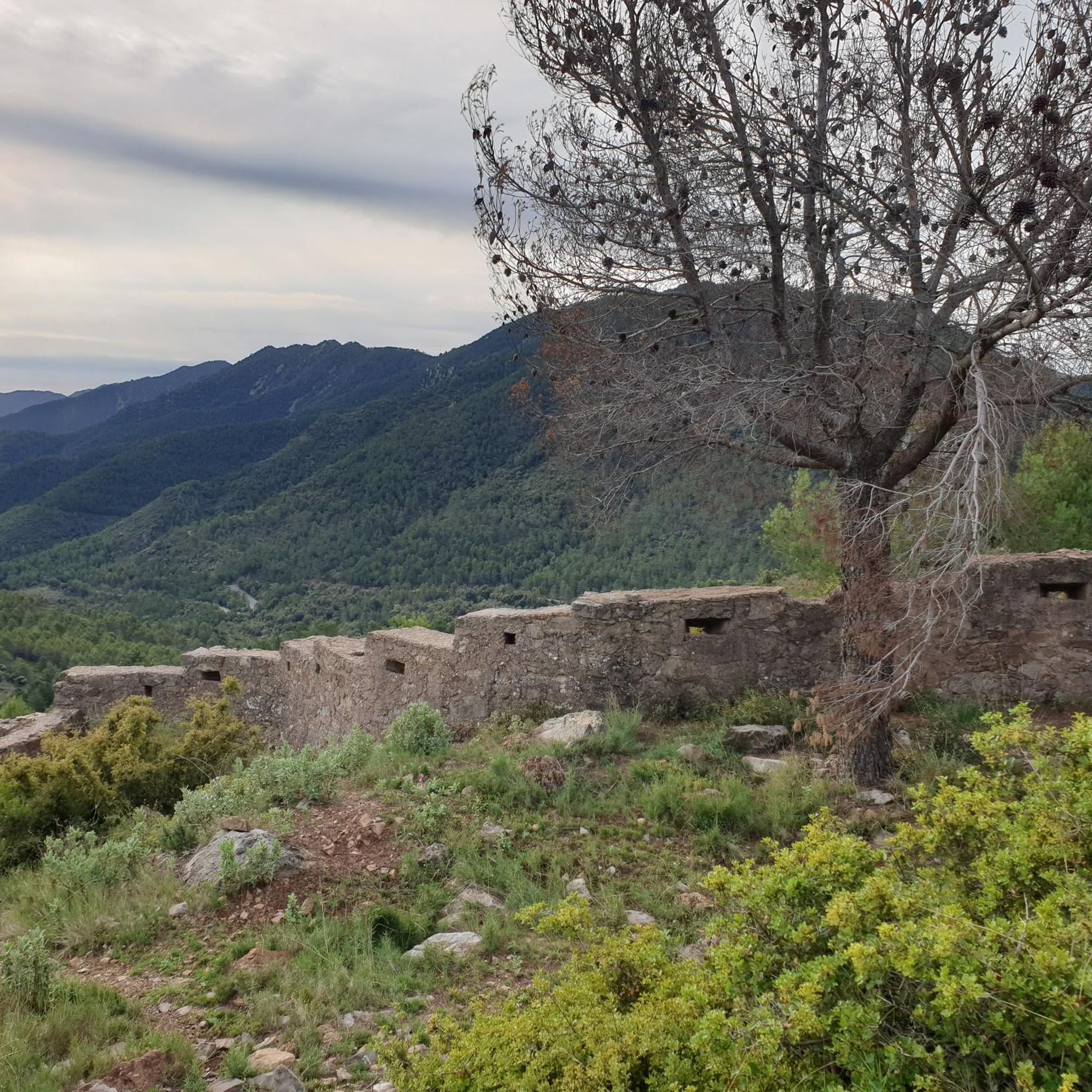
The Castro Castle, an Arab fortress with an impressive watchtower at a height of about 780 m, was a fundamental bastion of the Moorish resistance at the time of their expulsion. It was taken by the Duke of Segorbe and General Cavanilles after the Castillo de Aín had also fallen. It was also used in the Carlist Wars. The castle covers an area of about 2,000 m2, where two parts can be distinguished: the "Albacar", a fortified refuge for the inhabitants of the towns dependent on the fortress; and on the other side, the castle itself, which presided surrounded by a large keep that was demolished in 1938 during the Civil War. The views are impressively beautiful.
9
0


Beautiful and unexpected town in Alto Palancia with a historical complex and popular architecture declared an asset of cultural interest. Here you can visit its impressive Mudejar tower, the Castle and the Hermitage of San Roque among others. Jérica is ideal for a stop and get lost in its narrow streets that preserve the medieval spirit.
3
0

This memorial complex has been created by the Alcudia de Veo City Council with the help of the Generalitat Valenciana (Department of Justice) and with the collaboration of various people and associations. The objective is to raise awareness about the devastating effects of war and the importance of conserving and disseminating heritage as a vehicle for transmitting our Historical Memory.
0
0
Frequently Asked Questions
What is the historical significance of castles around Algimia de Almonacid?
The castles and defensive structures in this region, such as the Historic center of Jérica and the Castillo de Almonecir, are deeply rooted in Moorish history, with origins dating back to the early 12th century. Many served as crucial defensive points during the Reconquista and were part of extensive communication and warning networks, offering a tangible connection to medieval times and the region's rich past.
What makes the Castillo de Almonecir unique?
The Castillo de Almonecir is unique for its origins as a fortified Muslim monastery or 'ribat' for warrior monks. Perched on a hill, it offers impressive panoramic views over the Almonecir valley. Despite being partially in ruins, significant elements like its irregular walls and a reconstructed four-story Tower of Homage remain, showcasing its strategic importance and architectural history.
What can I expect when visiting the Torre de la Alfándiga?
The Torre de la Alfándiga is an ancient medieval defensive tower of Andalusian origin, located directly in Algimia de Almonacid. It was part of a larger defensive network, visually linked with the Castillo de Almonecir, to monitor communications. You'll see its square plan, walls made of Islamic rammed earth, and an entrance two meters above the base. It's easily accessible via a walk or cycle, passing an old stone bridge and aqueduct.
Are there other notable historical sites or castles to explore in the area?
Yes, beyond the main castles, you can explore several other significant sites. The Historic center of Jérica features a charming village with historic buildings and steep alleys, including a castle and watchtowers from Moorish rule. Castro Castle is an Arab fortress with an impressive watchtower offering panoramic mountain views. The settlement of Segorbe also boasts a cathedral and castle, reflecting its rich cultural and historical heritage.
What outdoor activities can I do near these castles?
The region around Algimia de Almonacid, nestled within the Sierra de Espadán Natural Park, offers numerous outdoor activities. You can find various running trails, road cycling routes, and general cycling routes that often pass by or lead to these historical sites, allowing you to combine history with nature exploration.
Are there hiking trails that lead to the castles?
Yes, many castles are integrated into the region's hiking network. For instance, a hiking trail from Vall de Almonacid leads to the ruins of Castillo de Almonecir, passing through scenic cork tree forests and olive groves. The Jinquer ruins, including an old castle and town, can also be visited on foot via dedicated trails. You can find more details on running and hiking guides for the area.
What kind of natural features can I expect to see around the castles?
The castles are situated within the Sierra de Espadán Natural Park, offering a rich natural backdrop. You'll encounter cork tree forests, olive groves, and diverse Mediterranean flora. Many castle locations, like Castro Castle and the Castillo de Almonecir, are perched on hills, providing extensive panoramic views of the surrounding mountains and valleys.
Are there family-friendly options for visiting castles in this region?
While many castles are ruins and may involve some walking, the general area offers family-friendly experiences. For example, Segorbe is noted as a family-friendly settlement with historical monuments. The walks to sites like the Torre de la Alfándiga are generally accessible and can be enjoyed by families. Always check the specific trail difficulty if planning a hike to a castle.
What is the best time to visit the castles around Algimia de Almonacid?
The best time to visit is typically during the spring (April-May) and autumn (September-October) when the weather is milder, making hiking and exploring the outdoor ruins more comfortable. Summers can be very hot, and while winters are generally mild, some trails might be wet. Visiting during these shoulder seasons allows for pleasant exploration of both the historical sites and the natural park.
Is parking available near the castles?
Parking availability varies by site. For more remote castles like Castillo de Almonecir, you might park in nearby villages like Vall de Almonacid and then hike to the ruins. For sites within or near settlements like Segorbe or the Torre de la Alfándiga, there are often designated parking areas within walking distance. It's advisable to check local information for specific parking instructions for each site.
What do visitors enjoy most about the castles and historical sites in this area?
Visitors frequently appreciate the incredible panoramic views from elevated castle ruins, such as those at Castro Castle. The historical significance, particularly the Moorish origins and the tangible connection to medieval times, is a major draw. Many also enjoy the opportunity to combine cultural exploration with outdoor activities like hiking through the scenic Sierra de Espadán Natural Park.
Can I visit the Star Castle in Segorbe?
Yes, the Star Castle, also known as Castillo de la Estrella or Castillo de Sopeña, is located in Segorbe. It stands on a hill overlooking the city and is part of a historical complex including walls and an aqueduct. You can reach it on foot from the city center or via the attractive Paseo de Sopeña. Note that cycling up to the castle is not permitted.
Most popular routes around Algimia De Almonacid
Most popular attractions around Algimia De Almonacid

Get inspired with the komoot mobile app


Explore more
Looking for the best castles somewhere else? Discover other guides around Algimia De Almonacid:
