The 7 Most Amazing Peaks around Ejea De Los Caballeros
Best mountain peaks around Ejea De Los Caballeros are found in a region characterized by a transition between the Ebro valley and the Pyrenees. While Ejea de los Caballeros itself features a largely flat landscape, the surrounding areas offer notable elevations and geological formations. These include the semi-desert terrain of Bardenas Reales Natural Park and the forested mountain ranges of Sierra de Santo Domingo. The area provides diverse elevated terrains for exploration.
Best mountain peaks around Ejea De Los Caballeros
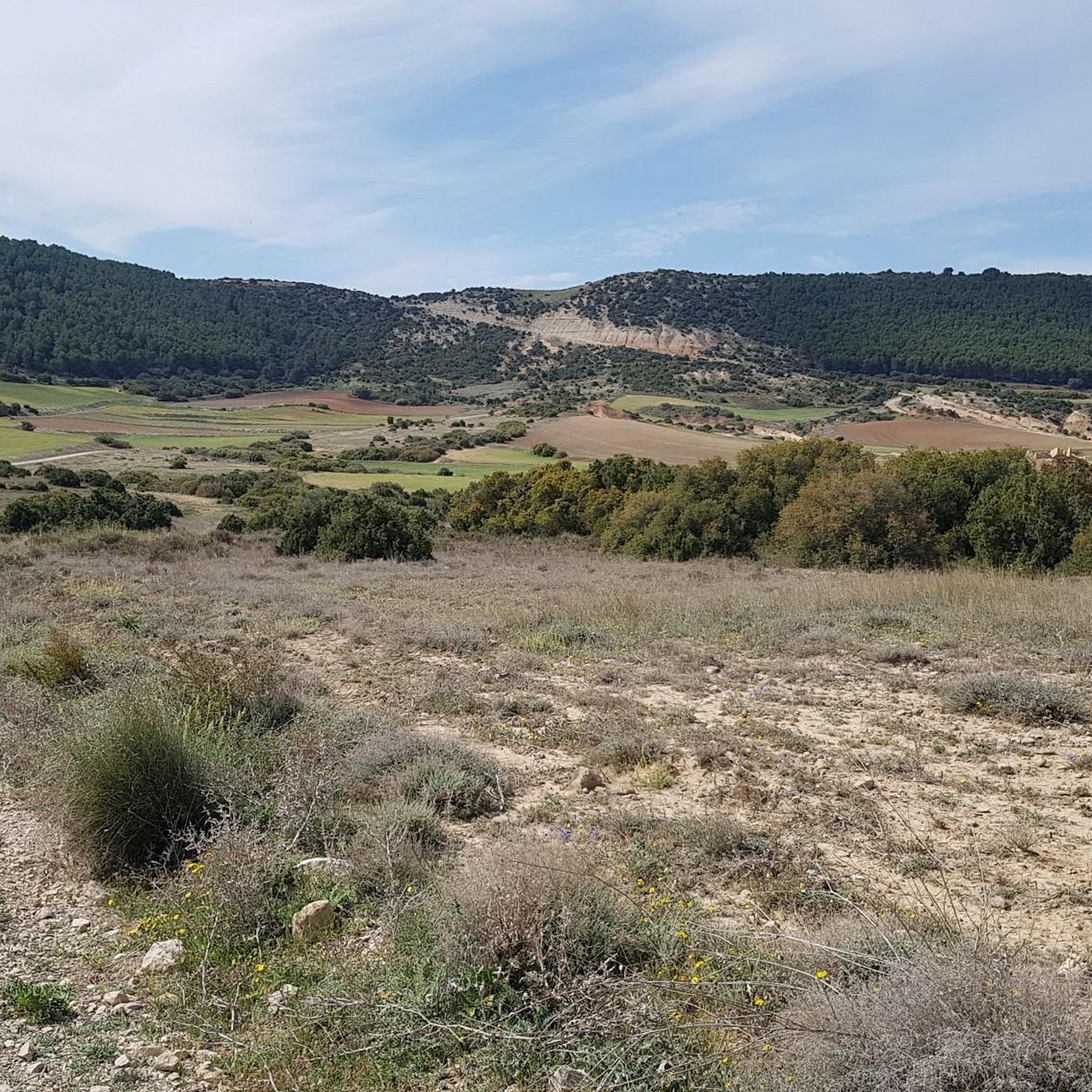
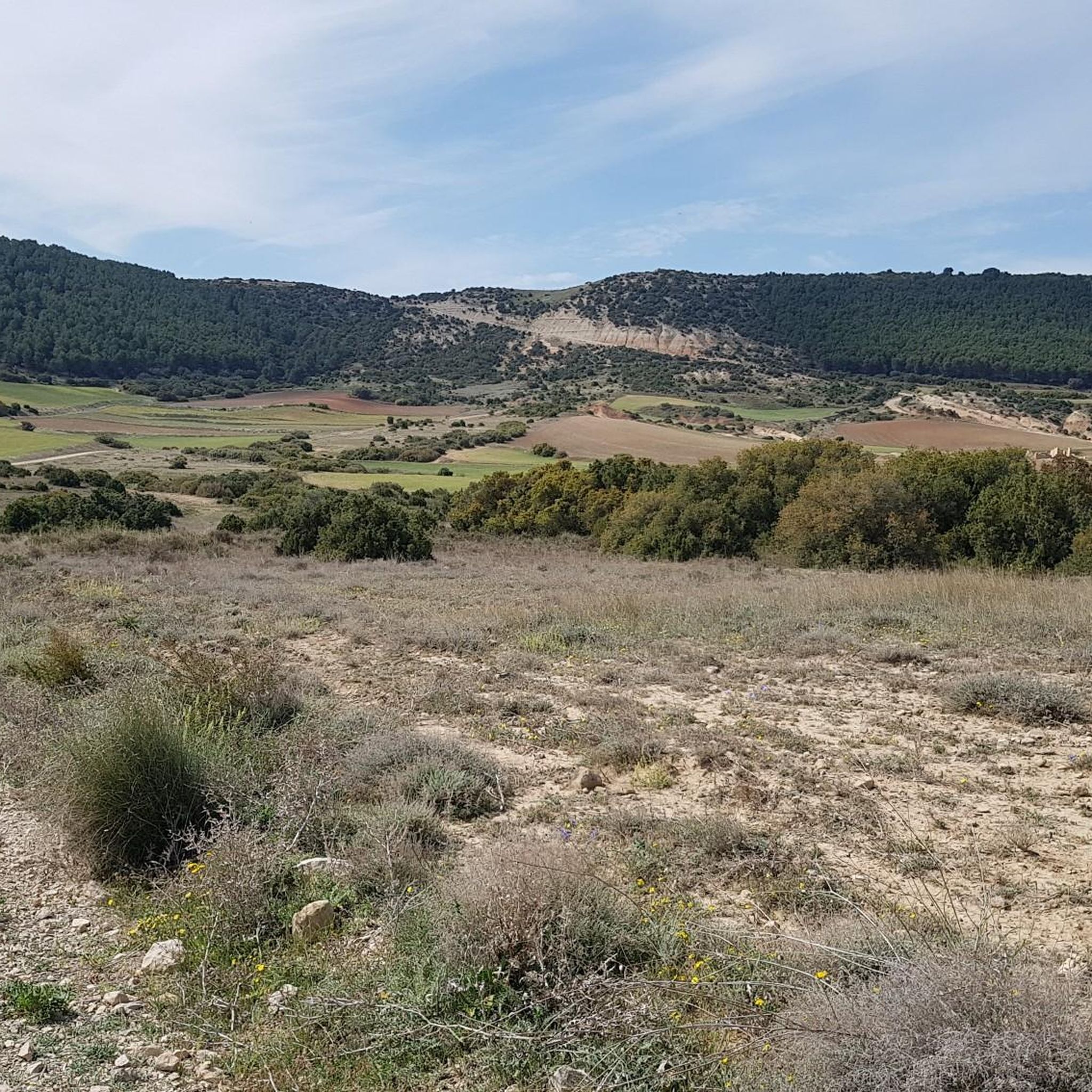
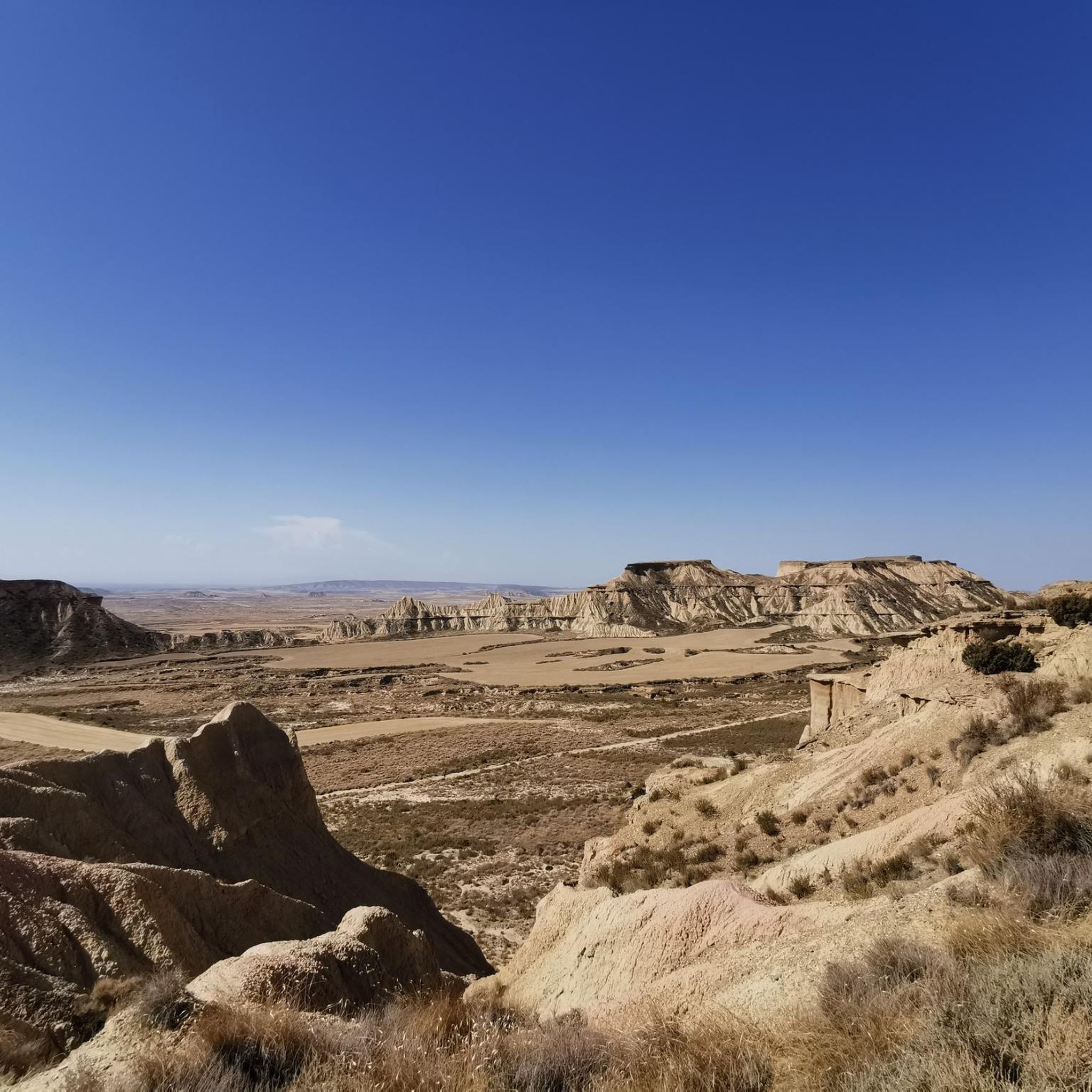
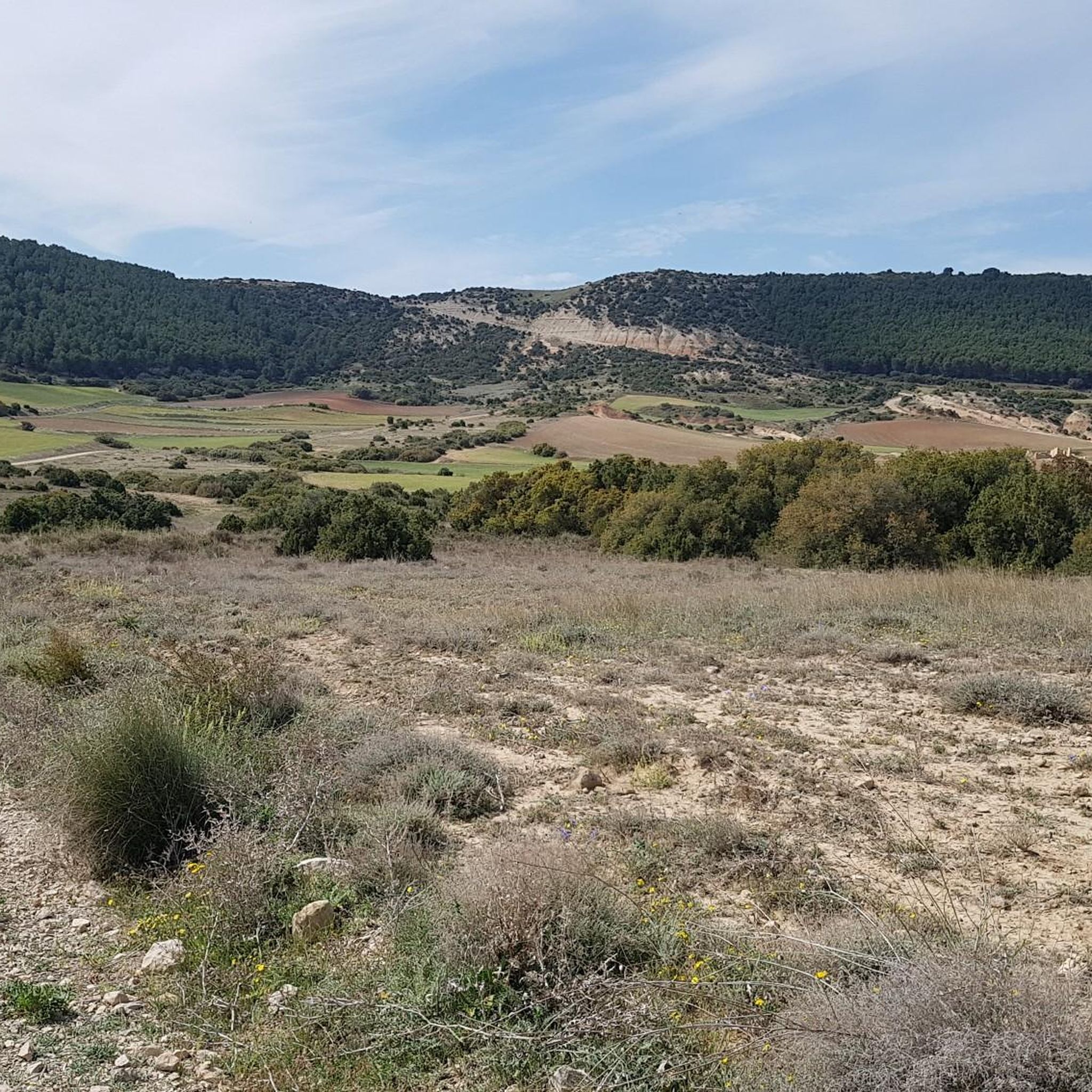
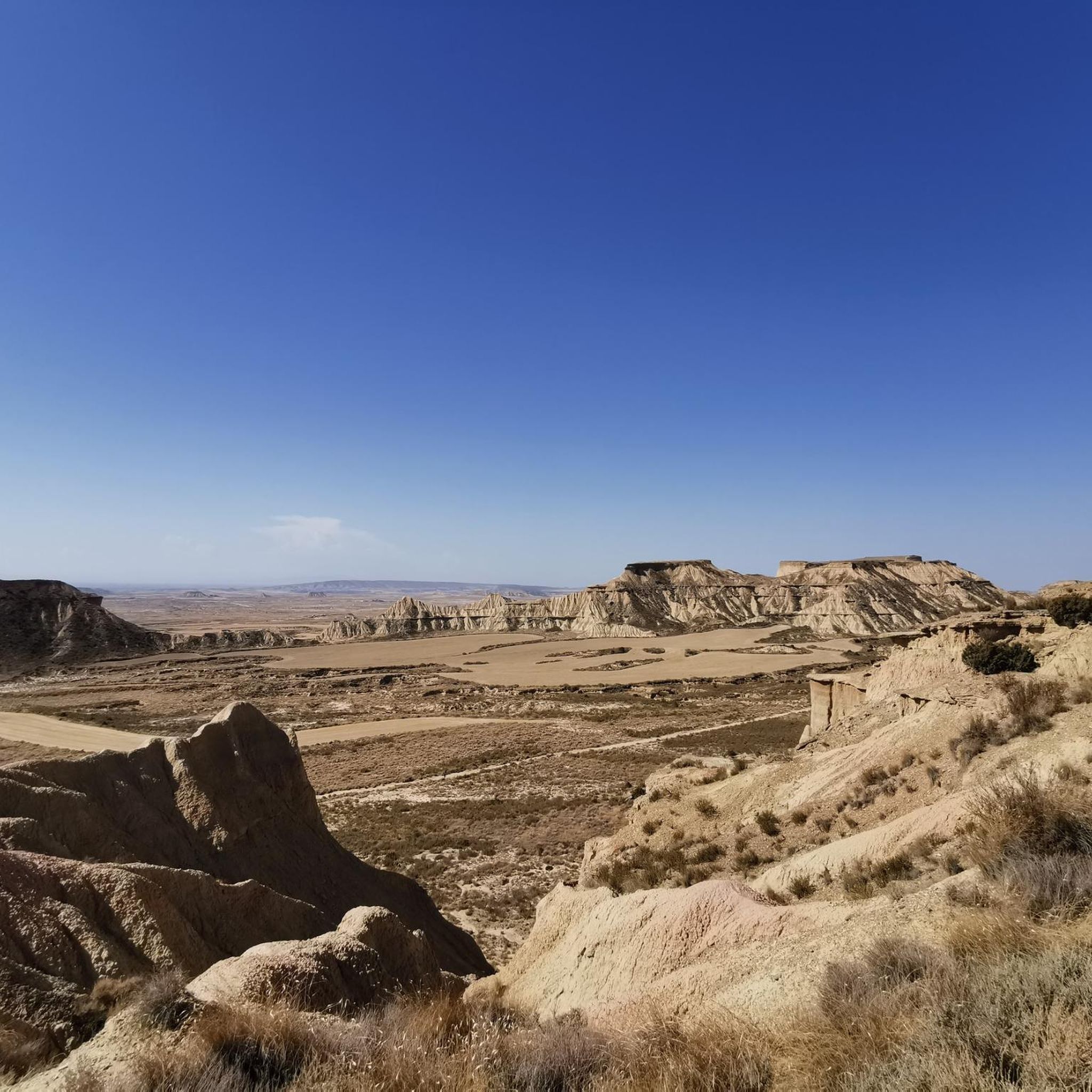
- The most popular mountain peaks is Peña del Fraile, a summit that offers a very nice view of the unusual landscape. This area consists largely of ocher-colored clay, a remnant of a prehistoric sea.
- Another must-see spot is La Ralla, a challenging summit. Visitors can expect a beautiful panoramic view from its peak.
- Visitors also love El Rallón Viewpoint, a natural monument. This viewpoint provides an idea of the scale of the Bardenas and offers a wonderful panorama.
- Ejea De Los Caballeros is known for its unique semi-desert formations, forested peaks, and limestone reliefs. The variety of mountain peaks to see and explore ranges from iconic natural monuments to higher mountain ranges.
- The mountain peaks around Ejea De Los Caballeros are appreciated by the komoot community, with 49 upvotes and 10 photos shared by visitors.
Last updated: June 6, 2026
Peña del Fraile
Highlight • Summit
In addition to its natural beauty, the park is home to a wealth of wildlife, including eagles, vultures, foxes, and reptiles. It is an ideal place for hiking and cycling, with an extensive network of trails and paths.
Translated by Google •
Tip by

Piskerra
Highlight • Natural Monument
Translated by Google •
Tip by

Sign up now to discover places like this
Get recommendations on the best single tracks, peaks, & plenty of other exciting outdoor places.
Sign up for free
Cabezo del Fraile
Highlight • Summit
Translated by Google •
Tip by
La Ralla
Highlight • Summit
Translated by Google •
Tip by
Piskerra - Cabezo de Piskerra
Highlight • Natural Monument
From this crossroad you will have the Piskerra on one side and the Cabezo on the other, it is worth visiting both, very beautiful views of all of the Bardenas.
Be careful on the way up, there will be sectors with some loose terrain but with a firm step you will arrive without problems.
Translated by Google •
Tip by

Sign up for free to discover even more peaks around Ejea De Los Caballeros.
Sign up for free
Already have an account?
Start today with a free account
Your next adventure awaits.
Login or Signup

Tips from the Community

Hi guys, I would highly recommend NOT TO HIKE this. This is not a proper hike, this is just craziness to go on this mountain. The path no longer exists. The stairs are completely broken. If you slip, you die. I never got scared like this and I’m a serious hiker. JUST DONT DO IT.
1
0

Warning! Update 2025: Do not hike this trail! The descent from Piskerra no longer exists. The ascent to Piskerra is also not easy and not for beginners. The same applies to the broken steps. It took me three hours to complete the entire hike, twice as long as planned, and at times I was in mortal danger. No joke.
1
0

Cabezo de Piskerra is one of the most iconic geological formations in the Bardenas Reales, Navarre. This mountain, which rises 474 meters above the plain, offers impressive panoramic views of the area and, on clear days, even the Pyrenees. The route to climb Cabezo de Piskerra is circular and approximately 8.86 km long. Along the way, you can appreciate the characteristic desert and eroded landscape of the Bardenas Blanca.
3
0
Cabezo del Fraile is a geological formation located in the area known as the Bardena Negra, south of the Bardenas Reales of Navarre. At an altitude of 557 meters, it offers impressive panoramic views of the Bardenas.
5
0
The Bardenas Reales Natural Park is a stunning semi-desert landscape located in Navarre, northern Spain. This park, declared a UNESCO Biosphere Reserve, covers approximately 42,500 hectares and is characterized by its unique geological formations and biodiversity. In addition to its natural beauty, the park is home to a wealth of wildlife, including eagles, vultures, foxes, and reptiles. It is an ideal place for hiking and cycling, with an extensive network of trails and paths.
7
0
The walks to Piskerra are no longer up to date, the steps have collapsed and other parts have unfortunately also collapsed.
1
0

Frequently Asked Questions
What are some of the most unique natural features to explore near Ejea de los Caballeros?
The region offers diverse natural features. A standout is El Rallón Viewpoint, which provides a panoramic view of the Bardenas Reales, a semi-desert landscape. Within this area, you'll find iconic formations like Castildetierra, a castle-like earth structure sculpted by erosion, known for its unique 'lunar landscape'. The Bardenas Reales is also a UNESCO Biosphere Reserve, rich in geological and ecological value.
Which mountain peaks offer the best panoramic views?
For breathtaking panoramic views, consider visiting La Ralla, which rewards climbers with extensive vistas. Piskerra - Cabezo de Piskerra also offers surreal landscapes and, on clear days, views extending to the Pyrenees. Additionally, Peña del Fraile provides a very nice view of the unusual ocher-colored clay landscape.
Are there any challenging mountain peaks for experienced hikers?
Yes, La Ralla is noted as a challenging summit. The final ascent requires sure-footedness and can be exposed, but the panoramic reward is significant. Hikers should be prepared for difficult sections and strong winds at the top.
What kind of wildlife can be observed in the mountain areas around Ejea de los Caballeros?
The Bardenas Reales Natural Park, which includes areas like Castildetierra, is home to diverse wildlife such as eagles, vultures, foxes, and reptiles. The Bardena Aragonesa, particularly around Alto de la Negra, is a Special Protection Area for Birds (SPA), where you can spot various raptors including griffon vultures, Egyptian vultures, eagle owls, and peregrine falcons. The Sierra de Santo Domingo also supports a significant population of deer, roe deer, wild boar, and foxes.
What types of outdoor activities can I do near these mountain peaks?
The region offers a variety of outdoor activities. You can find numerous marked trails for hiking and cycling within the Bardenas Reales Natural Park and the Bardena Aragonesa. The Sierra de Santo Domingo features a dozen signposted routes of varying difficulty. For specific routes, you can explore options like the 'Paso de los Ciervos – Bardenas Reales Cliffs loop' for hiking, or 'The Romanesque Route of Cinco Villas' for road cycling. More details can be found in the hiking guide or cycling guide for Ejea de los Caballeros.
Are there any family-friendly hiking options or natural monuments suitable for all ages?
While specific 'family-friendly' designations aren't always given, areas like the Bardenas Reales Natural Park offer numerous marked trails that can be explored by families. The iconic Castildetierra, though not a traditional peak, is a remarkable natural monument that can be appreciated by all ages, offering a unique landscape experience. The visitors' center for the Bardena Aragonesa in Valareña can provide more information on accessible routes.
What is the best time of year to visit the mountain peaks near Ejea de los Caballeros?
Given the semi-desert characteristics of areas like the Bardenas Reales, spring and autumn generally offer the most comfortable temperatures for hiking and exploring. These seasons avoid the extreme heat of summer and the potentially colder, wetter conditions of winter. The contrasting reddish earth against the sky in the Bardenas is particularly enchanting during sunrise and sunset, regardless of the season.
What are the characteristics of the Sierra de Santo Domingo mountain range?
The Sierra de Santo Domingo is a significant mountain range with peaks reaching up to 1,200 meters, featuring Peña de Santo Domingo as its highest point. It is characterized by limestone reliefs and thick forests of holm oaks, pines, and beeches. This area is a refuge for numerous birds of prey and offers a rich biodiversity, making it a popular destination for rural tourism and hiking with many signposted routes.
Can I find any cultural or historical sites near the mountain peaks?
Yes, the Sierra de Santo Domingo Protected Landscape, which includes peaks like Peña de Santo Domingo and Puy Moné, also boasts cultural heritage. You can find Romanesque castles and medieval towns in nearby municipalities such as Luesia and Longás, offering a blend of natural beauty and historical exploration.
What makes the Bardena Aragonesa, including Alto de la Negra, an important ecological area?
The Bardena Aragonesa, also known as Black Bardena, is an important ecological reserve. Its main geodesic point is Alto de la Negra, reaching 648 meters. This area is considered a Special Protection Area for Birds (SPA) and a Site of Community Importance (SCI) due to its rich ecological value, characterized by dark pine forests and rocky walls ('rallas') that provide habitat for various raptors.
Are there any specific hiking trails that lead to the higher peaks in the Sierra de Santo Domingo?
Yes, for those looking to explore the higher elevations of the Sierra de Santo Domingo, a notable hiking trail (PR-Z 119) leads from Luesia to Puy Moné. This route offers an immersive experience, passing through a stunning beech forest (hayedo de Bal) and providing rewarding views of the diverse landscapes and rich biodiversity of the Sierra.
Most popular routes around Ejea De Los Caballeros
Most popular attractions around Ejea De Los Caballeros

Get inspired with the komoot mobile app


