The 5 Most Amazing Peaks around Cañada De Calatrava
Mountain peaks around Cañada De Calatrava are defined by a distinctive volcanic landscape, situated within the broader Campo de Calatrava volcanic region in Ciudad Real, Spain. This area features numerous volcanic cones, maars, and lava domes, presenting unique geological formations. The region's geological history spans over 600 million years, with significant volcanic activity shaping its terrain. It is recognized as the most extensive volcanic field of its kind on the Iberian Peninsula.
Best mountain peaks around Cañada De Calatrava
- The…
Last updated: October 7, 2026
Cerro de Alarcos Ascent from the Road
Highlight • Climb
Translated by Google •
Tip by

Castillejos Geodetic Vertex
Highlight • Summit
Translated by Google •
Tip by
Sign up now to discover places like this
Get recommendations on the best single tracks, peaks, & plenty of other exciting outdoor places.
Cerro de la Zurriaga
Highlight • Trail
Translated by Google •
Tip by
Cerro Palominos
Highlight (Segment) • Summit
Translated by Google •
Tip by
Cerro Pelón
Highlight • Volcano
Translated by Google •
Tip by
Sign up for free to discover even more peaks around Cañada De Calatrava.
Already have an account?
Start today with a free account
Your next adventure awaits.
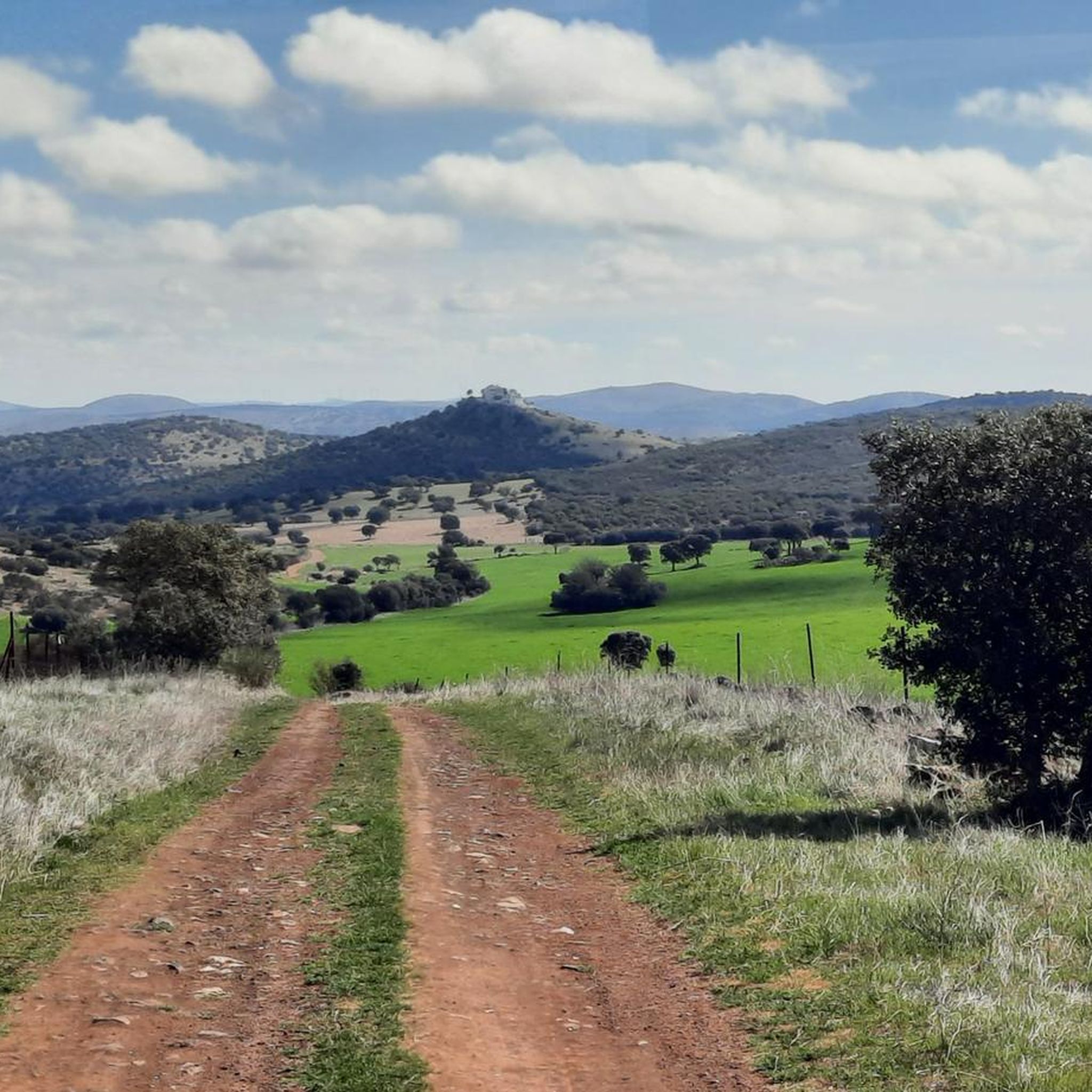
Tips from the Community

A short but steep climb through Las Barracas and Arzollar.
25
0
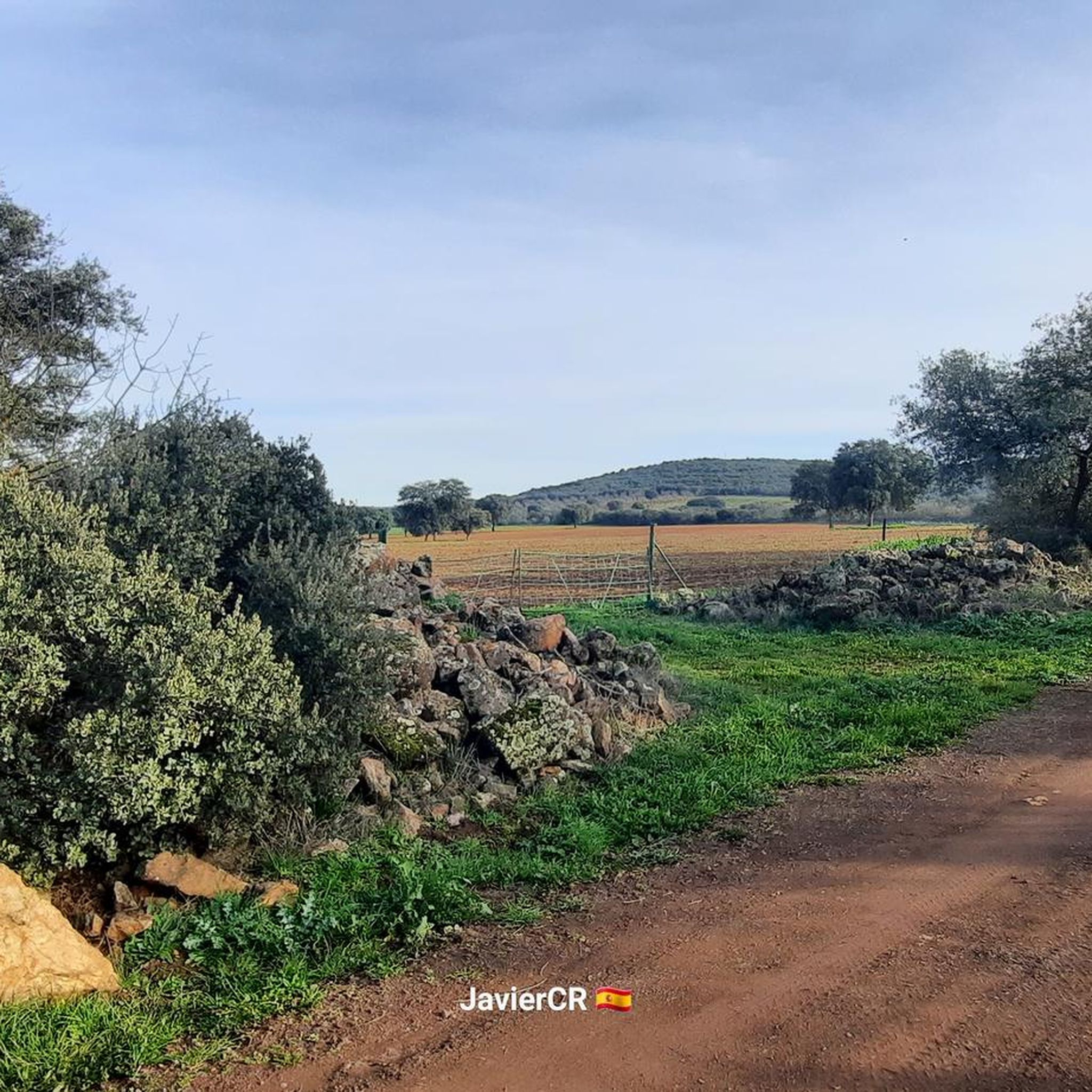
Cerro Pelón, located near Poblete in the province of Ciudad Real, is a volcanic formation that offers a unique experience for nature and hiking lovers. This hill is part of a route that includes other points of interest such as Cabeza del Rey and Cerro de Alarcos. The area is ideal for outdoor activities such as hiking and mountain biking, offering panoramic views and a stunning natural environment.
19
0

You can reach the summit by climbing a path and along a blurred trail. To the south of this we can see the Caracuel castle. A beautiful panoramic view of the hills and mountains in the area.
3
0
Cerro Palominos is a popular area for outdoor activities. It is an ideal place for hiking and mountain biking trails. You can find several routes and trails that offer panoramic views and a pleasant natural environment.
10
0
Indeed a curious climb and to be careful, I won't tell you anything about what it will be like to go down.
21
0
Section of road in quite poor condition, many ruts and speed bumps due to the rains. Nice climb to Alarcos along the cliff hill.
4
0
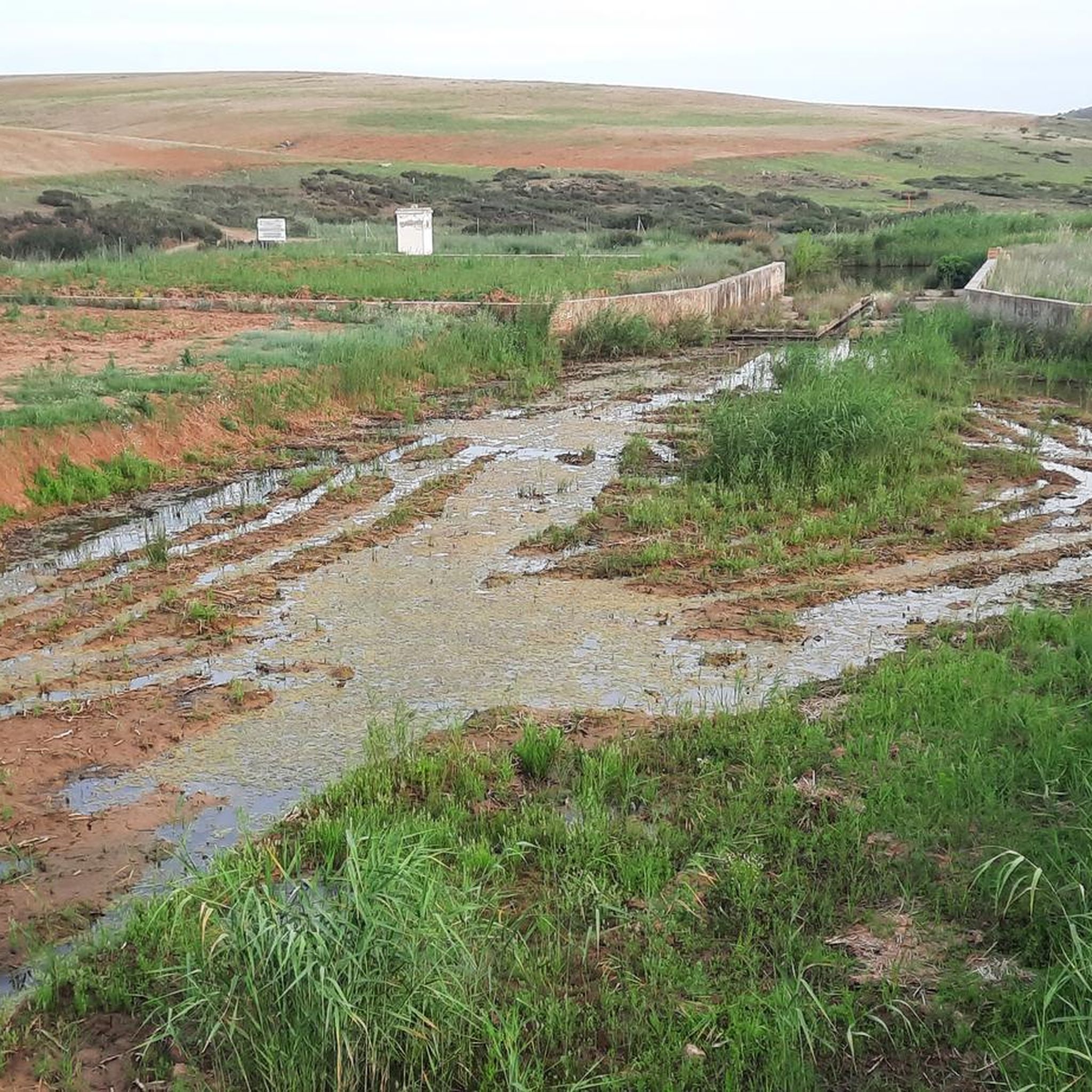
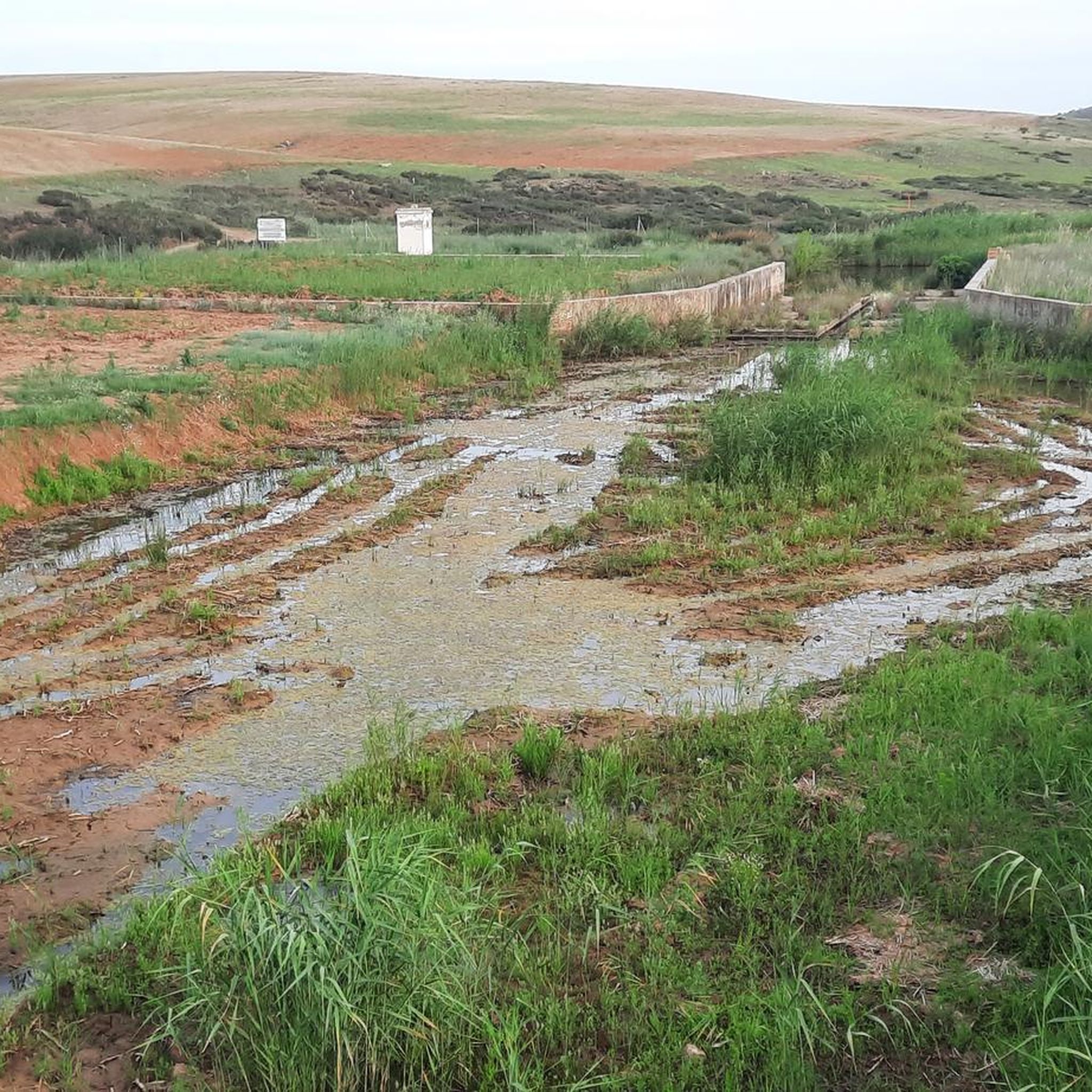
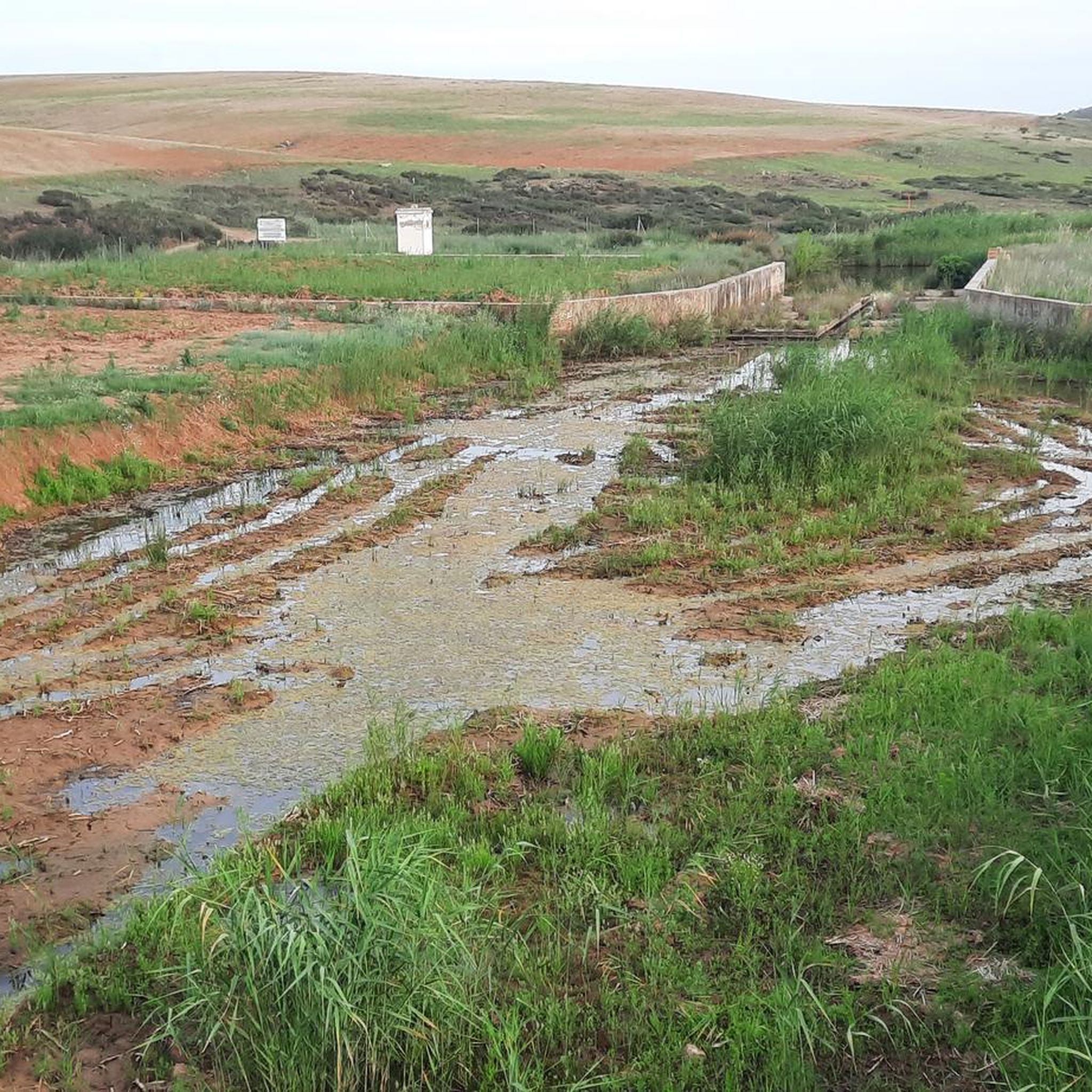
Good path when it is dry to go to the ruins of the Castillo de la Ciruela, views of the Airport and Ballesteros de Cva in the distance.
24
0
A short but pronounced climb through Las Barracas.
26
0
Frequently Asked Questions
What are the most notable mountain peaks and volcanic formations to explore around Cañada de Calatrava?
The region is characterized by its unique volcanic landscape. Notable formations include Cerro de Alarcos Ascent from the Road, known for its short but intense climb, and Castillejos Geodetic Vertex, which is the highest point of Ciudad Real offering expansive views. You can also explore Cerro de la Zurriaga with views towards the airport, and Cerro Palominos, popular for outdoor activities. Don't miss Cerro Pelón, another volcanic formation near Poblete.
Are there any family-friendly hiking options among the peaks near Cañada de Calatrava?
While specific 'family-friendly' categories aren't listed for individual peaks, the general terrain of the Campo de Calatrava volcanic region often includes trails suitable for various skill levels. For dedicated hiking routes, you can explore options like the 'Alarcos Route' or 'Alarcos Virtual Route – Parque del Pilar (Poblete) loop from Poblete' which are rated as easy within the broader Hiking around Cañada De Calatrava guide.
What kind of natural features can I expect to see when visiting the peaks in this region?
The area is rich in distinctive geological formations. You'll encounter numerous volcanic cones, maars (volcanic depressions), and lava domes. The landscape is a result of over 600 million years of geological history, making it the most extensive volcanic field of its kind on the Iberian Peninsula. You can also find carbonic springs, 'boiling pools,' and CO₂-rich fountains, which are ongoing evidence of deep-seated magmatic activity.
Are there any historical or cultural sites associated with the mountain peaks?
Yes, some peaks offer historical connections. For instance, the area around Cerro de Alarcos Ascent from the Road is recognized as a historical site. Additionally, from Cerro de la Zurriaga, you can find a path leading to the ruins of Castillo de la Ciruela.
What outdoor activities are popular near the mountain peaks of Cañada de Calatrava?
The volcanic landscape provides excellent opportunities for various outdoor activities. Hiking and mountain biking are particularly popular, with many trails offering panoramic views. Cerro Palominos and Cerro Pelón are specifically highlighted as ideal places for these activities. You can find detailed routes in the Hiking around Cañada De Calatrava, MTB Trails around Cañada De Calatrava, and Road Cycling Routes around Cañada De Calatrava guides.
What is the best time of year to visit the mountain peaks around Cañada de Calatrava for hiking?
The Campo de Calatrava region generally experiences a Mediterranean climate. Spring and autumn typically offer the most pleasant temperatures for outdoor activities like hiking, avoiding the intense heat of summer and potential chill of winter. Always check the local weather forecast before your visit.
Is there a specific volcano that offers a unique educational experience?
Yes, the Cerro Gordo Volcano, located in Valenzuela de Calatrava, is notable for being the first museumized volcano on the Iberian Peninsula. It offers guided tours that provide insight into its history and unique characteristics, making it a significant point of interest for those keen to learn about the region's volcanic past.
What do visitors particularly enjoy about the mountain peaks and volcanic areas in Cañada de Calatrava?
Visitors appreciate the unique geological formations, the panoramic views from various summits, and the opportunities for outdoor activities like hiking and mountain biking. The region's distinctive volcanic landscape offers a different kind of 'mountain' experience compared to traditional towering peaks, which is highly valued by the komoot community.
Are there any specific trails or routes recommended for exploring the volcanic landscape?
Beyond individual peak ascents, the broader Campo de Calatrava region offers numerous trails. For example, the Sierra de Malagón trail includes peaks like Plaza de los Moros Summit and Cerro Amarillo. The region's geological heritage makes it ideal for exploration, with many routes providing insights into its volcanic past. You can find specific routes in the Hiking around Cañada De Calatrava guide.
How accessible are the viewpoints from the peaks in Cañada de Calatrava?
Many of the peaks offer rewarding views. For instance, Castillejos Geodetic Vertex provides good views of Ciudad Real, although the immediate vertex is fenced. Cerro de la Zurriaga offers views of the Airport and Ballesteros de Cva. Generally, trails to these viewpoints are accessible, though some ascents can be pronounced or intense, as noted for Cerro de Alarcos Ascent from the Road.
What is the geological significance of the Campo de Calatrava volcanic region?
The Campo de Calatrava volcanic region is the most extensive volcanic field of its kind on the Iberian Peninsula, with volcanic activity occurring between 7.4 and 0.7 million years ago. It is known for its Strombolian and hydromagmatic eruptions that formed numerous volcanic cones and a significant maar lake system in continental Europe. This rich geological heritage makes the entire region, including areas around Cañada de Calatrava, particularly worth visiting for its unique natural formations.
Most popular attractions around Cañada De Calatrava

Get inspired with the komoot mobile app


Explore more
See even more amazing summits around Cañada De Calatrava with these guides:
