Top 10 Castles around Cabrera D'Anoia
Castles around Cabrera D'Anoia offer insights into Catalonia's feudal past, with structures dating back to the 10th and 11th centuries. The region features fortified sites strategically positioned on hilltops, providing views over valleys and the Anoia River. These historical locations often include architectural remains such as walls, towers, and churches, reflecting their defensive origins and later adaptations. The area is characterized by its medieval heritage and elevated landscapes.
Best castles around Cabrera D'Anoia
- The most popular castles is Subirats Castle…
Last updated: May 6, 2026
Castle of La Granada
Highlight • Castle
Translated by Google •
Tip by

Claramunt Castle
Highlight • Castle
Translated by Google •
Tip by

Sign up now to discover places like this
Get recommendations on the best single tracks, peaks, & plenty of other exciting outdoor places.
Sign up for free
Castell de Mediona
Highlight • Castle
Translated by Google •
Tip by
Subirats Castle
Highlight • Castle
Translated by Google •
Tip by

Sant Quintí Castle
Highlight • Castle
Translated by Google •
Tip by

Sign up for free to discover even more castles around Cabrera D'Anoia.
Sign up for free
Already have an account?
Start today with a free account
Your next adventure awaits.
Login or Signup

Tips from the Community

A very beautiful ruin that can be visited. Check online beforehand to see if it is open 😎
0
0

There is little more to add to what Peaknik explains so well. You have to look closely to see the ruins of the castle.
0
0

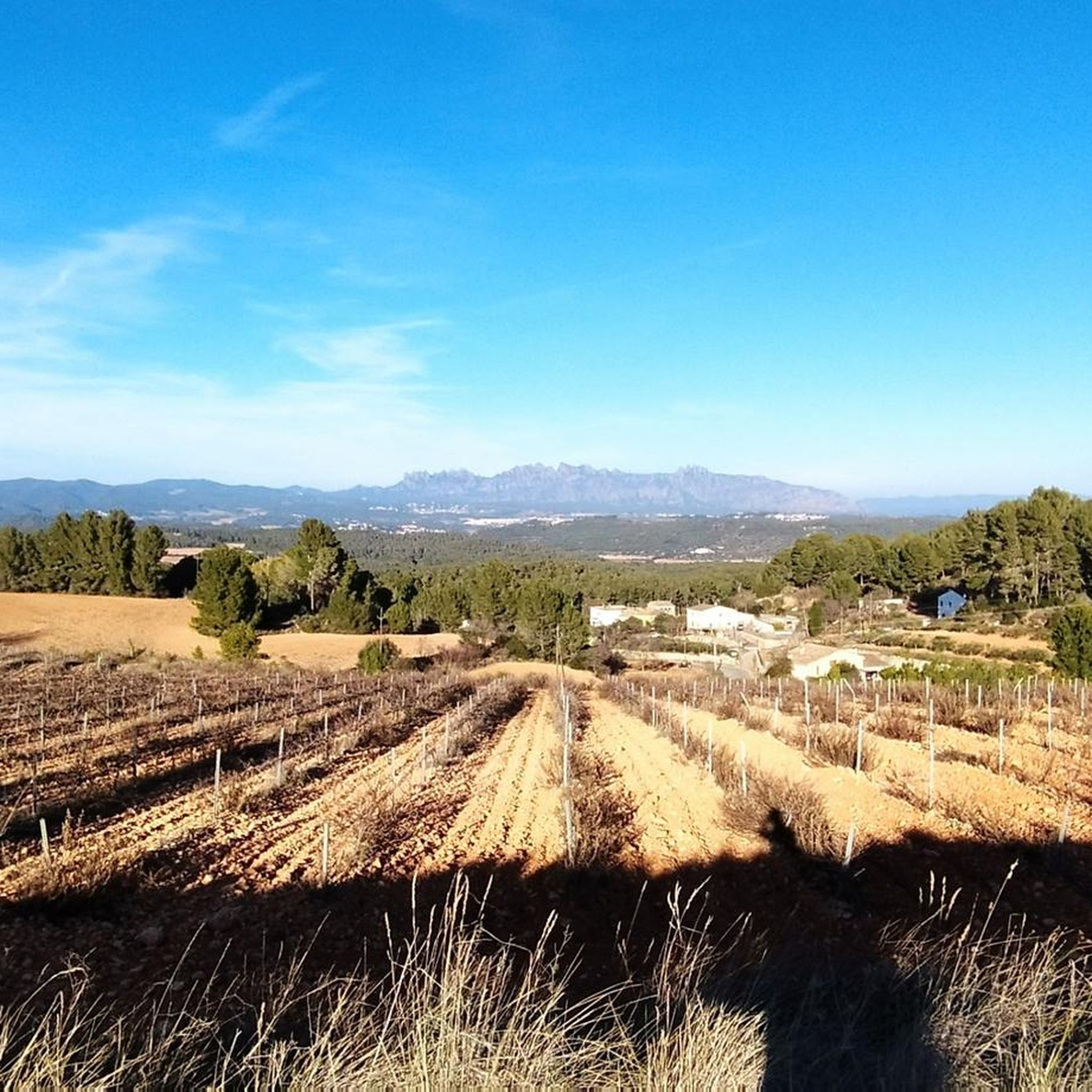
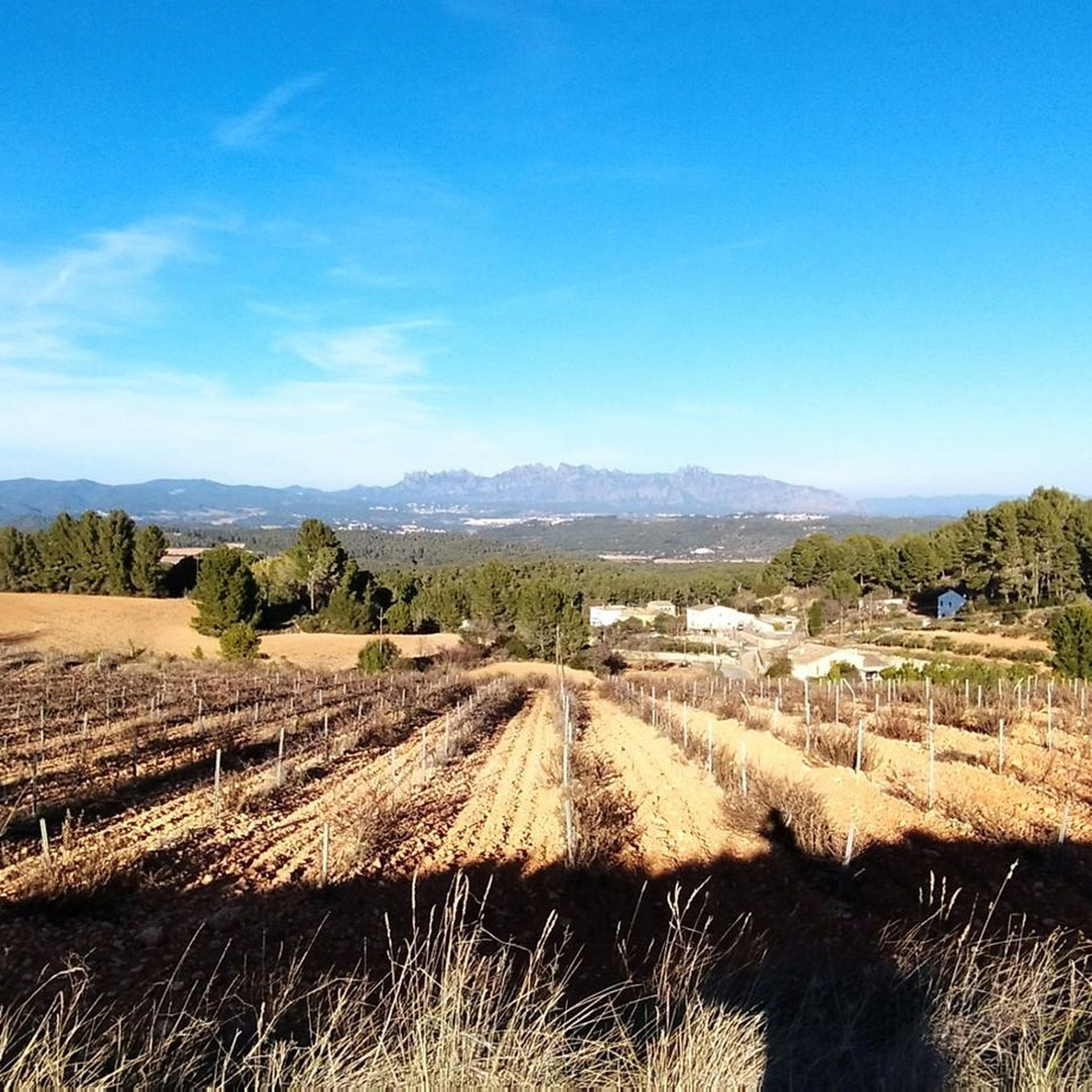
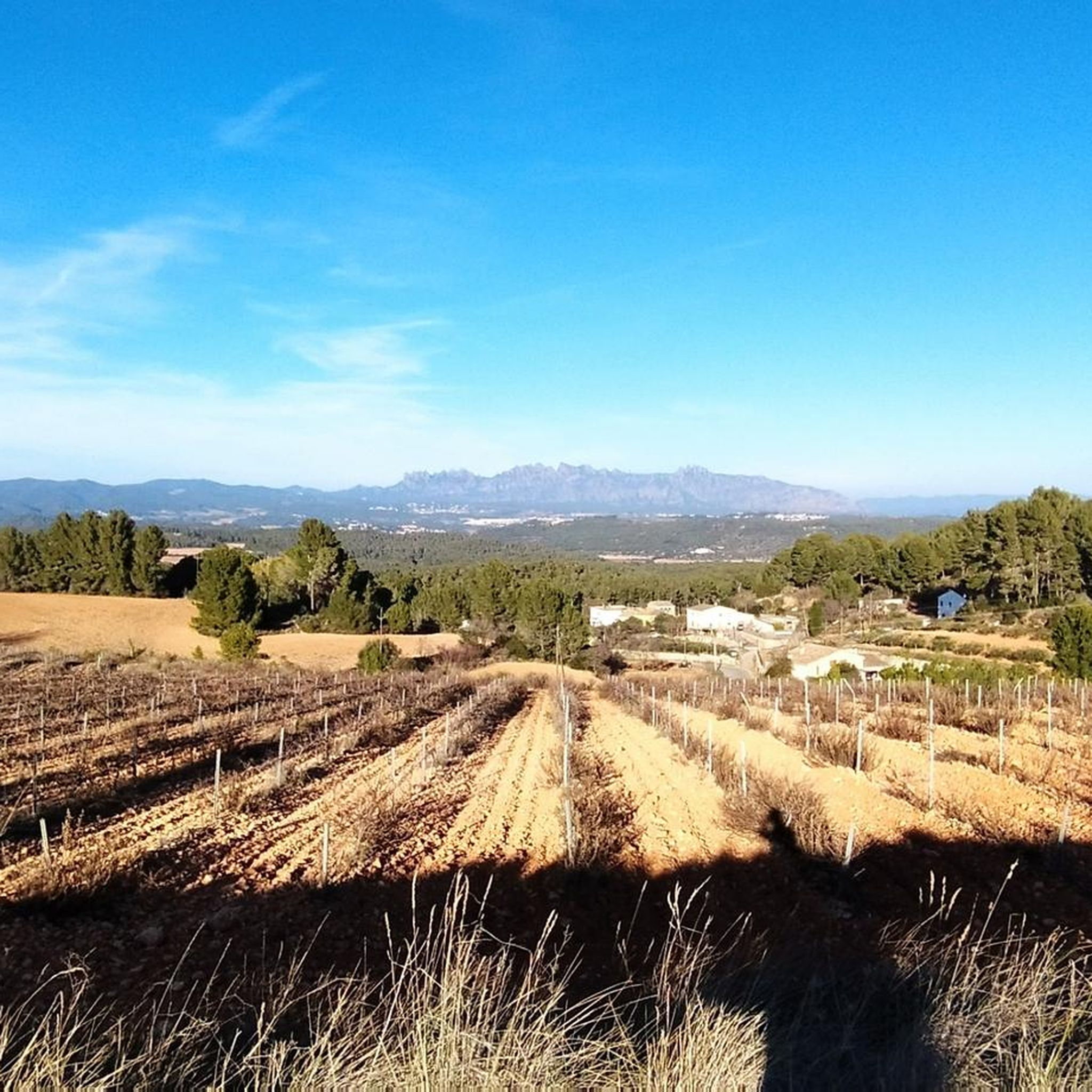
From here you can contemplate the eastern Penedes valley with the witness of the Montserrat mountains in the background. Take a breath and go down the trail to the medieval town of Torre Ramona (Subirats).
1
0

Claramunt Castle is a Romanesque fortress from the 10th century. It is located on a hill that dominates all the surrounding lands and the course of the Anoia River, so it enjoys magnificent views.
0
0

Beautiful castle that is located at the top of one of the hills. Its ancient towers are still preserved in good condition!
0
0
Castle that is located above the center of La Pobla de Claramunt on its west side and that offers spectacular views of the entire valley of the Anoia River and the mountains that surround it.
0
0

Ruins of an Elizabethan barracks, occupied by the Carlists. Only a section of wall and a tower remain. The interior has been converted into a cemetery. It is interesting from a historical point of view.
1
0

La Pobla de Claramunt Castle is a 10th century Romanesque medieval castle located in the Serra de la Guàrdia overlooking the municipality of La Pobla de Claramunt. The castle sits on a hill 453 m high, and occupies an area of 5,400 m². Visiting hours **From 01.05 to 30.09** Morning: 10 - 1.30 pm (+30) / Afternoon: 4 - 6.30 pm (+30) **From 01.10 – 30.04** Morning: 9.30 – 1.30 pm (+30) / Afternoon: 3 – 4.30 pm (+30) From Wednesday to Sunday, including public holidays. Closed on non-holiday Mondays and Tuesdays, December 25 and 26 and January 1 and 6.
0
0
Frequently Asked Questions
What is the historical significance of castles in the Cabrera D'Anoia region?
The castles in Cabrera D'Anoia, such as the historic Cabrera Castle (Casal dels Móra), offer a deep dive into Catalonia's feudal past. Many date back to the 10th and 11th centuries, strategically built on hilltops for defense. They reflect centuries of regional history, from their initial defensive roles to later adaptations as stately homes, and were often held by influential families like the Cabrera lineage.
Which castles in the area offer the best panoramic views?
For impressive panoramic views, consider visiting Claramunt Castle, which overlooks the entire Anoia River valley. Subirats Castle also provides excellent views of the eastern Penedès valley with the Montserrat mountains in the background. Additionally, the ruins of Tossa and Montbui Castle offer extensive views over the Conca d'Òdena and Montserrat.
Are there family-friendly activities or walks near the castles?
Many castles in the region are accessible via easy to moderate trails, making them suitable for family walks. The sites often combine historical exploration with natural surroundings. For specific family-friendly walks, you can explore the running trails around Cabrera D'Anoia, which include moderate loops like the Penedès 360 Trekking: La Cadira Loop, suitable for active families.
What outdoor activities can I do near the castles in Cabrera D'Anoia?
Beyond exploring the castles themselves, the region offers various outdoor activities. You can find numerous cycling routes, including challenging ones like the Sant Martí Sarroca and Mediona Castles Loop, detailed in the Cycling around Cabrera D'Anoia guide. There are also gravel biking and running trails, such as those found in the Gravel biking around Cabrera D'Anoia guide, which often pass by historical sites and offer scenic views.
Is Cabrera Castle (Casal dels Móra) accessible, and what can I see there?
Cabrera Castle, also known as Casal dels Móra, is a significant historical site. While it's primarily ruins, you can see an 80-meter section of the west wall, a 35-meter section of the north wall with loopholes, and the base of a circular tower. The site also includes the Romanesque Church of Sant Salvador and offers impressive panoramic views. It's popular for hiking, with dog-friendly trails leading to the ruins.
What is the best time of year to visit the castles in Cabrera D'Anoia?
Spring and autumn are generally the best times to visit the castles in Cabrera D'Anoia. During these seasons, the weather is pleasant for hiking and exploring the ruins, and the views are often clearer. The cooler temperatures make for a more comfortable experience compared to the heat of summer.
Are there any castles with significant architectural remains to explore?
Yes, Claramunt Castle is a 10th-century Romanesque medieval castle with substantial remains, occupying an area of 5,400 m². While Castle of La Granada has fewer standing walls, its 10th-century origins and historical involvement make it significant. Cabrera Castle (Casal dels Móra) also features notable wall sections and a Romanesque church.
Can I find dog-friendly trails near the castles in the Anoia region?
Yes, many of the trails leading to and around the castle ruins in the Anoia region are dog-friendly. For instance, the trails around Cabrera Castle (Casal dels Móra) are popular for hiking with dogs. Always ensure your dog is on a leash and you clean up after them.
Are there any hidden gems or less-known castles worth visiting?
While not a 'hidden gem' in the traditional sense, the ruins of Sant Quintí Castle offer a unique historical perspective. It was an Elizabethan barracks occupied by Carlists, with only a section of wall and a tower remaining, and its interior has been converted into a cemetery. It's interesting from a historical point of view for those seeking something different.
What kind of historical events are associated with the castles in this region?
The castles in Cabrera D'Anoia have witnessed numerous historical events. For example, the Castle of La Granada was destroyed in 1003 after a Saracen attack and was involved in the Catalan civil war in the 15th century, and the War of the Segadors in the 17th century. Cabrera Castle itself was possessed by viscounts and counts of Barcelona, highlighting its importance in medieval Catalonia's feudal history.
How long should I plan for a visit to one of these castles?
The duration of a visit depends on the castle and your interest. For a site like Claramunt Castle, which has specific visiting hours and more extensive remains, you might spend 1-2 hours exploring. For ruins like Cabrera Castle or Sant Quintí Castle, a visit might be shorter, perhaps 30 minutes to an hour, often combined with a hike to the site.
Most popular routes around Cabrera D'Anoia
Most popular attractions around Cabrera D'Anoia

Get inspired with the komoot mobile app


Explore more
Looking for the best castles somewhere else? Discover other guides around Cabrera D'Anoia:
