Top 5 Castles around Vilassar De Dalt
Best castles around Vilassar De Dalt are situated in a region known for its historical depth and varied landscape. The area features coastal views and elevated positions, providing strategic locations for historical structures. Vilassar de Dalt itself is home to the Castell de Vilassar de Dalt, a significant landmark with origins dating back to the 10th century. This region offers a blend of historical sites set within natural surroundings.
Best castles around Vilassar De Dalt
- The most popular castles is…
Last updated: May 6, 2026
Burriac Castle
Highlight • Castle
Translated by Google •
Tip by

La Torrassa del Moro
Highlight • Monument
Open on Saturdays, Sundays and public holidays …
Translated by Google •
Tip by

Sign up now to discover places like this
Get recommendations on the best single tracks, peaks, & plenty of other exciting outdoor places.
Sign up for free
Sant Miquel Castle
Highlight • Castle
Translated by Google •
Tip by

Trail with views of Burriac Castle
Highlight • Trail
Translated by Google •
Tip by
Vilassar Castle
Highlight • Castle
Translated by Google •
Tip by

Sign up for free to discover even more castles around Vilassar De Dalt.
Sign up for free
Already have an account?
Start today with a free account
Your next adventure awaits.
Login or Signup

Tips from the Community

Tough route, very steep ramps that make the rear wheel skid on the loose dirt of the trail. It also has considerable difficulty due to the state of the trail, eroded and with many ruts and stones.
0
0

It houses over 8,000 medieval parchments, a veritable documentary treasure hidden within centuries-old walls. But it wasn't all glory: in its day, there were revolts because the lords of the castle forced the locals to work for free on construction projects, without bread or gratitude. Its structure is as legendary as its history, with a cylindrical tower that has stood since the 10th century and another square one added in the 13th. Today, it can only be visited on very specific dates, making it an almost secret place. Declared a historical monument in 1931, it remains a symbol of the town and, in recent years, also a curious setting where history and drinks intertwine seamlessly.
0
0
Built in the 10th century to deter pirates, Vilassar Castle evolved from a defensive tower into a Gothic palace. It features a chapel, a hall of mirrors, a garden, and sea views. Although privately owned, it is open to the public a few days a year and, since 2017, has been available for rent for weddings and events.
0
0


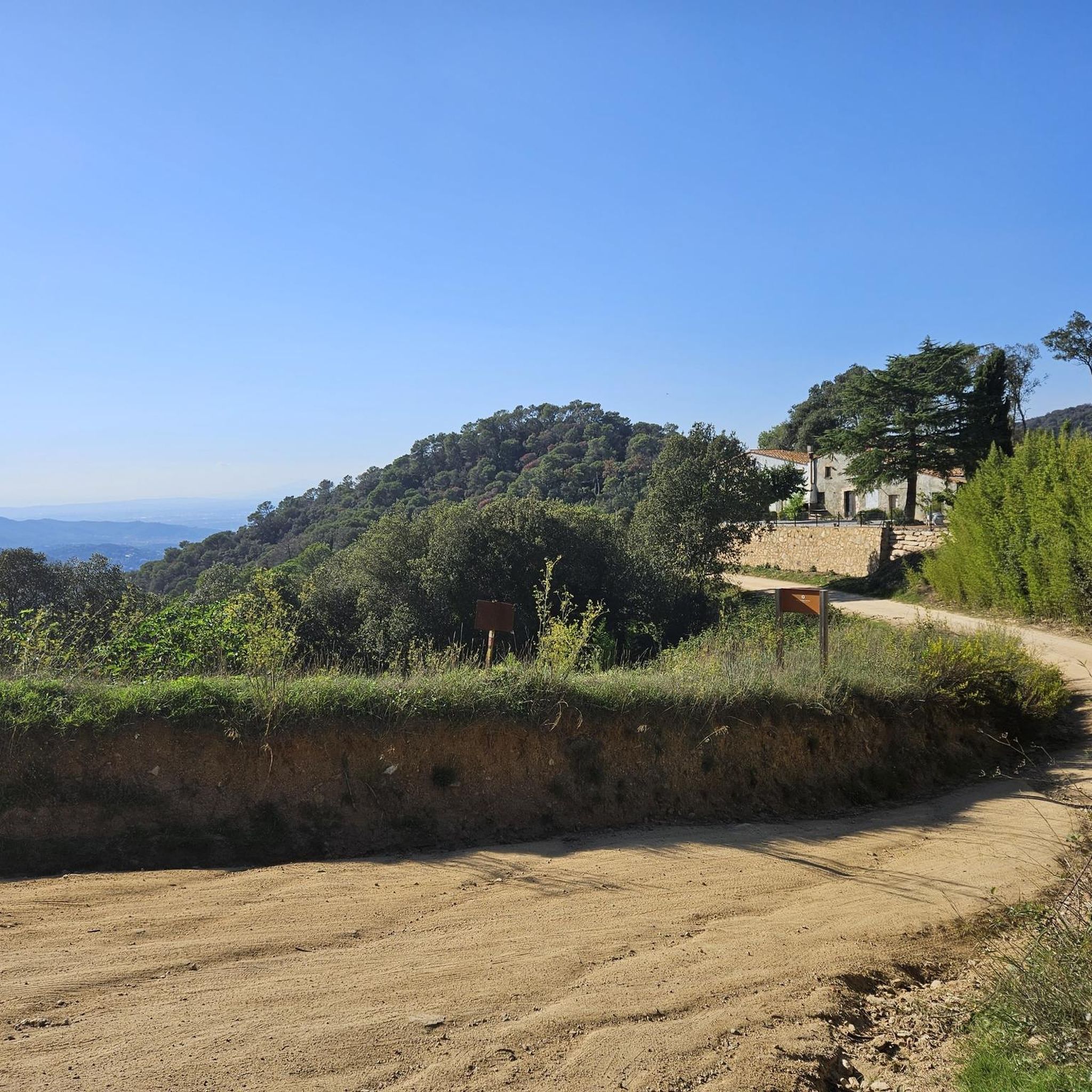
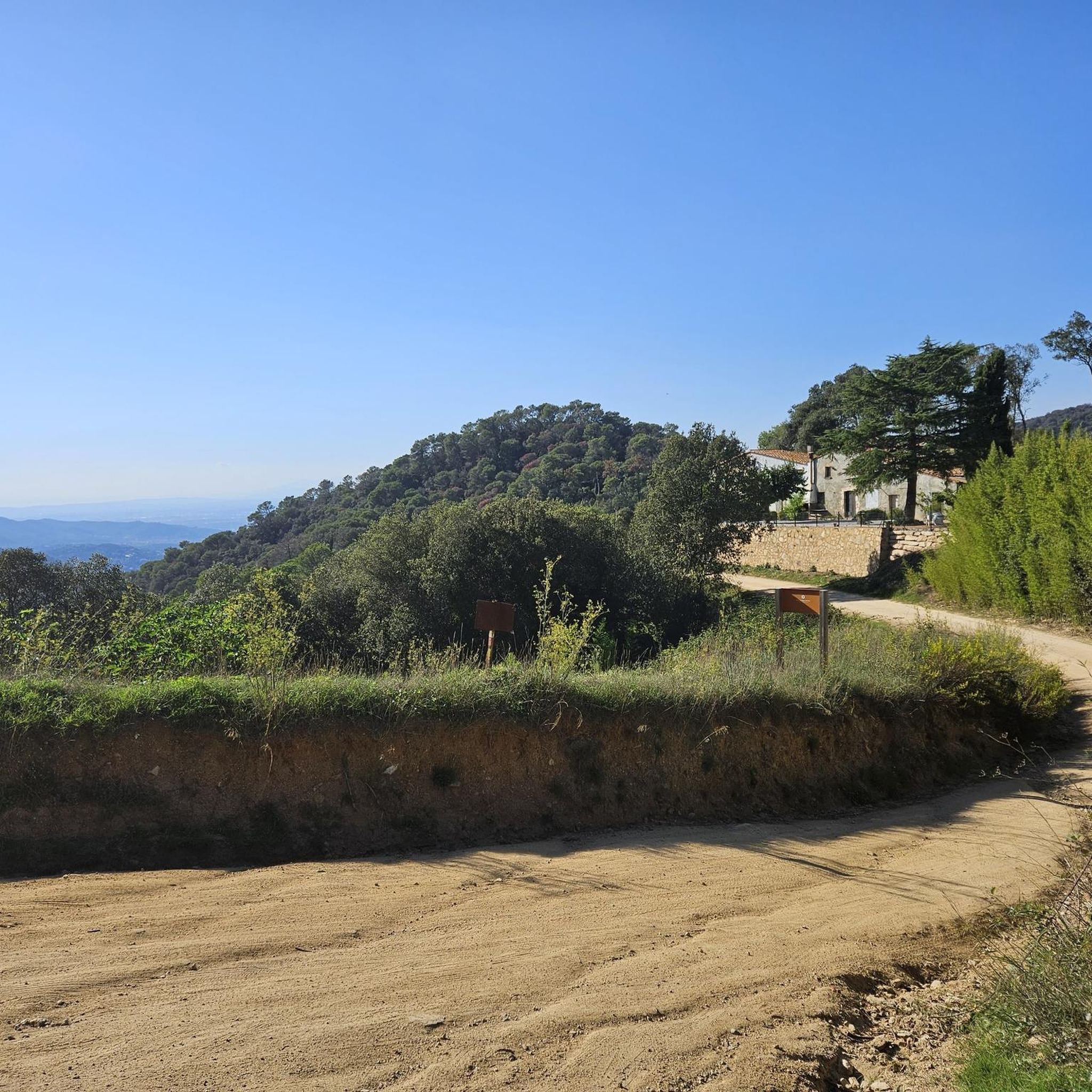
To get to Burriac Castle, you have to go through a typically Mediterranean forest made up of pines, oaks and bushes. Follow the trail signs and in no time you will see the castle rising above the hill.
0
0
The remains of Burriac Castle are almost a thousand years old. They are located at the top of Burriac Hill. One of the best ways to get to the castle is by following the local trail SL-C 115 from Cabrera de Mar.
3
1
Known in the early days as Castrum Sancti Vicentii, a name under which it has been recorded since 1023, its main domain belonged to the count of Barcelona. Even so, from the 11th century the Santvicenç family emerged, which was always a feudatària of the count's house and about which there is more information since the first years of the 12th century.
7
0
In 1471, after the civil war, John II granted the castle of Burriac and Vilassar, with the villages of Argentona, Cabrera, Vilassar, Premió and Mataró to Pere Joan Herrero, a member of the Generalitat or General Diputación of Barcelona. This domain of Pere Joan Ferrer was called the barony of Maresme.
7
0
Frequently Asked Questions
What is the historical significance of the castles around Vilassar de Dalt?
The castles in the Vilassar de Dalt area boast a rich history, with some structures dating back to the 10th century. For instance, the Vilassar Castle is considered one of the oldest in Catalonia, evolving from a defensive tower into a Gothic palace. Similarly, Burriac Castle features remains almost a thousand years old and is declared a Cultural Asset of National Interest. You can also find ancient structures like La Torrassa del Moro, a cylindrical tower of Roman origin later used as a medieval watchtower.
Can I visit the interior of Vilassar Castle?
While Vilassar Castle is privately owned, it is open to the public on specific dates throughout the year. These visits typically allow access to the outer courtyard, moat bridge, entrance courtyard, chapel, main porch, and the inner courtyard of the tower. It also houses a significant private historical archive with over 8,000 parchments.
What kind of views can I expect from the castles in this region?
Many castles in the area offer impressive panoramic views due to their elevated positions. From Burriac Castle, you can enjoy superb vistas over the central Maresme region. Similarly, Sant Miquel Castle provides impressive views from its summit, overlooking the eastern and western valleys, especially beautiful at night.
Are there hiking trails to reach these castles?
Yes, several castles are accessible via hiking trails. For example, one of the best ways to reach Burriac Castle is by following the local trail SL-C 115 from Cabrera de Mar, which takes you through a Mediterranean forest. Sant Miquel Castle can be reached by an ultra-vertical and technical path from the Vallromanes side, suitable for experienced hikers.
What outdoor activities can I do near the castles?
Beyond visiting the castles, the area offers various outdoor activities. You can explore numerous trails for gravel biking, running, and road cycling. For instance, there are challenging gravel biking routes like the 'Moor's Tower (Torrassa del Moro) – Hermitage of Saint Sebastian loop' and running trails such as the 'Can Boquet Cross – Dolmen of the Roca d'en Toni loop'. You can find more details and routes in the Gravel biking around Vilassar De Dalt, Running Trails around Vilassar De Dalt, and Road Cycling Routes around Vilassar De Dalt guides.
Is it possible to visit the castles with children or pets?
While specific accessibility for children and pets varies by site, many of the castle grounds and surrounding trails are suitable for family outings. For example, the walk up to Burriac Castle through the woods is generally considered pleasant. However, paths to castles like Sant Miquel Castle can be challenging and steep, which might be less suitable for very young children or pets requiring easy terrain.
What is the best time of year to visit the castles around Vilassar de Dalt?
The region generally enjoys a Mediterranean climate. Visiting during spring (April-May) or autumn (September-October) often provides pleasant temperatures for hiking and exploring. Summers can be hot, while winters are mild but may bring cooler, wetter weather, making some trails potentially muddy. Always check local weather conditions before your visit.
Are there any amenities like cafes or restaurants near the castles?
Some historical sites offer basic amenities. For instance, near La Torrassa del Moro, there's a bar service offering sandwiches and barbecue on Saturdays, Sundays, and public holidays. For more extensive options, you would typically find cafes and restaurants in the nearby towns like Vilassar de Dalt, Cabrera de Mar, or Mataró.
What makes La Torrassa del Moro unique?
La Torrassa del Moro is a unique cylindrical tower of Roman origin, believed to date from the second century BC. It was later transformed into a watchtower during the Middle Ages. Its historical significance lies in its ancient construction and its role in the region's defense over centuries. It also offers a good spot for a break with basic services on weekends.
How accessible are the castles by public transport or car?
Accessibility varies. While some castles like Vilassar Castle are located within the town of Vilassar de Dalt, making them relatively easy to reach, others like Burriac Castle are situated on hilltops and require a hike. Public transport typically serves the towns, from which you would then need to walk or find local transport to the castle trails. Parking availability near trailheads or castle entrances can also vary, so it's advisable to research specific locations beforehand.
What architectural styles can be observed in the castles of Vilassar de Dalt?
The castles in the area showcase a fascinating blend of architectural styles, reflecting centuries of evolution. Vilassar Castle, for example, features Romanesque origins with a 10th-century circular tower and later 15th-century Gothic additions, including large Gothic windows. This mix provides a unique architectural journey through different historical periods.
Most popular routes around Vilassar De Dalt
Most popular attractions around Vilassar De Dalt

Get inspired with the komoot mobile app


Explore more
Looking for the best castles somewhere else? Discover other guides around Vilassar De Dalt:
