Top 6 Castles around Teià
Castles around Teià, a municipality in the Maresme region of Catalonia, offer a glimpse into the area's rich historical and Roman past. While traditional medieval castles are less common, Teià is home to several significant historical buildings and fortified farmhouses. These structures showcase diverse architectural styles and provide insight into the region's agricultural and feudal history. Exploring these sites connects visitors with Teià's ancient roots and its development.
Best castles around Teià
- The most popular castles is Burriac Castle,…
Last updated: July 31, 2026
Burriac Castle
Highlight • Castle
Translated by Google •
Tip by

Sant Miquel Castle
Highlight • Castle
Translated by Google •
Tip by

Sign up now to discover places like this
Get recommendations on the best single tracks, peaks, & plenty of other exciting outdoor places.
Sign up for free
Mogoda neighborhood and Mogoda Castle
Highlight • Historical Site
Translated by Google •
Tip by

Trail with views of Burriac Castle
Highlight • Trail
Translated by Google •
Tip by
Can Garí
Highlight • Historical Site
Translated by Google •
Tip by

Sign up for free to discover even more castles around Teià.
Sign up for free
Already have an account?
Start today with a free account
Your next adventure awaits.
Login or Signup

Tips from the Community

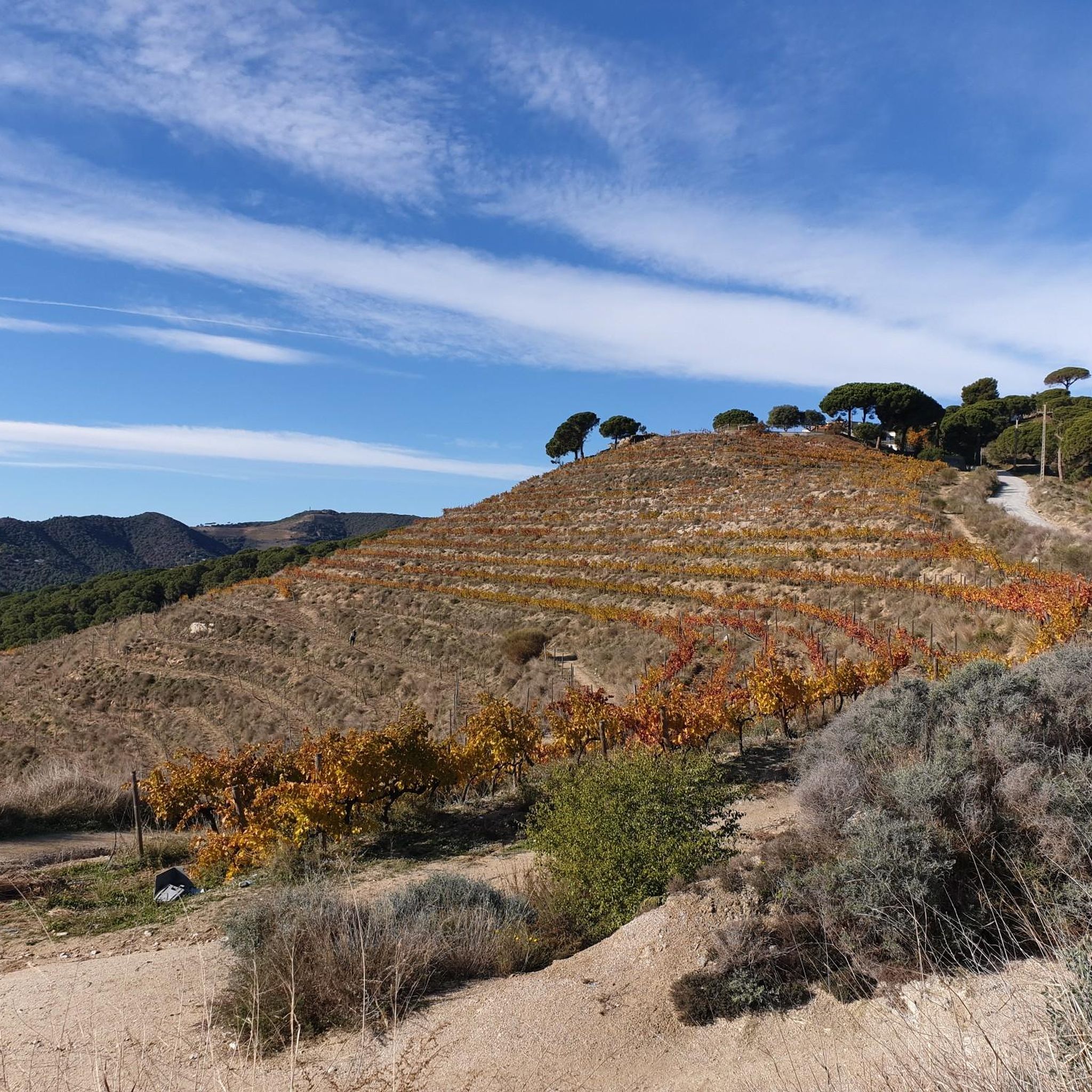
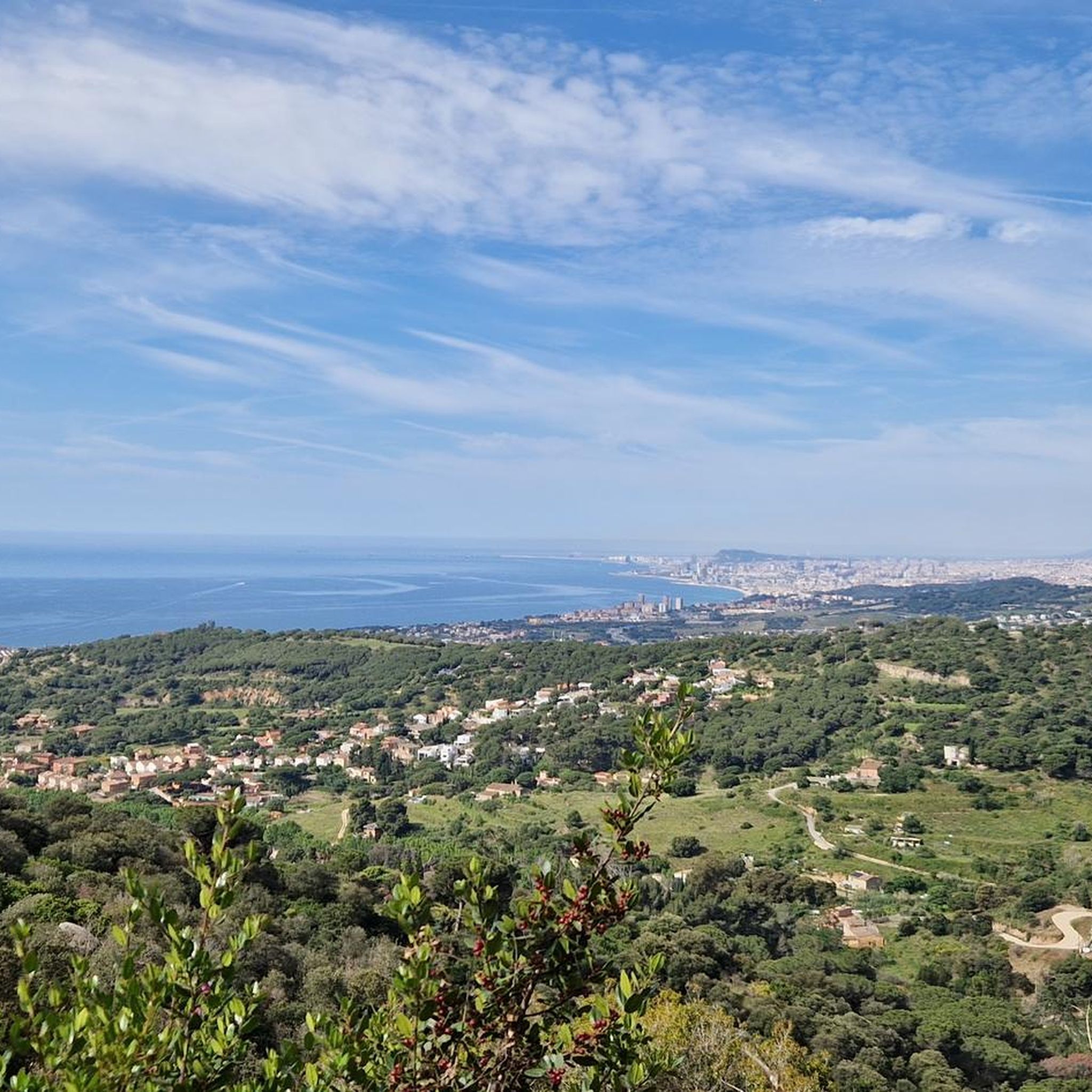
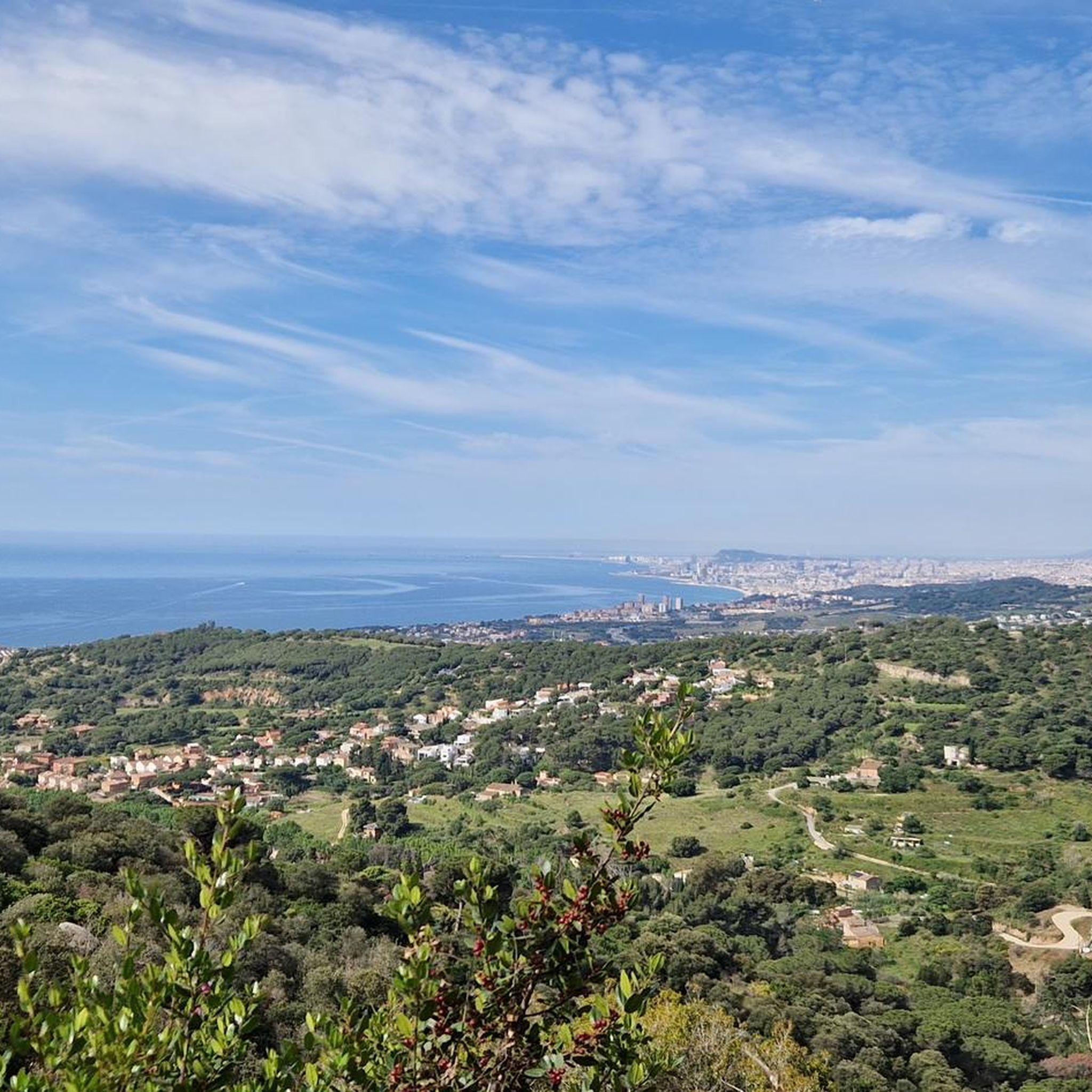
Castell de Burriac Un castell medieval situat en un turó a una altitud de més de 400 metres. Ofereix un dels miradors més espectaculars del Maresme, amb vistes panoràmiques de la costa i del Mediterrani.
0
0

Tough route, very steep ramps that make the rear wheel skid on the loose dirt of the trail. It also has considerable difficulty due to the state of the trail, eroded and with many ruts and stones.
0
0


To get to Burriac Castle, you have to go through a typically Mediterranean forest made up of pines, oaks and bushes. Follow the trail signs and in no time you will see the castle rising above the hill.
0
0
The remains of Burriac Castle are almost a thousand years old. They are located at the top of Burriac Hill. One of the best ways to get to the castle is by following the local trail SL-C 115 from Cabrera de Mar.
3
1

Known in the early days as Castrum Sancti Vicentii, a name under which it has been recorded since 1023, its main domain belonged to the count of Barcelona. Even so, from the 11th century the Santvicenç family emerged, which was always a feudatària of the count's house and about which there is more information since the first years of the 12th century.
7
0
In 1471, after the civil war, John II granted the castle of Burriac and Vilassar, with the villages of Argentona, Cabrera, Vilassar, Premió and Mataró to Pere Joan Herrero, a member of the Generalitat or General Diputación of Barcelona. This domain of Pere Joan Ferrer was called the barony of Maresme.
7
0
The Garí house was ordered to be built by the financier José Garí Cañas and was built between 1899 and 1900 in Argentona, in the Cros valley, by the architect Josep Puig i Cadafalch. The commission came about, possibly, due to the family relations that existed between the Gari and the Puig. More than a house, it is a mansion that includes other buildings such as the different walls that surround the property, a water tower, the house of the masovers or guardians, a chapel, etc. In fact, in a guide to Barcelona and its surroundings, published in 1909, it is cited and described as the "Palace of Don José Garí." It stands out for having been completed in just 9 months, proof of the strength of the different Catalan industries, as well as the luxury of its decoration and the works of art that are kept there. Of the parts that make up the palace, the large lake in which the façade is reflected, decorated with elements that seem to cover it with a layer of lace, the entrance gallery and the grandeur of the dining room stand out. https://www.youtube.com/watch?v=XffRFpc_Acc https://www.youtube.com/watch?v=R6F9lgFs7-whttps://delmodernismo.wordpress.com/2017/11/07/la-casa-gari-de-j-puig-i-cadafalch/
4
0
Frequently Asked Questions
What kind of historical structures can I expect to find around Teià?
While Teià is not known for traditional medieval castles, the area is rich in historical farmhouses, fortified structures, and watchtowers. These include majestic farmhouses like Torre dels Gegants (Can Wertheim) and Can Godó, as well as fortified dwellings such as Masia i torre de Cal Baster and Can Bru, which features a 10th-century watchtower. These sites offer a glimpse into the region's architectural heritage and past.
Which fortified sites offer the best views around Teià?
For superb panoramic views, visit Burriac Castle, located at the top of Burriac Hill. Another excellent spot is Sant Miquel Castle, which provides impressive vistas of the surrounding valleys from its elevated position.
Are there any family-friendly historical sites to visit near Teià?
Yes, the Mogoda neighborhood and Mogoda Castle is considered family-friendly. This historical site centers around a 12th-century fortified farmhouse complex, offering an interesting exploration for all ages with its chapel, residential buildings, and old parade ground.
What outdoor activities can I do near these historical sites?
The area around Teià offers various outdoor activities. You can find numerous hiking trails, such as the 'Teià — circular route' or the 'Ruta del Vedat Trail'. There are also options for gravel biking and general cycling. For more details on routes, you can explore the Hiking around Teià guide or the Gravel biking around Teià guide.
Can I find hiking trails that lead to these historical structures?
Absolutely. For instance, one of the best ways to reach Burriac Castle is by following the local trail SL-C 115 from Cabrera de Mar. There's even a specific highlight called Trail with views of Burriac Castle, which takes you through a Mediterranean forest directly to the castle.
What is the historical significance of the structures in Teià?
The historical structures in Teià, such as the fortified farmhouses and watchtowers, provide deep insight into the region's agricultural and feudal history. They showcase various architectural styles, from Romanesque to Gothic, and often reveal adaptations for both residential and defensive purposes. Sites like Can Bru, with its 10th-century watchtower, offer a tangible link to earlier periods of potential unrest and the need for defense in rural communities.
Is there a historical site that houses an important archive?
Yes, Vilassar Castle, though privately owned, houses the historical archive of the Marquis of Barberà. This archive contains over 8,000 scrolls, hundreds of paper bindings, and numerous manuscripts, making it one of the most significant private medieval archives in the region.
How can I visit Vilassar Castle?
Vilassar Castle is privately owned and only open to the public on very specific dates throughout the year. It is also available for rent for weddings and events. Due to its limited public access, it's considered an almost secret place.
What is the best time of year to visit the historical sites and go hiking around Teià?
While specific weather data isn't provided, generally, spring and autumn offer pleasant temperatures for exploring historical sites and hiking in the Maresme region. Summers can be hot, which might make strenuous hikes less comfortable. Visiting outside the peak summer months often provides a more enjoyable experience.
Are there any challenging routes to reach these historical sites?
Yes, for those seeking a challenge, Sant Miquel Castle can be accessed by an ultra-vertical and technical path from the Vallromanes side. This route is perfect for trail running enthusiasts or hikers looking for more demanding trails in a wild mountain area.
What makes the historical farmhouses in Teià unique?
The historical farmhouses in Teià are unique because they often combine residential and defensive features, reflecting the region's past. Structures like Masia i torre de Cal Baster and Can Bru, with its 10th-century watchtower, exemplify this blend. They showcase architectural evolution from Romanesque to Gothic and provide a tangible link to Teià's ancient roots as an agricultural and wine-producing center.
Where can I find more information about the historical monuments in Teià?
For a comprehensive list and further details on the historical monuments in Teià, you can consult the Wikipedia page: Llista de monuments de Teià.
Most popular attractions around Teià

Get inspired with the komoot mobile app


Explore more
Looking for the best castles somewhere else? Discover other guides around Teià:
