Top 6 Caves around Xeresa
Best caves around Xeresa are situated within the rich geological landscape of the Valencian Community, offering access to several notable underground formations. The municipality itself is located near the Pla Gran de Gandia, an area known for its natural cavities. This region provides a diverse range of cave experiences, from historical sites to natural monuments. The landscape around Xeresa features limestone formations conducive to cave development, making it a point of interest for geological exploration.
Best caves around Xeresa
- The…
Last updated: June 6, 2026
Cova de la Verge
Highlight • Cave
Translated by Google •
Tip by

Parpalló-Borrell Interpretation Centre
Highlight • Rest Area
Translated by Google •
Tip by

Sign up now to discover places like this
Get recommendations on the best single tracks, peaks, & plenty of other exciting outdoor places.
Sign up for free
Cavern of Quatretonda
Highlight • Cave
Translated by Google •
Tip by

Cave of les Maledetes
Highlight • Cave
Translated by Google •
Tip by

Bolomor Cave
Highlight • Cave
Translated by Google •
Tip by
Sign up for free to discover even more caves around Xeresa.
Sign up for free
Already have an account?
Start today with a free account
Your next adventure awaits.
Login or Signup

Tips from the Community

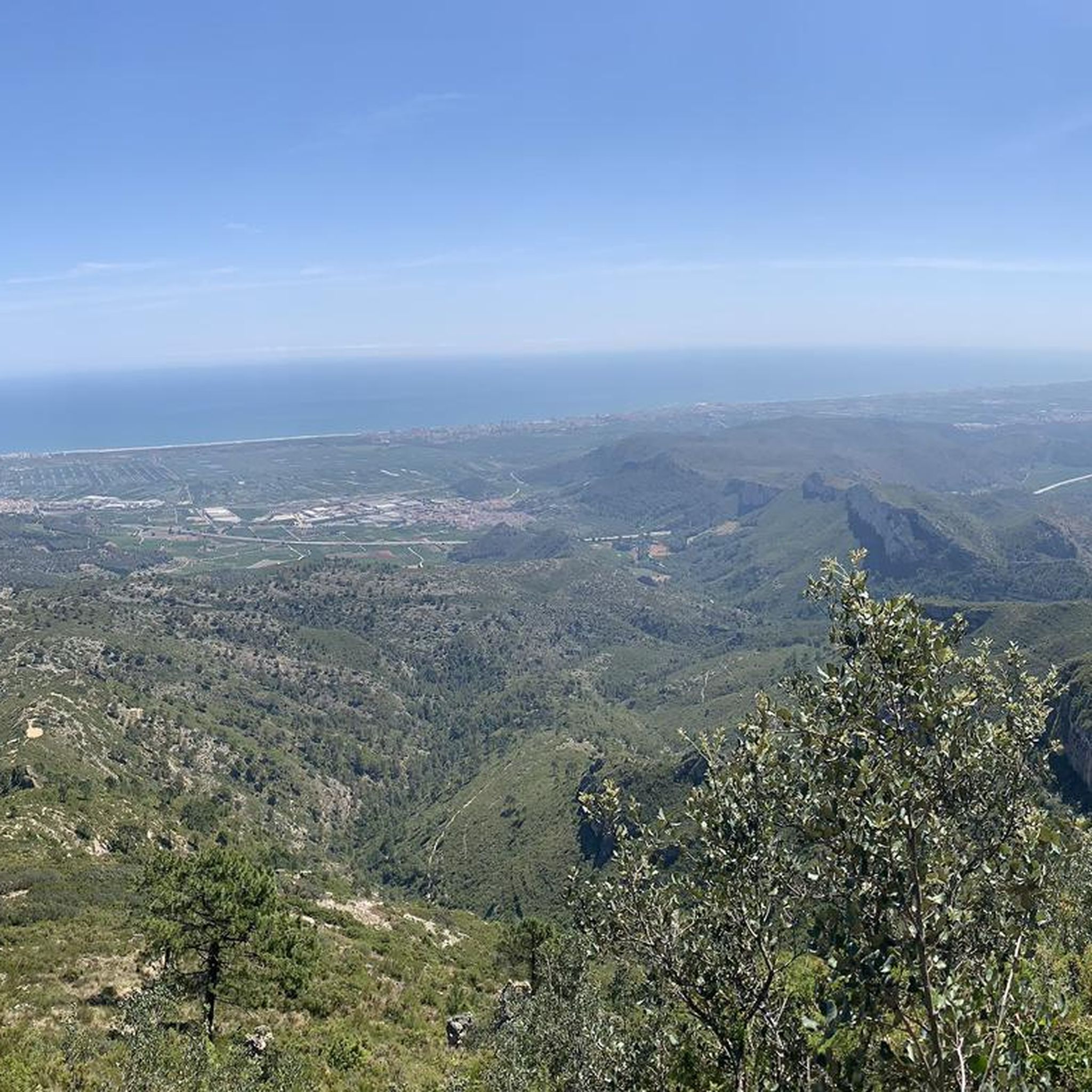
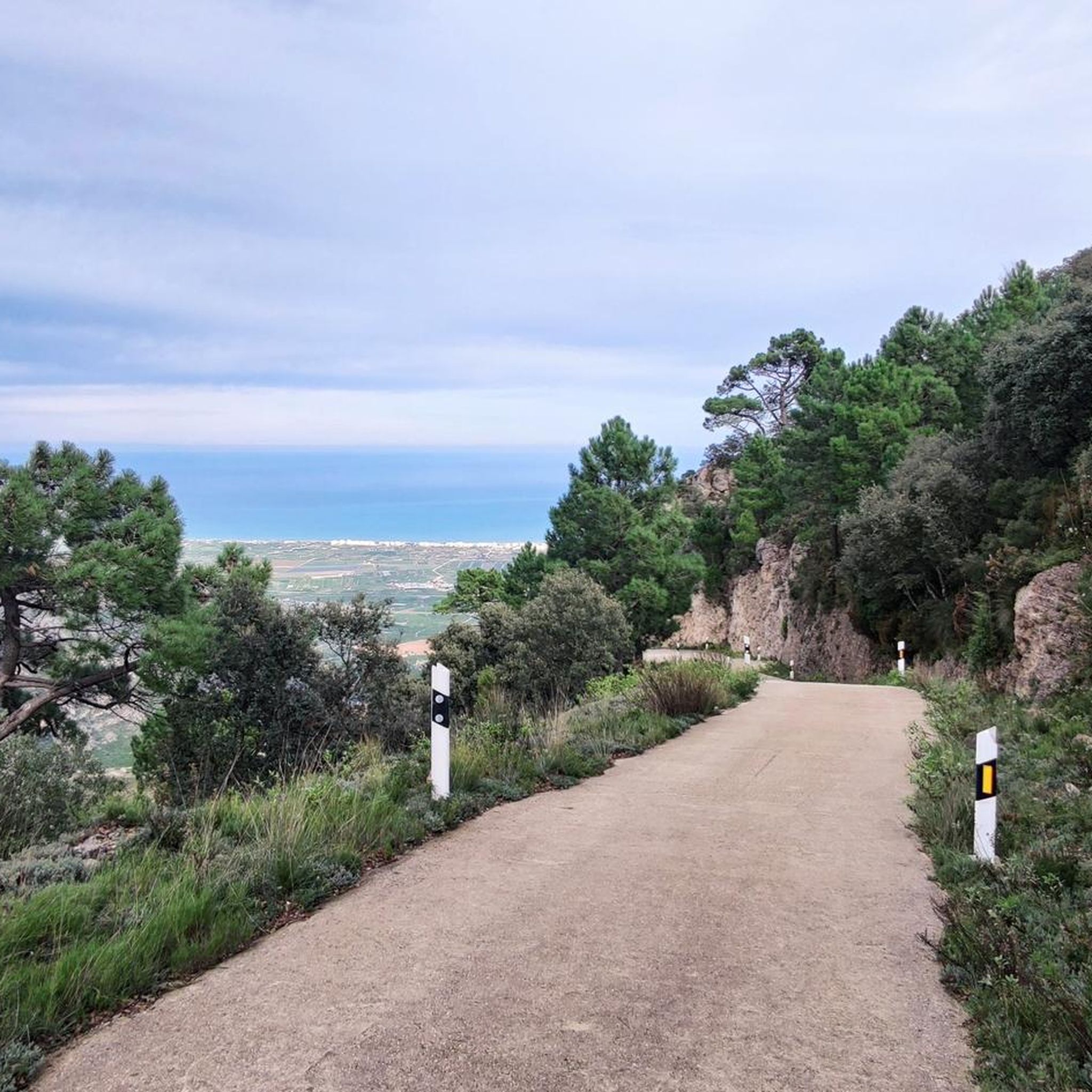
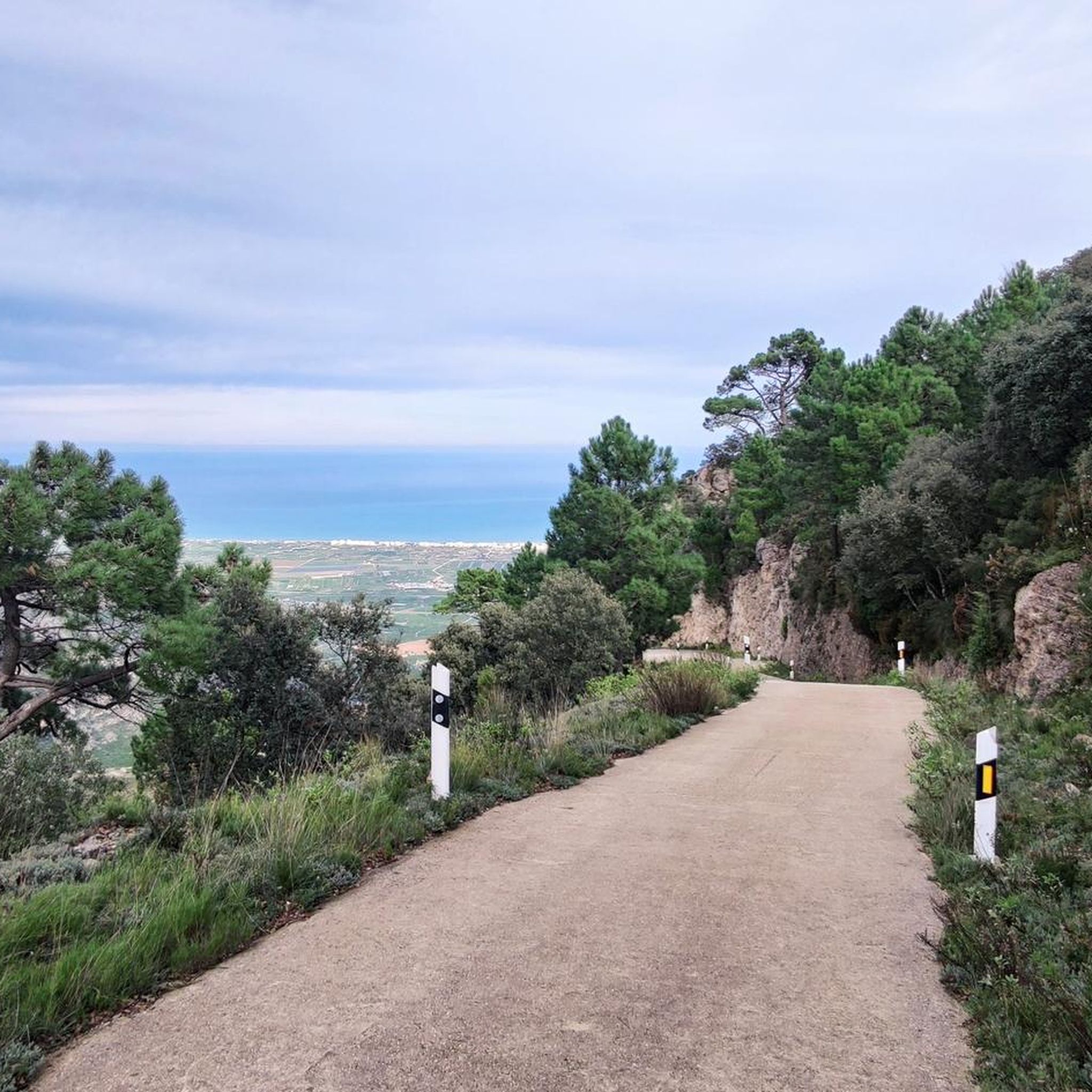
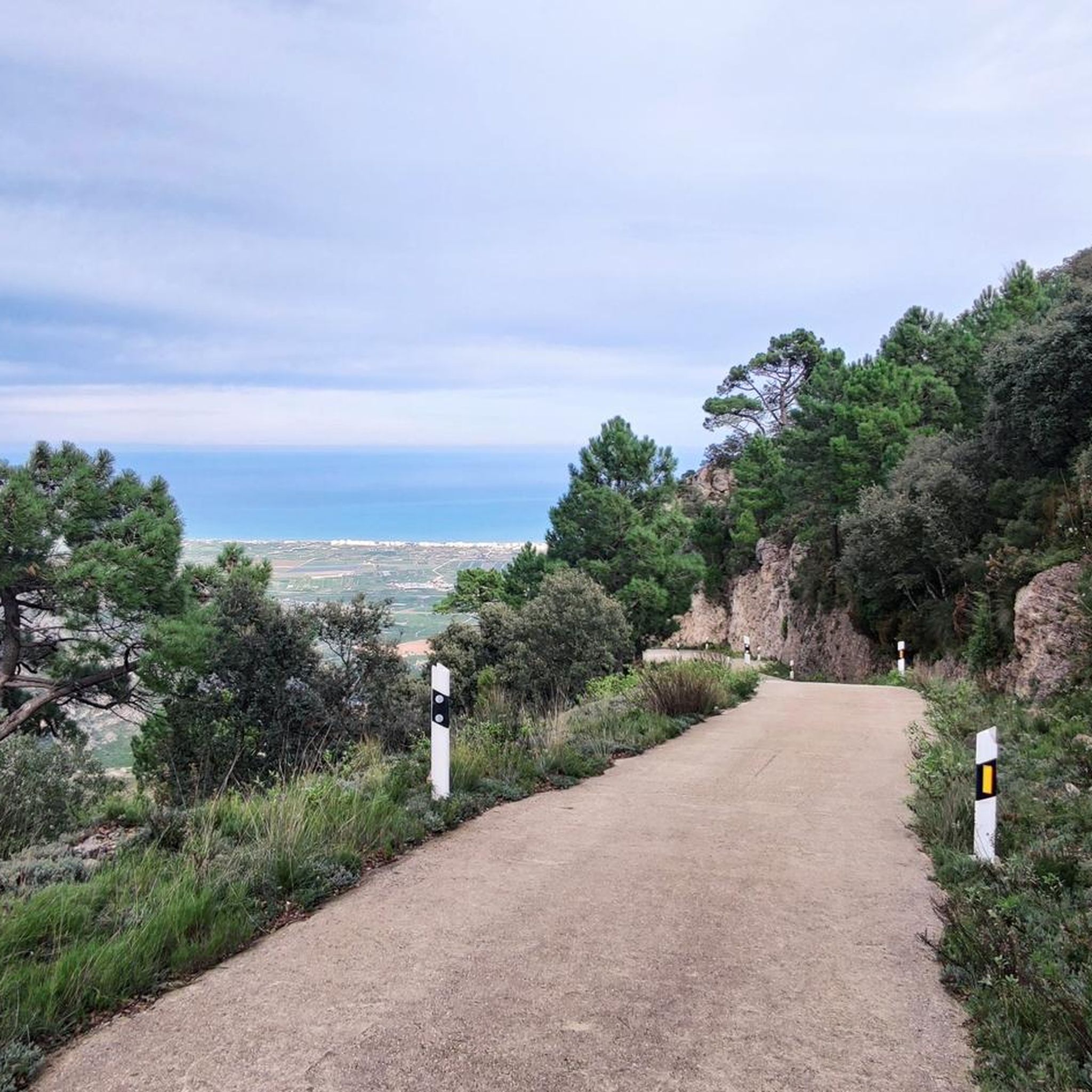
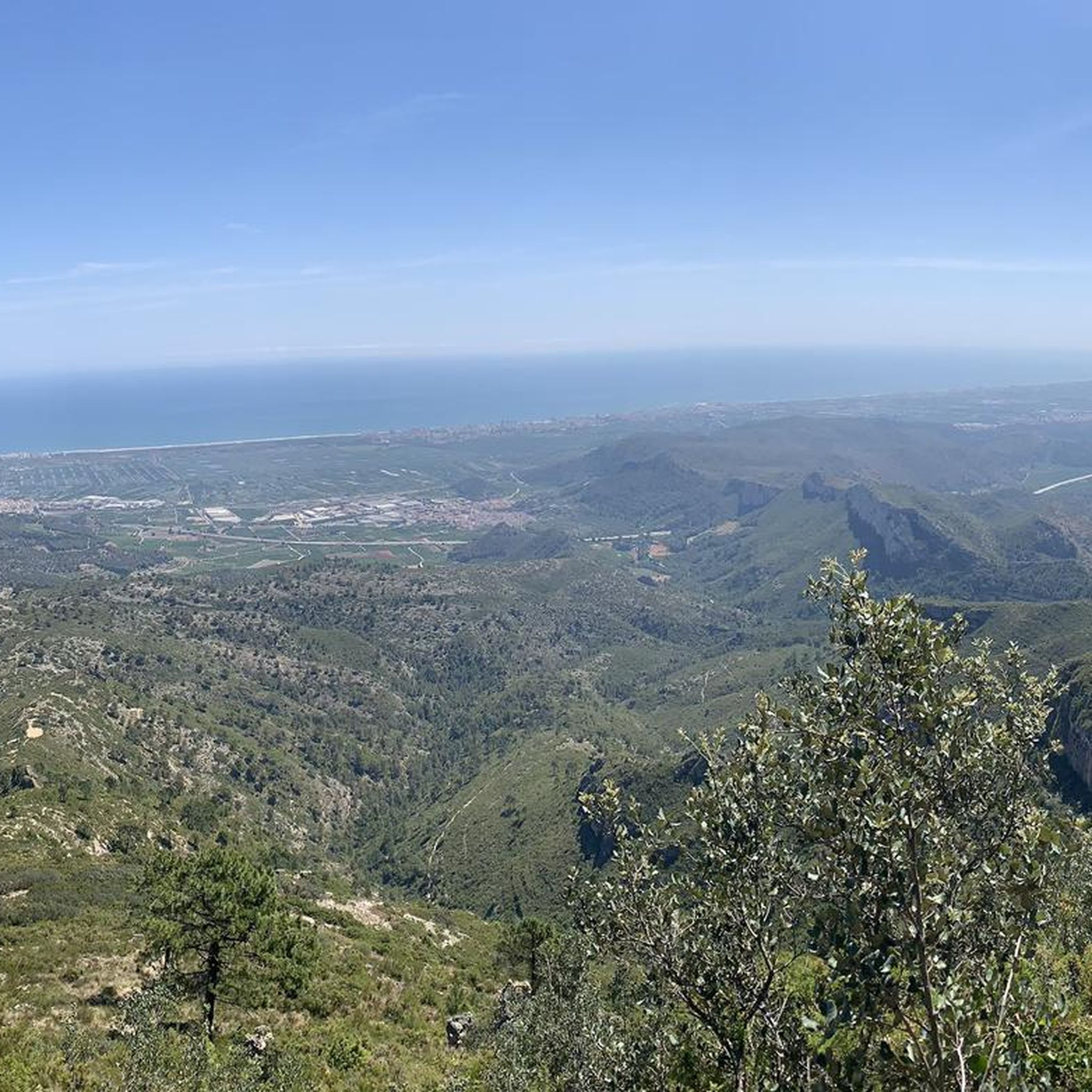
There are few options to achieve TOP of the Maneuver mauntain. The easiest one is just follow road for the special vehicles. Even if you have selected this option - you will have many challenging alternatives sections during hiking up. Better to make a hike by the good weather (no clouds). 360 degree view from the top is spectacular and one is able to see Ibiza/Formentera islands.
1
0

Beautiful cave that is located at the foot of Pic de les Aguilas and where this set of limestone stones form these caves and balmas on the steepest walls of the mountain!
0
0
In this small valley through which the Camí de Bolomor passes, there is his cave at the top. Of prehistoric origin, it is a cave that can be visited but always with a guided tour, which is why it is usually closed. However, his visit is beautiful at the same time to see it!
2
0

An ecological centre with a car park and visitor amenities. Also a good spot to start a hike from
0
0

" A small cave located in the so-called Senda Morada de Gandia, Valencia. This resting place, which is particularly worth visiting for the faithful and which you can easily reach on foot even with children, is a chapel dedicated to the Virgen de los Desamparados . In the Cova de la Verge you can see various objects such as flowers, candles, sacred cards, toys, other devotional images, letters with requests and all kinds of votive offerings donated by those who go to the main Marian image for their various requests. In the past, the cave appears to have been on land owned by the Rausells, a respected and wealthy family from Gandia, as indicated by the tablet found there. Back then, in the estate's heyday, the cave was at the end of a promenade on the estate, where there was a white stone image of the Mare de Déu, which sadly disappeared." Very, very worth seeing.
7
0

Karst formation at least 200 meters deep with several wells along its vertical path. It has been known since 1953 and has been widely studied for its particularity, especially for the practice of speleology.
1
0

The Parpalló cave is located in La Drova, at the foot of Montdúver, in the municipality of Gandia, La Safor. The cave was intensely inhabited during the Upper Paleolithic period and was one of the first inhabited by Homo sapiens to reach the peninsular Mediterranean region.
1
0
Frequently Asked Questions
What are the most notable caves to visit near Xeresa?
Beyond the immediate vicinity of Xeresa, the wider Valencian Community offers several impressive caves. These include the San José Caves in La Vall d'Uixó, known for Europe's longest navigable underground river; the Don Juan Cave in Jalance, the only tourist-conditioned cave in Valencia province; and the Cova de les Calaveres in Benidoleig, which combines natural beauty with significant archaeological history.
Are there any family-friendly caves around Xeresa?
Yes, the Cova de la Verge is considered family-friendly, serving as a popular place of devotion adorned with flowers and devotional images. Additionally, the Parpalló-Borrell Interpretation Centre offers facilities and access to the historical Parpalló cave, making it suitable for families interested in history and nature.
What kind of historical or archaeological significance do the caves near Xeresa hold?
Several caves in the region are rich in history. The Parpalló-Borrell Interpretation Centre provides access to the Parpalló cave, intensely inhabited by Homo sapiens during the Upper Paleolithic period. Further afield, the San José Caves feature ancient cave paintings declared a UNESCO World Heritage Site, and the Don Juan Cave contains archaeological remains from the Mesolithic era and the Valencian Bronze Age. The Cova de les Calaveres also shows evidence of habitation by Neanderthals and Homo sapiens over 50,000 years ago.
What are the geological features I can expect to see in the caves?
The caves in the region showcase diverse geological formations. The Cova dels Orgues, for instance, features stalactites and stalagmites. The Cavern of Quatretonda is a deep karst formation with vertical wells. The San José Caves are famous for their spectacular stalactites, stalagmites, and columns, while the Don Juan Cave also boasts a wide array of karst formations including flowstones.
Are there any challenging caves for experienced speleologists?
Yes, the Cavern of Quatretonda is described as a challenging natural monument, at least 200 meters deep with several vertical wells, and has been widely studied for its particularity in speleology. The Cova dels Orgues is also noted as a more natural, less-developed site, potentially requiring an adventurous approach.
What outdoor activities can I do near the caves around Xeresa?
The area around Xeresa offers various outdoor activities. You can explore numerous routes for gravel biking, cycling, and running. These guides provide details on routes ranging from easy to difficult, allowing you to combine cave visits with other outdoor adventures.
Is public transport available to reach any of the caves?
While specific public transport details for all caves are limited, the Cova de la Verge is located near Gandia, which is approximately 8 kilometers from Xeresa, making it accessible by a short bus or taxi ride. For the San José Caves, you can find excursion information from Valencia at visitvalencia.com.
Do I need a permit or guided tour to visit the caves?
For some caves, permits or guided tours are necessary. The Bolomor Cave, for instance, can only be visited with a guided tour. The San José Caves and Don Juan Cave also operate with guided tours, often by boat or on foot. Less developed caves like Cova dels Orgues may not require permits but demand an adventurous approach due to unmarked trails.
What is the best time of year to visit the caves near Xeresa?
Many caves, such as the San José Caves, maintain a constant temperature year-round (around 20°C), making them suitable for visits in any season. However, for caves that involve outdoor trails or less developed access, spring and autumn offer milder weather conditions for hiking and exploration. Summer can be a good time to escape the heat inside the cool cave environments.
Are there any caves with viewpoints or scenic surroundings?
Yes, the Cave of les Maledetes is located at the foot of Pic de les Aguilas and offers scenic views. The Parpalló-Borrell Interpretation Centre is also noted as a good spot to start a hike from, with potential for spectacular 360-degree views from the top of Montdúver on clear days.
What should I wear when visiting the caves?
Given that many caves maintain cooler temperatures, even in summer, it's advisable to wear layers. Comfortable walking shoes with good grip are essential, especially for caves with uneven terrain or those requiring some hiking. For more adventurous or undeveloped caves, headlamps and appropriate caving gear might be necessary.
Are there any caves near Xeresa that are less developed or considered 'hidden gems'?
The Cova dels Orgues, located in the Pla Gran de Gandia near Xeresa, is described as a beautiful, natural, and less-developed cavity. It features stalactites and stalagmites but has limited specific visitor information and access involves unmarked trails, suggesting it's more for adventurous explorers seeking a less commercial experience.
Most popular attractions around Xeresa

Get inspired with the komoot mobile app


Explore more
Extend your search for the best caves by checking out these guides of the top ones around Xeresa:
