Top 7 Caves around El Castell De Guadalest
Best caves around El Castell de Guadalest are found in a mountainous region of Alicante, Spain, characterized by its unique geological setting and historical structures. The village itself features the Portal de Sant Josep, a 15-meter-long tunnel carved through solid rock, serving as the primary access point to the fortified village. Additionally, a medieval vaulted dungeon in the Town Hall provides a man-made, cavernous experience. These elements underscore the area's defensive architecture and strategic location.
Best caves around El Castell…
Last updated: June 6, 2026
Forat de la Juvea
Highlight • Cave
Translated by Google •
Tip by

Ascent to the Forat de Bèrnia via the North Side
Highlight • Cave
Translated by Google •
Tip by

Sign up now to discover places like this
Get recommendations on the best single tracks, peaks, & plenty of other exciting outdoor places.
Sign up for free
El Badall Cave
Highlight • Cave
Camino de Petracos – Remote Beauty & Ancient Rock Art
Highlight (Segment) • Cave
Tip by

Cremat Cave
Highlight • Cave
Translated by Google •
Tip by

Sign up for free to discover even more caves around El Castell De Guadalest.
Sign up for free
Already have an account?
Start today with a free account
Your next adventure awaits.
Login or Signup
Popular around El Castell De Guadalest
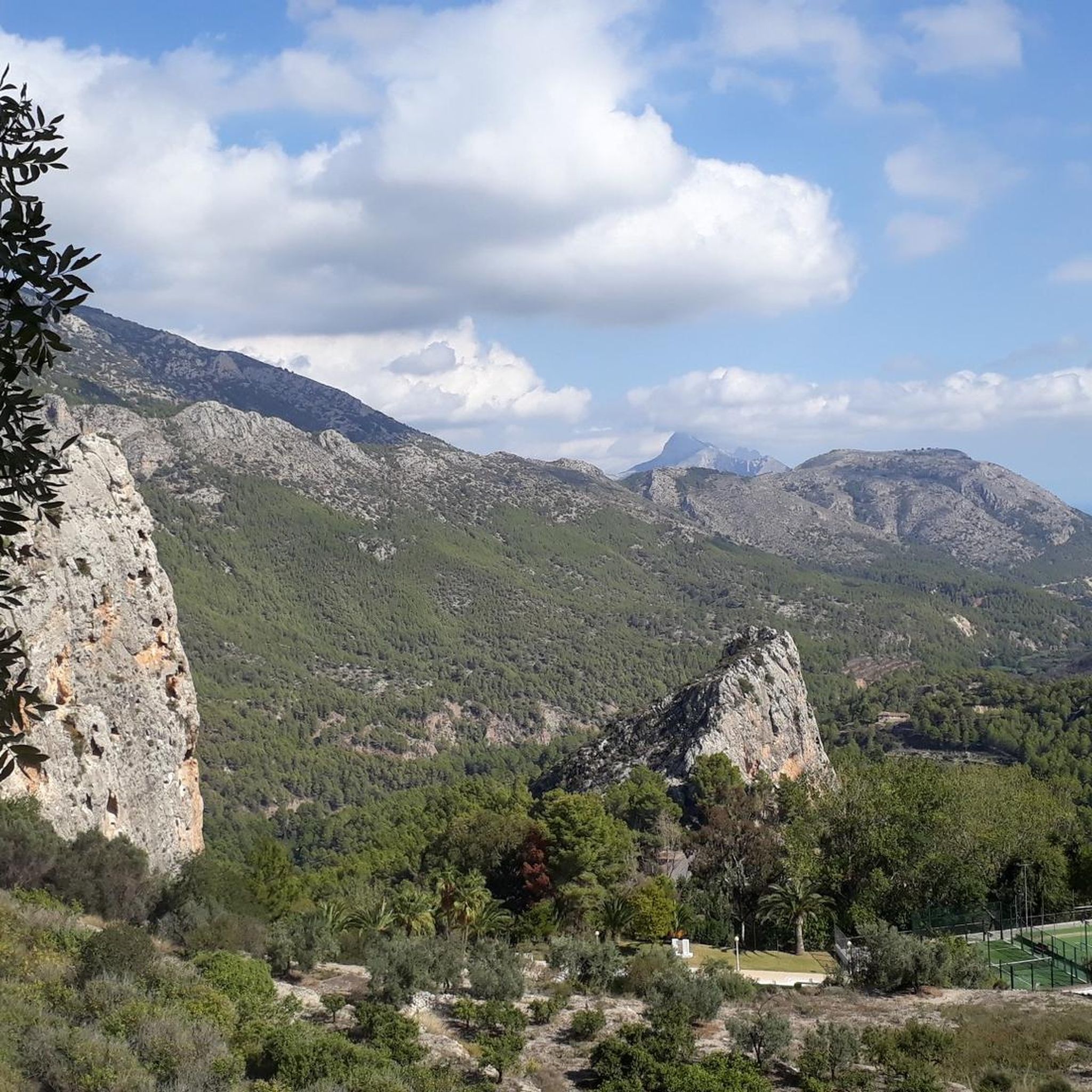
Hiking around El Castell De Guadalest
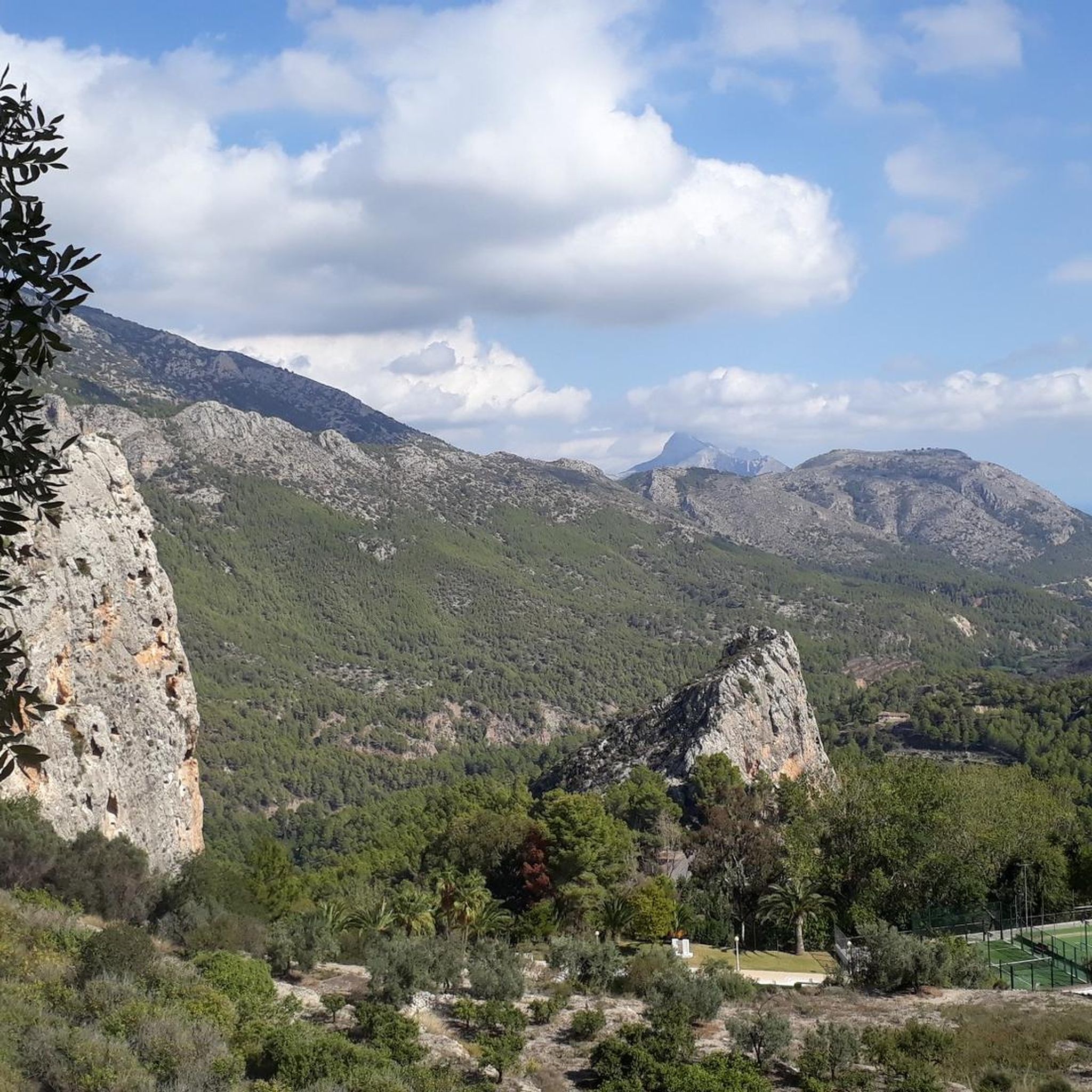
Road Cycling Routes around El Castell De Guadalest
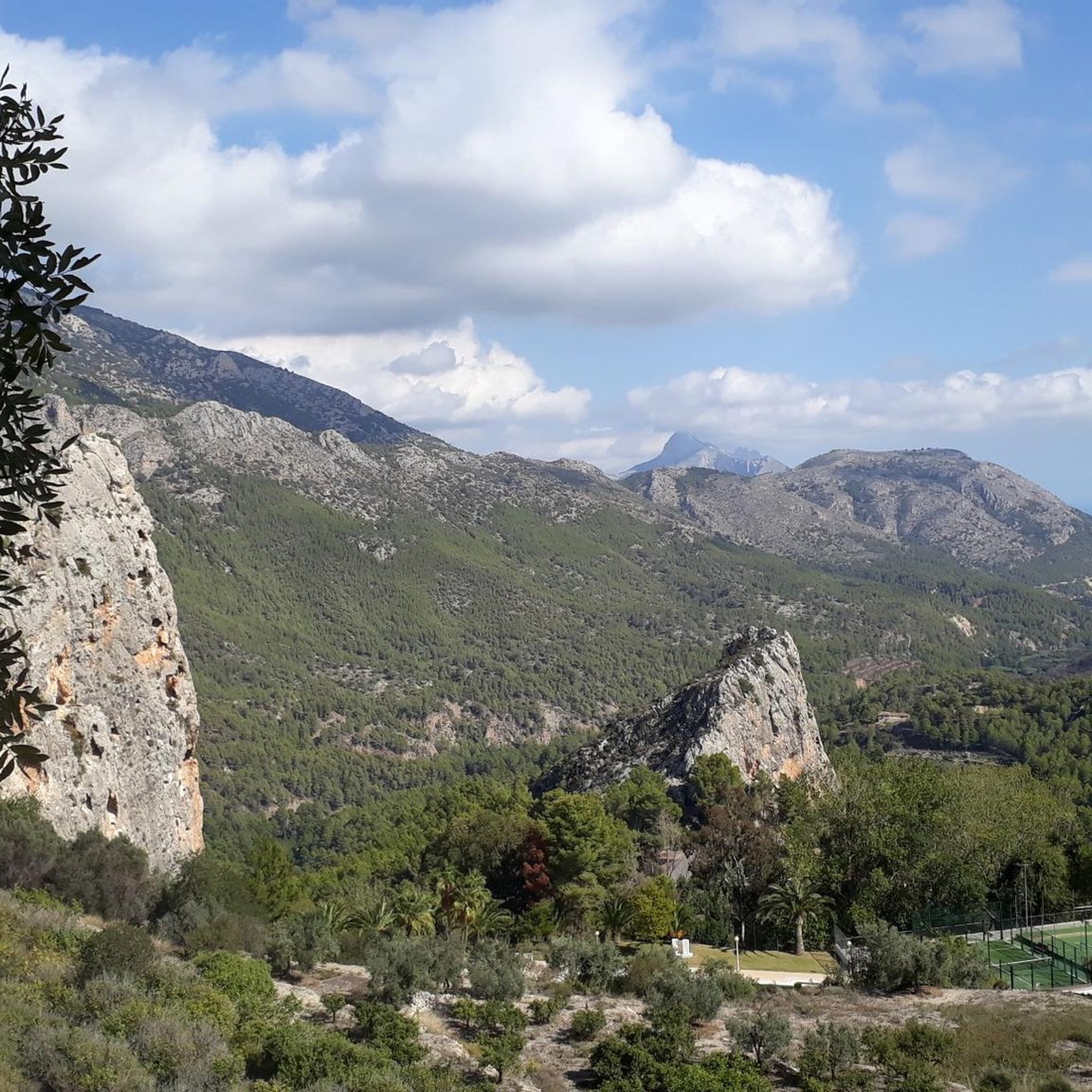
Cycling around El Castell De Guadalest
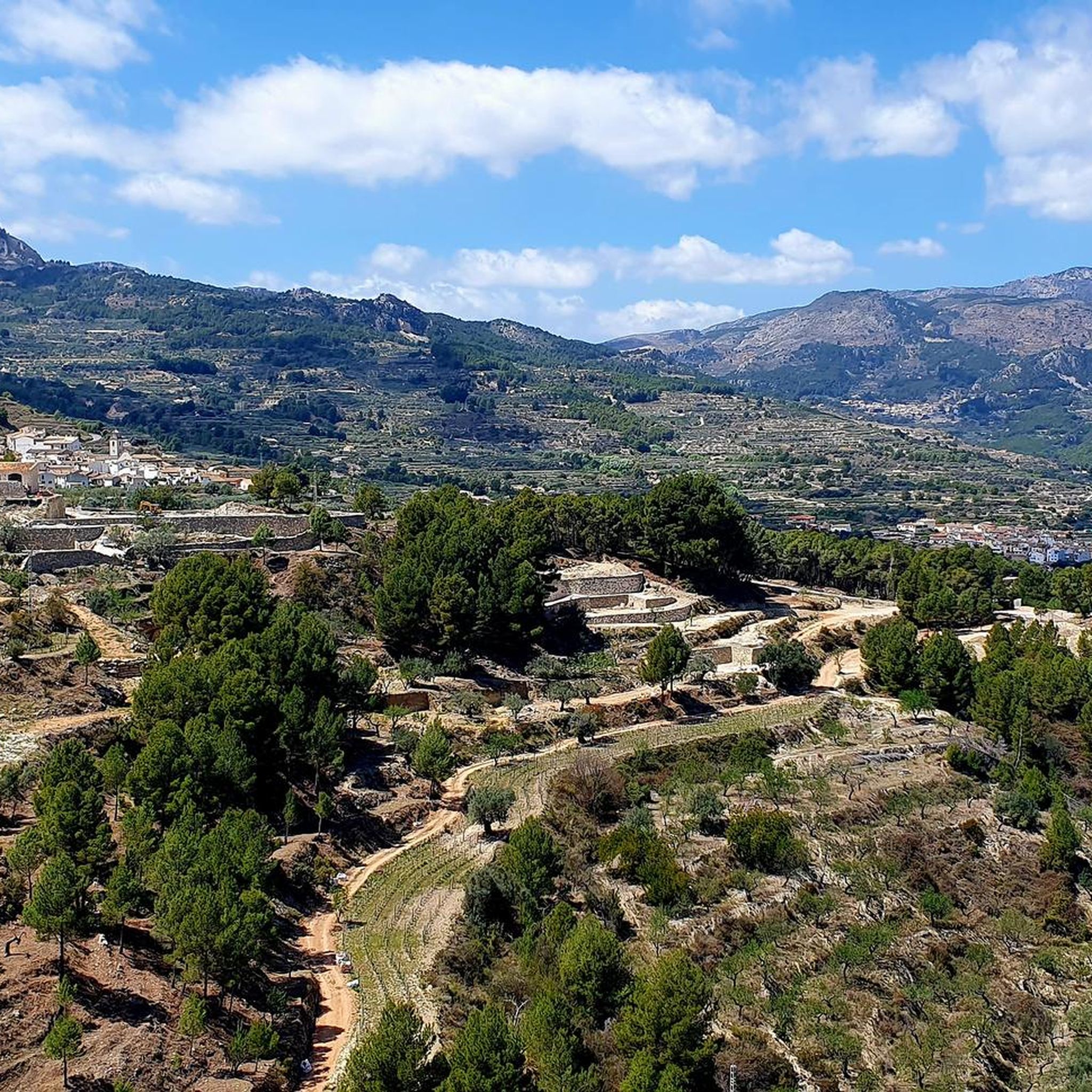
Running Trails around El Castell De Guadalest
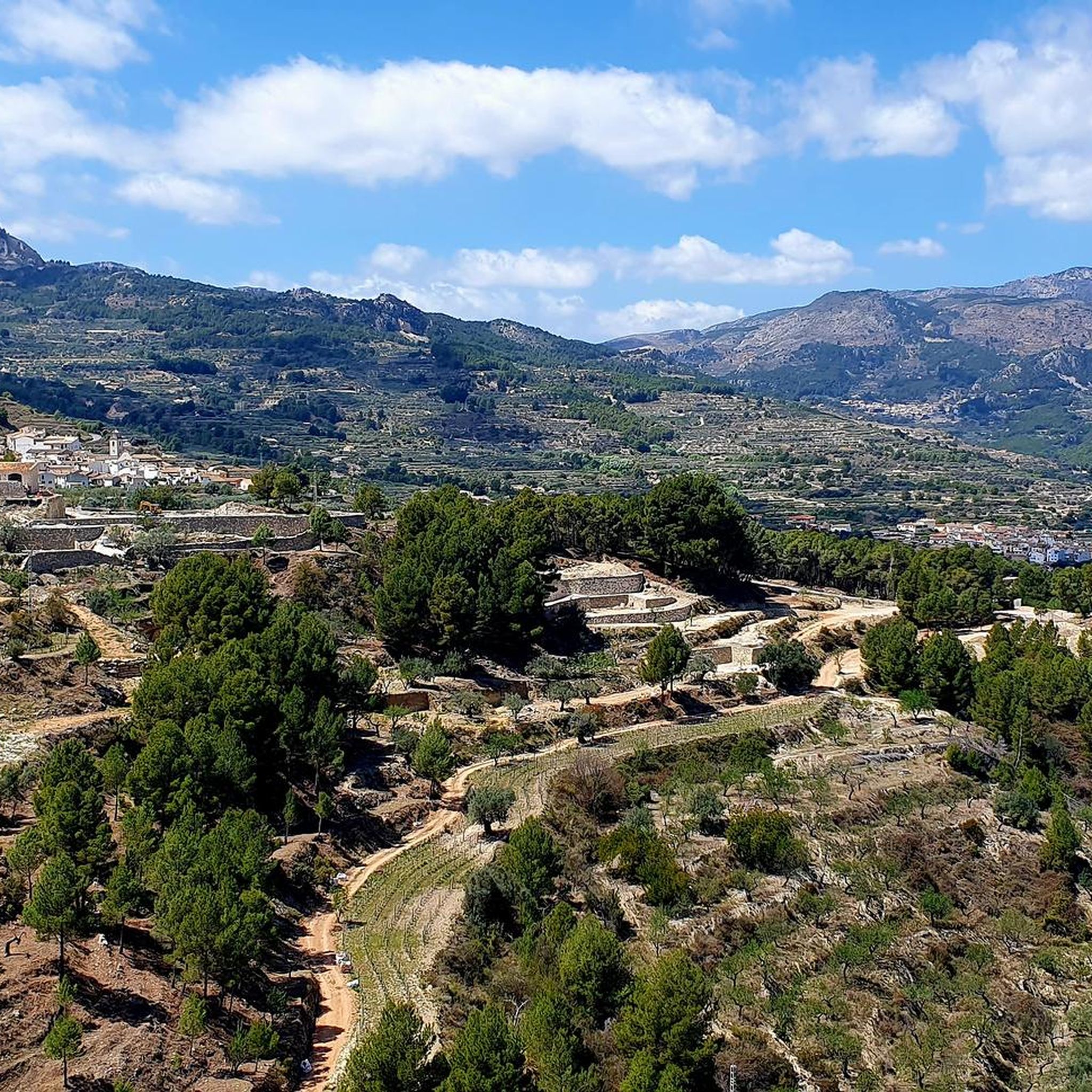
MTB Trails around El Castell De Guadalest
Mountain Hikes around El Castell De Guadalest

Gravel biking around El Castell De Guadalest
Tips from the Community

About halfway up the narrow road toward Petracos, there's a path leading to one of the Costa Blanca’s hidden gems: the prehistoric rock paintings of Les Coves de Pintures Rupestres de la Sarga de Petracos. These sacred cave sites are over 6,000 years old and are recognised as UNESCO World Heritage. The paintings are protected behind fences but still visible — abstract symbols, anthropomorphic figures, and mysterious shapes left by early Iberian cultures. It’s absolutely worth a stop for a moment of silence and awe — but be warned: the trail isn’t cycling-shoe friendly. You’ll either need cleat covers or the willingness to carry your bike over rocky steps for a short hike. 😅 A unique mix of nature, history, and quiet that most riders simply roll past.
2
0

The Forat de Bèrnia is an impressive place in the Sierra de Bèrnia, located in the Valencian Community, Spain. This natural tunnel, about 15 to 20 meters long, crosses the mountain range from north to south. At its widest entrance, it offers panoramic views of Altea, the Serra Gelada and the Mediterranean. The Forat de Bèrnia is presented as a spacious natural shelter that becomes a magnificent viewpoint of the Costa Blanca. The route begins on the north side of the mountain range, which is greener and wetter. As you cross the Forat, you move to the south face, with spectacular views of Altea, Benidorm and Puig Campana. In addition to the Forat, you can also explore the remains of the Bèrnia Fort and enjoy the varied landscapes that the mountains offer. If you decide to do this route, I recommend avoiding weekends and holidays to avoid the crowds and preserve the natural environment. I hope you enjoy this natural wonder! 😊🏞️
3
0

The entrance to the cave is well hidden. If you stand in front of the signpost, go about 3m to the right and then left into the bushes.
0
0

The tour is great. The way to the cova (cave) spectacular. As was the path down. When it rains heavily, a waterfall shoots down the side of the hole in the rock.
3
2

The path reaches a fork where there is a marked cave, Cova del Cremat. You will see several paths that are not marked but if you follow them they will fade into the vegetation. The path that the route follows is the one that begins a descent with a steep slope.
1
0

A few meters before the Font Grossa there is a detour towards the bowels of the ravine. The fountain has a traditional sink and usually always has water. The path begins a series of hairpin hairpins and quickly loses height, it's like going down an escalator. The entrance into the environmental space of the Girona River is spectacular through the Forat de la Juvea, a natural hole conditioned to sneak the path through the mountain and access the interior of the valley. In the ravine on the right, a thirty-meter waterfall forms during the rainy season, it is one of the sports descents of ravines in the area.
2
1

Deep cave starts here. The alcove at the entrance can provide a welcome rest from the elements.
1
0
Frequently Asked Questions
What are the most unique cave experiences near El Castell de Guadalest?
For a truly unique experience, explore the Portal de Sant Josep, a 15-meter-long tunnel carved directly through rock, serving as the historic entrance to El Castell de Guadalest. Additionally, the Camino de Petracos offers a glimpse into ancient history with its UNESCO World Heritage prehistoric rock paintings, dating back over 6,000 years.
Are there any natural caves with impressive formations in the wider region?
Yes, the Canelobre Caves in Busot, about 19 miles from Alicante, are a significant natural cave system. They are famous for their impressive 70-meter-high, cathedral-shaped vault, often called the 'Sagrada Familia,' and feature spectacular stalactites and stalagmites.
What historical cave-like features can be found directly in El Castell de Guadalest?
Within El Castell de Guadalest, you can experience the Portal de Sant Josep, a rock-hewn tunnel that is the only access point to the fortified village. There's also a medieval vaulted dungeon, the Historical Jail, located in the cellar of the Town Hall, offering a glimpse into the village's past.
Are there any challenging cave explorations for experienced adventurers?
Yes, for those seeking a challenge, El Badall Cave offers a hidden ascent that feels like it's inside the cliff face. It involves chains and staples, requires partial crawling, and includes a narrow section known as a 'fatman's squeeze,' making it a demanding exploration.
Which caves offer panoramic views?
The Ascent to the Forat de Bèrnia via the North Side features a natural tunnel that crosses the mountain range, opening up to panoramic views of Altea, the Serra Gelada, and the Mediterranean Sea. It serves as a magnificent viewpoint of the Costa Blanca.
What is the best time to visit the caves around El Castell de Guadalest?
The region generally enjoys a mild climate. For outdoor cave explorations like the Forat de Bèrnia or Forat de la Juvea, spring and autumn offer pleasant temperatures. If visiting the Canelobre Caves, their underground nature makes them a good option year-round, providing a cool escape in summer.
Are there family-friendly cave options in the area?
While some cave explorations can be challenging, the Portal de Sant Josep in El Castell de Guadalest is easily accessible and offers a unique historical experience for all ages. The Canelobre Caves are also generally family-friendly, with accessible paths and impressive formations that captivate visitors.
What should I wear when exploring caves in this region?
For outdoor cave explorations like El Badall Cave or Forat de Bèrnia, wear sturdy hiking shoes with good grip. Layers are advisable as temperatures can vary. For more challenging routes, gloves might be useful for chains and staples. For the Canelobre Caves, comfortable walking shoes are sufficient as it's a guided tour.
Are there any caves with waterfalls or water features?
Yes, near Forat de la Juvea, during the rainy season, a thirty-meter waterfall forms in the ravine on the right. This area is also known for sports descents of ravines.
What outdoor activities can I combine with a visit to these caves?
The region around El Castell de Guadalest offers diverse outdoor activities. You can find numerous road cycling routes, general cycling tours, and running trails. Many routes offer stunning views of the mountainous landscape and the Mediterranean coast.
Is it possible to find less crowded cave experiences?
While popular spots like the Canelobre Caves can attract crowds, exploring some of the lesser-known highlights such as Cremat Cave, with its well-hidden entrance, or the more challenging El Badall Cave, might offer a more secluded experience. Visiting during off-peak seasons or weekdays can also help avoid crowds.
Are there any caves that are particularly deep or extensive?
Cremat Cave is described as a deep cave, though its full extent is not detailed. The Canelobre Caves are known for their vast main chamber and extensive formations, making them a significant natural wonder in the region.
Most popular routes around El Castell De Guadalest
Most popular attractions around El Castell De Guadalest

Get inspired with the komoot mobile app


Explore more
Extend your search for the best caves by checking out these guides of the top ones around El Castell De Guadalest:
