Top 3 Caves around Huete
Caves around Huete offer a glimpse into the natural and historical landscape of the Cuenca province in Spain. The region is known for its geological formations and ancient sites, including Roman-era mining complexes. These complexes are notable for the extraction of 'Lapis Specularis,' a mineral used as a transparent material in Roman times. The area provides opportunities to explore both natural cave systems and historical rock-cut structures.
Best caves around Huete
- The most popular caves is Bache Cave, a…
Last updated: May 22, 2026
Bache Cave
Highlight • Cave
Translated by Google •
Tip by

Rock-Cut Necropolis with Carved Symbol
Highlight • Historical Site
Translated by Google •
Tip by
Sign up now to discover places like this
Get recommendations on the best single tracks, peaks, & plenty of other exciting outdoor places.
Sign up for free
Rock-cut Necropolis of Buenafuente del Sistal
Highlight • Historical Site
Translated by Google •
Tip by
Rock Shelter
Highlight • Cave
Translated by Google •
Tip by
La Cueva del Monte
Highlight • Cave
Translated by Google •
Tip by
Start today with a free account
Your next adventure awaits.
Login or Signup
Tips from the Community

Small cave-shelter carved directly into the rock. It has a couple of inscriptions, some initials and the date 1963, all clearly legible.
0
0
The cave isn't visible from the road, but luckily the surrounding area is flat, making it easy to spot the mound beneath which it's located. A powerful flashlight is highly recommended if you plan to visit; the cave is quite impressive. It's enormous, seriously. Also, there's a lot of dust inside, so using just your phone's flashlight won't provide much light.
0
0
Hollow in the wood that makes a small shelter. There is no marked path to climb, you have to go through wherever you can. The views are beautiful.
0
0

A place that fortunately goes unnoticed by most people, and which treasures centuries of history.
1
0
Necropolis, I don't know how old it is. Worth a visit. You have to follow the path to the picnic area below the Ave and go up the slope. It is seen on the left wall.
2
0
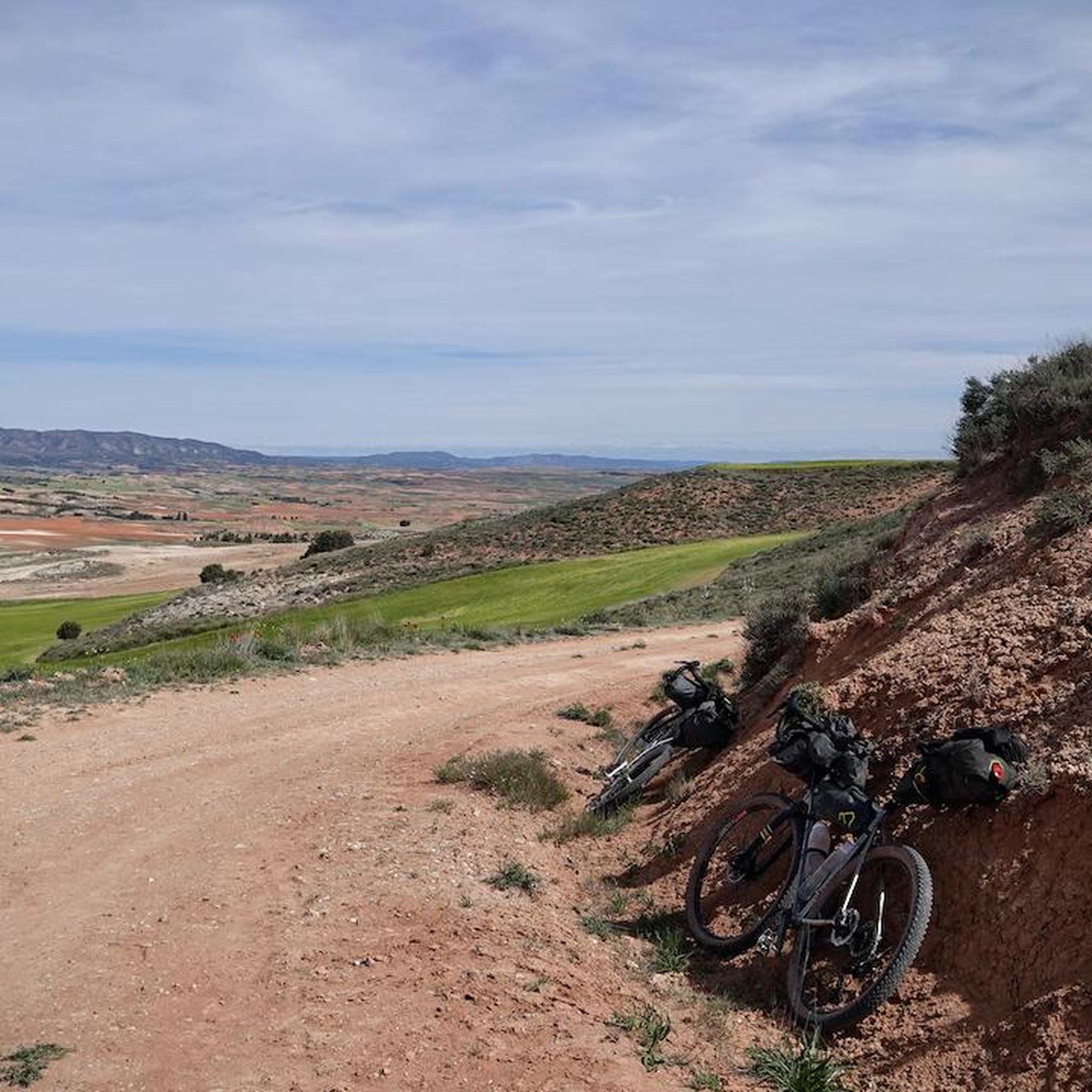
You have to go to the picnic areas near the spring and take the path to the left. Leave the bike and cross the field towards the stones on the right. First we see the necropolis and later the hermitage.
0
0
Frequently Asked Questions
What is the historical significance of the caves around Huete?
The region around Huete is rich in history, particularly known for its Roman-era mining complexes. The most notable is the Sanabrio Cave, which was a significant site for the extraction of 'Lapis Specularis,' a crystallized mineral used as a transparent material in Roman times. These mines are considered among the largest and best-preserved ancient mines globally, highlighting the area's importance to Roman civilization.
Can I explore Roman mines near Huete?
Yes, you can explore the Roman mines, specifically the Sanabrio Cave, which offers guided tours. Visitors can delve into the heart of Roman civilization, observing ancient mining techniques, pick marks, and vestiges of ancient lighting methods. You'll typically be provided with helmets and flashlights for the exploration.
Are there any unique historical rock-cut sites to visit?
Absolutely. You can visit the Rock-Cut Necropolis with Carved Symbol, a historical site where you follow a path to a picnic area and then ascend a slope to find the necropolis on the left wall. Another option is the Rock-cut Necropolis of Buenafuente del Sistal, located near a spring, where you can explore ancient burial sites and a nearby hermitage.
What should I bring when exploring caves like Bache Cave?
For caves like Bache Cave, which is described as enormous and dusty, a powerful flashlight is highly recommended. Your phone's flashlight will likely not provide enough light. Comfortable clothing and sturdy shoes are also advisable for exploration.
Are there any small, easily accessible rock shelters or caves?
Yes, you can find the Rock Shelter, which is a small cave-shelter carved directly into the rock. It features clearly legible inscriptions, including initials and the date 1963, offering a glimpse into past visitors.
What kind of views can I expect from caves or shelters in the area?
From places like La Cueva del Monte, a hollow in the wood that forms a small shelter, visitors often report beautiful views of the surrounding landscape, even if there isn't a marked path to reach it.
What outdoor activities can I do near the caves around Huete?
The area around Huete offers various outdoor activities. You can find numerous hiking trails, such as the Altomira Trail or the Trail of Monte de Abajo. For cycling enthusiasts, there are MTB trails like the 'Huete and the Crystal of Hispania Route' and touring bicycle routes like the 'La Peraleja — circular from Huete'. You can explore more options on the Hiking around Huete, MTB Trails around Huete, and Cycling around Huete guide pages.
Are there family-friendly activities related to caves in Huete?
Exploring the historical Roman mines, such as the Sanabrio Cave, can be a fascinating and educational experience for families, especially with guided tours that provide helmets and flashlights. The Rock-Cut Necropolis with Carved Symbol also offers a path to a picnic area, making it suitable for a family outing combined with a historical discovery.
How accessible are the Roman mines near Huete?
The Sanabrio Cave, which houses the Roman mines, is generally accessible. Visitors can explore two mines, and guided tours are available. However, private transportation is typically required to reach the site, which is located on the CM310 road between Huete and Saceda del Río.
What do visitors appreciate most about the caves and historical sites in Huete?
Visitors often appreciate the unique blend of natural geological formations and ancient human modifications of the landscape. The historical significance of the Roman mines, the centuries of history preserved in the rock-cut necropolises, and the sheer scale of natural caves like Bache Cave are frequently highlighted as memorable aspects of the region.
What is 'Lapis Specularis' and why is it important to the Huete region?
'Lapis Specularis' is a crystallized mineral that was highly valued in Roman times for its transparent qualities, used as a form of window glass. The region around Huete, particularly the Sanabrio Cave, was a primary source for this mineral. Its extraction was so significant that Pliny the Elder noted the best Lapis Specularis in the Empire came from this area, contributing to the prosperity of nearby cities like Segóbriga.
Most popular attractions around Huete

Get inspired with the komoot mobile app


Explore more
Extend your search for the best caves by checking out these guides of the top ones around Huete:
