Top 6 Caves around Alforja
Caves around Alforja are situated in the Tarragona province of Catalonia, Spain, a region characterized by its rugged landscape. The area features rock formations, precipices, and natural entrances into the rock, offering opportunities for exploration. This geological setting provides a diverse environment for various cave systems. The region's natural features contribute to its appeal for outdoor activities.
Best caves around Alforja
- The most popular caves is Els Avencs de la Febró, a cave that is an open crevice in…
Last updated: July 17, 2026
Cave of the Cranes
Highlight • Cave
Translated by Google •
Tip by

Els Avencs de la Febró
Highlight • Cave
Access via a short climbing passage, headlamp required
Translated by Google •
Tip by

Sign up now to discover places like this
Get recommendations on the best single tracks, peaks, & plenty of other exciting outdoor places.
Sign up for free
Pere's Cave
Highlight • Cave
Translated by Google •
Tip by

Cave Refuge
Highlight • Cave
Translated by Google •
Tip by

Cova Santa
Highlight • Cave
Translated by Google •
Tip by

Sign up for free to discover even more caves around Alforja.
Sign up for free
Already have an account?
Start today with a free account
Your next adventure awaits.
Login or Signup
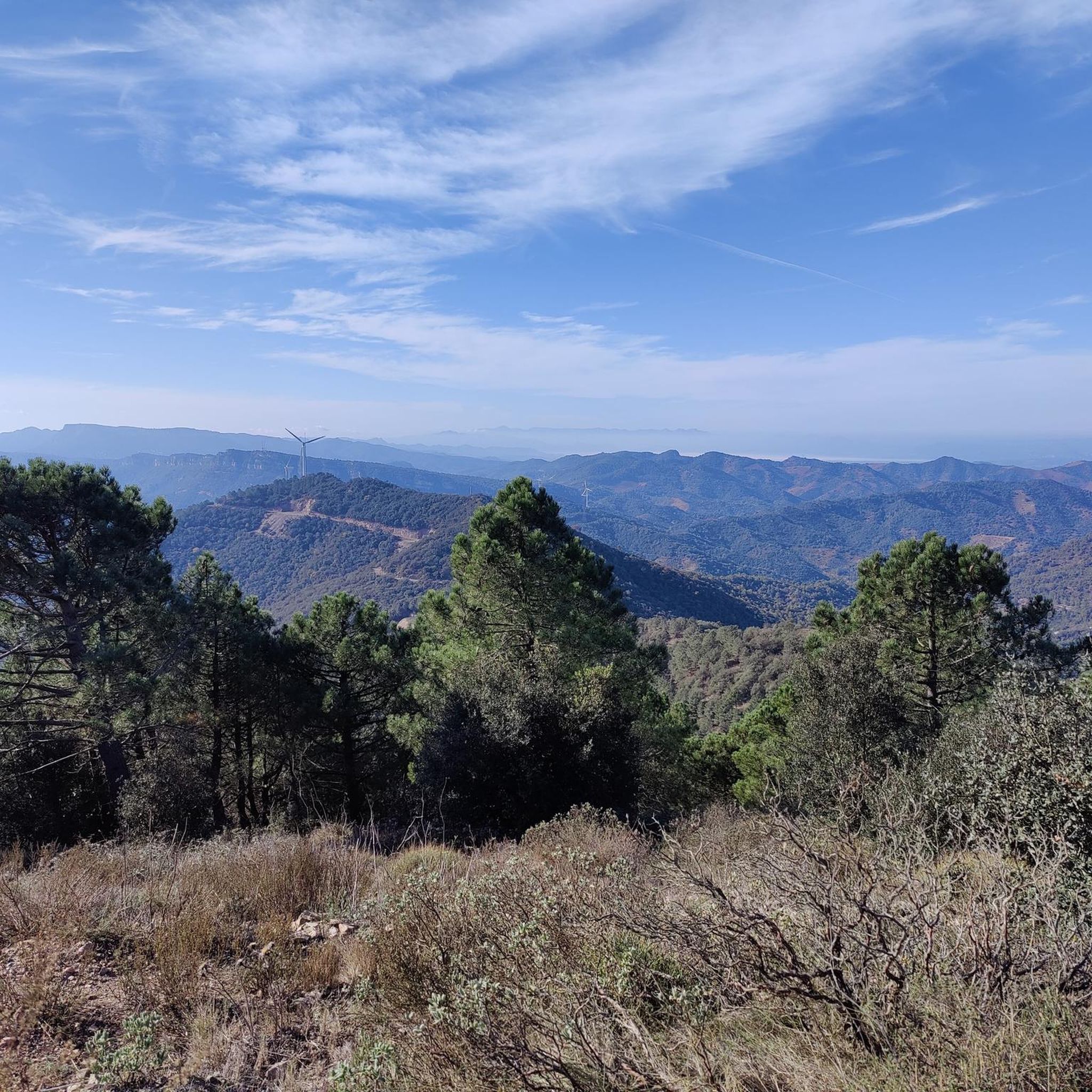
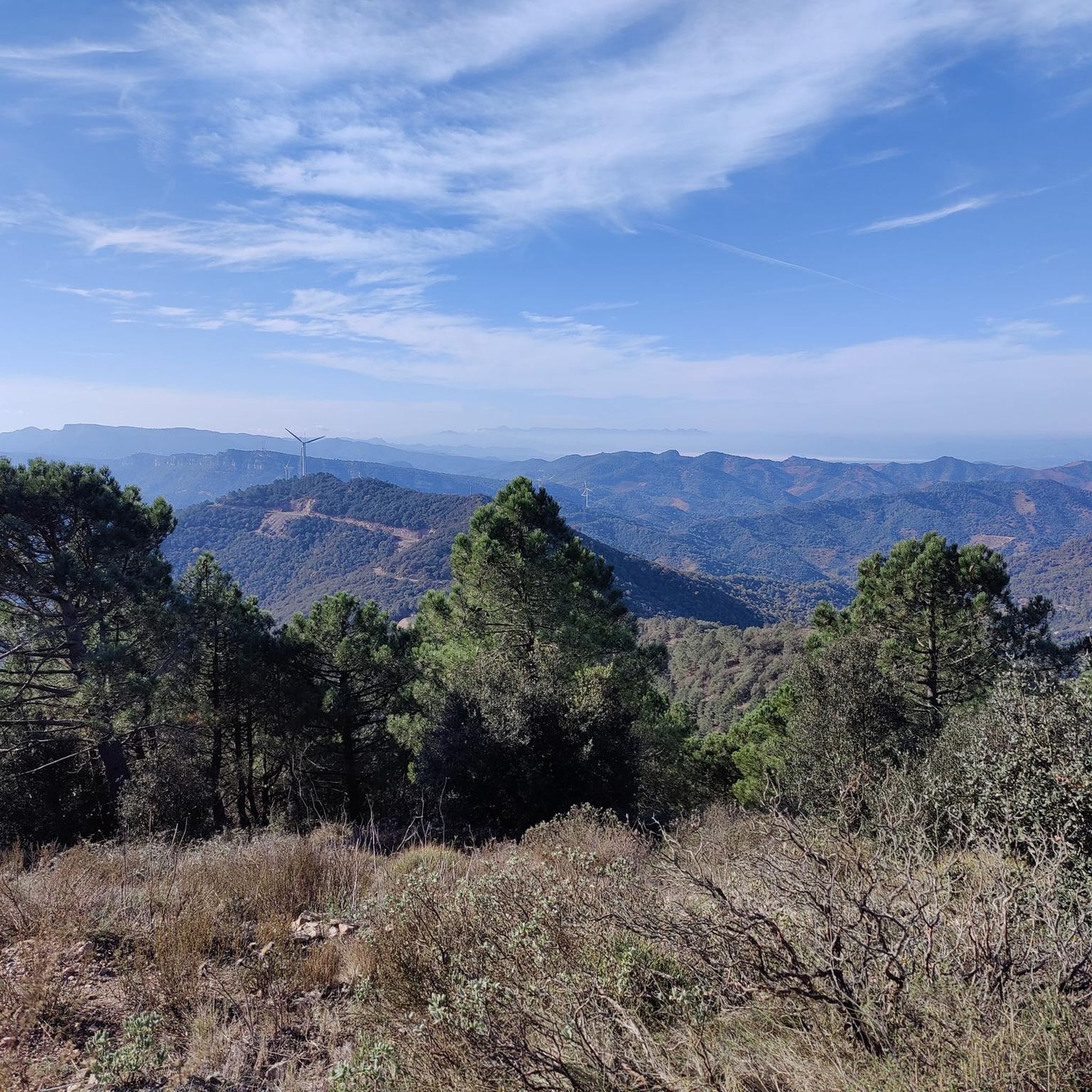
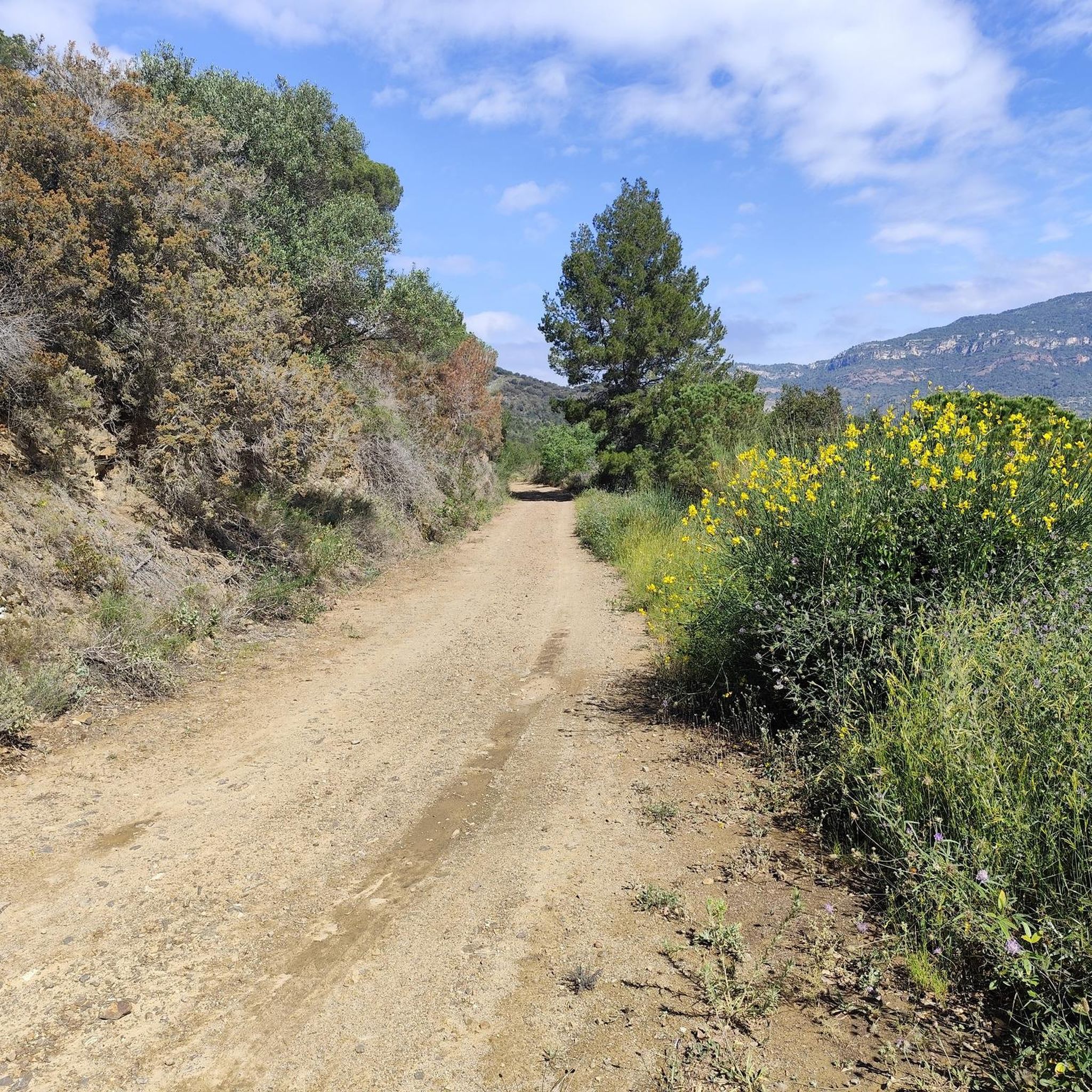
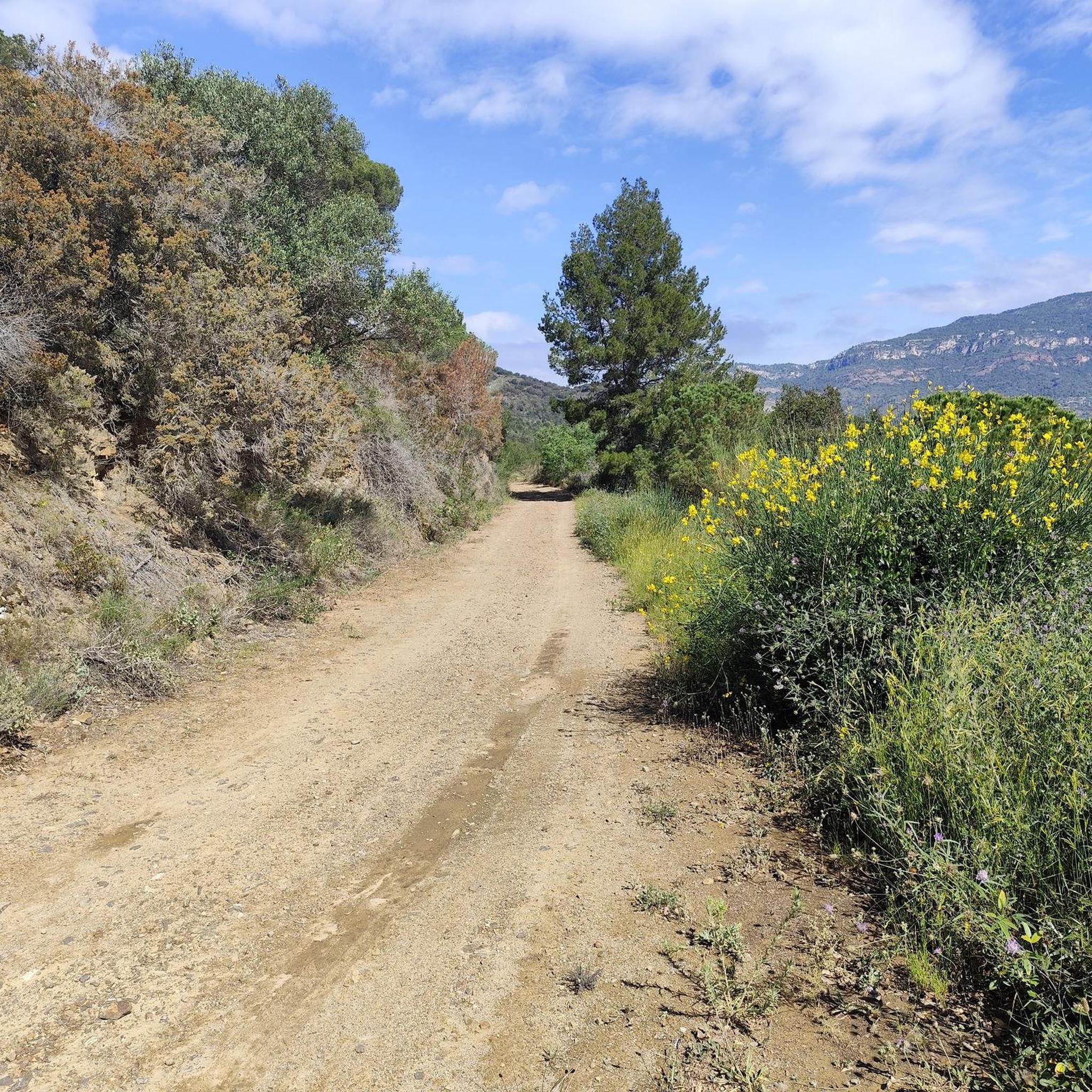

Tips from the Community

The cave can only be reached from the lower footpath. You have to hike back the same way.
0
0

Deep cave with wide chambers. Strong flashlight recommended.
0
0

To enter Avencs, you will find a pile of stones where you have to go down. Easier access to enter 🌿
0
0

Natural crevice called Avencs de la Febro, you need good shoes with heels and, if possible, a headlamp or flashlight. They are cracks 30 meters deep, 300 meters long and 8 meters wide that are just a step away from La Mussara. However, they are hidden by vegetation. Because yes, there are many stories of friends and acquaintances who have had to turn around because they have not been able to find their entrance. That's the fun! Hahaha Els Avencs de La Febró have offered shelter to all types of people. For example, they served as a hiding place for the smuggler Josep Ferrer i Grau and General Prim. Yes, I am talking about Juan Prim i Prats, who, apart from being originally from Reus, would come to occupy the position of President of the Government of Spain in 1869.
2
0

Avencs de la Febró is a popular hiking destination. It's a beautiful narrow canyon that the trail goes through. Definitely worth a visit, but watch your step if you're running. Maybe, slow down and take a photo or two.
2
0

Nice hike to the Pont de Goi. Check out my Youtube video: https://youtu.be/zpCHxHeNRp0
0
0
Beautiful landscape an a fantastic hike up to Pont de Goi. Check my Youtube video: https://youtu.be/zpCHxHeNRp0
1
0
A small metal shelter. For a small bivouac or to take shelter in case of bad weather.
0
0
Frequently Asked Questions
What are some unique geological features to expect in the caves around Alforja?
The region around Alforja is characterized by rugged landscapes with rock formations and natural entrances into the rock. For example, Els Avencs de la Febró is an impressive open crevice in the Mussara mountain range, approximately 250 meters long and 25-30 meters deep. Further afield, the Cueva de la Font Major features extensive galleries and an underground river, while the Benifallet Caves are known for their abundant and diverse formations, including stalactites, stalagmites, columns, and helictites.
Are there any caves with historical significance near Alforja?
Yes, several caves in the broader region hold historical importance. Pere's Cave, a large balma with a stone wall, is known as a historical site related to the Carline War. The Cueva de la Font Major in L'Espluga de Francolí has a rich history of human presence dating back to prehistoric times, with archaeological remains from the Paleolithic era and 15,000-year-old carvings. Similarly, Cueva del Dos in Benifallet was inhabited in ancient times and served as a refuge during the Spanish Civil War.
What kind of outdoor activities can I combine with a visit to the caves?
The rugged landscape around Alforja is ideal for various outdoor activities. You can explore numerous MTB trails, go gravel biking, or enjoy cycling routes. Many of these routes pass through scenic areas, offering opportunities to discover the natural beauty of the region alongside your cave explorations.
Are there any challenging cave explorations for experienced adventurers?
Yes, for those seeking a challenge, Els Avencs de la Febró involves a short climbing passage and requires a headlamp. The Cave of the Cranes is also considered challenging, especially if you approach it by following the ravine, which involves navigating a maze of stone blocks. For a more advanced experience, the Cueva de la Font Major offers an 'adventure route' where visitors, equipped with wetsuits, helmets, and headlamps, can follow the underground river.
What should I wear or bring when visiting caves in the Alforja area?
For caves like Els Avencs de la Febró and Cova Santa, a headlamp or strong flashlight is highly recommended due to deep and wide chambers. If visiting the Cave of the Cranes during the warmer months, consider bringing a swimsuit to cool off in the small lake that forms under the waterfall. For adventure routes in larger cave systems, specialized gear like wetsuits and helmets may be provided or required.
Are there any caves suitable for families or children?
While some local caves like Cave of the Cranes and Els Avencs de la Febró can be challenging, the Cueva de la Font Major and Benifallet Caves (Cueva Meravelles and Cueva del Dos) are well-developed for visitors. They offer guided tours and educational experiences suitable for families and all ages, providing a blend of natural beauty and historical insights in a controlled environment.
What is the best time of year to visit the caves around Alforja?
The best time to visit depends on the specific cave and your interests. For the Cave of the Cranes, the waterfall and lake are most prominent during the rainy season, offering a more dramatic sight. Generally, caves maintain a consistent cool temperature year-round, making them a good option during hot summer months. Always check local conditions and opening hours for guided tours.
Can I find a place to shelter or bivouac near any of the caves?
Yes, there is a Cave Refuge available. It's a small metal shelter suitable for a short bivouac or to take shelter in case of bad weather during your explorations.
What kind of natural water features can be found in or near the caves?
The Cave of the Cranes features a fifty-meter waterfall and a small lake, which are most impressive during the rainy season. The Cueva de la Font Major is notable for its extensive underground river, which is the source of the Francolí River. These water features contribute significantly to the unique geology and beauty of the cave systems.
Are there any caves that offer unique rock formations?
The Benifallet Caves, particularly Cueva Meravelles, are celebrated for their abundant and diverse formations. These include stalactites, stalagmites, gigantic columns, flowstones, soda straws, gours, and a remarkable number of helictites, all enhanced by artificial lighting to showcase their beauty. The Cueva de la Font Major also features impressive stalactites, stalagmites, and other speleothems formed in conglomerate, a rare geological occurrence for karst caves.
What do visitors appreciate most about the caves in this region?
Visitors frequently highlight the unique natural spectacles and the sense of adventure. The open crevice of Els Avencs de la Febró is often described as impressive and a unique place to visit. The Cave of the Cranes is praised for its spectacular nature and unique Romanesque apse form, especially with the waterfall. The historical context and geological rarity of the larger cave systems also provide an educational and immersive experience.
Most popular routes around Alforja
Most popular attractions around Alforja

Get inspired with the komoot mobile app


Explore more
Extend your search for the best caves by checking out these guides of the top ones around Alforja:
