Top 8 Caves around Ontinyent
Caves around Ontinyent offer a diverse range of underground experiences, from ancient archaeological sites to unique man-made structures. The region, characterized by its rugged terrain and historical significance, provides a setting for exploring natural and artificial caverns. These sites reflect centuries of human interaction with the landscape, serving various purposes from storage to refuge. Visitors can discover geological formations and historical insights within the area's cave systems.
Best caves around Ontinyent
- The most popular caves is Cova de les Finestres…
Last updated: October 7, 2026
Bocairent
Highlight • Settlement
Translated by Google •
Tip by

Cova de les Finestres
Highlight • Cave
Translated by Google •
Tip by
Sign up now to discover places like this
Get recommendations on the best single tracks, peaks, & plenty of other exciting outdoor places.
Pantanet Rock-Cut Mill
Highlight • Cave
Translated by Google •
Tip by

Covetes dels Moros
Highlight • Cave
Translated by Google •
Tip by
Cova de Serrella
Highlight • Cave
Translated by Google •
Tip by
Sign up for free to discover even more caves around Ontinyent.
Already have an account?
Start today with a free account
Your next adventure awaits.
Popular around Ontinyent
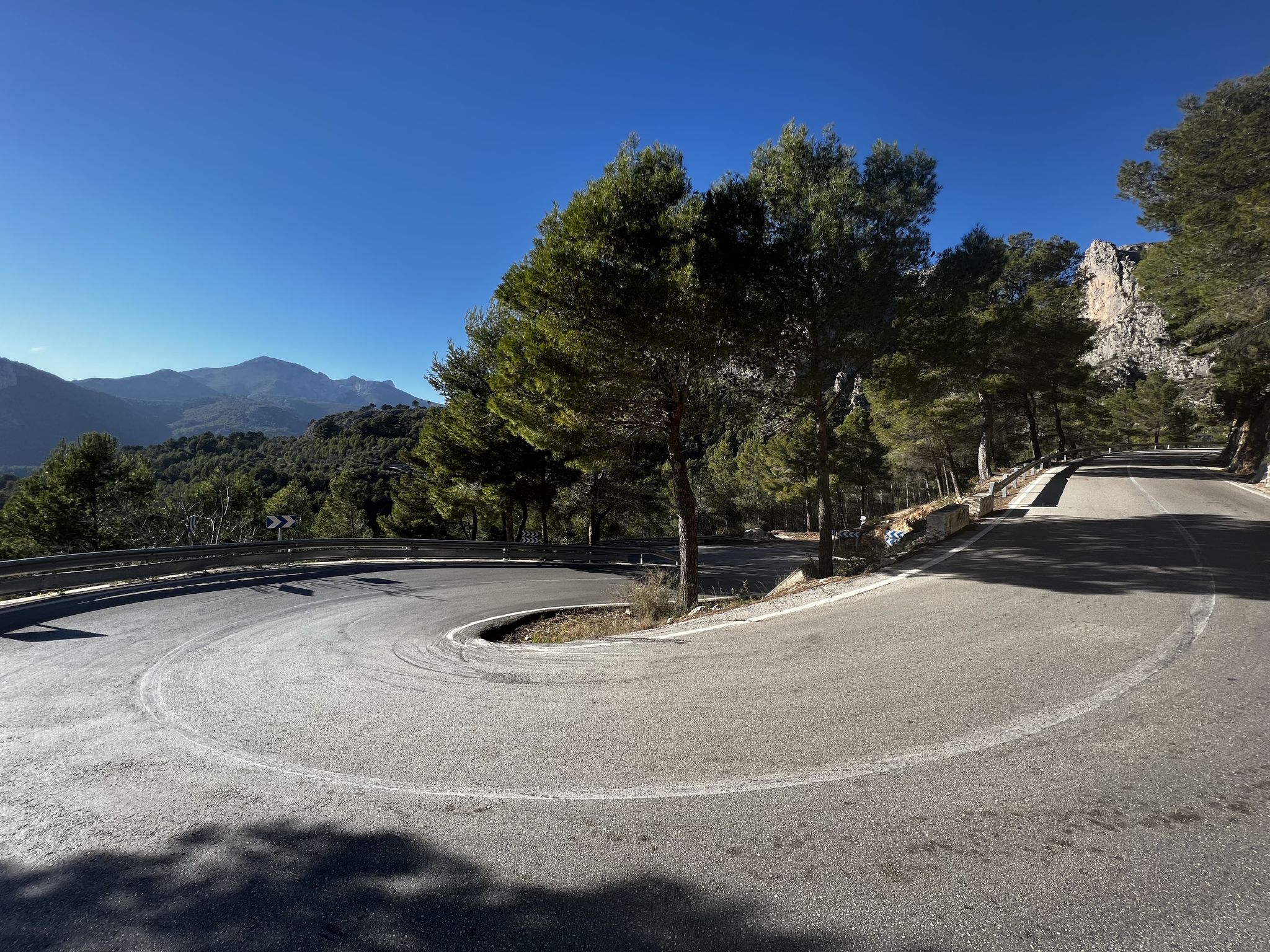
Sunny road cycling adventures in Alicante's Costa Blanca
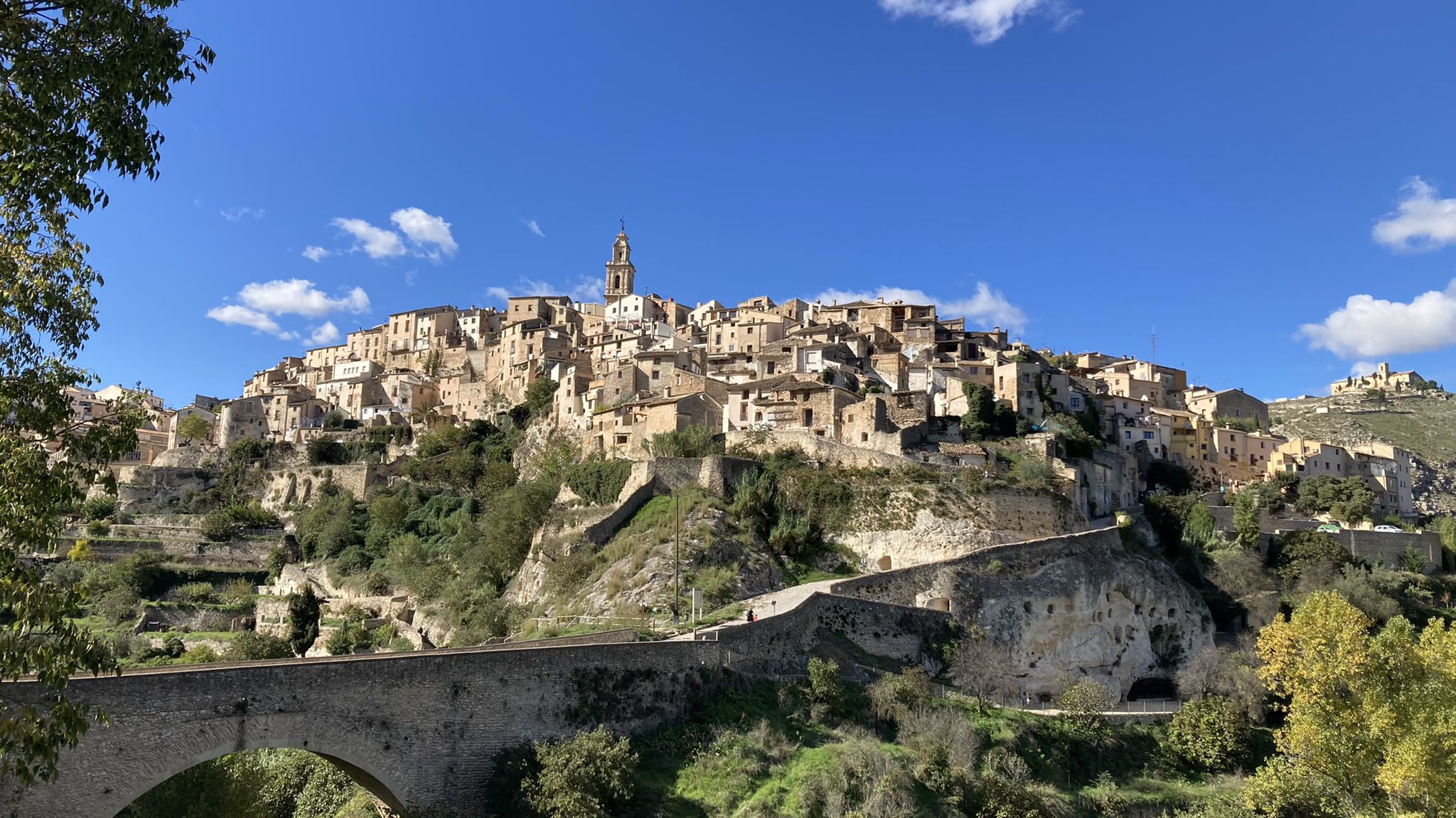
El Camino del Cid – defence of the south by gravel bike
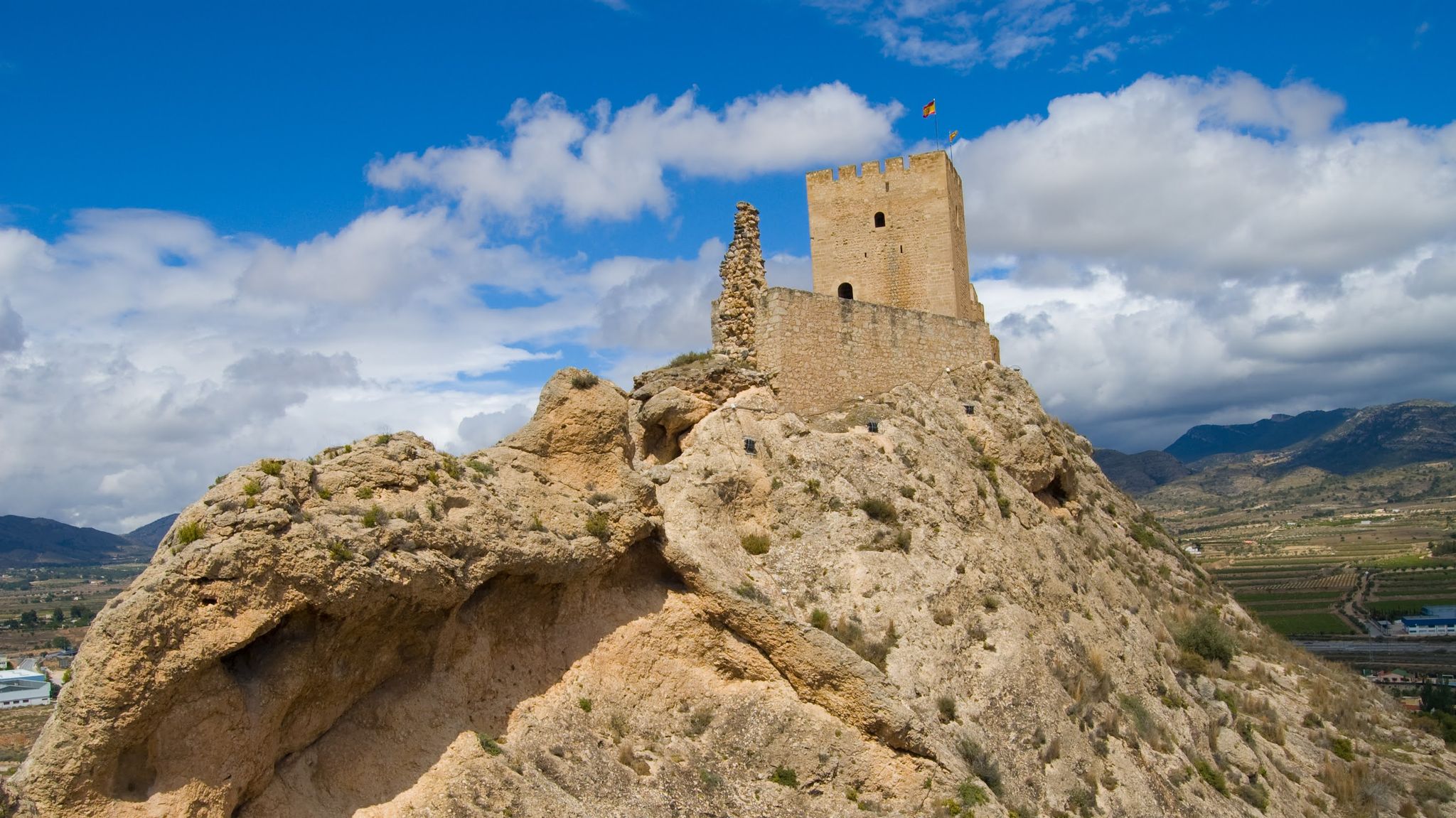
El Camino del Cid – defence of the south on MTB
Road Cycling Routes around Ontinyent
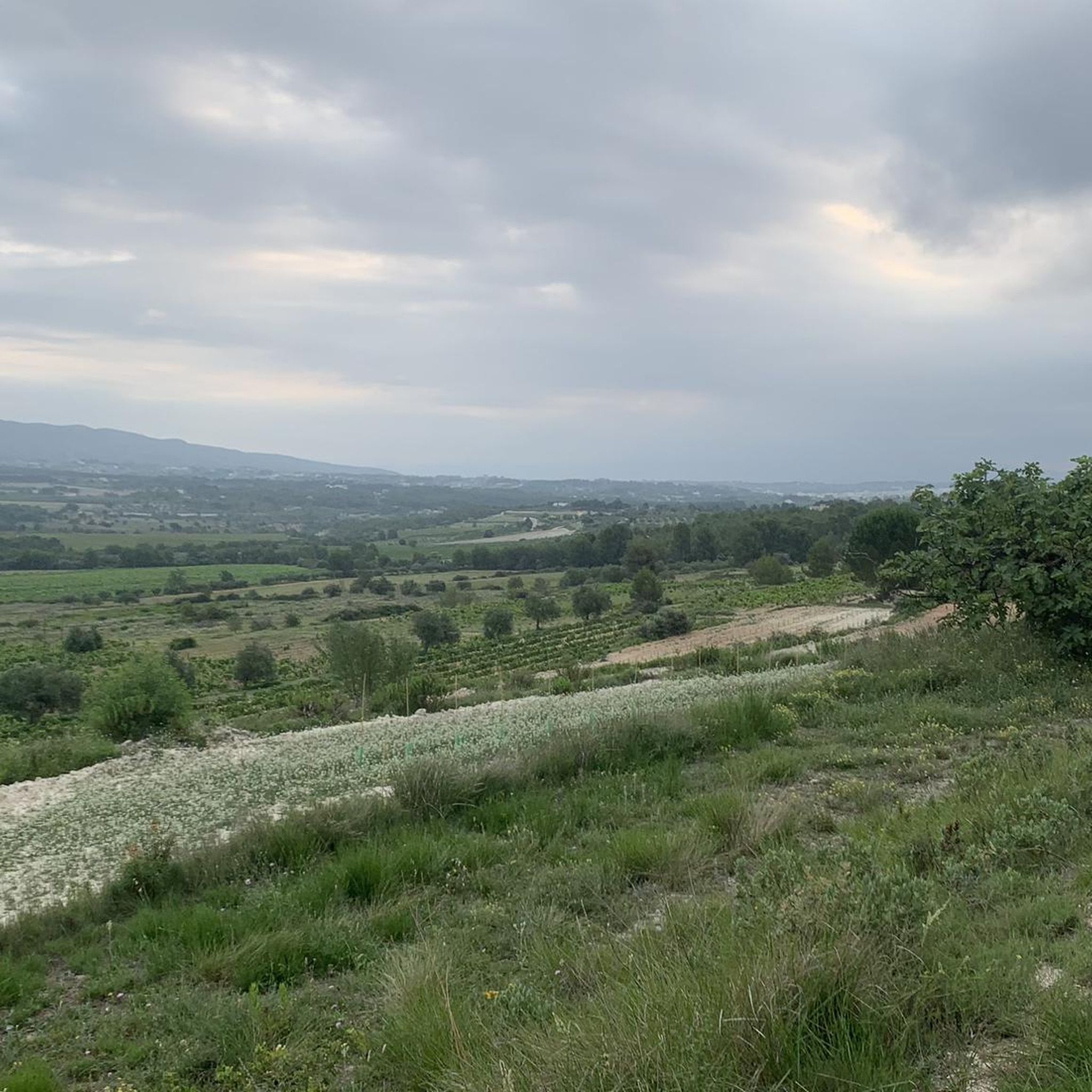
MTB Trails around Ontinyent
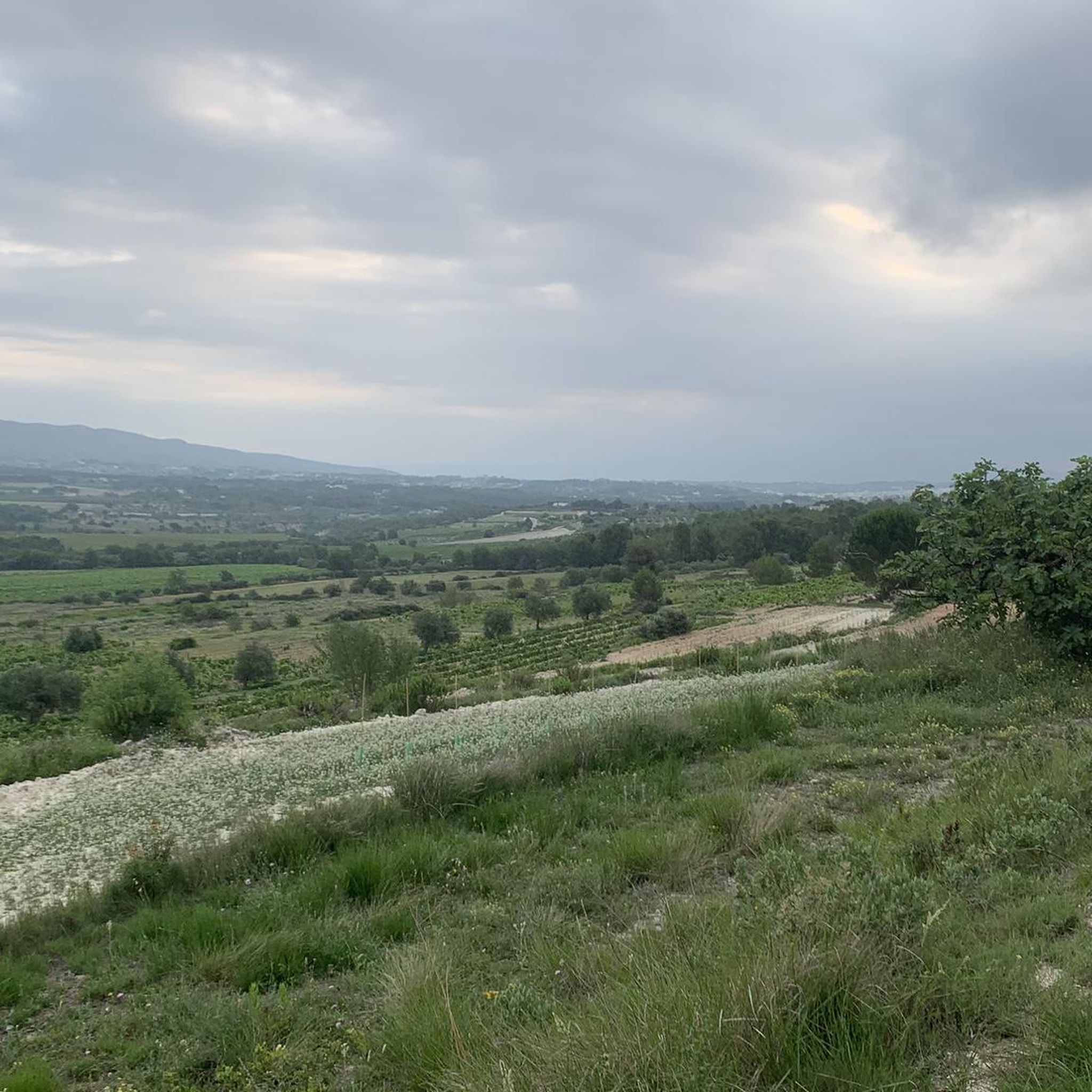
Cycling around Ontinyent
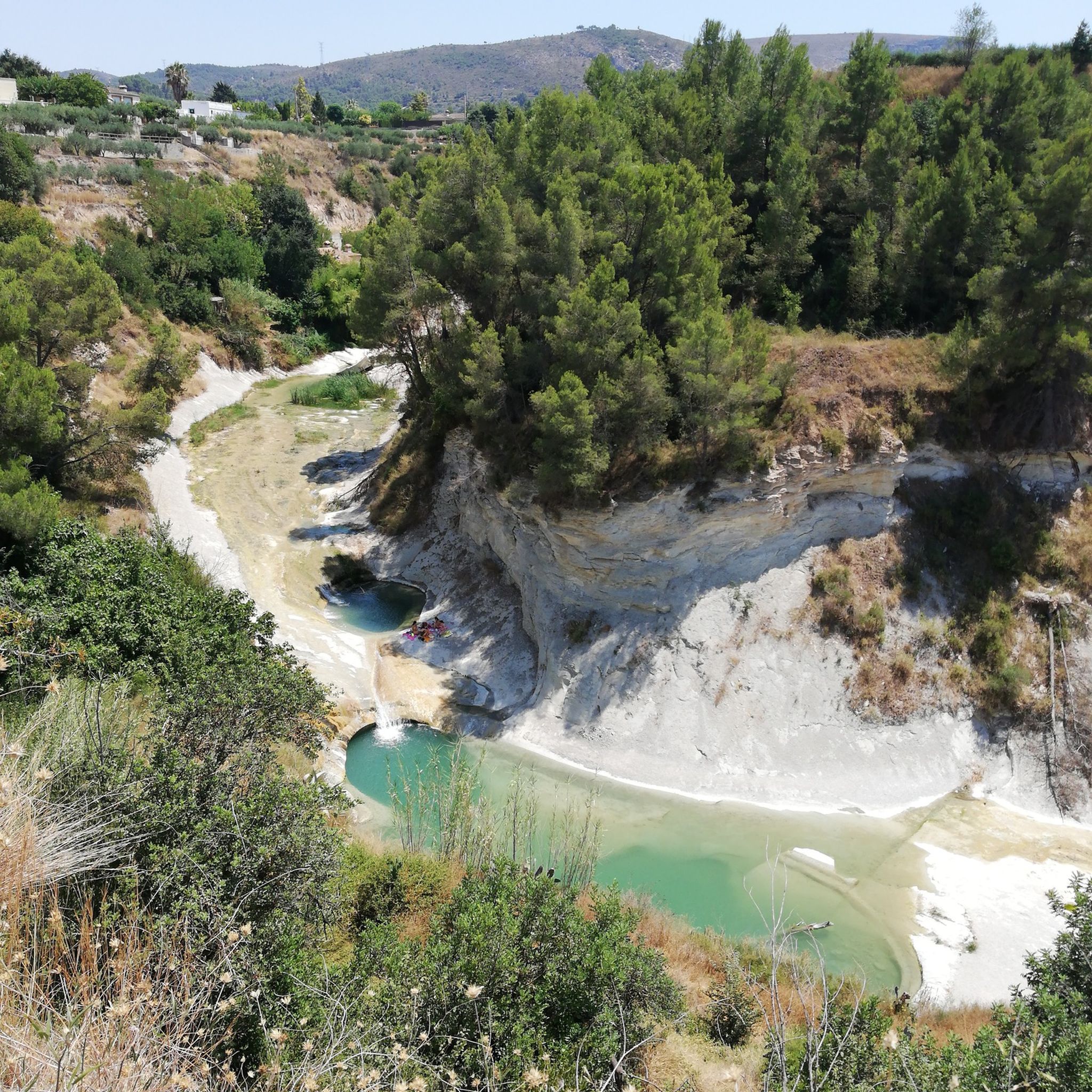
Hiking around Ontinyent
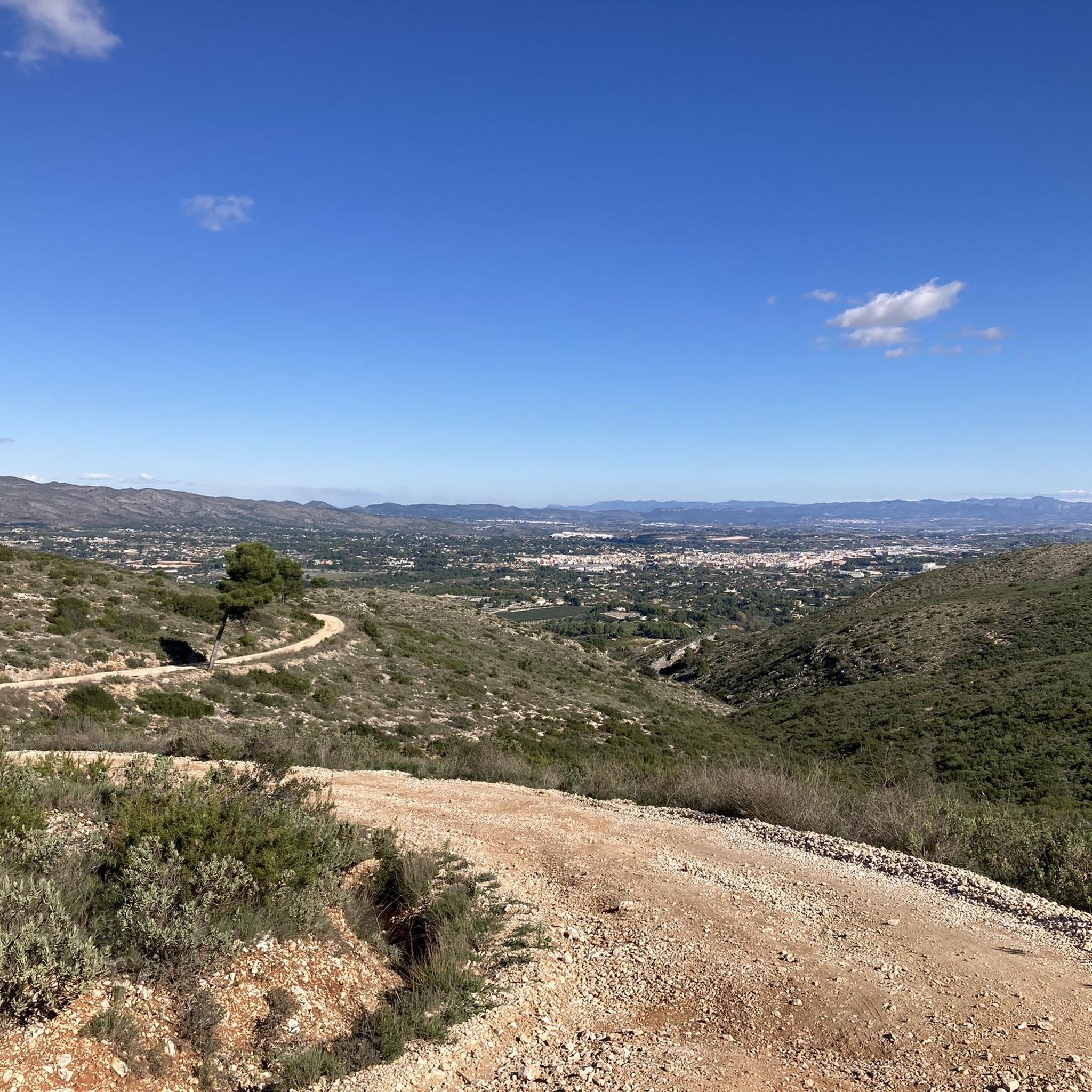
Running Trails around Ontinyent
Gravel biking around Ontinyent
Other adventures around Ontinyent


Tips from the Community

A very pretty little town. At the beginning of the week in March, it's still very much in its winter slumber. Restaurants are hard to find.
0
0

Bocairent is a town full of charm and history. In addition to the Lavadero del Aljub and the Pou Clar, there are many other interesting places to explore: The Caves of the Moors: A set of caves dug into the rock dating back to medieval times. The Medieval Quarter: A labyrinth of narrow, steep streets that transport you to another era. The Bullring: One of the oldest bullrings in Spain, dug into the rock. The Rupestre Monastery: An ancient monastery built into the rock, with stunning views of the valley. Bocairent is also known for its festivities, such as the Fiestas de Moros y Cristianos, which are held in honor of San Blas.
5
0

Bocairent has a historic town centre. The streets and facades are incredibly beautiful and retain a medieval feel. It is worth walking through the steep stone streets, past the fountains and the medieval ruins.
2
0

The caves were primarily used as grain stores. They have a constant temperature all year round. You can't take your backpack with you because the passages between the individual chambers are very narrow. You have to crawl through, pull yourself up and slide down. You need to be agile and you shouldn't be too broad either.
2
0

A very beautiful place, like something out of a medieval film set! A picturesque town nestled in the mountains of the Sierra de Mariola, it is characterized by its well-preserved medieval architecture, winding streets and spectacular views. The origins of Bocairent date back to prehistoric times, as archaeological finds in the area show. During the Moorish rule (8th-13th centuries), Bocairent developed into an important settlement. The Arabs had a strong influence on the townscape. Narrow, winding streets and the terraced landscapes are evidence of this period. The most famous historical feature of Bocairent are the so-called “Covetes dels Moros” - caves of the Moors. These artificial caves, which are located high in a rock face, were probably used as granaries or shelters in the Middle Ages. Their purpose and origin are still not fully understood today, which makes them even more fascinating. Very impressive! It is worth exploring the town!
2
1


The Cova de les Finestres is located in the Barranc del Pont Trencat, in the municipality of Alfafara. These artificial caves from the Andalusian period look like windows from the outside and are carved in the middle of a steep cliff, generally in river valleys and ravines. It consists of 12 window caves, precisely carved into the hard limestone rock. These windows, looking out into the void, are between 4 and 10 meters high, on a large natural shelter. From a distance, their presence arouses curiosity and intrigue, and questions arise: What secrets are they hiding? Are there rooms behind them? What was its function?
3
0
Frequently Asked Questions
What types of caves can I explore around Ontinyent?
The Ontinyent region offers a diverse range of caves, including unique artificial 'window caves' like Cova de les Finestres and Covetes dels Moros, ancient rock-cut mills such as the Pantanet Rock-Cut Mill, and natural pit caves for experienced speleologists. There are also significant archaeological sites further afield.
Are there family-friendly caves to visit near Ontinyent?
Yes, the Pantanet Rock-Cut Mill near Alfafara is a large cave excavated in calcareous stone and is considered ideal for family visits, especially with children. It's also close to a waterfall, adding to the appeal.
Which caves offer a glimpse into the region's history?
The Covetes dels Moros in Bocairent are artificial caves carved into a rock escarpment, used for centuries as agricultural storage, stables, and even air-raid shelters. Similarly, Cova de les Finestres in Alfafara provides insight into ancient human intervention, likely for storage or habitation.
What are the physical requirements for visiting Covetes dels Moros?
Visiting Covetes dels Moros requires good mobility. You will need to move on your hands and feet, and crawl through narrow passages, as some sections require you to be on your knees for a significant portion of the visit. It is not recommended for young children, pregnant women, or individuals with claustrophobia or vertigo.
Are there any caves associated with local legends or paranormal stories?
Yes, the Cova de l'Avern in Ontinyent is steeped in local folklore. Its name, meaning 'hell' or 'abyss,' hints at its mysterious reputation. Visitors have reported unusual occurrences such as watches stopping, flashlights failing, compasses malfunctioning, blurred photographs, and sightings of lights, making it an intriguing spot for those interested in local legends.
Where can I find archaeological caves in the broader region?
While not directly in Ontinyent, the region boasts significant archaeological sites. Cova del Bolomor near Tavernes de la Valldigna is home to the oldest known human population in Valencian lands, with remains dating back 100,000 to 350,000 years. Cova Negra near Xàtiva is another important site known for its Neanderthal occupation.
What kind of caving experiences are available for experienced adventurers?
For experienced cavers seeking technical challenges, the Sima Avenc de Figueroles and Sima Avenc de la Casa in Ontinyent are natural pit caves. The Sima Avenc de Figueroles is 42 meters deep and requires ropes for exploration, offering an opportunity to explore the underground geology of the Sierra Grossa region.
What outdoor activities can I do near the caves around Ontinyent?
The area around Ontinyent offers various outdoor activities. You can find numerous running trails, mountain biking routes, and gravel biking paths. For example, you can explore the running trails around Ontinyent, or discover challenging MTB trails and gravel biking routes in the surrounding natural landscapes.
Is there a cave that was historically used by shepherds?
Yes, the Cova de Serrella, located near Banyeres de Mariola, is a picturesque cave that was formerly used as a refuge by shepherds in the area. It offers very nice views of the valley and the town.
What is the best time of year to visit caves in the Ontinyent region?
Caves generally maintain a more constant temperature year-round, making them accessible in different seasons. However, for surface activities and comfortable access, spring and autumn offer pleasant weather. Always check specific cave accessibility, as some may have seasonal considerations or require guided tours.
Are there any caves that are less crowded or off the beaten path?
While popular sites like Covetes dels Moros can attract many visitors, exploring some of the natural pit caves like Sima Avenc de Figueroles or Sima Avenc de la Casa, which require specialized equipment and experience, will offer a more solitary adventure. The Cova de l'Avern, known for its legends, might also offer a less conventional experience compared to the more frequently visited historical sites.
Most popular routes around Ontinyent
Most popular attractions around Ontinyent

Get inspired with the komoot mobile app


Explore more
Extend your search for the best caves by checking out these guides of the top ones around Ontinyent:
