Top 10 Gorges around Villa De Ves
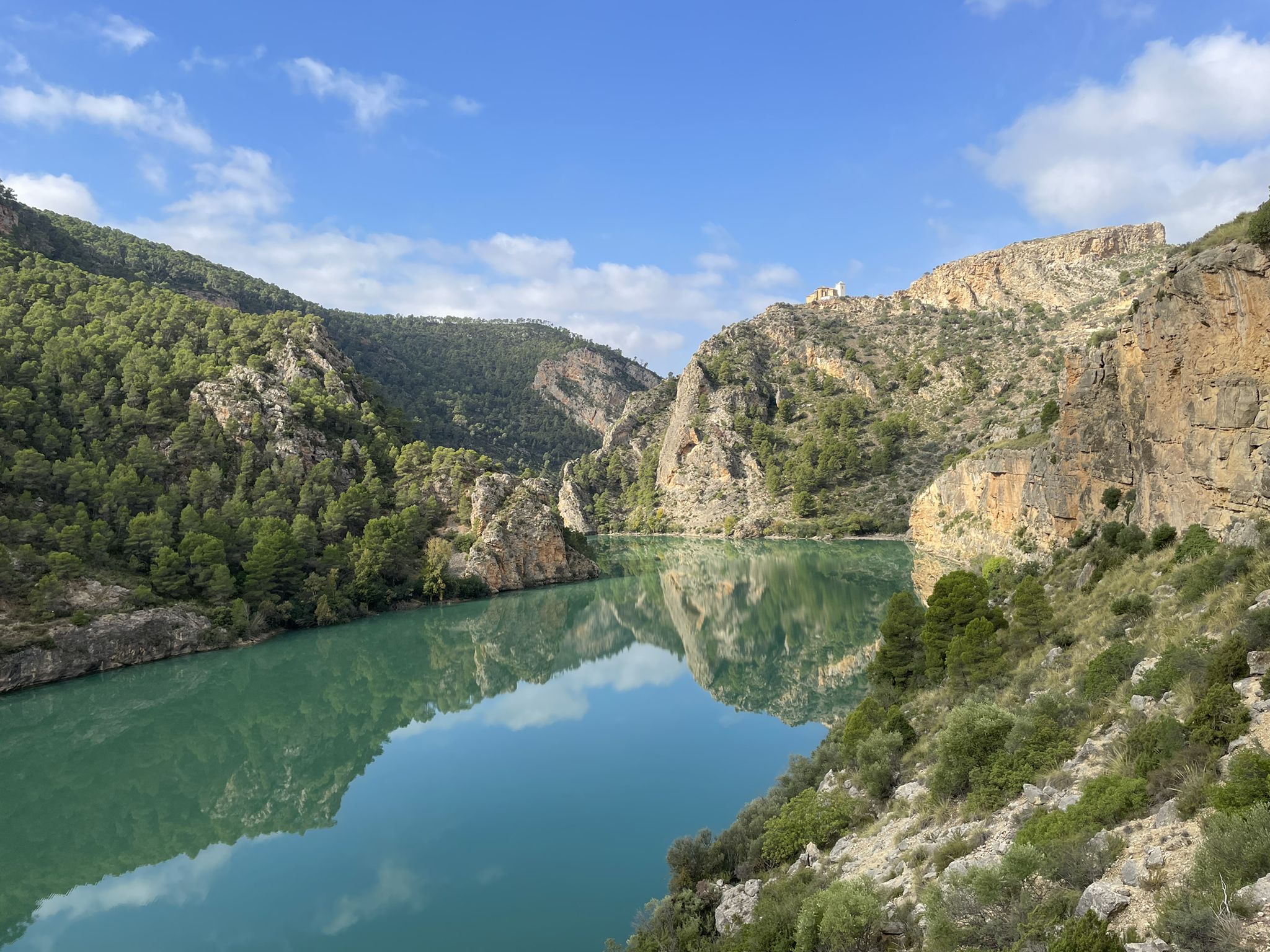
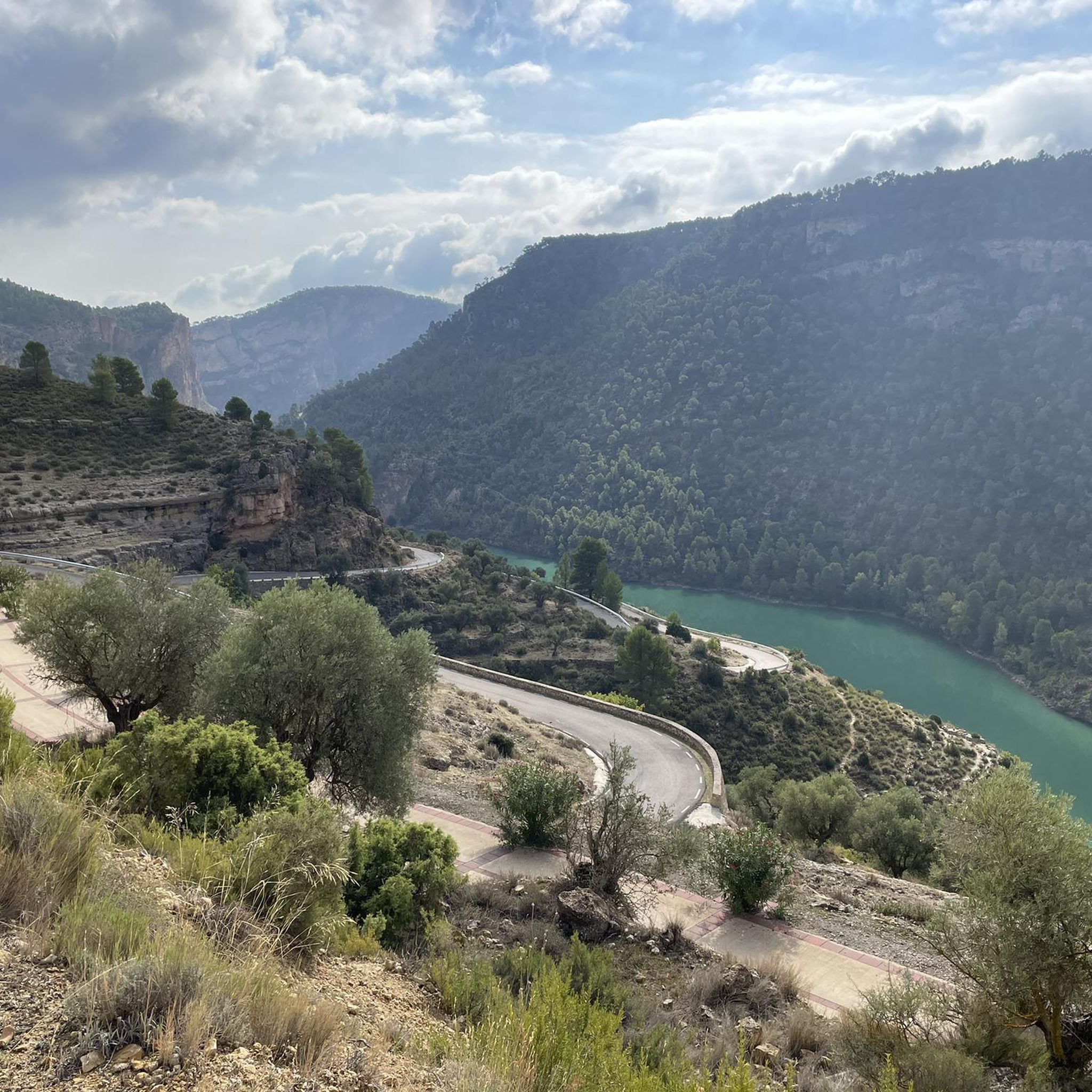
Best canyons around Villa De Ves are defined by the dramatic landscapes carved by the Júcar River in the province of Albacete, Spain. This region features imposing rock formations and dense forests, offering an immersive experience into wild natural environments. The area includes significant gorges and canyons, providing diverse geological features for exploration. Visitors can find a blend of natural grandeur and historical elements within these landscapes.
Best canyons around Villa De Ves
- The most popular canyons include Peña del…
Last updated: July 17, 2026
Peña del Buitre
Highlight • Canyon
Translated by Google •
Tip by

Tolosa Bridge – Júcar River
Highlight • Bridge
Translated by Google •
Tip by

Sign up now to discover places like this
Get recommendations on the best single tracks, peaks, & plenty of other exciting outdoor places.
Sign up for free
Remains of the hydroelectric power plant
Highlight • Structure
Translated by Google •
Tip by
Spectacular views of the Hoz del Júcar
Highlight • Viewpoint
In addition, here …
Translated by Google •
Tip by
Impressive valley
Highlight (Segment) • Gorge
Translated by Google •
Tip by

Sign up for free to discover even more gorges around Villa De Ves.
Sign up for free
Already have an account?
Start today with a free account
Your next adventure awaits.
Login or Signup
Other adventures around Villa De Ves

Tips from the Community

The trail through the Júcar Canyon is where you will find remains of the works carried out in the 50s to build a hydroelectric system. There are tunnels and canals along the trail.
0
0
The trail continues from here, but if you are mountain biking this might be a good place to return. The view of this gigantic wall is one of the main sites of the Júcar Canyon. It is almost 200 meters high and deserves a photo or two.
0
0

Bridge over the Júcar river that allows you to cross the sandstone gorge, joining the Batán path on the south side of the river with the north.
1
0

This gigantic wall is one of the icons of the Júcar canyon. Here you can perceive the immensity of the deep cleft of almost vertical walls reaching about 200 meters in height.
1
0
Along the Júcar canyon you can find the remains of the impressive hydroelectric work from the 50s. This water channeling work connects the Molinar dam and the Basta waterfall, where the water is released to produce energy.
1
0

The first climb from Casas del Rio to Balsa de Ves is very hard. The road is in poor condition and has a lot of slope!
0
0

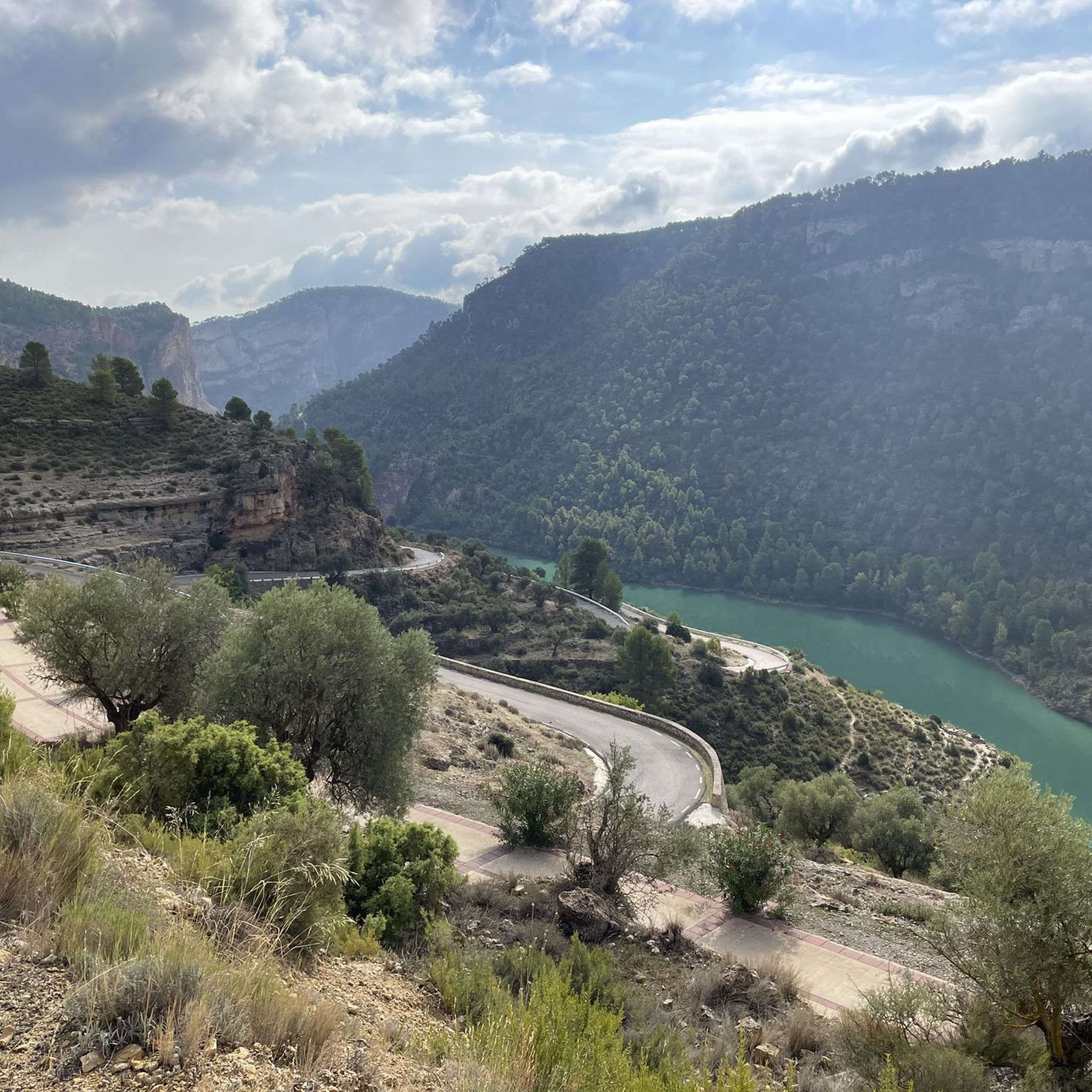
From Balsa de Ves it's an absolutely beautiful route down to the Rio Cabriel and then up again towards La Portera. An absolutely breathtaking route - you discover something new at every bend. At the Rio Cabriel there is a bathing area and a campsite as well as an old hydraulic water wheel.
1
0
This is one of the highest points on the path from where you can enjoy spectacular views of the Júcar River without being hampered by pine trees. In addition, here you will also find a source of drinking water and a pool to cool off.
0
0
Frequently Asked Questions
What natural features define the canyons around Villa de Ves?
The canyons around Villa de Ves are characterized by the dramatic landscapes carved by the Júcar River. You'll find imposing rock formations, dense forests, and the striking turquoise waters of the river. Key areas include the Hoz del Júcar, particularly around the Embalse y Paraje del Molinar, and the immense, almost vertical walls of Peña del Buitre, which reach about 200 meters in height.
Are there historical sites to explore within the canyons of Villa de Ves?
Yes, the canyons offer a glimpse into the region's industrial past. You can visit the Remains of the hydroelectric power plant, which include tunnels and canals from impressive hydroelectric works built in the 1950s. Near the Molinar area, there's also an abandoned village where power plant workers once lived, adding a unique historical dimension to your visit.
What outdoor activities can I do near the canyons of Villa de Ves?
The area around Villa de Ves is excellent for various outdoor activities. You can enjoy hiking, cycling, and road cycling. For hiking, consider routes like the 'Cañón del Júcar' or 'Embalse del Molinar, Villa de Ves — circular'. Cyclists can explore routes such as 'Descent to Tranco del Lobo' or 'Júcar Gorge'. Find more details on these activities and routes on the hiking guide and cycling guide for Villa de Ves.
Are there family-friendly options for exploring the canyons?
While the canyons can be rugged, parts of the area offer family-friendly experiences. The 'Impressive valley' extending from Balsa de Ves down to the Rio Cabriel features a bathing area and a campsite, which can be great for families. Additionally, some hiking routes, like 'The cliffs of Tolosa — circular', are rated as easy, making them suitable for a family outing.
Where can I find spectacular views of the Júcar River and its gorges?
For breathtaking panoramic views, head to the Spectacular views of the Hoz del Júcar viewpoint. This is one of the highest points on the path, offering unobstructed vistas of the Júcar River. The Santuario del Cristo de la Vida, situated on a promontory, also provides excellent photographic opportunities of the Molinar Reservoir and the surrounding river gorge.
Is there a good place for wild swimming in the canyons?
Yes, the 'Impressive valley' area, particularly around the Rio Cabriel, features a designated bathing area. The vibrant turquoise color of the Júcar River in sections like the Molinar area also suggests appealing spots for a refreshing dip, though always exercise caution and check local conditions.
What is the best time of year to visit the canyons around Villa de Ves?
While specific data isn't provided, generally, spring and autumn offer the most pleasant weather for exploring the canyons, with milder temperatures ideal for hiking and outdoor activities. Summers can be hot, and winters might be cooler and wetter, potentially affecting trail conditions.
Are there any bridges or unique crossings within the canyon system?
Yes, the Tolosa Bridge – Júcar River is a notable feature. This bridge allows passage over the sandstone gorge, connecting paths on both sides of the river and offering unique perspectives of the canyon.
Can I bring my dog on trails in the Villa de Ves canyons?
Many natural trails in Spain are dog-friendly, but it's always recommended to keep dogs on a leash for their safety and to protect local wildlife. Check specific trail regulations if available, but generally, the extensive network of hiking paths around Villa de Ves should accommodate well-behaved dogs.
Are permits required for canyoning or specific activities in Villa de Ves?
The provided information does not indicate that permits are generally required for hiking or exploring the main canyon areas. However, for specialized activities like technical canyoning (barranquismo), it is always advisable to check with local authorities or guide services for any specific permit requirements or safety guidelines.
What is the 'Impressive valley' and what does it offer?
The 'Impressive valley' refers to a particularly beautiful route extending from Balsa de Ves down to the Rio Cabriel. This area continuously reveals new sights, including a bathing area, a campsite, and an old hydraulic water wheel at the Rio Cabriel, making it a diverse spot for recreation and exploration.
Are there any challenging hiking routes in the canyons?
Yes, some routes in the area are considered challenging. For instance, the first climb from Casas del Rio to Balsa de Ves, part of the 'Impressive valley' route, is described as very hard due to its poor road condition and steep slope. Other routes like 'Cañón del Júcar — circular desde Jalance' and 'Embalse del Molinar, Villa de Ves — circular' are rated as moderate, offering a good challenge.
Most popular attractions around Villa De Ves

Get inspired with the komoot mobile app


Explore more
Already discovered everything in this region? See additional gorges around Villa De Ves for your next adventure:
