Top 6 Castles around Navalcarnero
Best castles around Navalcarnero are found in the broader Madrid region, as Navalcarnero itself is known for other significant historical sites. This historic town, located southwest of Madrid, offers a rich past with landmarks such as the 16th-century Church of Nuestra Señora de la Asunción and the traditional Plaza de Segovia. Visitors can also explore ancient caves, historically used for wine preservation, reflecting the area's cultural heritage. While traditional castles are not within Navalcarnero's immediate boundaries, the surrounding area provides…
Last updated: May 6, 2026
Torreón de Arroyomolinos
Highlight • Castle
Translated by Google •
Tip by

Casarrubios del Monte Historical Center
Highlight • Historical Site
Translated by Google •
Tip by

Sign up now to discover places like this
Get recommendations on the best single tracks, peaks, & plenty of other exciting outdoor places.
Sign up for free
Castle of Villaviciosa de Odón
Highlight • Castle
Translated by Google •
Tip by

Technical MTB Ascent to Castillo de Polvoranca
Highlight • Climb
Translated by Google •
Tip by

Views of the Castillo de Batres
Highlight • Viewpoint
Translated by Google •
Tip by
Start today with a free account
Your next adventure awaits.
Login or Signup
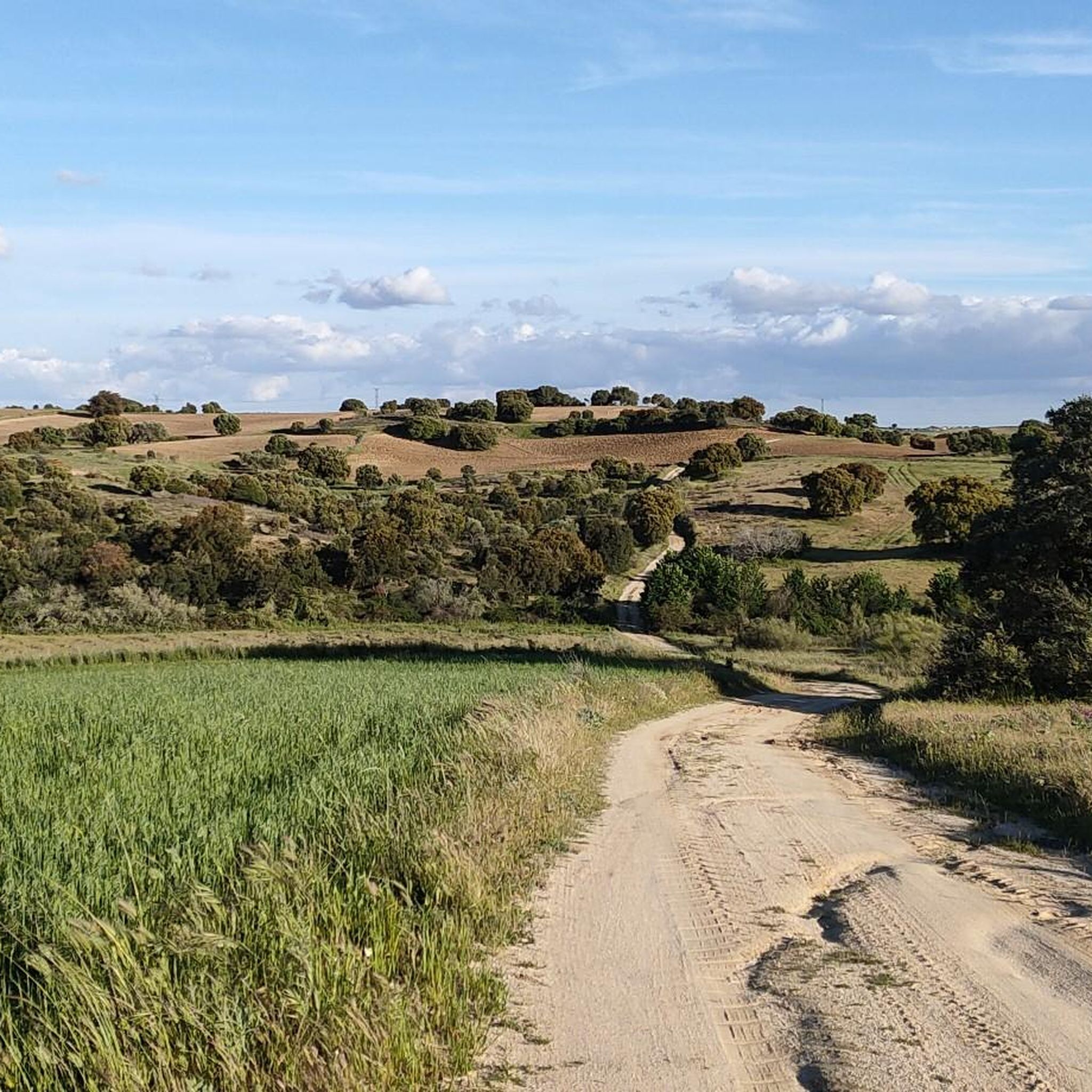
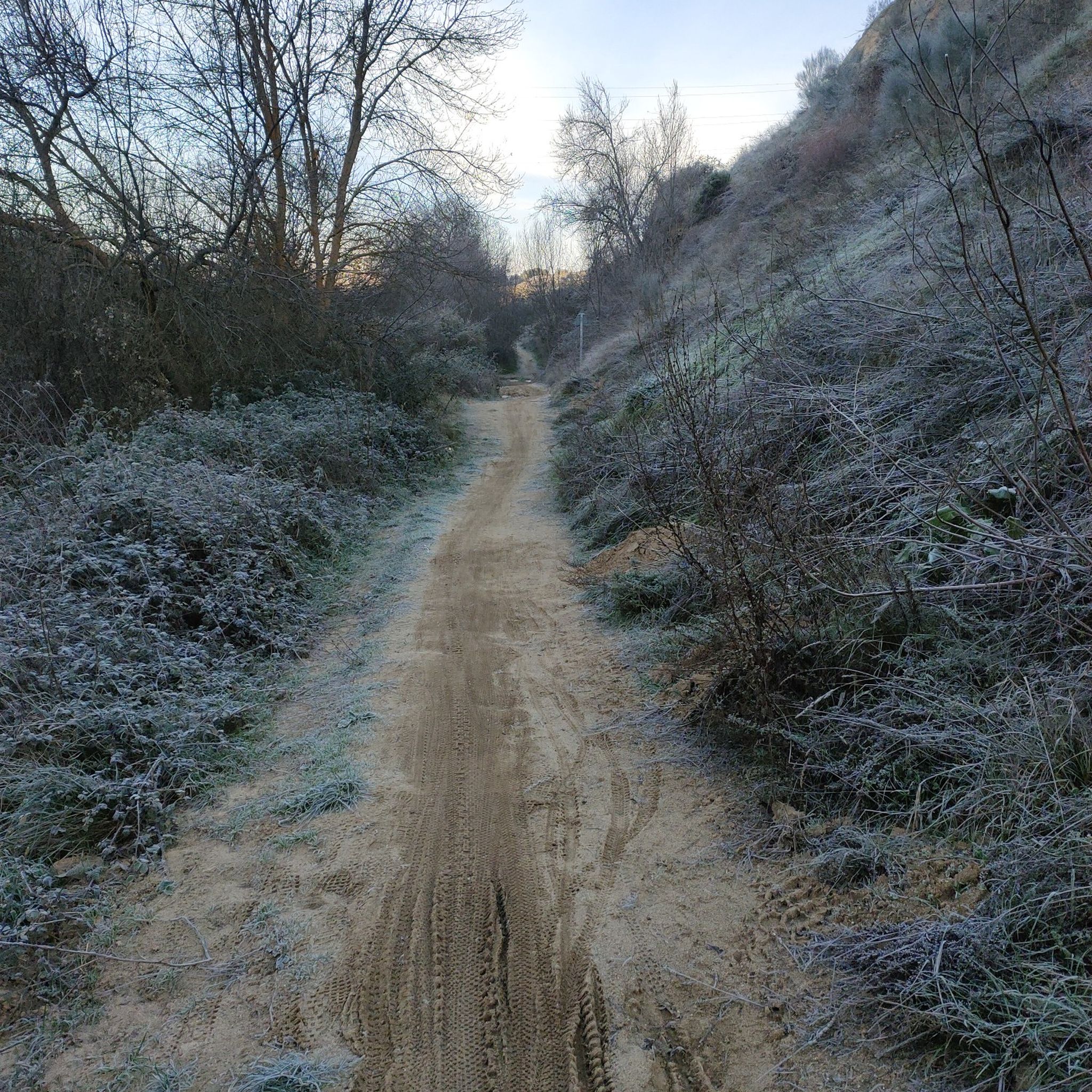
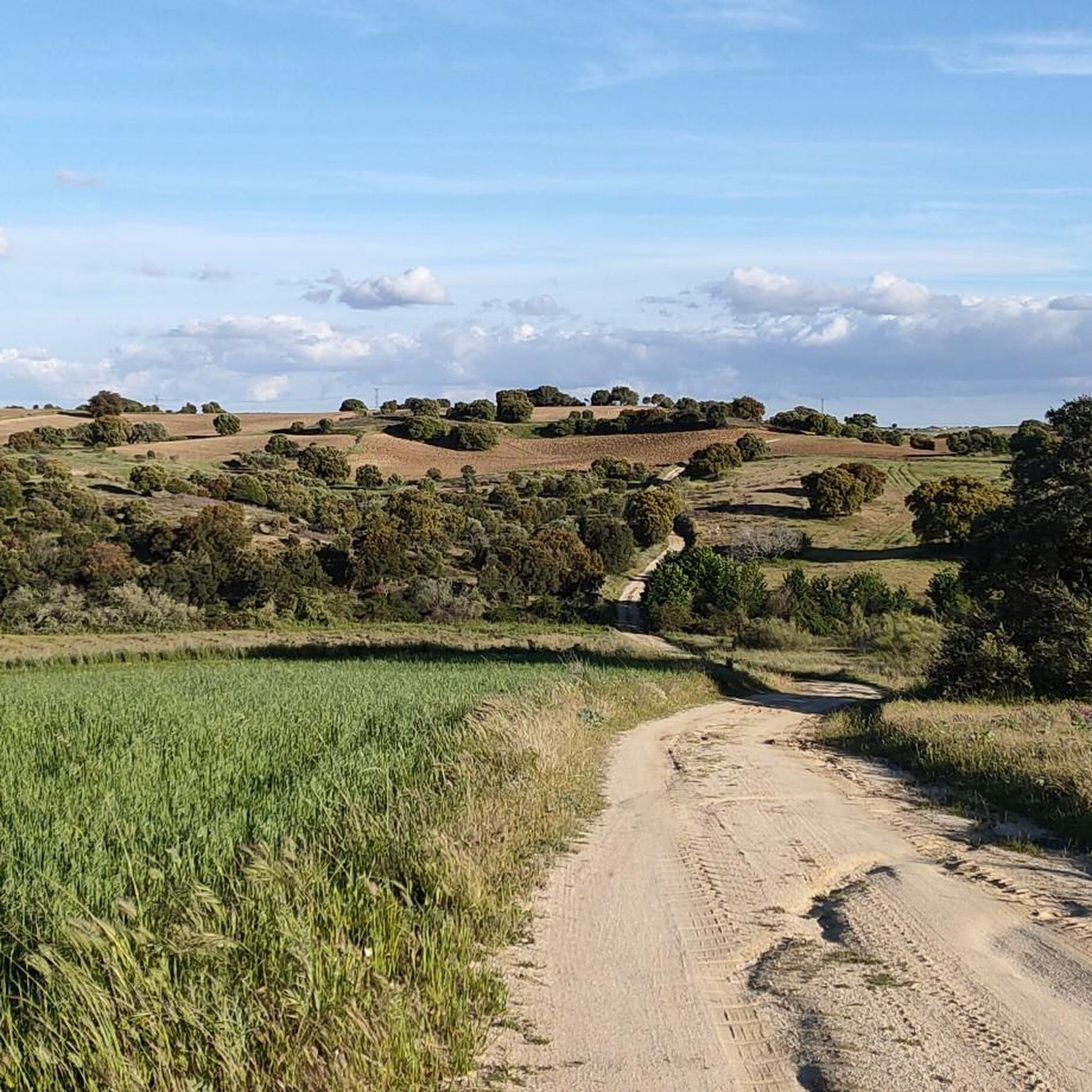
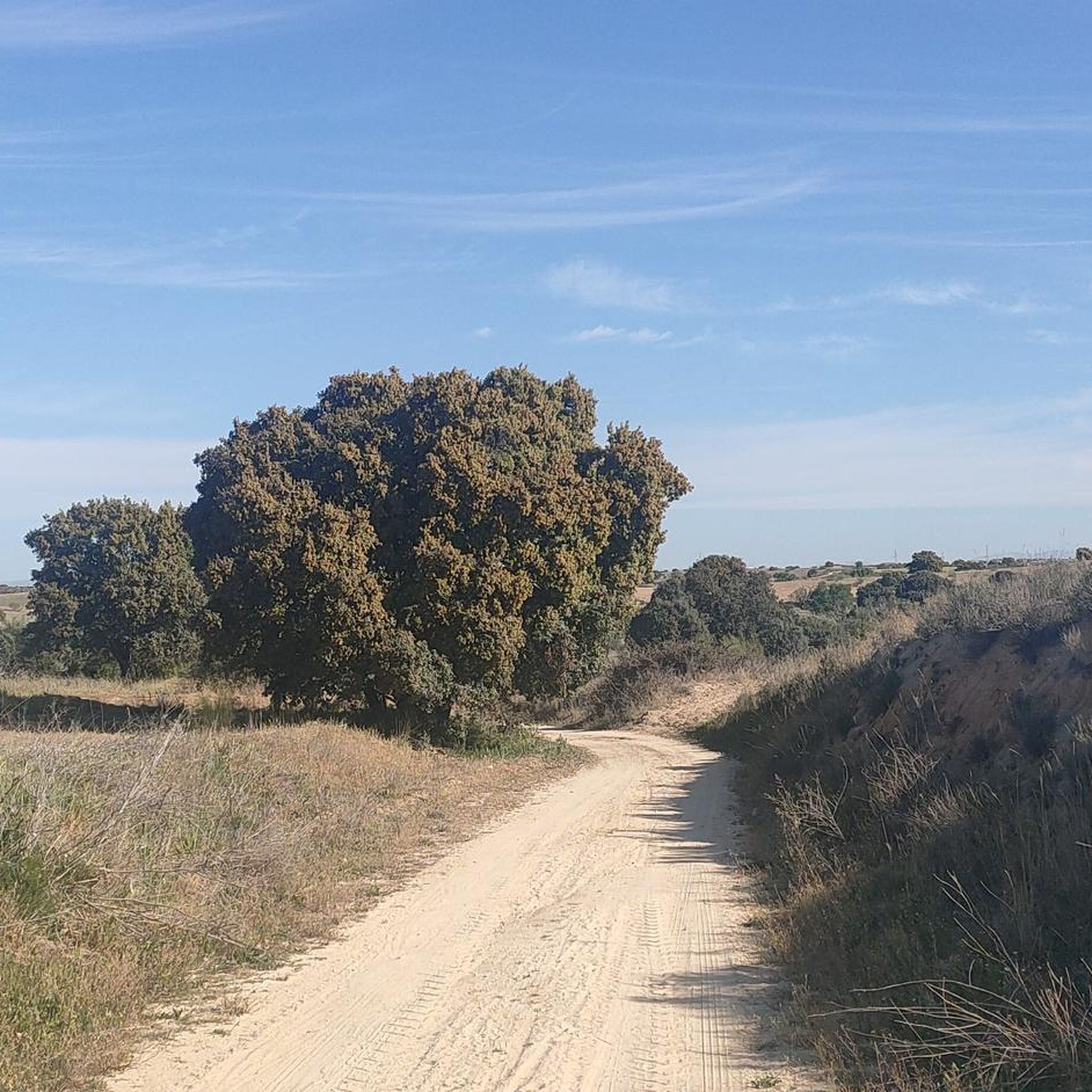

Tips from the Community

Villaviciosa Castle is a historic fortification located in the municipality of Villaviciosa de Odón, in the Community of Madrid. This castle has a rich history dating back to the Middle Ages, being one of the most emblematic elements of the town. Today, Villaviciosa Castle is used for various cultural and social events, such as weddings, exhibitions and concerts.
0
0

The tower of Pan, or Arroyomolinos, is the only remaining bastion of an ancient castle. Its current state of conservation is very good and it is part of the medieval buildings that can be visited in the Community of Madrid.
0
0

Also called Torre del Pan (the only trace of the Castle of Pan), it is a fortification of interesting shape, typical of the late medieval period. It dates back to the 15th century and is located in the historic center, very close to the green areas of Arroyomolinos. It has information panels, so come and learn its history.
3
0
Batres Castle is located on the right bank of the Guadarrama River in a beautiful spot that combines the riverside grove of poplars and plane trees with the surrounding countryside. It was built between the 15th and 16th centuries and has historically been the palatial residence of the lords of Batres. Curiously, one of those gentlemen was the famous poet Garcilaso de la Vega. Today it is private property and houses the Batres gardening school. On its side runs a beautiful path ideal for hikers and cyclists.
0
0
Town of entrance to the region of La Sagra from Madrid with monuments that testify its historical importance over the centuries. Its 14th-century Mudejar-style castle is unique in its style in Toledo and the roll of justice whose presence meant that the mayor had jurisdiction to judge. The town is surrounded by extensive cereal fields and olive groves typical of the Toledo steppe.
1
0

Fantastic as well as there are more paths to follow, with a very good stretch, not difficult and great to go with the children, as I always say.
0
2

Nice castle next to a wonderful park
0
0

Private property and if you do not have the exit gate open, you stay locked up and you have to go back the way you entered
1
0
Frequently Asked Questions
What kind of historical sites can I find around Navalcarnero, beyond traditional castles?
While Navalcarnero itself is not known for traditional castles, the area offers a rich historical tapestry. You can explore the 16th-century Church of Nuestra Señora de la Asunción, the traditional Plaza de Segovia, and ancient underground caves historically used for wine preservation. The broader region features various historical fortifications and structures, including those with castle elements.
Are there any family-friendly castles or historical sites to visit near Navalcarnero?
Yes, several sites are suitable for families. The Castle of Villaviciosa de Odón is a historic fortification often used for cultural events, and it's located next to a wonderful park. The Torreón de Arroyomolinos, a 15th-century tower with information panels, is also considered family-friendly. Additionally, the Casarrubios del Monte Historical Center, featuring a Mudejar-style castle, is great for a family outing.
What is the best time of year to visit the castles and historical sites in the Navalcarnero region?
The region around Navalcarnero generally experiences pleasant weather in spring (April-May) and autumn (September-October), making these ideal times for exploring historical sites. Temperatures are milder, and the natural scenery is often at its best. Summer can be quite hot, while winter can be chilly, though still suitable for visits if dressed appropriately.
Can I find any viewpoints overlooking castles in the area?
Yes, you can enjoy the Views of the Castillo de Batres. This viewpoint offers a beautiful perspective of Batres Castle, situated by the Guadarrama River. While the castle itself is private property, the surrounding area features a lovely path ideal for hikers and cyclists, allowing you to appreciate its exterior and setting.
What outdoor activities can I do near these historical sites?
The Navalcarnero area offers a variety of outdoor activities. You can find numerous routes for road cycling, mountain biking, and hiking. For example, there are hiking trails like the Arroyo de los Combos Park loop, MTB trails such as the Navalcarnero-Casarrubios del Monte circular route, and road cycling routes like the Navalcarnero and Sevilla la Nueva Loop.
Is there a castle in Navalcarnero itself?
No, Navalcarnero itself does not have a traditional castle. The town is known for other significant historical landmarks such as the Church of Nuestra Señora de la Asunción and the Plaza de Segovia. However, the surrounding region offers various historical fortifications and structures with castle elements.
What is the <a href="https://www.komoot.com/highlight/5599859" target="_blank" rel="noopener">Torreón de Arroyomolinos</a>?
The Torreón de Arroyomolinos, also known as Torre del Pan, is a 15th-century fortification. It is the only remaining trace of an ancient castle in Arroyomolinos and features information panels for visitors to learn about its history. Its current state of conservation is very good, making it a notable medieval building in the Community of Madrid.
What can I expect when visiting the <a href="https://www.komoot.com/highlight/3929073" target="_blank" rel="noopener">Casarrubios del Monte Historical Center</a>?
The Casarrubios del Monte Historical Center is a town that serves as an entrance to the La Sagra region. It features monuments that highlight its historical importance, including a unique 14th-century Mudejar-style castle. The town is surrounded by extensive cereal fields and olive groves, offering a glimpse into the traditional Toledo steppe.
What is the significance of the <a href="https://www.komoot.com/highlight/2865476" target="_blank" rel="noopener">Castle of Villaviciosa de Odón</a>?
The Castle of Villaviciosa de Odón is a historic fortification with a rich history dating back to the Middle Ages. It is one of the most emblematic elements of the town of Villaviciosa de Odón. Today, it is actively used for various cultural and social events, such as weddings, exhibitions, and concerts, and is located next to a beautiful park.
Are there any challenging routes for mountain biking near a castle?
Yes, for those seeking a challenge, the Technical MTB Ascent to Castillo de Polvoranca offers a short, steep uphill or downhill slope designed to increase uphill technique. This area is known for its challenging climbs, though visitors should be aware that it's private property and can be muddy after rain.
What are some of the unique historical features of Navalcarnero itself?
Navalcarnero boasts unique historical features such as the Church of Nuestra Señora de la Asunción, a 16th-century church with a Mudejar-style belfry tower and a royal chapel, notable for hosting the wedding of King Philip IV. The Plaza de Segovia is another highlight, an irregular main square with traditional Castilian architecture, arcades, and three-story buildings. The town is also known for its ancient underground caves, historically used for wine preservation.
Most popular routes around Navalcarnero
Most popular attractions around Navalcarnero

Get inspired with the komoot mobile app


Explore more
Looking for the best castles somewhere else? Discover other guides around Navalcarnero:
