Top 4 Caves around La Bisbal De Falset
Best caves around La Bisbal De Falset are found in the Priorat region, offering a range of natural features and historical sites. The area is characterized by its mountainous landscape, including parts of the Montsant mountains, which contribute to the formation of various caves and rock shelters. These sites provide insights into ancient human settlements and historical events, alongside unique geological formations. The region's caves are accessible for exploration, appealing to those interested in natural history and outdoor activities.
Best…
Last updated: May 22, 2026
Clot del Cirer
Highlight • Natural Monument
Translated by Google •
Tip by

Santa Llúcia Hospital Cave
Highlight • Cave
During the Civil War, the space became the hospital for the military units made up of republican volunteers who fought in the Battle of the Ebro.
Translated by Google •
Tip by

Sign up now to discover places like this
Get recommendations on the best single tracks, peaks, & plenty of other exciting outdoor places.
Sign up for free
Cova de l'Os
Highlight • Cave
Translated by Google •
Tip by
Cova Fumada
Highlight • Cave
The name smoke, no doubt, is due to the blackness …
Translated by Google •
Tip by
La Covassa Cave
Highlight • Cave
Translated by Google •
Tip by
Start today with a free account
Your next adventure awaits.
Login or Signup
Tips from the Community

Nice corner that invites you to silence and meditation
0
0

It is worth visiting to remember the tragedy of the Spanish civil war
0
0

Located in Cabacés, la Covassa, is a cave with two buildings inside, one of which is in ruins.
2
0
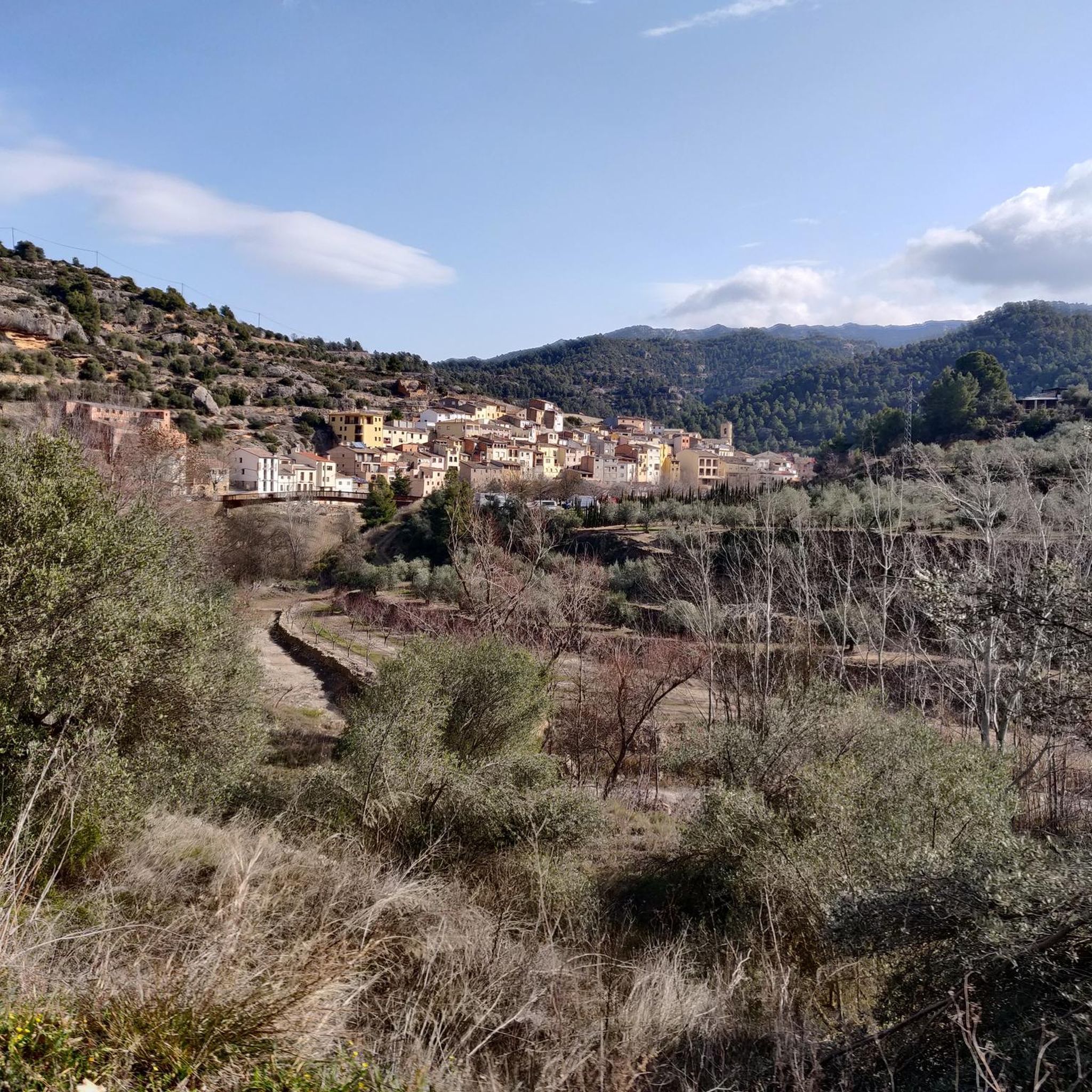
Near the town of La Bisbal de Falset is the cave of Santa Llúcia. During the Civil War, the space became the hospital for the military units made up of republican volunteers who fought in the Battle of the Ebro.
3
0

The hospital cave of Santa Llúcia, near the town of La Bisbal de Falset (Priorat), is a wide and shallow cave, used by man since ancient times, which took on a very important role during the Spanish Civil War by becoming a hospital for the International Brigades that fought, in the summer of 1938, in the Battle of the Ebro. https://ca.wikipedia.org/wiki/Cova_hospital_de_Santa_Ll%C3%BAcia
0
1

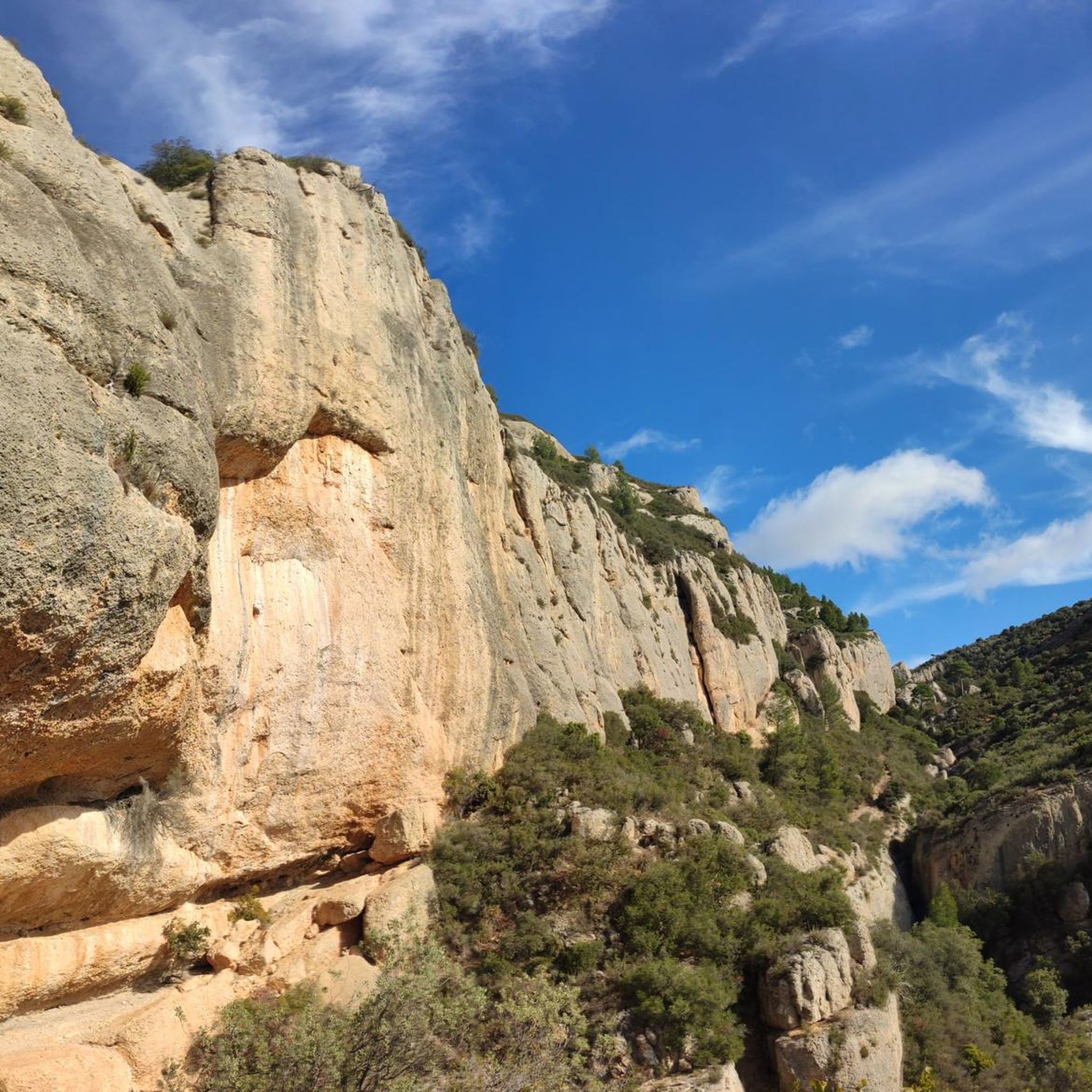
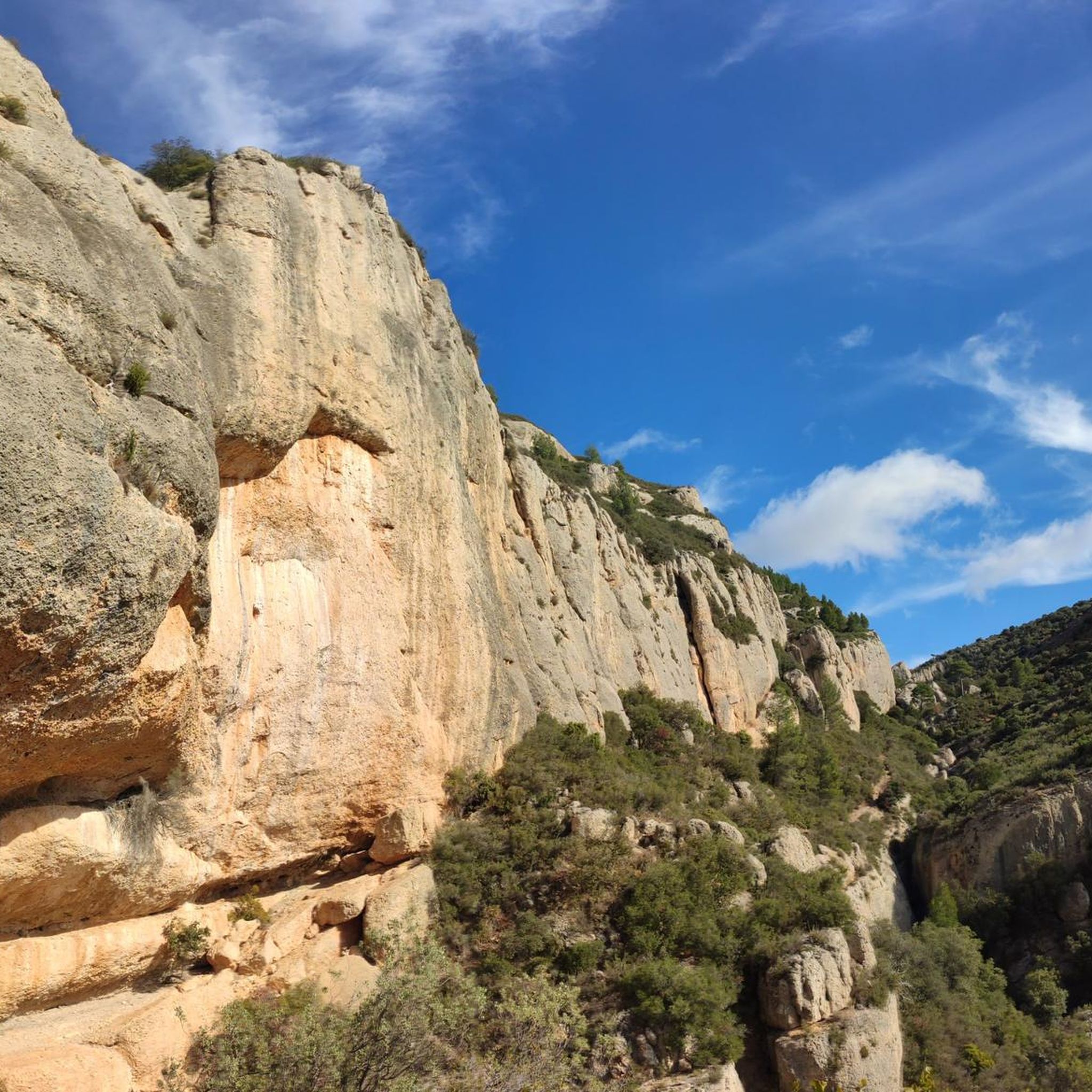
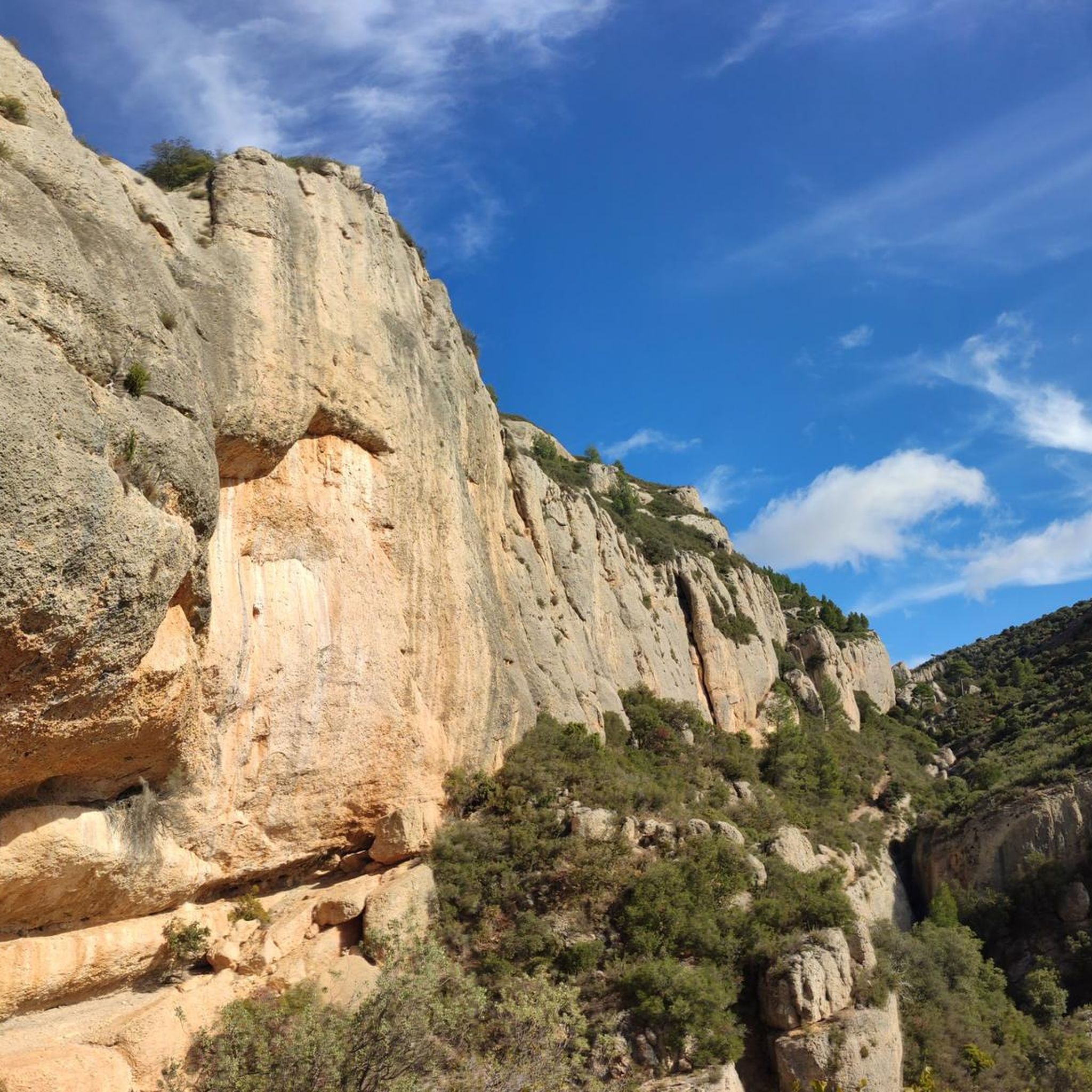
Balma wide but not very suitable for bivouac due to the humidity and the large amount of vegetation that is found. In case of emergency it can be used as a shelter. It has the remains of a stone wall, which suggests that at some point it was used for human or livestock use.
0
0
This corner of Montsant is one of the emblematic places of the Natural Park. It is located in the heart of the mountains and can be reached from La Morera de Montsant, either by the Grau de Salfores, or by the Grau de la Grallera towards the Piló dels Senyalets, and from both points to the Pi del Cugat , where you have to take a path that goes down to the Clot. It is an oasis of greenery in the middle of the arid Serra Major, as there is usually water all year round. Contrary to many people's beliefs, in the middle of nowhere, there is a walnut tree, not a cherry tree. The cherry tree that gave the place its name died years ago and a walnut tree was planted in its place. In the past, shepherds used to bring their flocks to drink, and the drinking troughs they prepared for their flocks are still preserved.
0
0
It is a perfectly equipped cavity to spend a season. We found all kinds of cooking utensils and sleeping space. The name smoke, no doubt, is due to the blackness of the roof due to the accumulation of smoke from so many bonfires supported.
0
0
Frequently Asked Questions
What are some of the most historically significant caves near La Bisbal de Falset?
The region boasts several caves with rich history. The Santa Llúcia Hospital Cave, located near La Bisbal de Falset, served as a military hospital during the Spanish Civil War and shows evidence of Upper Paleolithic human settlement. Another notable site is the Cova de la Taverna, which holds a 13 cm Paleolithic deer engraving, considered the oldest rock art found in a Catalan cave.
Are there caves suitable for families near La Bisbal de Falset?
Yes, the Cova de Santa Llúcia (also known as Santa Llúcia Hospital Cave) is particularly family-friendly. It's easily accessible via a simple route from La Bisbal de Falset, and the area around it has been adapted into a recreational zone with picnic tables and barbecues, making it ideal for a family outing.
Which caves offer unique natural features or geological interest?
The Clot del Cirer is a natural monument known for having water year-round, creating an oasis in the arid Serra Major. The Cova de la Taverna is an active underground torrent with unique formations, including large clastic rock formations, pools, and stalagmitic coatings, showcasing its evolutionary stages.
What kind of wildlife can be found in the caves around La Bisbal de Falset?
The Cova de la Taverna, in particular, is noted for its bio-speleological interest. Visitors might observe unique cave-dwelling wildlife such as the Anillochlamys and various species of bats (Myotis) within its interior.
Are there opportunities for beginner caving or speleology in the area?
The Cova de la Taverna is suitable for beginners interested in caving. It offers a mix of hiking and speleology, featuring sections with fixed steps (via ferrata style) and knotted ropes, which facilitate progression without requiring extensive specialized equipment.
What outdoor activities can I combine with a visit to the caves?
The region around La Bisbal de Falset offers diverse outdoor activities. You can find numerous hiking trails, such as the 'Racó del Teix – La Cogulla Summit loop' or the 'Serra Major – lo Planassot loop'. There are also MTB trails like the 'Tour of Montsant MTB Trail' and running routes. For more details, explore the hiking guide, MTB guide, and running guide for the area.
Is there a cave that served as a shelter for humans or livestock in the past?
Yes, the Cova de l'Os is a wide cave that features remains of a stone wall, suggesting its past use for human or livestock shelter. Additionally, the Cova de Santa Llúcia had a wall built around it in the 1800s to shelter flocks of sheep and goats.
What is the best time to visit the caves around La Bisbal de Falset?
While specific seasonal recommendations for each cave vary, the Montsant mountains, where many of these caves are located, are generally pleasant to visit during spring and autumn when temperatures are milder. Summer can be hot, and winter might bring colder, wetter conditions, especially in active torrent caves like Cova de la Taverna.
Are there any caves that offer a unique cultural or spiritual experience?
The Cova de Santa Llúcia is a place of worship for Santa Llúcia. An annual mass with a popular breakfast and folklore performance is held there on the second Sunday of August. It also features a source of water believed to possess curative properties for eye ailments.
What should I wear or bring when exploring caves in this region?
For caves like the Cova de la Taverna, which involves an active underground torrent and some climbing, wear sturdy, waterproof footwear and clothes you don't mind getting wet or dirty. A headlamp or flashlight is essential for any cave exploration. For easier access caves like Santa Llúcia, comfortable walking shoes are sufficient.
Are there any caves that are well-equipped for temporary stays?
The Cova Fumada is noted for being a perfectly equipped cavity, with all kinds of cooking utensils and sleeping space found inside. Its name, 'smoke,' likely comes from the blackness of its roof due to accumulated smoke from many bonfires.
Most popular routes around La Bisbal De Falset
Most popular attractions around La Bisbal De Falset

Get inspired with the komoot mobile app


Explore more
Extend your search for the best caves by checking out these guides of the top ones around La Bisbal De Falset:
