Top 18 Castles around Font-Rubí
Castles around Font-Rubí are nestled amidst vineyards and mountains in Catalonia, Spain. This region offers a glimpse into a rich medieval past, with historical sites providing views of the Penedès plain. The area is characterized by its natural environment, making it suitable for exploring historical landmarks and natural features.
Best castles around Font-Rubí
- The most popular castles is Olèrdola Castle and Archaeological Site, a castle that traces the history of the Penedès region from the Bronze Age to the…
Last updated: November 3, 2026
Olèrdola Castle and Archaeological Site
Highlight • Castle
Translated by Google •
Tip by

El Castellot
Highlight • Historical Site
Translated by Google •
Tip by
Sign up now to discover places like this
Get recommendations on the best single tracks, peaks, & plenty of other exciting outdoor places.
Sant Martí Sarroca Castle and Church Complex
Highlight • Castle
Translated by Google •
Tip by

Castle of La Granada
Highlight • Castle
Translated by Google •
Tip by
Castell de Mediona
Highlight • Castle
Translated by Google •
Tip by
Sign up for free to discover even more castles around Font-Rubí.
Already have an account?
Start today with a free account
Your next adventure awaits.

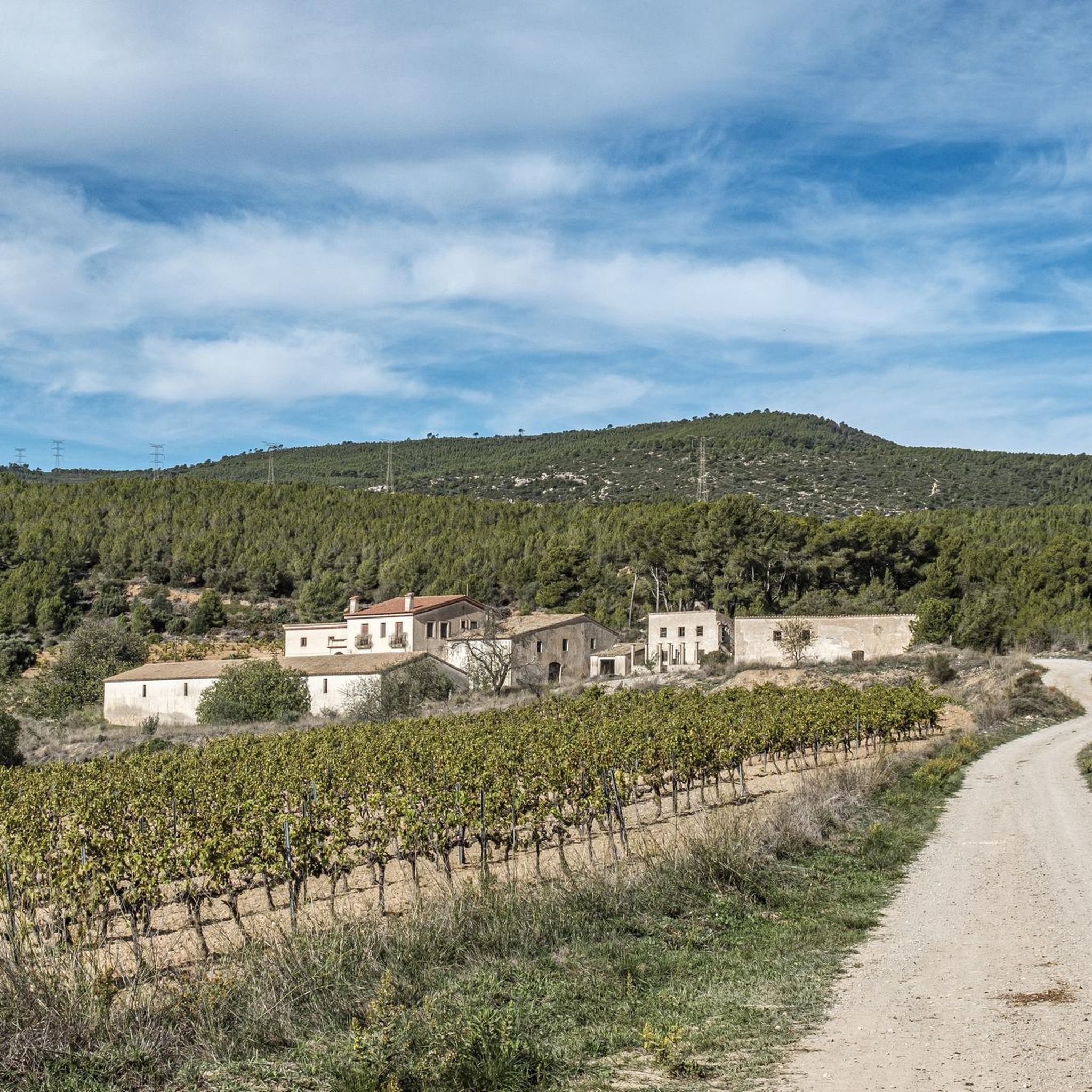
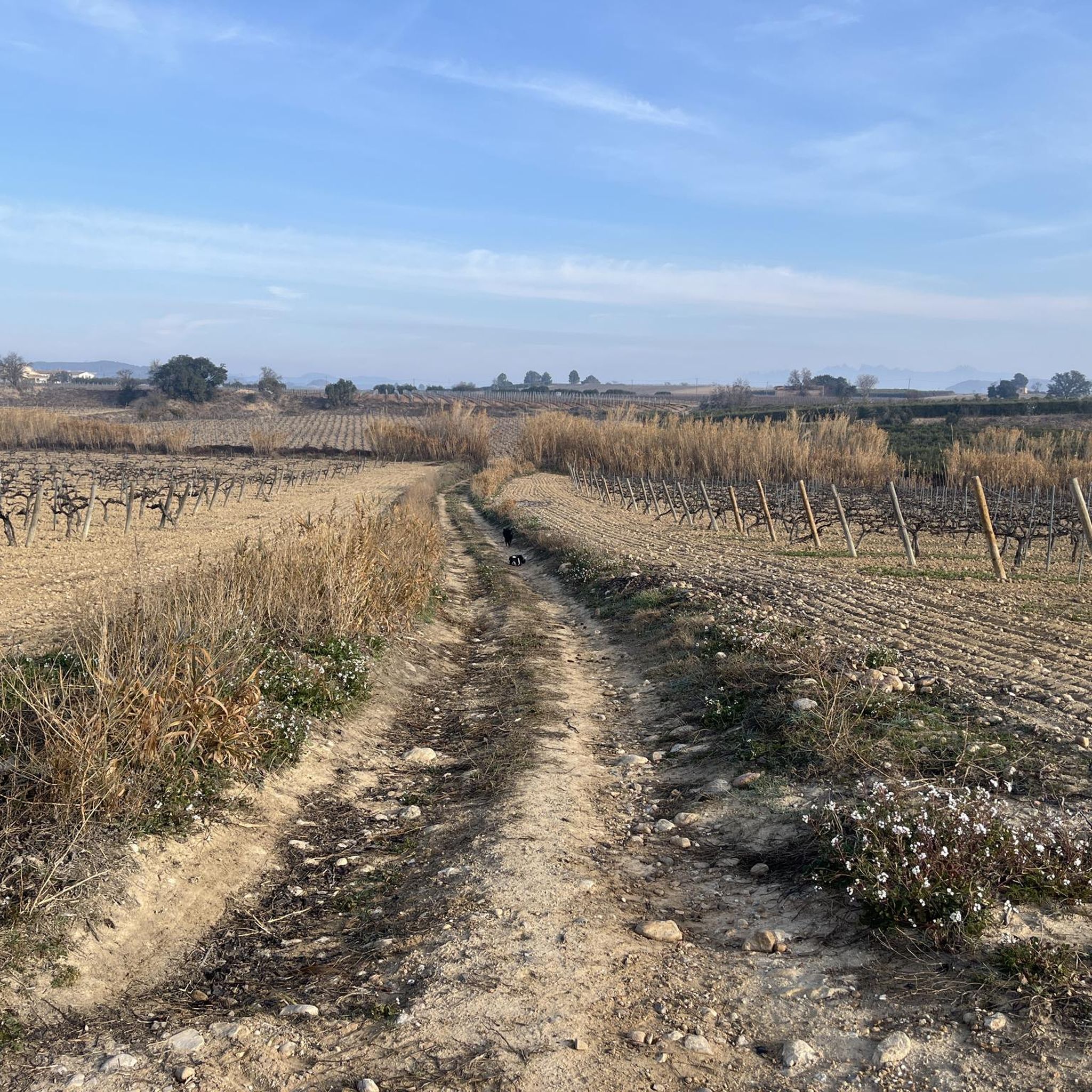
Other adventures around Font-Rubí

Tips from the Community

From the Canyellas road it is a two kilometer climb to the castle.
0
0

There is little more to add to what Peaknik explains so well. You have to look closely to see the ruins of the castle.
0
0

Beautiful tower not only for its views but also for the views it offers of the Penedès plain. The demanding climb is worth it!
0
0
Castle at the top of Olèrdola Park. This is one of the 12 natural spaces that try to be protected and at the same time that people can pass through giving life to the area. The old castle is an example, and passing by and seeing its walls is always beautiful!
0
0

The history of the place tells of the settlement of several tribes during the Bronze Age (2000-1800 BC), the construction of a primitive wall during the Iron Age (8th-7th centuries BC) and the arrival of the Cossetans (5th-4th centuries BC), an Iberian tribe that built an entire town there, later replaced by a Roman military camp that controlled the Via Augusta. At the time of the Christian conquest (929), Count Sunyer I built the first castle on the ruins of a Roman watchtower, as well as the church of Sant Miquel. The Muslim incursions of the 10th century seriously damaged the place, which had to be rebuilt during the following two centuries, after it belonged to Mir Geribert, self-proclaimed prince of Olèrdola. The visit to the complex is worth taking it easy and dedicating at least an hour to it. Before you go, you should consult their website: http://www.macolerdola.cat/Visita-ns/Informacio-per-a-la-visita
1
0
It consists of a whole series of vestiges and constructions that allow you to follow the history of Penedes from the Bronze Age to the High Middle Ages. The spectacular Sant Miquel church and the Pla dels Albats necropolis (both from the Middle Ages) stand out. Within the protected natural environment of the Regional Park of Olèrdola, and with a privileged view over the surroundings of Vilafranca and Garraf, there is a whole series of vestiges and constructions that allow you to follow the history of Penedes since the Bronze Age (about 4,000 years ago) until the High Middle Ages. It is located in an installation of the Museum of Archeology of Catalonia (MAC), which includes an interpretation center, and the visit to the complex is organized in an itinerary that starts at the interpretation center and links the various points of interest The vestiges of the Roman era are some of the most interesting, such as the wall (2nd-1st centuries BC), which defended the only point on the mountain that is not surrounded by cliffs and consists of a single central gate and four towers, and the cistern (also from the 2nd-1st centuries BC), dug into the rock and used to store rainwater, unique in the country for its capacity of 350,000 litres. From the Middle Ages, the spectacular church of Sant Miquel stands out, perched on top of the hill of the same name and destroyed and rebuilt several times since the beginning of the 10th century. It consists of two parts, one pre-Romanesque (built in 929) , which still preserves the apse and stands out for its horseshoe arch, and another from later (10th-12th centuries), which was in use until 1885. It is also necessary to mention the necropolis of Pla dels Albats (10th- XI), with a hundred anthropomorphic tombs excavated in the rock next to the ruins of the chapel of Santa Maria, the various structures of Iberian and medieval streets, houses and silos, the castle, also medieval, and the Roman watchtower.
1
0

The Olèrdola Monumental Complex is located on a rocky platform 358 m high, on the western slopes of the Garraf massif, within the Olèrdola Park, overlooking the Penedès plain. The first known fortification is from the Iberian period (9th-8th century BC). This defensive wall is parallel to the well-known Roman-Republican wall and preserves an internal transverse wall, the upper part of which was used in the Iberian period. During the 4th century and until the end of the 2nd century BC, an occupation by an Iberian town is documented. In this Iberian phase, the Late Bronze wall is reused and there is an adaptation of houses and a street, structured with respect to the defensive wall of the wall and which would be included in the later tower of the Roman-Republican era. At the end of the second century BC, the Romans built another wall in front of the previous one, a watchtower and probably a large cistern carved into the rock with a capacity of more than 350 m3. The cistern measures 16.40 m long x 6.50 m wide x 3.5-4 m deep. This cistern is considered to be from the Iberian or Roman-Republican period and was reused in the medieval period. 2 quarries were also located from this period (end of the 2nd century - beginning of the 1st century BC), one inside the walled enclosure and the other in front of the wall. Towards the middle of the 1st century BC, Olèrdola was abandoned but there was a medieval occupation from the 9th century. It seems that a field of silos cut into the sediment belong to an early period of medieval occupation. Within the medieval fortified enclosure, the space was structured in three areas. At the top was the military area, with the castle at the top and, further down, the sacred area, with the church and the necropolis. The lower part of the mountain was occupied by houses. In 1963 the Diputació de Barcelona acquired the property. In November 1971, after some renovations to the church and the construction of a new building on the site occupied by an old farmhouse-rectorship, the monumental complex of Olèrdola was opened to the public. Since 1995 the historical complex of Olèrdola has been one of the headquarters of the Museum of Archeology of Catalonia. Olèrdola was declared a Cultural Property of National Interest in 1931 and a Property of Cultural Interest (BIC).
0
0

Turó de la Roca has historically been a prominent point in the municipality of Sant Martí Sarroca. Although the first references are from the 10th century, when it served as a surveillance and protection point, there are indications of previous Iberian and Roman settlements. The monumental complex is made up of the Romanesque church of Santa María, restored in 1906, and the castle of Sant Martí, built in the 11th century.
0
0
Frequently Asked Questions
What historical significance do the castles around Font-Rubí hold?
The castles in the Font-Rubí area, such as Olèrdola Castle and Archaeological Site and El Castellot, trace the region's history from the Bronze Age through the High Middle Ages. They served as strategic watchtowers and defensive structures, particularly against Saracen attacks, guarding passages and overseeing the Penedès plain. These sites offer a deep dive into medieval Catalonia's past.
Which castles offer the best panoramic views of the Penedès plain?
El Castellot, situated at 468 meters, provides extensive views over the Penedès plain. Similarly, Olèrdola Castle and Archaeological Site, perched atop a hill, offers exceptional natural viewpoints over the vineyards. The Sant Martí Sarroca Castle and Church Complex also boasts great views of Penedès.
Are there easy walks to castles near Font-Rubí suitable for beginners or families?
While specific 'easy' routes to each castle aren't detailed, the region's natural environment, with paths among vineyards and farmhouses, is generally suitable for exploring. For a less strenuous visit, consider driving closer to sites like Sant Martí Sarroca Castle and Church Complex, which often involves a short, crisp climb to the castle and church.
What kind of outdoor activities can I do near the castles in Font-Rubí?
The area around Font-Rubí is excellent for various outdoor activities. You can find numerous cycling routes, including touring bicycle options like the 'Masía and Winery of la Mussarra loop' or road cycling routes such as 'From Granada via Vilobí del Penedés'. There are also running trails, including 'Parque dels Talls' and 'Can Serra Gavatxa loop'. You can explore these routes further in the Cycling around Font-Rubí, Running Trails around Font-Rubí, and Road Cycling Routes around Font-Rubí guides.
What is the best time of year to visit the castles around Font-Rubí?
The region's Mediterranean climate makes spring and autumn ideal for visiting, with pleasant temperatures for exploring the outdoor sites and hiking trails. Summers can be hot, while winters are generally mild but may have cooler, wetter days. Visiting during the grape harvest season in autumn also offers a unique cultural experience amidst the vineyards.
Can I visit the Olèrdola Castle and Archaeological Site? What does it offer?
Yes, the Olèrdola Castle and Archaeological Site is open to the public from Tuesday to Sunday. It's an extensive complex featuring the castle, Roman walls, silos, and the 10th-century church of San Miguel de Olèrdola. The site also houses the Museum of Archeology of Catalonia-Olèrdola, providing deeper insights into the region's history from the Bronze Age to the High Middle Ages.
What is unique about El Castellot (Font-Rubí Castle)?
El Castellot, also known as Castell del Puig del Castellot, is a historical site dating back to the 10th-11th centuries. It served as a crucial surveillance and defense structure, offering serene and extensive views over the Penedès plain. Recent restoration efforts, completed in March 2021, have made its watchtower's upper part accessible via an internal staircase, enhancing the visitor experience.
Is the Sant Martí Sarroca Castle and Church Complex worth visiting?
Absolutely. The Sant Martí Sarroca Castle and Church Complex is a significant historical site with origins in the 10th century. It includes the Romanesque church of Santa María and the castle of Sant Martí, offering a blend of religious and military history. Visitors particularly enjoy the great views of Penedès from this complex.
Are there any castles around Font-Rubí that are less preserved or more ruinous?
Yes, the Castle of La Granada is an example of a less preserved site. Dating from the 10th century, only a few walls remain, and the rectangular tower is no longer standing. It offers a glimpse into the region's turbulent past, having been destroyed, besieged, and plundered over centuries.
What should I wear for castle hikes in the Font-Rubí area?
For castle hikes in the Font-Rubí area, it's advisable to wear comfortable walking shoes or hiking boots, as many sites involve uneven terrain and climbs. Layered clothing is recommended to adapt to changing weather conditions, especially if you're exploring viewpoints at higher altitudes. Don't forget sun protection, like a hat and sunscreen, and bring plenty of water.
Are the castle sites accessible by public transport or do they have parking?
While specific public transport details for each castle are not readily available, many visitors opt to drive. Sites like Olèrdola Castle and Archaeological Site typically have parking facilities nearby. For more remote sites like El Castellot, access might involve a short hike from a nearby parking spot.
What do visitors appreciate most about the castles in this region?
Visitors frequently highlight the stunning panoramic views over the Penedès plain and its vineyards. The rich historical significance, from ancient Roman vestiges to medieval watchtowers, is also a major draw. The blend of cultural exploration with opportunities for hiking and enjoying the natural environment is highly valued by the komoot community.
Are there any dog-friendly options for exploring castles around Font-Rubí?
Many outdoor historical sites and trails in the Font-Rubí region are generally dog-friendly, especially those that are more open-air ruins or viewpoints. However, it's always best to check specific site regulations before visiting, particularly for indoor museum sections or more preserved complexes like Olèrdola Castle and Archaeological Site. Always keep your dog on a leash and clean up after them.
Most popular routes around Font-Rubí
Most popular attractions around Font-Rubí

Get inspired with the komoot mobile app


Explore more
Looking for the best castles somewhere else? Discover other guides around Font-Rubí:
