Top 7 Caves around Vallromanes
Best caves around Vallromanes are primarily unique geological formations and historical subterranean sites rather than extensive natural cave systems. Located near natural parks like Montnegre-Corredor and Montseny, Vallromanes offers a landscape rich in diverse natural features. The region features interesting rock formations and ancient sites that provide insights into prehistoric human activity. These sites offer opportunities for exploration within a scenic forest setting.
Best caves around Vallromanes
- The most popular caves is The Swallows' Rock, a natural monument that…
Last updated: July 30, 2026
The Swallows' Rock
Highlight • Natural Monument
Translated by Google •
Tip by

Cave of the Frog
Highlight • Cave
Translated by Google •
Tip by

Sign up now to discover places like this
Get recommendations on the best single tracks, peaks, & plenty of other exciting outdoor places.
Sign up for free
Cova d'en Genís Paradolmen
Highlight • Cave
Translated by Google •
Tip by

Cova de les Encantades
Highlight • Cave
Translated by Google •
Tip by

Roca Llobatera de Cabrils
Highlight • Cave
Translated by Google •
Tip by
Sign up for free to discover even more caves around Vallromanes.
Sign up for free
Already have an account?
Start today with a free account
Your next adventure awaits.
Login or Signup
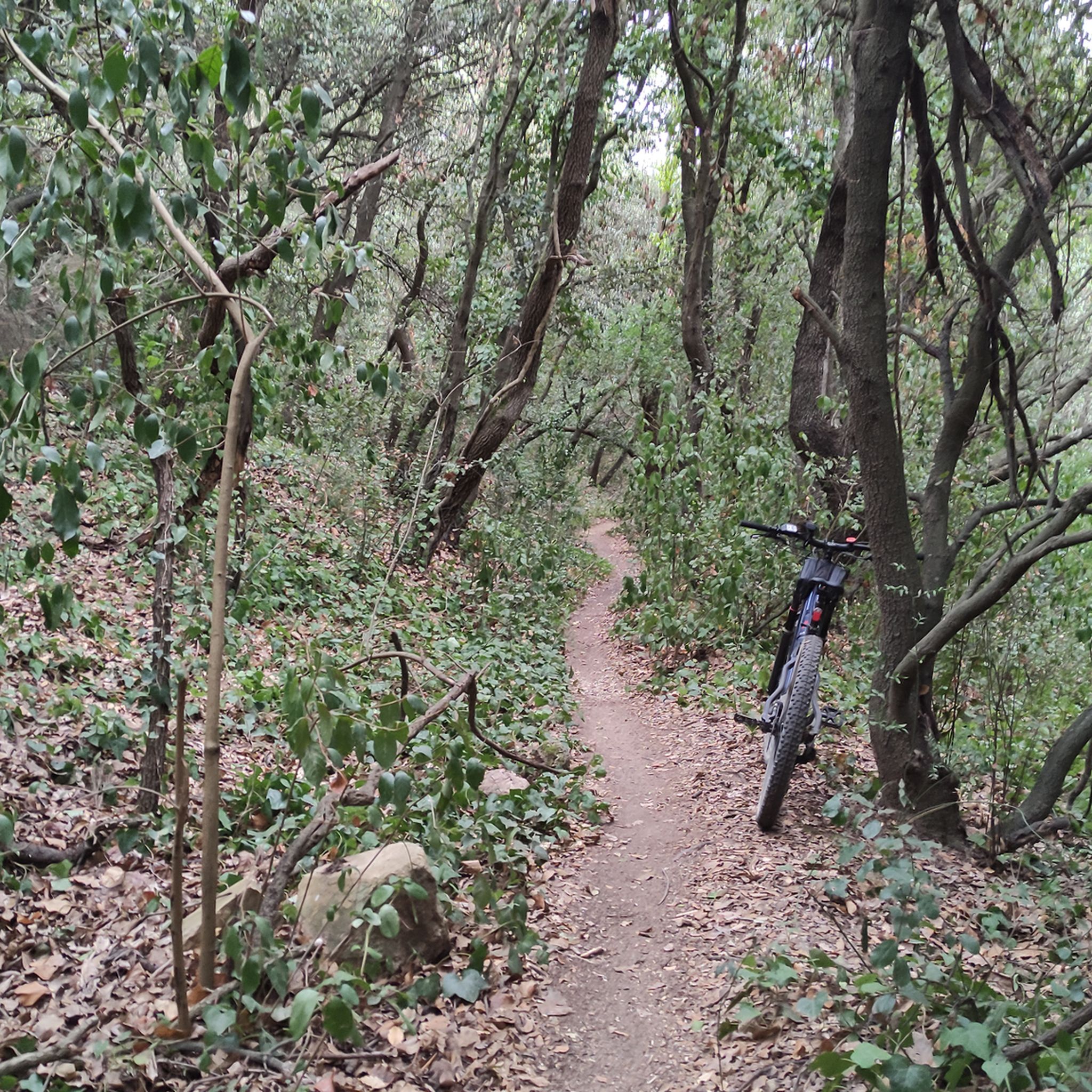
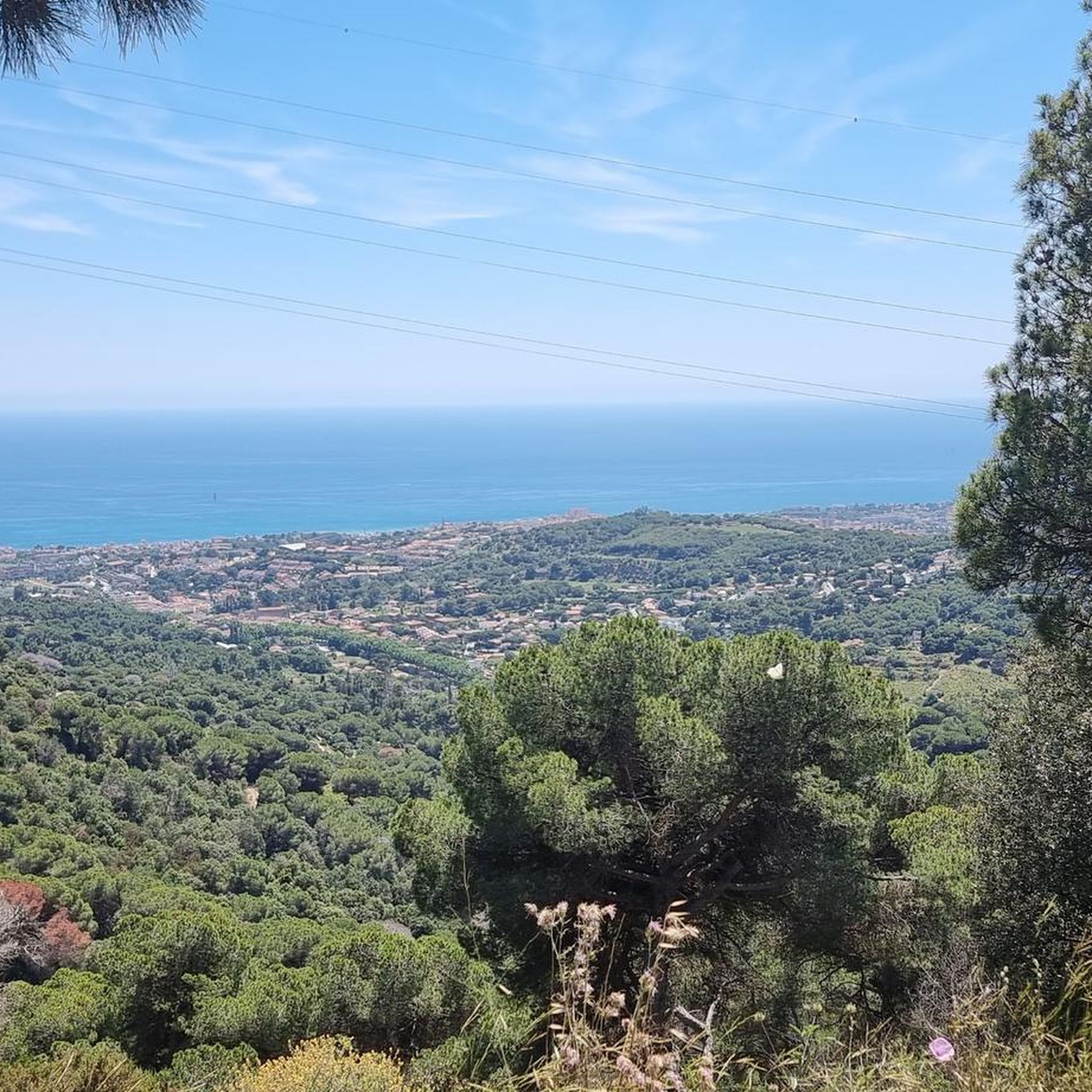

Other adventures around Vallromanes

Tips from the Community

Jaciment arqueològic amb pintures rupestres, declarat Patrimoni de la Humanitat.
0
0

A small cave hidden in a crevice of Montseny, damp and cool even in the height of summer. Its name comes from the constant croaking of frogs from the nearby stream, which seem to guard the entrance at dusk. Locals say that during storms, forest animals would take refuge inside, and that a hiker once found an old, rusty lantern hanging from the rock, as if someone had left it there to return.
0
0
This cave, inhabited in prehistoric times, contains remains that demonstrate its use in the Neolithic or Bronze Age, such as stone tools, pottery fragments, and evidence of fire. Its strategic location, hidden but with good visibility of the surroundings, made it ideal as a refuge or stopover. Today, for cyclists like us, it's an excellent shelter in case of rain or to enjoy breakfast in the shade, thanks to its peaceful and protected location.
1
0

The "Pedra de Les Orenetes" (Swallows' Stone) is made up of a large granite block about 8 m long, 3 m wide and 3 m high, which has been heavily eroded. The basal part shows several cavities, one of which is a medium-sized shelter, which is the main area of the paintings. From this concavity, through which the block can be crossed from below, other concavities and eroded points with pictographic representations continue to the right. These correspond to curved, serpentine strokes, points, female figures, cruciform figures, bars, finger marks, anthropomorphic forms, quadrupeds, branch-shaped figures and human representations, as well as remains of pigment that are difficult to interpret. the schematic-semi-schematic to the stylized and naturalistic), chromatic (reddish, reddish-brown, reddish-orange and yellowish-orange) and techniques (fingering, simple stroke and flat ink) as well as a diverse degree of erosion that seems to indicate a process with superimpositions and diverse phases, some of which seem to be related to those of the Cogul shelter.
1
0
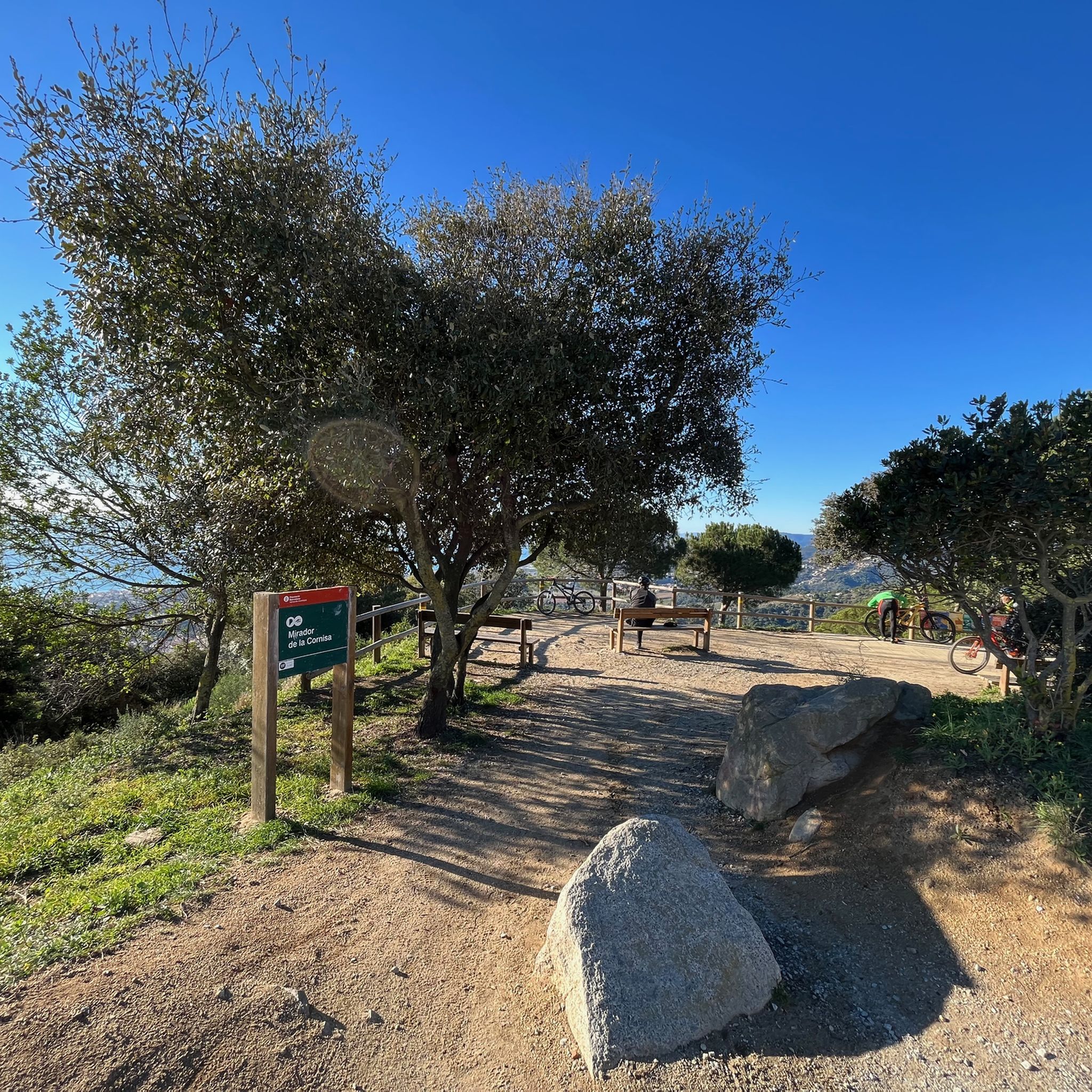
https://www.youtube.com/watch?v=nKgNP2t3_aY You will have to leave the bike and finish the journey on foot, from there the views are spectacular.
2
0
Iberian sanctuary in the municipality of Cabrera de Mar (Maresme). It is located in an area of Montcabrer that is difficult to access. It has a double entrance, in front of which a large number of offerings have been documented (about 50,000 ceramic fragments), consisting essentially of various types of tableware, amphorae, miniature votive amphorae, perfume containers, ceramic replicas of bovine horns, terracotta heads of Demeter and some coins. It was frequented from the 4th century BC until the turn of the century, with a special intensity in the period between 125 BC and 50 BC.
2
0

Genís Cave, also known as Genís Cave, is a paradolmen located in the municipality of Santa Coloma de Gramenet. It is located in the Serralada de Marina park, on the southwest side of the Pollo hill, near the hermitage of Sant Climent and 500 meters from the Puig Castellar archaeological site.
22
0

Spectacular rocks found in this area near the Bosc de Rsucalleda, with curious shapes.
6
0
Frequently Asked Questions
What kind of caves can I explore around Vallromanes?
The Vallromanes area features unique geological formations and historical subterranean sites rather than extensive natural cave systems. You'll find ancient shelters, burial chambers, and rock formations with archaeological significance, offering insights into prehistoric human activity.
Are there any historical or archaeological cave sites in the region?
Yes, several sites have historical significance. For example, The Swallows' Rock contains prehistoric pictographic representations and was used as a shelter. The Cave of the Frog served as a collective sepulchral crypt from the Chalcolithic and early Bronze Age. Additionally, Pedra Foradada is a prehistoric site with a small cave, believed by some to have been used in ancient initiation rituals.
Can I find caves with good views in Vallromanes?
Absolutely. Turó de Montcada i Reixac, a summit within the Serra de Collserola Natural Park, offers impressive 360-degree panoramic views, and you can explore caves within this mountain. Cova d'en Genís Paradolmen also provides good views from its location on the southwest side of Pollo hill.
Are there any family-friendly cave experiences or related activities?
While traditional caving might be limited, exploring sites like The Swallows' Rock or Pedra Foradada can be engaging for families interested in natural formations and history. These sites are often part of scenic hiking routes suitable for various ages. The highlight Turó de Montcada i Reixac is also categorized as family-friendly.
What outdoor activities can I do near these cave sites?
The area around Vallromanes is excellent for outdoor activities. You can find numerous hiking trails, such as the 'Roca Foradada y Ermita de Sant Mateu del Bosc — circular por la encina de de la Molinera' or the 'GR 92: Turó d'en Galzeran Loop'. There are also extensive MTB trails and running routes. For more details, explore the Hiking around Vallromanes, MTB Trails around Vallromanes, and Running Trails around Vallromanes guides.
Is there an artificial cave experience in Vallromanes?
Yes, while not a natural cave, Vallromanes is home to AIRE Ancient Baths. This spa facility is designed to evoke the ambiance of ancient Roman, Greek, and Ottoman baths, featuring deeply atmospheric subterranean caverns lit by candles, offering a unique relaxation experience.
What is the best time to visit the caves and natural sites around Vallromanes?
The region's natural sites and historical caves are generally accessible year-round. Spring and autumn offer pleasant temperatures for hiking and exploration. Summer can be warm, but the forest settings around many sites provide shade. Winter is also suitable, though some trails might be damp.
Are there any unique rock formations to see besides traditional caves?
Yes, the region is known for its unique rock formations. The Pedra Foradada (Perforated Rock) is a notable example, a large granite rock with a nearly perfect circular opening, suggesting human modification during the Chalcolithic period. The Swallows' Rock is another spectacular eroded granite block with curious shapes and cavities.
What do visitors enjoy most about the caves and sites in Vallromanes?
Visitors appreciate the blend of natural beauty and historical significance. Many enjoy the peaceful and protected locations of sites like The Swallows' Rock, which serves as an excellent shelter during hikes. The impressive panoramic views from places like Turó de Montcada i Reixac are also highly valued.
Are there any specific tips for exploring the cave sites?
When exploring sites like Turó de Montcada i Reixac, it's recommended to explore carefully, especially if venturing into the caves. For hiking to these sites, bringing water is advisable as there might not be facilities on site. Some climbs are easy and do not require extensive experience, but a firm step is always good.
Are the cave sites around Vallromanes accessible by public transport?
While Vallromanes itself is accessible, reaching specific cave sites often requires a combination of public transport and hiking. Many sites are nestled within natural parks or forested areas, making them more accessible by car followed by a walk, or directly via hiking trails from nearby towns. Check local transport options to trailheads for the most accurate information.
Do I need permits to visit the cave sites or hike in the natural parks?
Generally, permits are not required for casual hiking and visiting the publicly accessible natural and historical sites in the natural parks around Vallromanes, such as Serra de Collserola Natural Park or Montnegre-Corredor. However, always check for any specific regulations or temporary closures, especially for protected archaeological areas or during periods of high fire risk.
Most popular routes around Vallromanes
Most popular attractions around Vallromanes

Get inspired with the komoot mobile app


Explore more
Extend your search for the best caves by checking out these guides of the top ones around Vallromanes:
