Top 12 Castles around Vallirana
Castles around Vallirana offer a glimpse into the region's historical past within the natural landscape of Baix Llobregat. The area features remnants of medieval fortifications and watchtowers, providing historical context to its development. While Vallirana itself is home to the Molinots de la Llibra, nearby municipalities host more extensive castle ruins. These sites are often situated on elevated positions, offering views of the surrounding terrain.
Best castles around Vallirana
- The most popular castles is Fossada Tower (Castellbisbal), a historical…
Last updated: June 6, 2026
Castellciuró Ruins
Highlight • Castle
Translated by Google •
Tip by

Fossada Tower (Castellbisbal)
Highlight • Historical Site
Translated by Google •
Tip by

Sign up now to discover places like this
Get recommendations on the best single tracks, peaks, & plenty of other exciting outdoor places.
Sign up for free
Castellciuró
Highlight • Castle
Translated by Google •
Tip by

Eramprunyà Castle
Highlight • Castle
Translated by Google •
Tip by

Gelida Castle
Highlight • Castle
Translated by Google •
Tip by
Sign up for free to discover even more castles around Vallirana.
Sign up for free
Already have an account?
Start today with a free account
Your next adventure awaits.
Login or Signup
Tips from the Community

Last section is unpaved but can be climbed easily with a road bike.
0
0
climb from the train station, difficult stretch of + or - 2 km.
0
0
Go up from the train station.
0
0

More than 1,000 years of history Although recent archaeological studies testify to the occupation of the Eramprunyà cliff since prehistoric and Iberian times, the history of the castle begins in the 9th century. In 801 the Franks took the city of Barcelona from the Saracens, who had to retreat to the right bank of the Llobregat. The defense of Barcelona required the protection of the flat area, but also the entire lower part of the Llobregat valley, from Martorell to the sea, as it is a natural area of access to Barcelona. It was also necessary to control the entire coastline and the paths of the Garraf. Some of the castles that were built at this time were those of Cervelló, Castellví de Rosanes, Sant Boi, Corbera, Castelldefels and Eramprunyà. For visits Second Sunday of the month, at 10 am Meeting point at the Hermitage of Bruguers. Source and for + info https://www.patrimonigava.cat/espais-patrimonials/castell-deramprunya
0
0

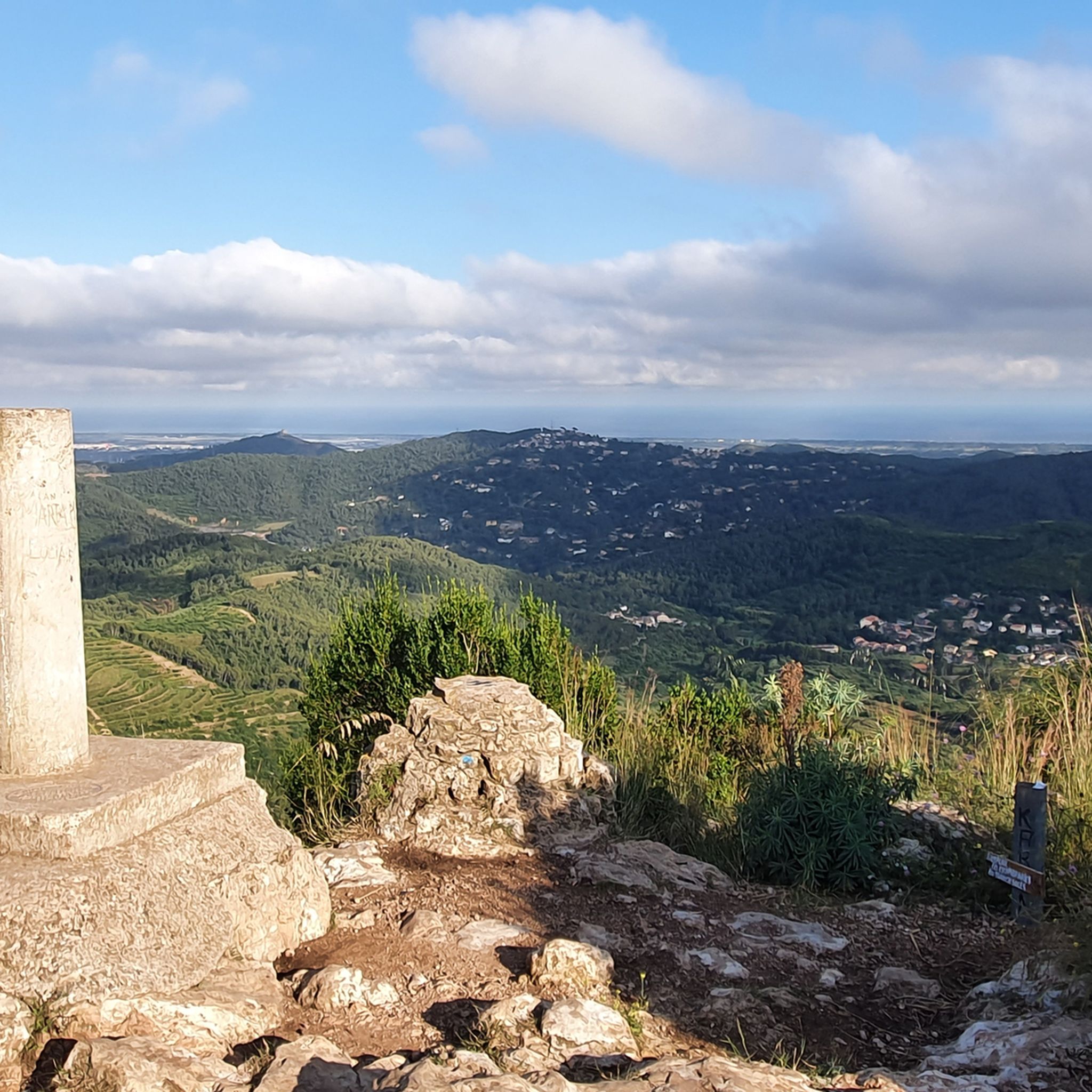
This castle is located near Sant Miquel d'Eramprunyà and is located on an elevated part, between the slopes of the Garraf with magnificent views over the Llobregat delta.
0
0

good views from up there, it is better to go up through the area of the urbanization that is softer, on the river side the climbs are very strong.
0
0

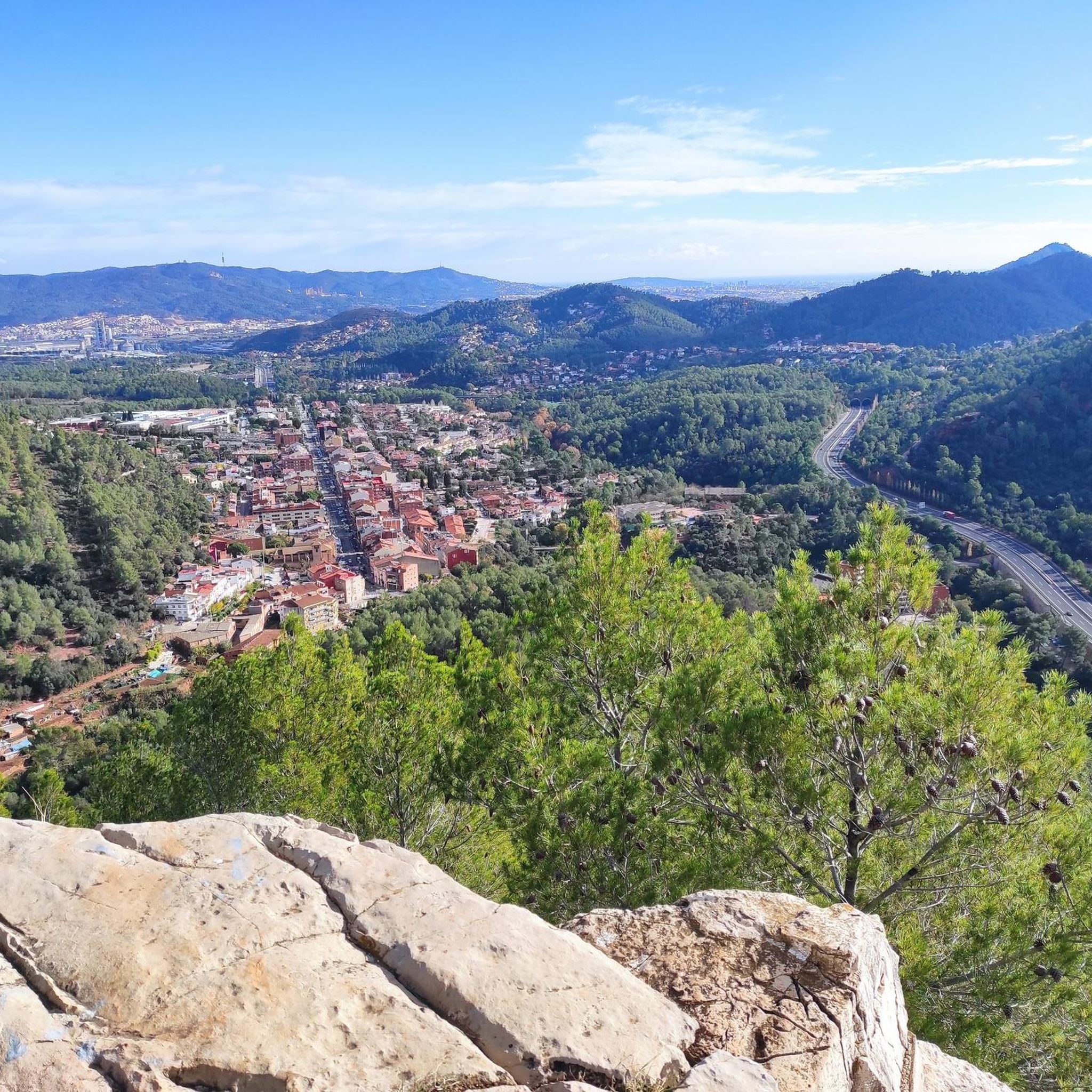
On a small hill, above the town of Molins de Rei, are the ruins of the castle that was built in the 14th century on the remains of an old circular defensive tower, called Guadall or Guadallo, of Visigothic origin (8th century) , that is to say, pre-Romanesque. This is confirmed by the remains of a wall lock that used an opus spicatum facing characteristic of that period. On the west facade stands a three-tiered tower where the door and two openings are preserved, one of which is currently reconstructed. There are also remains of the trapezoidal plant, a small tower attached to the rock, the walls of the Guadall tower and the remains of a large cistern, partially drilled into the rock and protected by a barrel vault (10th and 12th centuries ).
2
0

The castle of Gelida stands on a cliff part of the Sierra de Ordal, next to the town of Gelida. It is a construction from the 10th century and is now in a state of semi-ruin. Part of a tower, several hundred and a pre-Romanesque church have been preserved.
2
0
Frequently Asked Questions
What are the most notable historical fortifications directly within Vallirana?
Within Vallirana itself, the most significant historical fortifications are the Molinots de la Llibra. These are two circular medieval towers, dating from the 13th to 14th centuries, located in the La Llibra neighborhood. They offer a glimpse into Vallirana's medieval past and are considered important cultural heritage due to the scarcity of such structures in the area.
What is the Castle of Corbera de Llobregat and why is it worth visiting?
The Castle of Corbera de Llobregat is a significant historical site located in the nearby town of Corbera de Llobregat. It's an impressive Muslim fortress, originally built in the 11th century on Roman foundations. It's worth visiting for its rich historical experience, showcasing Roman, Muslim, and Christian influences. The well-preserved albarrana tower is a notable architectural feature, and the ruins offer strategic views.
Which castles are popular among komoot users around Vallirana?
Komoot users particularly appreciate several sites. Fossada Tower (Castellbisbal) is a popular historical site and watchtower with a moat, offering views over Martorell and the Devil's Bridge. Castellciuró is another favorite, with ancient ruins contemplating the Baix Llobregat. Gelida Castle, a half-ruined 10th-century castle with an adjacent church, is also highly rated.
What kind of historical experience does Castellciuró offer?
The Castellciuró ruins, located near Molins de Rei, provide a historical experience dating back to at least 1066. The oldest part features a wall in opus spicatum, possibly of Visigothic or pre-Romanesque origin. Visitors can explore these ancient ruins and enjoy a great view over the Baix Llobregat.
What can I expect when visiting Gelida Castle?
Gelida Castle is a 10th-century construction, now in a state of semi-ruin, with an adjacent church dedicated to Saint Peter. It's part of a museum space managed by the Association of Friends of the Castle of Gelida. You can explore the remaining structures, including part of a tower and pre-Romanesque church, situated on a hill with views over the Sierra del Ordal.
Are there hiking trails near the castles around Vallirana?
Yes, the region offers numerous hiking opportunities. For example, you can find routes like the 'Can Riera Caves – Cervelló Castle loop from Cervelló' which is a moderate difficulty trail. For more options, explore the Running Trails around Vallirana guide, which includes several routes near historical sites.
What other outdoor activities can I do near these historical sites?
Beyond hiking, you can enjoy various outdoor activities. There are many road cycling routes, such as the 'Carretera de Castellbisbal – Martorell's Devil's Bridge loop from Santa Coloma de Cervelló'. Mountain biking is also popular, with trails like the 'Sant Ponç de Corbera Monastery – Sant Jordi Spring loop from Vallirana'. You can find detailed routes in the Road Cycling Routes around Vallirana and MTB Trails around Vallirana guides.
What kind of views can I expect from the castle sites?
Many of the castle sites around Vallirana are strategically located on elevated positions, offering magnificent views. For instance, Fossada Tower provides beautiful views over Martorell and the Devil's Bridge. Eramprunyà Castle offers superb views over the Llobregat delta, and Castellciuró provides a great perspective of the Baix Llobregat.
What is the historical significance of Eramprunyà Castle?
Eramprunyà Castle boasts over 1,000 years of history, with archaeological studies indicating occupation since prehistoric times. Its history as a castle began in the 9th century, built to defend Barcelona after the Franks took the city from the Saracens. It controlled the Llobregat valley and coastline, making it a crucial strategic point alongside other regional castles.
Are the castles around Vallirana suitable for families?
While specific 'family-friendly' categories aren't always listed, many of the castle ruins and historical sites offer an engaging experience for families interested in history and exploration. Sites like the Molinots de la Llibra or the ruins of Castellciuró can be interesting for children to explore, especially when combined with a walk or picnic in the surrounding natural areas. Always check accessibility for younger children or strollers if planning a visit.
What is the best time to visit the castles around Vallirana?
The region generally enjoys a Mediterranean climate. Spring (April-May) and autumn (September-October) are often ideal, offering pleasant temperatures for exploring the outdoor ruins and combining visits with hiking or cycling. Summers can be hot, so early mornings or late afternoons are preferable if visiting during peak season. Winters are mild, making it possible to visit year-round, though some sites might have reduced hours.
What is the general historical context of the castles in the Vallirana area?
The castles around Vallirana provide a glimpse into the region's historical past, particularly its medieval fortifications and watchtowers. These structures, like the Molinots de la Llibra and the nearby Castle of Corbera de Llobregat, were often built on elevated positions for strategic control and defense, reflecting centuries of Roman, Muslim, and Christian influences in the Baix Llobregat area.
Most popular routes around Vallirana
Most popular attractions around Vallirana

Get inspired with the komoot mobile app


Explore more
Looking for the best castles somewhere else? Discover other guides around Vallirana:
