Top 4 Huts and Cabins around Rellinars
Best huts around Rellinars are primarily historical structures, including dry stone huts and a Civil War-era refuge, rather than commercial accommodations. The region, located in the province of Barcelona, features natural beauty and hiking routes. These structures offer insight into the area's past agricultural practices and historical events. They are often integrated into well-marked hiking trails, providing opportunities for historical exploration.
Best huts around Rellinars
- The most popular huts is Agulles Vicenç Barbé Refuge, a hut located in the…
Last updated: October 6, 2026
Agulles Vicenç Barbé Refuge
Highlight • Mountain Hut
Translated by Google •
Tip by

Sant Benet Refuge
Highlight • Mountain Hut
Translated by Google •
Tip by

Sign up now to discover places like this
Get recommendations on the best single tracks, peaks, & plenty of other exciting outdoor places.
Simanya Cave
Highlight • Cave
Translated by Google •
Tip by

Tina de Roviralta
Highlight • Structure
Tip by

Old Stone Hut on Estrada Trail
Highlight (Segment) • Mountain Hut
Tip by
Start today with a free account
Your next adventure awaits.

Other adventures around Rellinars

Tips from the Community

On weekends it offers bar service.
0
0

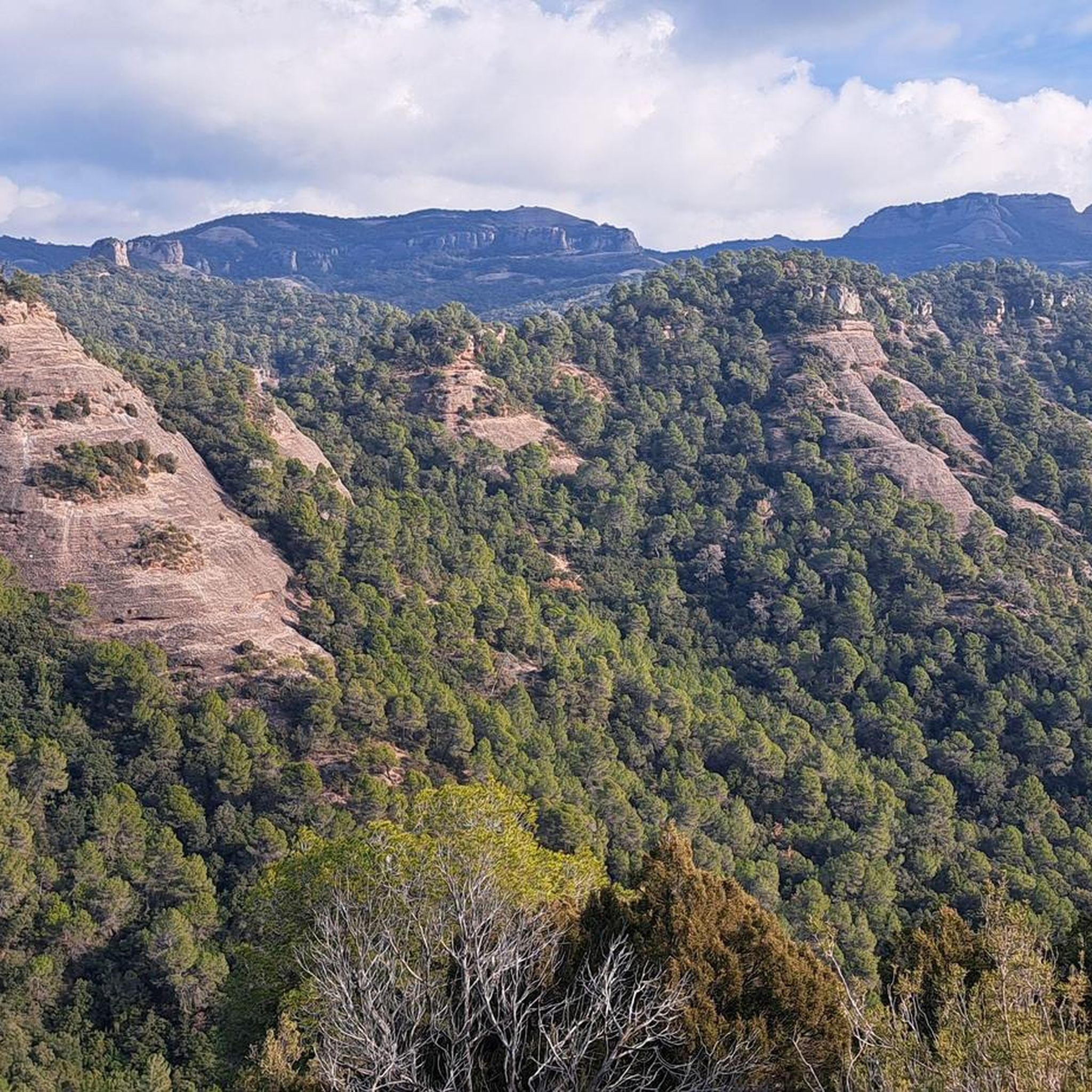
The Simanya cave is the largest cavity in the Sant Llorenç massif, with a length of 372 m and a large and easily accessible entrance with a mouth of more than 10 m. Known and inhabited since ancient times, there are some descriptions of adventurers who penetrated the deepest part, with almost magical descriptions that corroborated local legends of the presence of dragons or underground cities. The first scientific speleological exploration was carried out in 1911, and it was also archaeologically excavated in 1911 and 1930. The entrance gallery is almost 100 m deep. The second branch that goes out to the left, at Pas de l'Oca, is divided into two more galleries. In rainy periods, many pools of water form there, making it difficult to visit. The cave was formed in the first erosive stages of the massif. In 1911, ceramics from the Eneolithic, Iberian and medieval periods were found there. In the thirties of the last century, more profitable excavations were carried out, although with unscientific archaeological criteria.
1
0
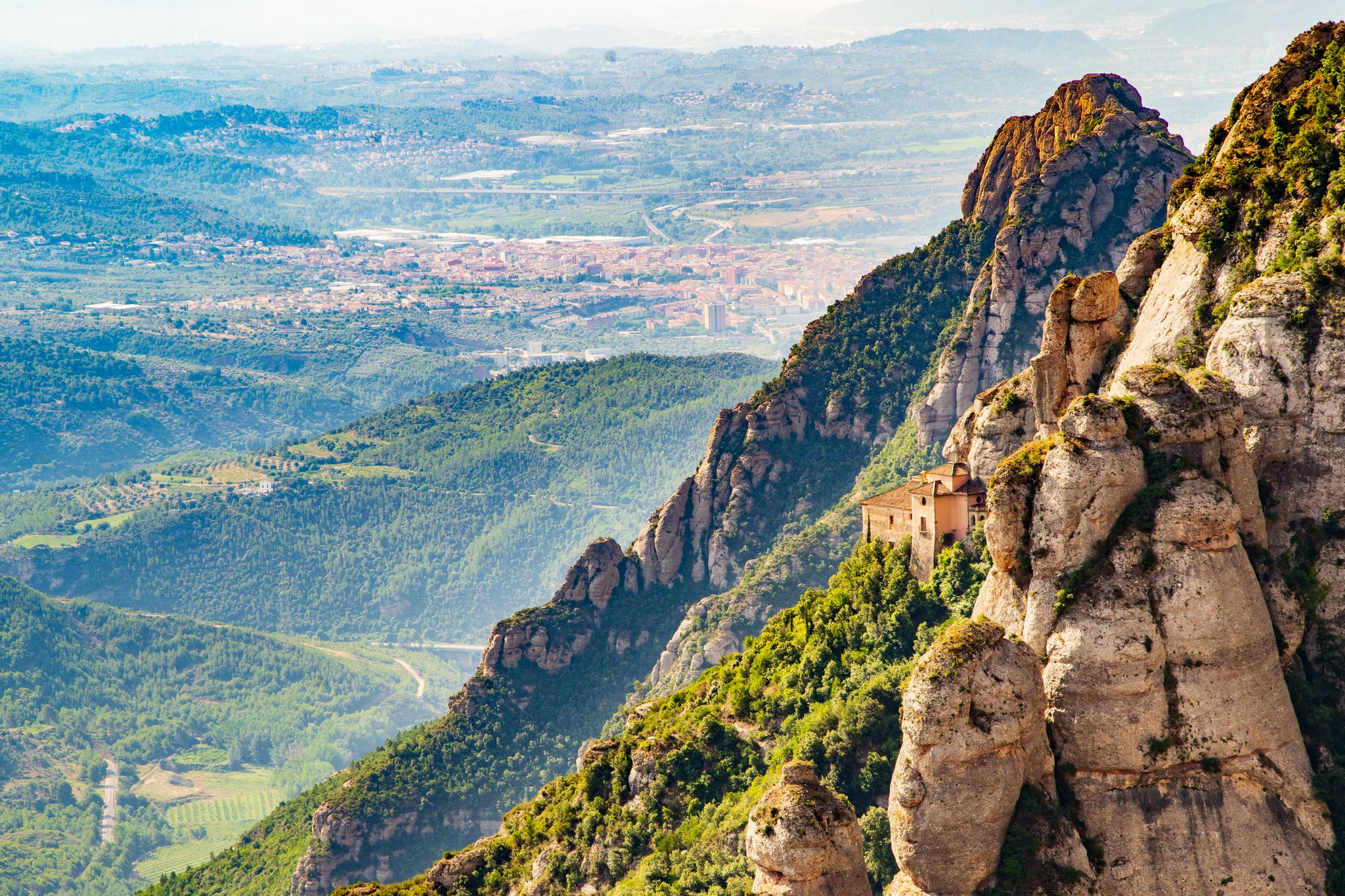
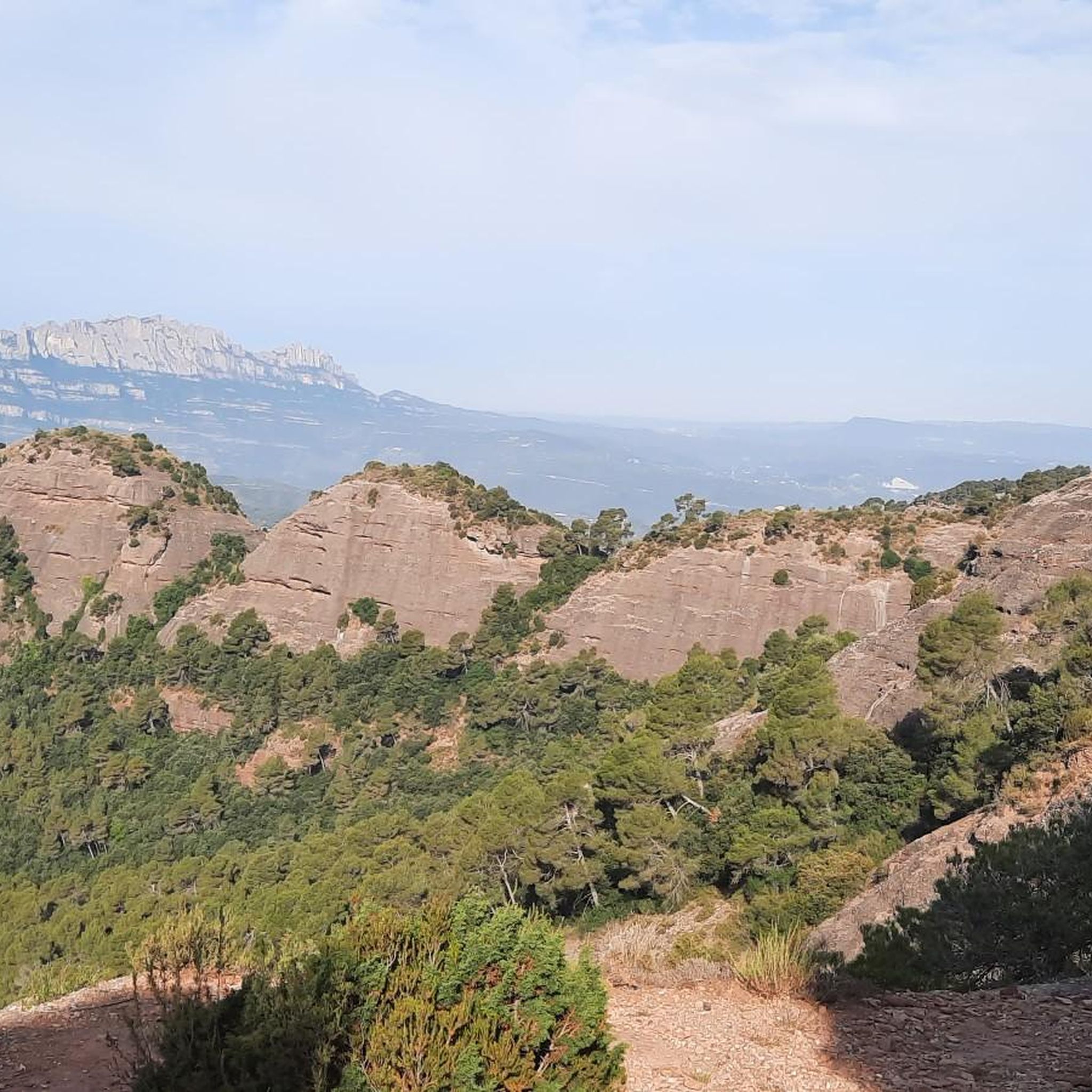
Located in the middle of the Montserrat region of Agulles, this is one of the two preserved facilities that the Federation has in the Montserrat massif. It is named after the climber Vicenç Barbé, who died in 1942 while climbing the Frares Encantats. Inaugurat el gener de 1961, la iniciativa de construir aquest refugi fou de la Delegació Catalana de la Federació Espanyola de Muntanyisme (l’actual FEEC). Hiking, equipped paths and above all climbing are the star activities that can be done from this refuge. Different tours around the Agulles region (through the Estret gate, through the Porc pass); the return to les Agulles, les Frares and Echos through the Migdia gate; the crossing to the Monastery on the GR 172; the PR-C 78 - which passes through the refuge-; and 900 classic and sport climbing routes that climb to the top of 160 rocks and needles are some of the arguments within reach of the mountaineer. Services at the shelter: - Wood stove - Internet (with usage restrictions) - Blankets - Food and drinks - toilet Material in the absence of custody: 20 places 20 mattresses and wood stove.
2
0

Small shelter in the middle of the Agulles area.
0
0
It occupies the building of the chapel of Sant Benet, which was inaugurated in 1927. For a long time the chapel was closed without any use. In the 1960's, a group of climbers occupied it and turned it into a free refuge. Faced with this situation, the chapel was desecrated and continues as a refuge. In 1979, a group of climbers took over the area and offered a range of services to those who went there. SERVICES (as of 2011): - Bar service with food - No drinking water available - Sleeping mattresses - It has resources to accommodate people if there are not enough places.
0
0
It is on the northern slope of the torrent of Santa Maria, or Vall Mala, a few minutes from the square of Santa Anna, crossroads of the shortcut Antiga de Sant Jeroni, from where the path of All the hermitages derives. Located in the middle of the others, it was also the residence of the Vicar Father and Director of the hermitages, who officiated in Santa Anna as the parish of all the hermitages in general. It had a cistern, with a supplier tap, within reach of visitors. In the 70's it was still useful. The cistern is now used exclusively for the shelter that the church that was built in 1927 on the site of the hermitage has become.
1
0

Expert hermitage of Montserrat
12
0

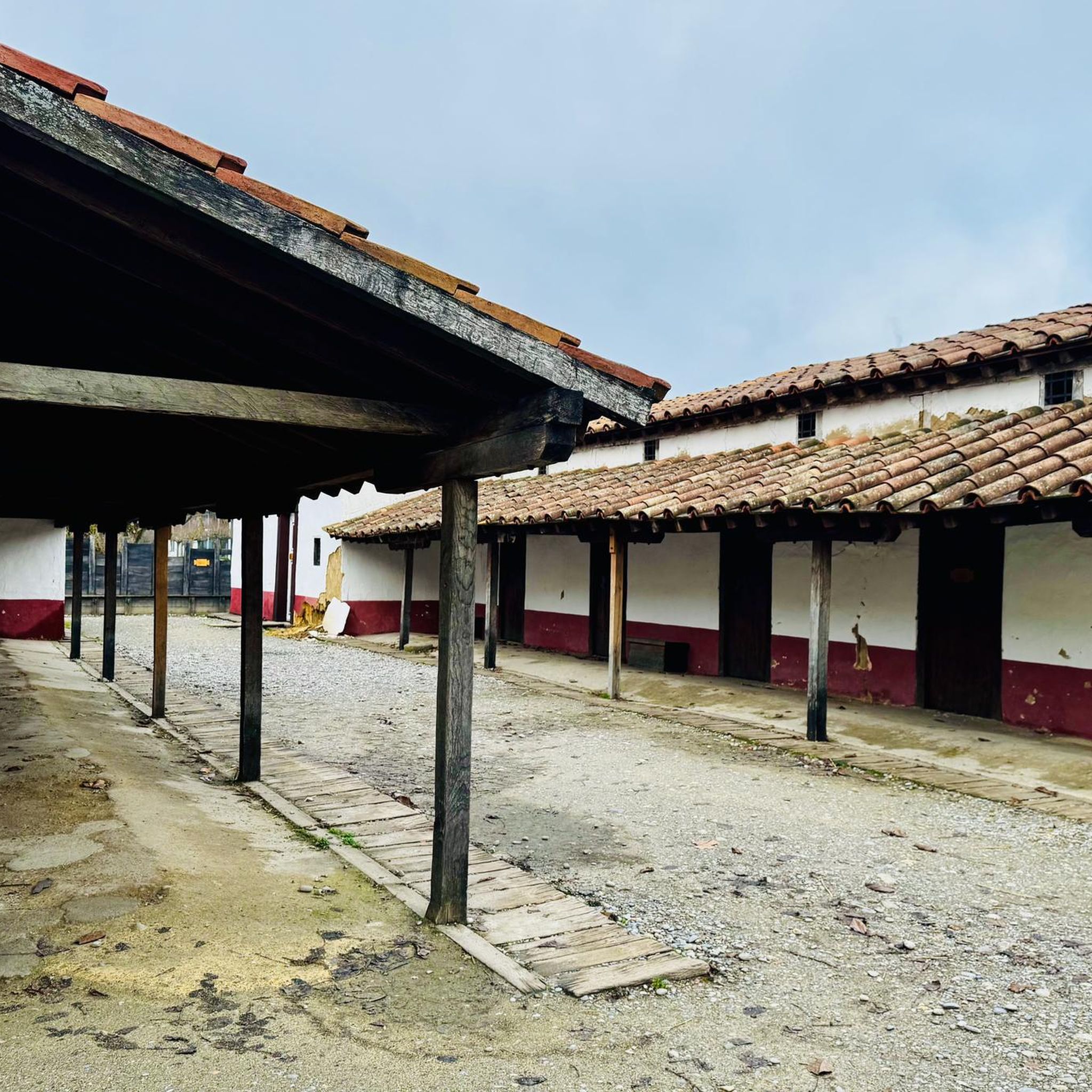
Set consisting of two wine tubs and two attached vineyard huts located on the lower level, with a semicircular floor plan. The door of a vineyard hut bears the inscription 1828 on the lintel.
1
0
Frequently Asked Questions
What types of huts can I expect to find around Rellinars?
Rellinars is known for its unique historical structures rather than commercial accommodations. You'll primarily find traditional dry stone huts, such as the Barraca de les Fonts and Barraca de les Cases, which showcase the region's agricultural past. There are also vineyard huts like Tina de Roviralta, and historical refuges like the Balma de l'Andalò, a Civil War-era rock shelter. Additionally, the Agulles Vicenç Barbé Refuge offers a more traditional mountain hut experience for hikers and climbers.
Are there hiking trails that connect to these historical huts?
Yes, many of these historical huts are integrated into well-marked hiking routes. For example, the Barraca de les Fonts and Barraca de les Cases are found along popular trails that pass through the Fuentes de Rellinars. You can explore various hiking routes around Rellinars, including the 'La Pedra Seca and Les Fonts de Rellinars Trail' or 'La Pedra Seca Trail', which often feature these structures. For more options, check out the Hiking around Rellinars guide.
What is the historical significance of the huts in Rellinars?
The huts in Rellinars offer a deep dive into local history. The dry stone huts and vineyard huts, like Tina de Roviralta, are excellent examples of traditional rural architecture and provide insight into historical agricultural practices, particularly viticulture. The Balma de l'Andalò is a significant Civil War-era rock shelter, offering a tangible connection to the impact of the war on local communities.
Are there any family-friendly routes to visit these huts?
Yes, many of the trails that lead to these historical huts are described as suitable for families, offering opportunities for scenic walks and picnics in natural settings. Routes like those leading to the Fuentes de Rellinars and the dry stone huts are generally accessible. Always check the specific trail difficulty before heading out with children.
What is the best time of year to visit the huts and hike in Rellinars?
The best time to visit Rellinars for hiking and exploring the huts is typically during spring and autumn. The weather is milder, making it ideal for outdoor activities. Summers can be hot, and while winters are generally mild, some trails might be less comfortable. Always check the local weather forecast before your visit.
Can I bring my dog on the trails to the huts?
Many hiking trails in Rellinars are dog-friendly, allowing you to explore the historical huts with your canine companion. However, it's always recommended to keep your dog on a leash, especially in areas with wildlife or other hikers, and to follow local regulations regarding waste disposal. Specific rules might apply to certain protected areas.
Are there any mountain refuges for overnight stays near Rellinars?
Yes, the Agulles Vicenç Barbé Refuge, located in the Montserrat region of Agulles, is a traditional mountain hut. It serves as a base for hiking, equipped paths, and climbing, offering services like a wood stove, blankets, and food. It has 20 places with mattresses and a wood stove, and on weekends, it offers bar service.
What other outdoor activities can I do near the huts in Rellinars?
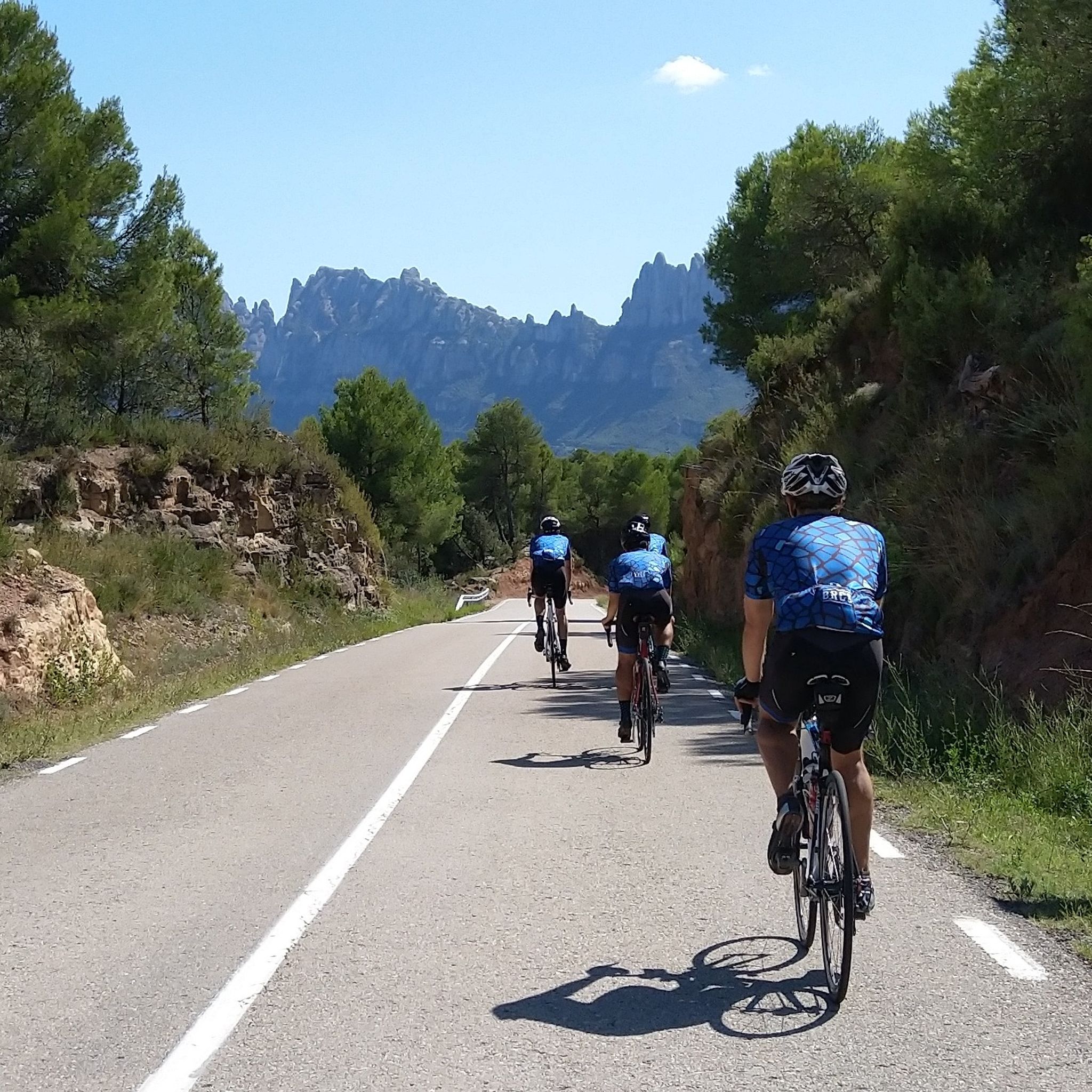
Beyond exploring the historical huts, Rellinars offers a variety of outdoor activities. You can find numerous hiking trails, including challenging mountain hikes in the Montserrat massif. There are also cycling routes for touring bicycles. For more details on routes, you can explore guides like Cycling around Rellinars or Mountain Hikes around Rellinars.
Where can I find parking facilities for accessing the hut trails?
While specific parking areas for each hut are not detailed, Rellinars and its surrounding areas typically offer parking facilities near popular trailheads. It's advisable to research the starting point of your chosen trail in advance to locate the most convenient parking options. Public transport to Rellinars is also an option, though less direct for reaching specific trailheads.
Are there any cafes or restaurants near the huts for refreshments?
The historical huts themselves do not typically offer refreshments. However, the Agulles Vicenç Barbé Refuge provides food and drinks, and offers bar service on weekends. In the town of Rellinars and nearby villages, you can find cafes, pubs, and restaurants to refuel before or after your hike.
What unique natural features can I see while visiting the huts?
While exploring the huts, you'll be immersed in the natural beauty of Rellinars. The region features scenic landscapes, including the Fuentes de Rellinars (fountains) and the Sant Llorenç massif. You can also visit the Simanya Cave, the largest cavity in the Sant Llorenç massif, known for its impressive entrance and historical significance.
What do visitors enjoy most about the huts and trails in Rellinars?
Visitors particularly appreciate the unique blend of historical exploration and natural beauty. The dry stone huts and historical refuges offer a fascinating glimpse into the past, while the surrounding trails provide opportunities for scenic walks and connecting with nature. The komoot community has shared over 20 photos and given more than 50 upvotes, highlighting the appeal of these distinctive landmarks.
Most popular routes around Rellinars
Most popular attractions around Rellinars

Get inspired with the komoot mobile app


