Top 3 Caves around Orpí
Best caves around Orpí are found within a region characterized by its natural environment and historical significance. The area offers diverse landscapes, including streams and cliffs, which have shaped various natural formations. While Orpí itself is known for historical sites like Castell d'Orpí, the surrounding municipalities feature notable cave systems. These natural features provide opportunities for exploration and connect to the region's geological and archaeological past.
Best caves around Orpí
- The most popular caves is Les Deus Fountains, a natural monument that features a series of 23 fountains, lakes, pools, caves, and waterfalls. This natural area is fed by the Carme Capellades aquifer and includes an adventure park.
- Another must-see spot is Devil's Cave, a cave and rock formation in Sant Martí de Tous. Visitors can observe the hole created by the river and explore inside, following the stream.
- Visitors also love Prehistoric Park of Capellades, a historical site and cultural facility located in the Cinglera del Capelló. This area features around twenty archaeological sites, including the l'Abric Romaní cave, a well-preserved Paleolithic archaeological site used by Neanderthals.
- Orpí and its vicinity offer natural caves, historical caves with archaeological significance, and unique rock formations. These range from accessible natural areas with water features to sites preserving evidence of prehistoric human activity.
- The caves around Orpí are appreciated by the komoot community, with 12 upvotes and 42 photos shared across the highlights.
Last updated: October 6, 2026
Les Deus Fountains
Highlight • Natural Monument
Translated by Google •
Tip by

Prehistoric Park of Capellades
Highlight • Historical Site
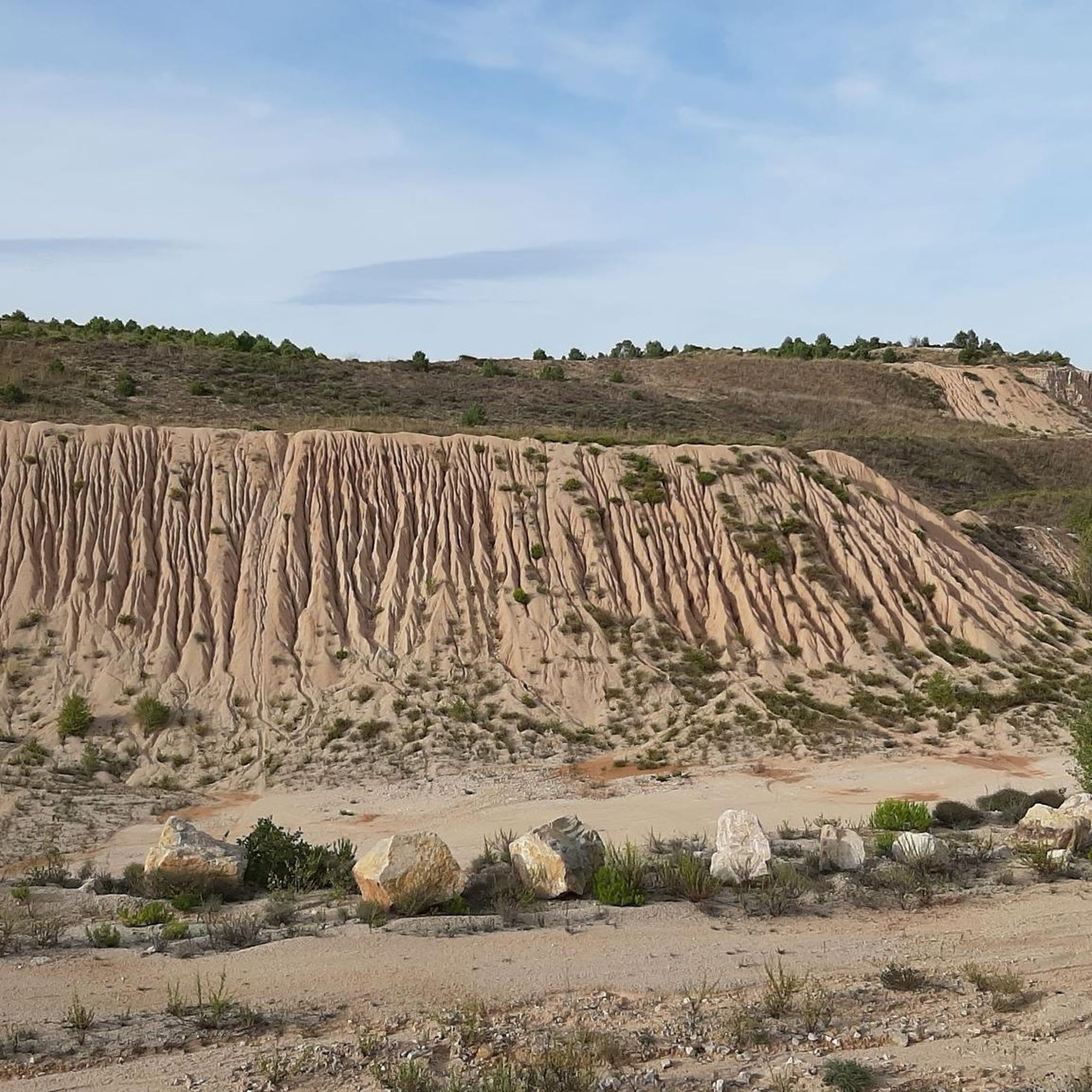
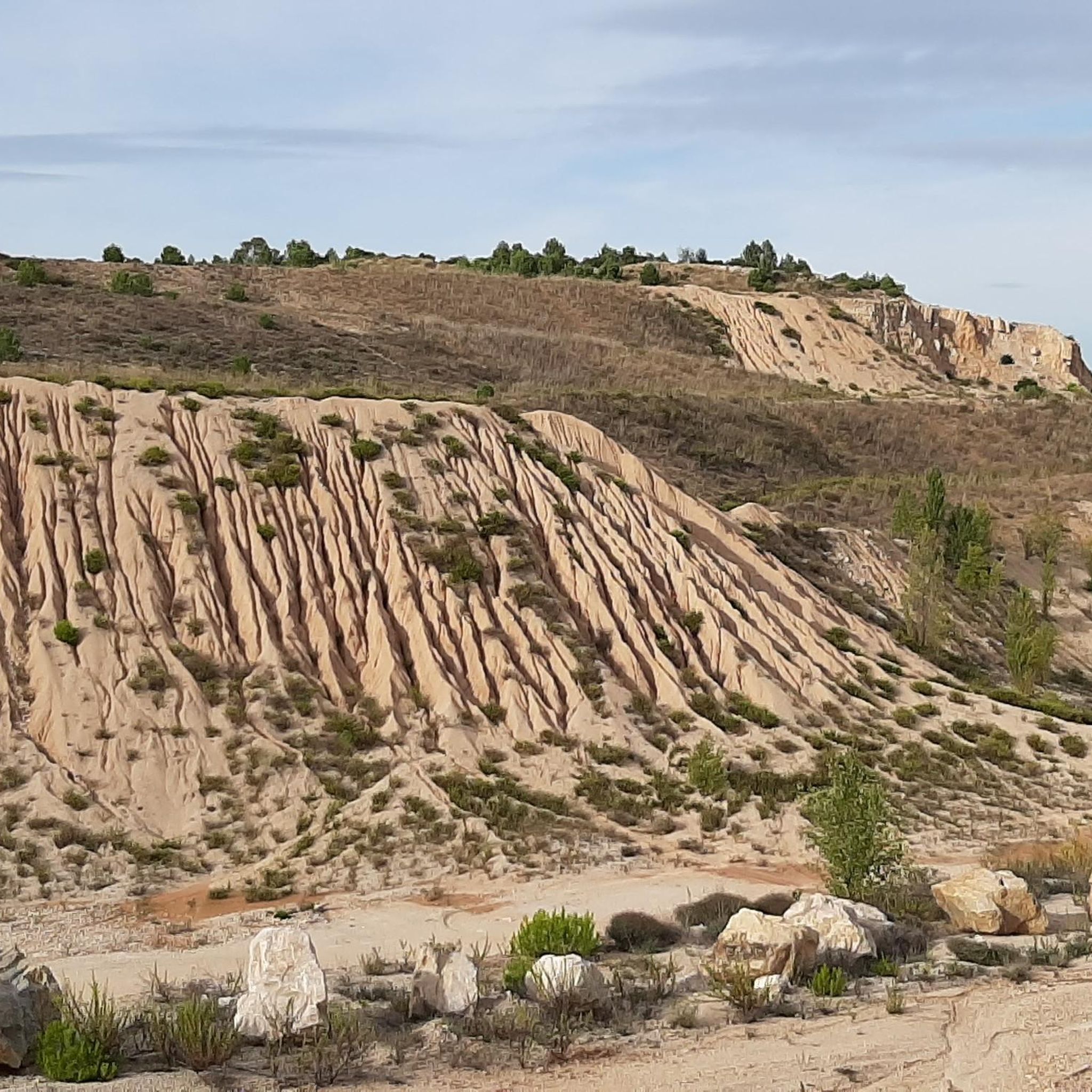
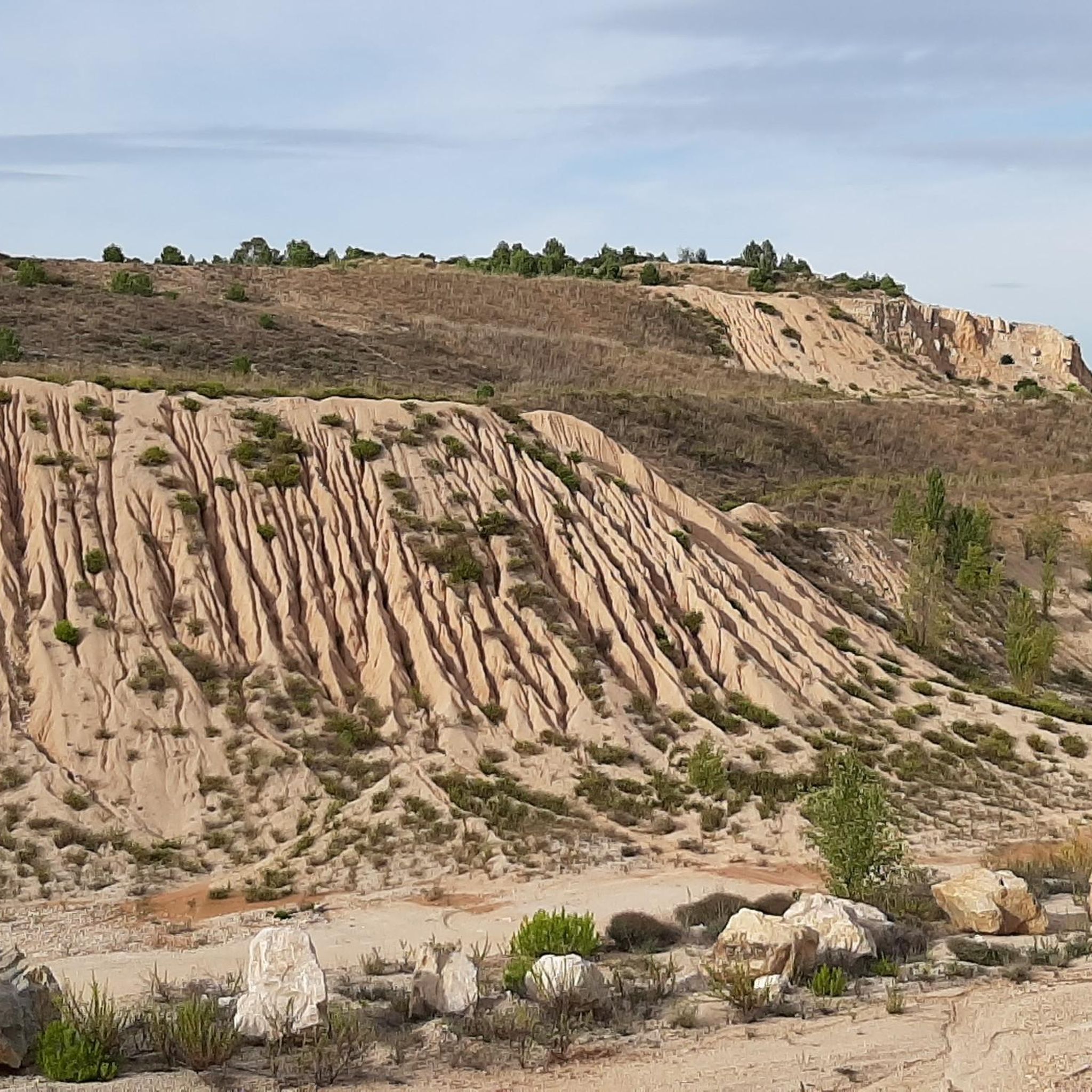
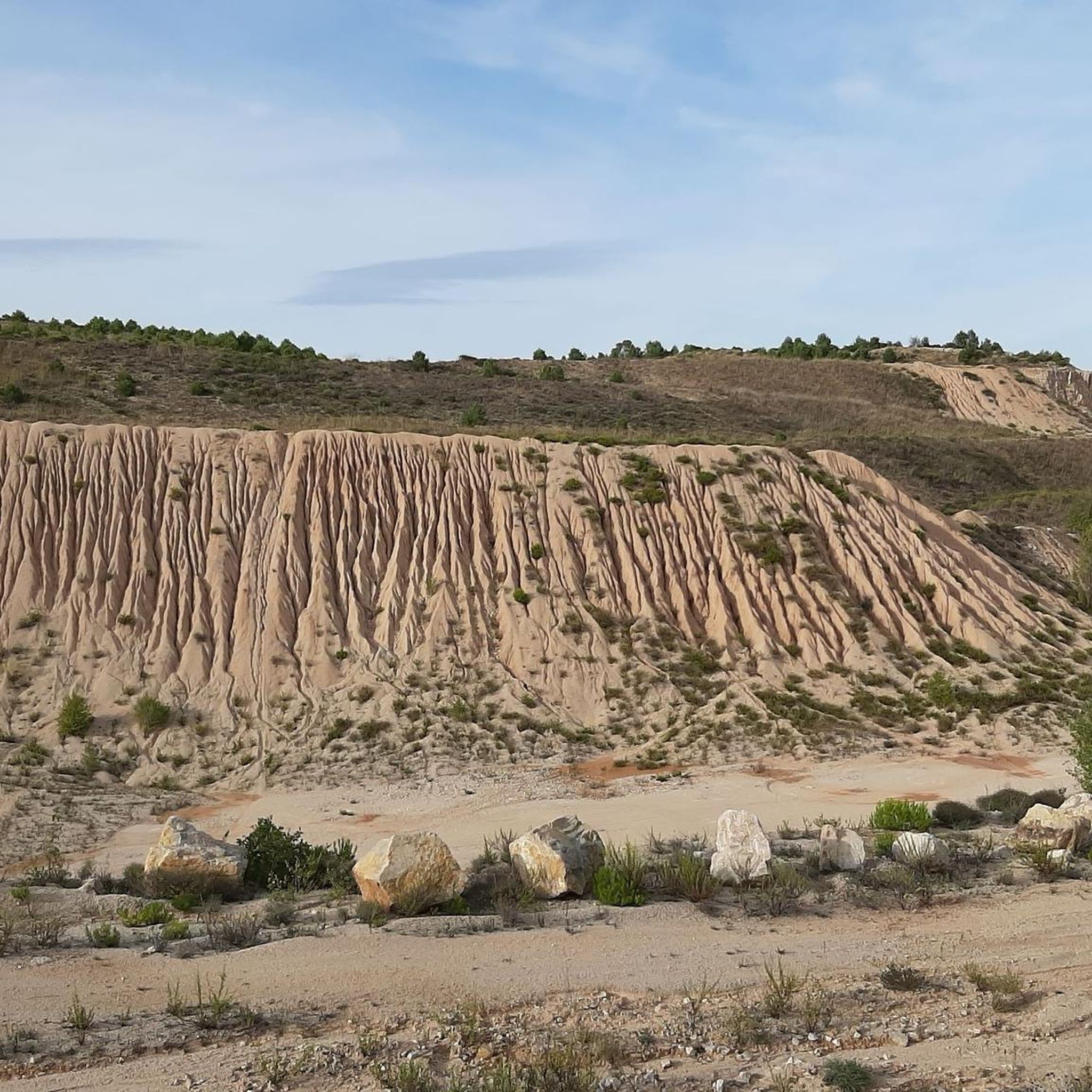
This area, in addition to its geological and landscape value, has great archaeological value, due to the presence of around twenty sites from various periods.
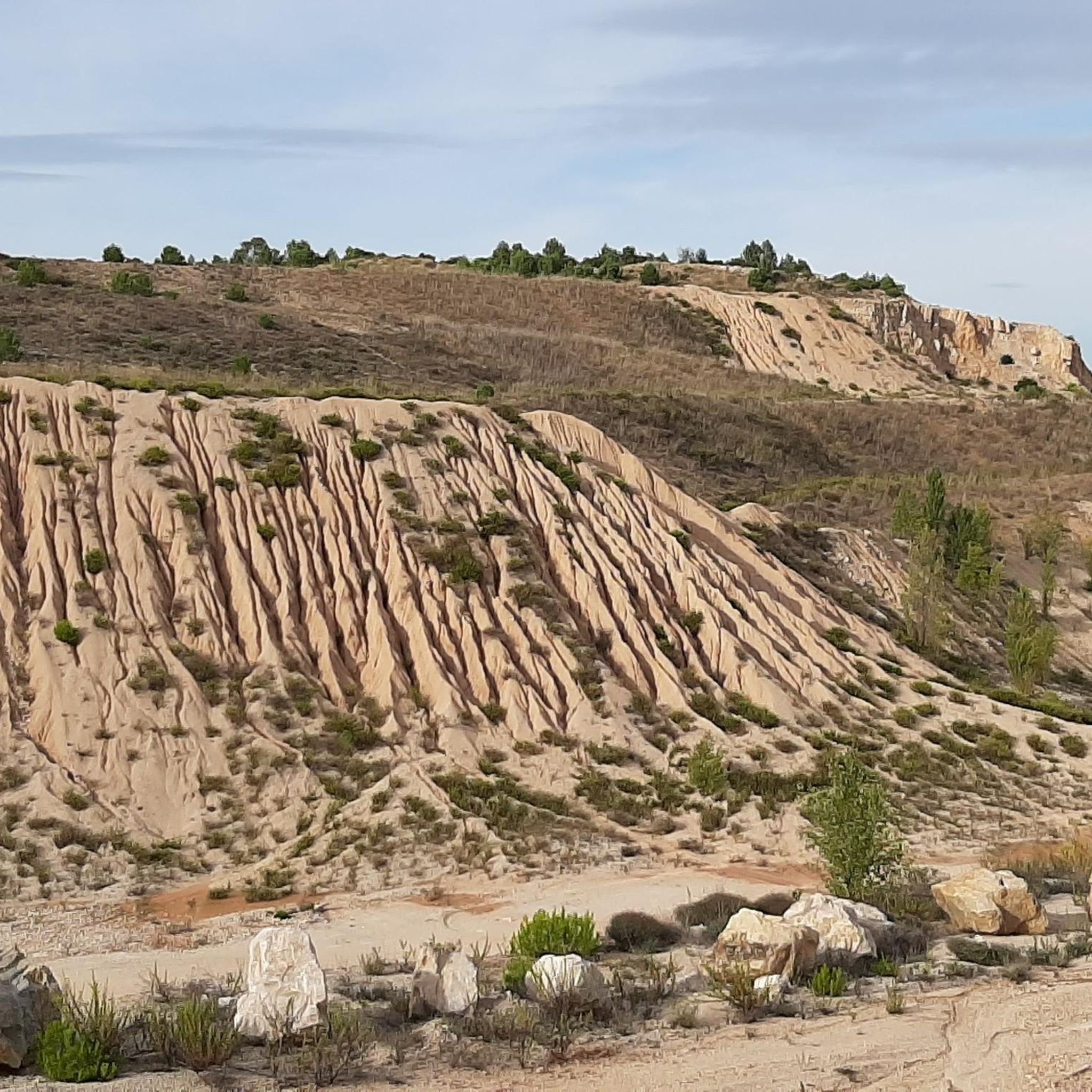
The cliff itself is one of the park's attractions. Its origin is in the action of carbonated waters that, by fossilizing plant colonies, form fall travertines, a type of fossil waterfall that is locally called "capellons". Its growth formed cornices, grottoes and caves that were used as shelter by groups of prehistoric settlers.
One of these caves constitutes the best preserved Paleolithic archaeological site in the complex, known as "l'Abric Romaní", used as a refuge by groups of Neanderthals and which has been excavated since 1983.
Translated by Google •
Tip by

Sign up now to discover places like this
Get recommendations on the best single tracks, peaks, & plenty of other exciting outdoor places.
Devil's Cave
Highlight • Cave
Translated by Google •
Tip by

Cave Entrance
Highlight • Cave
🥾 i un bon calçat xq les roques son humides i relliscoses.
🚫 No baixar al segon pis sense equipació.
Tip by

Equipped Section
Highlight • Cave
🥾 i un bon calçat xq les roques son humides i relliscoses.
🚫 No baixar al segon pis sense equipació.
Tip by
Start today with a free account
Your next adventure awaits.
Tips from the Community

🔦 🪖Per entrar a la cova has de portar frontal i casc, com a mínim. 🥾 i un bon calçat xq les roques son humides i relliscoses. 🚫 No baixar al segon pis sense equipació.
0
0
🔦 🪖Per entrar a la cova has de portar frontal i casc, com a mínim. 🥾 i un bon calçat xq les roques son humides i relliscoses. 🚫 No baixar al segon pis sense equipació.
0
0

The Capellades prehistoric park is a cultural facility located in the Cinglera del Capelló, the cliff on which the town of Capellades sits, in the Catalan region of l'Anoia. This area, in addition to its geological and landscape value, has great archaeological value, due to the presence of around twenty sites from various periods. The cliff itself is one of the park's attractions. Its origin is in the action of carbonated waters that, by fossilizing plant colonies, form fall travertines, a type of fossil waterfall that is locally called "capellons". Its growth formed cornices, grottoes and caves that were used as shelter by groups of prehistoric settlers. One of these caves constitutes the best preserved Paleolithic archaeological site in the complex, known as "l'Abric Romaní", used as a refuge by groups of Neanderthals and which has been excavated since 1983.
0
0

Les Deus is a natural site of Sant Quintí de Medionai is a space where there are 23 sources of water in a beautiful area to take a break.
0
0
The Devil's Cave is a rock formation in the municipality of Sant Martí de Tous. From above you can see the hole made by the river and you can also go inside, entering the cave following the stream of water.
0
0

A natural area where you can enjoy lakes, pools, caves and waterfalls. Les Deus are a series of 23 fountains in a row - the water comes from a main source of the Carme Capellades aquifer. In high season, people take advantage of the lakes as a bathing area. On the highest part there is a restaurant and a bar with views and below there is a picnic area. There is also an adventure park where there is via ferrata etc.
1
0
Frequently Asked Questions
What kind of natural features can I expect to see in the caves and surrounding areas near Orpí?
The region around Orpí offers diverse natural attractions. At Les Deus Fountains, you'll find a series of 23 natural fountains, lakes, pools, and waterfalls, with water originating from the Carme Capellades aquifer. The Prehistoric Park of Capellades showcases unique geological formations like fall travertines, which have created cornices, grottoes, and caves. You can also explore Devil's Cave, a rock formation where you can see the hole carved by the river and even venture inside following the stream.
Are there any family-friendly cave experiences or related activities near Orpí?
Yes, there are family-friendly options. Les Deus Fountains is a great spot for families, offering lakes and pools for bathing in high season, a picnic area, and an adventure park with activities like via ferrata. The Prehistoric Park of Capellades is also family-friendly, providing an engaging look into archaeological history and geological formations.
What historical or archaeological sites are there to explore in conjunction with caves near Orpí?
The Prehistoric Park of Capellades is a significant historical and archaeological site. It's located on the Cinglera del Capelló cliff, which hosts around twenty archaeological sites. The park's main attraction is l'Abric Romaní, a well-preserved Paleolithic archaeological site used as a refuge by Neanderthal groups, with excavations ongoing since 1983. This area provides a fascinating glimpse into human presence dating back approximately 300,000 years.
What outdoor activities can I do near the caves around Orpí?
Beyond cave exploration, the Orpí region offers a variety of outdoor activities. You can find numerous hiking trails, such as the 'Santa Càndia – Devil's Pool, Riera de Carme loop from Orpí' or the 'Miralles Castle loop'. For cycling enthusiasts, there are options for gravel biking and traffic-free bike rides, including routes like 'Montalbán Panoramic View – View of Castellfollit del Boix loop from Igualada'. You can find more details on these activities in the Hiking around Orpí, Gravel biking around Orpí, and Traffic-free bike rides around Orpí guides.
What should I wear or bring for exploring caves near Orpí?
For more challenging cave explorations, such as the Cave Entrance or Equipped Section, it is highly recommended to bring a headlamp and a helmet. Good footwear is essential as rocks can be humid and slippery. If you plan to descend to lower levels in some caves, specialized equipment may be necessary.
Are there any unique geological caves in the broader Catalonia region worth visiting?
While Orpí itself doesn't feature widely recognized tourist caves, the broader Catalonia region boasts several unique geological formations. The Cova dels Meandres de Sal in Cardona is notable for being carved out of rock salt. The Montserrat Caves (Salnitre caves) in Collbató feature impressive stalactites, stalagmites, columns, and flags within a 530-meter natural underground cavity.
What are the difficulty levels for caving experiences in the Orpí area?
Caving experiences near Orpí can range from intermediate to challenging. For instance, Les Deus Fountains offers an intermediate experience with trails and natural features. However, exploring sites like the Cave Entrance and Equipped Section is considered challenging and requires appropriate gear like headlamps, helmets, and good footwear due to humid and slippery conditions.
Can I find food or accommodation options near the caves in Orpí?
Near Les Deus Fountains, you'll find a restaurant and a bar with views on the highest part, as well as a picnic area. For broader options, the village of Orpí and nearby towns offer cafes, pubs, and accommodation. It's advisable to check local listings for specific establishments and their operating hours.
What is the best time of year to visit the caves and natural sites around Orpí?
The natural sites around Orpí, such as Les Deus Fountains, are particularly enjoyable in high season when the lakes and pools are used for bathing. Generally, spring and autumn offer pleasant weather for outdoor activities like hiking and exploring, avoiding the peak heat of summer or colder, potentially wetter conditions in winter. Always check local weather forecasts before your visit.
Are there any caves in the region with significant prehistoric animal remains?
While the Prehistoric Park of Capellades focuses on human archaeological remains, if you're interested in prehistoric animal remains, The Toll Caves in Moianès (a bit further afield in Catalonia) are renowned as the 'Palace of Quaternary Fauna' due to the extensive prehistoric animal remains found within them.
Is public transport available to reach the caves and natural areas around Orpí?
Orpí is primarily noted for its natural environment and historical attractions. While specific public transport routes directly to individual cave entrances might be limited, you can research public transport options to the village of Orpí or nearby larger towns, and then plan your journey to the natural sites, potentially involving local taxis or walking. Checking regional transport websites is recommended for the most up-to-date information.
Most popular attractions around Orpí

Get inspired with the komoot mobile app


Explore more
Extend your search for the best caves by checking out these guides of the top ones around Orpí:
