Top 13 Castles around Querol
Best castles around Querol are found in the Alt Camp region of Catalonia, Spain, an area known for its historical significance and strategic location. The municipality of Querol is situated in a landscape that historically played a role in defensive systems, particularly along the Gaià River Valley. This region features a concentration of medieval structures, offering insights into its past. The terrain provides elevated positions with panoramic views, characteristic of many castle sites.
Best castles around Querol
- The most popular…
Last updated: May 22, 2026
Can Pascol Tower
Highlight • Historical Site
Translated by Google •
Tip by

Selma Castle
Highlight • Castle
Translated by Google •
Tip by

Sign up now to discover places like this
Get recommendations on the best single tracks, peaks, & plenty of other exciting outdoor places.
Sign up for free
Sanctuary of Foix and Castle Ruins
Highlight • Religious Site
Translated by Google •
Tip by

Sant Miquel de Montclar
Highlight • Religious Site
Translated by Google •
Tip by

Mas de Pontons
Highlight • Historical Site
Translated by Google •
Tip by
Sign up for free to discover even more castles around Querol.
Sign up for free
Already have an account?
Start today with a free account
Your next adventure awaits.
Login or Signup

Tips from the Community

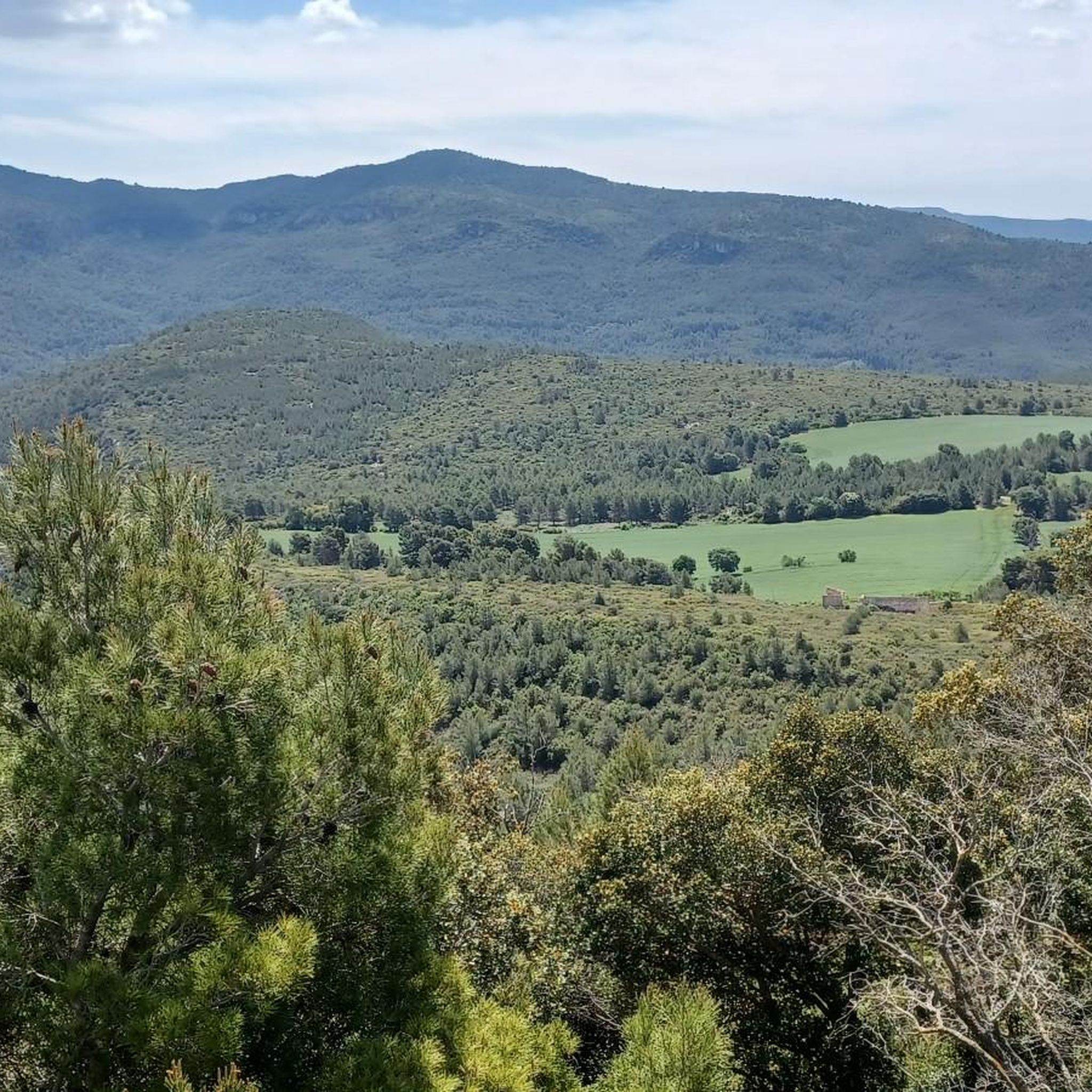
The Castillo de Selma, also known as the Castell de Selma, is a ruined medieval fortress located in the municipality of Montmell, in the Baix Penedès. Documented as early as the 10th century, it was one of the most important castles in the Penedès marca, controlling the roads and lands of the area. For centuries it belonged to the Order of the Templars and then to the Hospitallers, until it was abandoned in the 15th century. Today, only half-collapsed walls, towers and wall locks remain, surrounded by forest and silence. The path to the castle is stony and demanding, perfect for those looking for MTB with a touch of adventure. Once at the top, the view is immense: the entire Penedès plain at your feet, the surrounding mountains and, on clear days, the sea in the background. Despite its dilapidated state, it is a place full of history and mysticism, reminiscent of feudal splendor and the Templar presence in the area.
0
0

Hermitage that is located close to the mountain that bears the same name. The environment is beautiful to take a break and see the whole that surrounds it.
0
0

Defense tower on the Marmellar stream, it seems that both the tower and the adjoining room were inhabited until well into the 18th century. Later, in the mid-19th century, they were inhabited again by the guards who cultivated the surrounding land, thanks to the construction of two small rooms. It is nine meters high and about four meters wide, its interior is only two and a half meters wide by almost one and a half meters long, which indicates the great thickness of its walls. From its beginning it was a fortification attached to the Castellot, both constructions were dedicated to protect against Saracen attacks, until the first third of the 11th century.
0
0
Fortified farmhouse from the 16th century that currently functions as a wine and food tasting venue. It has a rectangular floor plan and is covered on all four sides, at the top of which there are four protruding sentry boxes, as well as burlap in different parts of its walls and a machicolation. Its portal has a voussoired semicircular arch and the windows are framed with worked and molded stone. It had a chapel, dedicated to Sant Miquel, consecrated in 1668 and later converted into a stable. Its origin seems to be in the disappeared old castle of Pontons, already in 1358 it was owned by Jaume d'Avinyò, known as "Cuadra del Mas de Pontons", being reformed in the 17th-18th centuries with its current appearance.
1
0

Small hermitage built with stone located at the top of the peak of Montclar. Next to it are the remains of the Montclar castle from where you get a great view of the Conca de Barberà and the Alt Camp.
2
0

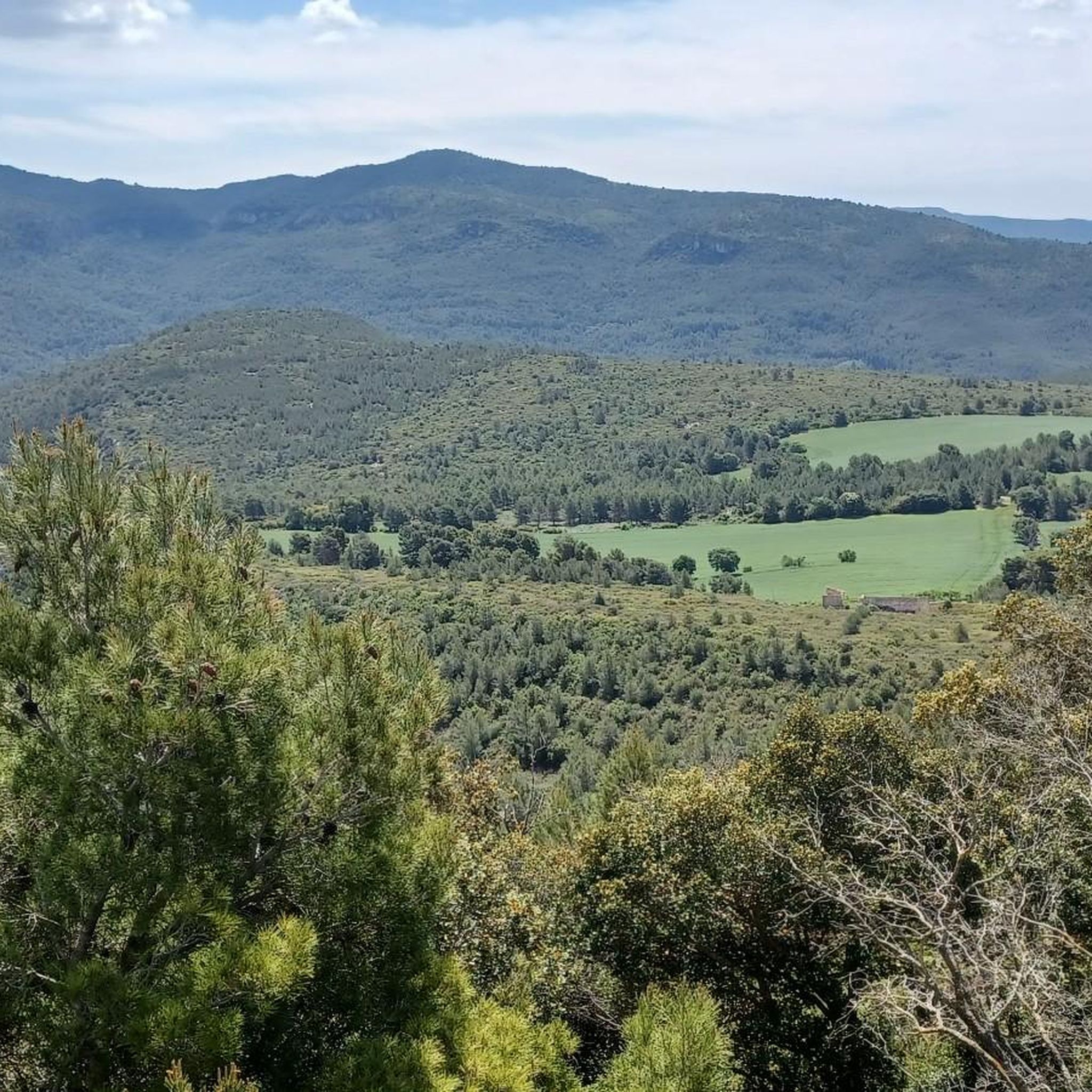
This sanctuary is Romanesque in style and around it are preserved the remains of the castle of Foix. They have built a viewpoint to be able to see the entire Penedés, which reaches the sea. Nearby there is a water source.
2
0

Abandoned town of Selma, in a beautiful place with good views, access to the same depopulated by mountain bike is not easy, although it is worth visiting. more information in this link https://pueblosdelolvido.com/selma-lleida/
2
0
Frequently Asked Questions
What are some of the most historically significant castles in the Querol area?
The region around Querol is rich in history, with many castles playing a crucial role in defensive systems. Selma Castle, for instance, was one of the most important castles in the Penedès marca, controlling roads and lands, and was once held by the Templars and Hospitallers. Querol Castle itself, though largely in ruins, dates back to the 10th century and was strategically positioned to defend the Gaià River Valley, witnessing conflicts like the Reapers' War and the Spanish Succession.
Which castles offer the best panoramic views of the surrounding landscape?
Many castles in the Querol area are situated on elevated positions, offering excellent views. From the ruins of Querol Castle, you can enjoy commanding views of the Gaià River Valley. Similarly, the Sanctuary of Foix and Castle Ruins features a viewpoint that offers extensive views of the Penedès plain, stretching all the way to the sea. Sant Miquel de Montclar also provides a great vantage point over the Conca de Barberà and Alt Camp regions.
Are there hiking trails near the castles around Querol?
Yes, the area offers various hiking opportunities. You can find several trails that incorporate castle visits. For example, the Hiking around Querol guide lists routes like the 'Selmella Castle – Saburella Castle loop from Vallespinosa', which is a moderate 12.2 km hike. The 'Gorg Negre loop from Querol' is an easier, shorter option at 3.4 km.
What kind of outdoor activities can I do near these castles besides hiking?
Beyond hiking, the Querol area is suitable for cycling and running. The Cycling around Querol guide features routes like the 'Mazinger Z, Santes Creus, Figuerola del Camp – circular route', a moderate 34 km ride. For runners, the Running Trails around Querol guide includes options such as the 'Puig Castellar loop from la Llacuna', a challenging 20.6 km run.
Are the castles around Querol family-friendly?
While many castles are ruins, they can still be engaging for families interested in history and exploration. The panoramic views and the opportunity to imagine medieval life can be captivating for children. Some trails, like the 'Gorg Negre loop from Querol' mentioned in the hiking guide, are rated as easy, making them suitable for families with younger children.
Can I bring my dog to the castle ruins and trails?
Generally, many outdoor trails and open-air historical sites in the region are dog-friendly, especially if dogs are kept on a leash. However, specific policies for individual castle ruins or protected areas may vary. It's always advisable to check local signage or official websites for the most up-to-date information regarding pet access at specific sites.
What is the best time of year to visit the castles and explore the area around Querol?
The best time to visit the castles and explore the Querol area is typically during spring (April to June) and autumn (September to October). During these seasons, the weather is generally mild and pleasant, making it ideal for hiking and outdoor activities. Summers can be hot, and winters can be cooler, though often still suitable for exploration on clear days.
Are there any unique or lesser-known historical sites near Querol?
Beyond the prominent castles, the region features interesting historical structures. Can Pascol Tower is a defense tower on the Marmellar stream, notable for its thick walls and historical role in protecting against attacks. Another unique site is Mas de Pontons, a 16th-century fortified farmhouse that now functions as a wine and food tasting venue, offering a blend of history and local gastronomy.
What are the typical difficulty levels for hiking trails near the castles?
The hiking trails in the Querol area vary in difficulty. You can find easy routes, such as the 'Gorg Negre loop from Querol' (3.4 km), which is suitable for beginners. There are also moderate options like the 'Selmella Castle – Saburella Castle loop' (12.2 km). Some routes, particularly those involving mountain biking to abandoned sites like Selma Castle, can be quite challenging due to stony paths and demanding terrain.
Where can I find accommodation or places to eat near the castles?
While Querol itself is a smaller municipality, the wider Alt Camp region and nearby towns offer various options for accommodation, cafes, and restaurants. For a unique experience, Mas de Pontons, a fortified farmhouse, offers wine and food tastings. For more general options, exploring the larger towns in the Alt Camp or Baix Penedès regions will provide a broader selection of services.
What kind of architectural features can I expect to see at Querol Castle?
Querol Castle, despite being largely in ruins, still showcases remnants of its medieval architecture. Visitors can discern the remains of rooms, windows, and some ogival arches, providing a sense of its original structure. Recent restoration efforts have consolidated its main structures, making previously inaccessible areas open to the public, allowing for a closer look at its defensive walls and layout.
Most popular attractions around Querol

Get inspired with the komoot mobile app


Explore more
Looking for the best castles somewhere else? Discover other guides around Querol:
