Top 14 Castles around Pontons
Best castles around Pontons are found in a charming village in Catalonia, Spain, known for its rich history and vibrant wine culture. The area is situated amidst the hills outside Barcelona, offering a blend of historical sites and natural landscapes. Pontons provides a glimpse into the region's past, with structures that have witnessed significant historical events. The surrounding Penedes wine region also contributes to its appeal for those interested in local agriculture and scenic routes.
Best castles around Pontons
- The…
Last updated: October 6, 2026
El Castellot
Highlight • Historical Site
Translated by Google •
Tip by

Sant Martí Sarroca Castle and Church Complex
Highlight • Castle
Translated by Google •
Tip by

Sign up now to discover places like this
Get recommendations on the best single tracks, peaks, & plenty of other exciting outdoor places.
El Castellot & Mare de Deu del Vinyet
Highlight • Historical Site
Showing Translation
Tip by
Sant Sadurní de Castellví
Highlight • Religious Site
Translated by Google •
Tip by
Can Pascol Tower
Highlight • Historical Site
Translated by Google •
Tip by
Sign up for free to discover even more castles around Pontons.
Already have an account?
Start today with a free account
Your next adventure awaits.

Tips from the Community

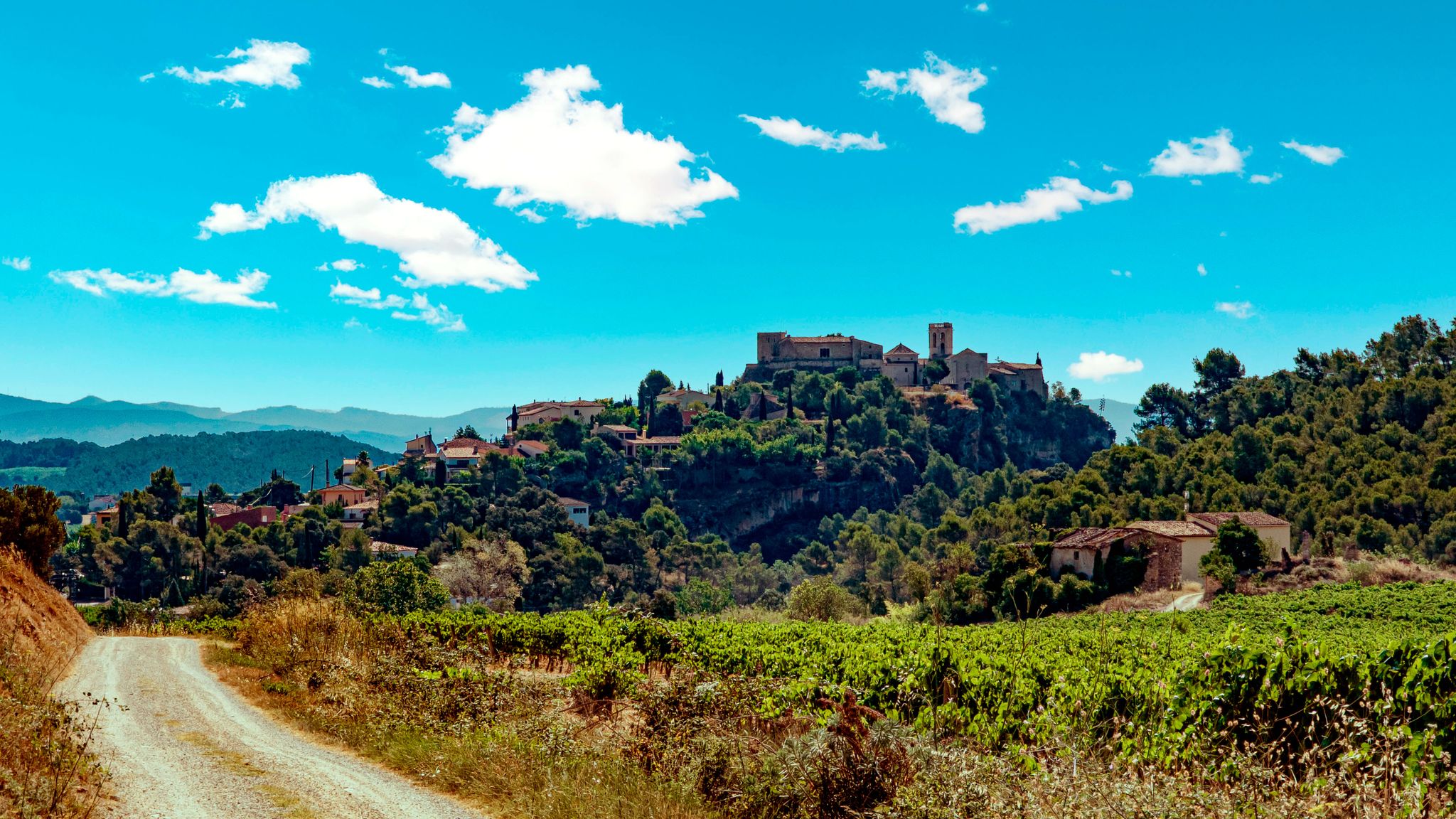
From the church of Sant Sadurní de la Marca you can see not only the chapel itself but also the views of the castle on top of the mountain.
0
0
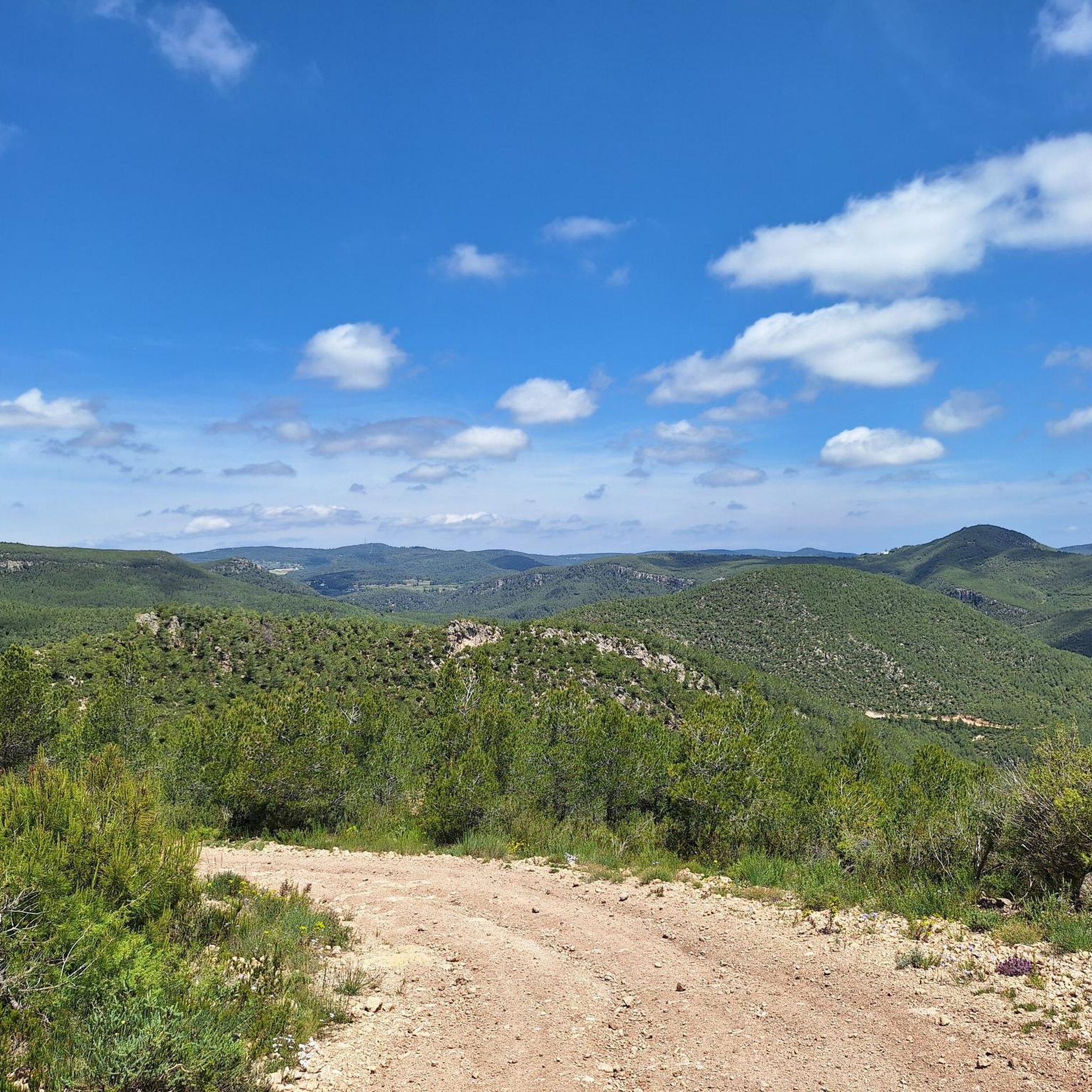
Beautiful tower not only for its views but also for the views it offers of the Penedès plain. The demanding climb is worth it!
0
0

Turó de la Roca has historically been a prominent point in the municipality of Sant Martí Sarroca. Although the first references are from the 10th century, when it served as a surveillance and protection point, there are indications of previous Iberian and Roman settlements. The monumental complex is made up of the Romanesque church of Santa María, restored in 1906, and the castle of Sant Martí, built in the 11th century.
0
0
Located on the hill of the same name, at an altitude of 468 meters, on the Marmellar stream and dominating the entire extension of the Penedès plain, the Castellot is one of the most recognizable surveillance and defense structures of the medieval period. This small fortress had the mission of serving as a lookout and defense of the territory in the event of an attack by the Saracens. Due to its small size, it never had a castle structure, it was just a watchtower and defense tower, with a small attached construction and next to it the primitive chapel of Sant Miquel. The complex is dated between the end of the 10th century and the beginning of the 11th century, with some modifications made in the 13th century, before being abandoned and becoming a temporary refuge for shepherds, vagabonds and bandits. A second phase of restoration was completed in March 2021, mainly focused on the watchtower, the upper part of which can now be accessed via an internal staircase.
0
0
Located on the hill of the same name, at an altitude of 468 meters, on the Marmellar stream and dominating the entire extension of the Penedès plain, the Castellot is one of the most recognizable surveillance and defense structures of the medieval period. This small fortress had the mission of serving as a lookout and defense of the territory in the event of an attack by the Saracens. Due to its small size, it never had a castle structure, it was just a watchtower and defense tower, with a small attached construction and next to it the primitive chapel of Sant Miquel. The complex is dated between the end of the 10th century and the beginning of the 11th century, with some modifications made in the 13th century, before being abandoned and becoming a temporary refuge for shepherds, vagabonds and bandits. A second phase of restoration was completed in March 2021, mainly focused on the watchtower, the upper part of which can now be accessed via an internal staircase.
0
0
Defense tower on the Marmellar stream, it seems that both the tower and the adjoining room were inhabited until well into the 18th century. Later, in the mid-19th century, they were inhabited again by the guards who cultivated the surrounding land, thanks to the construction of two small rooms. It is nine meters high and about four meters wide, its interior is only two and a half meters wide by almost one and a half meters long, which indicates the great thickness of its walls. From its beginning it was a fortification attached to the Castellot, both constructions were dedicated to protect against Saracen attacks, until the first third of the 11th century.
0
0
This church is sandwiched between trees and the Castellví de la Marca cemetery and can only be seen clearly from the path that comes from Sant Jaume dels Domenys. In order to see its base you have to go to one of the entrances of the cemetery.
1
0
The turó de la Roca has historically been a prominent point in the municipality of Sant Martí Sarroca. Although the first references are from the 10th century, when it served as a surveillance and protection point, there are signs of previous Iberian and Roman settlements. It is made up of the Romanesque church of Santa María, restored in 1906, and the castle of Sant Martí, built in the 11th century.
1
0
Frequently Asked Questions
What historical significance do the castles around Pontons hold?
The castles in the Pontons area, such as the El Castellot, served as crucial lookout and defense structures during the medieval period, particularly against Saracen attacks. The Sant Martí Sarroca Castle and Church Complex, built in the 11th century, also shows signs of earlier Iberian and Roman settlements, highlighting the region's long history.
Are there any castles near Pontons that are still actively used today?
Yes, the Castell de Pontons itself, located directly in the village, operates as a working wine estate. It produces local wine, olive oil, and honey, connecting its rich history with the renowned Penedes wine region.
What kind of views can I expect from the castles in the Pontons area?
Many castles offer excellent panoramic views. For instance, El Castellot, situated at 468 meters altitude, provides commanding views over the entire Penedès plain. The Sant Martí Sarroca Castle and Church Complex also offers great views of Penedès after a short climb.
What outdoor activities can I do near these castles?
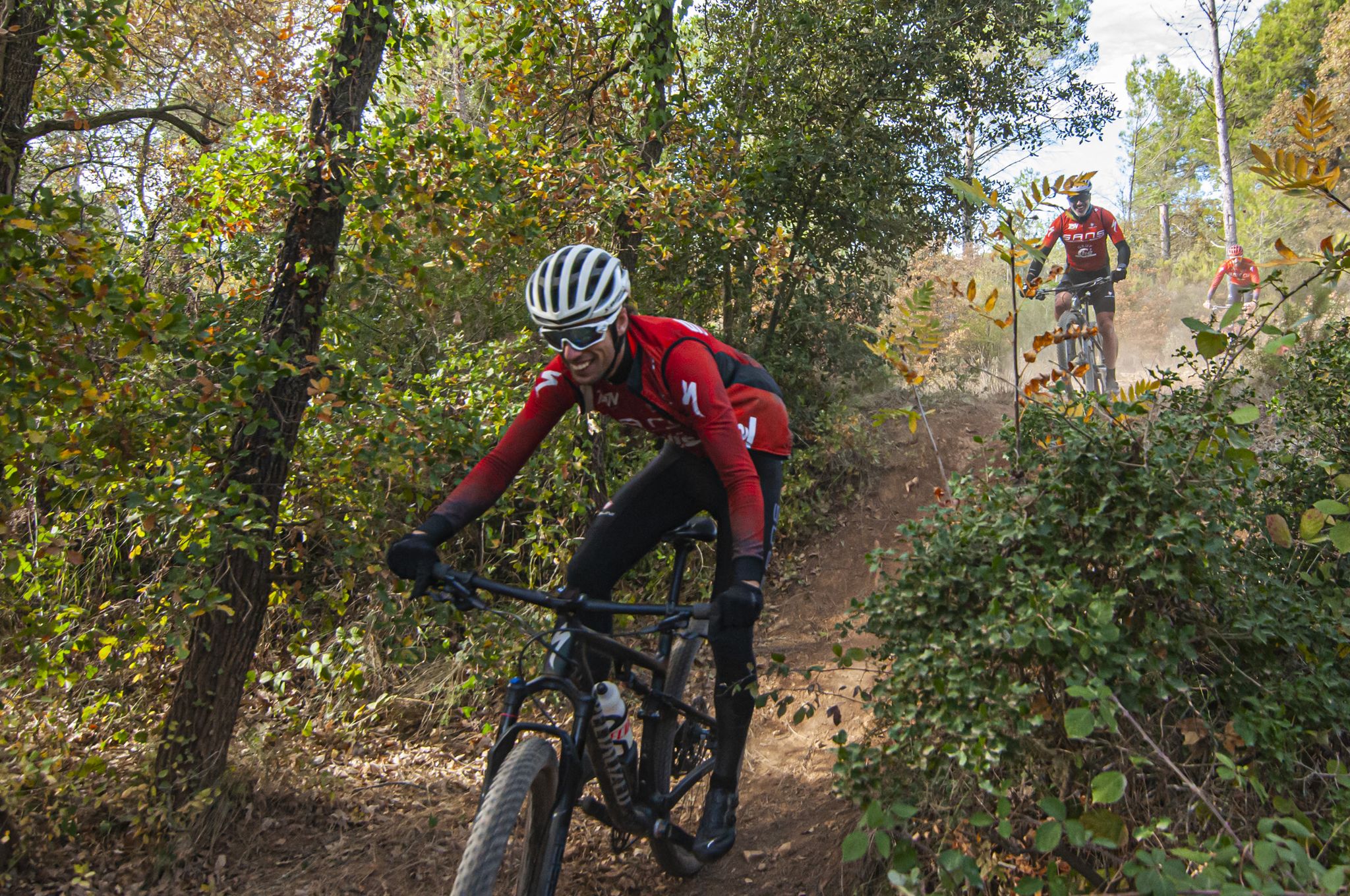
The area around Pontons is excellent for various outdoor activities. You can find numerous routes for hiking, cycling, and gravel biking. Popular hiking routes include the 'Sanctuary of Foix and Pèlags del Foix Loop' and the 'Fountain of Plaça de la Vila – La Mercè Chapel of Pontons loop from Pontons'.
Are there hiking trails that lead to or past these castles?
Yes, several hiking trails incorporate these historical sites. For example, the climb to the Sant Martí Sarroca Castle and Church Complex is a popular, short hike. You can also find routes like the 'Vilademàger Castle loop from Collet de la Serra' which explores the surrounding area.
What is the best time of year to visit the castles around Pontons?
The region experiences a Mediterranean climate. Spring and autumn generally offer pleasant temperatures for exploring the castles and engaging in outdoor activities like hiking and cycling. Summers can be warm, while winters are mild.
Are there any family-friendly castles or activities in the Pontons area?
While specific family-friendly features for each castle are not detailed, the blend of history and nature, along with easy to moderate hiking trails, can be enjoyable for families. Exploring the watchtowers and historical complexes like El Castellot can be an engaging experience for children.
What other historical or religious sites are near the castles?
Beyond the castles, the area is rich in historical and religious sites. The Sant Martí Sarroca Castle and Church Complex includes the Romanesque church of Santa María. Additionally, the El Castellot & Mare de Deu del Vinyet highlight features the Romanesque chapel of Mare de Deu del Vinyet.
What do visitors enjoy most about the castles around Pontons?
Visitors appreciate the blend of history and natural beauty. The opportunity to explore medieval defense structures, enjoy panoramic views of the Penedès plain, and experience a historical castle that is actively involved in wine production are frequently highlighted.
Can I access the watchtowers of these castles?
Yes, for El Castellot, following its restoration in March 2021, the upper part of its watchtower is now accessible via an internal staircase, offering a unique perspective.
Are there any facilities like washbasins available at the castle sites?
At the Sant Martí Sarroca Castle and Church Complex, there are freely accessible rooms with washbasins where visitors can refill their water bottles.
Most popular attractions around Pontons

Get inspired with the komoot mobile app


Explore more
Looking for the best castles somewhere else? Discover other guides around Pontons:
