Top 5 Caves around L'Alcúdia De Crespins
Caves around L'Alcúdia De Crespins offer insights into the region's natural landscapes and prehistoric past. This municipality in the La Costera region of Valencia is characterized by its river systems, such as the Sants River and Albaida River, which have shaped the local geology. The area features several caves with significant historical and archaeological value, providing opportunities for exploration and understanding ancient civilizations. These natural attractions around L'Alcúdia De Crespins are notable for their geological formations and archaeological findings.
Best…
Last updated: June 6, 2026
Cova Negra
Highlight • Cave
Translated by Google •
Tip by

Trail from Xàtiva to the Albaida River and the Cova Negra
Highlight • Trail
Translated by Google •
Tip by

Sign up now to discover places like this
Get recommendations on the best single tracks, peaks, & plenty of other exciting outdoor places.
Sign up for free
La Cabrenta Cave
Highlight • Cave
Picnic area, and good walk.
You can park on the …
Translated by Google •
Tip by

Start today with a free account
Your next adventure awaits.
Login or Signup

Tips from the Community

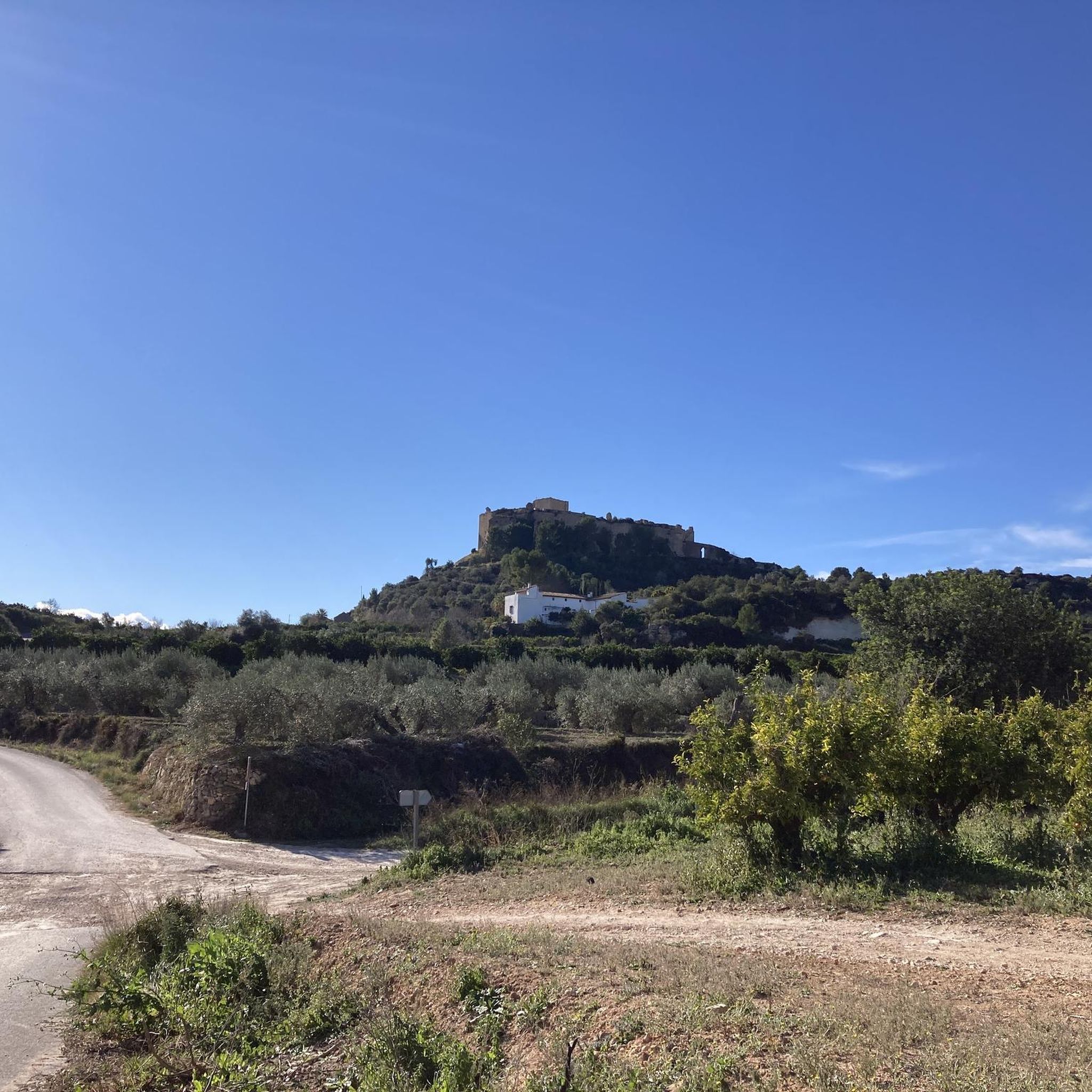
The La Cova Negra municipal natural area is located in the municipality of Játiva, province of Valencia. In the Cova Negra is the Middle Paleolithic site in which remains of Homo Neanderthal have appeared. This natural area is located in the narrow valley formed by the Albaida River, as it crosses the reliefs of the Sierra Grossa, at the exit of the so-called Estret de les Aigües. In the widest meander formed by the Albaida River, at the height of Pico del Paller, you can see the Cova Negra, named for the blackish appearance of its walls.
2
1

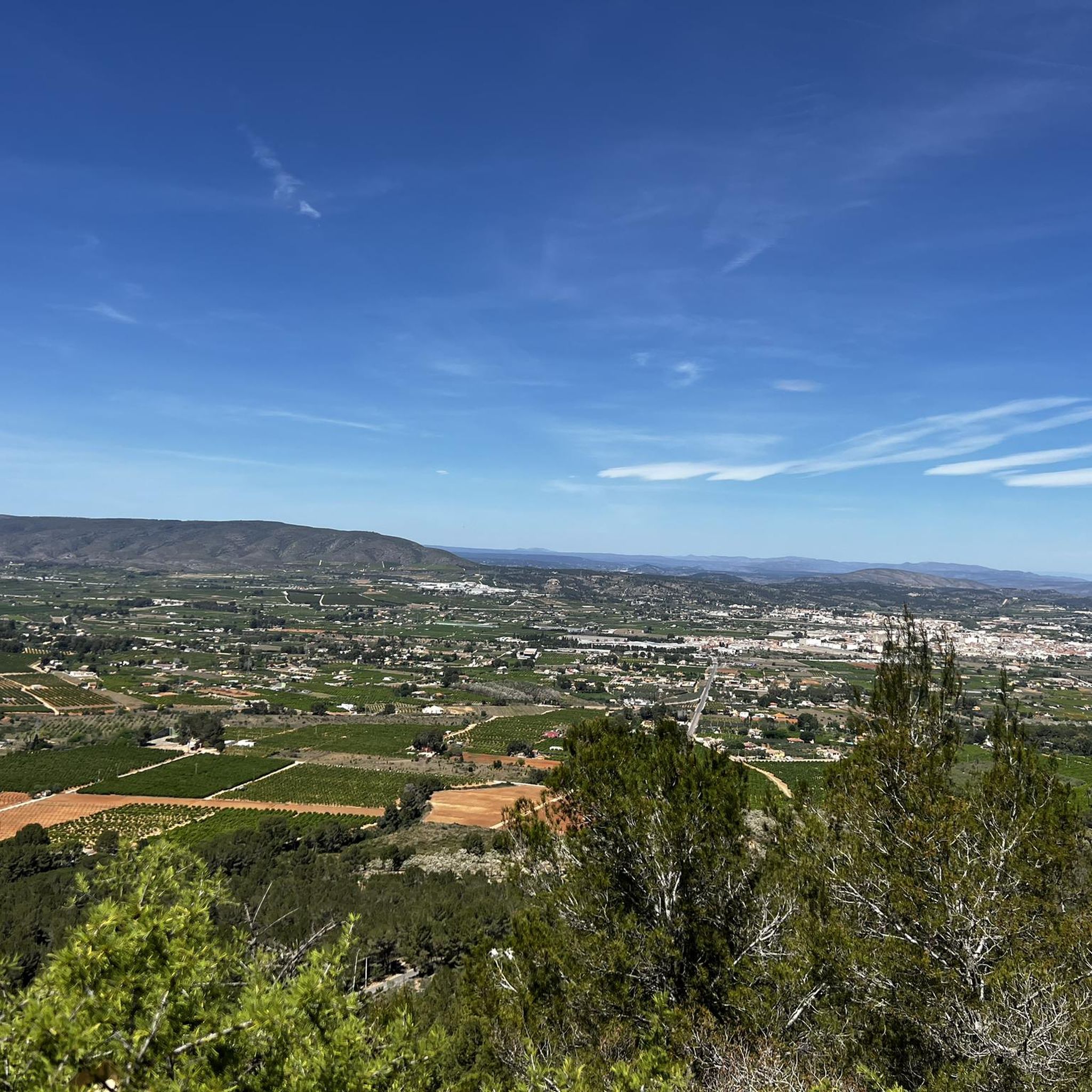
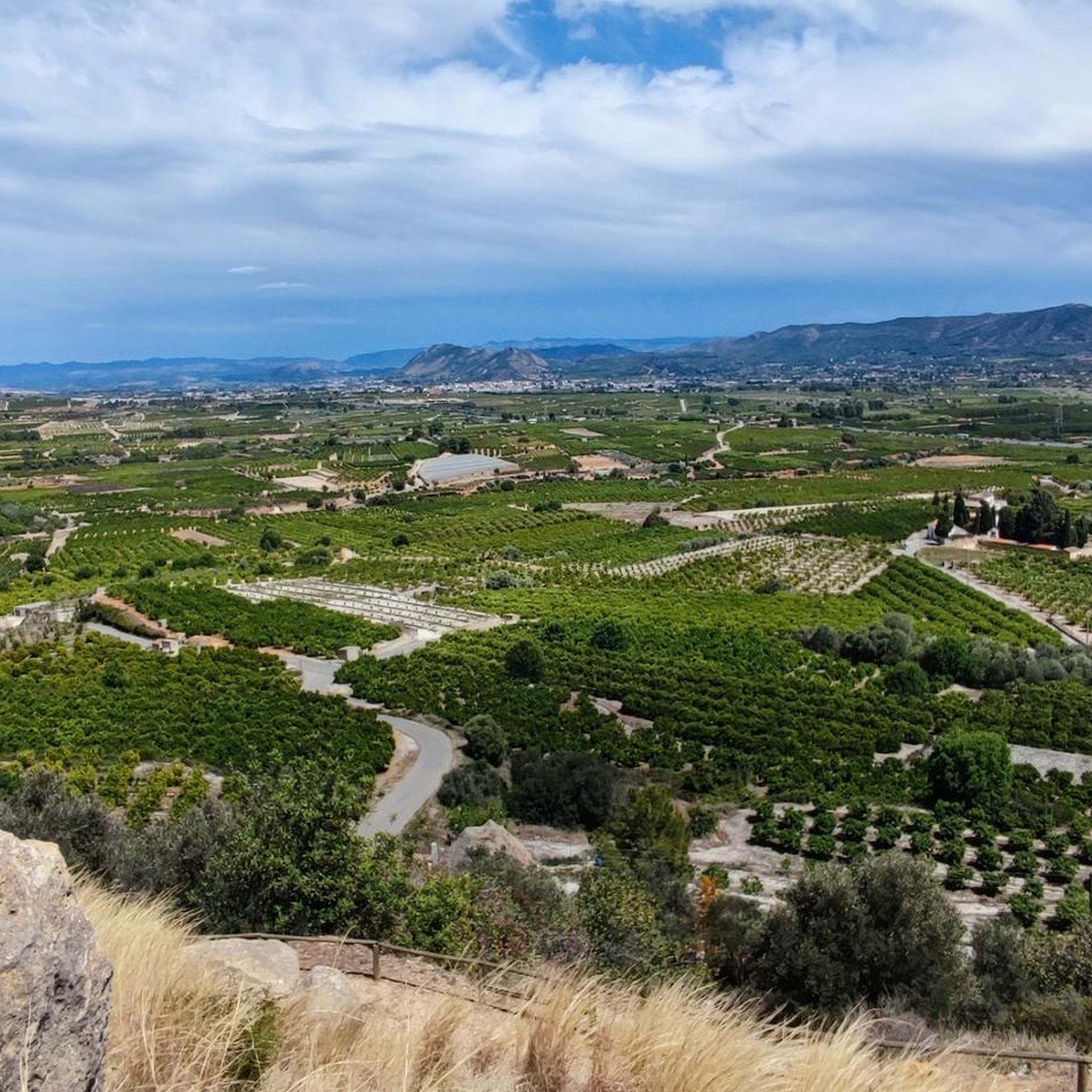
Spectacular scene with the Sellent River in the background.
0
0

La Cova Negra is a cavity that is located in a gorge called the Strait of Waters. Its black color is mainly due to the smoke from the bonfires made by its former inhabitants, the Neanderthals who occupied it for a few months of the year. An important amount of flint tools and other archaeological remains have been found here.
3
0

La Cova Negra is an important archaeological site, located in the widest meander of the Albaida river. It was home to Neanderthal man in the Paleolithic. The cave gets its name from the dark color of the walls. Human remains and paintings have been found inside.
2
0
La Cova Negra is an important archaeological site, located in the widest meander of the Albaida river. It was home to Neanderthal man in the Paleolithic. The cave gets its name from the dark color of the walls. Human remains and paintings have been found inside. It is a space of fundamental importance for understanding the culture of the Mosterian and the reality of the Neanderthals. The Almodí Museum exhibits an exact reproduction of a parietal bone from the period, discovered in the cave.
2
0
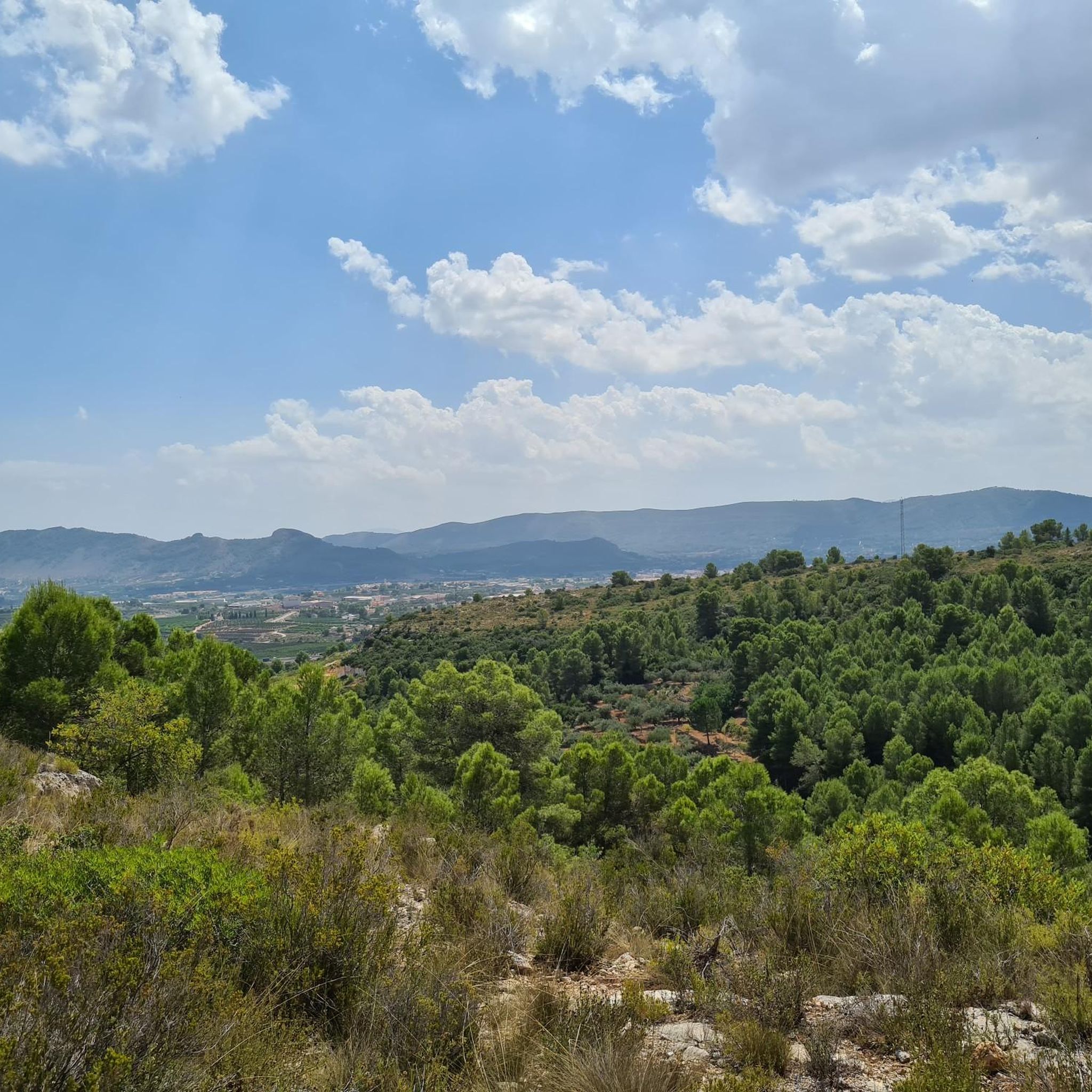
Mountain path that allows you to approach the banks of the Albaida river and also to the Cova Negra by a path. It runs through beautiful pine forests.
1
0

Cave within the natural area of the same name with great historical and landscape value. It is a very nice place with trails that run along the Albaida River. You can get to the foot of the cave.
1
1

Mediterranean jungle in the middle of the Valencian Community. Looking for a place to escape the heat? It is here. Picnic area, and good walk. You can park on the street that leads to the picnic area (there is usually space on the side) or, if not, in the town.
0
0
Frequently Asked Questions
What historical significance do the caves around L'Alcúdia De Crespins hold?
The caves in this region are rich in history, offering a glimpse into prehistoric times. For example, Cova Negra served as a dwelling for Neanderthals during the Paleolithic period, with findings of human remains, paintings, and flint tools. Other caves like Majauma Cave, Cova dels Sants, and Cueva de Mosseguellos also contain remains from ancient civilizations, including Iberians.
Are there family-friendly caves to visit in the area?
Yes, La Cabrenta Cave is known as a family-friendly option. It features a picnic area and offers a pleasant walk along the Sellent River, providing a Mediterranean jungle environment suitable for all ages.
What natural features can I expect to see in the caves?
The caves showcase diverse natural features. Cova dels Sants and Cueva de Mosseguellos are characterized by their impressive limestone formations. The area around Cova Negra is noted for its natural beauty with trails along the Albaida River, and the cave itself is known for its dark-colored walls from ancient bonfires.
Are there hiking trails that lead to or near the caves?
Yes, several trails allow access to the caves and their surroundings. The Trail from Xàtiva to the Albaida River and the Cova Negra is a mountain path through pine forests that leads to the Albaida River banks and Cova Negra. You can find more hiking options in the region by checking the Hiking around L'Alcúdia De Crespins guide.
What is the best time of year to visit the caves in L'Alcúdia De Crespins?
The natural areas around L'Alcúdia De Crespins, including the caves, are generally pleasant to visit during spring and autumn when temperatures are milder. The region's Mediterranean climate means summers can be hot, but places like La Cabrenta Cave, with its 'Mediterranean jungle' environment, can offer a refreshing escape from the heat.
Are permits required to visit the caves like Majauma or Sants Caves?
While some caves are open for visits, specific permit requirements for Majauma Cave and Cova dels Sants are not detailed in the available information. It is advisable to check with local tourist information for the most current access regulations before planning your visit.
Can I explore the area around the caves by bike?
Yes, the region offers various cycling opportunities. For example, there are MTB trails like the 'Cova Negra – Les Arcades old bridge loop from l'Alcúdia de Crespins' that pass near some cave areas. You can find more routes in the Cycling around L'Alcúdia De Crespins and MTB Trails around L'Alcúdia De Crespins guides.
What archaeological findings have been made in the caves of L'Alcúdia De Crespins?
Significant archaeological discoveries have been made. Cova Negra is particularly notable for unearthing human remains, paintings, and a substantial quantity of flint tools from the Neanderthal period. Cova dels Sants and Cueva de Mosseguellos have also yielded remains belonging to the Iberians.
Are there any caves that are easily accessible or within walking distance from L'Alcúdia De Crespins?
Majauma Cave is located within the natural corridor formed by the Sants River, which flows through the area, suggesting it is relatively accessible. While specific walking distances from the town center are not provided, many natural sites in the region are connected by trails.
What makes the Cova Negra unique among the caves in the region?
Cova Negra is unique due to its profound archaeological importance as a Neanderthal dwelling during the Paleolithic period. Its dark-colored walls, primarily from ancient bonfires, give it its name, and it has provided crucial insights into Mousterian culture through its human remains, paintings, and flint tools.
What other outdoor activities can I combine with a visit to the caves?
Beyond cave exploration, the region offers various outdoor activities. You can enjoy hiking along the Sants and Albaida Rivers, as well as mountain biking on trails that traverse the natural landscapes. Guides like Hiking around L'Alcúdia De Crespins and MTB Trails around L'Alcúdia De Crespins provide detailed routes.
What do visitors enjoy most about the caves and natural areas in L'Alcúdia De Crespins?
Visitors appreciate the blend of natural beauty and historical significance. The trails along the rivers, the unique geological formations, and the rich archaeological findings in caves like Cova Negra offer a compelling experience. The family-friendly atmosphere and picnic areas at places like La Cabrenta Cave are also highly valued.
Most popular routes around L'Alcúdia De Crespins
Most popular attractions around L'Alcúdia De Crespins

Get inspired with the komoot mobile app


Explore more
Extend your search for the best caves by checking out these guides of the top ones around L'Alcúdia De Crespins:
