Top 4 Caves around Torrejoncillo Del Rey
Best caves around Torrejoncillo Del Rey include a variety of natural formations and historical sites. The region is notable for its ancient Roman mines, such as those used for extracting *lapis specularis*, a transparent gypsum. Additionally, the area features traditional "cuevas del vino" (wine caves) used for storage, reflecting local agricultural heritage. These sites offer insights into both natural geology and historical human activity in the province of Cuenca.
Best caves around Torrejoncillo Del Rey
- The most popular caves is…
Last updated: October 6, 2026
Bache Cave
Highlight • Cave
Translated by Google •
Tip by

Rock-Cut Necropolis with Carved Symbol
Highlight • Historical Site
Translated by Google •
Tip by
Sign up now to discover places like this
Get recommendations on the best single tracks, peaks, & plenty of other exciting outdoor places.
Rock-cut Necropolis of Buenafuente del Sistal
Highlight • Historical Site
Translated by Google •
Tip by
Rock Shelter
Highlight • Cave
Translated by Google •
Tip by
Jualón Shelter Cave
Highlight • Cave
Translated by Google •
Tip by
Sign up for free to discover even more caves around Torrejoncillo Del Rey.
Already have an account?
Start today with a free account
Your next adventure awaits.
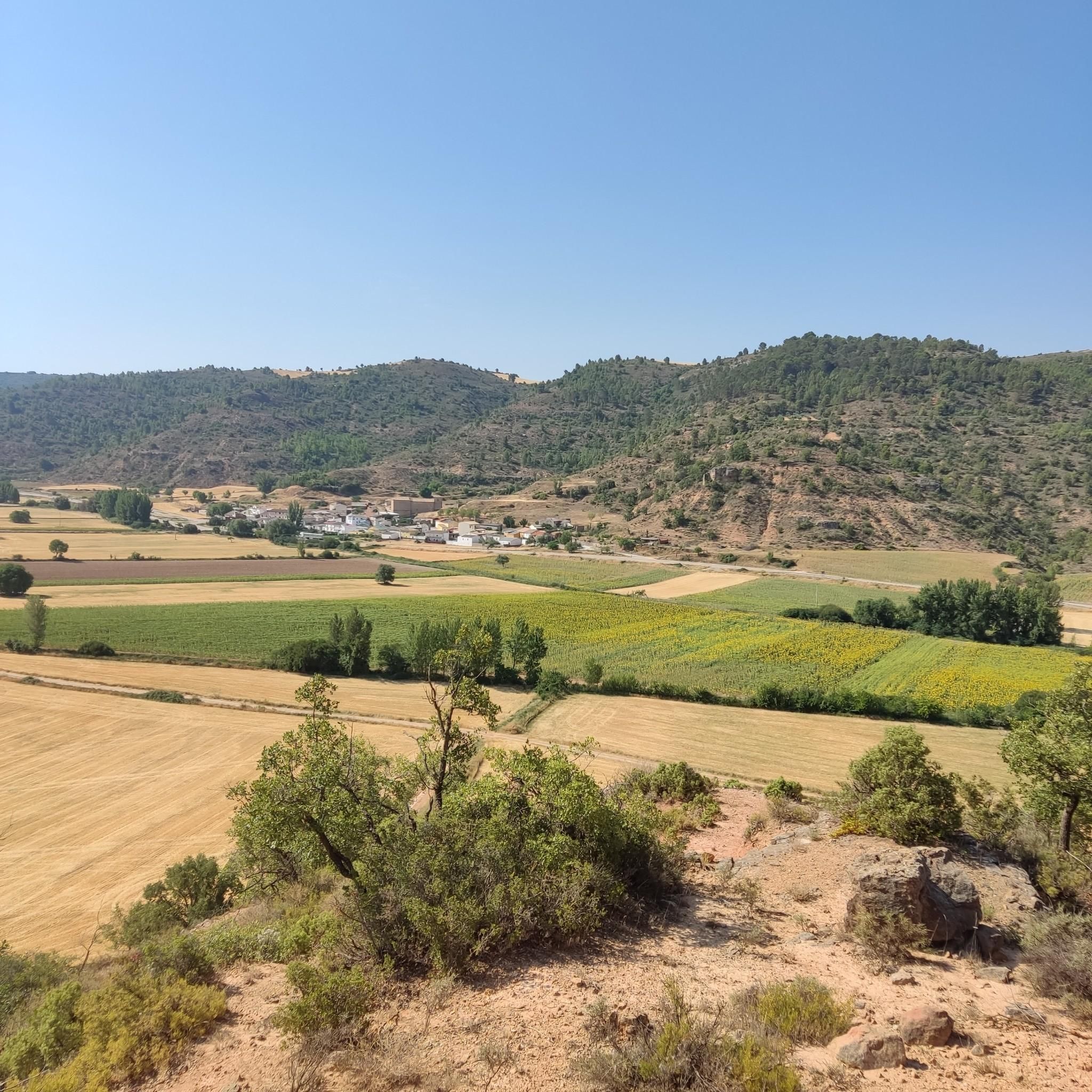
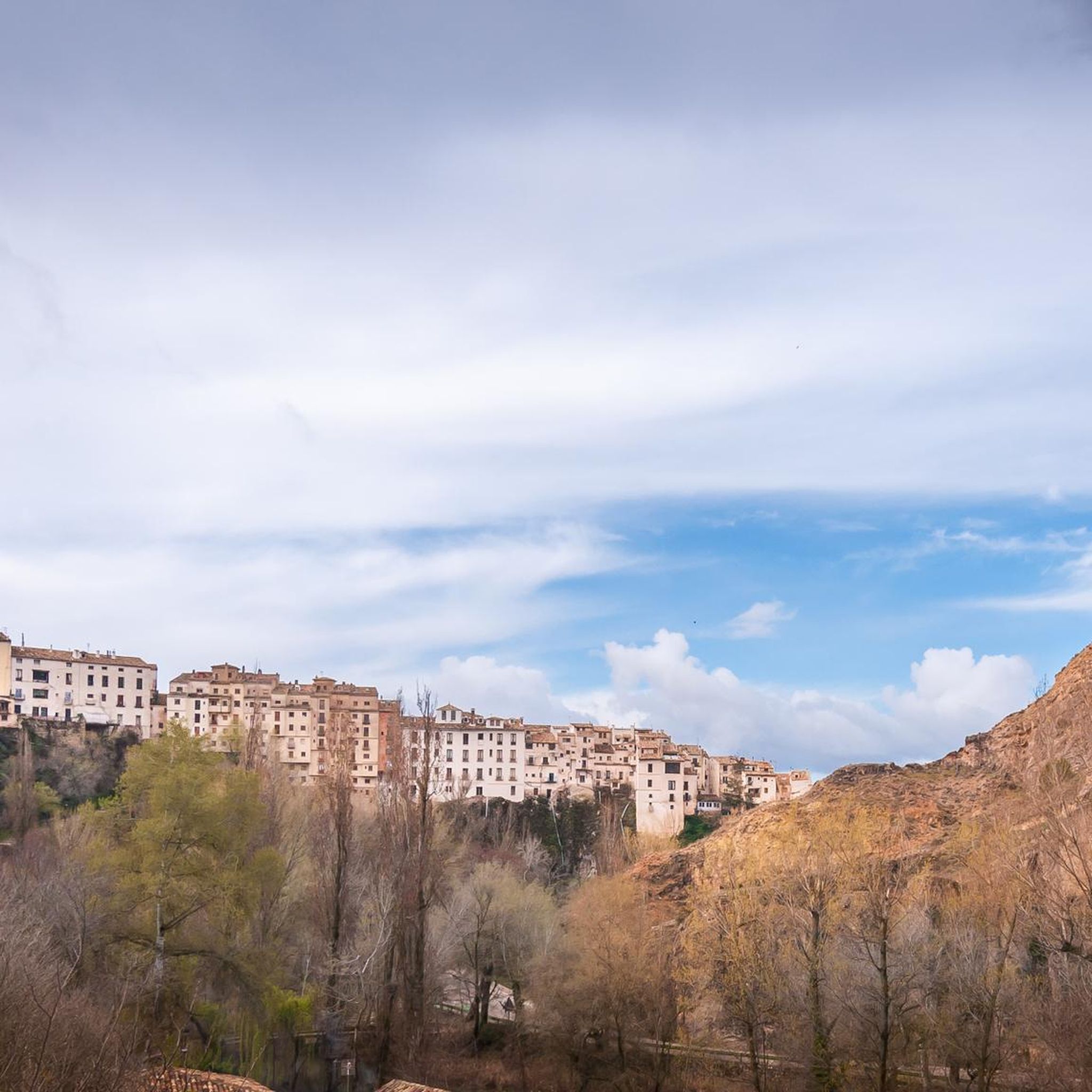
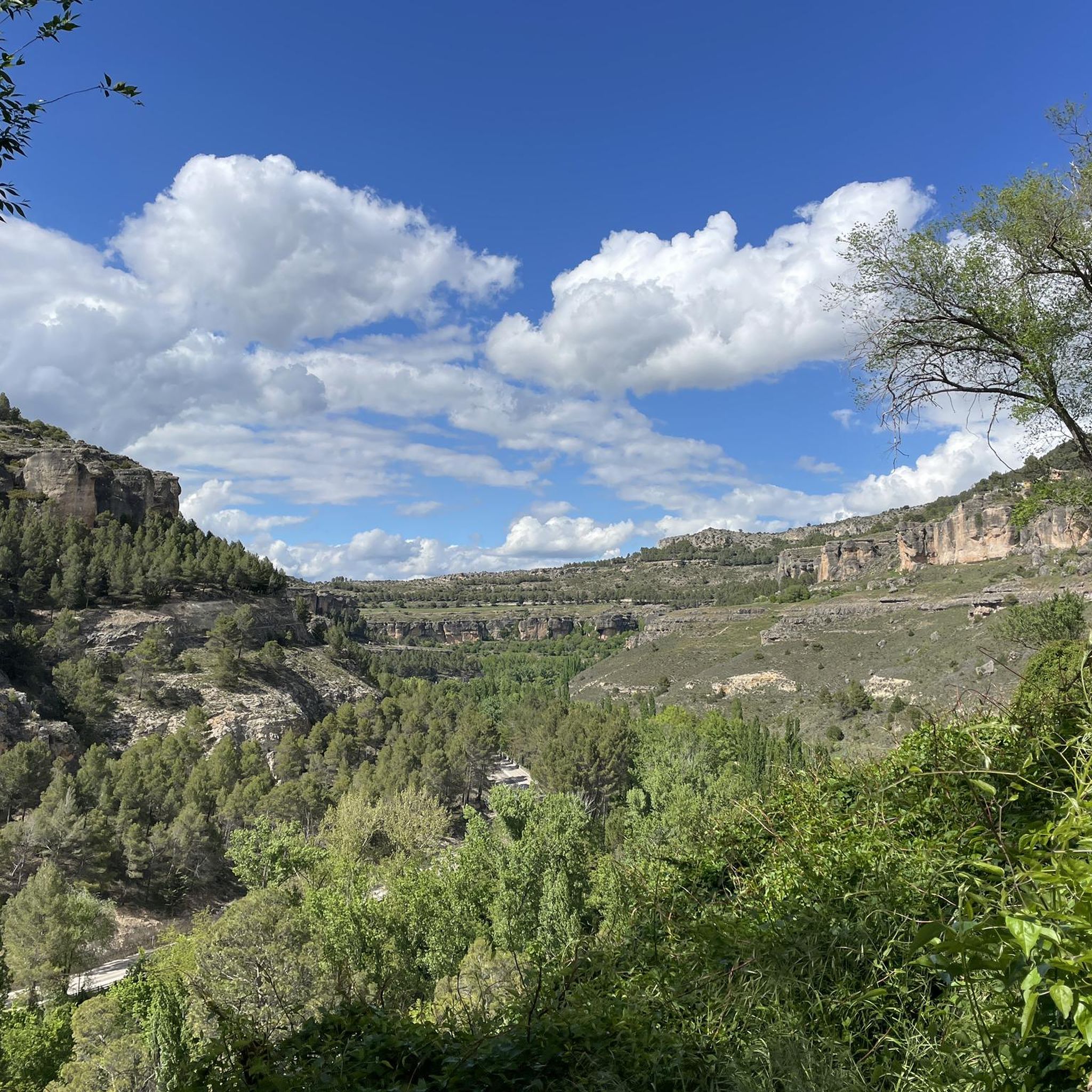

Tips from the Community

Small cave-shelter carved directly into the rock. It has a couple of inscriptions, some initials and the date 1963, all clearly legible.
0
0
The cave isn't visible from the road, but luckily the surrounding area is flat, making it easy to spot the mound beneath which it's located. A powerful flashlight is highly recommended if you plan to visit; the cave is quite impressive. It's enormous, seriously. Also, there's a lot of dust inside, so using just your phone's flashlight won't provide much light.
0
0
I invented the name because of the river. It looks like an old farm with a cattle shelter or a cave and corral.
0
0

A place that fortunately goes unnoticed by most people, and which treasures centuries of history.
1
0
Necropolis, I don't know how old it is. Worth a visit. You have to follow the path to the picnic area below the Ave and go up the slope. It is seen on the left wall.
2
0
You have to go to the picnic areas near the spring and take the path to the left. Leave the bike and cross the field towards the stones on the right. First we see the necropolis and later the hermitage.
0
0
Frequently Asked Questions
What historical sites related to caves can I visit around Torrejoncillo del Rey?
The region is rich in historical sites. You can explore the ancient Roman mines, such as the Mina Romana de Lapis Specularis "La Mora Encantada", which offers a unique glimpse into Roman engineering. Additionally, there's the Rock-Cut Necropolis with Carved Symbol, a historical site and natural monument, and the Rock-cut Necropolis of Buenafuente del Sistal.
How can I visit the Mina Romana de Lapis Specularis "La Mora Encantada"?
The Mina Romana de Lapis Specularis "La Mora Encantada" is a significant Roman mine. To visit, appointments typically need to be made. It's advisable to check for current visiting information and booking details on the official tourism website for Cuenca, such as visitacuenca.es.
Are there any traditional wine caves in Torrejoncillo del Rey?
Yes, like many towns in the Alcarria, Mancha Alta, and Campichuelo regions, Torrejoncillo del Rey features "cuevas del vino" (wine caves). These are traditional structures used for wine storage, characterized by an irregular corridor leading into the earth and a vaulted room at the entrance where grapes were processed. While culturally significant, they are generally not tourist attractions in the same way as the Roman mines.
What should I know before exploring Bache Cave?
The Bache Cave is enormous and can be quite dusty inside. A powerful flashlight is highly recommended for exploration, as a phone's flashlight may not provide sufficient light. The surrounding area is flat, making the mound where the cave is located easy to spot.
How do I find the Rock-Cut Necropolis with Carved Symbol?
To reach the Rock-Cut Necropolis with Carved Symbol, you should follow the path to the picnic area located below the Ave. From there, ascend the slope, and you will see the necropolis on the left wall.
Are there hiking or cycling routes near the caves of Torrejoncillo del Rey?
Yes, the area around Torrejoncillo del Rey offers various outdoor activities. You can find several routes for mountain biking, road cycling, and touring bicycles. For example, there are MTB trails like the 'Hispania Crystal Route Loop' and road cycling routes such as the 'Torrejoncillo del Rey loop'. You can explore more options in the MTB Trails around Torrejoncillo Del Rey, Road Cycling Routes around Torrejoncillo Del Rey, and Cycling around Torrejoncillo Del Rey guides.
What kind of natural features can I expect to see in the caves of this region?
The caves around Torrejoncillo del Rey offer diverse natural features. The Roman mines, particularly the Mina de Lapis Specularis, showcase unique geological formations of *lapis specularis* (transparent gypsum) crystals. Other sites like the Rock Shelter are small cave-shelters carved directly into the rock, blending natural rock formations with historical human modifications.
Are there any family-friendly activities or sites among the caves?
While specific 'family-friendly' categories aren't always assigned, historical sites like the Rock-Cut Necropolis with Carved Symbol and the Rock Shelter offer engaging historical and natural exploration that can be suitable for families. The unique history of the Roman mines can also be an educational experience for older children.
Is it possible to bring dogs to the cave sites or nearby trails?
Policies regarding dogs can vary by specific site. For natural outdoor areas and general hiking trails around Torrejoncillo del Rey, dogs are often permitted, especially if kept on a leash. However, for specific historical or protected sites like the Roman mines, it's best to check their individual regulations before visiting.
What is the best time of year to visit the caves and explore the surrounding area?
The best time to visit the caves and explore the surrounding area in Torrejoncillo del Rey is generally during spring (April-May) and autumn (September-October). During these seasons, the weather is typically mild and pleasant for outdoor activities like hiking and exploring historical sites, avoiding the intense heat of summer and the colder, potentially wetter conditions of winter.
Where can I find parking when visiting the caves?
Parking availability varies by specific cave or site. For the Bache Cave, the surrounding area is flat, suggesting informal parking might be available nearby. For historical sites like the necropolises, you might find parking near associated picnic areas or trailheads. For the Mina Romana de Lapis Specularis, it's best to inquire about parking when making your appointment.
What is the Jualón Shelter Cave?
The Jualón Shelter Cave is a site that appears to be an old farm structure, possibly used as a cattle shelter or a cave and corral. It's named after the nearby river and offers a glimpse into local rural history and traditional uses of natural shelters.
Most popular routes around Torrejoncillo Del Rey
Most popular attractions around Torrejoncillo Del Rey

Get inspired with the komoot mobile app


Explore more
Extend your search for the best caves by checking out these guides of the top ones around Torrejoncillo Del Rey:
