Top 8 Castles around Montiel
Best castles around Montiel are found in a region rich with historical sites, notably the Castle of La Estrella, also known as Montiel Castle. The area's geography features elevated positions, providing strategic viewpoints over the surrounding landscape. These historical sites Montiel trails reflect centuries of cultural exchange and conflict, from Islamic origins to Christian conquests. The region offers a tangible connection to significant historical events.
Best castles around Montiel
- The most popular castles is Alhambra Castle, a castle that…
Last updated: August 13, 2026
Montiel Castle
Highlight • Castle
Built by the Arabs in the 9th century, under the name …
Translated by Google •
Tip by

Alhambra Castle
Highlight • Castle
Translated by Google •
Tip by

Sign up now to discover places like this
Get recommendations on the best single tracks, peaks, & plenty of other exciting outdoor places.
Sign up for free
Alhambra
Highlight • Settlement
Places of Interest
Alhambra …
Translated by Google •
Tip by
Terrinches
Highlight • Settlement
Translated by Google •
Tip by

Santiago Apóstol and Albaladejo Castle
Highlight • Castle
Translated by Google •
Tip by
Sign up for free to discover even more castles around Montiel.
Sign up for free
Already have an account?
Start today with a free account
Your next adventure awaits.
Login or Signup
Tips from the Community

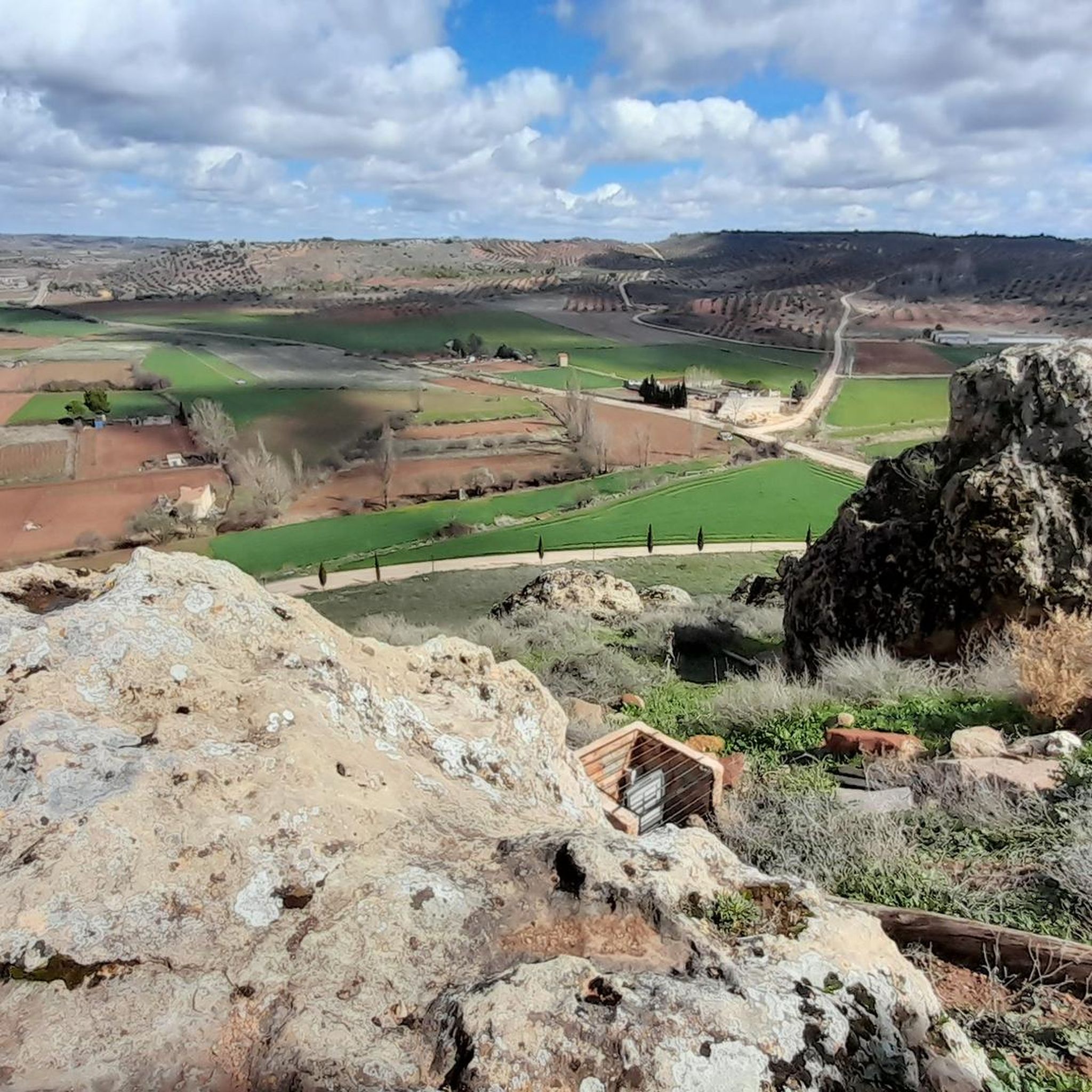
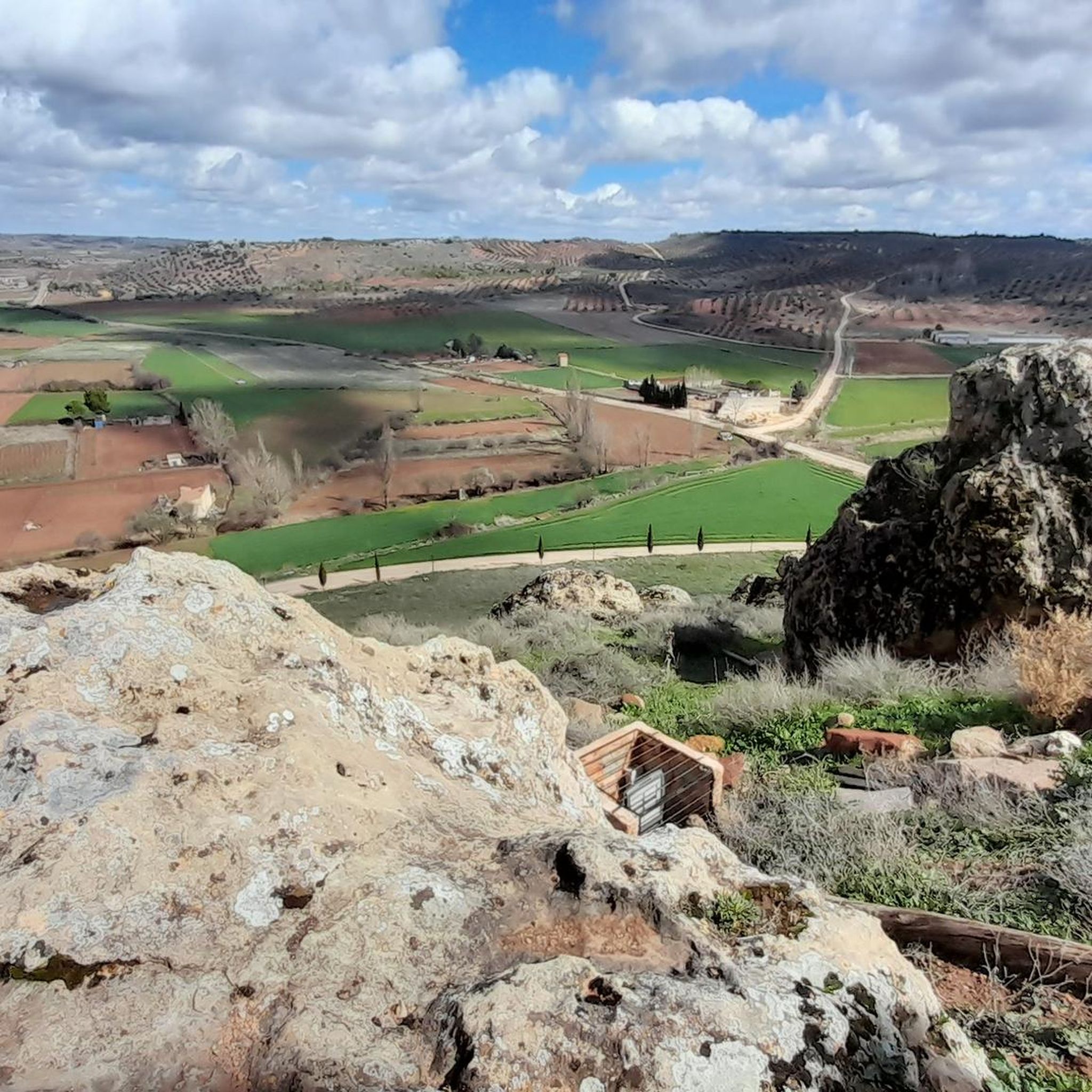
You absolutely must visit this unique and striking castle. I recommend climbing to the top to enjoy the views from its privileged elevated position and imagining the times when such thick walls were necessary.
0
0

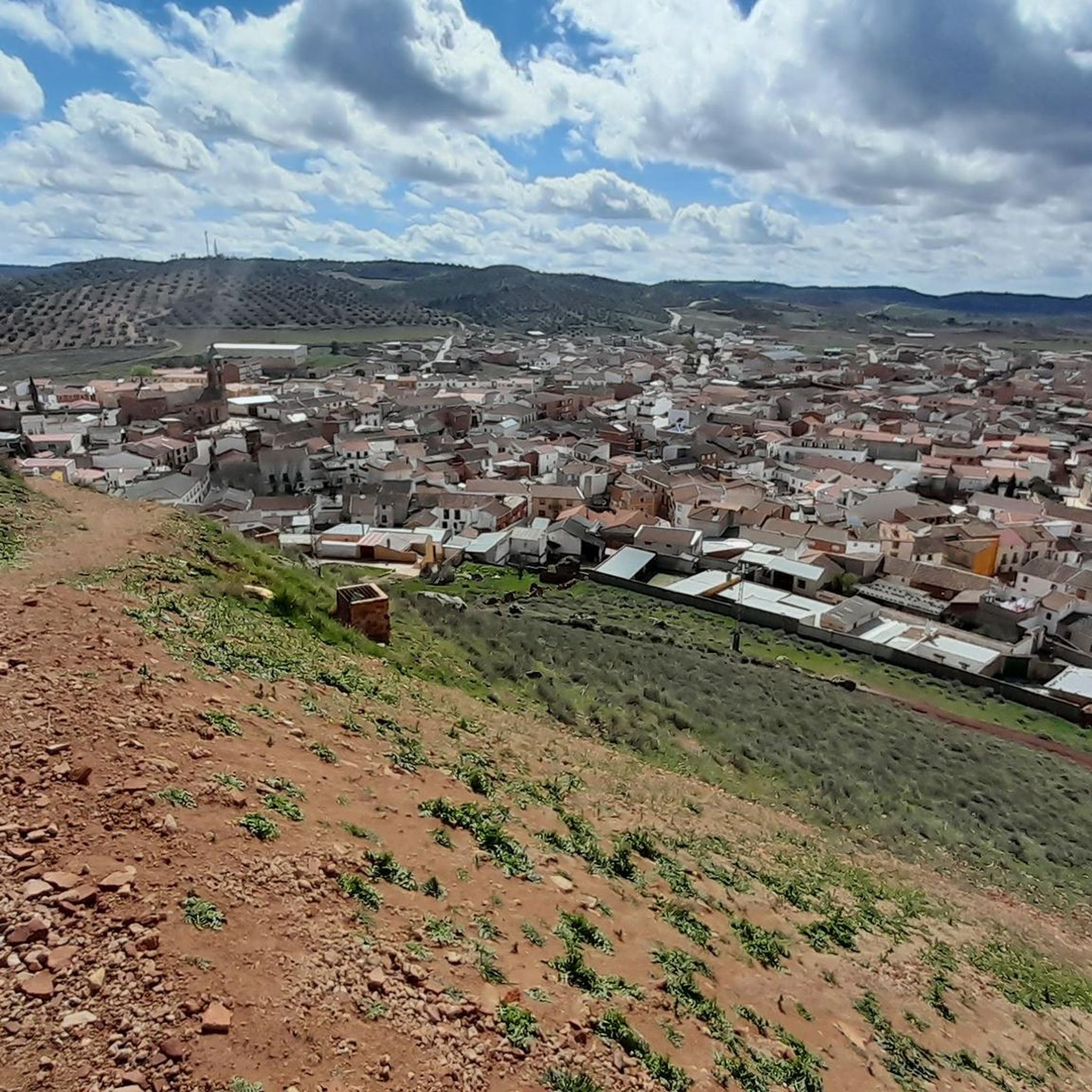
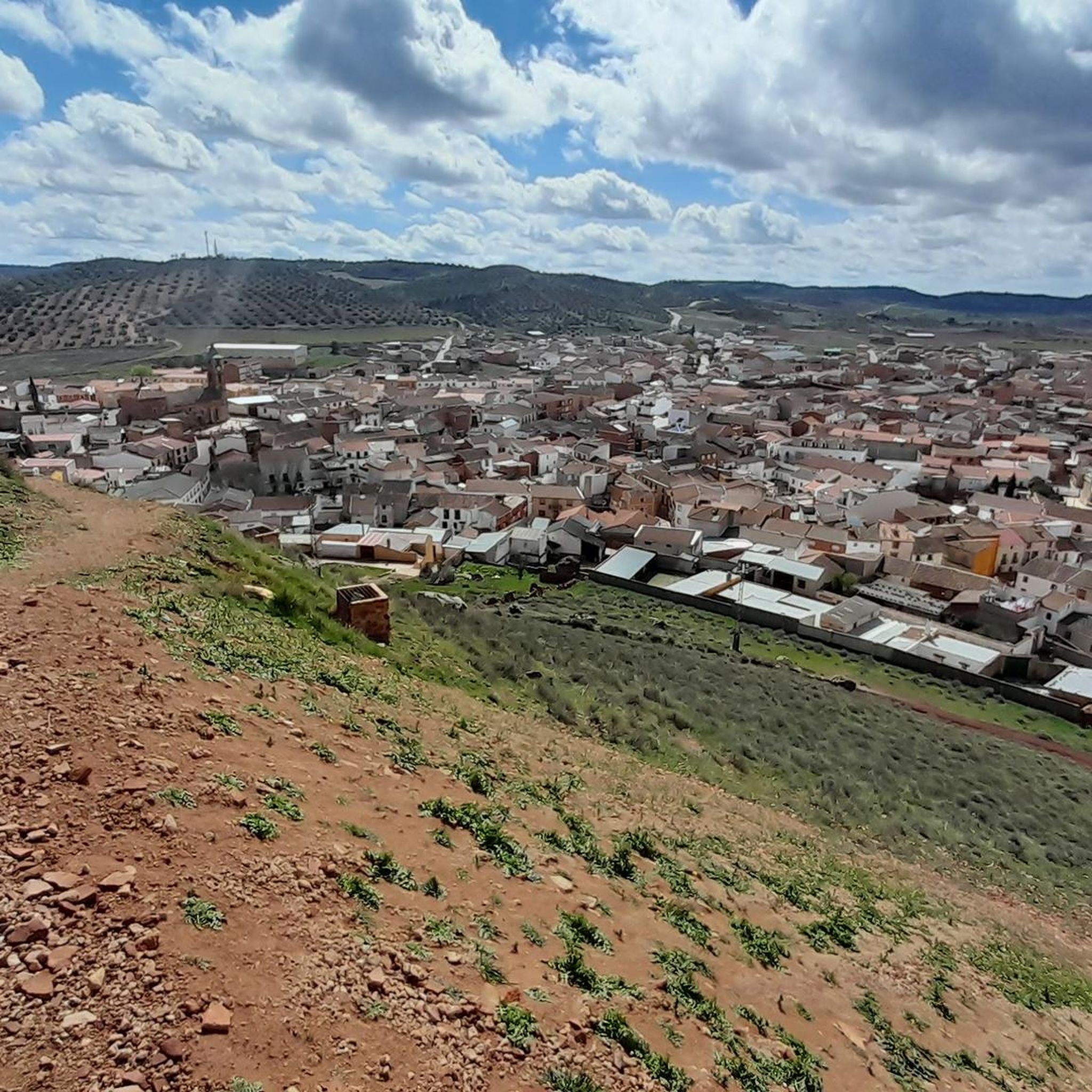
Montiel Castle, also known as the Star Castle, is one of the most important historical sites in Castile-La Mancha. Built by the Arabs in the 9th century, under the name of Munt-Yil, it was part of the defense of the Islamic territory against the Christian advance. It was conquered by the Christians in 1227, after a long siege, and passed into the hands of the Order of Santiago, who made it the center of the Commandery of Campo de Montiel. The Tragedy of Montiel (1369) occurred here, where King Peter I of Castile was assassinated by his brother Henry of Trastámara, with Bertrand Duguesclin famously saying: "I neither remove nor appoint a king, but I help my lord." It is currently in a state of partial ruin, but excavations and guided tours are taking place.
4
0
A magnificent example of a montane castle, meaning one whose shape adapts exactly to the hill on which it stands. Its most beautiful feature is the main gate, opening into a bend in the wall and built as a reentrant in its uniform circular path. The magnificent ashlar work with which it was built is worth a visit alone, as is the pointed arch between its two strong towers. Erected by a Muslim garrison in the mid-12th century, it was continually conquered and recaptured, and Christians and Arabs alternated possession many times. It came to belong to the Order of Santiago in 1214, a possession confirmed by a papal bull. When the Alhambra district was divided between the Orders of Calatrava and Saint John, it lost its strategic importance and was gradually abandoned. The most curious thing about the castle is that, being mountainous, it never had an external enclosure or barbican, but rather a covered or protected path in its last section by a small wall, which allowed access under protected conditions.
10
0
A magnificent example of a mountain castle, that is, one whose shape is exactly adapted to the hill on which it stands. Its most beautiful element is the main gate, opening at a bend in the wall and built as a re-entrant in its homogeneous circular path. The magnificent stonework with which it was built is worth the visit alone, as well as the pointed arch between its two strong towers. Built by a Muslim garrison in the mid-12th century, it was continually conquered and lost, and Christians and Arabs took turns in its possession many times. It came to belong to the Order of Santiago in 1214, possession confirmed by a papal bull. When the Alhambra district was divided between the orders of Calatrava and San Juan, it lost its strategic importance and was gradually abandoned. The most curious thing about the castle is that, because it is a mountain castle, it never had an external enclosure or barbican, but rather a covered or protected path in its last section by a small wall, which allowed access under protected conditions.
11
0
Visiting the municipality of Alhambra, in the province of Ciudad Real, is a delightful experience. Here are some points of interest and tips for your visit: Places of Interest Alhambra Castle: A medieval fortress with stunning panoramic views. Church of San Bartolomé: A beautiful example of religious architecture. Mirador de la Calle del Castillo: Perfect for enjoying spectacular views of the surroundings. There are several hiking routes that will allow you to explore nature and enjoy the tranquility of the countryside.
16
0
A magnificent example of a mountain castle, meaning its shape is perfectly adapted to the hill on which it stands. Its most beautiful feature is the main gate, opening into a bend in the wall and built as a re-entrant in its uniform circular layout. The magnificent stonework alone makes it worth visiting, as does the pointed arch between its two strong towers. Erected by a Muslim garrison in the mid-12th century, it was repeatedly conquered and lost, with Christians and Arabs alternating its possession many times. It came under the control of the Order of Santiago in 1214, a possession confirmed by a papal bull. When the district of Alhambra was divided between the Orders of Calatrava and Saint John, it lost its strategic importance and was gradually abandoned. The most curious thing about the castle is that, being in the mountains, it never had an outer enclosure or barbican, but rather a covered or protected path in its final stretch, enclosed by a small wall, which allowed access under protected conditions.
20
0

Small population center that is located in the south of the province and one of the main points is its tower, called Ben Yucef Castle and which by its name seems to be of Arab origin.
2
0
At one end of the town of Albaladejo is its castle which is together with the church of Santiago Apóstol. The walls are still there and can be visited!
2
0
Frequently Asked Questions
What is the historical significance of Montiel Castle?
The Montiel Castle, also known as the Castle of La Estrella, is profoundly significant due to its central role in the Battle of Montiel in 1369. This event saw King Pedro I of Castile assassinated by his half-brother, Enrique de Trastámara. Originally built by Arabs in the 9th century, it later became a stronghold for the Order of Santiago after Christian conquest in 1227. It is an active archaeological site, continuously revealing insights into medieval life.
Are there any unique architectural features among the castles in the Montiel region?
Yes, the castles in the Montiel region showcase diverse architectural styles. For instance, Alhambra Castle is a magnificent example of a mountain castle, perfectly adapted to the hill it stands on, featuring impressive stonework and a unique re-entrant main gate. The Ben Yucef Castle tower in Terrinches is believed to be of Arab origin, adding to the region's historical architectural diversity.
Can I find panoramic views from the castles around Montiel?
Absolutely. From its elevated position, Montiel Castle offers spectacular, sweeping views of Montiel village and the surrounding landscape. Similarly, climbing to the top of Alhambra Castle provides privileged elevated views, allowing you to imagine its historical significance.
What kind of outdoor activities can I do near the castles in Montiel?
The Montiel region offers various outdoor activities, especially cycling. You can explore numerous routes for touring bicycles, mountain bikes (MTB), and road cycling. For example, there are moderate to difficult MTB trails like the 'Cerros de la Carrasca – Main Square loop' or road cycling routes such as the 'Albaladejo and Montiel Castles Loop'. You can find more details and routes on the Cycling around Montiel, MTB Trails around Montiel, and Road Cycling Routes around Montiel guide pages.
Are there any castles near Montiel that are integrated with religious buildings?
Yes, the Santiago Apóstol and Albaladejo Castle is an example where the castle is located together with the Church of Santiago Apóstol. The church itself was built in the 13th century by the knights of the Order of Santiago after the conquest of Albaladejo from the Muslims, and the castle walls are still visible and can be visited.
What is the best time to visit the castles around Montiel?
While specific seasonal advice isn't provided, the region's elevated positions and historical sites suggest that spring and autumn would offer pleasant weather for exploration. These seasons typically avoid the intense heat of summer and the colder, potentially wetter conditions of winter, making it ideal for walking and enjoying the views.
Are the castles in Montiel suitable for family visits?
The historical and archaeological nature of sites like Montiel Castle and Alhambra Castle can be engaging for families interested in history and exploration. While specific 'family-friendly' amenities are not detailed, the opportunity to explore ruins and enjoy panoramic views can be an enriching experience for all ages. Always check accessibility for younger children or strollers if planning to visit specific ruins.
What should I wear when visiting the castles in Montiel?
Given that many castles are in a state of partial ruin and located on hills, comfortable walking shoes are highly recommended. Layers of clothing are also advisable to adapt to changing weather conditions, especially if you plan to spend time exploring the outdoor sites and enjoying viewpoints.
Is there parking available at the castles in the Montiel region?
For sites like Montiel Castle, access is often free, and visitors can typically find parking nearby to then walk up to the ruins. For other castles, it's generally recommended to check local information upon arrival, as parking facilities can vary, especially for less developed historical sites.
What do visitors enjoy most about the castles around Montiel?
Visitors particularly appreciate the profound historical significance of sites like Montiel Castle, its ongoing archaeological exploration, and the spectacular panoramic views from its elevated position. The unique architecture of castles like Alhambra Castle, with its impressive stonework and adaptation to the mountain terrain, is also highly valued by the komoot community.
Are there any castles with Roman origins in the Montiel area?
Yes, the ruins of the fortified Albaladejo Castle are a memory of the past, originally dating from Roman times. It was later conquered by Muslim rulers and then retaken by Christians, showcasing a long and complex history. The castle is free to visit.
Most popular attractions around Montiel

Get inspired with the komoot mobile app


Explore more
Looking for the best castles somewhere else? Discover other guides around Montiel:
