Top 4 Castles around L'Esquirol
Best castles around L'Esquirol are found within the Osona region of Catalonia, Spain. This area is characterized by a landscape of hills and valleys, offering a setting for historical exploration. The region is rich in history, featuring medieval villages and ancient structures that reflect centuries of heritage. Visitors can explore various historical sites that dot the natural terrain.
Best castles around L'Esquirol
- The most popular castles is Besora Castle, a castle and historical site that features the ruins of…
Last updated: November 16, 2026
Besora Castle
Highlight • Castle
Translated by Google •
Tip by

Castle of Torelló
Highlight • Castle
Translated by Google •
Tip by

Sign up now to discover places like this
Get recommendations on the best single tracks, peaks, & plenty of other exciting outdoor places.
Castell de Sant Llorenç del Munt
Highlight • Castle
Translated by Google •
Tip by

Castillo de Bellpuig de Sant Julià de Vilatora
Highlight • Castle
It is located within the limits of what was the
Castell de Sant Llorenç and
Also known as the CASAL de BELLPUIG.
Cataloged as a …
Translated by Google •
Tip by

Sant Salvador de Bellver Hermitage
Highlight • Religious Site
Sant Salvador de Bellver is a Romanesque church located at the north-eastern end of the municipality of Sant Boi de Lluçanès at the tip of …
Translated by Google •
Tip by

Sign up for free to discover even more castles around L'Esquirol.
Already have an account?
Start today with a free account
Your next adventure awaits.
Popular around L'Esquirol
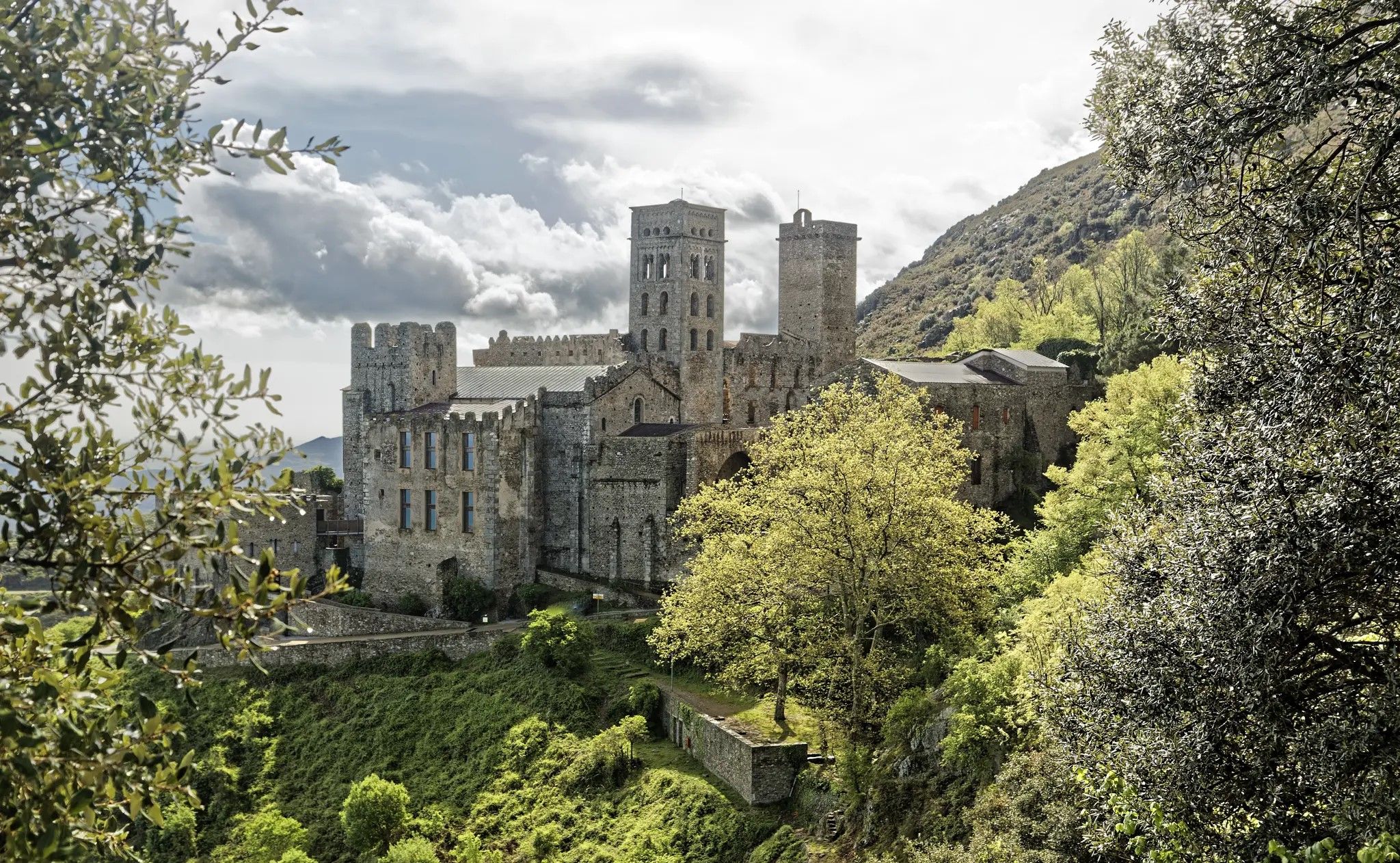
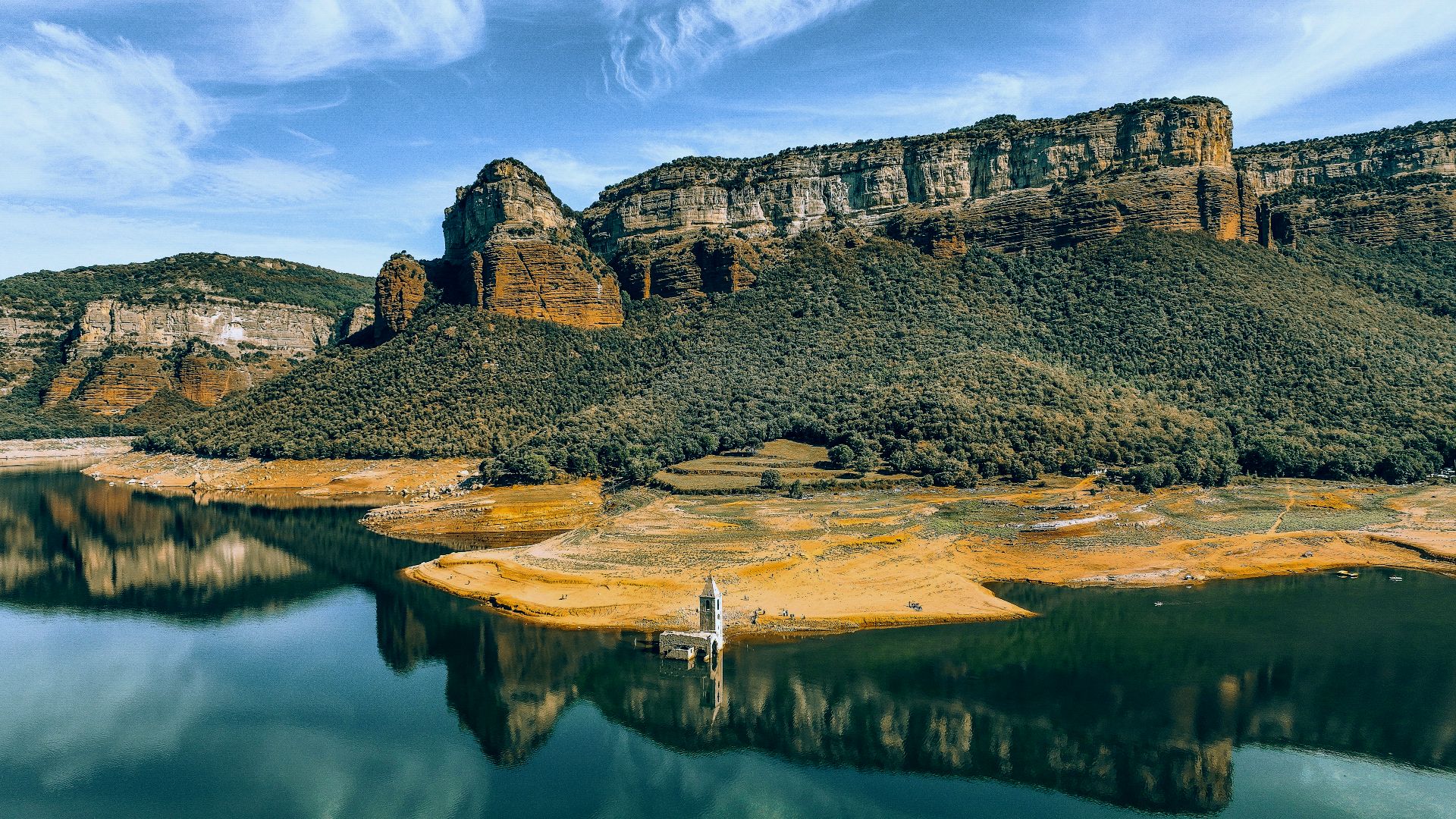
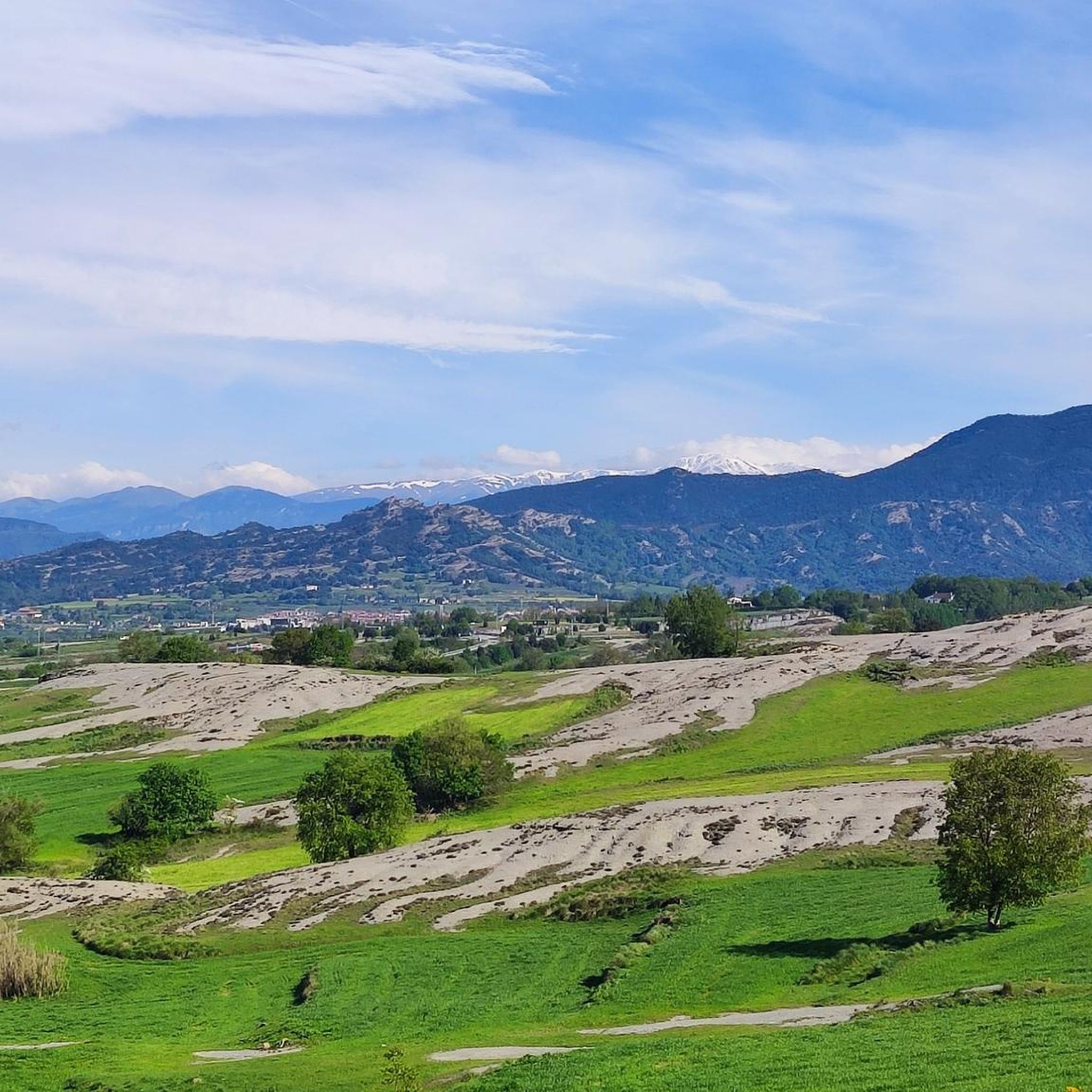


Tips from the Community

The Castle 🏰 of Bellpuig It is located within the limits of what was the Castell de Sant Llorenç and Also known as the CASAL de BELLPUIG. Cataloged as a cultural asset of National Interest. There are no exact references From its construction but it is located between S-Xl and S-Xll Some later reforms from the 13th century.
2
0

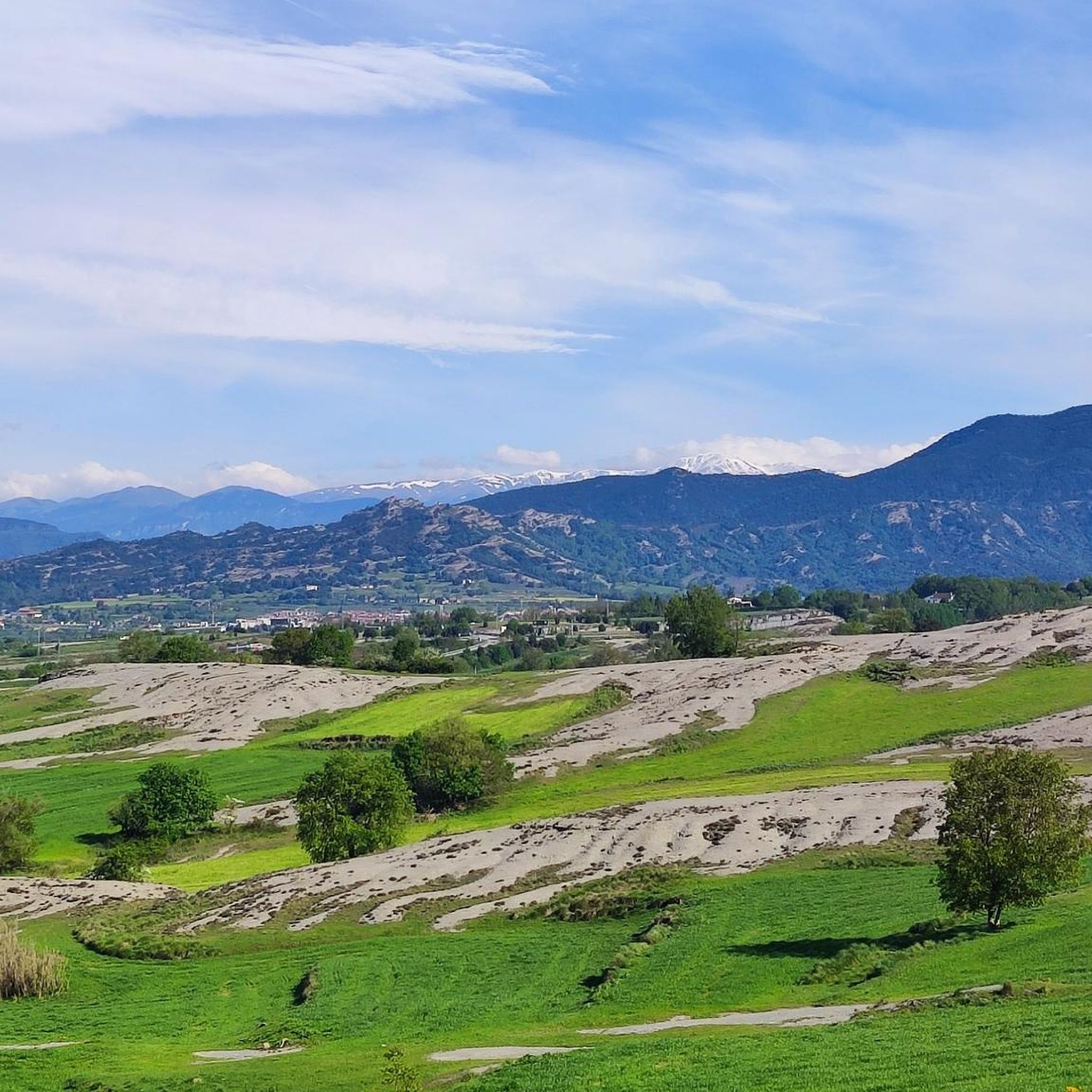
The ruins of the Besora castle and the Romanesque church of Santa María are located on a hill at more than 1000 meters above sea level. It is worth calmly exploring each of its corners and enjoying the beautiful views.
2
0

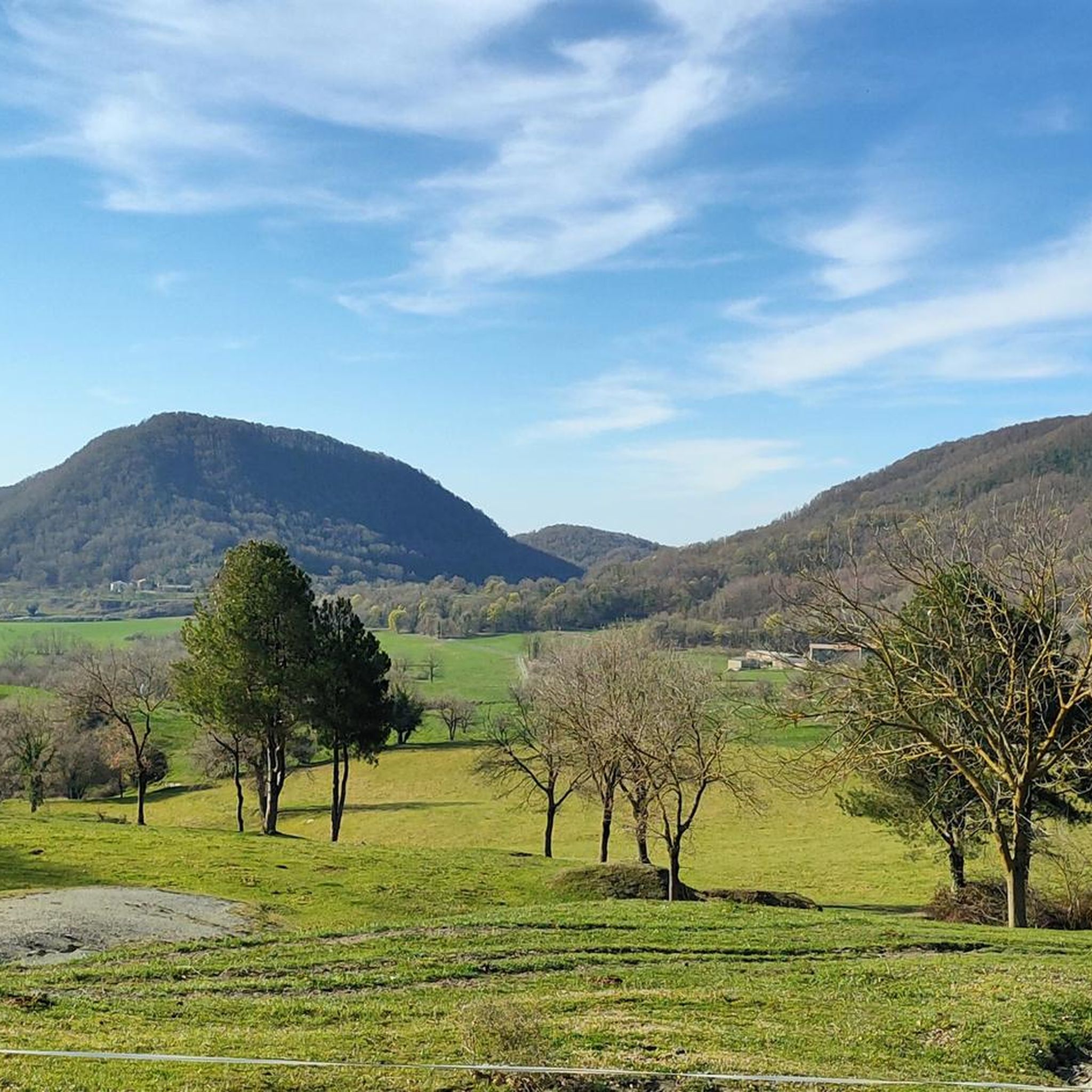
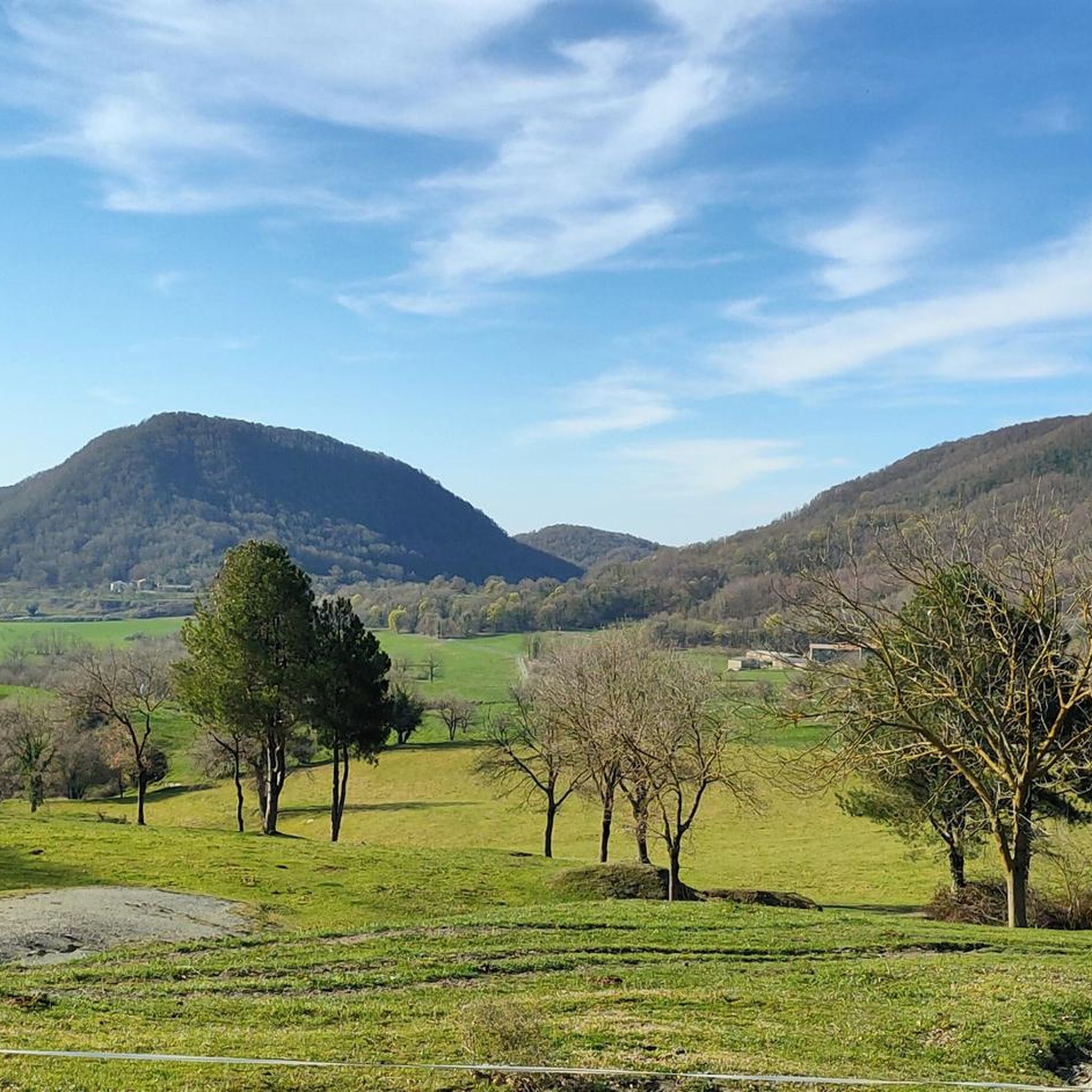
Sant Llorenç Castle is a castle in the municipality of Sant Julià de Vilatorta (Osona) declared a cultural asset of national interest. There are remains of fortifications at the monastery and the base of a square tower at the top of the mountain. It was a termed castle, then a monastery. Documented in 884. At the beginning of the 11th century it was supplanted by the Castle of Meda and soon became the residence of Augustinian canons.
0
0

The ruins Castle of Bellpuig de Sant Julià de Vilatora
1
1

All that remains of the castle are badly damaged fragments of walls. The only clearly visible remains are those of the castle's church, dedicated to Santa Maria, and which allow us to see that it was a construction of a nave topped to the east by a semicircular apse. The nave and the apse, preceded by a presbytery section, were covered by barrel vaults. As for the remains of the castle itself, you can see the remains of the closing wall in the northern area of the hill, around the area of access and entrance to the castle. In this same northern area, remains of several rooms of the castle appear. A possible cistern is also located in this sector. In the central part, there would be a pool, documented during the excavation work of the 2006-2010 campaigns. In the southern area, close to the precipice, there are also very eroded fragments of the closing wall. We enjoy a fantastic 360º panorama.
2
0

SANT SALVADOR CHURCH OF BELLVER Sant Salvador de Bellver is a Romanesque church located at the north-eastern end of the municipality of Sant Boi de Lluçanès at the tip of a ridge that dominates the northern part of the Plana de Vic. It is a church of large proportions, divided by two lateral arches and covered with a slightly pointed vault, which ends with a semicircular apse, covered with a quarter-sphere vault. The sobriety of the architectural lines and the volume of the construction, resolved with large blocks, in a homogeneous structure and without interruptions of any kind, lacking additions from later periods, make the beauty of the style stand out even more, which is shown in the exterior ornamentation of the apse, under the line of the cornice and in its windows. A sawtooth frieze is preserved in the apse and presents three series of nine blind arches separated by Lombard bands. Two windows also open, one in the east sector and the other in the south sector, both formed by arches in degradation. These windows form slits on the inside and folds outwards. https://turisme.llucanes.cat/visiteu/esglesia-de-sant-salvador-de-bellver/ https://ca.wikipedia.org/wiki/Sant_Salvador_de_Bellver
2
0
The old Castle of Torelló, was the jurisdictional center of all the valley, and gave name to the three main populations of its old term: Torelló or Sant Feliu de Torelló, Sant Pere de Torelló and Sant Vicenç de Torelló. Saderra also originally belonged to its territory, but it separated very early, in the 11th century. This castle is currently remembered as a massive circular tower that stands on top of a marly hill, north of the town of Sant Vicenç and within its municipality, almost next to the border with Sant Pere de Torelló. It is clearly visible from the whole Torelló valley and also from the Ter valley, which runs along its western side, as its hill, 781 meters high, is the highest point of the small ridge that separates the lower course of the Ges valley, from the Ter valley. Seen from the side of Torelló, the hill seems lower because it is the backdrop of the Bellmunt mountain range, but if you approach it, you will notice the excellent conditions of defense that it had, and that they were being the main reason why, in very distant times, this place was chosen to build a castle. It is a building declared a cultural asset of national interest.
1
0
I was hoping to find the friar Marcel Capellades who, as I understand it, lives and shares his life with other people who seek God in the sources of the gospel, prayer and silence. As a young man, he was a disciple of Father Estanislau Maria Llopart, a hermit from Montserrat, whom he accompanied to Japan in 1974 to begin a hermit experience in the Nagasaki Islands. Unfortunately I didn't find anyone there.
0
1
Frequently Asked Questions
What are some of the most notable castles to visit around L'Esquirol?
Among the most notable castles are Besora Castle, which offers a 360º panorama from its ruins and Romanesque church. Another significant site is Castle of Torelló, known for its massive circular tower and clear views of the Torelló and Ter valleys. You can also explore Castell de Sant Llorenç del Munt, featuring remains of fortifications and a square tower documented since 884.
Are there other historical sites or medieval villages near L'Esquirol besides traditional castles?
Yes, beyond the castles, the medieval village of Rupit is a must-visit, located about 8 kilometers from L'Esquirol. This village, dating back to the 15th century, is a listed monument with unique alleys and steps formed by lava, offering a significant historical and architectural experience. Sant Pere de Casserres is also a notable historical site in the Osona region.
What kind of views can I expect from the castles in the L'Esquirol area?
Many castles in the region offer excellent panoramic views. For instance, Besora Castle provides a fantastic 360º panorama from its hilltop location. The Castle of Torelló offers clear views of the Torelló and Ter valleys, while Castell de Sant Llorenç del Munt also boasts very good views of the surrounding area.
What outdoor activities can I combine with a visit to the castles?
The L'Esquirol area is excellent for outdoor activities. You can find numerous hiking trails, such as the moderate 'L'Esquirol, Waterfalls and Gorges Trail' or the 'Cantonigrós-Aiats-Cabrera Sanctuary Trail'. For cycling enthusiasts, there are road cycling routes like the 'Sau Reservoir – Sant Joan de Fàbregues Church loop'. You can explore more options on the hiking guide or road cycling guide for L'Esquirol.
Are there hiking trails that lead to or past these castles?
Yes, many castles are situated along or near hiking routes. For example, the ruins of Besora Castle are located on a hill, making it a rewarding destination for a hike. Similarly, Castle of Torelló is accessible via trails that offer excellent views. You can find detailed hiking routes in the Hiking around L'Esquirol guide.
What is the best time of year to visit the castles around L'Esquirol?
The best time to visit the castles and explore the surrounding area is typically during spring (April to June) and autumn (September to October). During these seasons, the weather is generally mild and pleasant for hiking and outdoor exploration, and the natural landscapes are particularly beautiful.
What kind of historical significance do the castles in this region hold?
The castles around L'Esquirol are deeply rooted in the history of the Osona region, with some structures like Castell de Sant Llorenç del Munt documented as early as 884. They served as defensive fortifications, jurisdictional centers, and residences for noble families, reflecting centuries of Catalan heritage. Castell de Savassona, for instance, has been documented since 890 and was ruled by the Savassona family of knights.
What can I expect to see at <a href="https://www.komoot.com/highlight/4382068" target="_blank" rel="noopener">Castell de Savassona</a>?
Castell de Savassona is a medieval castle that has been renovated over centuries but still retains medieval elements and defensive walls. It is strategically located at 611 meters altitude and is still inhabited. You can observe its historical architecture and triangular tower, which has been a Site of National Interest since 1949.
Are there any less crowded castle options for a quieter visit?
While popular sites like Besora Castle attract visitors, exploring some of the lesser-known ruins or those requiring a bit more of a hike, such as Castillo de Bellpuig de Sant Julià de Vilatora, might offer a quieter experience. These sites often provide a more solitary connection with history amidst nature.
What are the difficulty levels for reaching these castles?
The difficulty levels vary. Many castles, being historical sites on hills or elevated positions, often involve intermediate-level walks or hikes to reach them. For example, Besora Castle and Castle of Torelló are categorized as intermediate, suggesting some physical effort is required. Always check specific route details if you plan to hike.
What should I pack for a castle tour in L'Esquirol?
Given that many castles are ruins or involve walks on varied terrain, comfortable walking shoes are essential. Depending on the season, bring layers of clothing, sun protection (hat, sunscreen), and plenty of water. If you plan to hike, consider a small backpack with snacks and a map or GPS device. Binoculars can enhance the experience at viewpoints.
What do visitors particularly enjoy about the castles around L'Esquirol?
Visitors frequently appreciate the stunning panoramic views offered by many of the castle sites, such as the 360º vista from Besora Castle. The historical atmosphere of the ruins and the opportunity to explore ancient structures like the Romanesque church at Besora or the fortifications of Castell de Sant Llorenç del Munt are also highly valued. The combination of history and natural beauty makes for a rewarding experience.
Most popular routes around L'Esquirol
Most popular attractions around L'Esquirol

Get inspired with the komoot mobile app


Explore more
Looking for the best castles somewhere else? Discover other guides around L'Esquirol:
