Top 3 Caves around Halle-Vilvoorde
Best caves around Halle-Vilvoorde are situated within the Flemish Brabant province of Belgium, a region known for its agricultural plains and historical towns. The area features a landscape of gentle hills and river valleys, offering various outdoor activities. While significant natural cave systems are not present in Halle-Vilvoorde, the region does contain several man-made grottoes and architectural 'caves' that serve as local points of interest.
Best caves around Halle-Vilvoorde
- The most popular caves is Poelk Grotto, a religious_building that…
Last updated: August 10, 2026
Poelk Grotto
Highlight • Religious Site
Translated by Google •
Tip by

English Bridge and Grotto - Meise Botanic Garden
Highlight • Bridge
Translated by Google •
Tip by

Sign up now to discover places like this
Get recommendations on the best single tracks, peaks, & plenty of other exciting outdoor places.
Sign up for free
Grotto of Our Lady of Justice
Highlight • Religious Site
Translated by Google •
Tip by

The Brugkrocht (the Blood Caves)
Highlight • Bridge
Translated by Google •
Tip by

Grotto Chapel of Omloopstraat
Highlight • Religious Site
Tip by

Start today with a free account
Your next adventure awaits.
Login or Signup
Popular around Halle-Vilvoorde
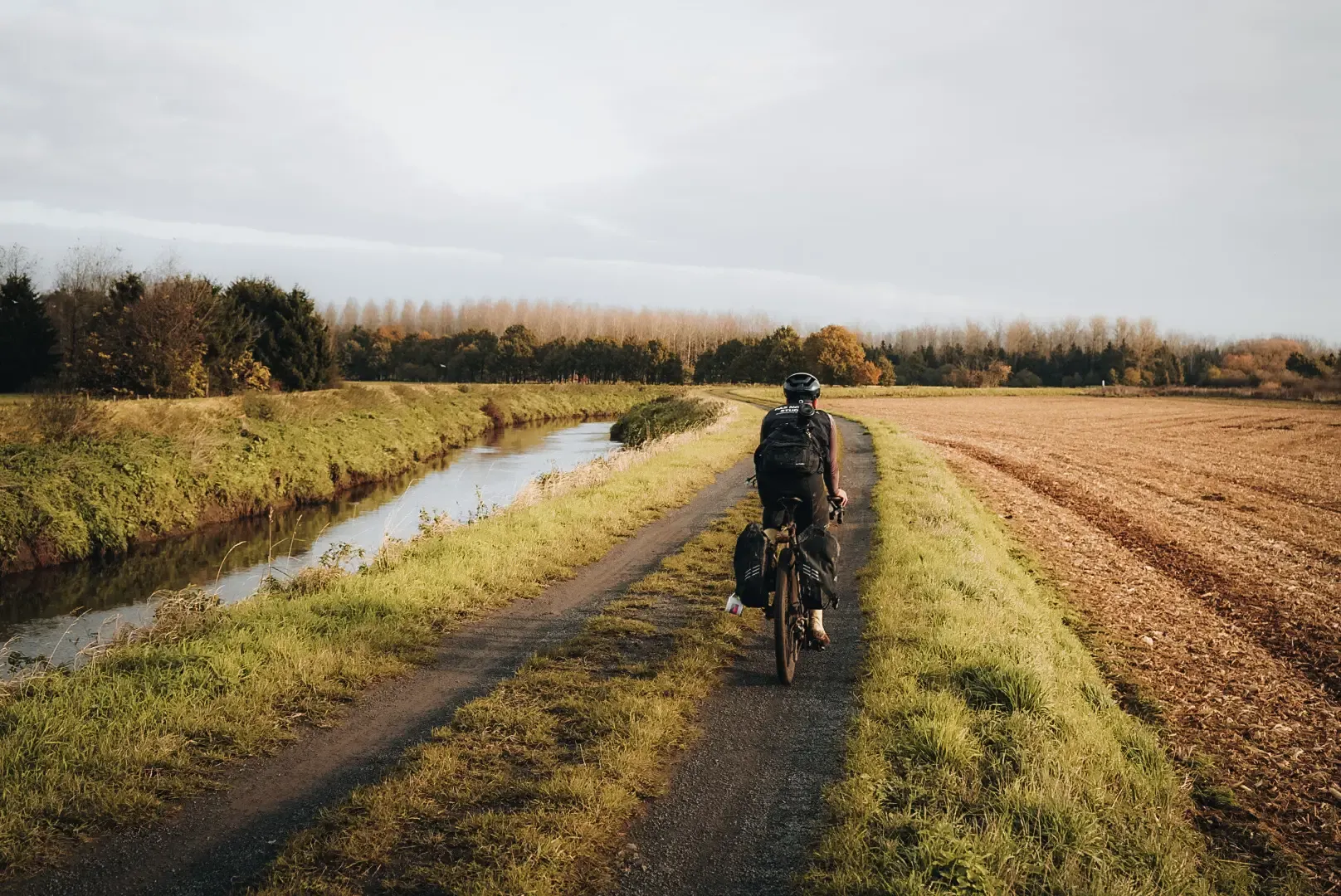
Flanders Divide - Across Flanders
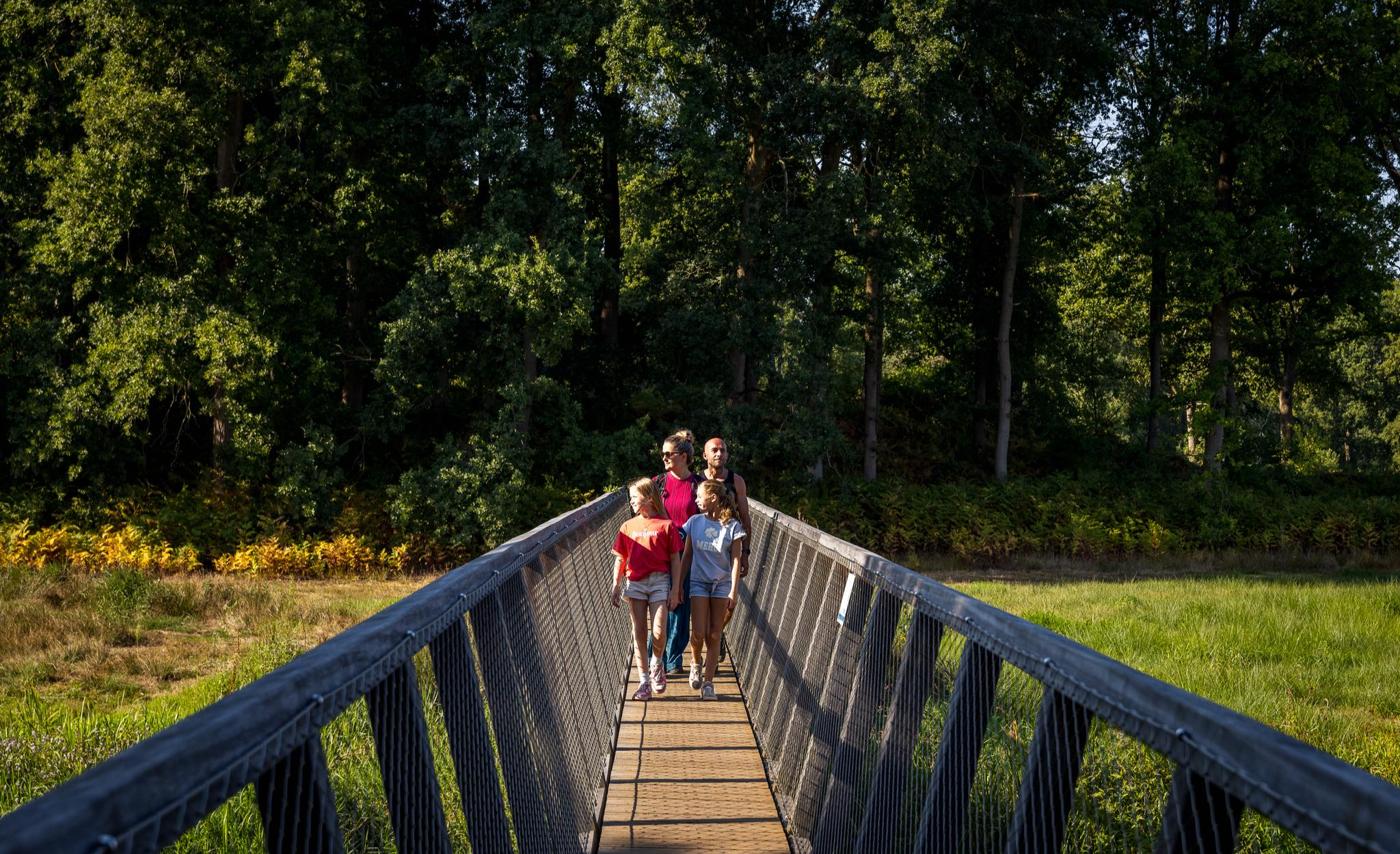
Flanders’ Finest Hiking Routes
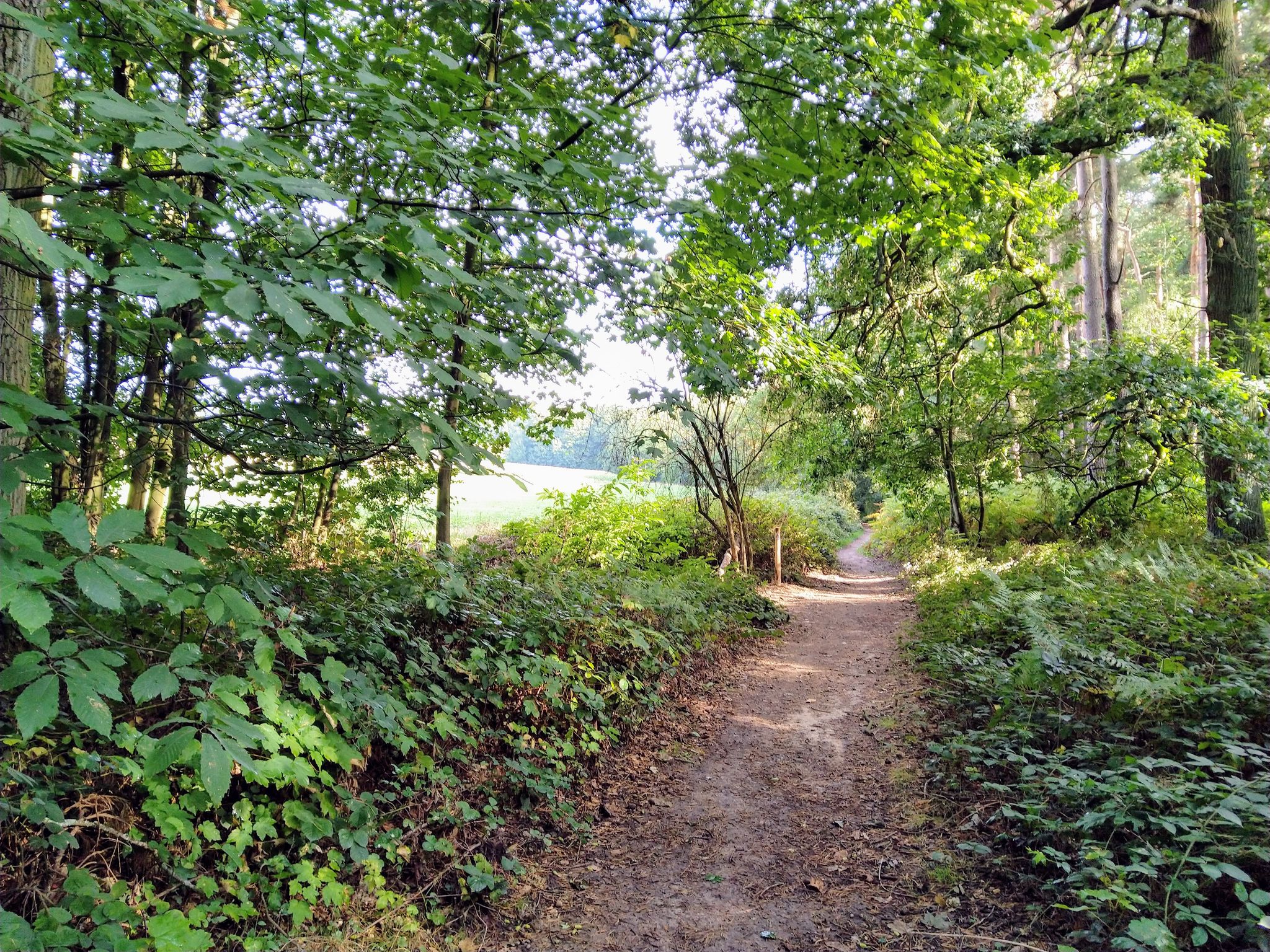
MTB Challenge – the Frans Claes route
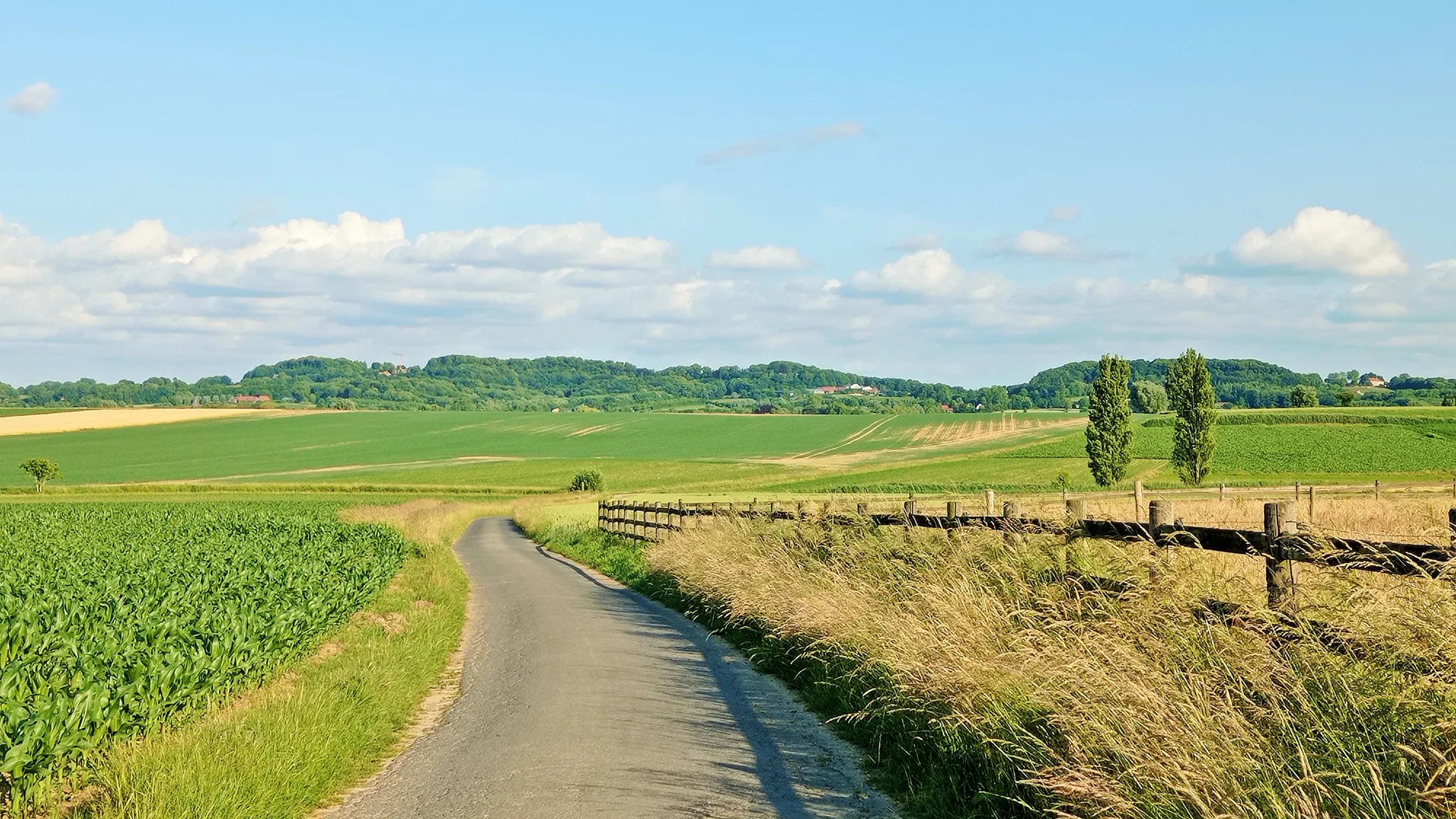
Seven-day Cycling tour through the South-Flemish hills – Hilly Route
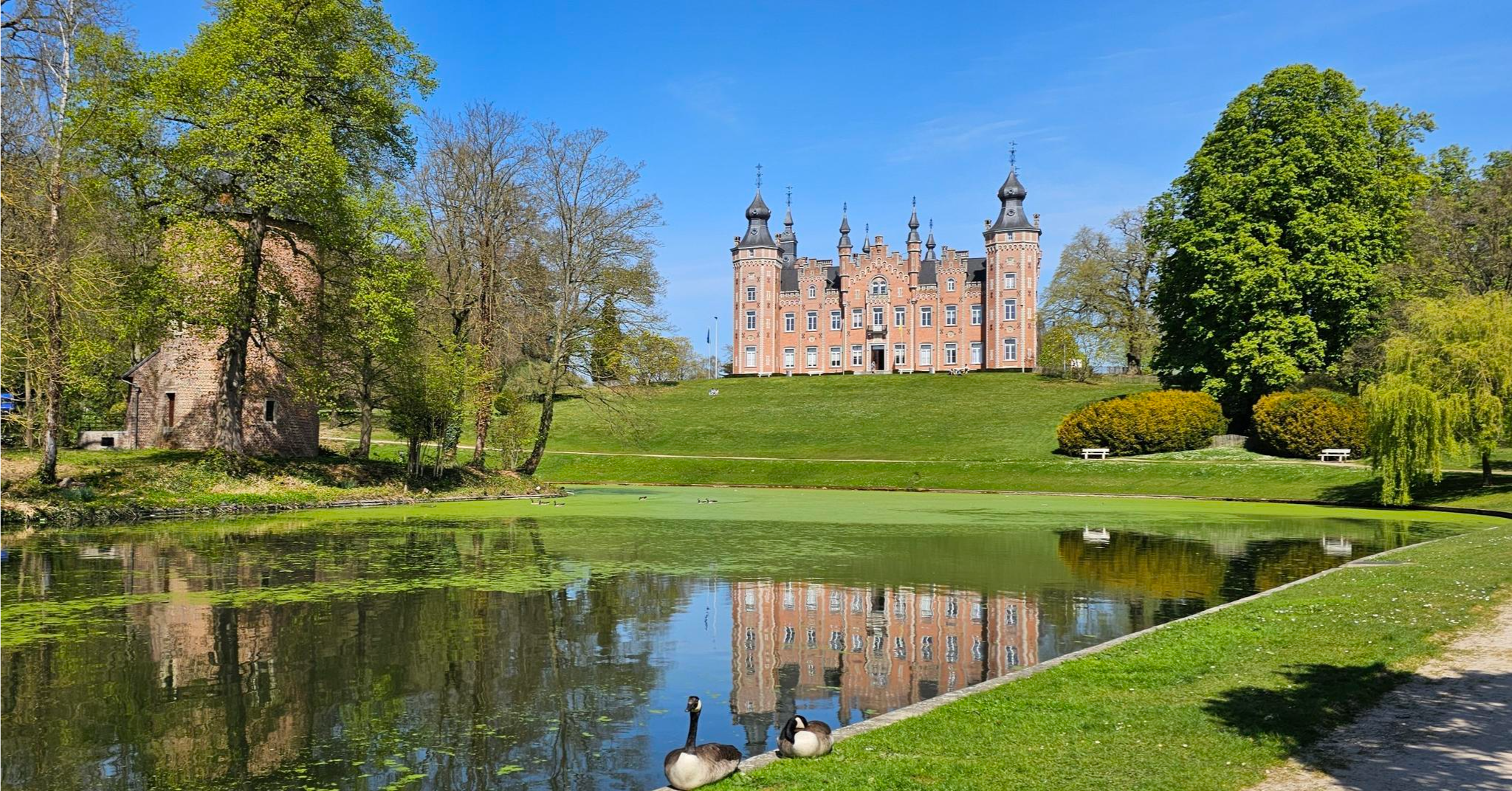
Tour around Brussels – Streek-GR Groene Gordel
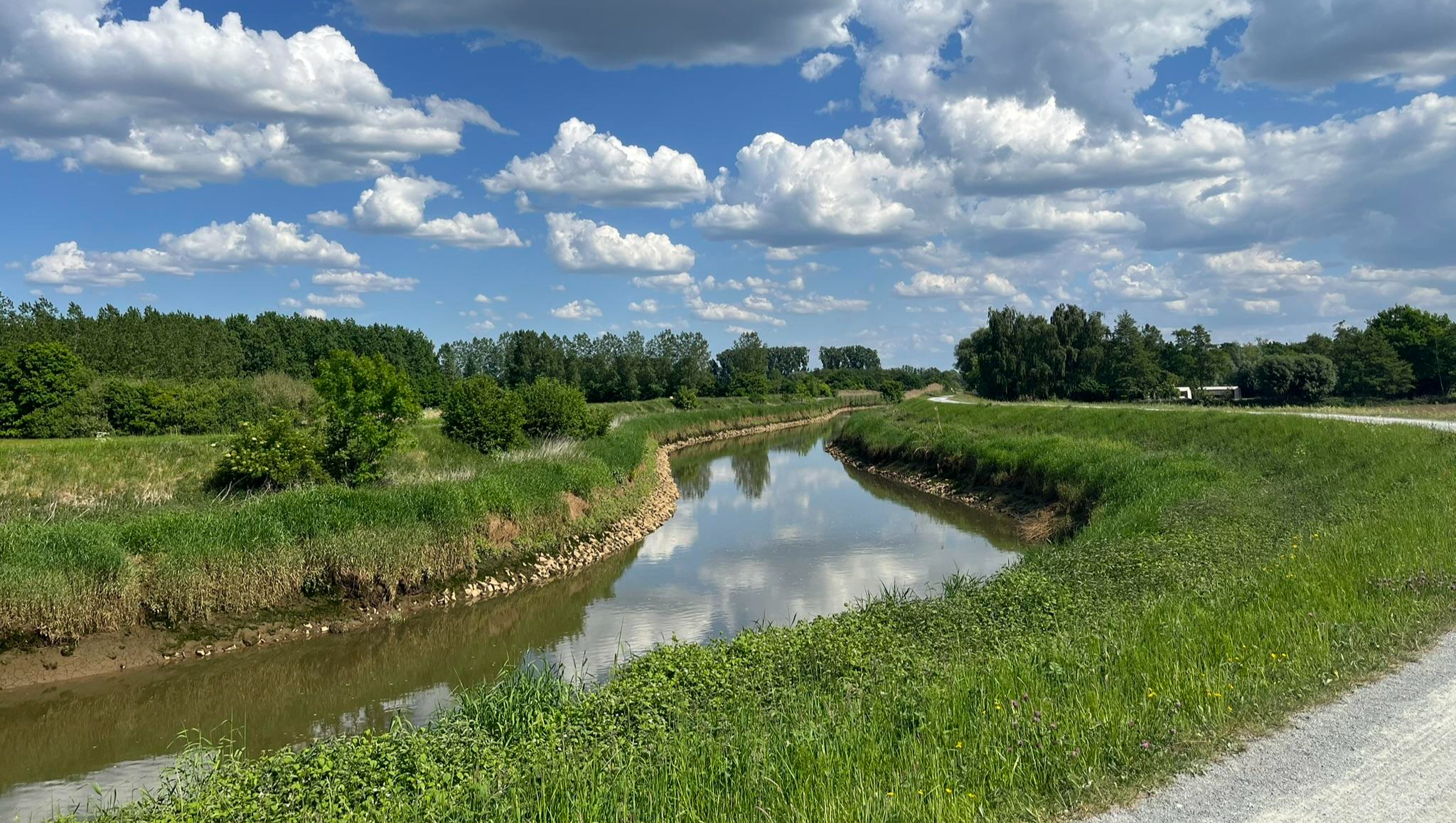
Through the valley of the Dijle – Streek-GR Dijleland
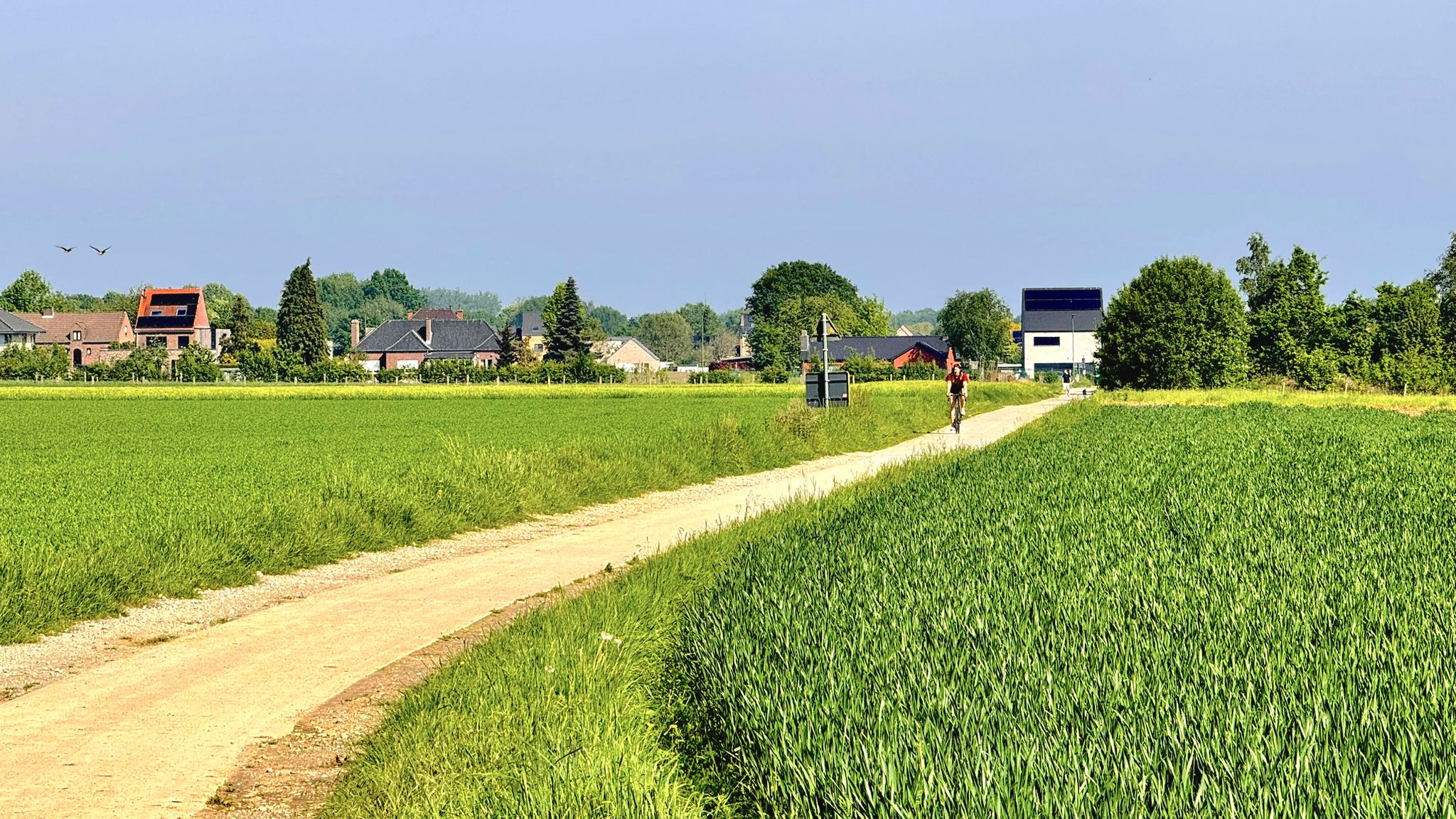
Cycling around Brussels – Green Belt Route
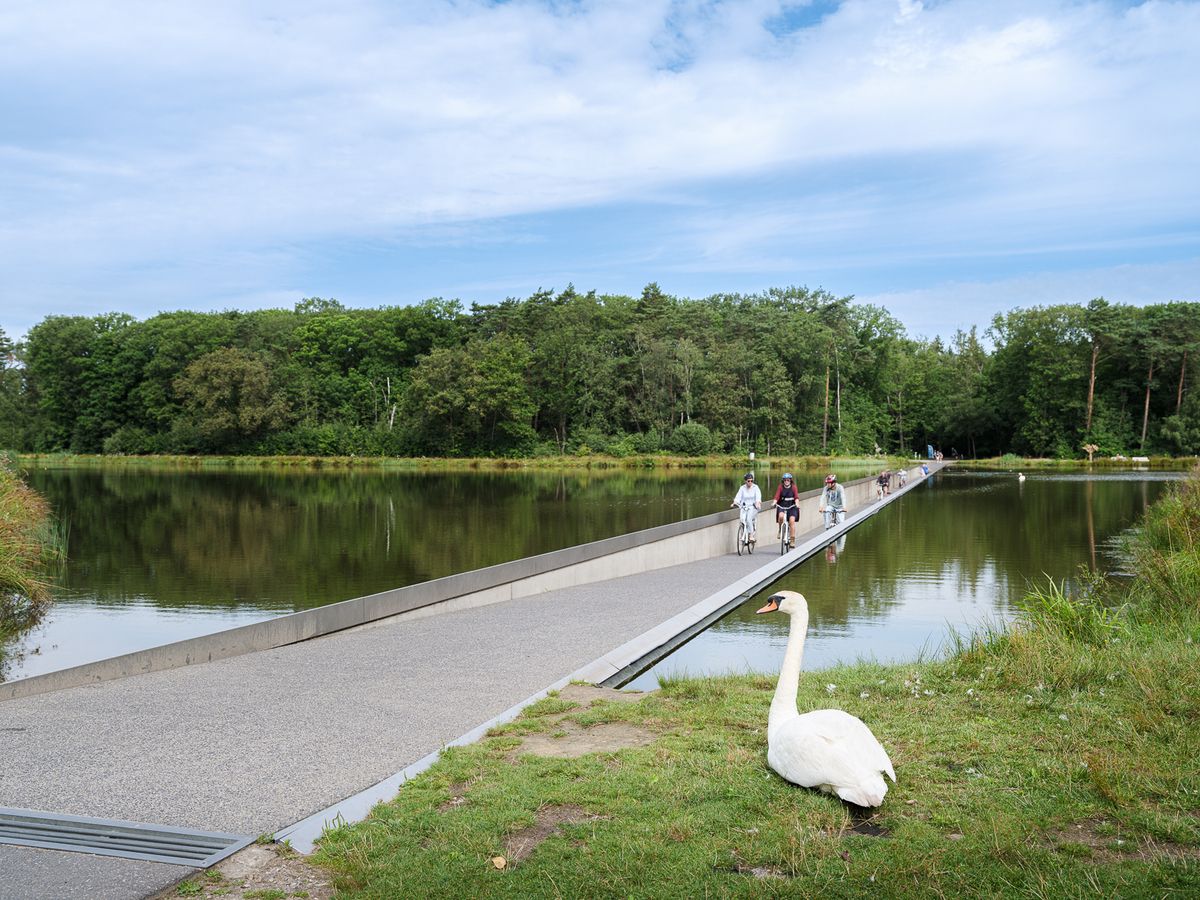
Flanders' Finest Cycle Routes: routes to discover Flemish nature and heritage
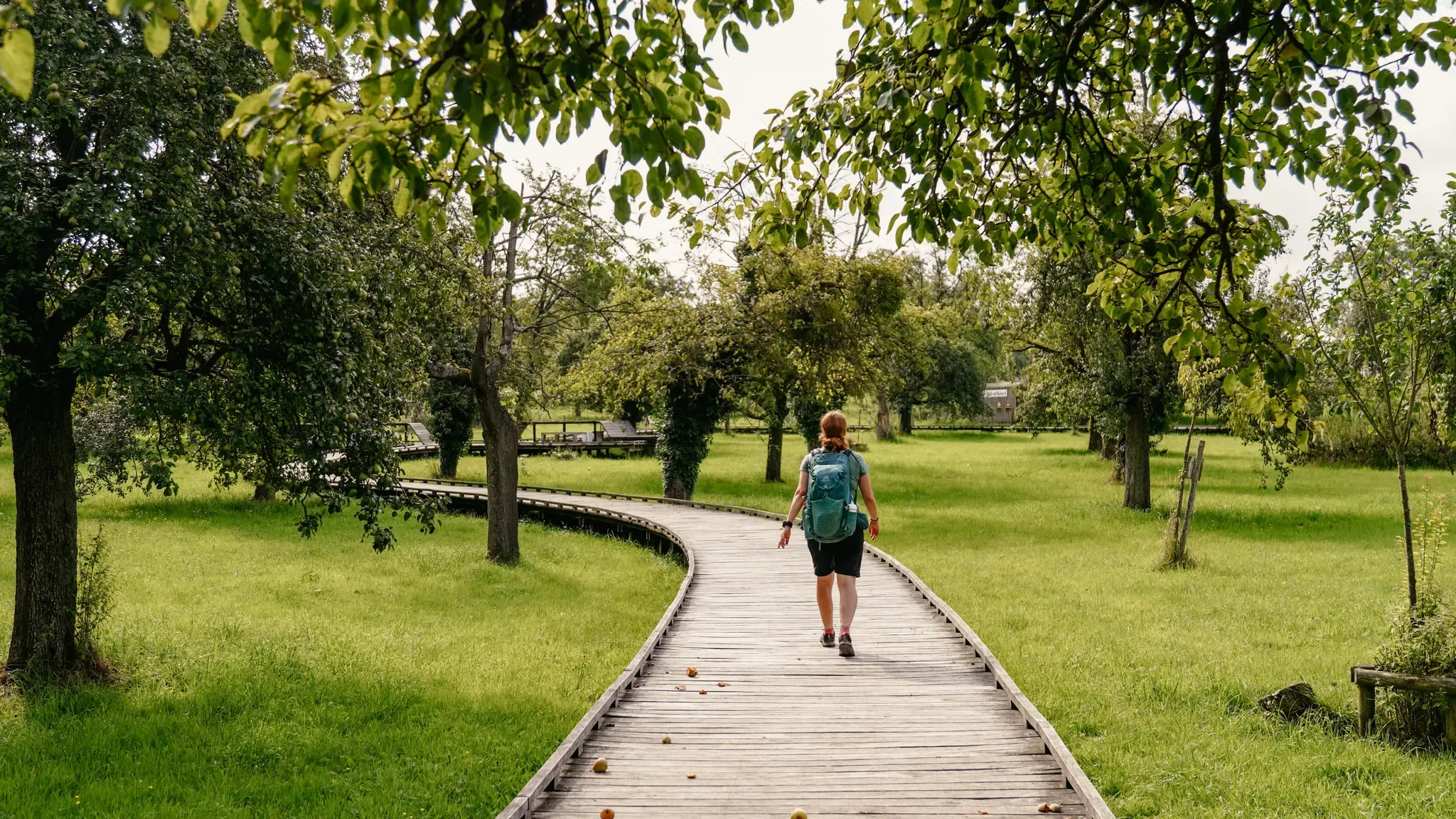
Hiking in Flanders – between dunes, forest and the scenic Meuse
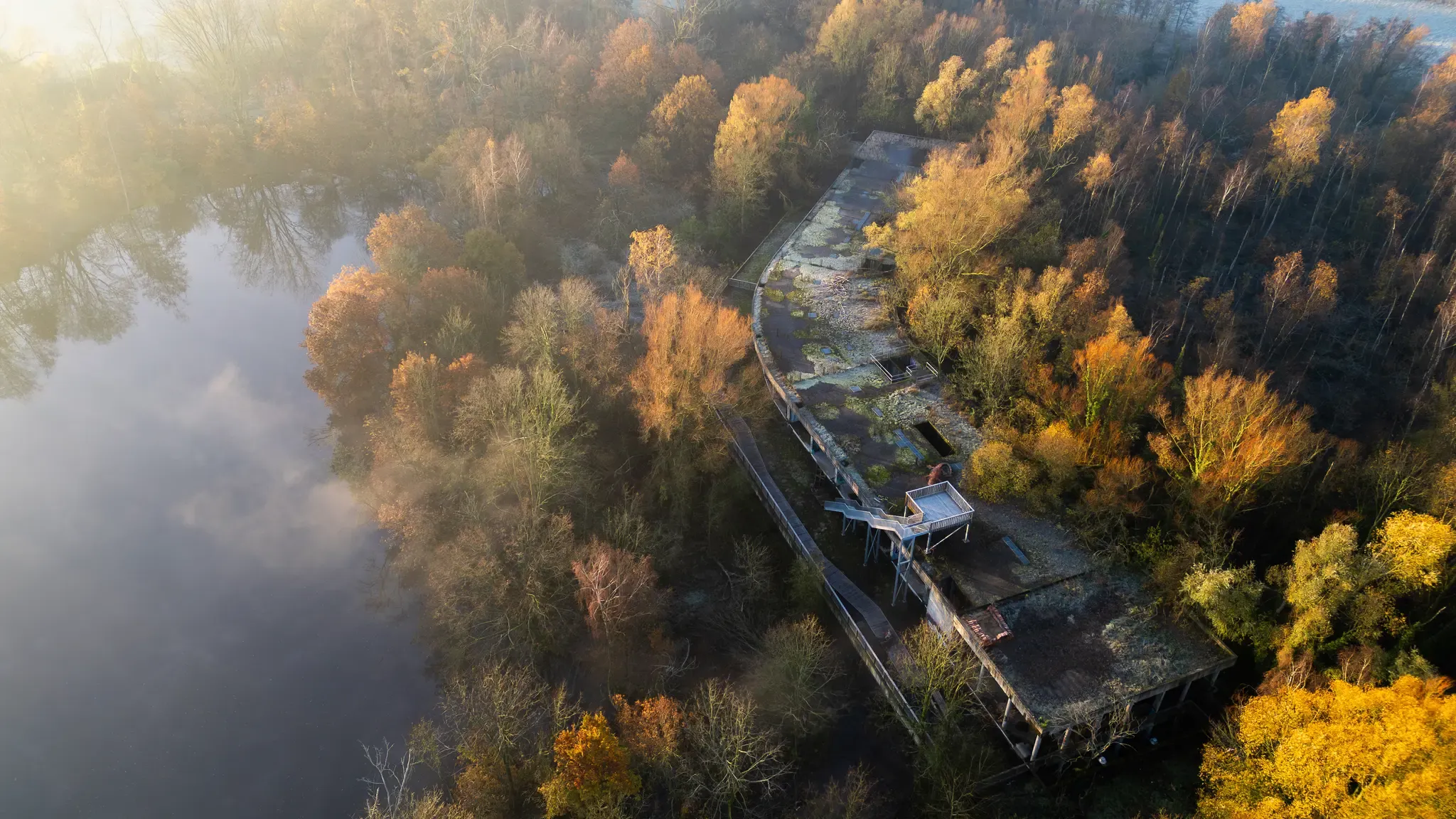
Treinstappers – from station to station in Flanders
Other adventures around Halle-Vilvoorde


Tips from the Community

This charming English landscape-style bridge leads you to a surprising element: a small, hidden grotto. Together they form a playful piece of garden architecture, typical of romantic 19th-century parks. The combination of water, stone, and greenery creates a mysterious and atmospheric place, as if you've discovered a secret passage.
2
0


Nice passage where bats have also found their habitat.
4
0

Cool spot by the pond... And dark...
8
0

The Grotto of Poelk, located at the intersection of Grotstraat and Omloopstraat in the hamlet of Poelk (Roosdaal), is a Marian grotto that is a replica of the famous grotto in Lourdes. Founded in the 19th century by local residents, the grotto was built with sandstone from a demolished castle in the area and the statue of Mary was given a prominent place thanks to a donation from the family of mayor Frans Tondeurs. Since its foundation, the grotto has been a popular place of pilgrimage, where candle processions and Eucharistic celebrations take place every year in May, especially on Ascension Day.
1
0
The bridge cave, also known as the blood caves, is a two-deck gallery bridge over the northern reaches of Walckiers' pond. The bridge still exists today and is constructed as a cyclopean masonry of rough sandstone nodules
8
0

The miracle cave in the Brassinelaan, is full of mementos of "healed" people through the invocation of the saint.....?
0
0

The English Bridge with accompanying cave is located west of the plant palace on Wemmel territory. It was probably realized in the period 1805-1810, when this area was laid out as an English garden, probably after a design by François Verly (1760-1822). In any case, it is indicated on the primitive land registry plan of Wemmel (1821). On the outside, the whole is finished with sandstone tubers, today heavily overgrown with ivy. In the southern side wall of the segmental arch bridge there is a marble high relief presumably representing the resurrection of the phoenix. On the other side a coat of arms with the mention Bon devoir gaigne. Above the entrance to the cave, a coat of arms overgrown with the coat of arms of the Roose family, who were responsible for the English landscaping. (Inventory of Immovable Heritage)
10
0
Frequently Asked Questions
What kind of caves can I expect to find in Halle-Vilvoorde?
Halle-Vilvoorde is primarily known for man-made grottoes and architectural 'caves' rather than natural geological formations. These include religious grottoes and historical features, often built with natural stone or integrated into landscapes.
Are there any natural caves in the Halle-Vilvoorde region?
Significant natural show caves are not found directly within the Halle-Vilvoorde administrative district. The region is part of Flemish Brabant, which is not known for large natural cave systems. For natural caves, you would need to travel to other Belgian provinces, particularly Wallonia.
Which are the most visited 'caves' or grottoes in Halle-Vilvoorde?
Among the most popular are Poelk Grotto, a replica of the Lourdes cave and a pilgrimage site, and the Grotto Chapel of Omloopstraat, which offers a scenic climb and a place for reflection.
Can I visit the Grotten van Folx-les-Caves near Halle-Vilvoorde?
The Grotten van Folx-les-Caves are extensive man-made quarries, not natural caves, located in Walloon Brabant. They are currently not open to the public for general visits, except for educational programs organized with the Archaeological Interpretation Museum of Walloon Brabant.
What are some family-friendly 'caves' or grottoes in Halle-Vilvoorde?
The Poelk Grotto and the Grotto of Our Lady of Justice are considered family-friendly religious sites. Additionally, the English Bridge and Grotto - Meise Botanic Garden offers an interesting historical feature within a botanical garden setting, suitable for families.
Are there any historical 'caves' or grottoes to explore in the area?
Yes, the English Bridge and Grotto - Meise Botanic Garden dates from the early 19th century and features sandstone tubers, noted as a habitat for bats. The Brugkrocht (Blood Caves) is another historical bridge with a cave-like structure.
What outdoor activities can I do near these grottoes in Halle-Vilvoorde?
The region offers various outdoor activities. You can find numerous routes for gravel biking, hiking, and cycling. For example, the 'Lambic and Geuze route' is a popular cycling option.
Where can I find impressive natural caves in Belgium, if not in Halle-Vilvoorde?
For renowned natural caves, you should consider traveling to Wallonia. Popular options include the Neptune Caves in Couvin, known for their underground boat trip; the vast Caves of Han in Han-sur-Lesse, accessible by historic tram; the Caves of Remouchamps with their Rubicon River boat tour; and the pristine Caves of Hotton.
What do visitors appreciate most about the grottoes in Halle-Vilvoorde?
Visitors often appreciate the peaceful and reflective atmosphere of the religious grottoes, such as Poelk Grotto, and the scenic views offered by sites like the Grotto Chapel of Omloopstraat. The historical and architectural interest of features like the English Bridge and Grotto is also highly valued.
Are there any viewpoints associated with the grottoes in Halle-Vilvoorde?
Yes, the Grotto Chapel of Omloopstraat is also a viewpoint. Visitors can expect a scenic climb to reach this chapel, which offers rewarding views of the surrounding area.
Are the grottoes in Halle-Vilvoorde accessible by public transport?
While specific public transport details for each grotto vary, many are located in or near towns with bus connections. For some, like the Grotto Chapel of Omloopstraat, the road can be very narrow, suggesting that personal transport or a combination with walking might be more practical.
What is the best time of year to visit the grottoes and surrounding areas?
The grottoes and their surrounding areas, being mostly outdoor or easily accessible, can be visited year-round. However, spring and autumn offer pleasant temperatures for exploring the outdoor settings and nearby trails, while summer allows for longer daylight hours. Religious grottoes like Poelk Grotto often have special processions in May.
Most popular routes around Halle-Vilvoorde
Most popular attractions around Halle-Vilvoorde

Get inspired with the komoot mobile app


Didn’t find what you were looking for?
Discover more caves around Halle-Vilvoorde region by region:
Explore more
Extend your search for the best caves by checking out these guides of the top ones around Halle-Vilvoorde:
