Top 5 Caves around Scherpenheuvel-Zichem
Best caves around Scherpenheuvel-Zichem are primarily man-made grottoes, reflecting the region's cultural and religious heritage rather than natural geological formations. Scherpenheuvel-Zichem is a municipality in the Belgian province of Flemish Brabant, known for its pilgrimage site status centered around the Basilica of Our Lady of Scherpenheuvel. The landscape typically features gentle hills and agricultural areas, with specific sites offering unique historical and spiritual points of interest. These grottoes provide quiet spaces for reflection and are often integrated into local parks…
Last updated: August 10, 2026
Park Cerckel: Historic Gate, Grotto, and Iron Bridge
Highlight • Historical Site
The park was later laid out by the brewing family of Cerckel Brewery.
It was opened …
Translated by Google •
Tip by

Grotto of the Virgins of Brustem
Highlight • Religious Site
Translated by Google •
Tip by

Sign up now to discover places like this
Get recommendations on the best single tracks, peaks, & plenty of other exciting outdoor places.
Sign up for free
Eikelberg Lourdes Grotto
Highlight • Religious Site
Translated by Google •
Tip by

Lourdes Grotto Tielt-Winge
Highlight • Religious Site
Translated by Google •
Tip by

Weg der Ringenpan Grotto
Highlight • Cave
Translated by Google •
Tip by

Start today with a free account
Your next adventure awaits.
Login or Signup
Popular around Scherpenheuvel-Zichem
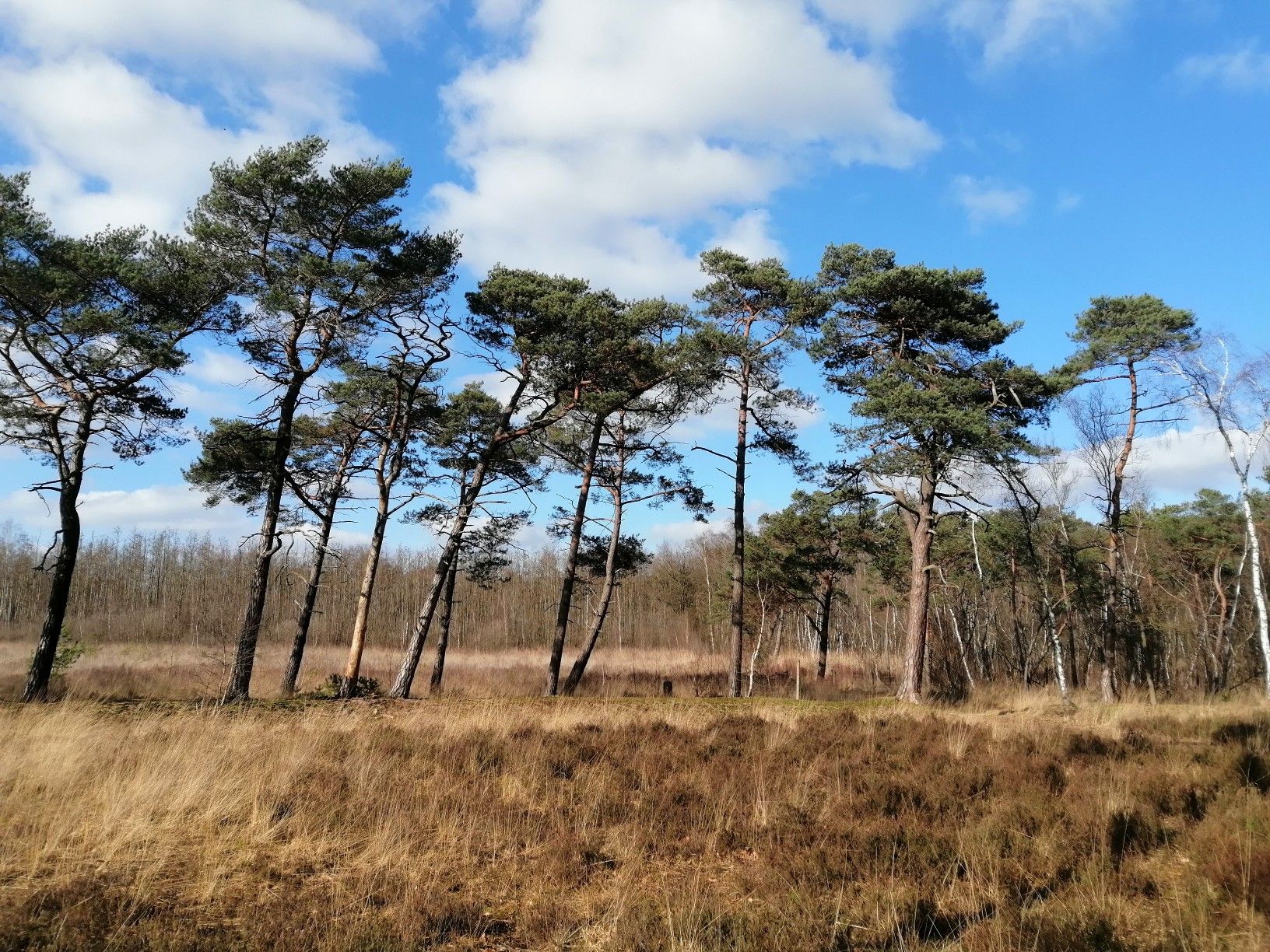
From Flanders to the Ardennes — GR 5 in Belgium
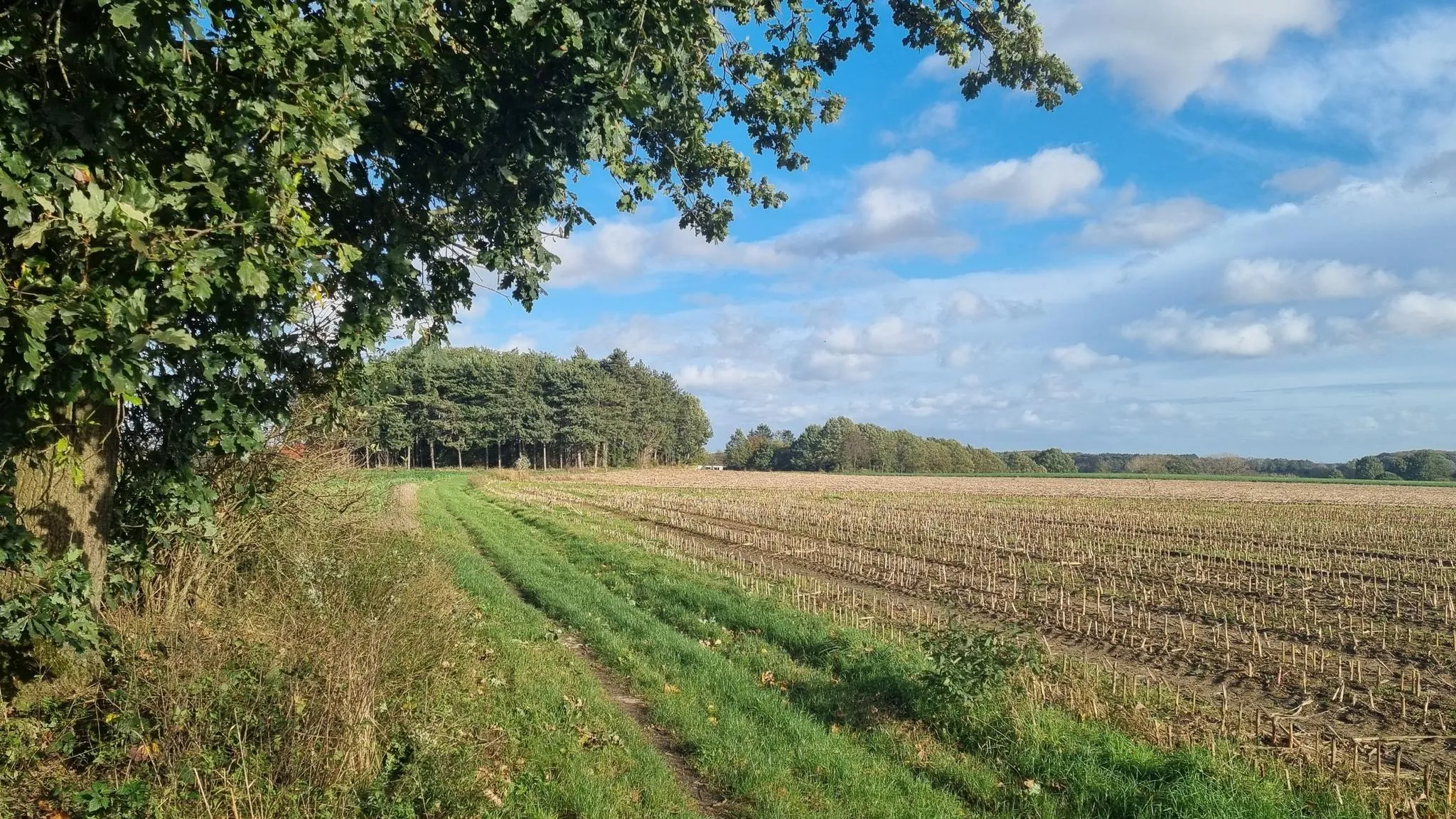
Streek-GR Hageland – Hollow roads and endless fields
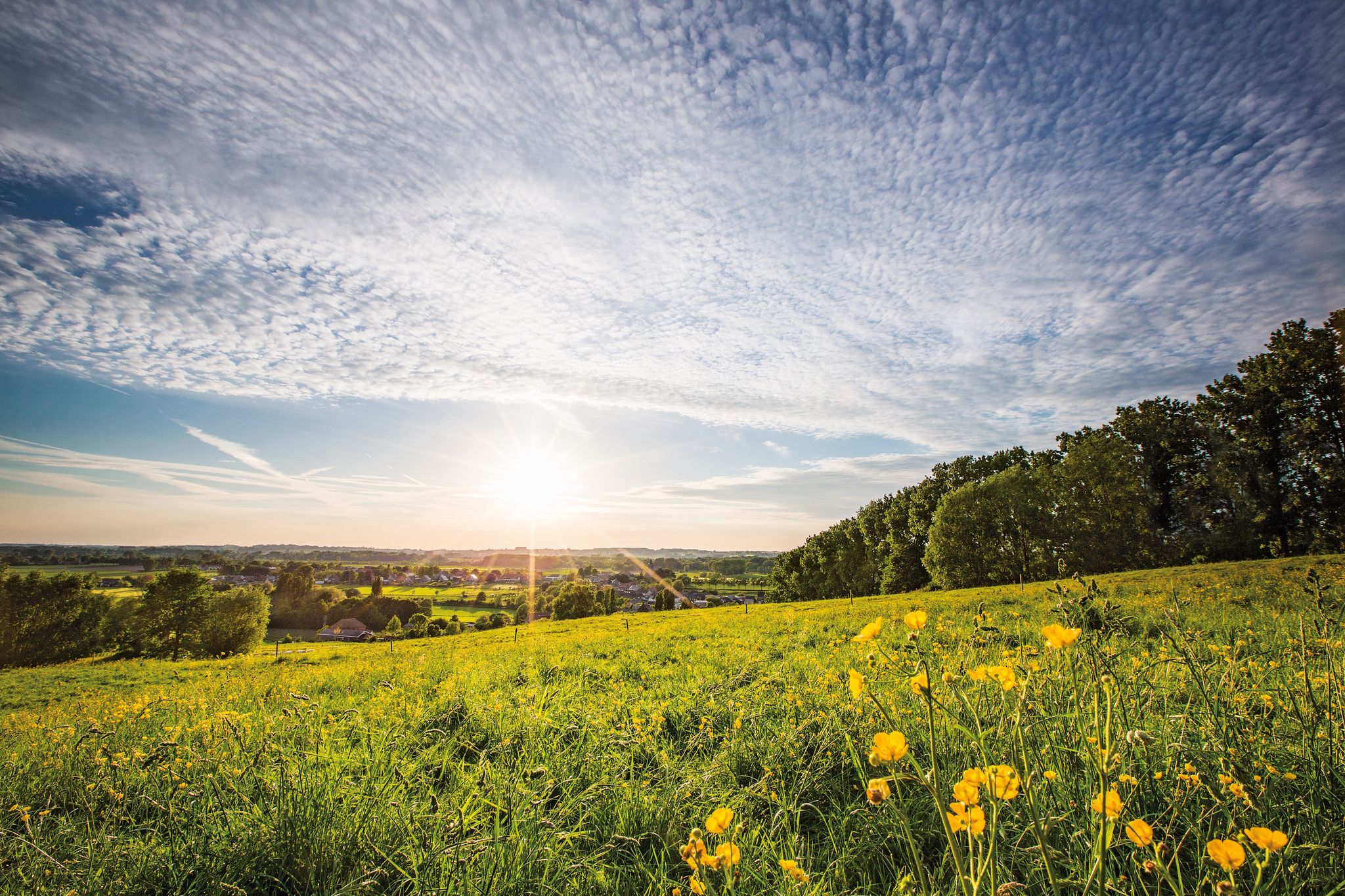
Belgium's best – the most beautiful hiking routes in Flanders
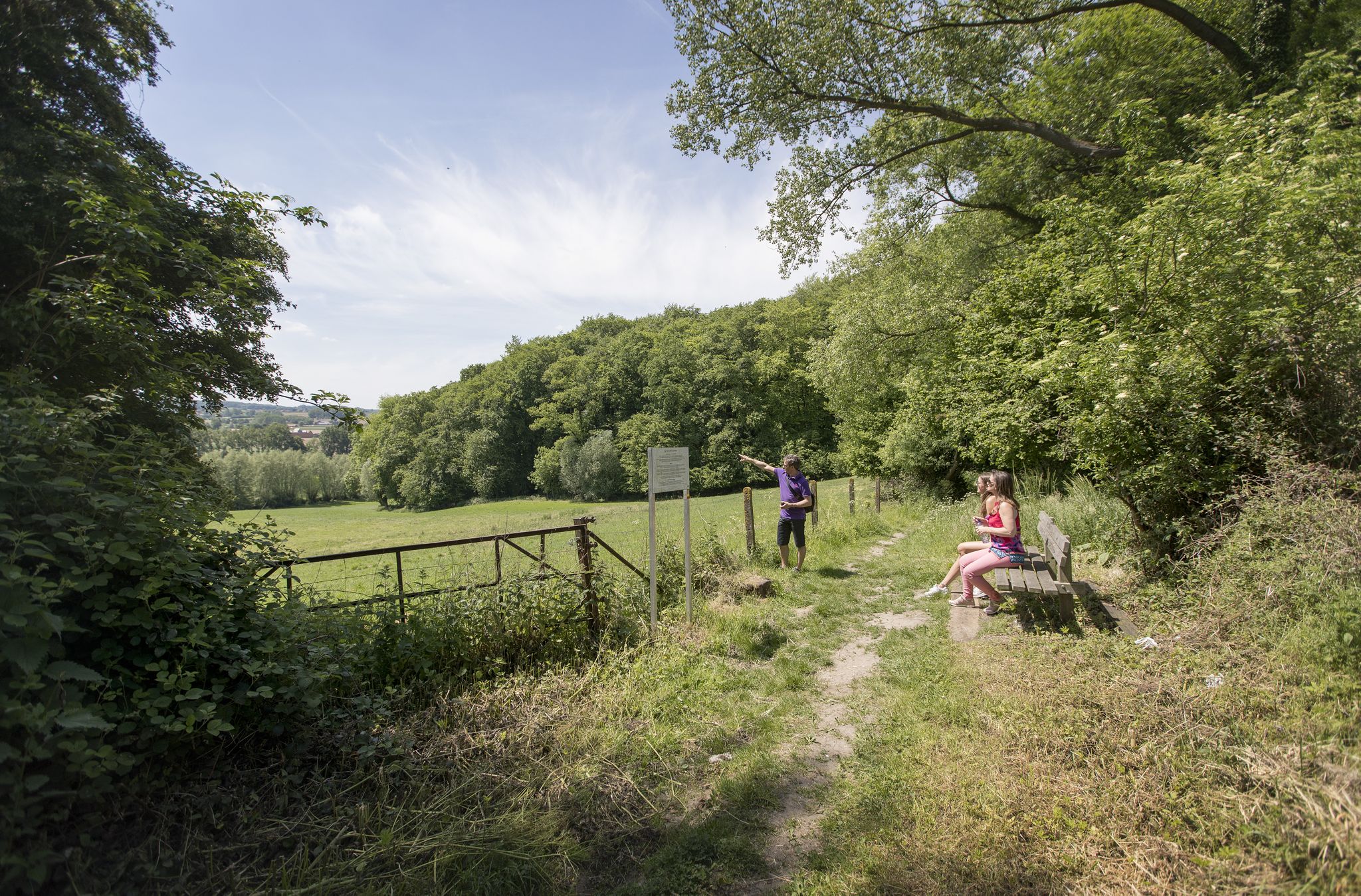
Belgium's Flanders region — the new hiking destination
Hiking around Scherpenheuvel-Zichem
MTB Trails around Scherpenheuvel-Zichem
Road Cycling Routes around Scherpenheuvel-Zichem
Cycling around Scherpenheuvel-Zichem
Running Trails around Scherpenheuvel-Zichem
Gravel biking around Scherpenheuvel-Zichem
Other adventures around Scherpenheuvel-Zichem


Tips from the Community

Lourdes grotto at the foot of the Eikelberg.
0
0

The Lourdes Grotto was built by the late Jef Van Dessel, a former Aarschot police officer. He cycled from Aarschot to Lourdes several times. From the book "The Little Houses of Aarschot": This collection of grottoes and chapels is located on the property adjacent to Grotstraat and Kleine Grotstraat... This busy pilgrimage site, which dates back to 1954, can be entered through an iron gate... The plot is demarcated with gray-painted concrete slabs and a wire fence at the rear. Within this fence, trees and shrubs are scattered throughout. Pilgrims can use the numerous seating areas arranged in a theater-like fashion. At the front right of the property is the grotto of Our Lady of Lourdes. A Calvary, also arranged in the form of a grotto, stands centrally on the property. To the left of the Calvary is the chapel of the Brustem Sisters, and to the right is the semi-open chapel of St. Rita. This and more can be found at https://lourdesgrotten.com/2008/11/20/aarschot-grotstraat-20-11-8/
9
0
Park Cerckel, in the Michel Theysstraat, breathes almost 800 years of history. In 1228, the order of the Friars Minor, one of the oldest monastic communities in Diest, established itself on the banks of the Demer. A large part of Diest was destroyed in 1580 by the troops of William of Orange, including the Friars Minor monastery. Soldiers robbed the tomb of Anna van Lotharingen (wife of René van Chalon). She was later reburied by the city council in the Sint-Sulpitius church. After 3 years of exile, the Friars Minor returned and started rebuilding. At the end of the 18th century, the monastery was sold publicly by the French, which meant the end for the Friars Minor in Diest. Only the infirmary and the round-arched gate were preserved. During the 19th century, the beer industry in Diest experienced strong growth. Brewery family Pieck - later Cerckel - bought about half of the monastery domain and transformed it into a beautiful pleasure garden. The vegetable gardens became a pond with a beautiful wrought iron bridge, the former monastery infirmary was converted into a garden pavilion with an orangery in its extension. When Brewery Cerckel disappeared, the beautiful city garden also fell into disrepair. In 1990, the city of Diest bought the park. With the renovation of the pond, bridge, cave and round arch gate, the park has welcomed the public again since April 2011. The infirmary and orangery are also being restored to their former glory. Source: https://www.diest.be/vrije-tijd/sport/wandelen/park-cerckel
0
0
The park needs a bit of maintenance after the long works in the area, including the adjacent hospital. But that is coming. Some things have already been restored. And something beautiful is coming: they are busy renovating the old infirmary, conservatory and orangery. That will be beautiful.
6
3
Mary's cave located on the southern slope of the Eikelberg surrounded by trees in the protected nature reserve "De Eikelberg". The cave was founded in 1954 (see date on the altar: "KWB/ 1954") by the "Christian Workers Movement". The construction of the Marian Grotto took place during the last revival of the construction of Lourdes Grottoes in the 1950s-1960s. The placement took place at the insistence of Pastor Bax in consultation with the board of the workers' union. The then mayor of den Eynde de Rivieren made land available. According to the literature, the material for the construction would come from the broken up road in Putkapel (Wilsele), possibly cheap demolition material was used in the core of the cave. The dedication took place on August 15, 1954. The cave is made of irregular Walloon natural stone blocks and is 5 meters high and 13 meters wide. Top right Marianis with simple statue of Mary. The altar in the niche consists of a bluestone slab on white natural stone supported by two white natural stone pedestals. Triangular bluestone shield under altar with inscription: "KWB/ 1954". On an old postcard there is an image of Bernadette Soubirou to the left in front of the cave as well as some simple benches, image disappeared today. Immovable Heritage Inventory: Marian Caves, https://id.erfgoed.net/themas/17293
5
1

Not really a highlight for me. But it is in the middle of the forest and in front of it there is a bench to rest on.
2
0

Feel like reflecting, then you're in the right place...
7
3

Here you can take a moment of reflection, sitting on a bench.
6
1
Frequently Asked Questions
What kind of 'caves' can I expect to find around Scherpenheuvel-Zichem?
The 'caves' in Scherpenheuvel-Zichem are primarily man-made grottoes, often with religious or historical significance, rather than natural geological formations. They offer quiet spaces for reflection and are integrated into local parks or religious sites.
Are there any natural cave systems near Scherpenheuvel-Zichem?
While Scherpenheuvel-Zichem itself does not feature natural cave systems, the broader Belgian region, particularly the Ardennes, is home to impressive natural caves. Notable examples include the Caves of Han, Hotton Caves, and the Caves of Remouchamps, which offer extensive geological formations and underground river experiences. You can learn more about the Caves of Han at visitardenne.com.
Which grottoes are popular among visitors in Scherpenheuvel-Zichem?
Among the most popular grottoes is Park Cerckel: Historic Gate, Grotto, and Iron Bridge, known for its historical context within a public park. Other well-regarded sites include the Grotto of the Virgins of Brustem and Lourdes Grotto Tielt-Winge, both significant religious pilgrimage sites.
Are the grottoes around Scherpenheuvel-Zichem suitable for families?
Yes, many of the grottoes are considered family-friendly. For instance, Park Cerckel: Historic Gate, Grotto, and Iron Bridge is located within a public park, offering space for children. The Grotto of the Virgins of Brustem and Eikelberg Lourdes Grotto also welcome families, providing peaceful settings for reflection.
What historical insights can I gain from visiting these grottoes?
The grottoes often have rich historical backgrounds. Park Cerckel: Historic Gate, Grotto, and Iron Bridge, for example, contains remains of a Franciscan monastery dating back to 1228. The Lourdes Grotto Tielt-Winge was constructed in 1878 by Maria Theresia Van Geertruyden and later entrusted to the local church factory, preserving a piece of local heritage.
What do visitors appreciate most about the grottoes in Scherpenheuvel-Zichem?
Visitors frequently enjoy the peaceful and reflective atmosphere these sites provide. Many find them to be ideal spots for quiet contemplation, as highlighted by tips for the Eikelberg Lourdes Grotto, where you can take a moment of reflection on a bench. The historical and religious significance also adds to their appeal.
Are there any grottoes that are particularly known for their religious significance?
Yes, several grottoes are prominent pilgrimage sites. The Grotto of the Virgins of Brustem, established in 1954, is a busy pilgrimage site with numerous seating areas. Similarly, the Lourdes Grotto Tielt-Winge and the Eikelberg Lourdes Grotto are cherished places for prayer and tranquility.
What outdoor activities can I do near the grottoes in Scherpenheuvel-Zichem?
The region around Scherpenheuvel-Zichem offers various outdoor activities. You can find numerous cycling routes, such as the 'Demer Valley Dike Path – Vlooyberg Tower loop' or the 'Tongerlo Abbey – De Merode Castle, Westerlo loop'. For hiking, popular trails include the 'Averbode Forest and Heath Loop' and the 'Gerhagen Silence Path'. More details on these routes can be found in the Cycling around Scherpenheuvel-Zichem and Hiking around Scherpenheuvel-Zichem guides.
Is there a grotto that is more integrated with nature?
The Eikelberg Lourdes Grotto is situated on the southern slope of the Eikelberg, surrounded by trees within the protected nature reserve "De Eikelberg," offering a serene natural setting for reflection.
Are there any grottoes that are less about religious pilgrimage and more about general interest?
While many grottoes have religious ties, Park Cerckel: Historic Gate, Grotto, and Iron Bridge offers a broader appeal. It's a historical site within a public park, featuring a 'love cave' and remnants of an old monastery, making it interesting for those seeking history and a pleasant outdoor space.
What is the best time of year to visit the grottoes in Scherpenheuvel-Zichem?
As most grottoes are outdoor or semi-open sites, visiting during spring, summer, or early autumn generally provides the most pleasant experience. The weather is typically milder, allowing for comfortable exploration of the surrounding parks and grounds.
Most popular routes around Scherpenheuvel-Zichem
Most popular attractions around Scherpenheuvel-Zichem

Get inspired with the komoot mobile app


Explore more
Extend your search for the best caves by checking out these guides of the top ones around Scherpenheuvel-Zichem:
