Top 20 Lakes around Berchem-Sainte-Agathe - Sint-Agatha-Berchem
Best lakes around Berchem-Sainte-Agathe - Sint-Agatha-Berchem offers natural areas featuring ponds, wetlands, and streams. This region provides green spaces within an urban environment. Notable areas include the Bois du Wilder and Scheutbos, which contribute to the local biodiversity. These sites offer opportunities for nature walks and appreciation of diverse flora and fauna.
Best lakes around Berchem-Sainte-Agathe - Sint-Agatha-Berchem
- The most popular lakes is Paddebroeken Nature Reserve, an other natural area where wet meadows and forest form a small nature…
Last updated: May 19, 2026
Leopold Park
Highlight • Natural
Translated by Google •
Tip by

Paddebroeken Nature Reserve
Highlight • Natural
Translated by Google •
Tip by

Sign up now to discover places like this
Get recommendations on the best single tracks, peaks, & plenty of other exciting outdoor places.
Sign up for free
Springs Park
Highlight • Forest
Translated by Google •
Tip by

Beverbos Nature Reserve
Highlight • Forest
Translated by Google •
Tip by

Josaphat Park
Highlight • Natural
Translated by Google •
Tip by
Sign up for free to discover even more lakes around Berchem-Sainte-Agathe - Sint-Agatha-Berchem.
Sign up for free
Already have an account?
Start today with a free account
Your next adventure awaits.
Login or Signup
Popular around Berchem-Sainte-Agathe - Sint-Agatha-Berchem
MTB Trails around Berchem-Sainte-Agathe - Sint-Agatha-Berchem
Cycling around Berchem-Sainte-Agathe - Sint-Agatha-Berchem
Road Cycling Routes around Berchem-Sainte-Agathe - Sint-Agatha-Berchem
Hiking around Berchem-Sainte-Agathe - Sint-Agatha-Berchem

Gravel biking around Berchem-Sainte-Agathe - Sint-Agatha-Berchem
Running Trails around Berchem-Sainte-Agathe - Sint-Agatha-Berchem
Tips from the Community

The Beverbos is a nature reserve in the province of Flemish Brabant in Belgium, located along the Maalbeek between Wemmel and Strombeek-Bever. The name Beverbos refers to the hamlet of Bever and the Hof te Bever, which are located along the Maalbeek valley. The Lees(t)beek flows into the Maalbeek on the southwestern edge of the forest. The Beverbos consists largely of alder swamp forest, marshland with reed beds and marshy meadows. The marshy soils are kept wet by sources with clear, calcareous water, which is why the area was considered unsuitable for arable farming in the past. As a result, the area has managed to retain vegetation including arum, marsh marigold, yellow iris, water plantain, bur-reed and Solomon's seal. Various species of amphibians can be found in the marshy areas, such as the brown frog, common toad, alpine newt and common newt. The reed beds provide shelter for the grasshopper warbler and the marsh warbler. The higher wooded areas are home to woodpeckers, birds of prey such as buzzards and hobby, and various species of small songbirds. A relative newcomer is the ring-necked parakeet, an exotic species that competes for nesting holes with native breeding birds such as nuthatches and woodpeckers. The forest has been managed by Natuurpunt since 2003 and is part of the "Green Corridor" project with which the province of Flemish Brabant wants to work on nature restoration and nature connectivity in the northwest of the province.
1
0

Bucolic place, best done in good weather...
0
0

A veritable green lung in the heart of the municipality of Schaerbeek, the park is part of a vast urban planning project at the end of the 19th century. The galloping urbanization that the town was experiencing at the time represented a real threat to the rural valley of Josaphat, the owners of the estates that made it up being tempted to convert their plots into building land. Not without difficulty, the municipality gradually acquired these lands to convert them into a public promenade inaugurated in 1904. Subsequently, Josaphat Park will be gradually enlarged and landscaped by landscape architect Edmond Galoppin, works inspector for the municipality of Schaerbeek. The park is divided into three main parts: the historic English-style park which revolves around three ponds, the large lawns and the playground area with various sports facilities.
3
0
The park owes its name to the many springs that feed its pond. Former domain of the Solvay family, the park was landscaped in the English style at the beginning of the 20th century and endowed with a small castle, out of sight in the abundant green flora of the site, which will serve as a residence for the family. Solvay. On the death of Louis Solvay, the park was partly taken over by the Blaton family with the intention of developing a real estate project there, a project that would never see the light of day. The commune of Woluwe-Saint-Lambert acquired the other part and transformed it into a public park. A true ecological node with reed bed, pond, stream, humid forest and dry forest, the entire park has been classified as a nature reserve since 1994.
3
0

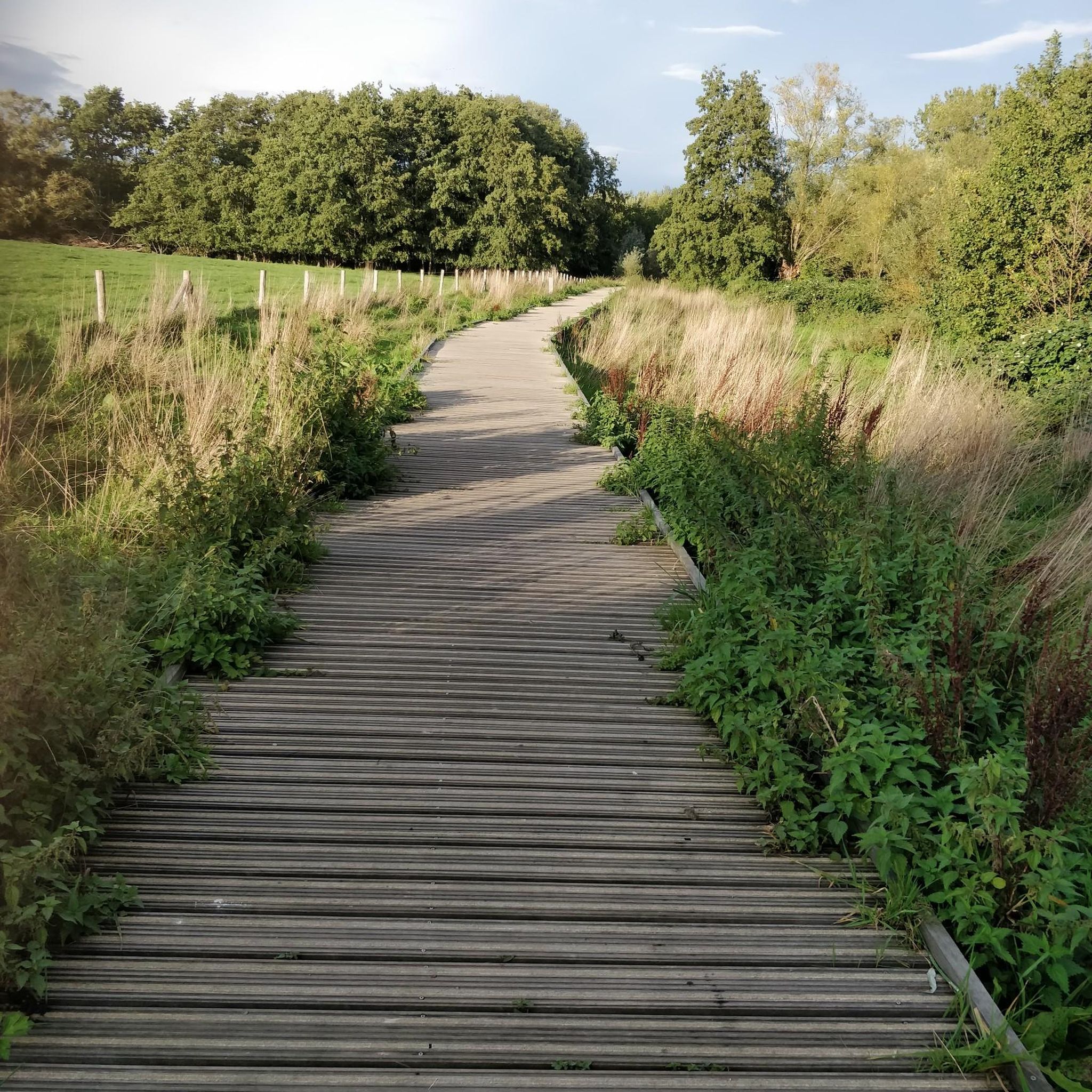
Beautiful path through the still young forest.
3
3

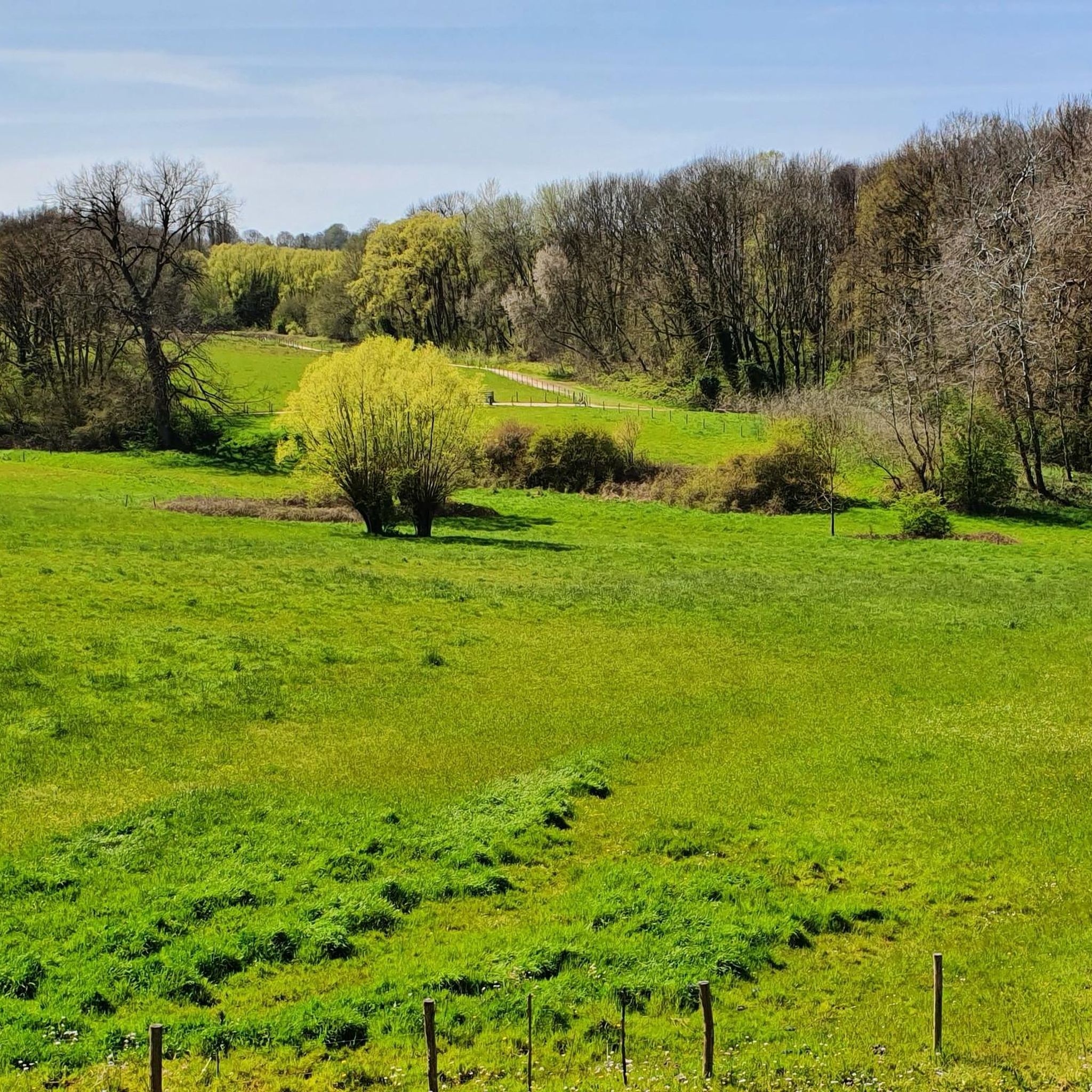
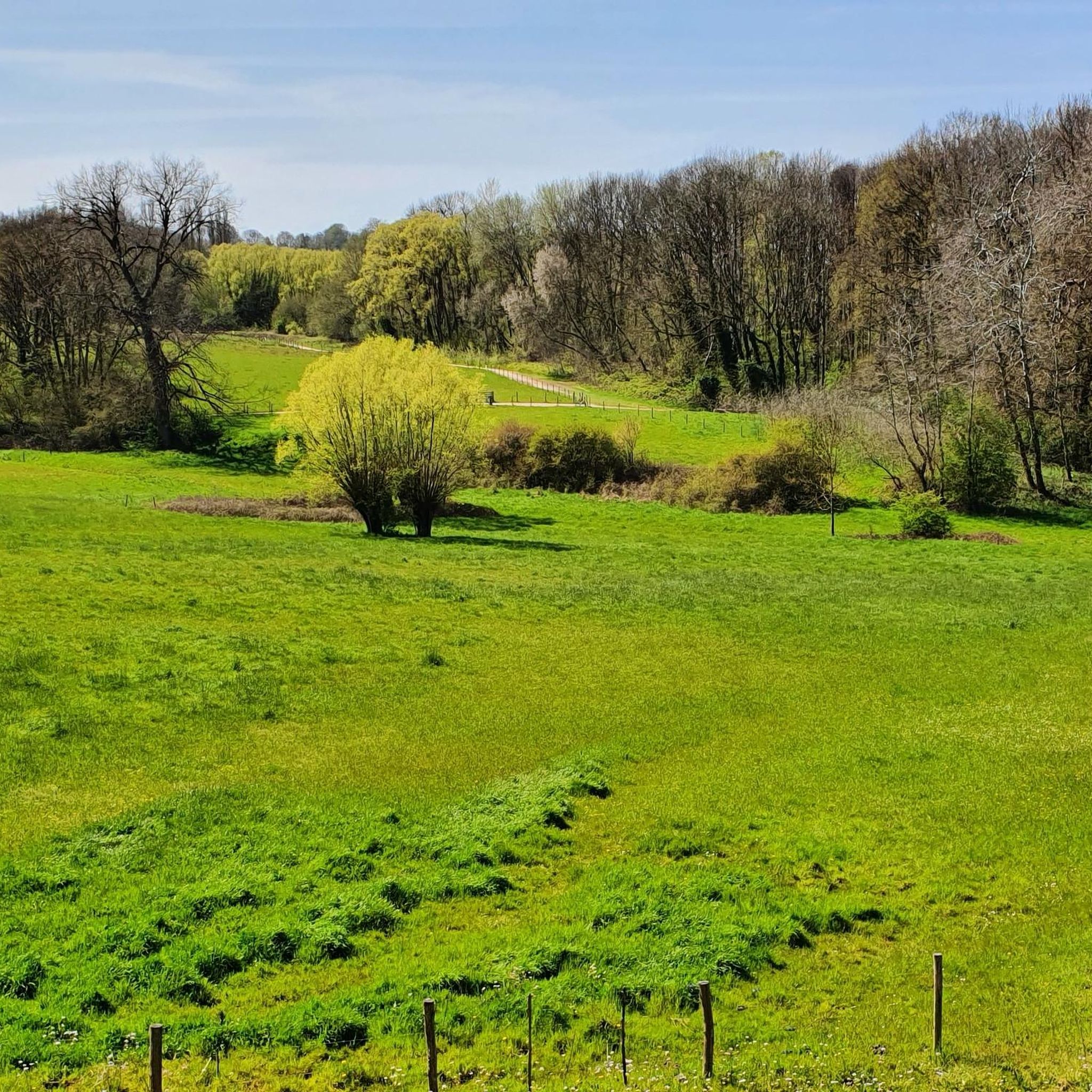
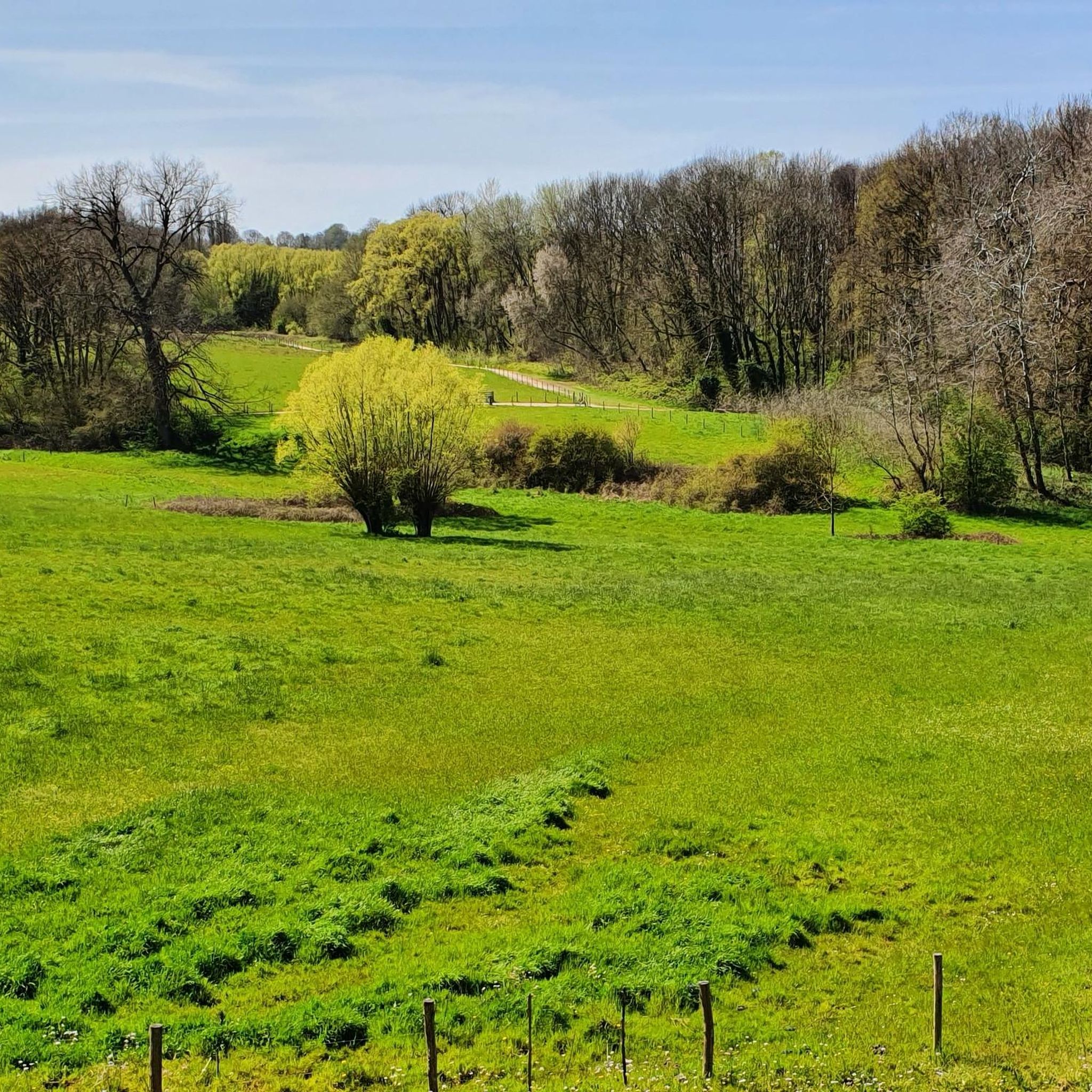
The name Paddebroeken dates back to the 15th century and means a wide piece of land between two furrows, located in a brook or wet forest. This meaning describes the nature reserve well: a sloping meadow varying from fairly wet to wet, located on the Wedbeek, with vegetation on the banks of the stream. Further on is a smaller piece of forest on the stream. (Natural point)
10
0
A toad pool or amphibian pool is a small pool that is locally at least one meter deep and where the conditions are suitable for the reproduction of frogs, toads and salamanders. The pool and its surroundings are also a suitable living environment for some other animals, such as dragonflies. (Wikipedia)
10
0

A very beautiful park with a large pond on which many waterfowl cavort. In the park there is a small castle in which the permanent. Representation of the federal state of Bavaria is housed.
5
0
Frequently Asked Questions
What kind of water features can I find around Berchem-Sainte-Agathe - Sint-Agatha-Berchem?
While the region doesn't feature large recreational lakes, you'll discover beautiful natural areas with ponds, wetlands, and streams. These provide valuable green spaces within the urban environment, offering opportunities for nature walks and appreciating diverse flora and fauna.
What are some popular natural areas with ponds or wetlands in the region?
Notable areas include the Bois du Wilder and the Scheutbos. The Bois du Wilder features a pond, wetlands, and a stream, offering peaceful nature walks. The Scheutbos is a significant semi-natural site with extensive wetlands and ponds, known for its exceptional biodiversity. Additionally, Paddebroeken Nature Reserve and Springs Park are also popular, each featuring ponds and unique natural characteristics.
Are there family-friendly spots with water features in Berchem-Sainte-Agathe - Sint-Agatha-Berchem?
Yes, several areas are great for families. Leopold Park, with its large pond, is a green haven in the European quarter. Paddebroeken Nature Reserve and Springs Park are also considered family-friendly, offering natural beauty and space for exploration. Josaphat Park also has three ponds and various sports facilities, making it ideal for families.
What kind of wildlife can I observe near the ponds and wetlands?
The region's wetlands and ponds are rich in biodiversity. In areas like Paddebroeken Nature Reserve, you can find aquatic animals such as common frogs and alpine newts, along with dragonflies and damselflies. The Scheutbos is a haven for over 300 species of flowering plants, 120 insect types, and nearly 90 bird species. Beverbos Nature Reserve is home to various amphibians and birds like grasshopper warblers and woodpeckers.
Are there opportunities for nature walks or hiking near these water features?
Absolutely. The Bois du Wilder offers winding paths through wooded areas and meadows, perfect for nature walks. The Scheutbos also has an extensive network of paths for peaceful walks and nature observation. For more structured routes, you can explore various running trails that often pass through these green spaces.
What outdoor activities can I do near the water features in Berchem-Sainte-Agathe - Sint-Agatha-Berchem?
Beyond nature walks, the area offers various outdoor activities. You can find numerous running trails, cycling routes, and even mountain biking trails that traverse the natural landscapes, including those with ponds and wetlands.
What is the best time to visit the natural areas with ponds?
The natural areas are beautiful year-round. Spring is particularly vibrant with blooming flora like wild garlic and small hyacinths in Bois du Wilder. Summer offers lush greenery, while autumn brings colorful foliage. Winter walks can also be peaceful, especially in areas like the Scheutbos or Bois du Wilder.
Are there any historical aspects to these natural sites?
Yes, some sites have interesting histories. The Bois du Wilder, for instance, evolved from ancient woods with past quarrying activities into a landscaped park in the English style. Springs Park was once the domain of the Solvay family and was also landscaped in the English style in the early 20th century, featuring a small castle.
What do visitors enjoy most about the water features and natural areas?
Visitors appreciate the tranquility and natural beauty these green enclaves offer within the city. The diverse flora and fauna, the peaceful walks, and the opportunity to observe aquatic life are frequently mentioned. The presence of ponds and wetlands provides a refreshing escape and a chance to connect with nature.
Is the Bois du Wilder worth visiting?
Yes, the Bois du Wilder is highly recommended for its gently rolling wooded areas, meadows, and diverse natural features, including a pond, wetlands, and the Parucqbeek stream. It's an excellent spot for nature walks and enjoying tranquility, with rich flora and aquatic birds. You can learn more about its history on Wikipedia.
What makes the Scheutbos a significant natural area?
The Scheutbos is a vital green lung known for its exceptional biodiversity and landscape quality. It features a hilly plateau, two streams, extensive wetlands, and ponds. It boasts over 300 species of flowering plants, 87 varieties of mushrooms, and nearly 90 bird species, making it a critical ecological site for nature observation and peaceful walks.
Can I find facilities or playgrounds near these natural areas?
Some natural areas offer recreational facilities. The Bois du Wilder includes sports areas and a playground. Josaphat Park, which features three ponds, also has a playground area with various sports facilities, making it a good option for families seeking amenities alongside nature.
Most popular routes around Berchem-Sainte-Agathe - Sint-Agatha-Berchem
Most popular attractions around Berchem-Sainte-Agathe - Sint-Agatha-Berchem

Get inspired with the komoot mobile app


Explore more
Still not found your perfect lake around Berchem-Sainte-Agathe - Sint-Agatha-Berchem? Check out the guides of these regions to see even more beautiful places.
