Top 16 Lakes around Poperinge
Best lakes around Poperinge are primarily historical ponds and natural features, as the region is known for its hop-growing traditions and World War I history. While large natural lakes for extensive public recreation are not prominent directly within Poperinge, the area offers scenic landscapes for cycling and hiking. The region's water-based activities often center around historical ponds that have been preserved for recreation and nature conservation. These sites provide opportunities to explore local history and observe diverse bird species.
Best…
Last updated: June 3, 2026
Zillebeke Pond
Highlight • Lake
Translated by Google •
Tip by

Spanbroekmolen Crater (Pool of Peace)
Highlight • Natural Monument
Translated by Google •
Tip by
Sign up now to discover places like this
Get recommendations on the best single tracks, peaks, & plenty of other exciting outdoor places.
Sign up for free
Path along pond in Palingbeek estate
Highlight • Trail
Translated by Google •
Tip by

Peace Forest, Ypres
Highlight • Forest
Translated by Google •
Tip by

Dikkebus Pond
Highlight • Lake
Translated by Google •
Tip by

Sign up for free to discover even more lakes around Poperinge.
Sign up for free
Already have an account?
Start today with a free account
Your next adventure awaits.
Login or Signup
Popular around Poperinge
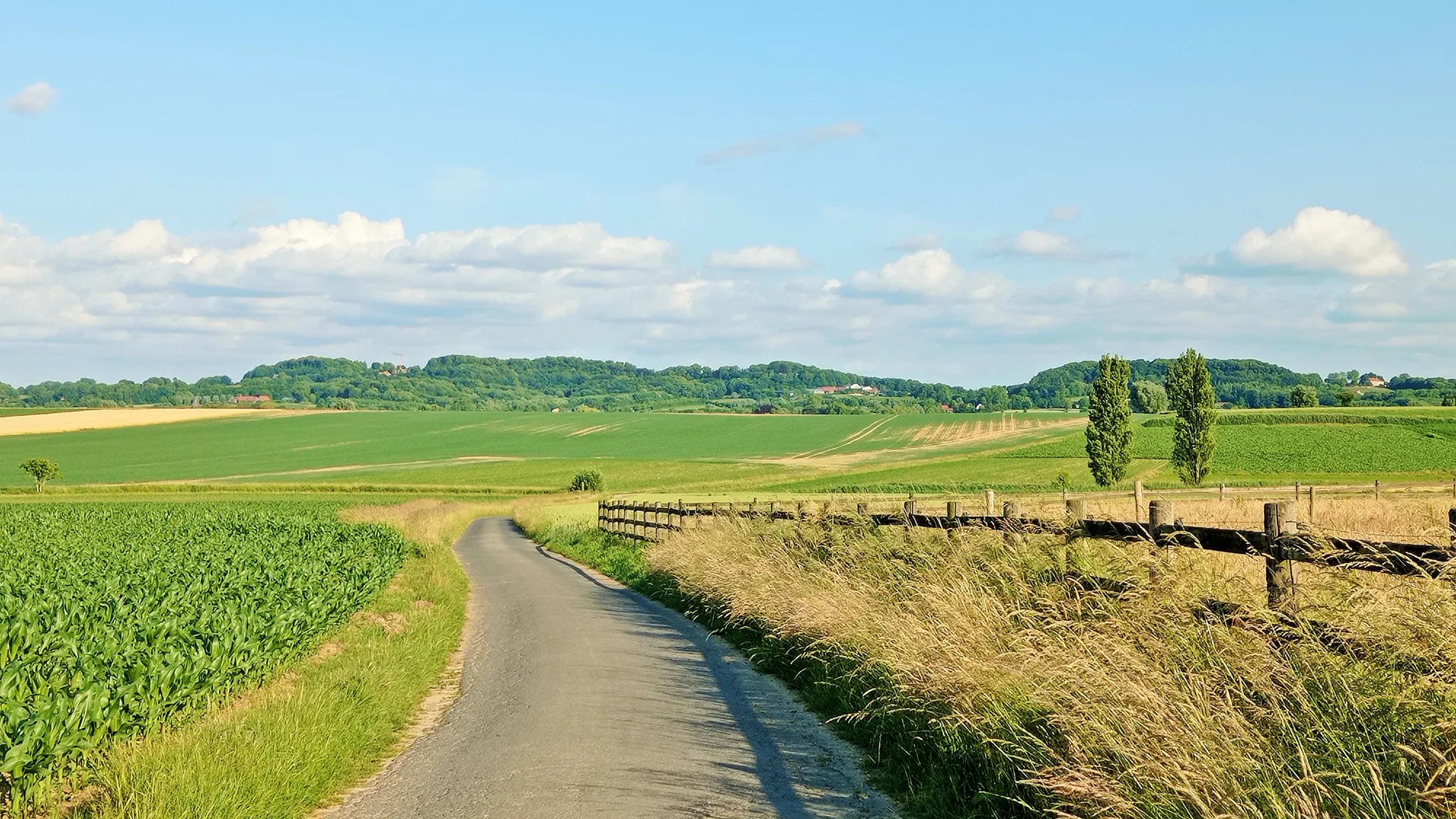
Seven-day Cycling tour through the South-Flemish hills – Hilly Route
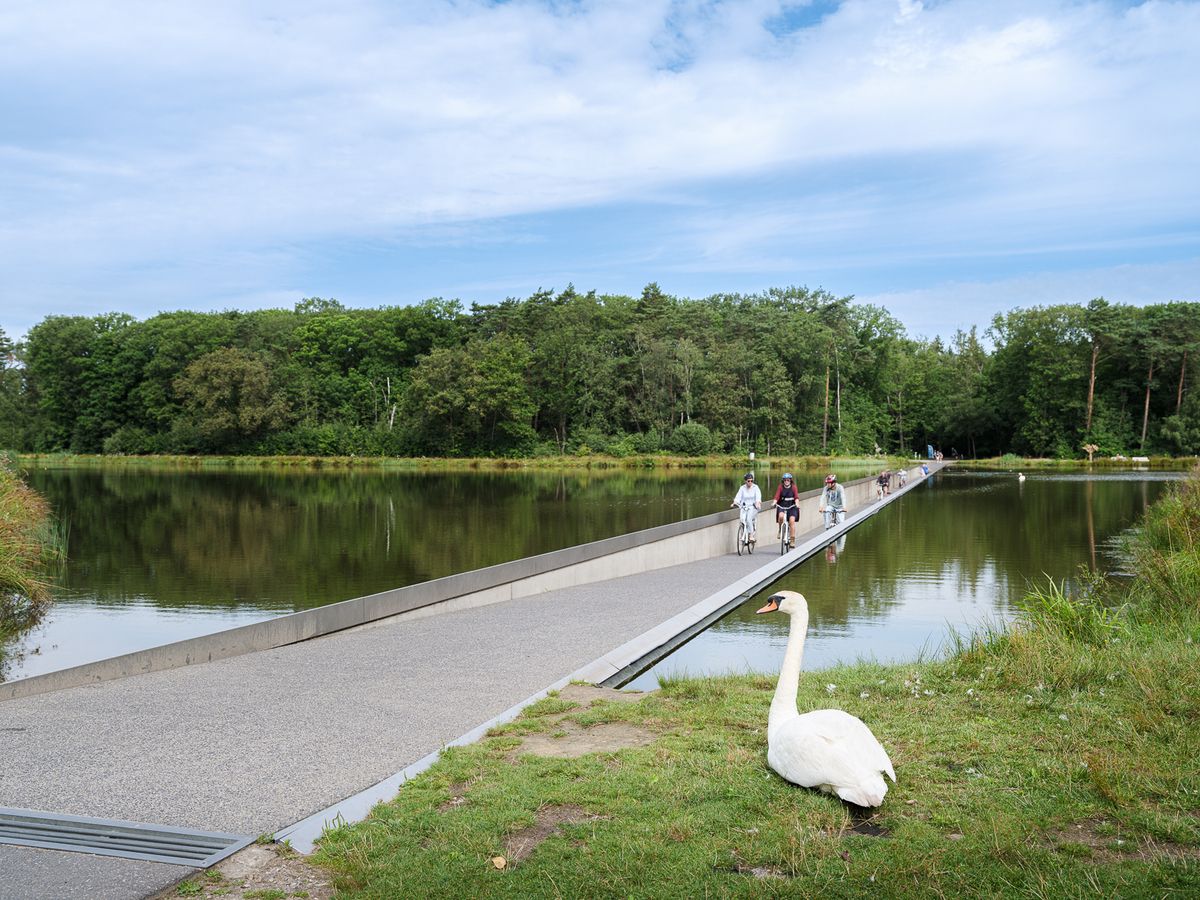
Flanders' Finest Cycle Routes: routes to discover Flemish nature and heritage
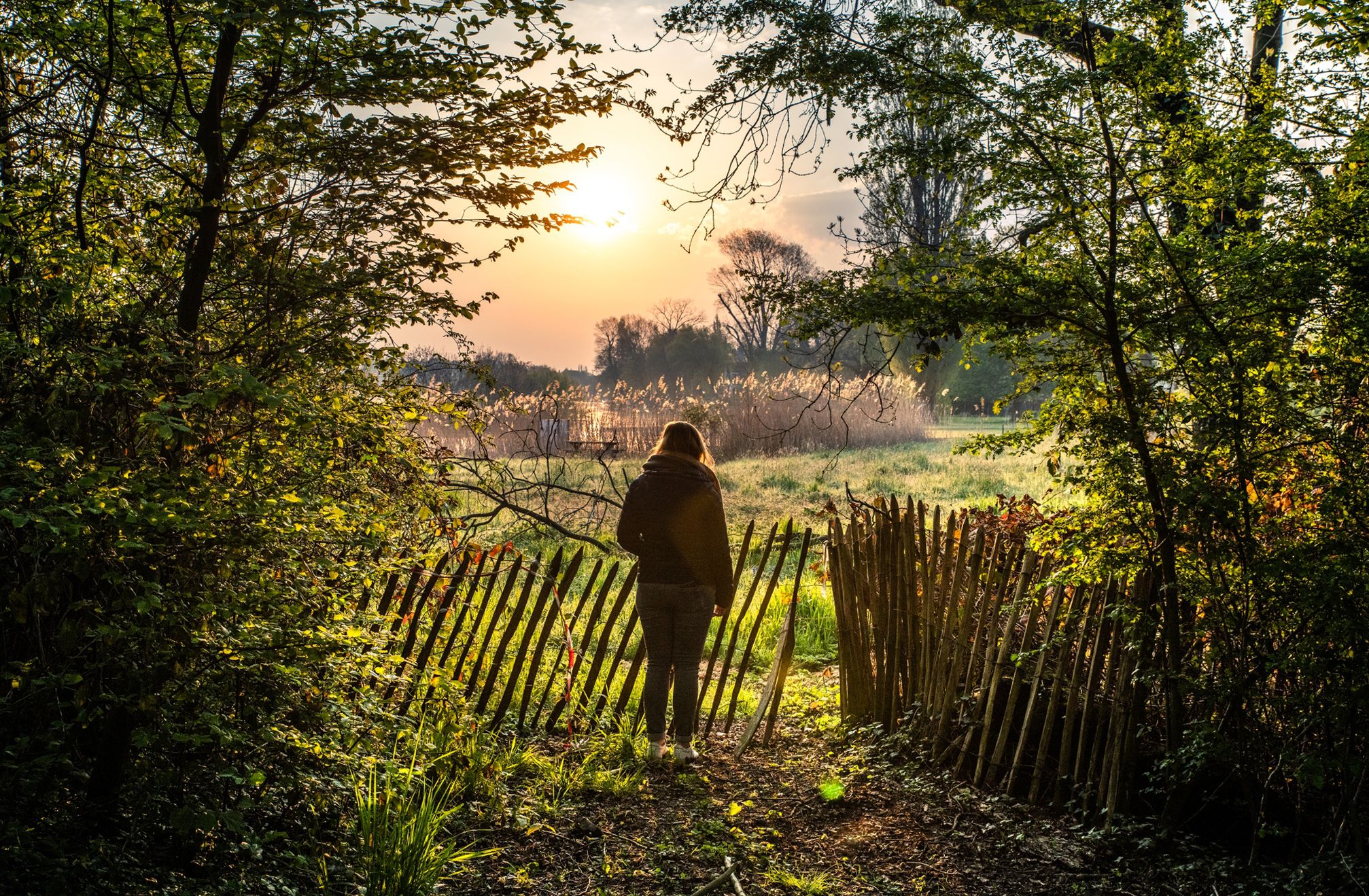
Waterside walks in Flanders
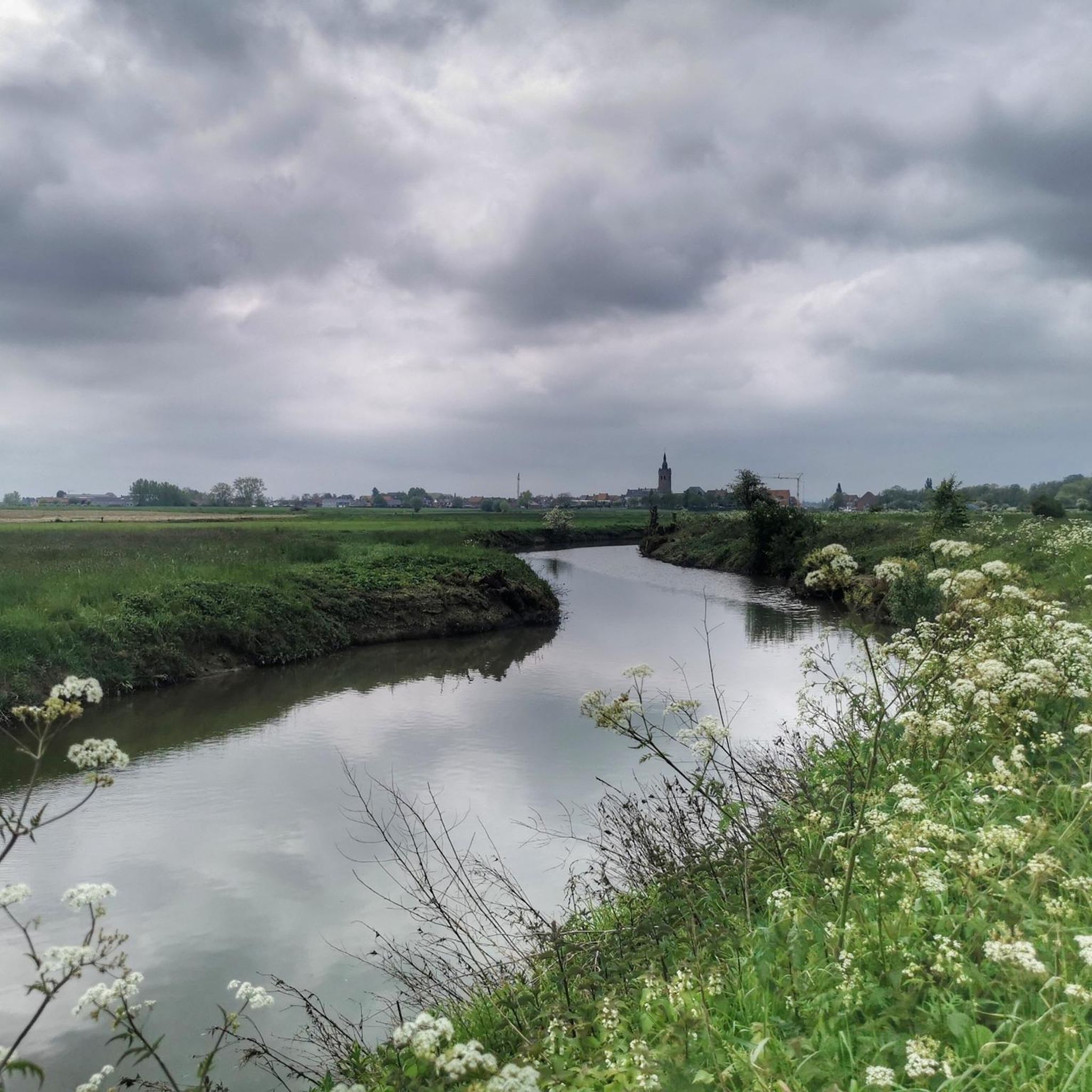
Hiking around Poperinge
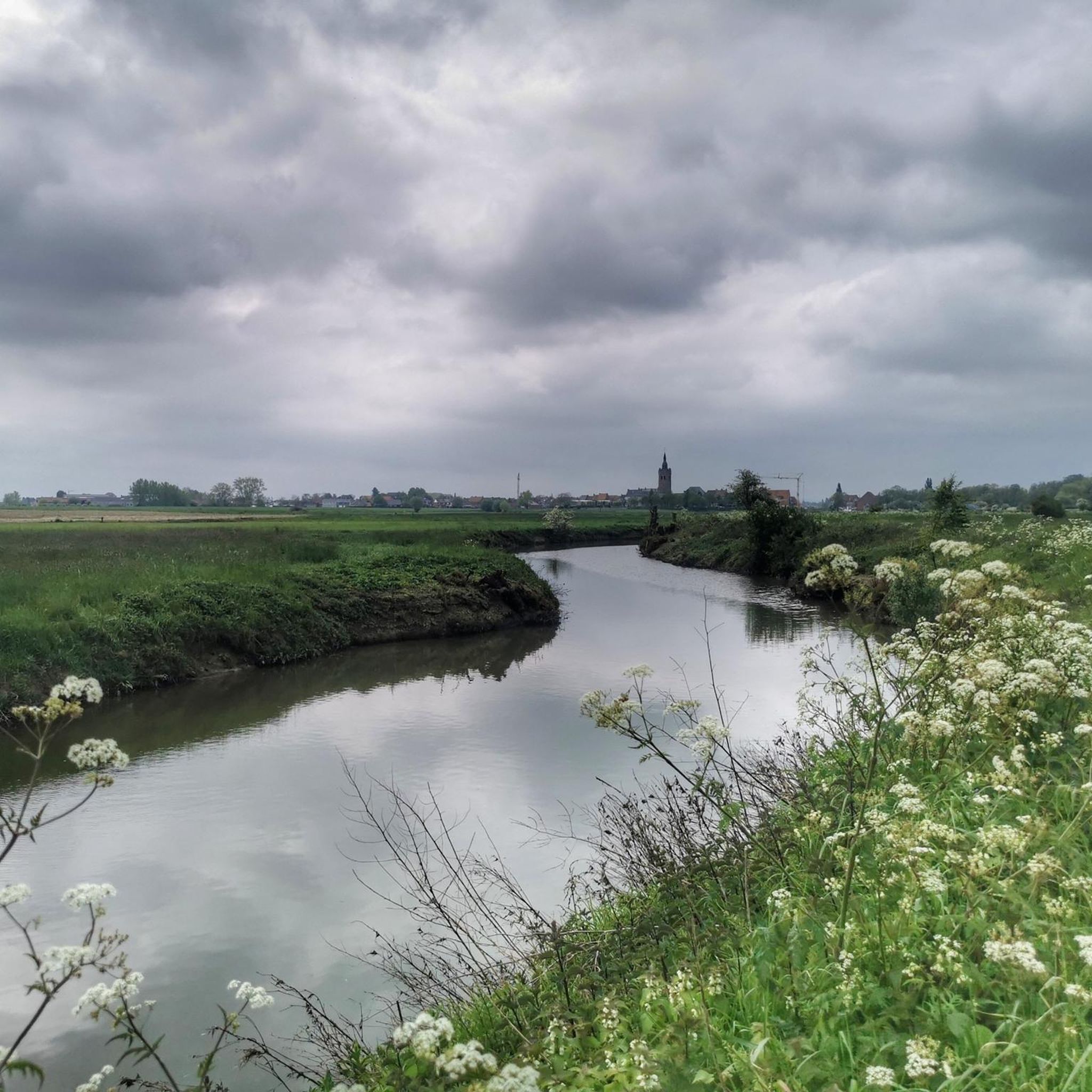
Cycling around Poperinge
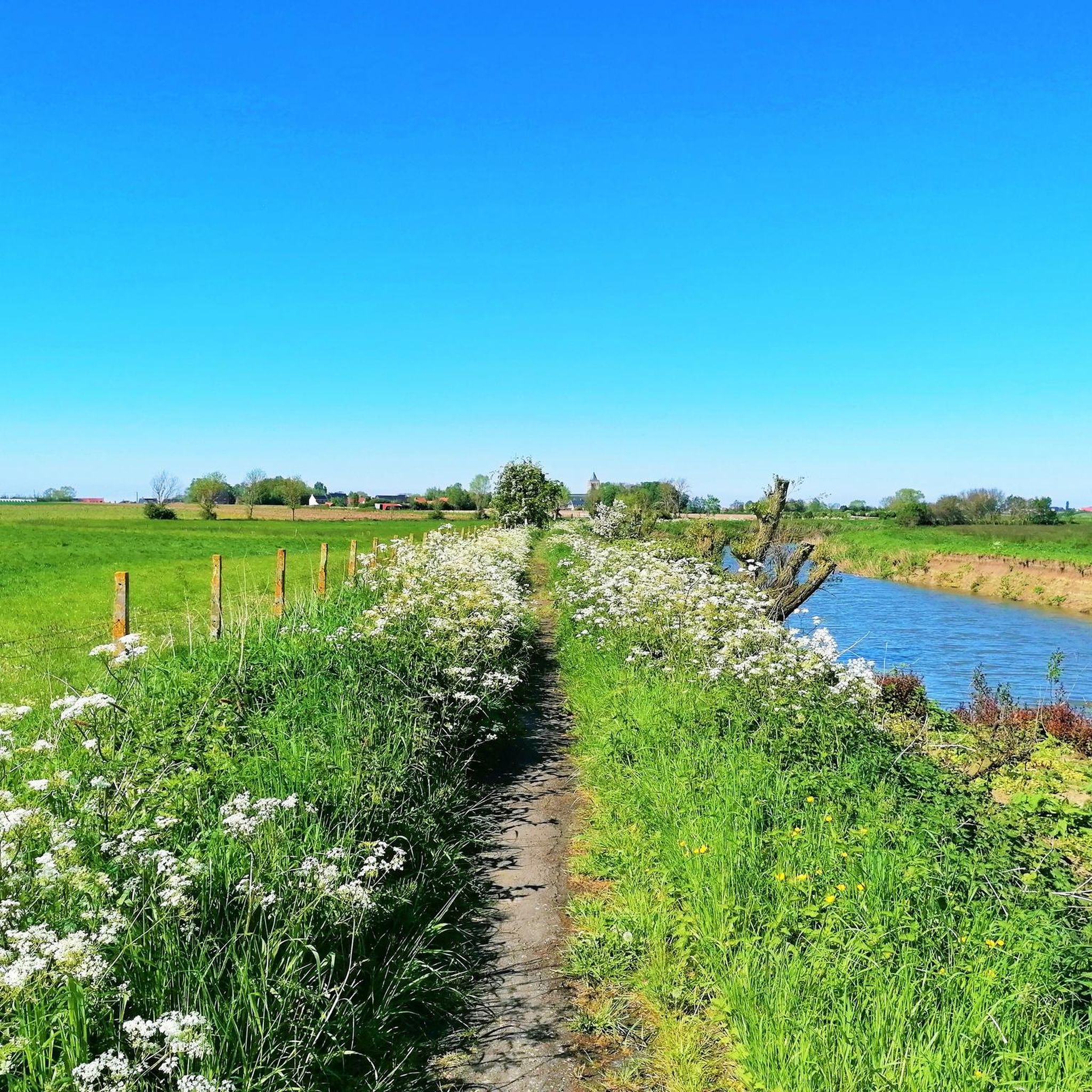
Road Cycling Routes around Poperinge
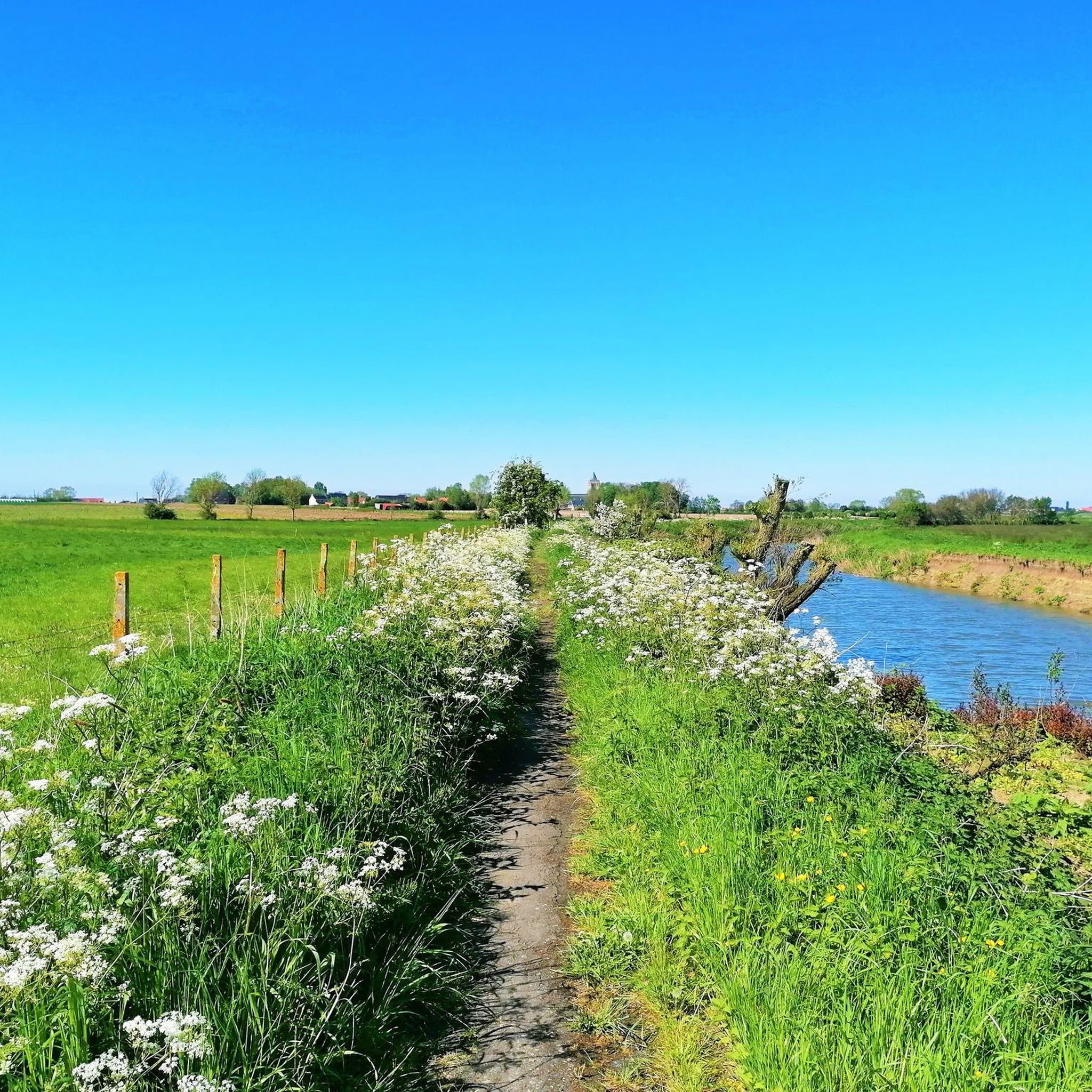
Running Trails around Poperinge
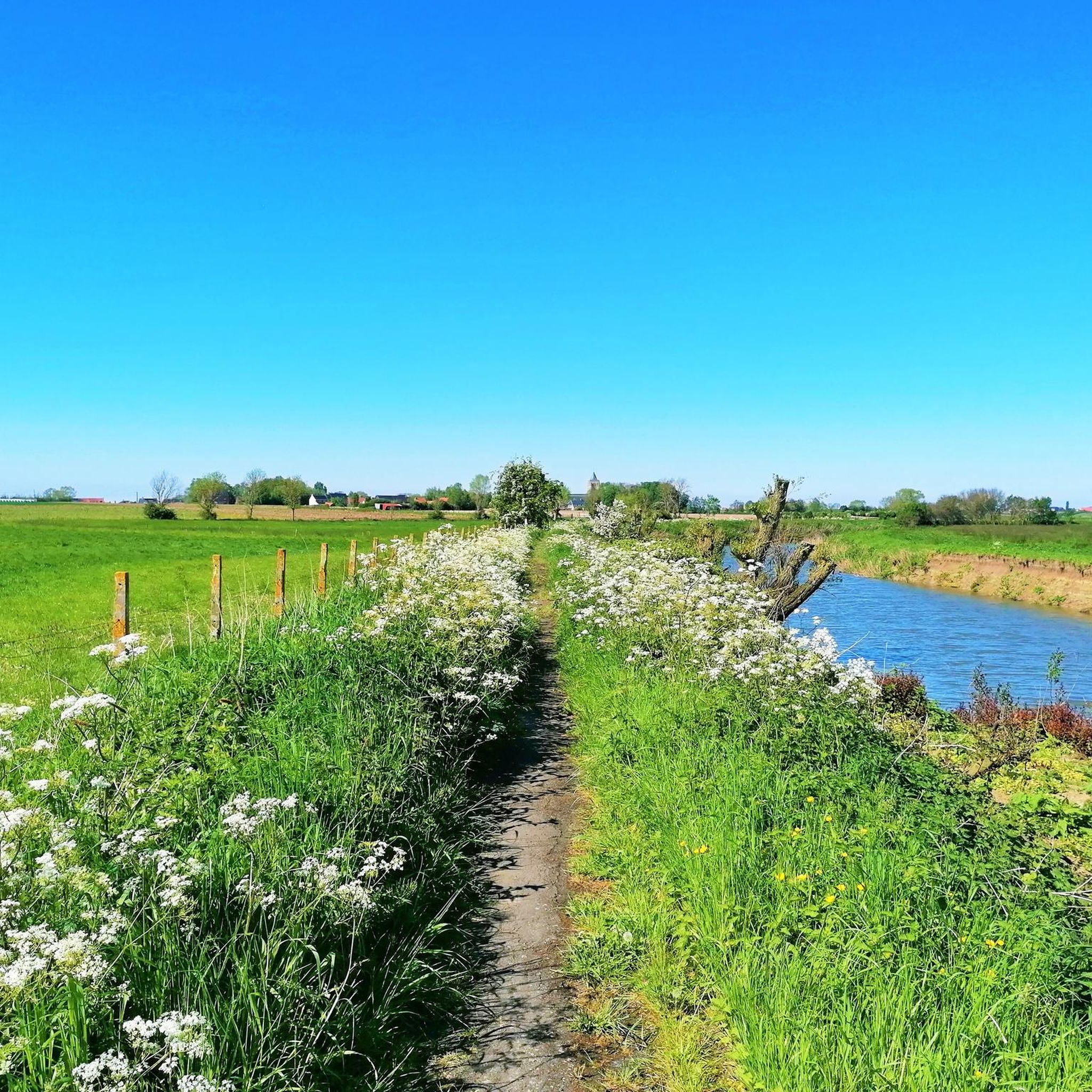
MTB Trails around Poperinge

Gravel biking around Poperinge
Other adventures around Poperinge


Tips from the Community

Two corrections: Contrary to what the original name of this highlight stated, you are not in the Begelen domain (which is located in Gullegem, about 25 km from here), but in the Palingbeek domain. And, contrary to what another user here stated, this was not previously a mining area (in the sense of a mining area), but an area scarred by mines and bombs during the First World War.
1
0

Beautiful nature, lots of explanation about the region along various information boards.
1
0

An interesting anecdote concerns the explosion of one of the mines on 17 July 1955 by lightning. This mine had not been detonated during the war and was still underground. The explosion created a new crater and reminded the local population of the lasting impact of the war.
6
0
The Spanbroekmolen crater, also known as the Pool of Peace, is an impressive mine crater in Wijtschate. This crater was formed on June 7, 1917, during the Second Battle of Messines, when British troops detonated 19 underground mines. The explosion created a crater 27 meters deep and 129 meters in diameter. After nearly 100 years of erosion, the crater is now a peaceful pool 12 meters deep and 76 meters in diameter.
9
0
An interesting anecdote concerns the battles around the pond during the war. Soldiers used the pond as a natural barrier and shelter. There are stories of soldiers wading through the water at night to reach enemy lines, which gave the pond strategic significance.
7
0

large spaces to run with your dog (on a leash)
1
0

The domain, once a mining site, is now an oasis of greenery with well-maintained footpaths that wind through forests, meadows and past tranquil ponds. The area is known for its rich biodiversity. During your walk you will be treated to the sound of birds and the view of the water, especially in spring and summer.
1
1

A walking path around it stimulates the observation of the surroundings. Due to the high location (76m) one has a good view. It gives an idea of the view that the Germans had over the battlefield. Various landmarks make the spatial filling of the front landscape interpretable: the position of the Pool of Peace shows the advanced German positions, the first 130m on the other side of the Kruisstraat formed the no man's land. (Inventory of Immovable Heritage)
12
0
Frequently Asked Questions
What kind of lakes can I expect to find around Poperinge?
The water bodies around Poperinge are primarily historical ponds and natural features, rather than large natural lakes for extensive public recreation. They are valued for their historical significance, nature conservation, and opportunities for observing bird species.
Are there opportunities for swimming or water sports in the lakes near Poperinge?
Natural lakes around Poperinge are generally not suitable or designated for swimming or water sports. However, Poperinge does offer a modern indoor sports and recreation swimming pool with features like a wave pool and slides for aquatic leisure. For extensive water sports on natural lakes, you would need to travel to other regions of Belgium, such as the Eau d'Heure lakes, which offer activities like sailing, kayaking, and jet skiing. You can find more information about the Eau d'Heure lakes here.
What historical significance do the lakes around Poperinge hold?
Many of the ponds around Poperinge have deep historical roots. For instance, Zillebeke Pond was created in the 13th century to supply drinking water to Ypres. The Pool of Peace (Spanbroekmolen Crater) is a poignant reminder of the First World War, formed by a mine explosion in 1917.
Are there family-friendly walking trails around the lakes?
Yes, several areas offer family-friendly walks. The Path along pond in Palingbeek estate is a great option, winding through forests and meadows past tranquil ponds, known for its rich biodiversity. Zillebeke Pond also offers pleasant walking and cycling paths around its perimeter.
Can I observe wildlife, especially birds, near these lakes?
Absolutely. The ponds are valuable natural features and important for birdwatching. Zillebeke Pond is home to a variety of bird species, including grebes, grey herons, coots, and mallards, and is a frequent stop for migratory birds. The Peace Forest, Ypres, a 40-hectare nature reserve, also has a bird hide for observation.
What kind of outdoor activities can I do near the lakes around Poperinge?
Beyond enjoying the serene landscapes of the ponds, the Poperinge region is excellent for various outdoor activities. You can find numerous routes for hiking, running, and cycling that pass by or near these water bodies and through the scenic surrounding landscapes.
Are there specific hiking trails around the lakes?
Yes, you can find trails that incorporate the lakes. For example, the Path along pond in Palingbeek estate is a dedicated trail. Many other hiking routes in the Poperinge area will lead you through landscapes featuring these historical ponds and natural reserves.
What is the best time of year to visit the lakes around Poperinge?
The lakes and surrounding areas are enjoyable year-round. Spring and summer offer lush greenery and active birdlife, while autumn brings beautiful foliage. Even in winter, the tranquil settings provide a peaceful escape. The specific appeal depends on whether you prefer vibrant nature or a quiet, reflective atmosphere.
Are dogs allowed on trails near the lakes?
Many trails in the region are dog-friendly. For instance, the Path along pond in Palingbeek estate is noted as dog-friendly, offering large spaces for dogs (on a leash). Always check local signage for specific rules regarding pets in nature reserves or protected areas.
What do visitors enjoy most about the lakes around Poperinge?
Visitors appreciate the peaceful atmosphere, the historical context of the ponds, and the opportunities for nature observation. The blend of serene water features with surrounding forests and meadows, often with well-maintained paths, makes them ideal for walking, cycling, and enjoying the local biodiversity.
Is there parking available near the lakes?
Yes, parking is generally available near the main access points for popular areas like Zillebeke Pond and the Palingbeek estate. Specific parking information can often be found on local tourism websites or detailed route descriptions.
Can I reach the lakes using public transport?
While Poperinge itself has public transport connections, direct access to all specific lake locations might require a combination of bus services and walking. It's advisable to check local bus schedules and routes for the most convenient options to reach areas like Zillebeke or the Palingbeek estate.
Most popular routes around Poperinge
Most popular attractions around Poperinge

Get inspired with the komoot mobile app


Explore more
Still not found your perfect lake around Poperinge? Check out the guides of these regions to see even more beautiful places.
