Top 15 Lakes around Orp-Jauche
Best lakes around Orp-Jauche are found within the broader Walloon Brabant province, offering diverse natural and recreational water bodies. While Orp-Jauche itself features smaller, managed ponds, the surrounding region provides access to larger lake complexes and nature reserves. The landscape is characterized by a mix of agricultural land, forests, and historical estates. These areas provide opportunities for outdoor activities and appreciating local biodiversity.
Best lakes around Orp-Jauche
- The most popular lakes is Hélécine Estate, a parking area that features…
Last updated: October 31, 2026
Hélécine Estate
Highlight • Parking
Translated by Google •
Tip by

Opprebais Quarry Lake
Highlight • Lake
Showing Translation
Tip by

Sign up now to discover places like this
Get recommendations on the best single tracks, peaks, & plenty of other exciting outdoor places.
Hay meadow in De Beemden
Highlight • Forest
Translated by Google •
Tip by
Meldertbos Ponds and Forest Trails
Highlight • Forest
Translated by Google •
Tip by

Pond Path in Attenhovense Beemden
Highlight (Segment) • Trail
Translated by Google •
Tip by
Sign up for free to discover even more lakes around Orp-Jauche.
Already have an account?
Start today with a free account
Your next adventure awaits.

Tips from the Community

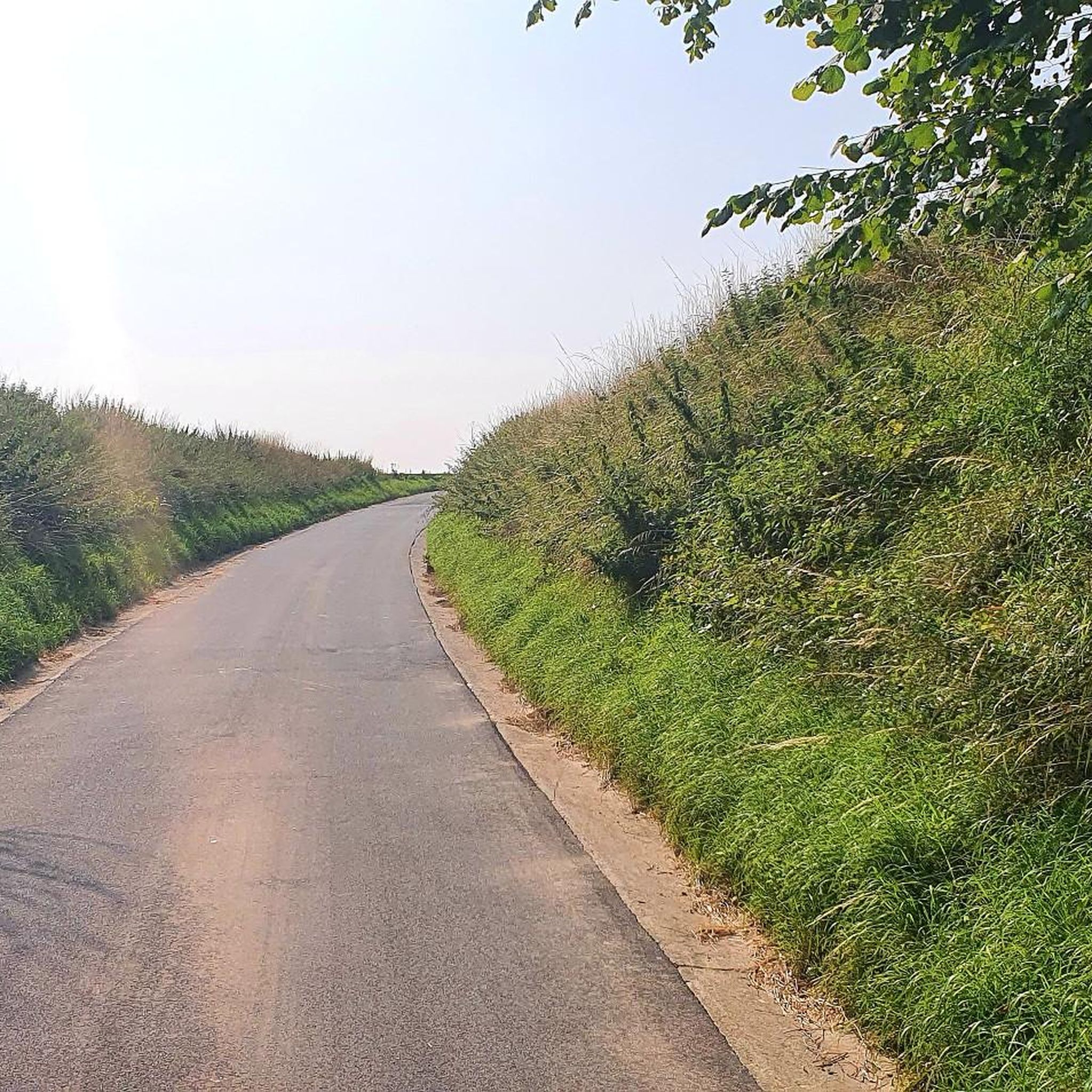
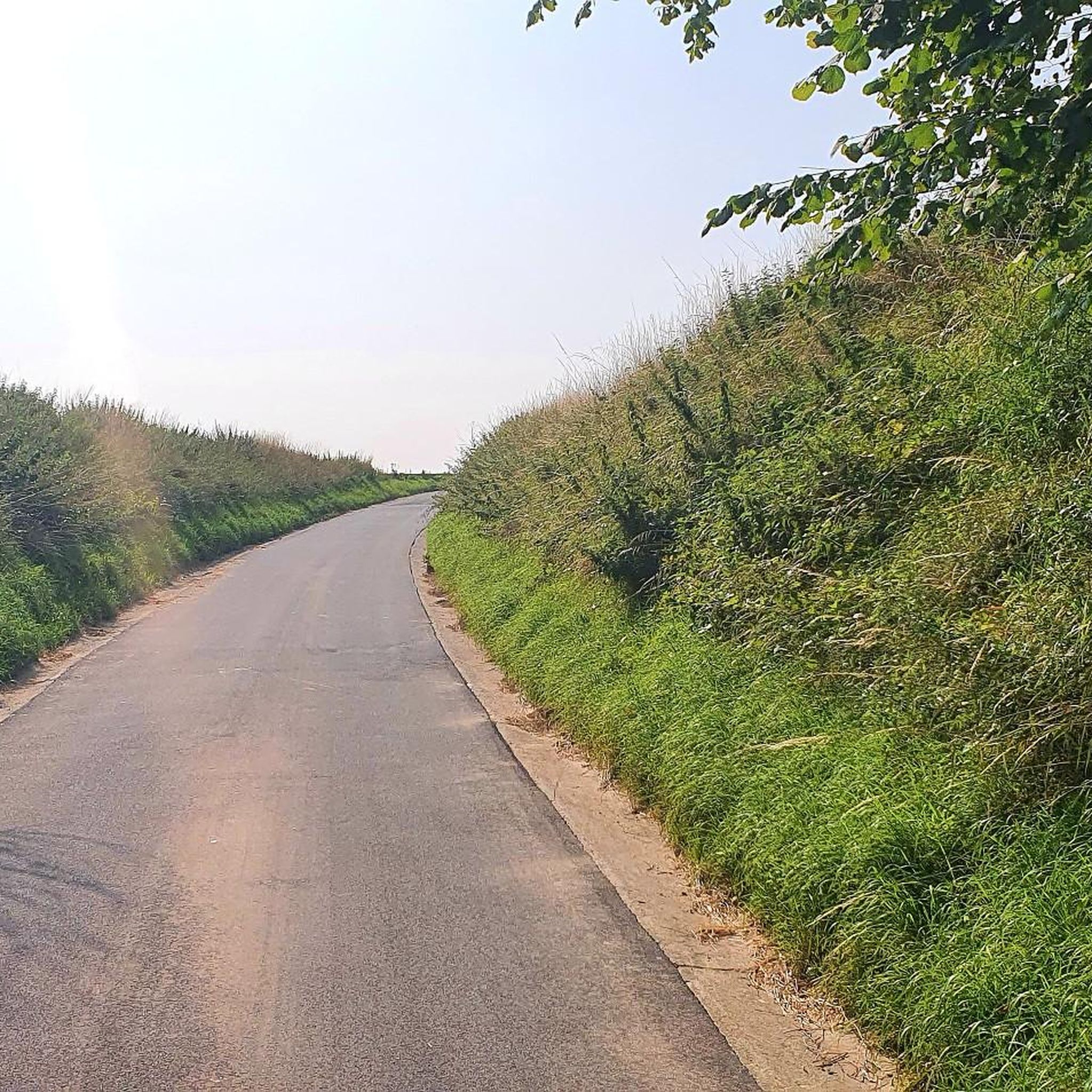
The exploitation of the Opprebais quarry began during the construction of the Namur-Louvain road around 1755, under the impetus of Empress Maria Theresa of Austria: quartzite was extracted there, a very hard stone mainly used for making paving stones but still present in its natural state in certain areas of the municipality. Some parts of the Opprebais castle-farm are built with quartzite rubble stones. Production stopped for the first time and, in 1935, the quarry was flooded. Activity resumed from 1958 to 1975. The lake, fed by groundwater, is surrounded by rock faces and vegetation. Owned by the Société Wallonne Des Eaux, the quarry is closed to the public: access to the water and swimming are prohibited: the site had to be fenced off to prevent any intrusion as the place is dangerous due to its depth (up to 30m), the water temperature (risk of thermal shock) and the presence of rocks. The place is also known to diving clubs. A path, enhanced by a fitness trail, allows you to walk around it.
1
0

The ponds were created in the 1960s and small willow groves spontaneously emerged between the ponds, where woodpeckers and the golden oriole, among others, build their nests. The relatively pure groundwater in the ponds allows for a very diverse aquatic life, ranging from dragonflies, fish, kingfishers, cormorants, to even yellow-bellied turtles. Around the ponds, the white willows are particularly striking. They grow quickly, but their branches break easily. Because they do not contain hard heartwood, birds such as the green woodpecker and the great spotted woodpecker use them to carve out their nests. The branches hanging close to the water offer ideal resting or lookout spots for mallards and grey herons.
5
0
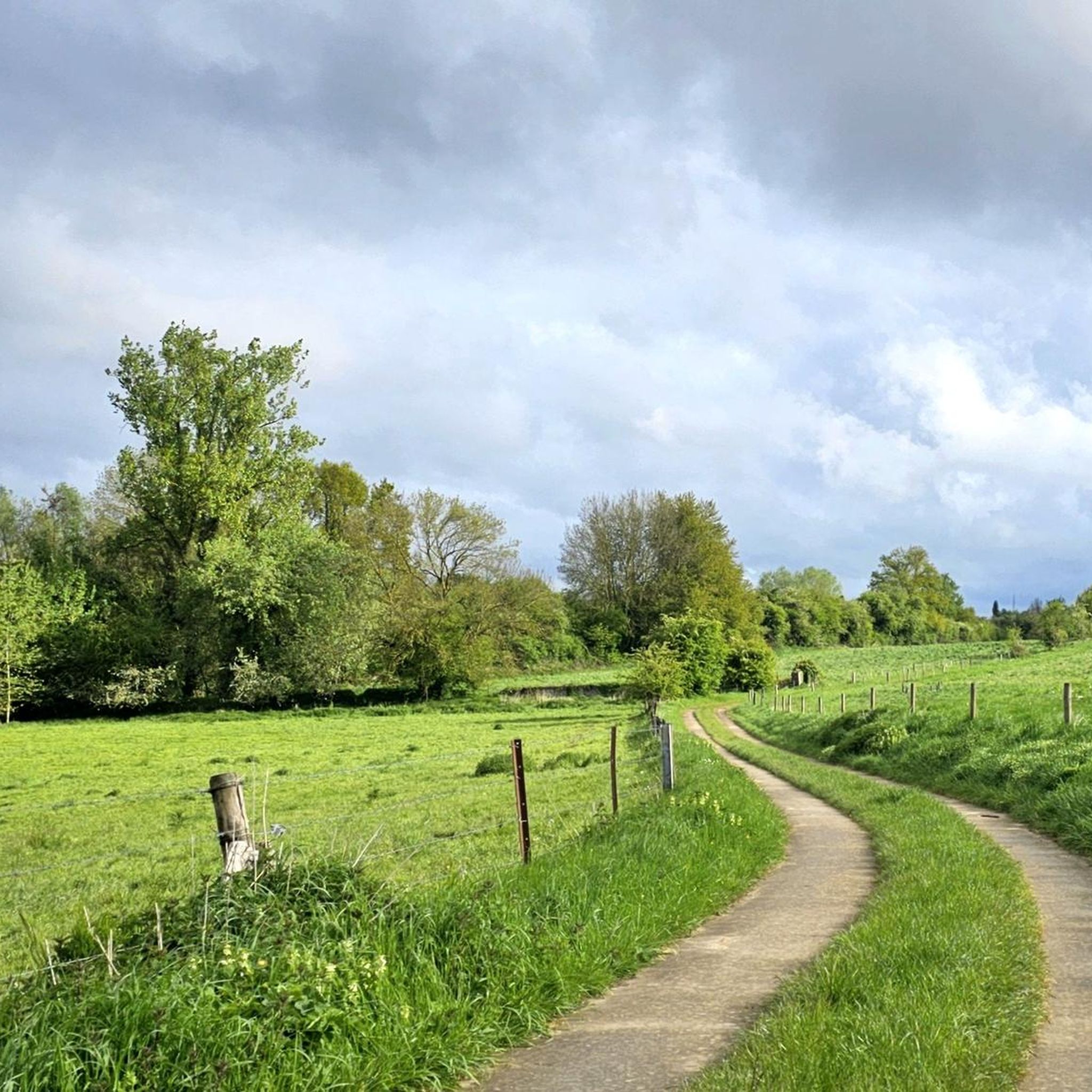
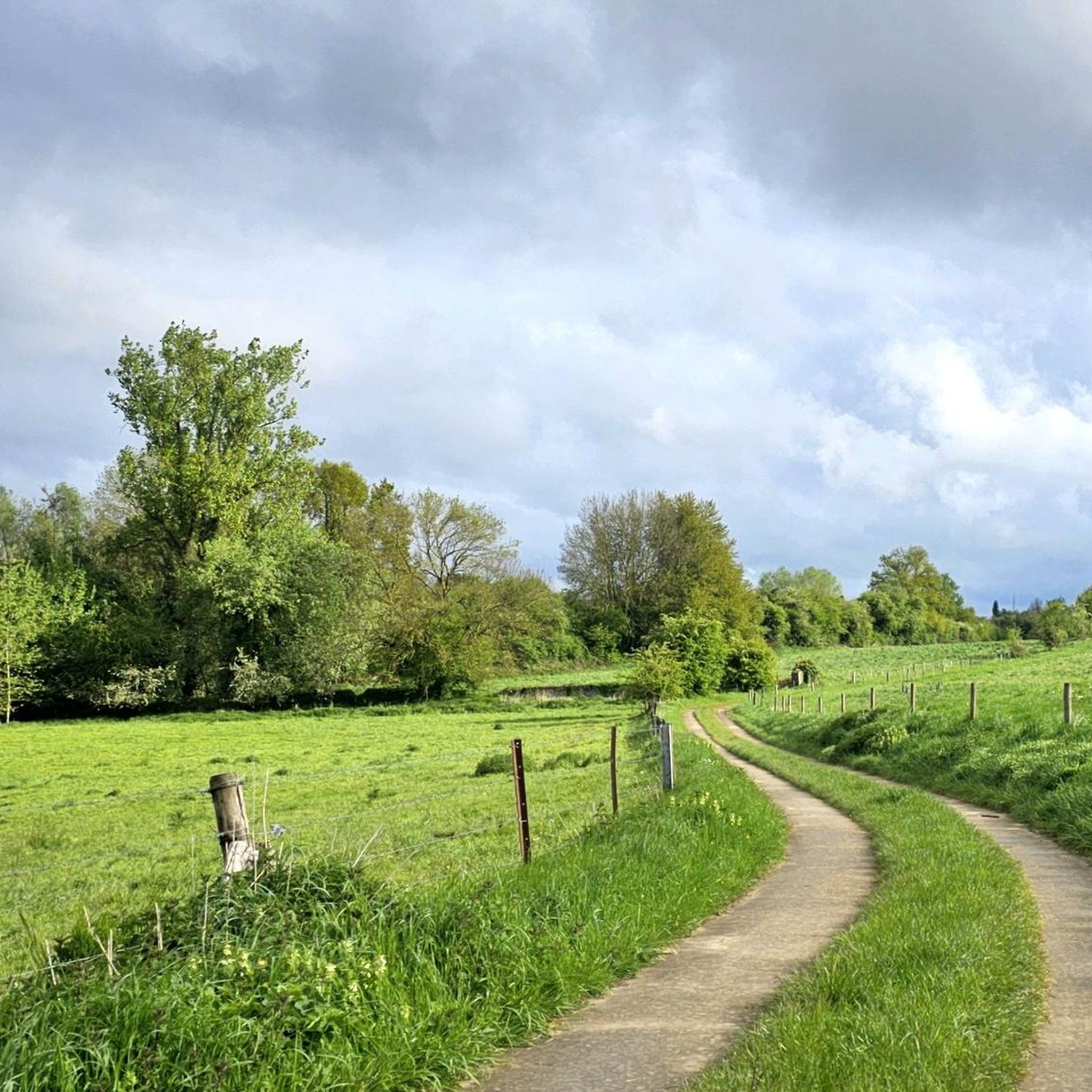
Probably already in the Middle Ages and certainly from the 17th century onwards, the wet valley of the Dormaalbeek and the Zeyp was used by the villagers of Attenhoven and Rumsdorp as hay meadows, hence the name 'Beemden'. After WWII, land use changed. The wet areas became unprofitable for agriculture and were abandoned. The hay meadows were drained and used as pasture for cattle or sheep. Certain parts were planted with poplars. Here and there you can still find remnants of former hay meadows, but from the 1960s onwards, the appearance of the Beemden changed drastically, and currently there are about seven distinct biotopes. This rich variety ensures a great diversity of wild species. Organisms from both wet and dry soils, from running and stagnant water, from forest and hay meadow feel at home there.
5
0

Meldertbos is actually more than a forest; it's a nature reserve consisting of forest, including wet areas (with the Mene), open spaces with hay meadows, ponds, and here and there remnants of the former castle garden. Even in early spring, you immediately notice that this could be an ideal place to find orchids. And it is, as you can read on the Natuurpunt website. Among the inhabitants, we find the grass snake. The scarlet elf cup can also be found here. From some of the diverse boardwalks, be sure to also look at the faded glory of the castle, including remnants of the swimming pool and even the changing room. This entire area is actually what the people from the Inventory of Immovable Heritage call a "sleeping garden". But sleeping doesn't mean dead. And as you can read on an information board from Natuurpunt: "Park awakens after 60 years of sleep". Be sure to combine it with the immediate surroundings of the castle, preferably outside of school days. There are more than enough remarkable trees. For those interested in garden architecture, there is also history to be found here. About Meldertbos at Natuurpunt: https://www.natuurpunt.be/natuurgebieden/meldertbos About the forest and the domain (with garden history and list of remarkable trees): https://inventaris.onroerenderfgoed.be/erfgoedobjecten/134188
6
0

The description is very accurate. Thank you.
1
0
The most beautiful part. You can also go around some ponds. I was surprised to see so many water birds on such a relatively short and small part and to see two kingfishers sitting. A path to take some time when it is quiet and observe well.
7
0
In the midst of the large-scale cultural landscape, this area is one of the last refuges for wild animals and plants in Landen. Small willow groves spontaneously developed between the ponds, where woodpeckers and golden orioles, among others, make their nests. The relatively pure groundwater in the ponds makes a very varied aquatic life possible, ranging from the large yellow-edged water beetle to dragonflies, fish and kingfishers. The pussy willows around the ponds are particularly striking. They grow quickly, but their branches break off easily. Because they do not contain any hard heartwood, birds such as the green and the great spotted woodpecker use them to carve out their nests. The branches that hang close to the water offer ideal resting or viewing places for wild ducks and blue herons. They are especially vital for the kingfisher. Sitting on a lookout post, it hunts for rudd, sticklebacks and other aquatic animals in the water. In early summer, white foam drops sometimes fall from the pussy willows: cuckoo spit. It comes from the larvae of the foam cicada, which produce foam and hide in it. Many other insects live on the pussy willows. They are eagerly eaten by insectivorous birds such as the chiffchaff, the willow warbler and the spotted flycatcher. The bankside vegetation with bulrush, hairy willowherb and marsh sedge offers nesting opportunities for the moorhen and the coot. In summer, many dragonflies and damselflies float above and around the ponds, the most striking of which is the large emperor dragonfly. Swallows hunt for mosquitoes above the ponds. This is therefore the ideal place for a hobby to catch both a swallow and a large dragonfly. In addition to the various types of grass, you will find plants here that feel at home in a dry, calcareous environment. Striking features include the box pod, the cinquefoil and the wild marjoram. Here you can observe numerous species of butterflies in the summer. From the piled-up area you have a good view of the reed field, the breeding area of the reed warbler, the sedge warbler, the reed bunting and many other marsh birds. Wood edges screen the hayfield and the berry or nut-bearing shrubs offer shelter and food to birds such as the garden warbler, chiffchaff and jay. On the darkest parts you can sometimes find glowworms in the evening. Source: https://www.natuurpunt.be/natuurgebieden/beemden-landen
7
0

Always very pleasant to walk/run in this beautiful park
1
0
Frequently Asked Questions
What are the most popular lake areas near Orp-Jauche?
While Orp-Jauche itself features smaller, managed ponds, the broader Walloon Brabant province offers more extensive lake experiences. The Hélécine Estate is a popular choice with its educational and fishing ponds, and further afield, Lake Genval and the Eau d'Heure Lakes provide significant recreational opportunities.
Are there family-friendly lakes or estates to visit near Orp-Jauche?
Yes, the Hélécine Estate is particularly well-suited for families. It features a 28-hectare park with two playgrounds, miniature golf, pétanque, an educational pond, and fishing ponds. Further away, the Eau d'Heure Lakes also offer family attractions like an Aquacentre and Natura Parc.
What kind of water activities can I do at lakes near Orp-Jauche?
For extensive water activities, you'll need to venture a bit further from Orp-Jauche. Lake Genval offers kayaking, pedal boating, stand-up paddleboarding, rowing, and sailing. The Eau d'Heure Lakes, the largest complex in Belgium, provide a vast array of options including kayaking, windsurfing, paddleboarding, water skiing, sailing, jet skiing, motorboating, swimming, and diving.
Where can I find nature reserves or areas for wildlife observation near Orp-Jauche?
The Hay meadow in De Beemden is a significant nature reserve near Orp-Jauche, offering grasslands, flowery meadows, and winding waters that are a refuge for wild animals and plants, including numerous bird species. The Hélécine Estate also includes a nature reserve within its park.
Are there historical sites or castles associated with lakes in the region?
Yes, the Hélécine Estate is centered around Hélécine Castle, providing a charming historical backdrop to its park and ponds. Lake Genval is also known for its opulent Belle Époque villas lining its shores, and the Eau d'Heure Lakes feature the impressive Plate Taille dam, which offers guided tours.
What outdoor activities, like hiking or cycling, are available near these lakes?
You can find various outdoor activities near the lakes. The Eau d'Heure Lakes boast numerous hiking and cycling trails, some integrated into the RAVeL network. For hiking specifically around Orp-Jauche, you can explore trails like the 'Hill path loop' or 'Petit-Hallet Church loop'. Cycling routes, such as the 'RAVeL L142 Cycle Path loop' or routes connecting to the Hélécine Estate, are also available. You can find more details on these activities in the Hiking around Orp-Jauche and Cycling around Orp-Jauche guides.
Can I go fishing at any of the lakes or ponds?
Yes, the Hélécine Estate has three fishing ponds, with two open for trout and carp fishing from the second Sunday of March to mid-November. The ponds in Hay meadow in De Beemden also allow for peaceful fishing.
What do visitors enjoy most about the lakes and ponds around Orp-Jauche?
Visitors appreciate the tranquility and natural beauty. For instance, the Amphibian Pond With Bench is noted for its 'zen' atmosphere and peaceful setting. The Hay meadow in De Beemden is loved for its open, green landscape and opportunities for quiet walks among wildflowers and diverse wildlife.
Are there accessible trails or paths around the lakes?
The Meldertbos Ponds and Forest Trails offer accessible paths for walking through natural landscapes. The Hélécine Estate also provides a 28-hectare walking park suitable for relaxation and strolls.
Are there cafes or restaurants near the lakes?
While specific cafes directly at the smaller ponds around Orp-Jauche are limited, the Hélécine Estate occasionally features a Pop Up Bar with a terrace. For more dining options with water views, Lake Genval offers numerous restaurants with terraces overlooking the water.
What is the best time to visit the lakes and natural areas?
The spring and summer months are ideal for enjoying the lakes and natural areas, as wildflowers are in bloom and water activities are in full swing. For fishing at Hélécine Estate, the season runs from March to mid-November. The Hay meadow in De Beemden is particularly beautiful in spring with its flowery meadows.
Are there any unique natural features or wildlife to look out for?
Yes, in areas like the Hay meadow in De Beemden, you can spot varied aquatic life, from large yellow-edged water beetles to dragonflies, fish, and kingfishers. The pussy willows around the ponds are nesting spots for woodpeckers and golden orioles. The Tiense Marsh is a nature reserve attracting breeding and migratory birds, including blue-footed grebes and marsh harriers, along with many insects and rare water shrews.
Most popular routes around Orp-Jauche
Most popular attractions around Orp-Jauche

Get inspired with the komoot mobile app


Explore more
Still not found your perfect lake around Orp-Jauche? Check out the guides of these regions to see even more beautiful places.
