Top 6 Castles around Libin
Castles around Libin, a municipality in the Belgian Ardennes, offer a blend of historical sites and unique accommodations. The region is characterized by its natural beauty, including forests and rivers, providing a setting for exploration. Visitors can find properties ranging from renovated historical buildings to private estates. The area provides opportunities to experience historical ambiance within a natural landscape. There are 6 castles to explore in the Libin region.
Best castles around Libin
- The most popular castles is Resteigne Castle…
Last updated: June 3, 2026
Mirwart Castle
Highlight • Castle
Castle is …
Showing Translation
Tip by

Lavaux-Sainte-Anne Castle
Highlight • Castle
Translated by Google •
Tip by

Sign up now to discover places like this
Get recommendations on the best single tracks, peaks, & plenty of other exciting outdoor places.
Sign up for free
Resteigne Castle
Highlight • Castle
Translated by Google •
Tip by

Château des Fées Ruins
Highlight • Historical Site
Translated by Google •
Tip by

Porcheresse Castle
Highlight • Castle
Translated by Google •
Tip by

Sign up for free to discover even more castles around Libin.
Sign up for free
Already have an account?
Start today with a free account
Your next adventure awaits.
Login or Signup
Popular around Libin
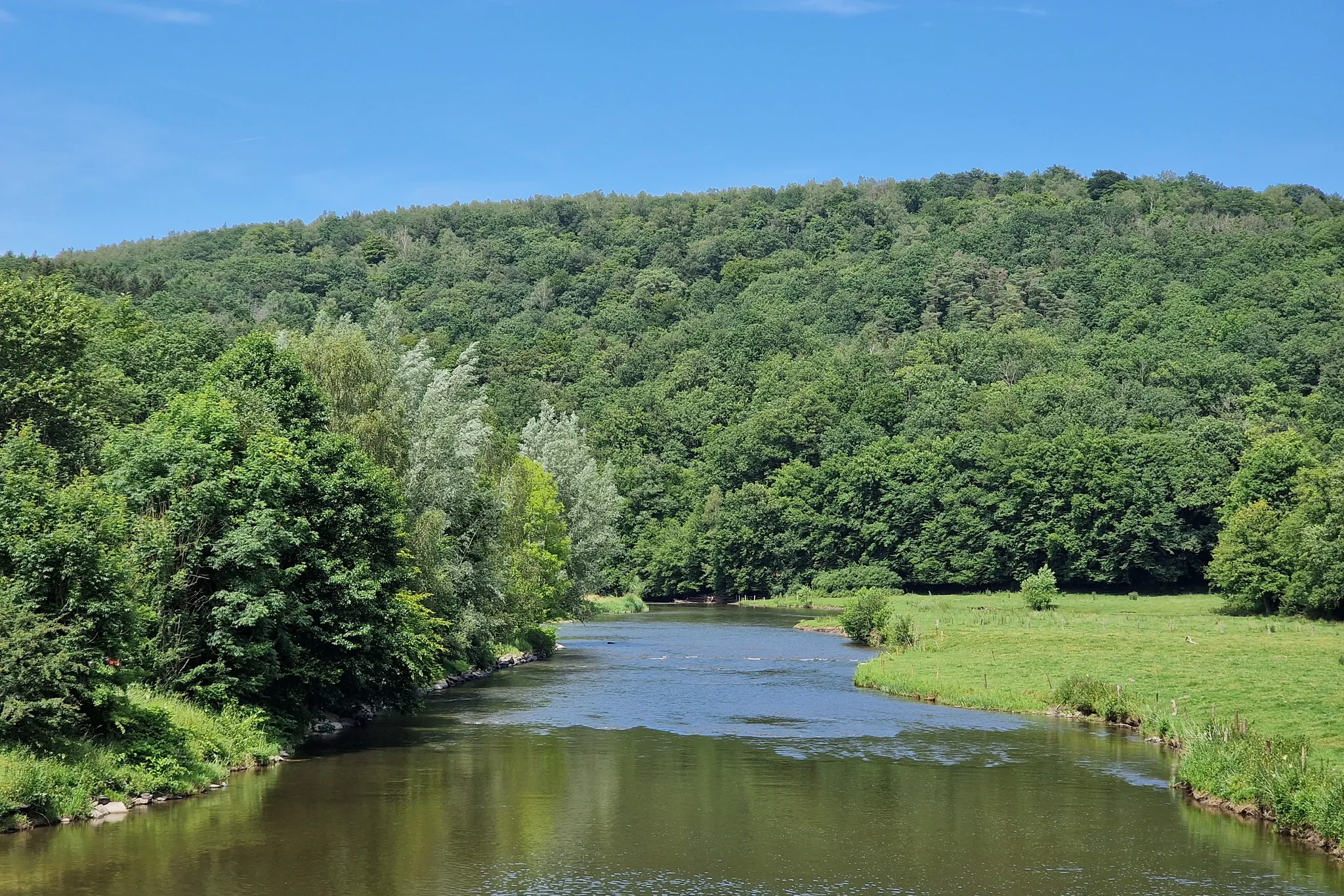
Between nature and gastronomy - Trappist abbeys trail part 2
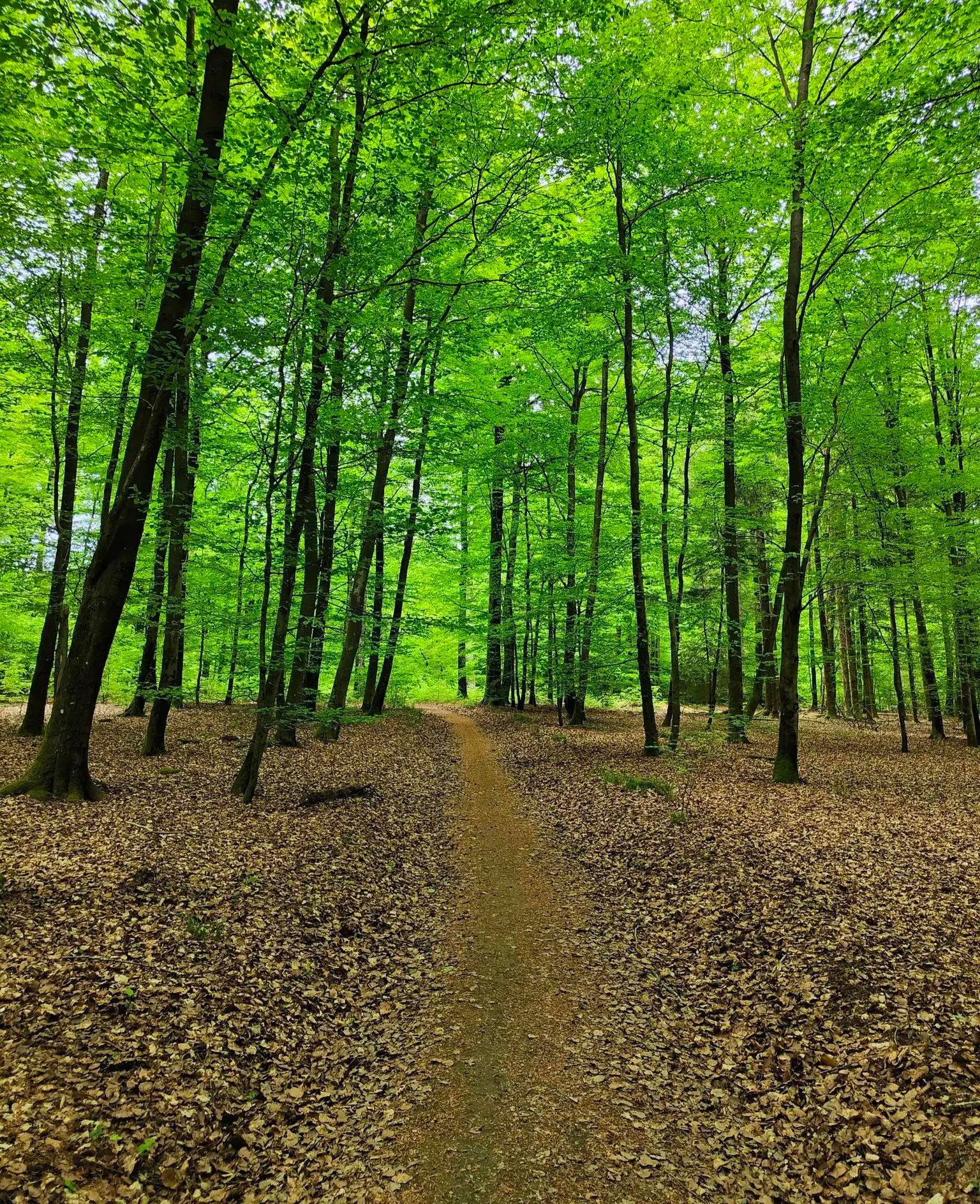
Between Lesse and Lomme - Discover the great Ardennes Forest
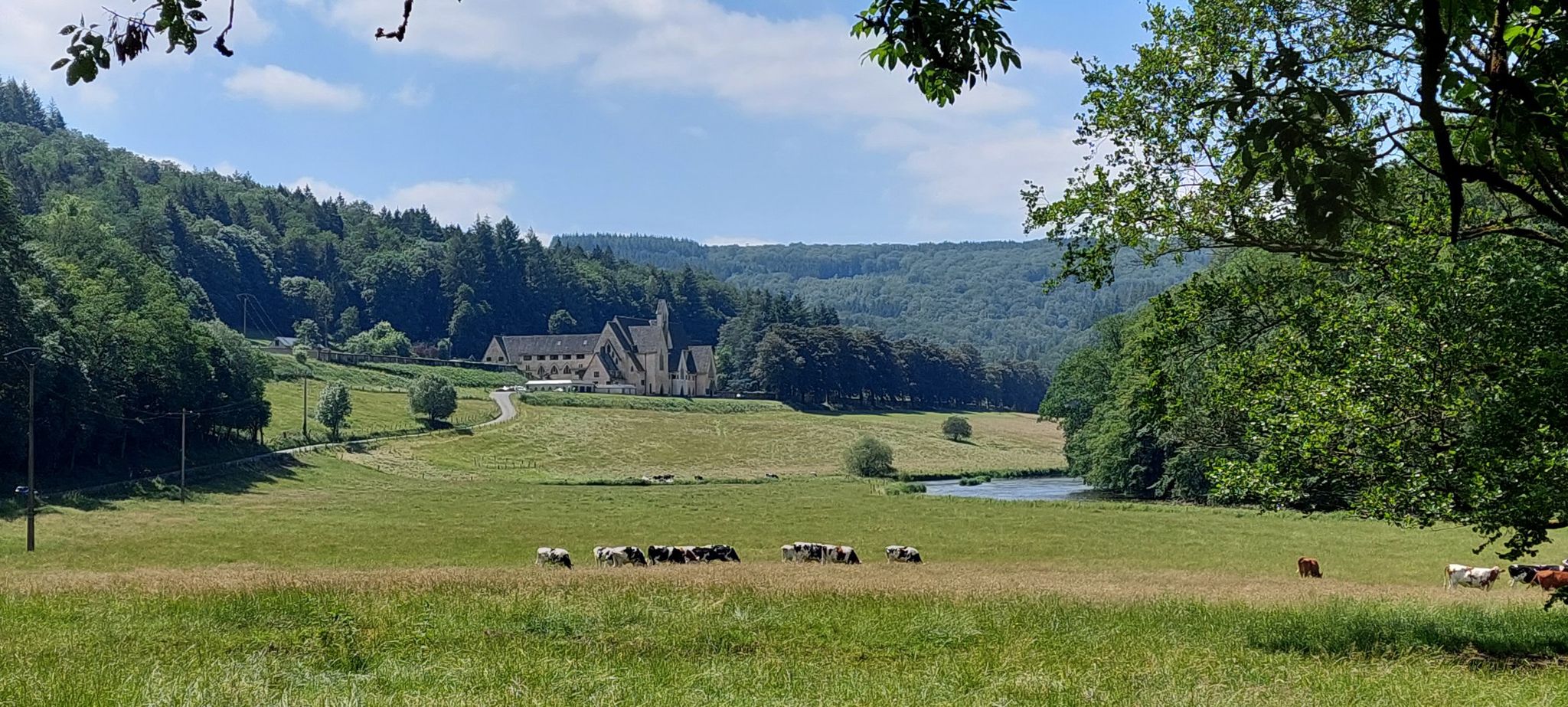
The great crossing of the Belgian Ardennes — La Transardennaise
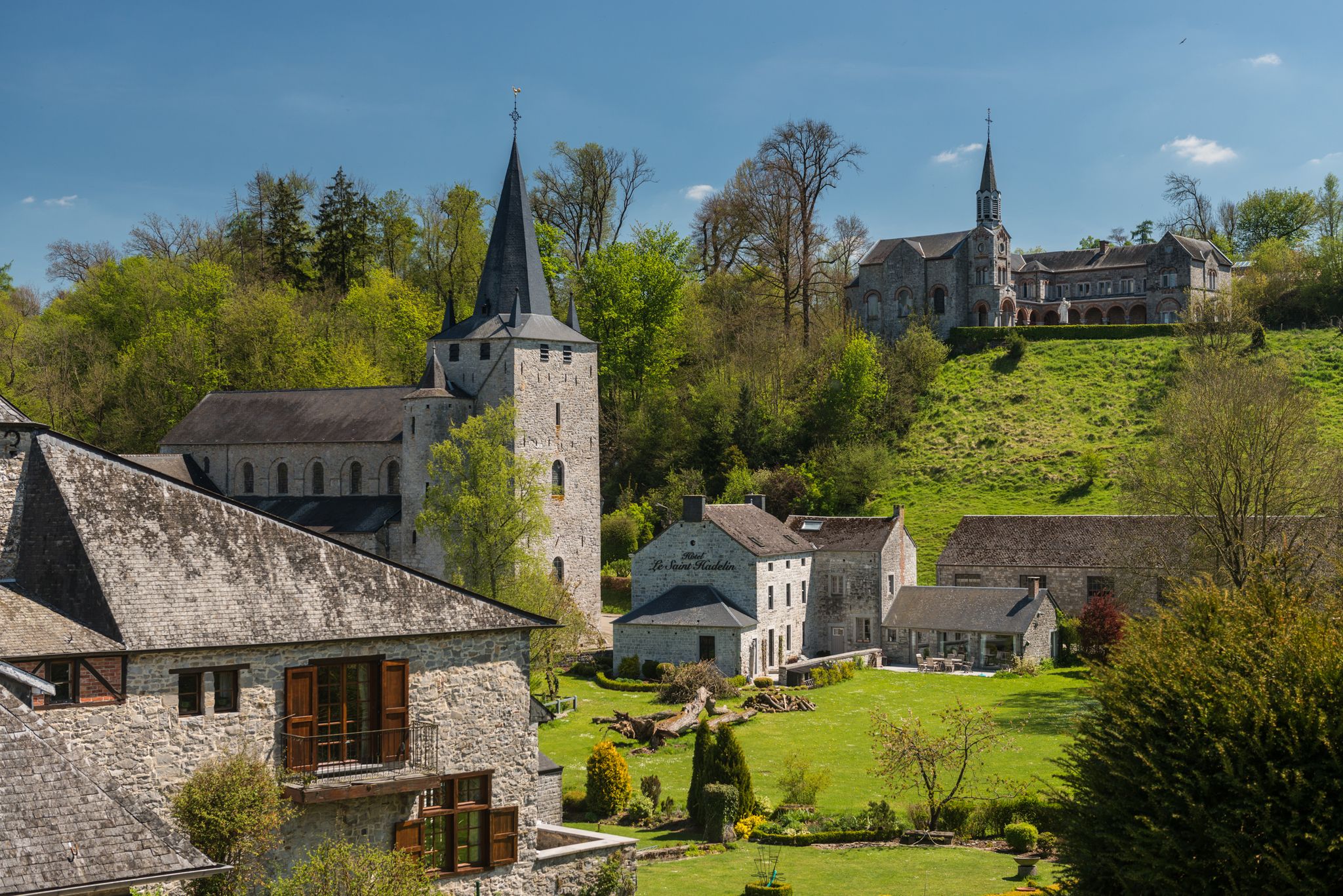
Walks in the Belgian Ardennes — historic walls & magical forests
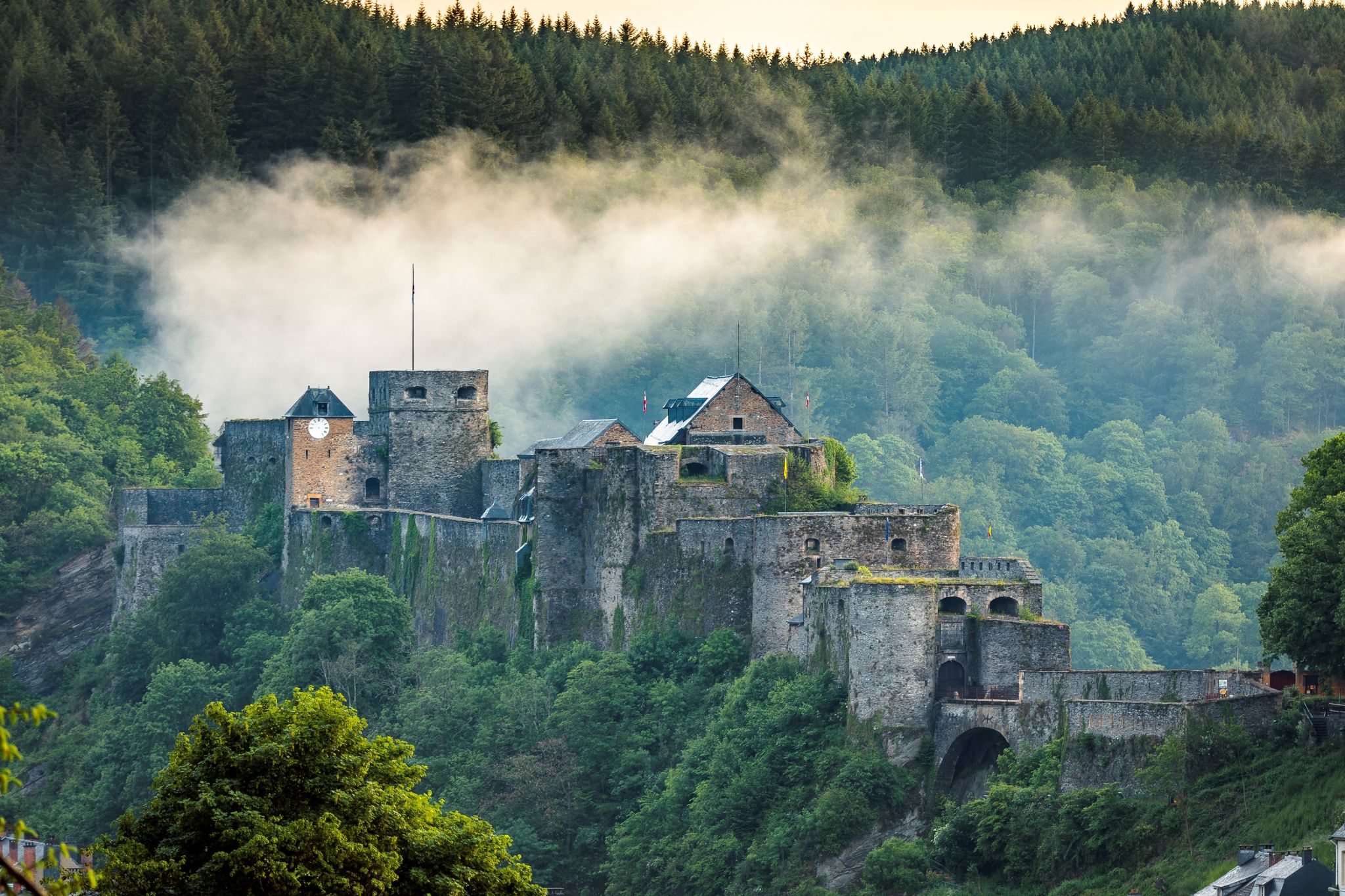
Hiking along majestic castles and nature – Belgian Ardennes
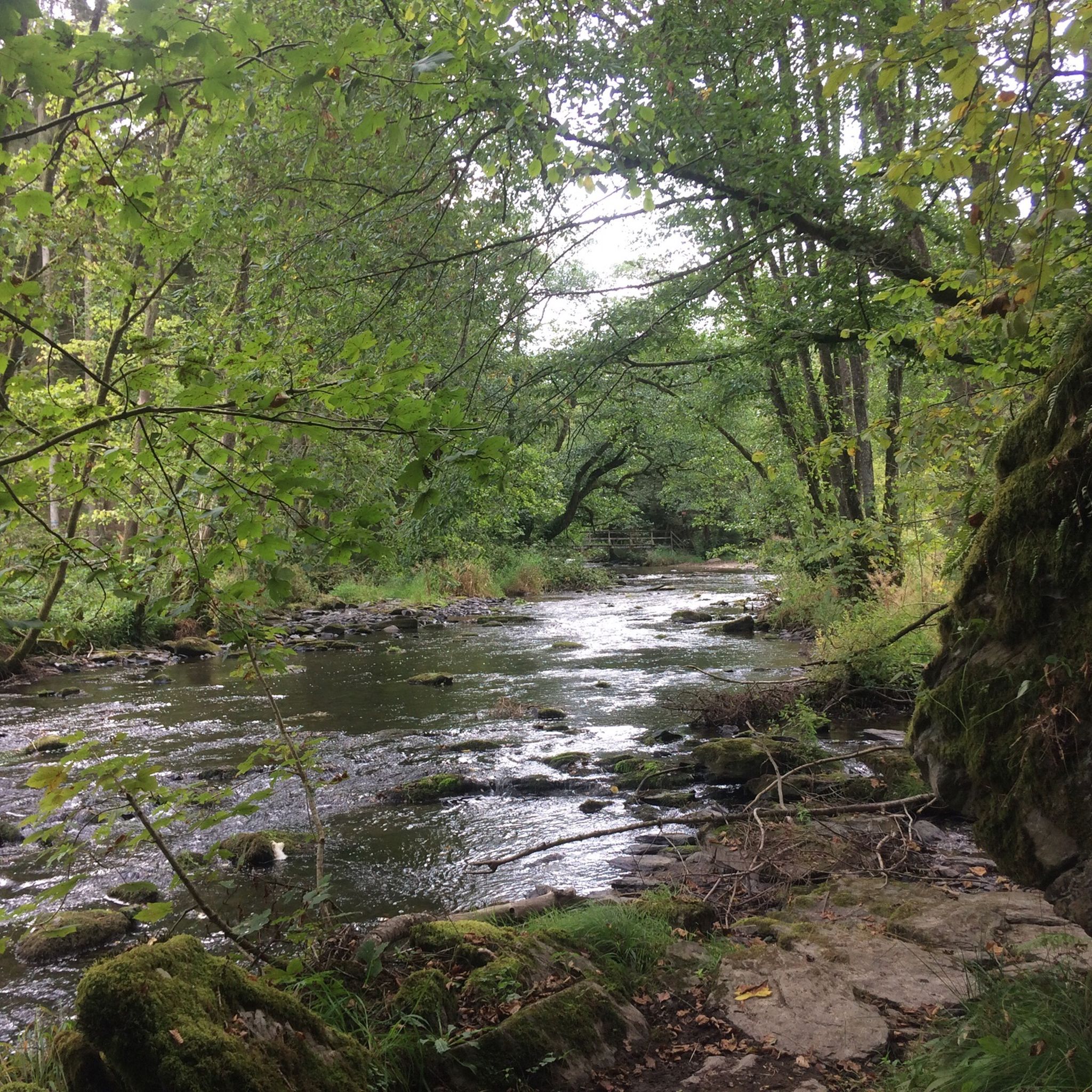
Hiking around Libin
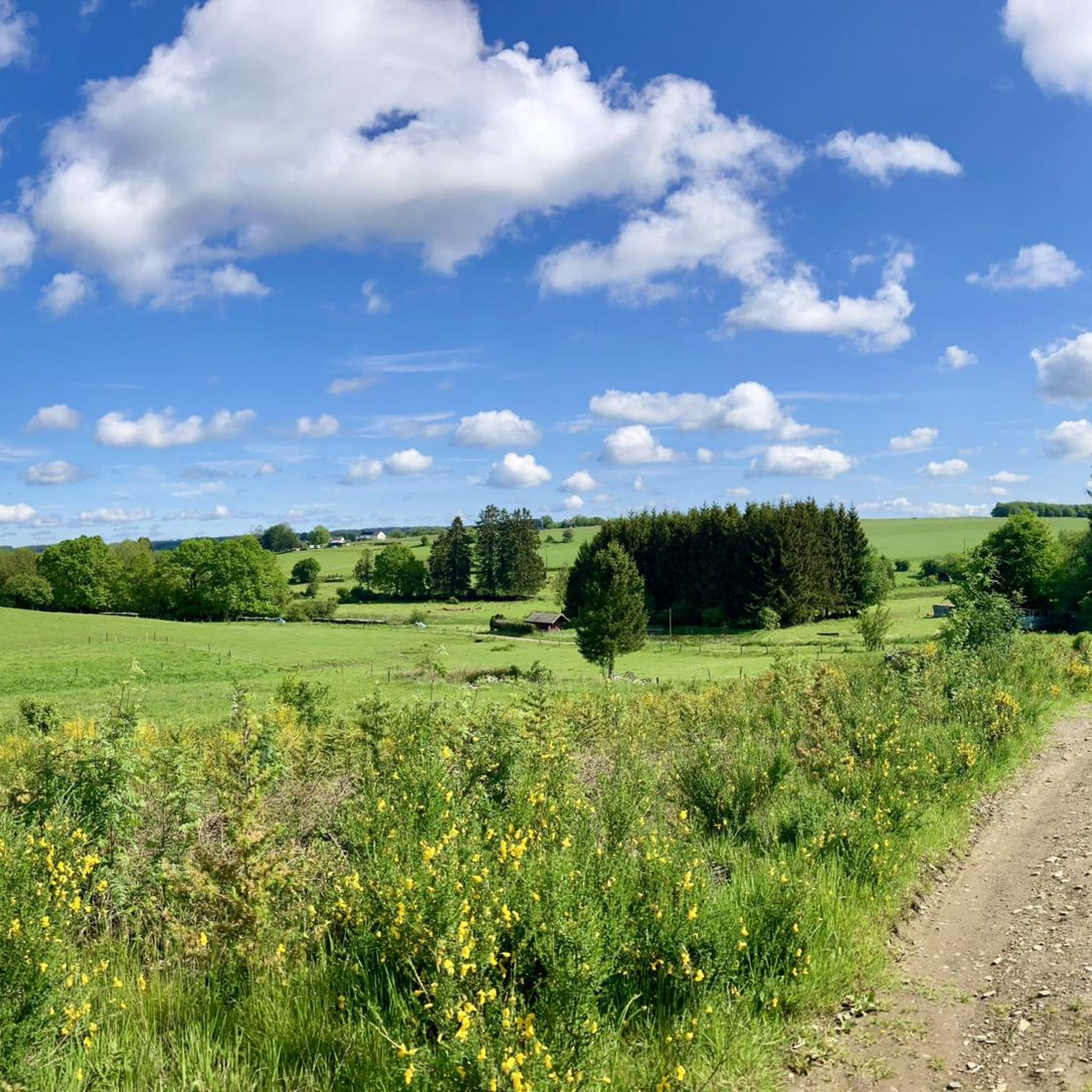
MTB Trails around Libin
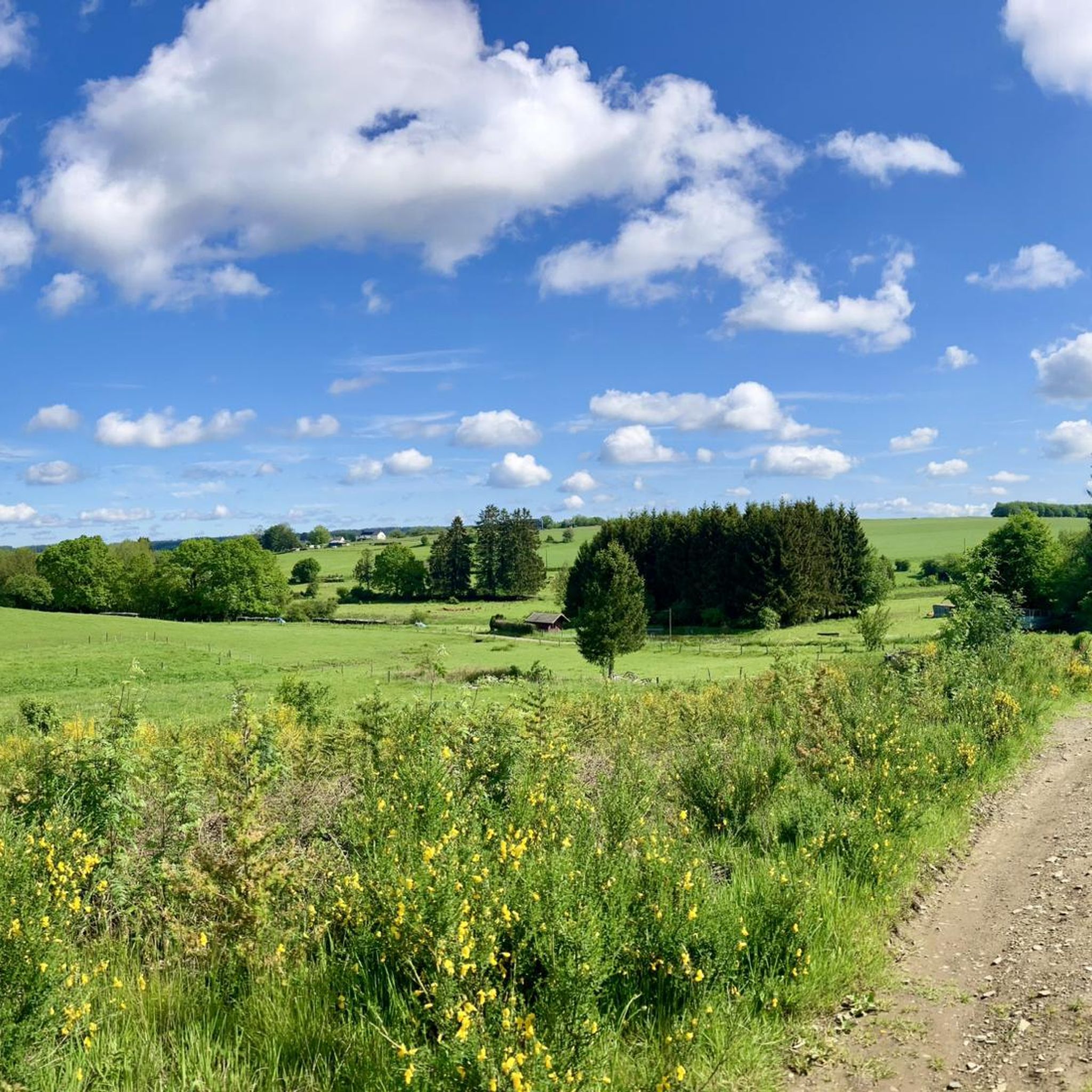
Road Cycling Routes around Libin
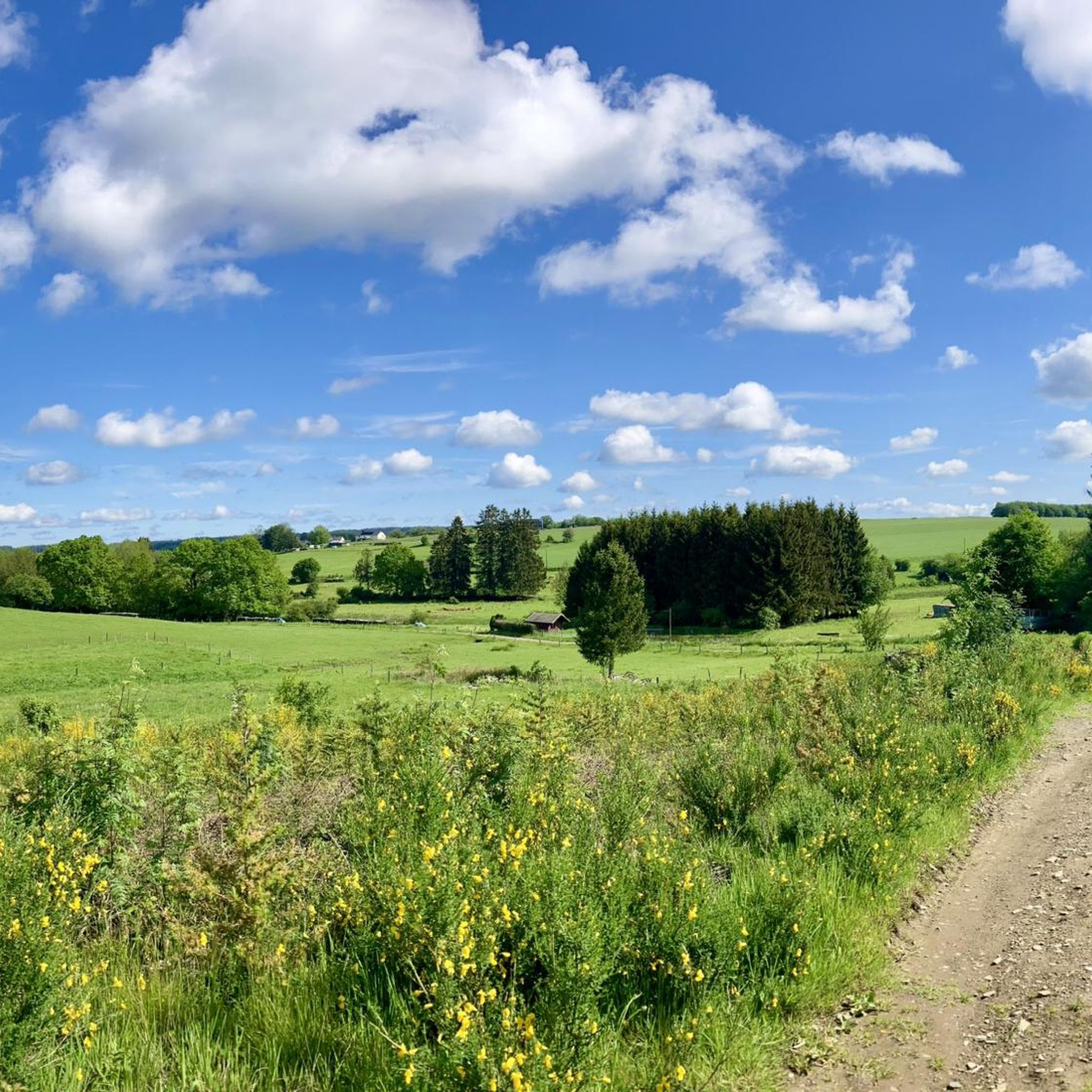
Cycling around Libin
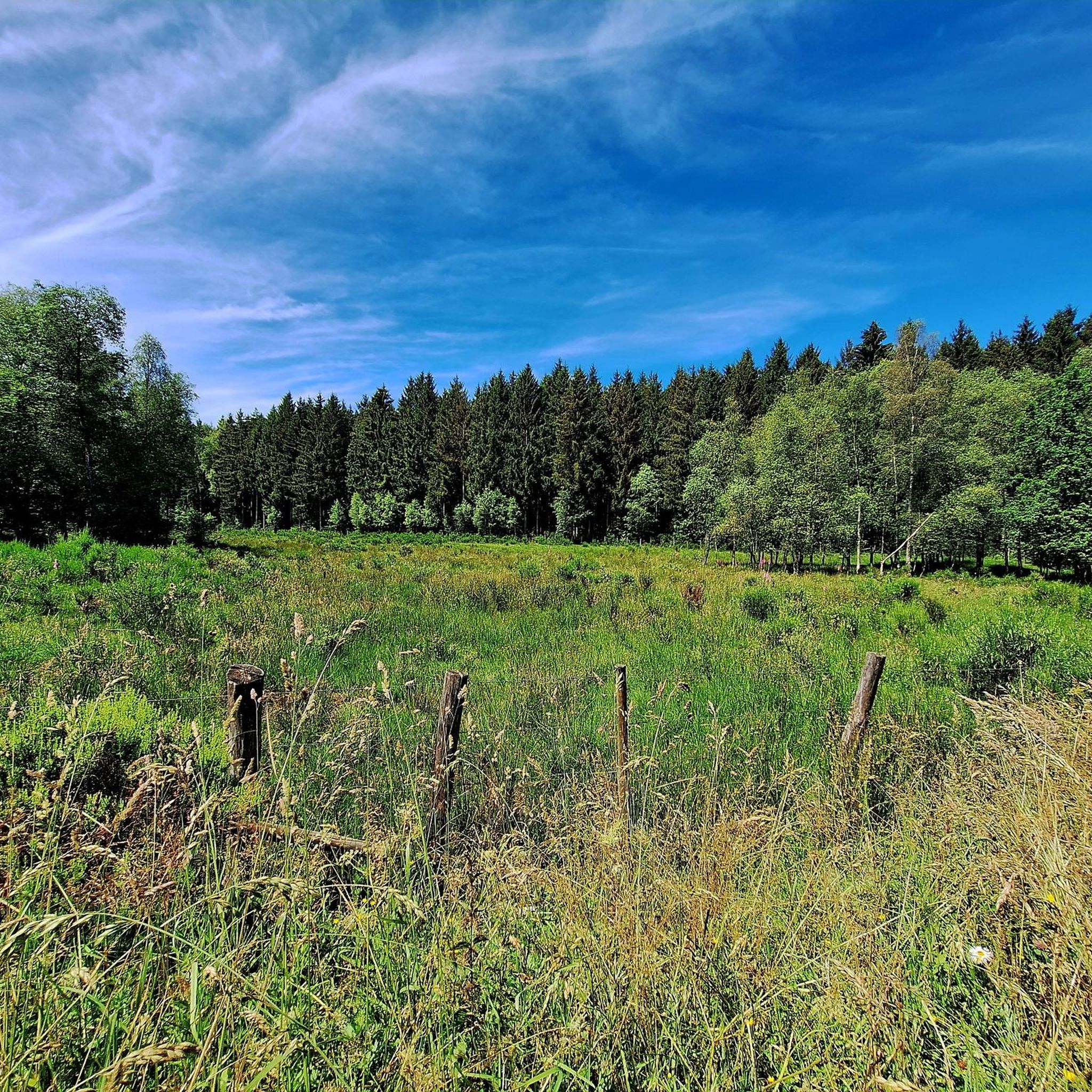
Running Trails around Libin
Other adventures around Libin


Tips from the Community

A castle steeped in history. Nearby (less than 3km away) are the ruins of Baron Hofschmidt's Hermitage, featuring famous poems by Lamartine, Boileau, and others, engraved directly into the rock with exceptional calligraphy.
0
0

Resteigne Castle is a sturdy 18th-century castle located near the picturesque bridge over the Lesse River. It has a long and rich history, dating back to the 12th century, when it belonged to the Loraine family. It has changed hands several times over the centuries, passing to the Berlo, Mérode, Rouveroy, and Hoffschmidt families. The castle is now privately owned but can be rented for events and weddings.
4
0

Information board where extensive explanation is given about Porcheresse and its inhabitants before the tragedy of the Great War. In 1914 Porcheresse is a village of clog makers. The inhabitants live mainly from agriculture. the construction of the tram connection opens up new possibilities. However, their living conditions will change dramatically due to the impending war. It is a small village with 460 inhabitants, located in an open place in the forest. THE area is hilly, crossed by the Lesse and the Almache. What do the inhabitants live on? Around 1900, 70% of men were clog makers in their main or secondary occupation. In the lower part of Porcheresse, along the Almache, mills for grain and oil, a sawmill, a tannery and a paper mill were also under development. In short, the inhabitants lived from agriculture and iron mining. How do the inhabitants move? After a long period of containment, the village was connected in 1908 to the tram line Rochefort-Wellin-Graide, as well as to the railway.
6
0
The castle of Porcheresse bears witness to the village's feudal past. this used to be the residence of the noble lord who imposed duties and taxes on the villagers. The castle stood in "la ruelle du Seigneur" (road to Daverdisse), later opposite the farmer's court "Moniotte". The castle was demolished at the beginning of the 19th century and rebuilt on its current site. The castle was destroyed again in 1914 and was rebuilt in 1919 - 1920 in Second Empire style.
6
0

The castle of Lavaux-Sainte-Anne is located in Wallonia in Lavaux-Sainte-Anne (5580) in Belgium near Rochefort, in the province of Namur. In 1450, Jean II de Berlo ordered the construction of this castle. From century to century, the building was reinforced and renovated. Lavaux-Sainte-Anne did not occupy a very strategic position for long. In Roman times, the Famenne was crossed by several secondary roads. One of them, coming from Givet and continuing towards Ave-et-Auffe, passed through Lavaux about a hundred meters north of the castle. It was bordered by villas like those discovered at Genimont or by fortresses like that of Eprave. The creation of the Principality of Liège will make the Lavaux region a border zone with the neighboring Duchy of Luxembourg. This border is protected by fortresses like Agimont, Revogne, Lavaux and Rochefort. The lords of this period came from the “de Wellin” family. The first known mention of Lavaux dates from 1244; Jacques de Wellin is title of Lavaux during his lifetime.
5
0

This magnificent castle is located in a typically Ardennes village. It was completely renovated in 2020 and is now a hotel-restaurant.
2
0

Although the remains still visible are few in number and do not allow one to appreciate the size of this castle, this promontory is worth it.
2
0
Built in Roman times, the site of the Fairy Castle forms a spur enclosed by the confluence of the Goutelle des Morceux and the Muno stream. The site was occupied for several centuries, from the Gallo-Roman period until the 11th and 12th centuries and again in the 18th century, under Louis XIV, when the site became a redoubt (a fortification system consisting of a fortified defensive position outside a larger fort).
2
0
Frequently Asked Questions
What kind of castles can I expect to find around Libin?
The castles around Libin offer a mix of historical sites and unique accommodations. Many are private estates or extensively renovated properties that function as luxury gîtes or hotels, blending historical ambiance with modern amenities. You'll find everything from 12th-century historical sites to 20th-century constructions designed to evoke grandeur.
Are there any castles near Libin that are open to the public for tours?
While many castles in the Libin area are privately owned or operate as accommodations, Lavaux-Sainte-Anne Castle is a notable exception, located near Rochefort. This castle, with construction dating back to 1450, has been reinforced and renovated over centuries and is generally accessible to visitors. Others, like Resteigne Castle, are privately owned but can be rented for events.
Which castles around Libin are family-friendly?
Lavaux-Sainte-Anne Castle is considered family-friendly. Additionally, while not always open for general public tours, some properties like the Majestic Castle in Libin, which accommodates large groups, offer amenities like indoor swimming pools that can be enjoyable for families staying there.
What natural features or viewpoints can I find near the castles?
The region around Libin is known for its natural beauty. Mirwart Castle is situated on a rocky hill overlooking the Lomme River, offering scenic views. Resteigne Castle is located near the picturesque bridge over the Lesse River. The Château des Fées Ruins, though few remains are visible, are on a promontory that provides a worthwhile vantage point.
Are there hiking trails near the castles around Libin?
Yes, the Libin region, part of the Belgian Ardennes, offers numerous hiking opportunities. You can find trails near many of the castles. For example, the area around Resteigne Castle is close to the Lesse River, which has walking routes. You can explore various hiking trails around Libin by visiting the Hiking around Libin guide.
What outdoor activities can I do near these castles besides hiking?
Beyond hiking, the Libin area is excellent for cycling. You can find both road cycling and gravel biking routes. Consider exploring the Road Cycling Routes around Libin or the Gravel biking around Libin guides for routes that might take you past some of these historical sites.
What is the history of Porcheresse Castle?
Porcheresse Castle has a rich and turbulent history. It originally stood in 'la ruelle du Seigneur' and was the residence of the local lord. It was demolished in the early 19th century, rebuilt on its current site, then destroyed again in 1914 during the Great War, and finally rebuilt between 1919 and 1920 in the Second Empire style.
Can I stay overnight in a castle near Libin?
Yes, several properties in the Libin area offer unique accommodation experiences in a château setting. Mirwart Castle, for instance, was renovated in 2020 and now functions as a hotel-restaurant. Other private estates, like the Majestic Castle in Libin or the dependencies of Château de Roumont, have been restored into luxurious gîtes for guests.
What is the best time to visit the castles and the Libin region?
The Belgian Ardennes, including Libin, is beautiful throughout the year. Spring and autumn offer pleasant temperatures for outdoor activities like hiking and cycling, with vibrant foliage in autumn. Summer is also popular, though it can be busier. If you plan to visit specific castles, it's advisable to check their individual opening hours or availability, especially for private estates or accommodations.
Are there any historical sites or towns near the castles worth visiting?
Absolutely. The Libin region is rich in history. The historic town of Saint-Hubert, with its Basilica, is a notable site nearby. The Mirwart estate, home to Mirwart Castle, is also a typical Ardennes village worth exploring. For more information on the wider Saint-Hubert forest area, you can visit foretdesainthubert-tourisme.be.
What do visitors enjoy most about the castles around Libin?
Visitors appreciate the blend of historical ambiance with the natural beauty of the Ardennes. The unique character of properties, whether they are ancient ruins or renovated estates offering modern comforts, is a major draw. The komoot community has shared 64 photos and given 197 upvotes, highlighting the scenic views and historical significance of these sites.
Most popular attractions around Libin

Get inspired with the komoot mobile app


Explore more
Looking for the best castles somewhere else? Discover other guides around Libin:
