Top 8 Caves around Lontzen
Best caves around Lontzen are situated in a region defined by hedgerow landscapes, rolling hills, and forests. This area offers a blend of natural cave features and historical mining tunnels, providing diverse opportunities for exploration. The landscape integrates natural beauty with industrial heritage, making it suitable for discovering unique geological formations and historical sites. Lontzen's surroundings are ideal for those interested in both natural and man-made subterranean structures.
Best caves around Lontzen
- The most popular caves is Mine entrance and…
Last updated: August 10, 2026
Mine entrance and Geul sinkhole — Plombières Nature Reserve
Highlight • Cave
Translated by Google •
Tip by

Oskar Tunnel (Oskarstollen)
Highlight • Historical Site
Translated by Google •
Tip by

Sign up now to discover places like this
Get recommendations on the best single tracks, peaks, & plenty of other exciting outdoor places.
Sign up for free
Grube Auberg Bat Cave Entrance
Highlight • Cave
Translated by Google •
Tip by

Lourdes Grotto of Vaalserberg
Highlight • Religious Site
Translated by Google •
Tip by

Nutons' Cave
Highlight • Cave
According to legend, nutons are small …
Translated by Google •
Tip by

Sign up for free to discover even more caves around Lontzen.
Sign up for free
Already have an account?
Start today with a free account
Your next adventure awaits.
Login or Signup
Popular around Lontzen



Tips from the Community

Great spot next to the path to discover.
2
0

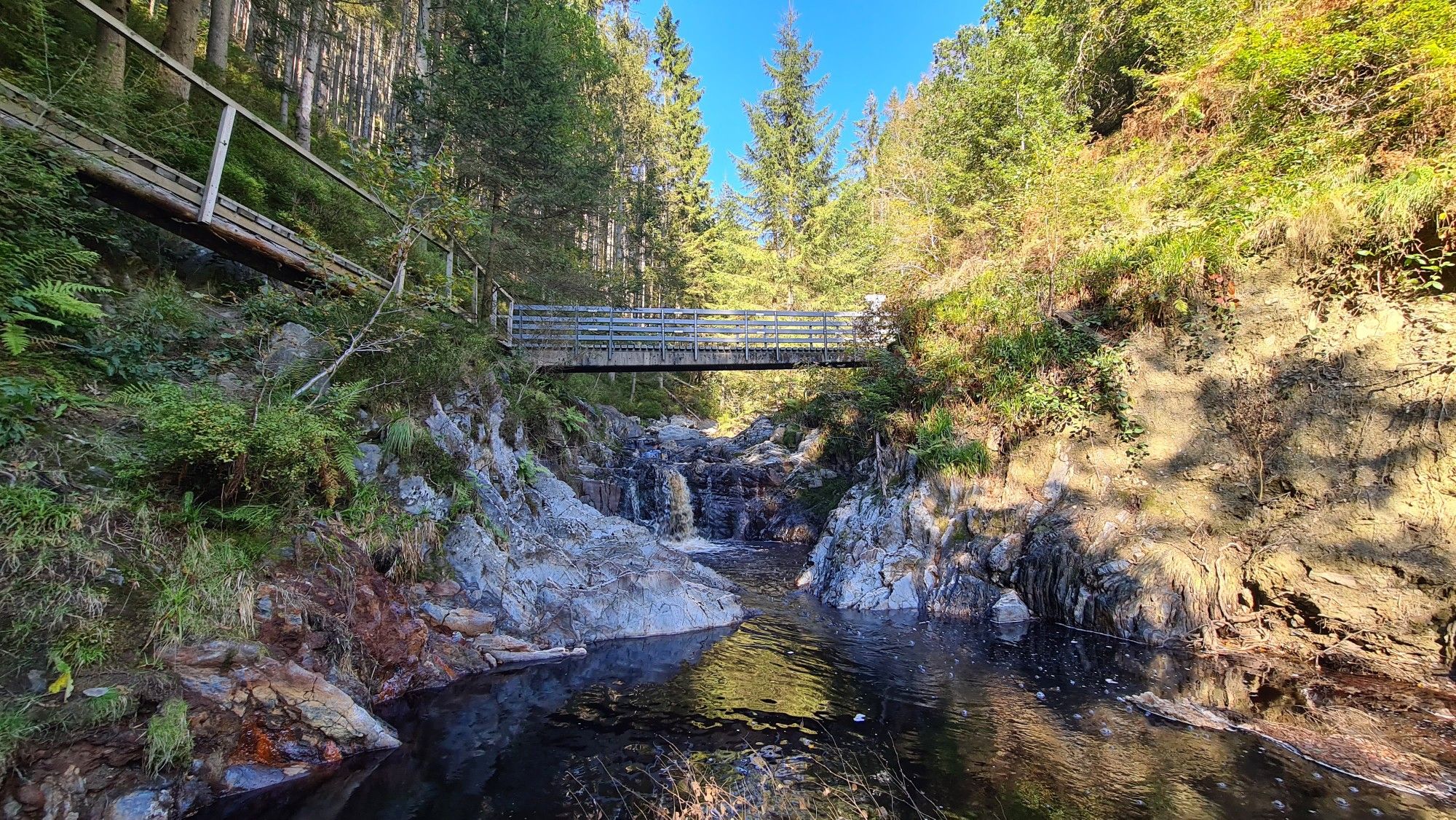
In the mid-19th century, flooding from the Göhl River posed a major threat to the mine in Bleyberg/Plombières: Water repeatedly penetrated the tunnels and claimed lives. To prevent this, a diversion of part of the river was requested and approved in 1861. By 1862, a tunnel several hundred meters long was built beneath the rock, keeping the Göhl away from the mine. The construction cost approximately 200,000 francs. The tunnel is a technical monument to mining engineering from an era when hazards were deliberately controlled while simultaneously harnessing hydropower. It demonstrates how work-related accidents were prevented while simultaneously harnessing resources.
54
0
Small cave with bat passage..
4
0

Bats hibernate from early November to the end of March. Please leave the animals alone during these five months. Thank you.
2
0

Bats 🦇 are allowed to fly in and out
2
0
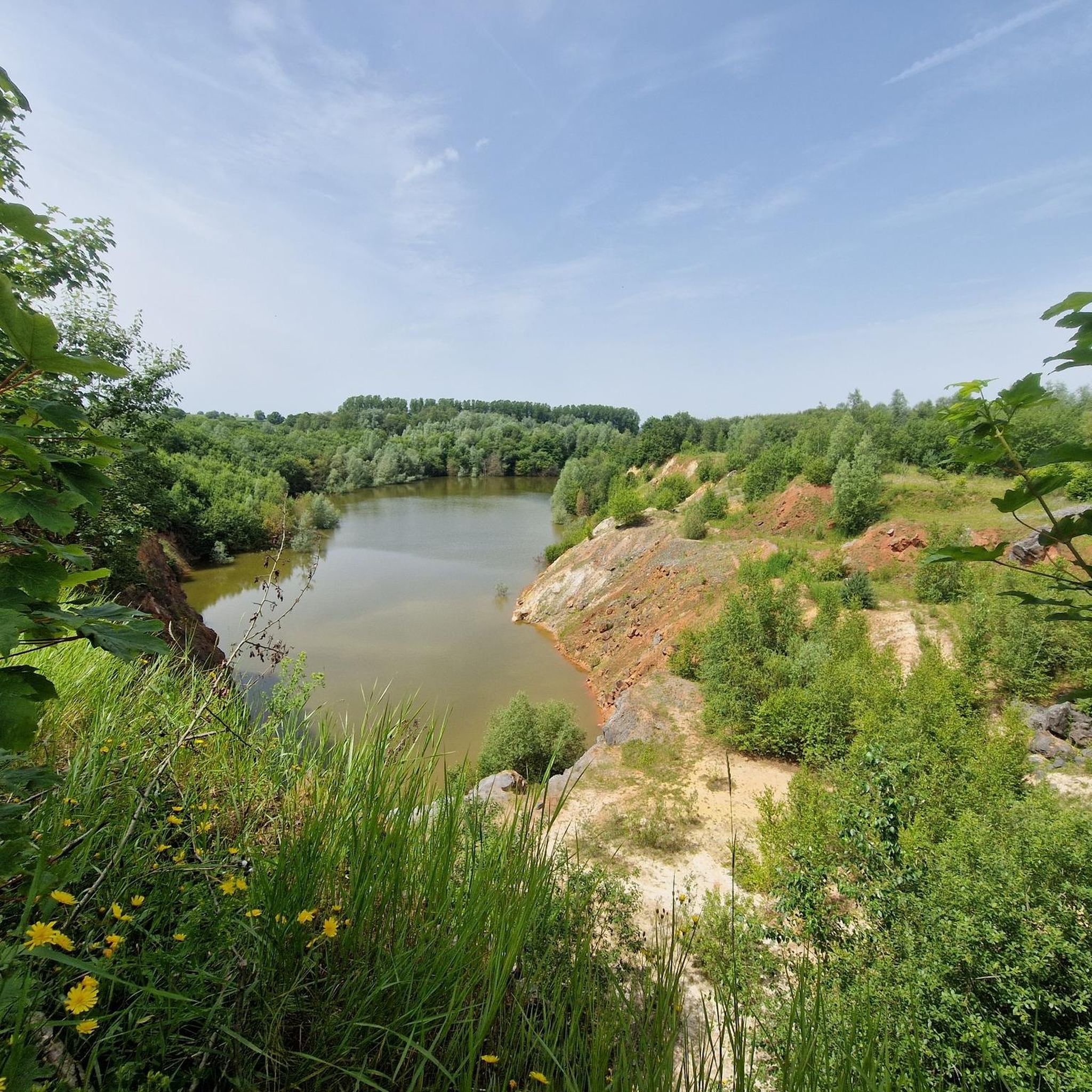
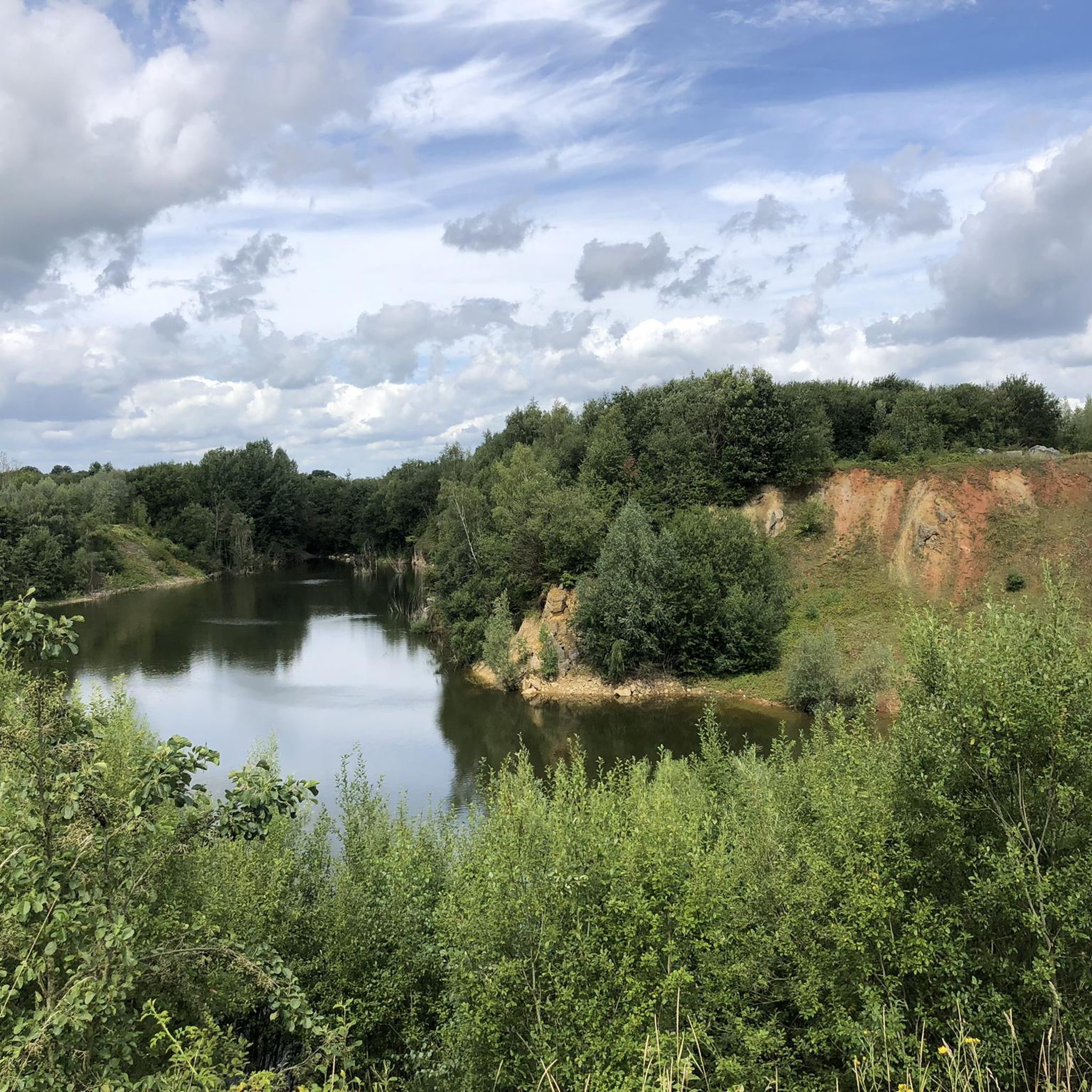
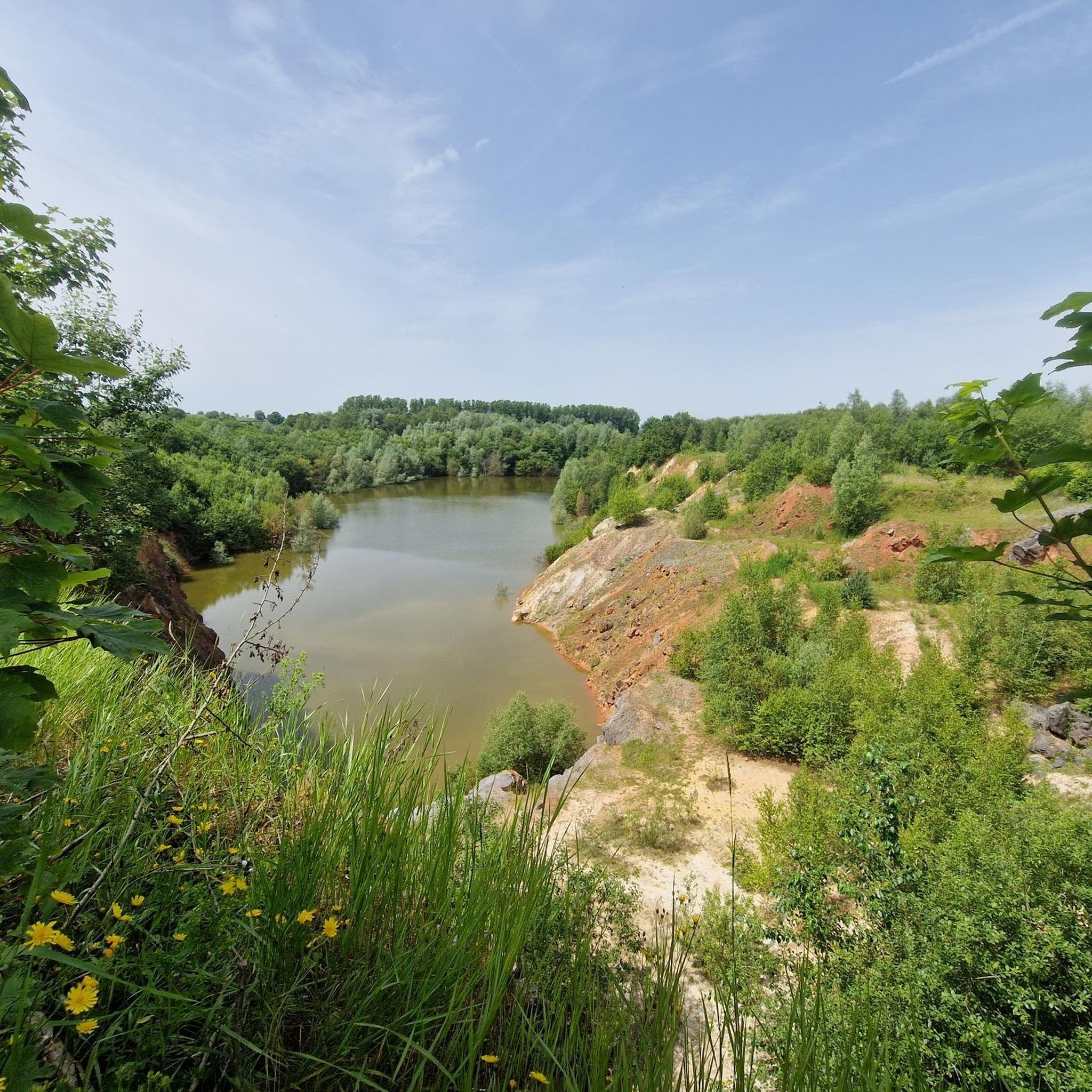
The site of the former Plombières mine is home to species-rich calcareous grassland meadows, now protected as a nature reserve. The exceptional flora and fauna of this area are due to the heavy metal-rich soils, particularly the presence of zinc in the subsurface. Among the natural meadow relics, visible traces of the former metal industry can still be found: – Walls from former foundry floors – Remains of old smelting furnaces – Stones from former industrial buildings A small stream meandering through the area further enriches the ecological diversity of this special place. The "Gueule" viewpoint, which offers a glimpse into a cave opening, is particularly impressive and worth a visit.
53
0

This cave is located on the left bank of the Ruisseau de Villers (La Pancherelle) and is located a little higher up along the hiking trail, in the forests of Saint-Jacques. The "nuton" (or lûton, nûton, gnome in Dutch) is a small creature from the folklore and popular beliefs of the French and Belgian Ardennes. The nuton has the same origins as the gnome, but according to local folklore, caves, caverns and underground passages make up most of its habitat, much like the dwarves of the Germanic world.
6
0

Hardly anything can be seen here.
2
0
Frequently Asked Questions
What types of caves can I explore around Lontzen?
The Lontzen area offers a mix of natural cave features and historical mining tunnels. You can find sites like the Mine entrance and Geul sinkhole — Plombières Nature Reserve, which combines a cave viewpoint with a former mining area, or the Oskar Tunnel (Oskarstollen), a historical ore transport tunnel now serving as a bat habitat. There are also natural monuments like the Grube Auberg Bat Cave Entrance.
Are there any family-friendly caves or sites near Lontzen?
Yes, the Mine entrance and Geul sinkhole — Plombières Nature Reserve is categorized as family-friendly. It offers a chance to explore a former mining site that is now a nature reserve, with unique flora and fauna due to its heavy metal-rich soils, and a viewpoint into a cave opening.
What historical significance do the caves and tunnels around Lontzen hold?
Many sites around Lontzen have significant historical ties to mining. The Oskar Tunnel (Oskarstollen), for instance, is a 500-meter-long tunnel historically used to transport ore from the deep Schmalgraf mine. The Plombières Nature Reserve also encompasses a former zinc and lead mining site that operated for centuries.
Can I see wildlife in the caves near Lontzen?
Yes, several sites are known for their wildlife, particularly bats. The Oskar Tunnel (Oskarstollen) and the Grube Auberg Bat Cave Entrance are both recognized as important bat habitats and hibernacula. When visiting these areas, it's important to remain quiet to avoid disturbing the wildlife.
Are there any artificial tunnels or unique man-made cave features?
Yes, the Artificial Tunnel of the Gueule River is a notable example. This impressive man-made passage was dug in 1861 to divert the course of the Gueule river, preventing floods from entering the Plombières mines. It's now a picturesque spot with the river rushing into the tunnel.
What outdoor activities can I do near these caves?
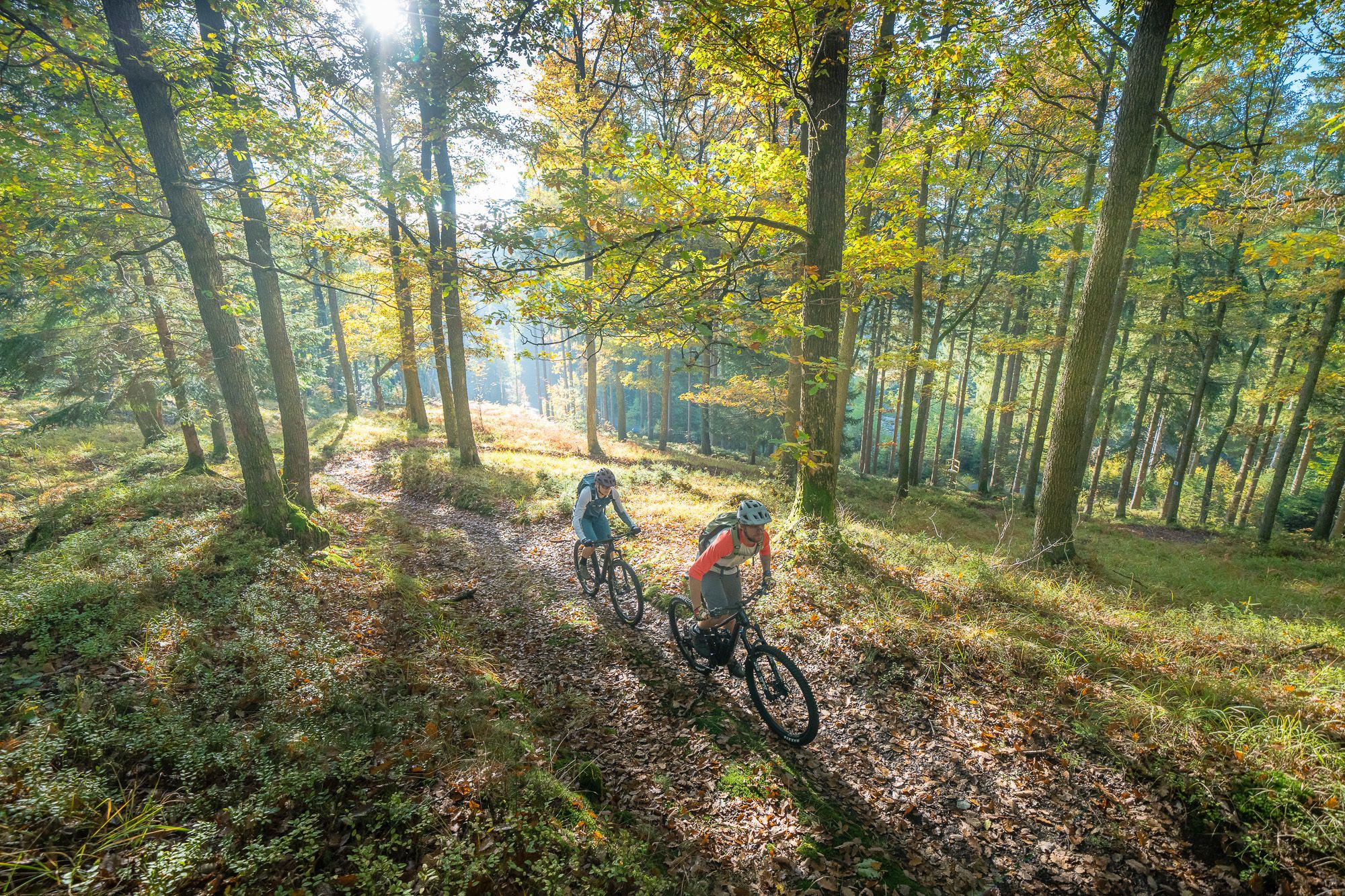
The region around Lontzen is excellent for various outdoor activities. You can find numerous routes for cycling, gravel biking, and running. Many of these routes pass through the scenic hedgerow landscapes, rolling hills, and forests that characterize the area, often leading past or near the cave sites.
Are there any caves associated with local folklore or legends?
Yes, the Nutons' Cave is linked to local folklore. According to legend, nutons (small, clever beings similar to gnomes) inhabit these caves and perform minor repair work in exchange for offerings. They are known for being mischievous and cunning.
What is the accessibility like for the Grube Auberg Bat Cave Entrance?
The Grube Auberg Bat Cave Entrance is a barred cave entrance located in the state forest. While the entrance itself is visible, access into the cave is restricted to protect the bat hibernaculum. It is generally part of hiking trails, so reaching it involves walking through natural terrain.
Are there any developed show caves with guided tours near Lontzen?
While Lontzen itself features more natural and historical cave entrances, for developed show caves with guided tours and impressive geological formations like stalactites and stalagmites, you would need to venture further into the broader Belgian Ardennes region. Renowned options like the Caves of Remouchamps are located a distance away. You can find more information about the Caves of Remouchamps at visitwallonia.com.
What should I know about visiting the Plombières Nature Reserve?
The Plombières Nature Reserve is a site of both industrial history and ecological significance. It features species-rich calcareous grassland meadows due to heavy metal-rich soils, supporting unique flora and fauna. You can still find visible traces of the former metal industry, such as walls and remains of old smelting furnaces. The 'Gueule' viewpoint offers a glimpse into a cave opening, and a small stream meanders through the area.
What is the best time to visit the caves around Lontzen?
The best time to visit the cave entrances and surrounding natural areas around Lontzen is generally during the warmer months, from spring to autumn, when hiking trails are most accessible and the weather is pleasant for outdoor exploration. During winter, some areas might be less accessible due to weather conditions, and it's crucial to avoid disturbing bat habitats during their hibernation period.
Most popular routes around Lontzen
Most popular attractions around Lontzen

Get inspired with the komoot mobile app


Explore more
Extend your search for the best caves by checking out these guides of the top ones around Lontzen:
