Top 11 Castles around Genova
Best castles around Genova are found in a city rich in history and strategic importance, boasting several notable fortifications that offer a glimpse into its past. Situated on the Ligurian coast, Genoa's landscape is characterized by hills and a natural harbor, making it a strategic location for defense. The city's defensive network includes traditional castles, historical residences, and extensive fortifications. These structures reflect centuries of architectural evolution and military strategy.
Best castles around Genova
- The most popular castles is Forte…
Last updated: August 10, 2026
Forte Diamante
Highlight • Castle
Translated by Google •
Tip by

Forte Geremia
Highlight • Historical Site
Translated by Google •
Tip by

Sign up now to discover places like this
Get recommendations on the best single tracks, peaks, & plenty of other exciting outdoor places.
Sign up for free
Spinola Palace (Palazzo Spinola di Pellicceria)
Highlight • Historical Site
Translated by Google •
Tip by

Royal Palace of Genoa (Palazzo Reale di Genova)
Highlight • Castle
Translated by Google •
Tip by

Castello Bruzzo
Highlight • Castle
Translated by Google •
Tip by

Sign up for free to discover even more castles around Genova.
Sign up for free
Already have an account?
Start today with a free account
Your next adventure awaits.
Login or Signup
Popular around Genova
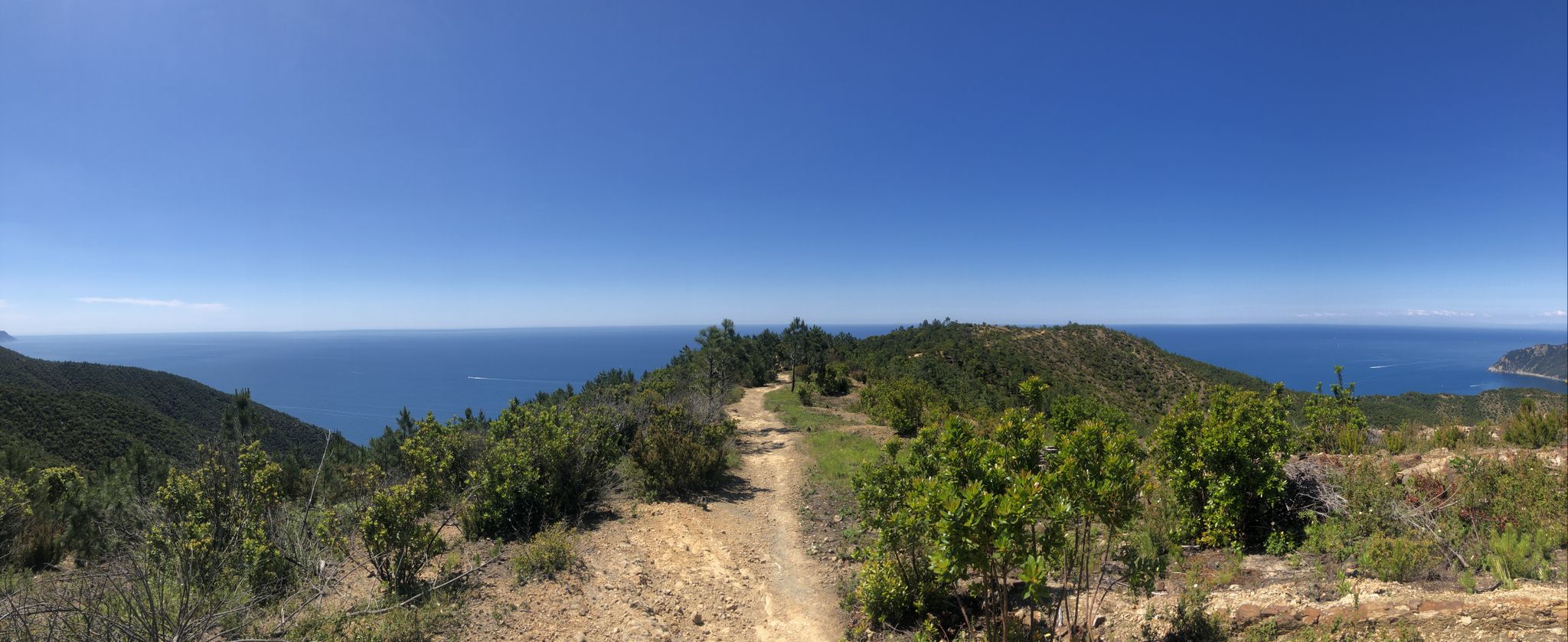
Via della Costa – A breathtaking hike along the Italian Riviera
Naples to North Cape — Two friends, one purpose and many scoops of ice-cream

Road to BAM! 2026 – Condividi la strada
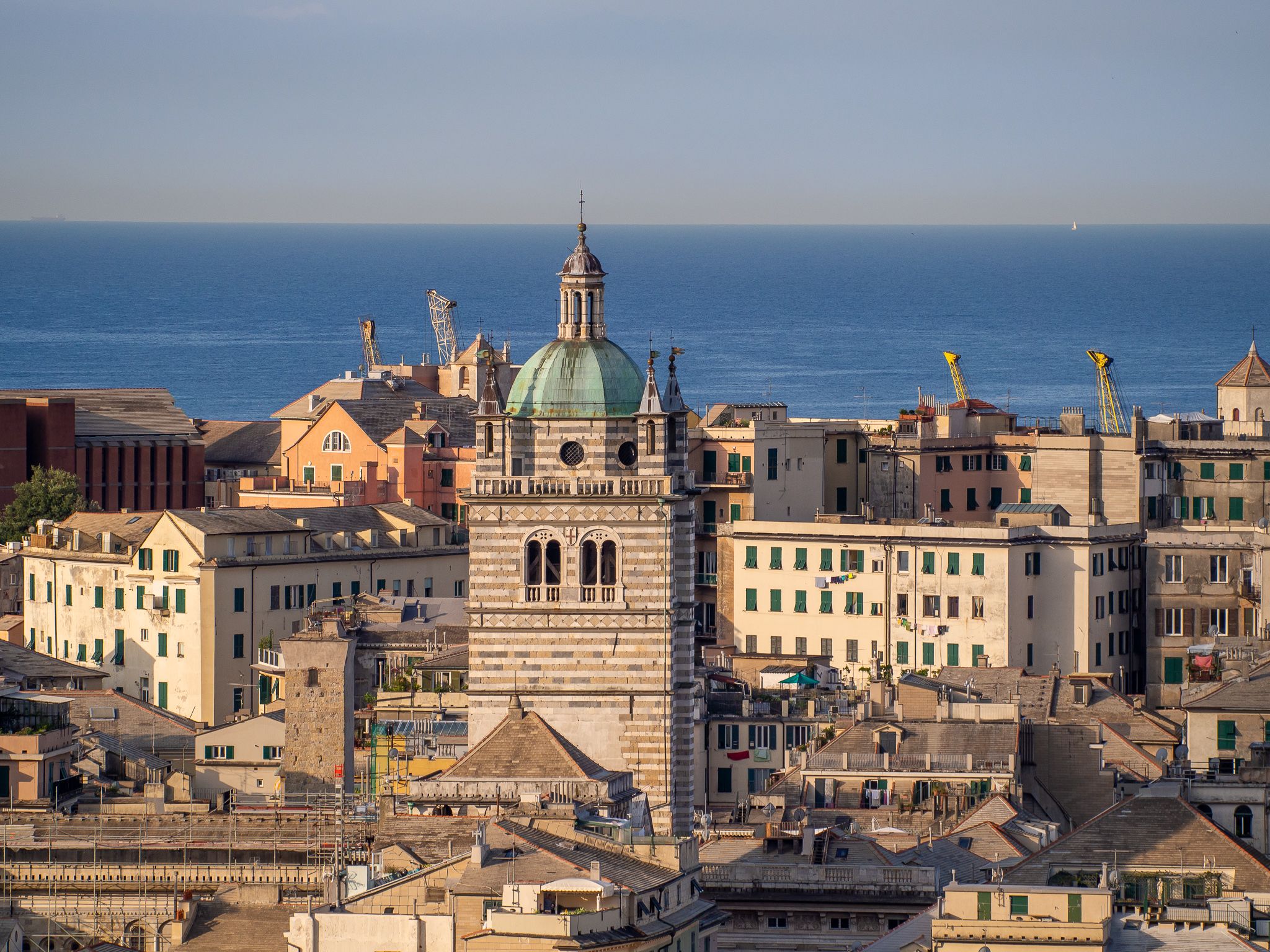
Urban Trekking in Genoa – the Anelli del Benessere
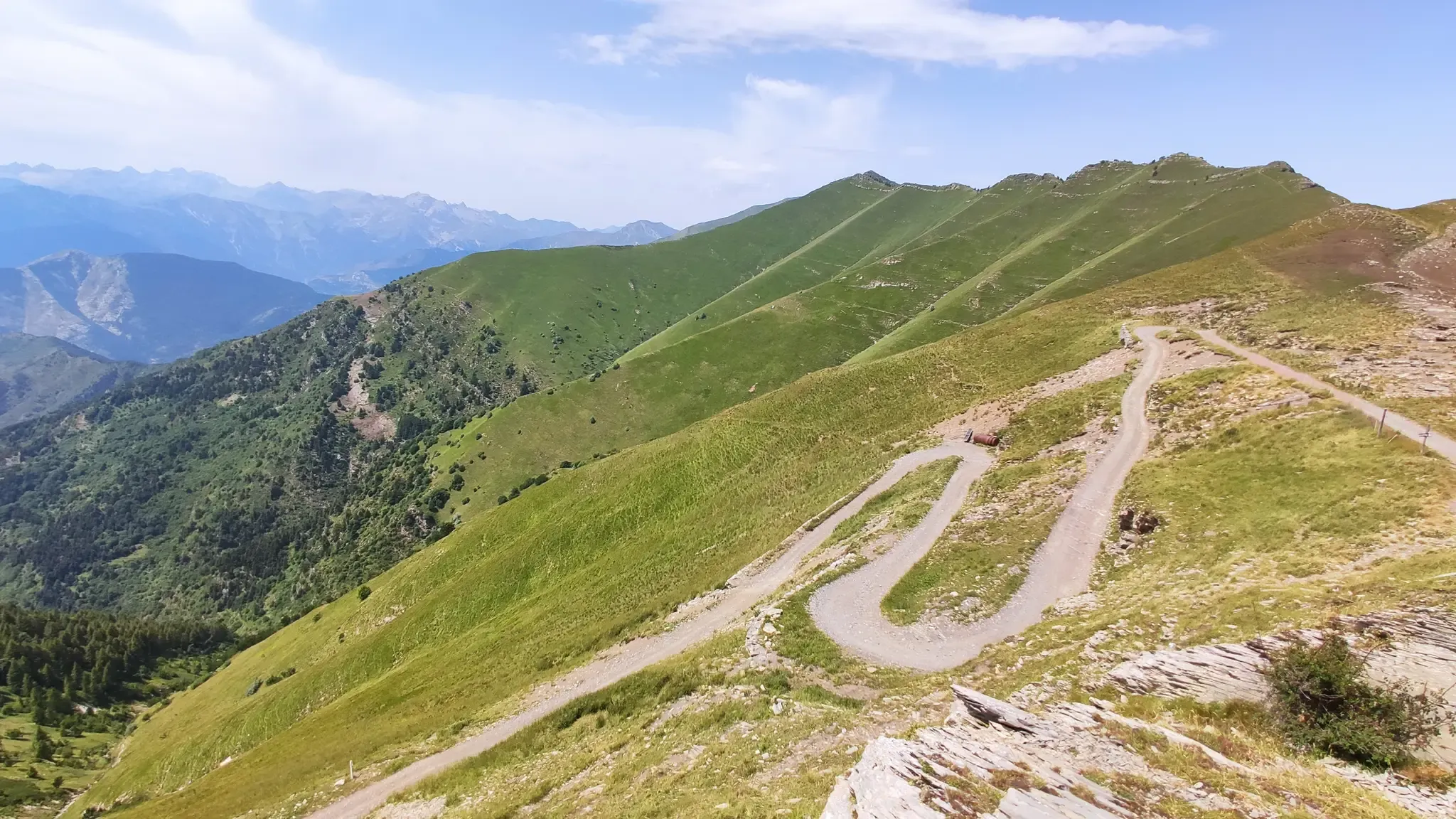
MTB between sky, land and sea – Italy’s Alta Via dei Monti Liguri
Steep cliffs and old military roads — Italy’s Liguria by mountain bike
Tour Italy: A Giro d'Italia with luggage in four weeks
Hiking around Genova
Road Cycling Routes around Genova
MTB Trails around Genova
Other adventures around Genova


Tips from the Community


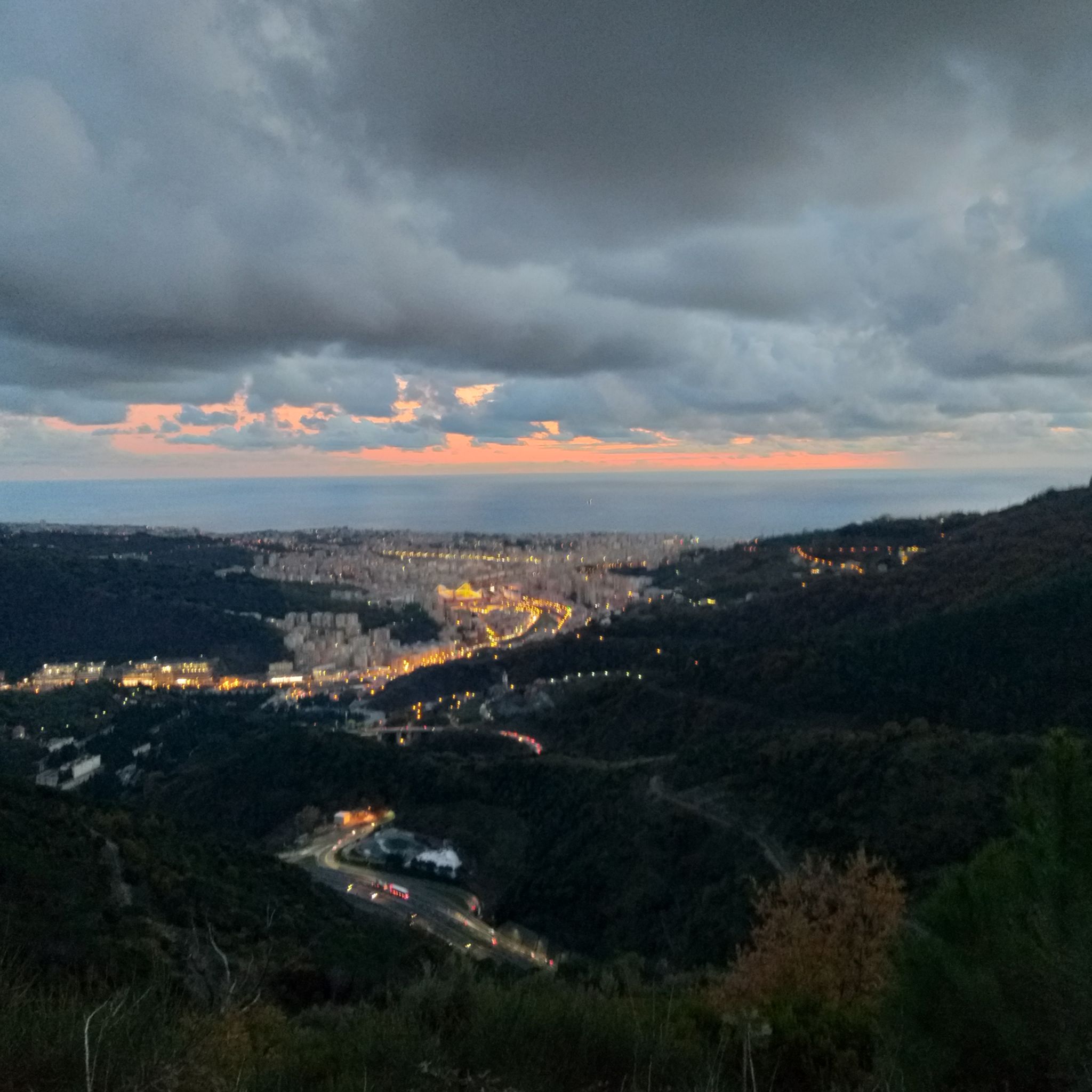
The highest of the forts in Genoa and the only one not in the city municipality, but in that of Sant'Olcese. Easily accessible from the Baita del Diamante (Trensasco), Camporsella or from the Parco del Peralto, it offers truly stunning views and sunsets.
0
0

Climbing to the fort from Trensasco.
0
0

Castello Bruzzo was commissioned by the engineer Pietro Micheli to the famous architect Gino Coppedè in 1904. The building consists of a central quadrangular block in the shape of a castle, with a high tower topped by a hipped roof, to which other buildings are added. The walls are in gray stone ashlar with brick inserts and decorative marble reliefs; there is a rich decoration in wrought iron (torch holders, rings, flagpole holders). The loggia to the south has vaults frescoed with allegories of the signs of the Zodiac, within panels with stylized floral motifs. The central hall, with a wooden coffered ceiling, is frescoed with grotesques, branches and trophies. Today it is often used for conferences and receptions.
1
0

Fort Geremia is a military fortress of the western Ligurian Apennines, which stands (at an altitude of 806 m above sea level) on the eastern fortress of Bric Geremia, a relief of the main Apennine ridge. It is located a very short distance from the Ligurian coast (7 km as the crow flies) and at the point where the Cerusa, Leiro and Stura valleys converge.
1
0

The castle has largely preserved the original furniture from its long history. Genoese, Piedmontese and French furniture from the 17th to the 20th centuries can be seen in the halls.
4
0

The Royal Castle (Italian Palazzo Reale di Genova is a historic residence in the Italian city of Genoa. Its premises are now used as an art gallery. With its adjacent park, it is considered one of the most impressive museums in the city. The building is located in Via Balbi , not far from the university headquarters and the Genova Principe train station. The baroque building dates back to the 16th-17th centuries and has preserved its historical treasures, from the frescoes and stucco work to the paintings and furniture of that time.
1
0
Nestled in the heart of the historic center of Genoa, the Palazzo Spinola di Pellicceria shows us that the Rolli Palaces are not only located directly on the triumphant Strada Nuova, but are present throughout the entire city fabric, with their cultural assets of art and history. Built at the request of Francesco Grimaldi at the end of the 16th century, the palace was the seat of four extremely important families of the city: the Grimaldi family, the Pallavicino, the Doria and finally the Spinola; the last heirs of the family, Paolo and Franco Spinola. They handed over the Palazzo and all its collections to the State in 1958, thus making available to everyone a historical collection of paintings, among the most important in the city, allowing immersion in a refined and precious atmosphere, reflecting the excellent taste of the Genoa nobility ( the proud) determined.
1
0
Frequently Asked Questions
What makes the castles and fortifications around Genova unique?
Genova's castles and fortifications are a diverse collection, ranging from medieval strongholds to 19th-century Gothic Revival mansions and extensive defensive networks. They reflect centuries of architectural evolution and military strategy, offering insights into the city's strategic importance. For example, Forte Diamante, erected in the 1700s, showcases military architecture, while Castello d'Albertis is an eclectic 19th-century mansion housing a museum of world cultures.
Are there any castles that offer panoramic views of Genova and the Ligurian Sea?
Yes, many of Genova's fortifications and castles are strategically positioned to offer breathtaking panoramic views. Forte Sperone, located on Monte Peralto, provides control over both Val Bisagno and Val Polcevera. Similarly, Forte Geremia offers fantastic views of the coast and the port of Genoa, and on clear days, you can even see the Maritime Alps. Castello d'Albertis also boasts commanding views over the city and the Ligurian Sea.
What kind of historical insights can I gain from visiting these sites?
Visiting Genova's castles and fortifications offers a deep dive into the city's rich history. Structures like Forte Diamante and Fort Puin highlight Genoa's military past and defensive strategies. Historical residences such as Spinola Palace and the Royal Palace of Genoa showcase the opulent lives of Genoa's aristocratic families through their preserved interiors and art collections. Castello d'Albertis, with its ethnographic and archaeological findings, tells the story of a passionate traveler and collector.
Are there hiking opportunities around the castles and fortifications?
Absolutely. The forts of Genoa, particularly those within the 'Parco delle Mura' like Forte Diamante and Forte Sperone, are popular destinations for hikers. You can find various routes, such as those starting from via del Peralto (Righi) and continuing on the Sentiero delle Farfalle or Sentiero dell'Acquedotto. For more detailed hiking options, explore the MTB Trails around Genova guide, which includes routes near these historical sites.
What outdoor activities can I do near these castles, besides hiking?
Beyond hiking, the areas around Genova's castles and fortifications offer opportunities for running and gravel biking. For instance, you can find various running trails in the region, including loops that pass through iconic city places. If you're into cycling, there are challenging gravel biking routes that offer views over the Genoa Valley and pass by forts like Forte Begato. Check out the Running Trails around Genova and Gravel biking around Genova guides for more options.
Are there any castles or historical residences with unique architectural styles?
Yes, Castello Mackenzie in the Castelletto quarter is a magnificent example of Gothic Revival architecture, designed by Gino Coppedè. It blends Gothic and Mannerist influences and was built with avant-garde techniques for its time, including central heating and an indoor pool. Castello d'Albertis also stands out with its eclectic blend of Gothic Revival, Florentine, and Aosta Valley castle influences, reflecting its owner's global travels.
Can I visit the interiors of these castles, or are they mostly exterior ruins?
Many of Genova's castles and historical residences offer interior access. Castello d'Albertis houses the Museo delle Culture del Mondo, allowing visitors to explore its collections. While Forte Sperone is largely abandoned, some internal rooms can be explored with caution. Fort Puin is well-preserved and open for free visits on Sundays. The Royal Palace of Genoa and Spinola Palace are known for their preserved interiors and art collections.
Are there any castles that are particularly suitable for families or offer amenities?
While specific kids' activities aren't widely advertised for all sites, some forts like Fort Puin serve as picnic areas and meeting points for school groups, making them suitable for family outings. Forte Geremia functions as a visitor center and offers refreshment services, and even accommodation, which can be convenient for families exploring the area.
What is the best way to reach Castello d'Albertis?
Castello d'Albertis is uniquely accessible via the Ascensore Castello d'Albertis-Montegalletto, a combined funicular and elevator system that transitions from horizontal to vertical travel. This unique journey is an experience in itself. You can find more information about this unique transport system on Atlas Obscura.
Are there any forts that are particularly well-preserved or have unique features?
Fort Puin, constructed in 1825, is one of the best-preserved forts in the Parco delle Mura and is managed by a volunteer association, open for visits on Sundays. Forte Sperone is notable for its imposing structure on three levels and its unique shape resembling a ship's bow. Forte Diamante, built on Mount Diamante, is considered one of the most distinctive in the walled city due to its dominant position.
What are the general entrance fees for these castles and fortifications?
Entrance fees vary by site. For example, Castello d'Albertis, which houses the Museo delle Culture del Mondo, typically has an entrance fee. Many of the forts, especially those in the Parco delle Mura like Fort Puin, are often free to visit, particularly on specific days like Sundays. It's advisable to check the official websites or local tourist information for the most current pricing and opening hours for each specific location.
What is the best season to visit the castles and fortifications around Genova?
The best season to visit Genova's castles and fortifications generally depends on your preference for weather and activities. Spring (April-May) and Autumn (September-October) offer pleasant temperatures for exploring the outdoor forts and hiking trails. Summer can be warm, but is ideal for combining castle visits with coastal activities. Winter offers a quieter experience, though some facilities or opening hours might be reduced. Always check local weather forecasts before planning your trip.
Most popular attractions around Genova

Get inspired with the komoot mobile app


Explore more
Looking for the best castles somewhere else? Discover other guides around Genova:
