Top 9 Caves around Ferla
Caves around Ferla, Sicily, are primarily found within the Necropolis of Pantalica, a UNESCO World Heritage site. This region features both natural karst caves and extensive man-made rock-cut structures. The area is characterized by a deep canyon carved by the Anapo and Calcinara rivers, offering a blend of historical significance and natural landscapes. Ferla serves as a key access point to explore these ancient sites and geological formations.
Best caves around Ferla
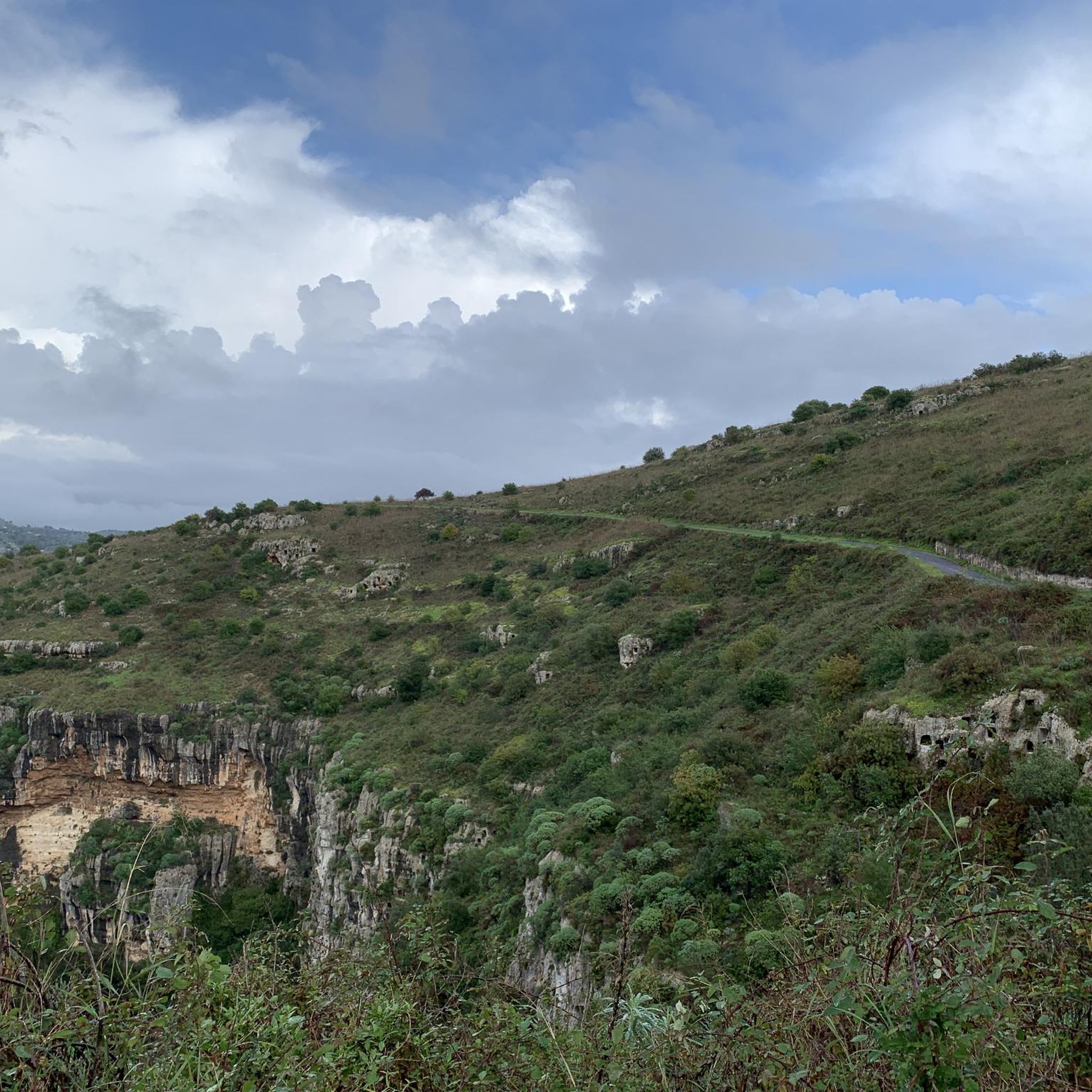
- The most popular caves is Anapo Valley, a gorge known for its landscape and historical rock chamber tombs. The valley is traversable on a path along an old railway track, offering views of around 1800 rock chamber tombs from 1200-800 BC.
- Another must-see spot is Bronze Age Rock Tombs, a historical site that forms part of the ancient Necropolis of Pantalica. These tombs are carved into the limestone cliffs, representing a significant archaeological feature of the region.
- Visitors also love San Micidiario Rock-cut Church, a religious building and historical site located within the necropolis. This rock-cut church is part of the Byzantine rock-cut villages, offering insight into ancient dwellings and religious practices.
- Ferla is known for its natural karst caves, ancient rock-cut tombs, and rock-cut churches. These diverse cave types provide opportunities to explore both geological formations and historical human settlements.
- The caves around Ferla are appreciated by the komoot community. With 169 upvotes and 163 photos, these locations offer diverse exploration opportunities.
Last updated: July 27, 2026
Anapo Valley
Highlight (Segment) • Gorge
Translated by Google •
Tip by

Pantalica Cave
Highlight • Cave
Translated by Google •
Tip by

Sign up now to discover places like this
Get recommendations on the best single tracks, peaks, & plenty of other exciting outdoor places.
Sign up for free
Bronze Age Rock Tombs
Highlight • Historical Site
Translated by Google •
Tip by
San Micidiario Rock-cut Church
Highlight • Religious Site
Translated by Google •
Tip by
Cavetta Rock Settlement
Highlight • Historical Site
Translated by Google •
Tip by

Sign up for free to discover even more caves around Ferla.
Sign up for free
Already have an account?
Start today with a free account
Your next adventure awaits.
Login or Signup
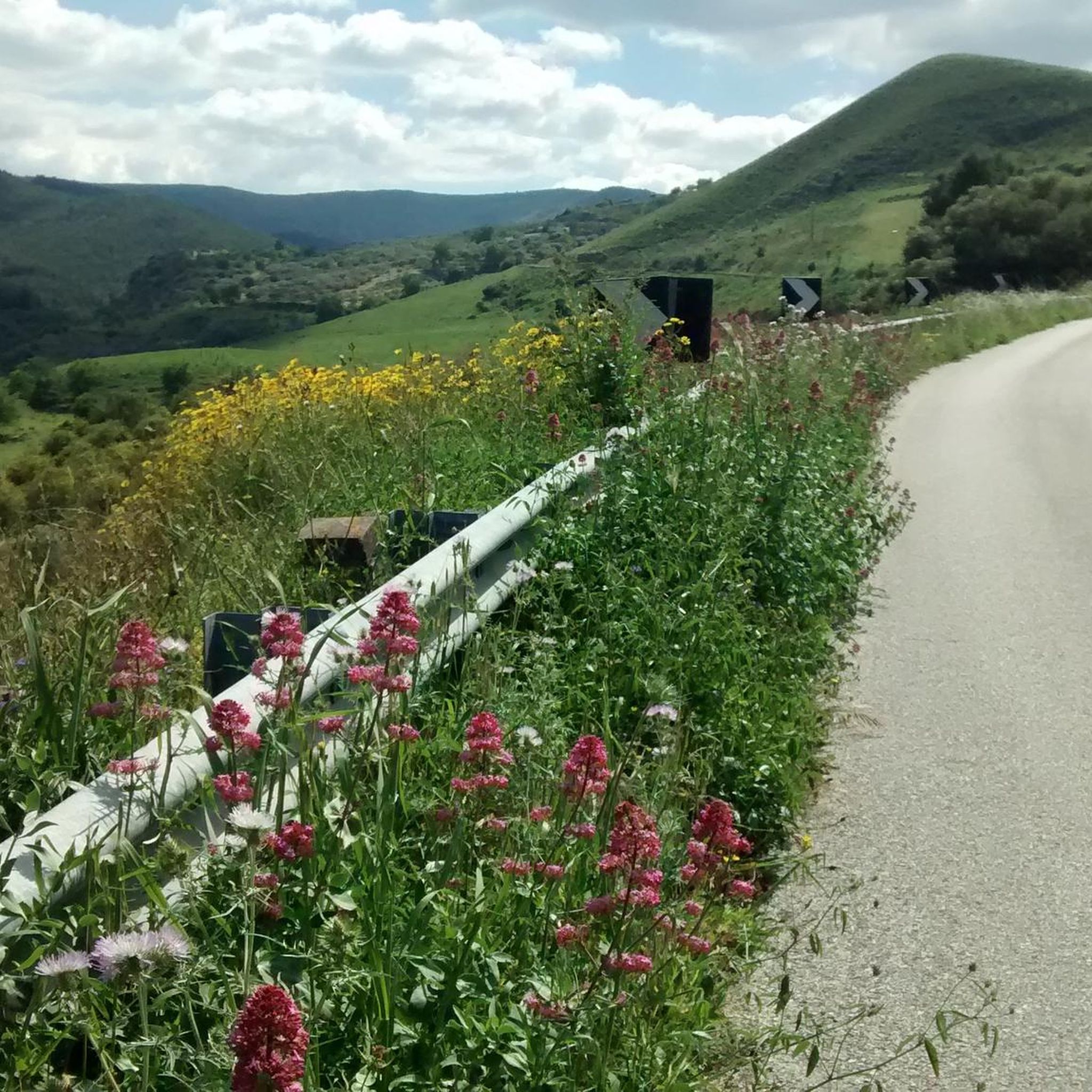
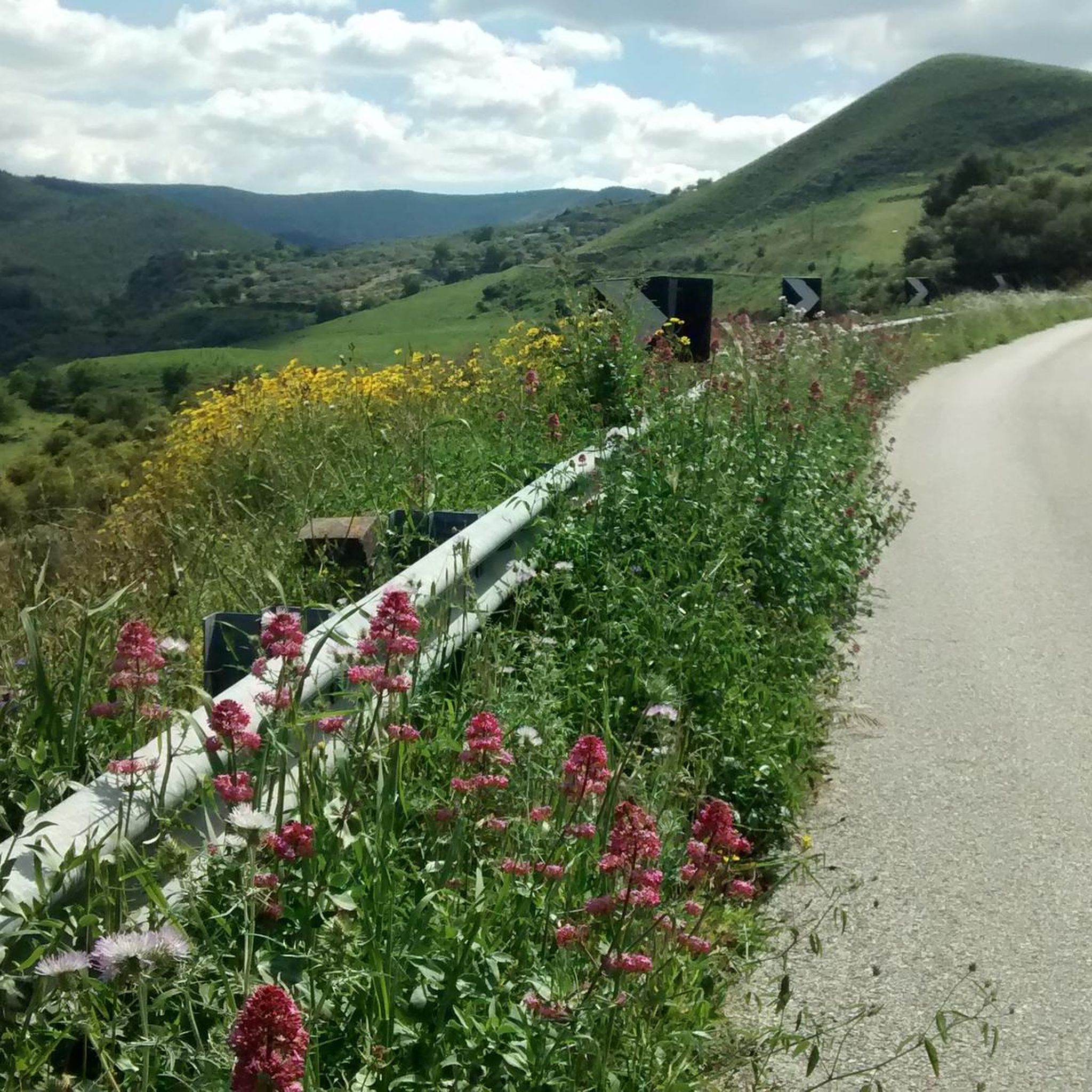
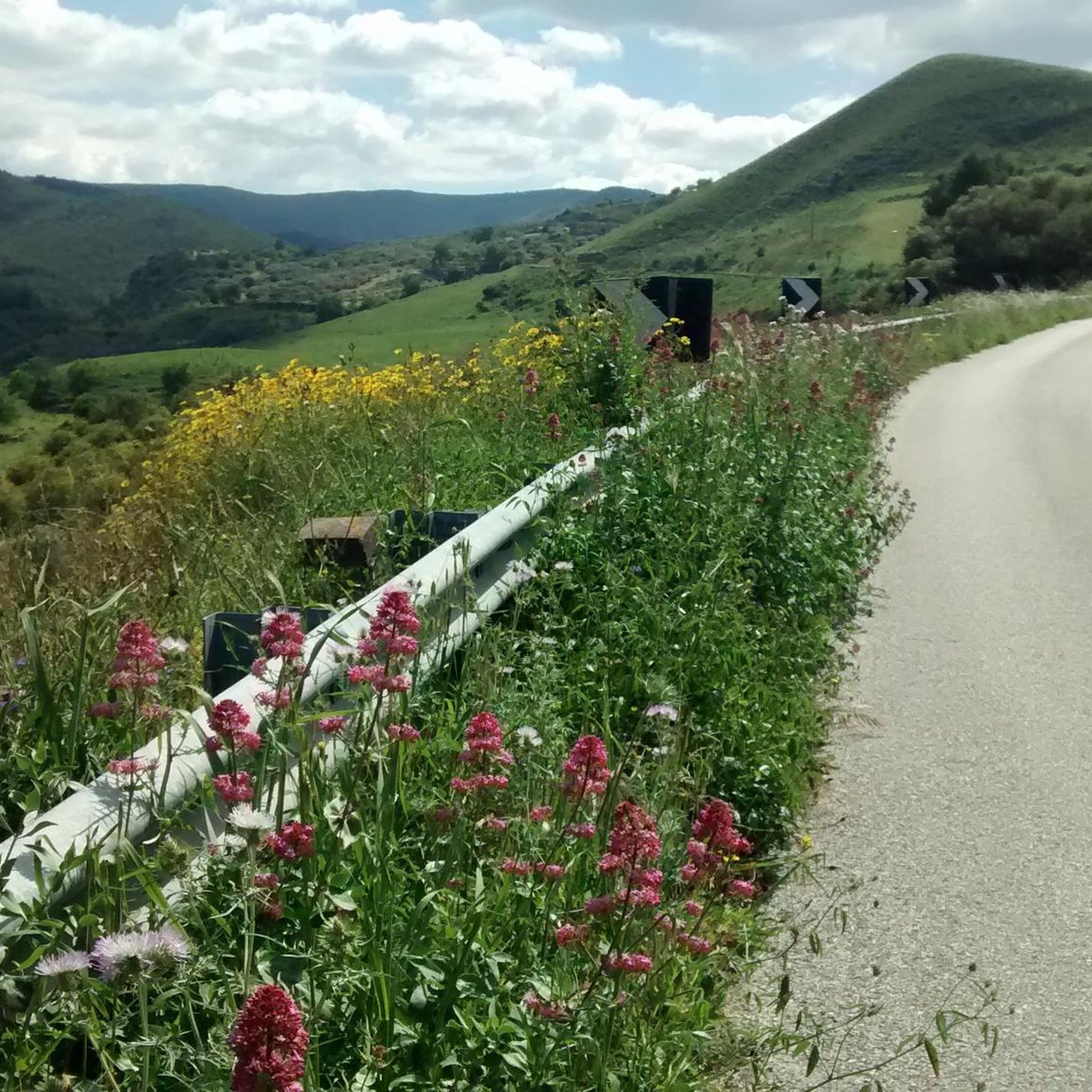
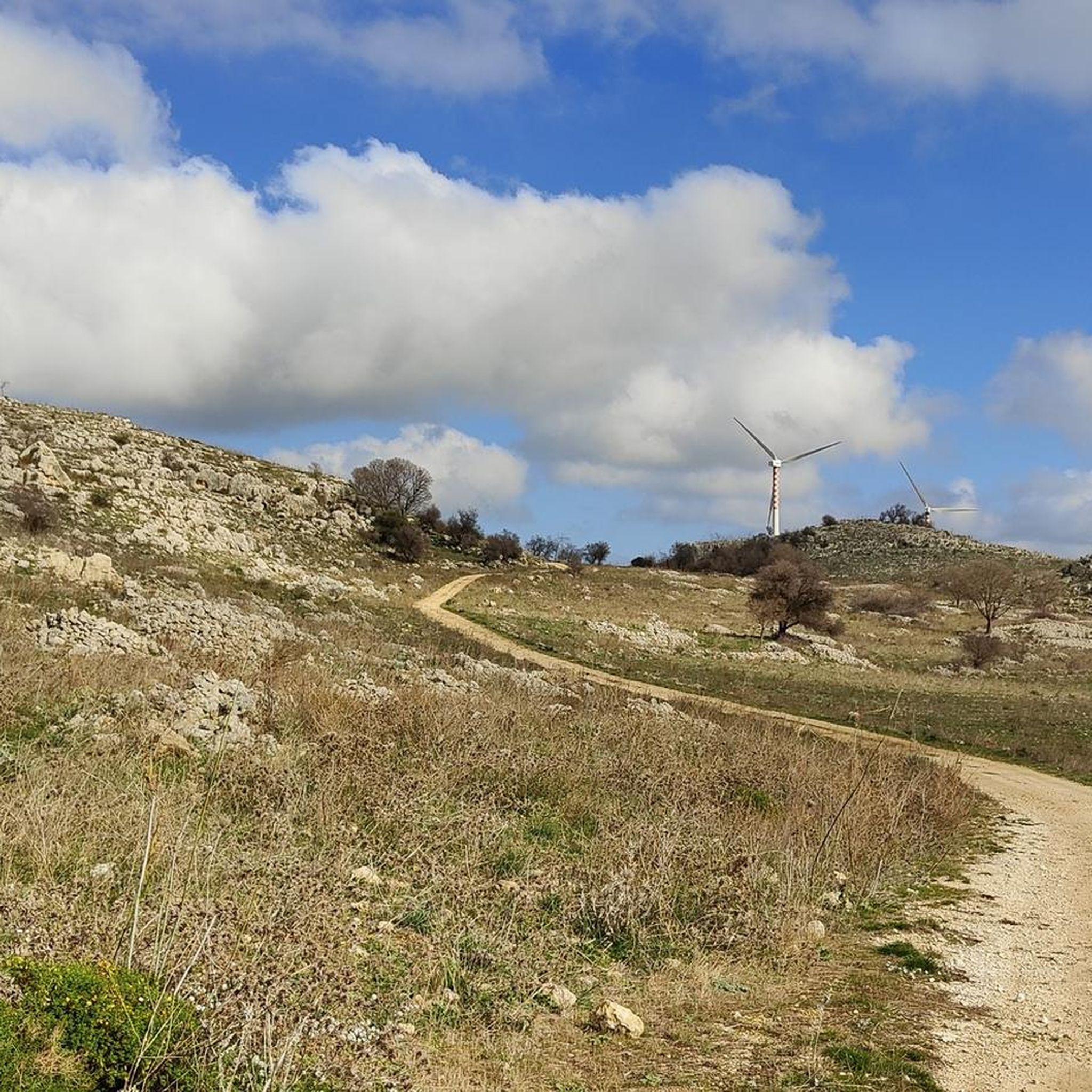
Tips from the Community

Enough water and full battery, Komoot was a help to get out again.
0
0

The entrance looks inconspicuous. The grotto is relatively large inside. But you need a helmet and a lamp. The entrance is closed by a gate
1
0
Here is stop number 1 for the shuttle bus from the main entrance of Ferla.
2
0

One of three Byzantine villages in the area. Of particular interest because the caves were not tombs but dwellings of about 70 households.
1
0
The access is blocked off with a gate, but you have a good view. There are several old dwellings and of course gravesites in the immediate area.
2
0
An entry fee is planned here from summer 2024.
2
0

The Valle dell Anapo is not only very beautiful in terms of landscape, but also for around 1800 rock chamber tombs from the period 1200 - 800 BC. known. They were created by the Siculians, who exclusively buried their dead in this way. Later, some graves were expanded to be used as apartments. There are also a few caves with a small chapel.
2
0

Did the tour from Sontino.👍 Were then 15 km / 580 hm. Walking around to the left is a good idea....🤩🙋♂️
1
1
Frequently Asked Questions
What types of caves can I explore near Ferla?
Near Ferla, you can explore a unique blend of natural karst caves and extensive man-made rock-cut structures. The region is primarily known for the Anapo Valley and the Necropolis of Pantalica, which features thousands of ancient rock-cut tombs, Byzantine rock-cut churches like San Micidiario Rock-cut Church, and even rock-cut dwellings such as the Cavetta Rock Settlement. Natural caves like the Grotta dei Pipistrelli (Bat Cave) are also present, offering diverse exploration opportunities.
What is the historical significance of the caves around Ferla?
The caves and rock-cut structures around Ferla hold immense historical significance, primarily within the Necropolis of Pantalica, a UNESCO World Heritage site. This area showcases ancient Sicilian civilizations, particularly the Siculi people, with approximately 5,000 rock-cut tombs dating from the 13th to the 8th centuries BCE. Later, Byzantine rock-cut villages and churches, some with faint traces of frescoes, further illustrate the region's rich past.
Are there family-friendly options for exploring caves near Ferla?
Yes, exploring the Necropolis of Pantalica offers family-friendly opportunities. The Anapo Valley features a comfortable path along an old railway track, making it accessible for walks with children. While some natural caves might require specific gear, the historical rock-cut tombs and settlements provide an engaging outdoor history lesson suitable for families.
What are the best ways to explore the Anapo Valley?
The Anapo Valley is best explored by trekking or cycling along the path of a disused railway line. This route offers stunning views of the landscape and allows you to observe around 1800 rock chamber tombs. It's a comfortable way to traverse the valley and experience both its natural beauty and historical sites.
Are there any challenging cave exploration opportunities near Ferla?
Yes, for those seeking a more challenging experience, the Pantalica Cave offers a more adventurous exploration. It is described as relatively large inside, but requires a helmet and a lamp, and its entrance is gated. This suggests a more involved caving experience for prepared individuals.
What kind of rock-cut structures can I see besides tombs?
Beyond the numerous rock-cut tombs, you can discover fascinating rock-cut dwellings and churches. The San Micidiario Rock-cut Church is an example of a religious building carved into the rock. Additionally, the Cavetta Rock Settlement represents one of three Byzantine villages where caves were used as dwellings for approximately 70 households, offering a glimpse into ancient daily life.
What outdoor activities can I combine with a visit to the caves?
The area around Ferla and the Necropolis of Pantalica is excellent for various outdoor activities. You can enjoy extensive hiking, with routes like the 'Rock-Cut Tombs of Pantalica – Calcinara Stream loop'. Cycling and mountain biking are also popular, with trails such as the 'Pantalica Necropolis Loop' and routes through the Anapo Valley. You can find more details on these activities in the Hiking around Ferla, Cycling around Ferla, and MTB Trails around Ferla guides.
What is the best time of year to visit the caves near Ferla?
The best time to visit the caves and the Necropolis of Pantalica is generally during spring (April-May) and autumn (September-October). During these seasons, the weather is milder and more pleasant for hiking and exploring the outdoor sites. Summer can be very hot, while winter might bring cooler temperatures and occasional rain, which could affect trail conditions.
Is parking available for visitors to the Necropolis of Pantalica?
Yes, parking is available at the main entrances to the Necropolis of Pantalica. For access from Ferla, there are designated parking areas. The Bronze Age Rock Tombs highlight mentions a shuttle bus stop from the main entrance of Ferla, indicating organized access points with parking facilities.
Do I need a permit to visit the caves around Ferla?
Generally, you do not need a specific permit to visit the open areas of the Necropolis of Pantalica and its rock-cut tombs. However, some natural caves, like the Pantalica Cave, might have gated entrances or require specific equipment and potentially guided access due to their challenging nature. It's always advisable to check local regulations or inquire about guided tours for more complex cave explorations.
What should I wear for exploring the caves and necropolis?
For exploring the caves and the Necropolis of Pantalica, wear comfortable walking shoes or hiking boots suitable for uneven terrain. Layers of clothing are recommended as temperatures can vary, especially inside caves or during different times of the day. If you plan to enter natural caves, a headlamp or flashlight and a helmet are essential for safety.
Are there any hidden gem caves or lesser-known spots worth visiting?
While the Necropolis of Pantalica is the main attraction, the region is dotted with numerous smaller, less-frequented rock-cut structures and natural formations. Exploring the various paths within the Anapo Valley can lead to discovering less-visited rock-cut dwellings and ancient chapels, offering a sense of discovery beyond the most prominent sites.
Most popular attractions around Ferla

Get inspired with the komoot mobile app


Explore more
Extend your search for the best caves by checking out these guides of the top ones around Ferla:
