The best cycling routes around Krummnußbaum
4.6
(3393)
20,883
riders
15
rides
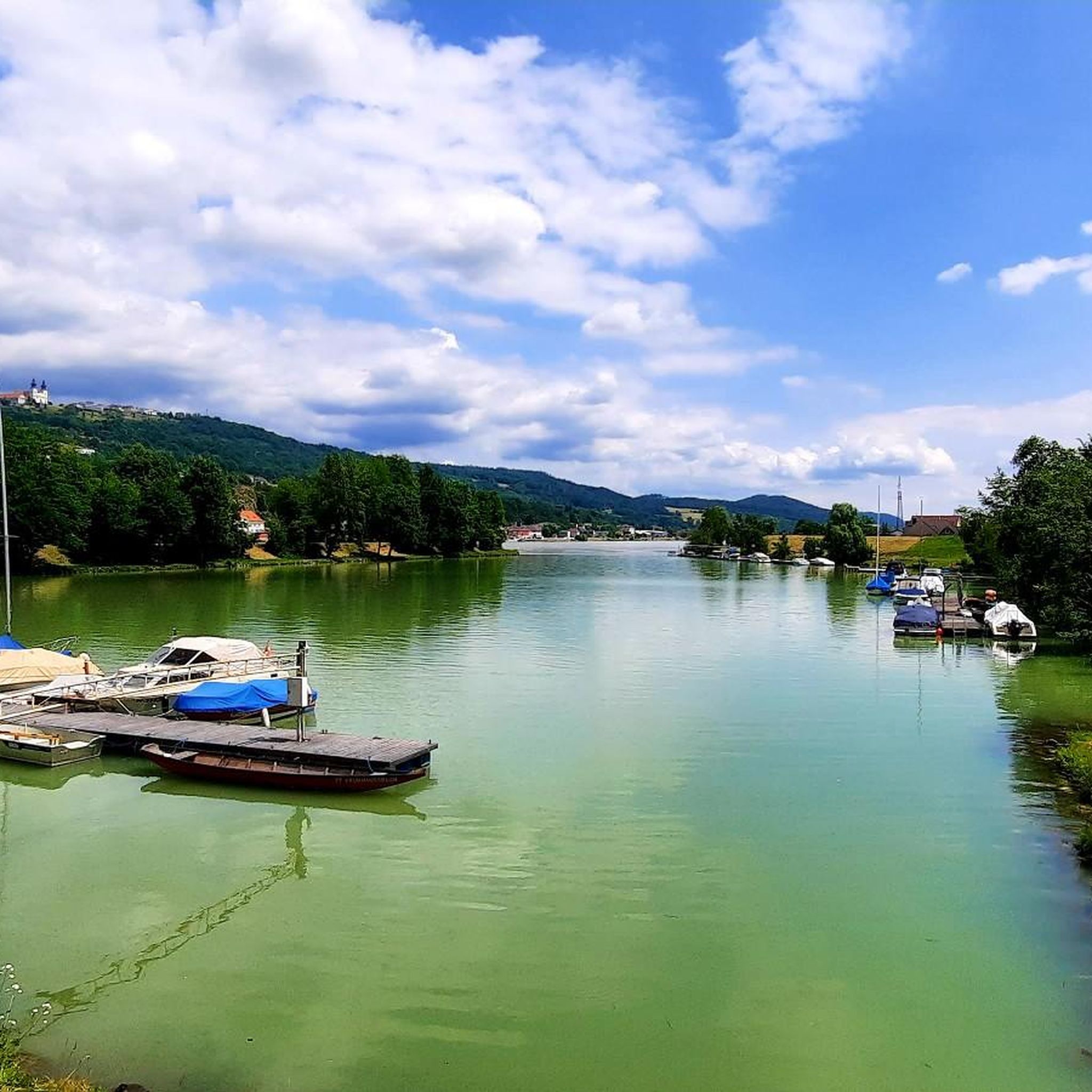
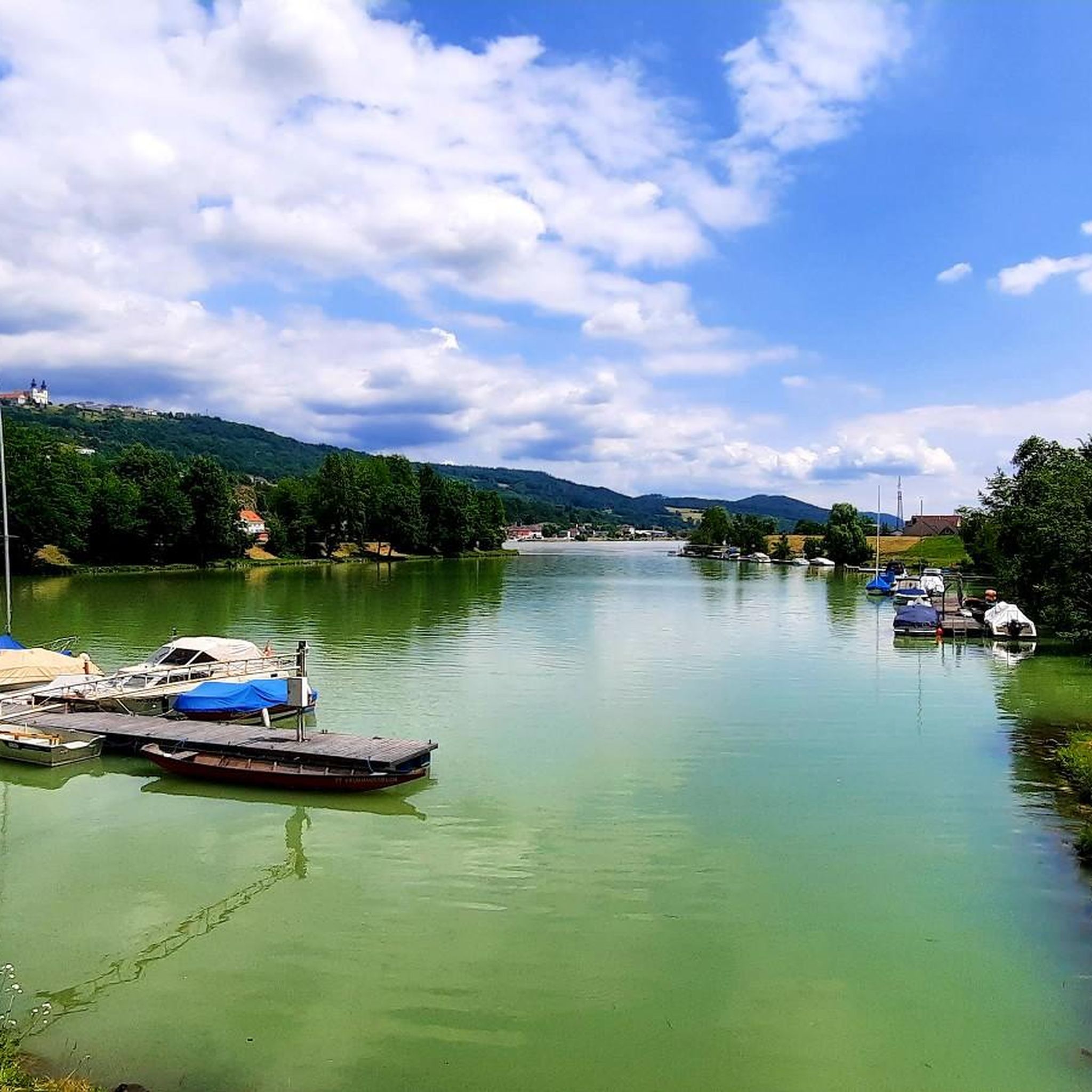
Touring cycling routes around Krummnußbaum are characterized by their scenic location on the Danube River, surrounded by rolling hills and lush forests. The region offers diverse topography with flat, well-maintained paths along the river and more challenging routes in the surrounding hills. Developed cycle paths also extend into the nearby Ybbs and Erlauf valleys. This area of Lower Austria provides well-developed cycling infrastructure for various outdoor activities.
Best touring cycling routes around Krummnußbaum
- The most popular touring cycling route is…
Last updated: October 4, 2026
4.7
(68)
553
riders
34.4km
01:58
60m
60m
Easy bike ride. Great for any fitness level. Mostly paved surfaces. Suitable for all skill levels.
4.7
(20)
90
riders
37.7km
02:26
440m
440m
Moderate bike ride. Good fitness required. Mostly paved surfaces. Suitable for all skill levels.

4.1
(11)
93
riders
21.4km
01:14
30m
30m
Easy bike ride. Great for any fitness level. Mostly paved surfaces. Suitable for all skill levels.
5.0
(4)
51
riders
Easy bike ride. Great for any fitness level. Mostly paved surfaces. Suitable for all skill levels.
5.0
(1)
25
riders
53.9km
03:26
640m
640m
Hard bike ride. Very good fitness required. Mostly paved surfaces. Suitable for all skill levels.
Get access to more routes and recommendations from other explorers.
Already have an account?
Our route recommendations are based on thousands of hikes, rides, and runs completed by other people on komoot.
Start today with a free account
Your next adventure awaits.
Other adventures around Krummnußbaum

Tips from the Community

From Melk to Emmersdorf, from there continue to Maria Laach via Obernorf to the transmitter and viewing platform then descent to Gut am Steg and return via Spitz to Melk approx. 60km and 950Hm
0
0

Schloss Artstetten in Lower Austria, near the Wachau in the Melk district, is the former residence of Archduke Franz Ferdinand and his final resting place. The site is inextricably linked to the assassination in Sarajevo in 1914 – an event that triggered the start of the First World War. Today, Schloss Artstetten houses the Archduke Franz Ferdinand Museum, the family crypt, the historic private castle park, the castle shop, and the castle café.
0
0

A great Danube crossing for cyclists, the left-bank ascent/descent is very elaborate. Perfect for all types of bicycles to get onto the bridge.
0
0
Perfect cycle paths on both sides, landscape very beautiful. Only disadvantage, the wind attacks fully. Without an e-bike, one should consider the wind direction and strength when planning.
0
0

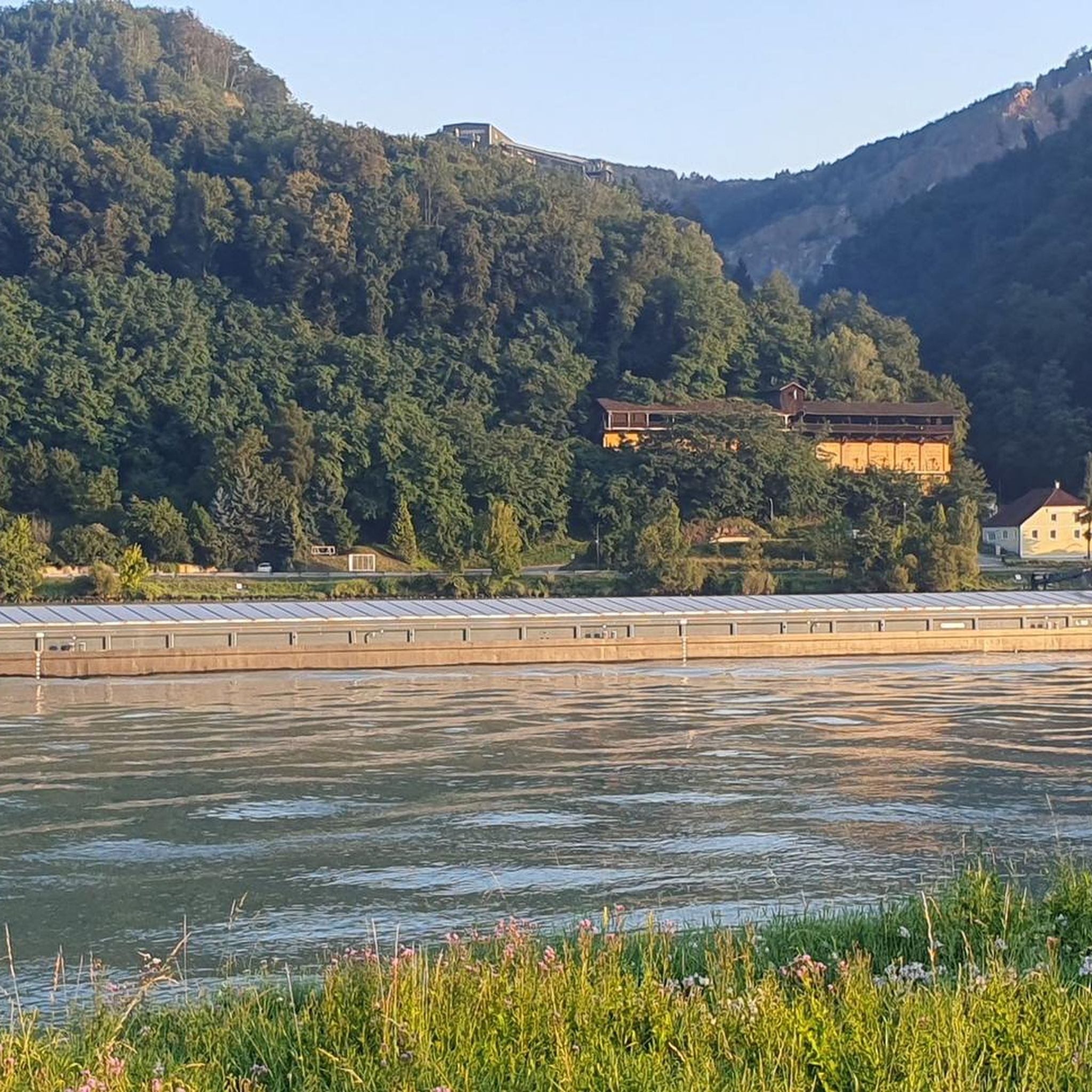
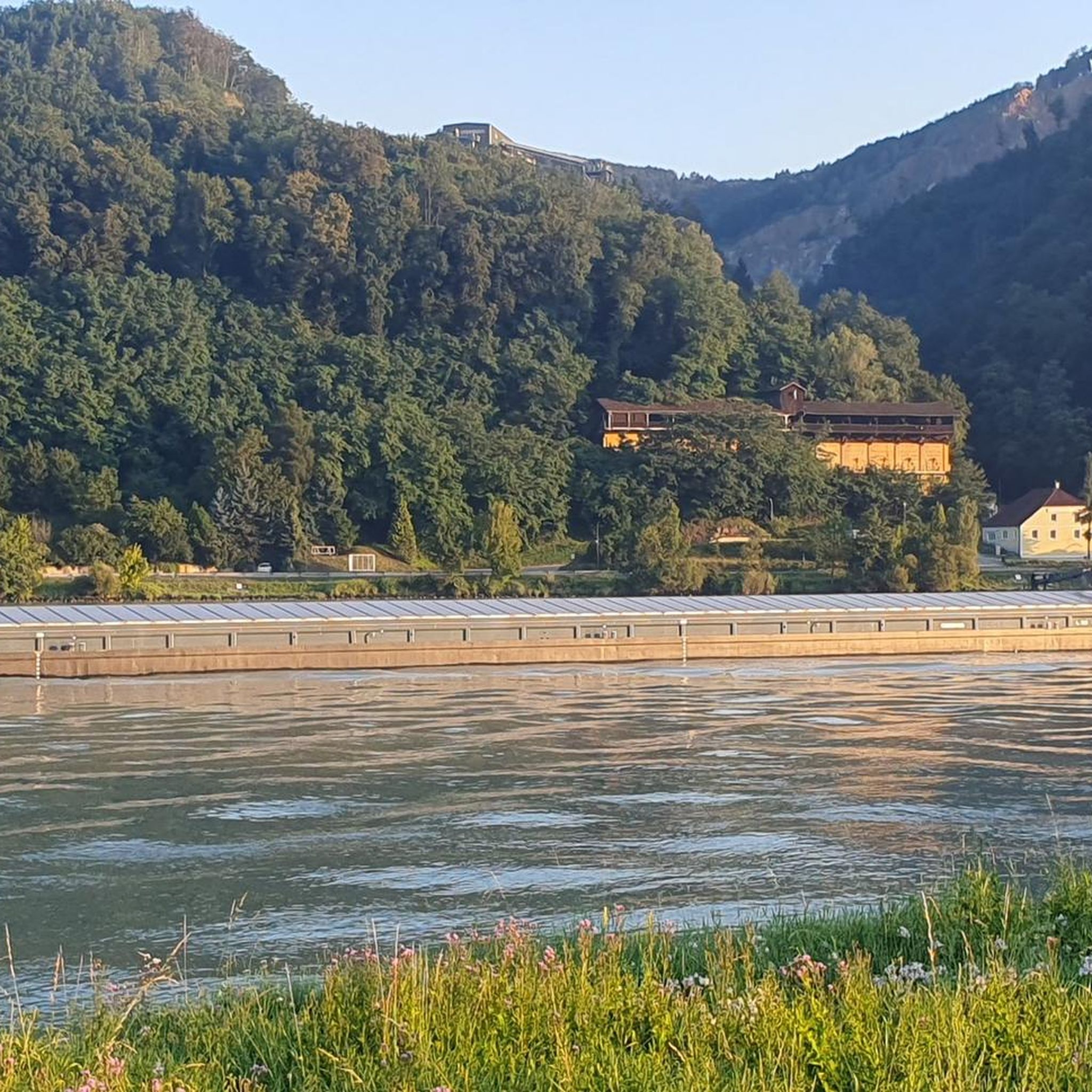
Weitenegg Castle Ruin is one of the most historically significant and impressive ruins in the Nibelungengau. It sits enthroned on a narrow rocky ridge directly above the Danube and the Melk power plant, exactly where the Weitental valley flows into the Danube valley. The castle was already mentioned in documents in the 12th century (around 1108). Its location was ingenious: from here, both the ship traffic on the Danube and the trade route into the Weitental valley (towards the Waldviertel) could be perfectly controlled. Over the centuries, it belonged to powerful noble families, including the Kuenringers and later the Habsburgs. From the 17th century onwards, the castle was hardly inhabited and fell into disrepair, until it finally became a ruin.
0
0
Today, Pöchlarn is an exciting mix of a highly modern logistics center on the Danube and a town that traces its roots back to Roman times. Long before the Nibelungs passed through the town, Pöchlarn was an important Roman base called Arelape. It was a fort directly on the Danube Limes. A part of the Roman Danube fleet was stationed here. During excavations in the town area (especially in the area of the church), ancient finds have been made again and again, proving how strategically important this place was even 2,000 years ago.
0
0
Pöchlarn is a town with an extremely deep history that goes far beyond the townscape of today. It is located in the Melk district on the southern bank of the Danube and is often referred to as the "Nibelungen City". Pöchlarn is inextricably linked to the Nibelungenlied, the famous medieval epic. In the city center you will find the modern Nibelungen monument with the coats of arms of the cities that appear in the epic. It is a must for a photo when you are in town.
0
0
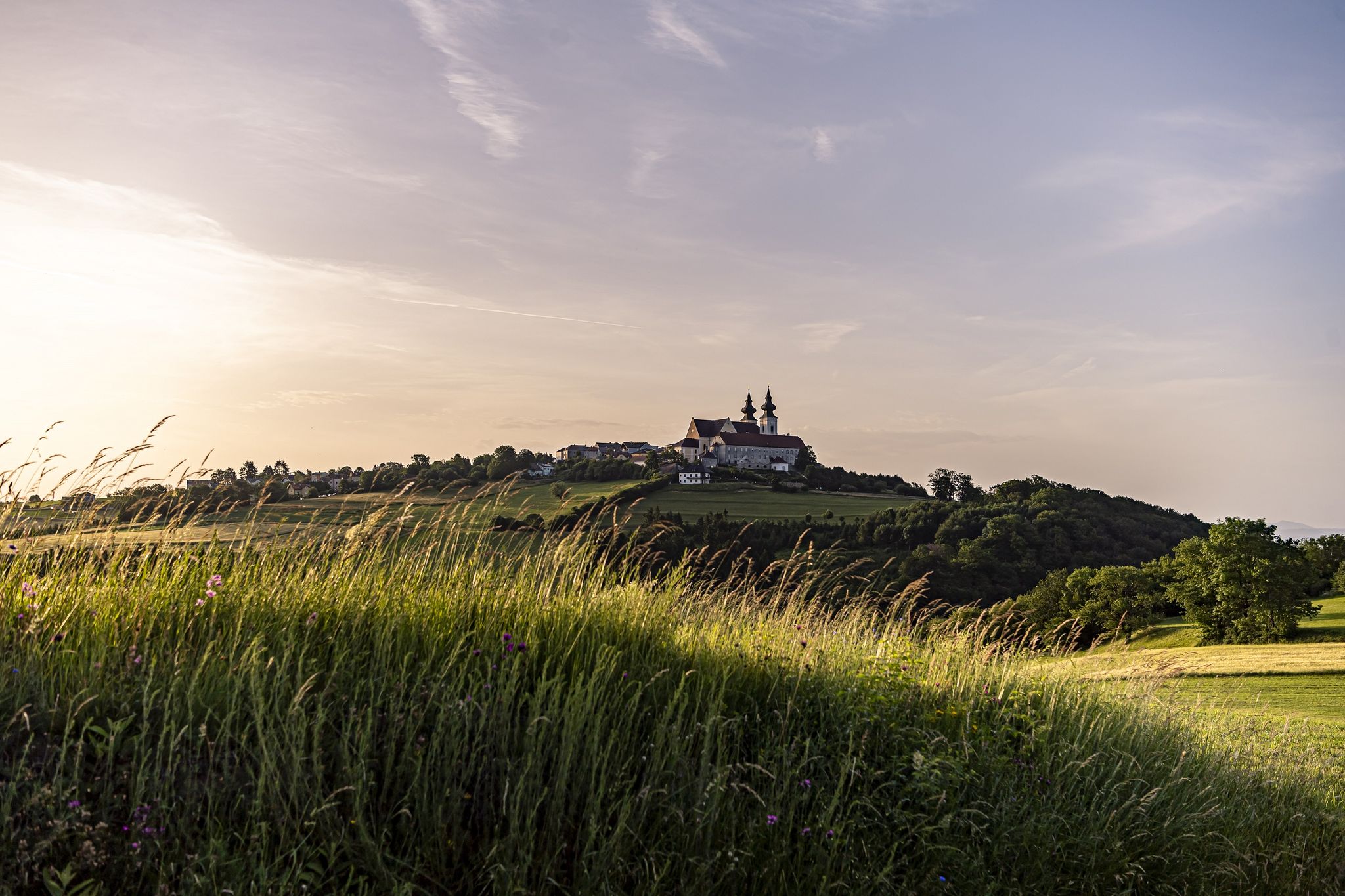
Maria Taferl, after Mariazell, is the most important pilgrimage site in Lower Austria and a baroque work of art. The church is a "Who-is-Who" of Austrian Baroque architecture. Standing in front of it, you are looking at the work of the absolute elite of this time. Construction began in 1660 under Daniel Gran, but it was completed by none other than Jakob Prandtauer (the creator of Stift Melk) and Joseph Munggenast. The striking twin towers and the bright facade are placed in such a way that they look like a crown over the Danube valley.
0
0
Frequently Asked Questions
How many touring cycling routes are available around Krummnußbaum?
There are over 20 touring cycling routes around Krummnußbaum, offering a variety of experiences for different skill levels. You'll find options ranging from easy riverside paths to more challenging routes through the surrounding hills.
What kind of terrain and difficulty levels can I expect on touring cycling routes in Krummnußbaum?
Krummnußbaum offers a diverse range of terrain. You can enjoy flat, well-maintained paths along the Danube River, which are generally easy. For those seeking more challenge, the surrounding hills and forests provide routes with more elevation gain. Out of the 20 available routes, 7 are rated easy, 4 are moderate, and 9 are difficult, ensuring options for all abilities.
What are some notable landmarks or viewpoints I can see along the touring cycling routes?
Many routes offer stunning views and pass by historical sites. You can enjoy views of the picturesque pilgrimage church of Maria Taferl, the impressive Melk Abbey, and Persenbeug Castle. Specific viewpoints include View of Maria Taferl from the Danube cycle path near Krummnussbaum, View of Melk Abbey from the Danube cycle path, and View of Persenbeug Castle.
Are there any family-friendly touring cycling routes in Krummnußbaum?
Yes, Krummnußbaum is well-suited for family cycling, especially along the Danube River. The flat, well-maintained paths are ideal for all ages. The "Kleine Dorfrunde" is a particularly family-friendly option that leads easily through the village along the Danube. Many of the easy-rated routes, such as the View of Pöchlarn – View of Maria Taferl loop from Krummnußbaum, are also suitable for families.
What is the best time of year to go touring cycling in Krummnußbaum?
Spring and summer are considered the best seasons for touring cycling in Krummnußbaum. During these months, the weather is pleasant, and nature is in full bloom, providing beautiful scenery. This time of year also offers ample opportunities for breaks and picnics amidst the scenic landscapes along the Danube and in the surrounding areas.
Are there any circular touring cycling routes available from Krummnußbaum?
Yes, many of the touring cycling routes around Krummnußbaum are designed as loops, allowing you to start and end in the same location. Popular circular routes include the Danube Near Melk – Weitenegg Castle Ruins loop from Krummnußbaum and the Artstetten Castle – Weitenegg Castle Ruins loop from Krummnußbaum.
What do other touring cyclists enjoy most about cycling in Krummnußbaum?
The area is highly rated by the komoot community, with an average score of 4.3 stars from over 60 reviews. Reviewers often praise the scenic location on the Danube River, the well-maintained paths, and the diverse topography that offers both relaxing riverside rides and more challenging routes through hills and forests. The views of historic sites like Maria Taferl and Melk Abbey are also frequently highlighted.
Are there options for food and accommodation near the cycling routes in Krummnußbaum?
Yes, Krummnußbaum and the surrounding villages along the Danube offer various options for food and accommodation. You'll find places to stop for refreshments or an overnight stay. For example, Gasthof Rote Säge is a local restaurant that can be found in the area.
Is it possible to reach the cycling routes by public transport, and is there parking available?
Krummnußbaum is accessible, and public transport options are generally available in the region. For those traveling by car, parking facilities are typically provided near popular starting points for cycling routes, especially along the Danube Cycle Path. It's advisable to check local information for specific parking locations and public transport schedules.
Are there any specific rules or considerations for dog-friendly cycling routes in Krummnußbaum?
While the region is generally welcoming to outdoor activities, specific rules for dogs on cycling paths can vary. It's always recommended to keep dogs on a leash, especially in populated areas or near wildlife. Ensure your dog is comfortable with cycling distances and consider routes with ample shade and water access. There are no specific routes designated as 'dog-friendly' in the guide data, but many of the riverside paths are suitable for well-behaved dogs on a leash.
Are there any permits required for recreational touring cycling in Lower Austria around Krummnußbaum?
For general recreational touring cycling on public paths and roads in Lower Austria, including around Krummnußbaum, no specific permits are typically required. However, always respect local regulations, private property signs, and protected natural areas. If you plan to cycle off-road in specific nature reserves or private lands, it's best to check for any local restrictions or permit requirements.
What are some of the easier touring cycling routes for beginners in Krummnußbaum?
Beginners will find several easy routes, particularly those that follow the Danube River. These paths are generally flat and well-maintained. A good option is the View of Pöchlarn – View of Maria Taferl loop from Krummnußbaum, which is rated easy and takes about 1 hour 13 minutes to complete. Another easy route is the View of Gottsdorf – View of Maria Taferl loop from Krummnußbaum.
Most popular routes around Krummnußbaum
Most popular attractions around Krummnußbaum

Get inspired with the komoot mobile app


Explore more
Browse the best Cycling routes in other regions.
