Top 9 Castles around Ceglie Messapica
Best castles around Ceglie Messapica are found in a region known for its ancient origins and rich history, nestled in the heart of the Itria Valley. This area features a landscape characterized by its medieval villages, narrow alleys, and whitewashed lime walls. The historical significance of Ceglie Messapica is evident through its ancient Messapian roots and the architectural evolution shaped by various ruling families. The surrounding countryside offers viewpoints over the lower Adriatic and the Otranto Channel.
Best castles around…
Last updated: May 2, 2026
Carovigno Castle
Highlight • Castle
Translated by Google •
Tip by

Ceglie Messapica
Highlight • Settlement
Translated by Google •
Tip by

Sign up now to discover places like this
Get recommendations on the best single tracks, peaks, & plenty of other exciting outdoor places.
Sign up for free
Dentice di Frasso Castle
Highlight • Castle
Translated by Google •
Tip by

San Vito dei Normanni
Highlight • Settlement
Translated by Google •
Tip by

Carovigno
Highlight • Settlement
Translated by Google •
Tip by
Sign up for free to discover even more castles around Ceglie Messapica.
Sign up for free
Already have an account?
Start today with a free account
Your next adventure awaits.
Login or Signup
Popular around Ceglie Messapica
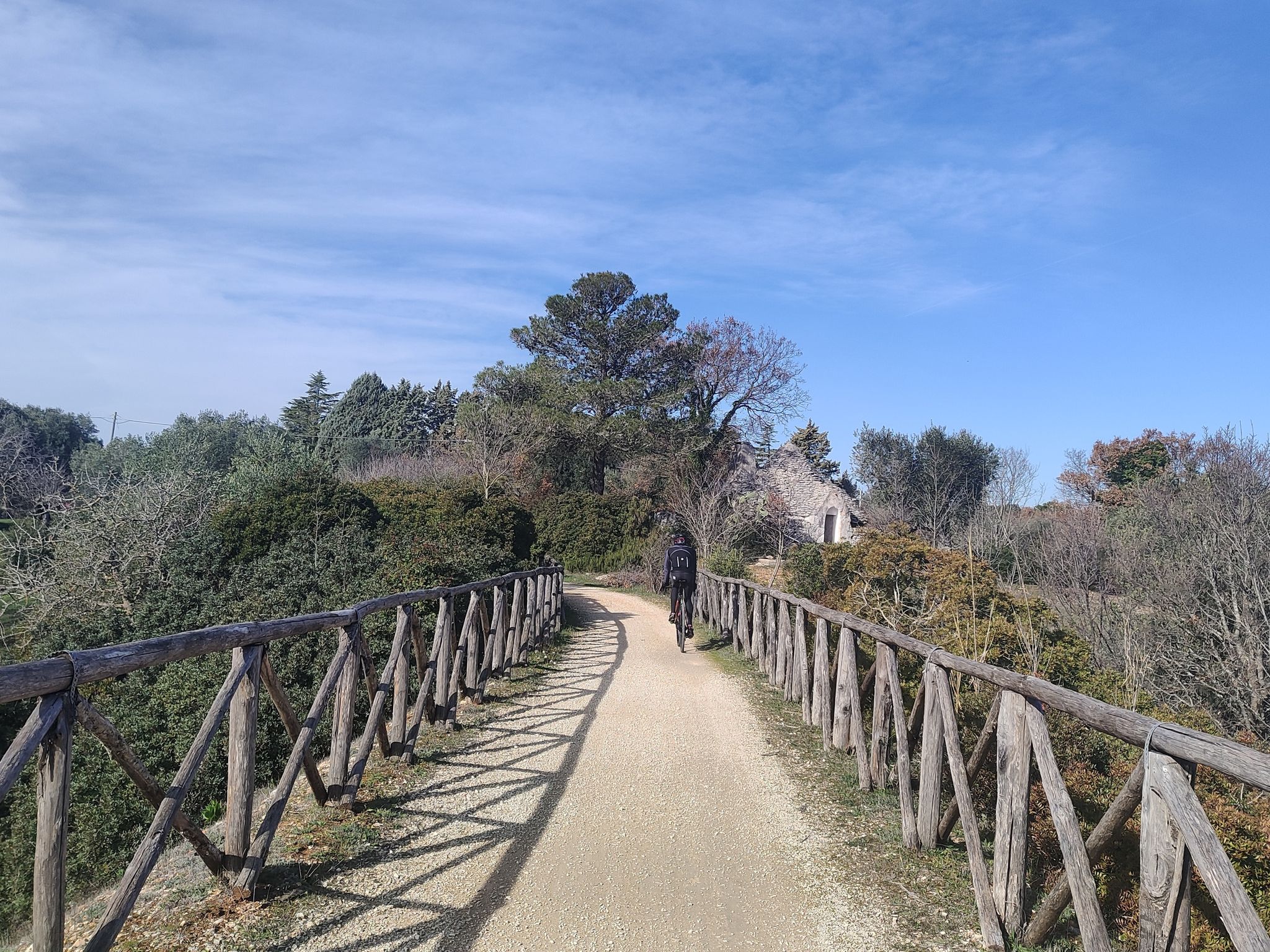
Ciclovia Anello d'oro di Puglia - Viaggio nella Puglia profonda
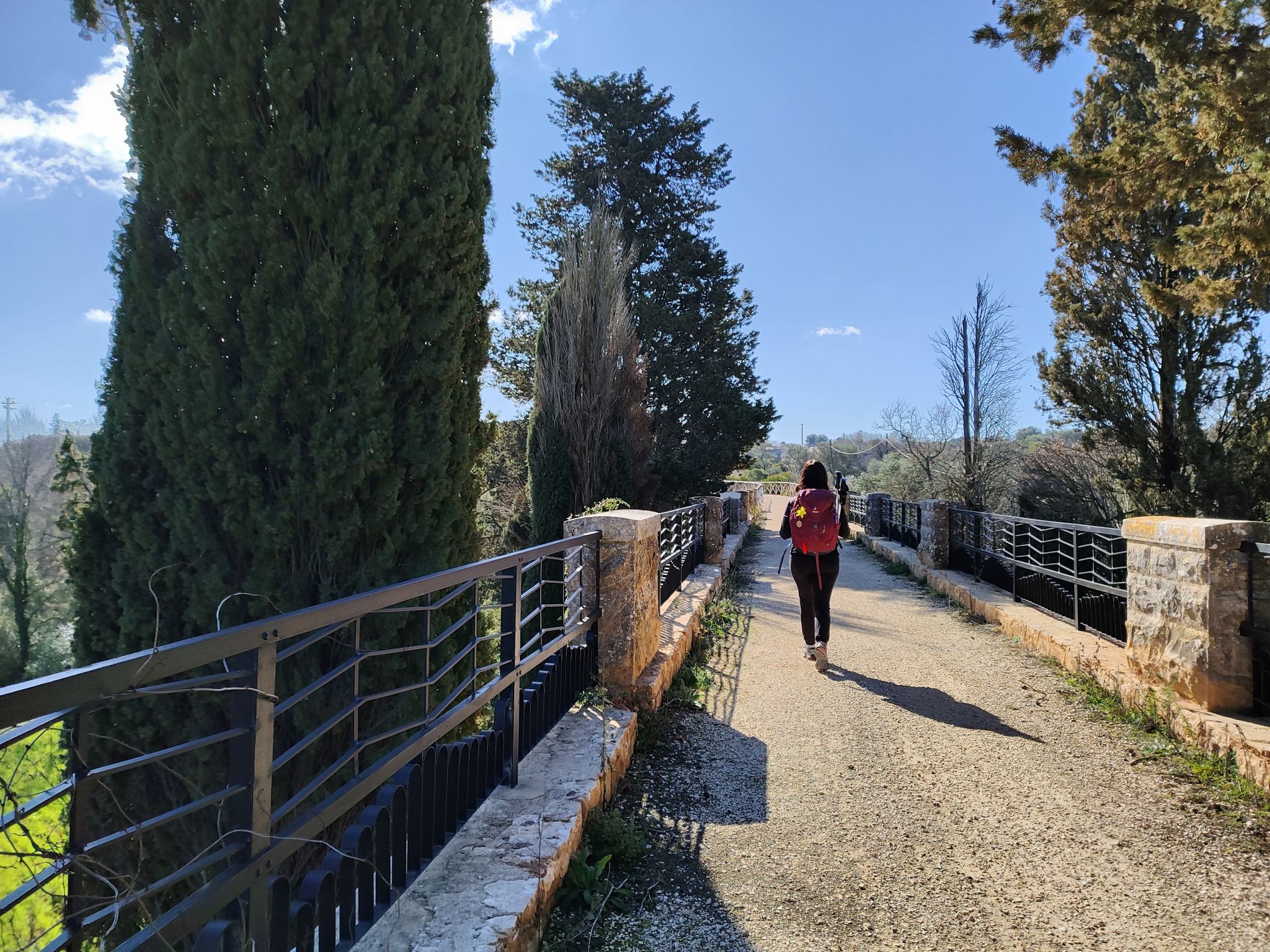
Anello d'oro di Puglia - Trekking nella Puglia profonda
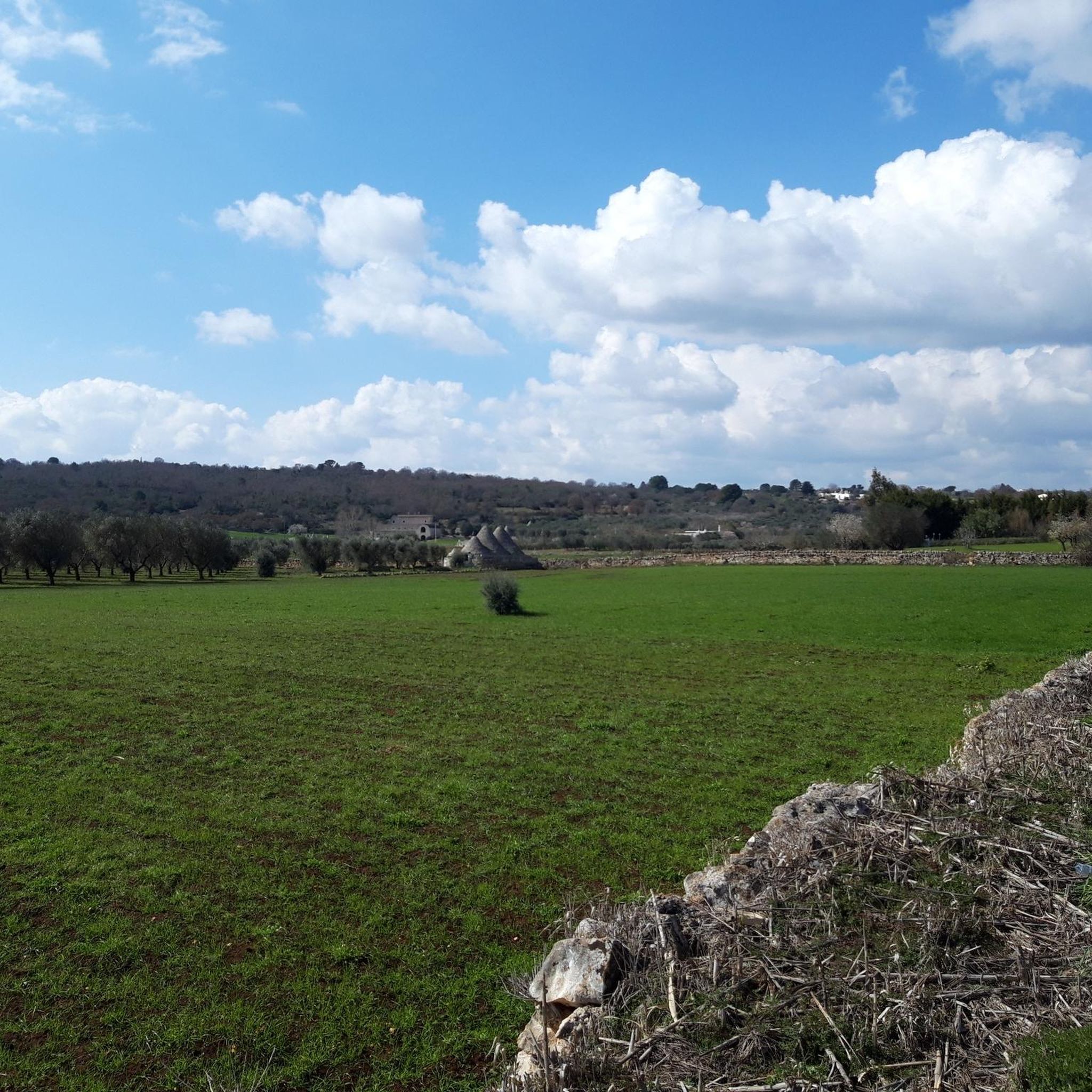
Cycling around Ceglie Messapica
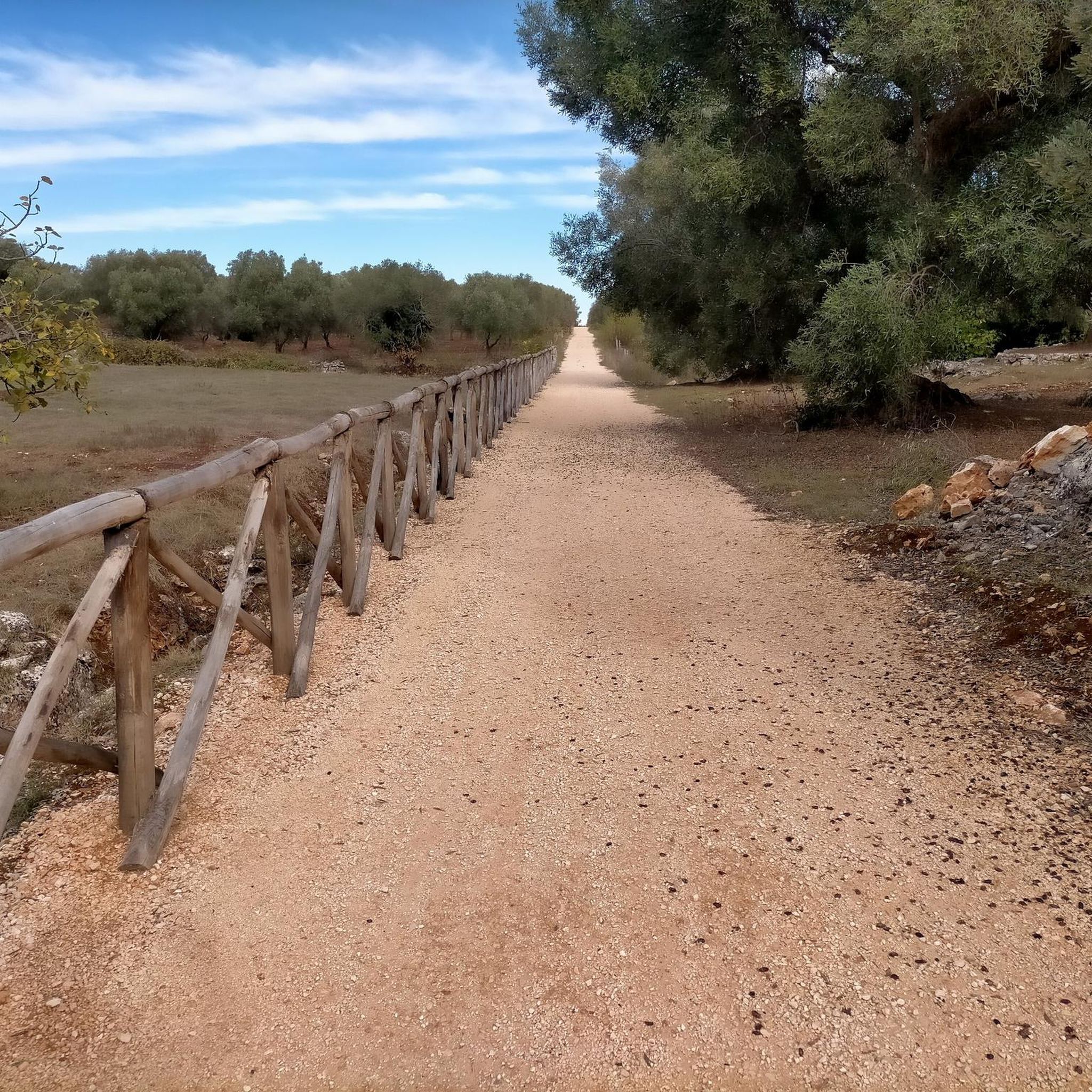
Hiking around Ceglie Messapica
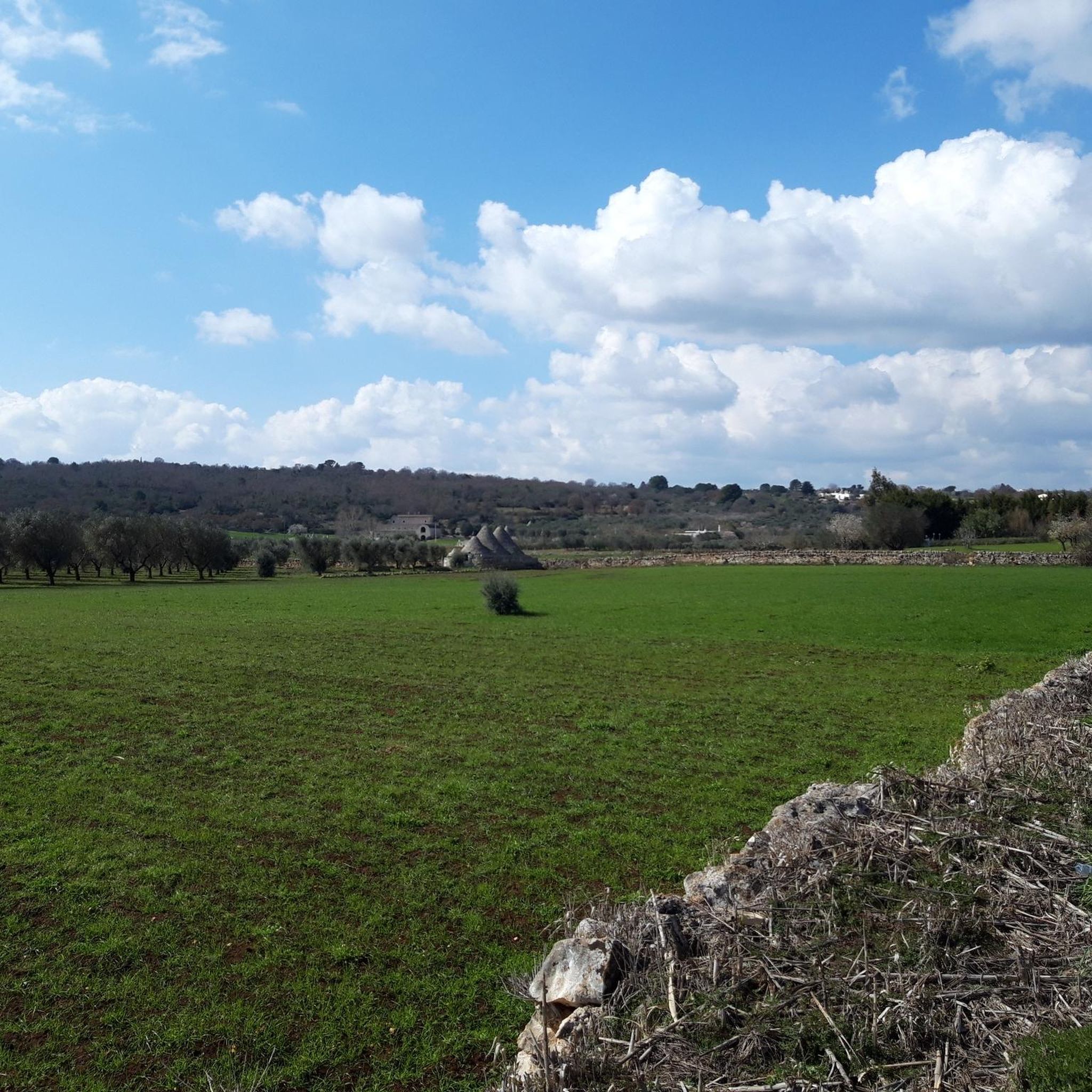
Road Cycling Routes around Ceglie Messapica
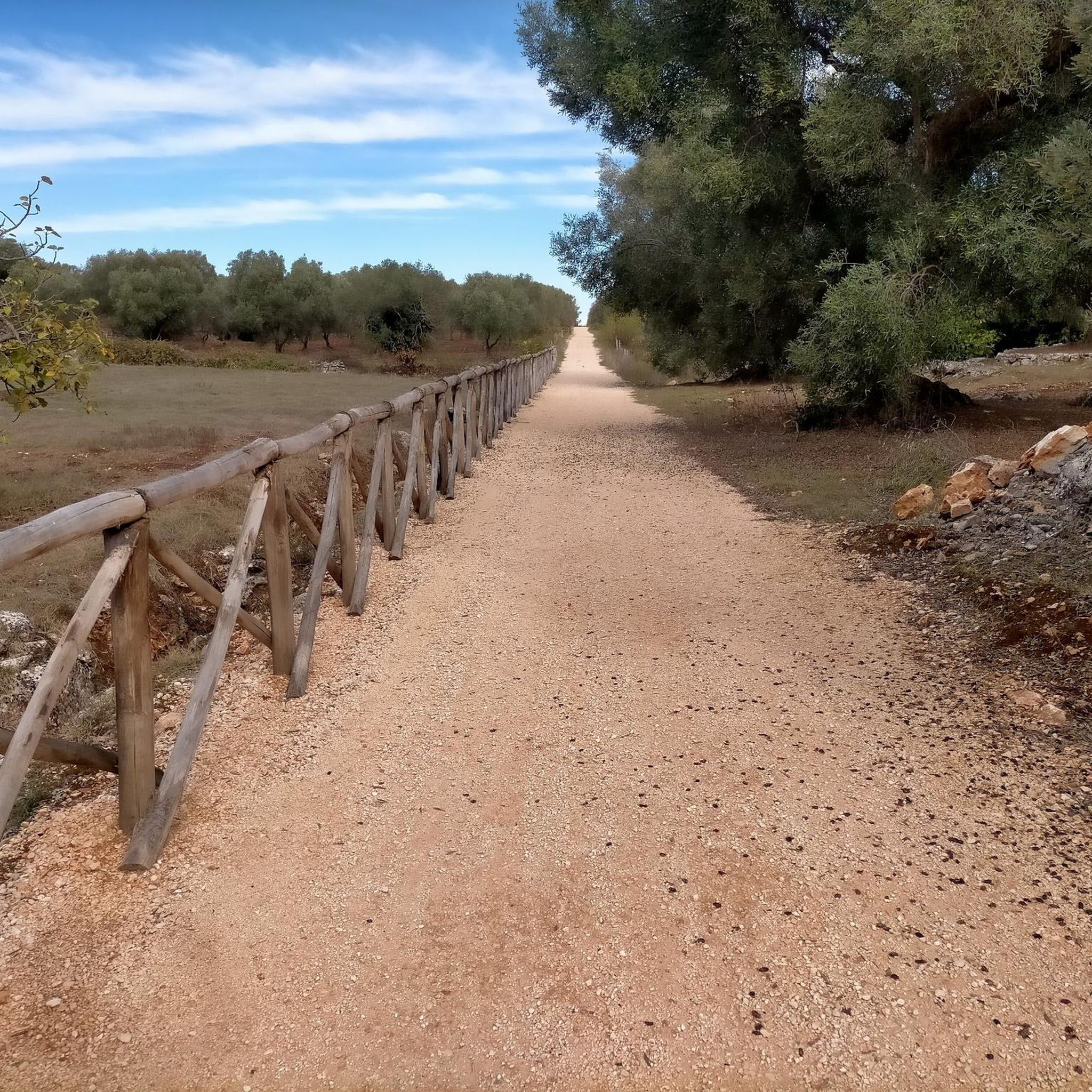
Running Trails around Ceglie Messapica
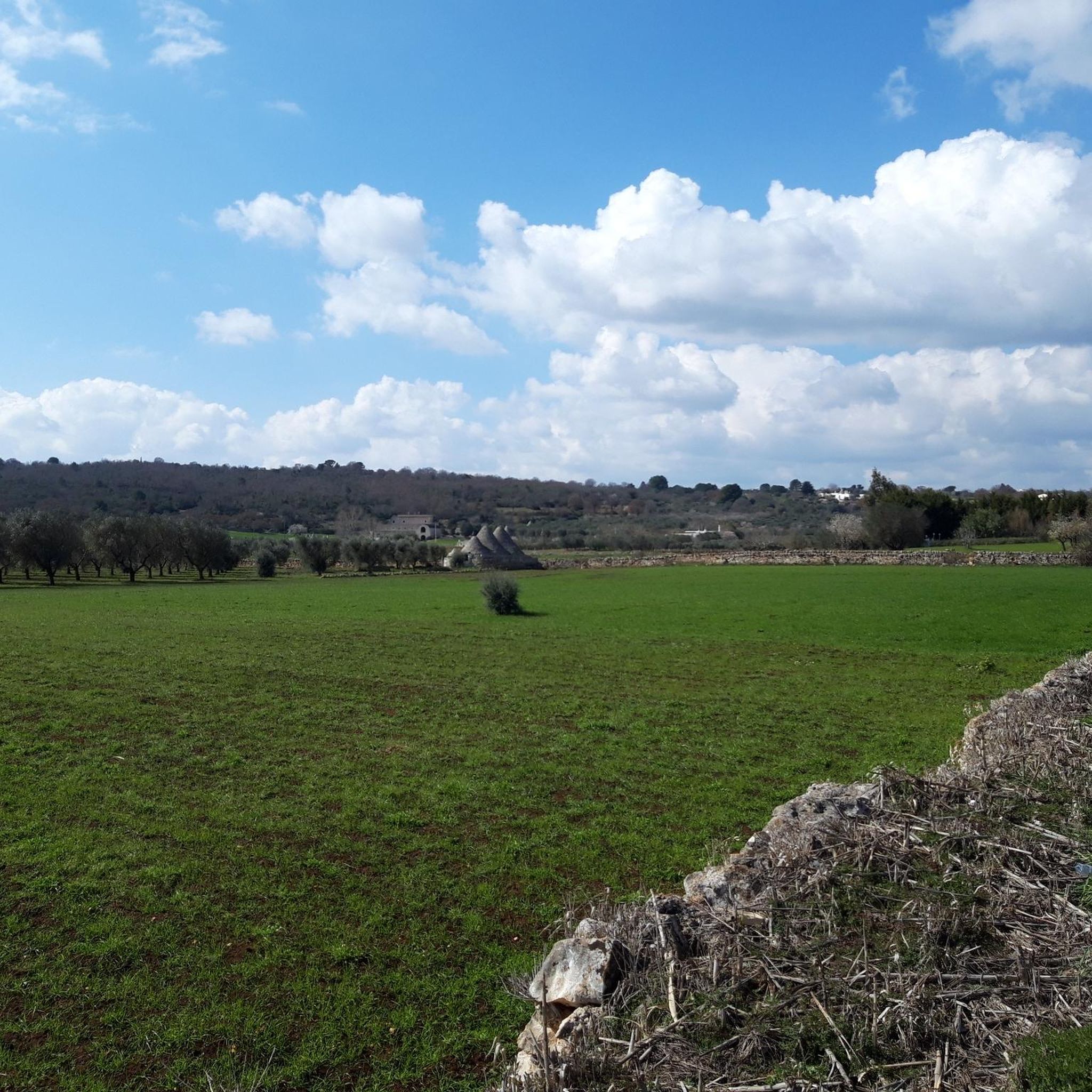
MTB Trails around Ceglie Messapica
Gravel biking around Ceglie Messapica

Tips from the Community

Pretty town in the upper Salento of very ancient times (the Messapi were the people who preceded the Romanization). Characteristic for its narrow alleys that climb up to the center and for the white color of the lime walls. It is also worth a stop to visit the Castle, the medieval village and the churches (especially that of S. Anna). Not to be missed, scattered around Ceglie and in Salento, are also the "specchie", large mounds of limestone slabs which in the Neolithic age perhaps served as defense or watchtowers
1
0

Ceglie Messapica is one of the oldest municipalities in the region, located in the heart of the Itria Valley. To see: Montevicoli cave; cave of San Michele; Ducal Castle; Collegiate mother church of Santa Maria Assunta; Church of San Rocco.
0
0

San Vito dei Normanni is a city in northern Salento dating back to the Norman period, with a great historical, artistic and cultural heritage. There are in fact numerous Baroque churches, rock crypts and museums, as well as the 12th century Dentice di Frasso Castle around which the town developed.
4
0

the main square of Ceglie
2
0

The Castle of Carovigno rises in an eccentric position, on the highest point of the town and, for this reason, strategically more suitable for defense. It has a triangular plan, with a square tower on the eastern vertex, a circular one on the western vertex and a "almond-shaped" one on the northern vertex. From the top of the towers it dominates the entire coastal strip that extends from Torre Canne to Brindisi. The first nucleus of the Castle, probably of Norman origin, is to be identified in the square tower with a strong counter-scarp adjacent to Porta Ostuni. On the south side, close to this tower, the "palatium" described in the Inventory of Maria d'Enghien of 1440 must have developed. The buildings after this date insist on the north area, incorporating both the square Norman tower both the circular one, perhaps Aragonese. The almond-shaped tower on the north-east corner was built between the fifteenth and sixteenth centuries by the Loffreda, feuders of Carovigno in this period, as evidenced by the presence of the marriage weapon of Pirro Loffreda, walled up in the same tower. It seems that the builders of the almond-shaped tower of Carovigno were influenced by the Sienese architect Francesco di Giorgio Martini, whose presence in Puglia is attested in 1492 to supervise the construction of the strongholds of Taranto, Otranto, Gallipoli and Brindisi.
0
0

The first building in the area, a tower, dates back to the 12th century. At that time this area was wooded and rich in fauna and that is why it is believed that the tower was a hunting lodge. The town of San Vito dei Normanni developed around this tower. Over the centuries, various families have taken turns to control the territory, each of which has brought changes and additions to the original structure of the building. Around the seventeenth century the Dentice family settled there, still owner of the castle, from which the building takes its current name. On the entrance portal of the chapel the heraldic coat of arms of the family, a snapper, and the motto reciting "Noli me tangere" are clearly visible.
0
0
The town of Carovigno has ancient origins with the first settlements dating back to the Messapian civilization. The current name derives from the period of Greek domination, where the village was known with the name of Carbina, a name derived from the Greek word Karbina which means "fruitful" to underline the fertility of this area. Today the town of Carovigno has numerous places of historical and artistic interest such as the Dentice di Frasso castle and the Mother Church.
0
0
Frequently Asked Questions
What is the historical significance of the castles around Ceglie Messapica?
The castles in this region, particularly the Ducal Castle in Ceglie Messapica, are deeply rooted in history, with origins dating back to the Norman era. They served as medieval fortifications and noble residences, showcasing centuries of architectural evolution influenced by various ruling families like the Sanseverino. These structures are emblems of the area's rich past, from Messapian civilization to Norman, Swabian, and Aragonese periods.
Which castles offer panoramic views of the surrounding landscape?
The Ducal Castle in Ceglie Messapica, with its 11th-century Norman tower, provides breathtaking panoramic views of the Itria Valley and potentially the lower Adriatic and Otranto Channel. Similarly, from the towers of Carovigno Castle, you can overlook the entire coastal strip from Torre Canne to Brindisi.
Are there any cultural facilities or activities within the castles?
Yes, the Ducal Castle in Ceglie Messapica serves as a cultural hub. It houses the municipal library ('Pietro Gatti') and the 'Emilio Notte' art gallery, offering insights into local art and history. Parts of the castle are open to the public and may offer guided tours and educational activities.
What are the unique architectural features of Carovigno Castle?
Carovigno Castle features a distinctive triangular plan. It is characterized by a square tower on its eastern vertex, a circular one on the western, and a unique 'almond-shaped' tower on the northern vertex. Its first nucleus is believed to be of Norman origin, with later expansions incorporating both square and circular towers.
What can visitors expect at the Dentice di Frasso Castle in San Vito dei Normanni?
The Dentice di Frasso Castle in San Vito dei Normanni is a significant 12th-century structure around which the city developed. Originally a hunting lodge, it has been expanded and modified by various families over centuries. Visitors can explore its historical architecture and learn about the Dentice family, who still own the castle, as evidenced by their heraldic coat of arms and motto on the entrance portal.
Are the castles around Ceglie Messapica family-friendly?
Yes, several castles and their surrounding settlements are considered family-friendly. For example, Ceglie Messapica itself, Carovigno, and San Vito dei Normanni are highlighted as suitable for families, offering historical sites and cultural experiences that can be enjoyed by all ages.
What is the best time of year to visit the castles in Ceglie Messapica?
Visiting during the spring (April-May) or autumn (September-October) generally offers pleasant weather for exploring the castles and their surrounding medieval villages. These seasons avoid the intense heat of summer while still providing ample sunshine for comfortable outdoor activities and sightseeing.
What outdoor activities can I do near these castles?
The region around Ceglie Messapica offers various outdoor activities. You can find numerous routes for road cycling, gravel biking, and hiking. For example, there are moderate road cycling routes like the 'San Vito dei Normanni – Carovigno loop' and easy hiking trails such as the 'Hiking loop from Area Naturale Foggia di Sant'Anna'. You can explore more options on the hiking guide or road cycling guide for the area.
Are there hiking trails that incorporate castle visits?
While specific trails directly through castle interiors might not be common, many hiking routes in the area pass by or offer views of these historical sites. For instance, you can find various hiking loops around Ceglie Messapica that allow you to explore the countryside and its landmarks. Check the hiking guide for Ceglie Messapica for routes that might offer scenic views of the castles or lead to their vicinity.
What do visitors enjoy most about Ceglie Messapica and its castles?
Visitors appreciate Ceglie Messapica for its ancient history, charming narrow alleys, and whitewashed lime walls. The medieval village and the Ducal Castle are highlights. The blend of Norman, Swabian, and Aragonese architectural styles in the castles, along with the variety of structures, is also highly valued by the komoot community.
Where can I find more information about the Ducal Castle of Ceglie Messapica?
For more detailed historical and architectural information about the Ducal Castle of Ceglie Messapica, you can visit resources like Wikipedia or Cultural Heritage Online.
Are there any hidden gem castles near Ceglie Messapica?
While the main castles like the Ducal Castle in Ceglie Messapica, Carovigno Castle, and Dentice di Frasso Castle in San Vito dei Normanni are well-known, the charm of the region lies in exploring the medieval villages themselves. Wandering through the narrow alleys and discovering smaller, less prominent historical structures within these towns can feel like finding a hidden gem.
Most popular routes around Ceglie Messapica
Most popular attractions around Ceglie Messapica

Get inspired with the komoot mobile app


Explore more
Looking for the best castles somewhere else? Discover other guides around Ceglie Messapica:
