Top 4 Castles around Maniago
Castles around Maniago offer a glimpse into the rich history of Italy's Friuli Venezia Giulia region, known for its long tradition of knife-making. The area is characterized by its strategic elevated positions, providing panoramic views of the surrounding landscape, including the Friulian Dolomites. Visitors can explore ancient ruins and historical sites that reflect centuries of feudal struggles and architectural evolution. Maniago's natural setting combines historical exploration with pleasant walks through varied terrain.
Best castles around Maniago
- The most popular castles…
Last updated: August 10, 2026
Toppo Castle
Highlight • Castle
Damaged in the 1976 earthquake, it was …
Translated by Google •
Tip by

Cathedral of Santa Maria Maggiore (Spilimbergo)
Highlight • Religious Site
Translated by Google •
Tip by

Sign up now to discover places like this
Get recommendations on the best single tracks, peaks, & plenty of other exciting outdoor places.
Sign up for free
Historic Center of Spilimbergo
Highlight • Historical Site
More information: de.wikipedia.org/wiki/Spilimbergo#Sehensw%C3%BCrdbaren
Translated by Google •
Tip by

Castello di Solimbergo
Highlight • Castle
Translated by Google •
Tip by

Internal road Travesio - Meduno
Highlight (Segment) • Trail
Translated by Google •
Tip by
Sign up for free to discover even more castles around Maniago.
Sign up for free
Already have an account?
Start today with a free account
Your next adventure awaits.
Login or Signup
Popular around Maniago



Tips from the Community

Recently renovated, fine structure and beautiful view
0
0

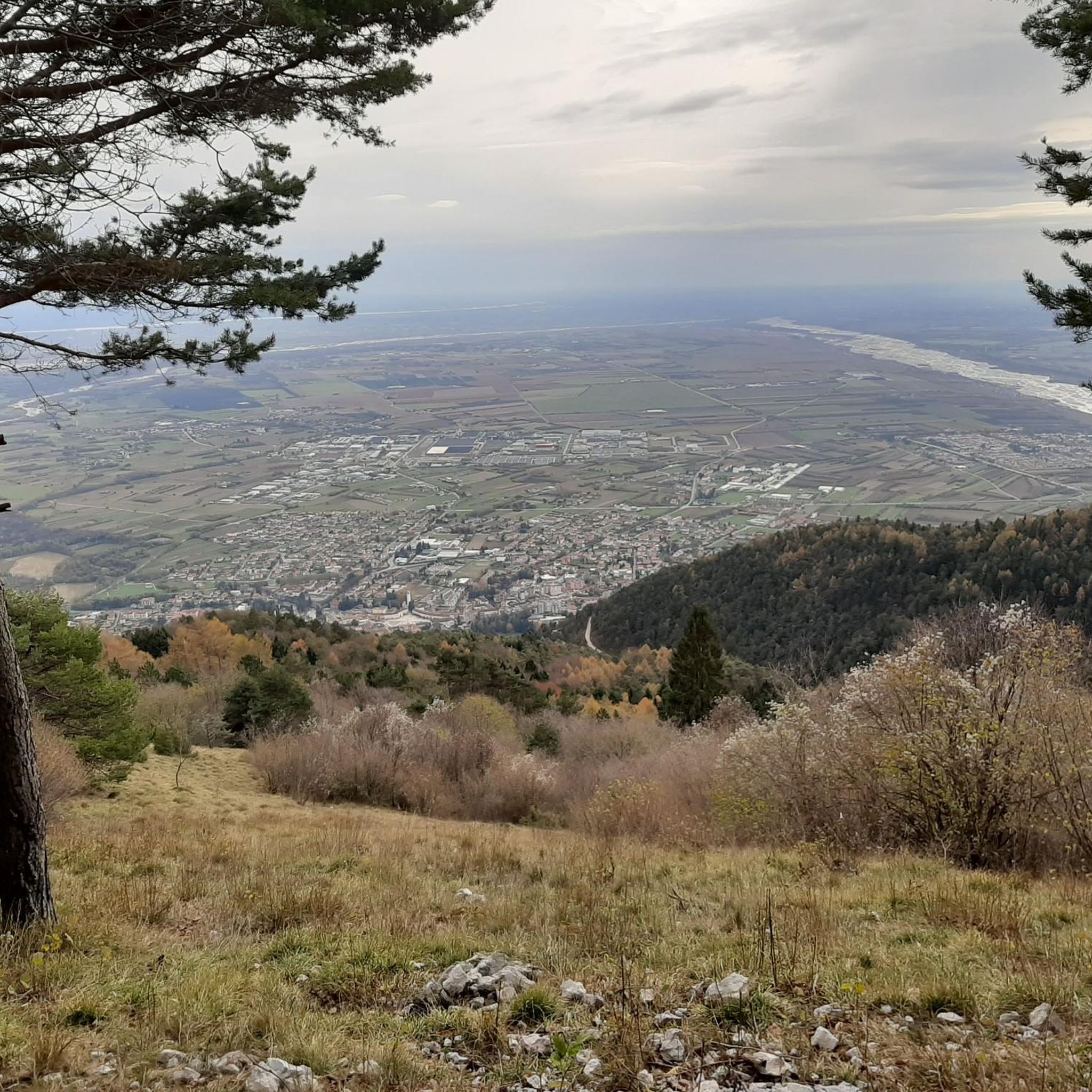
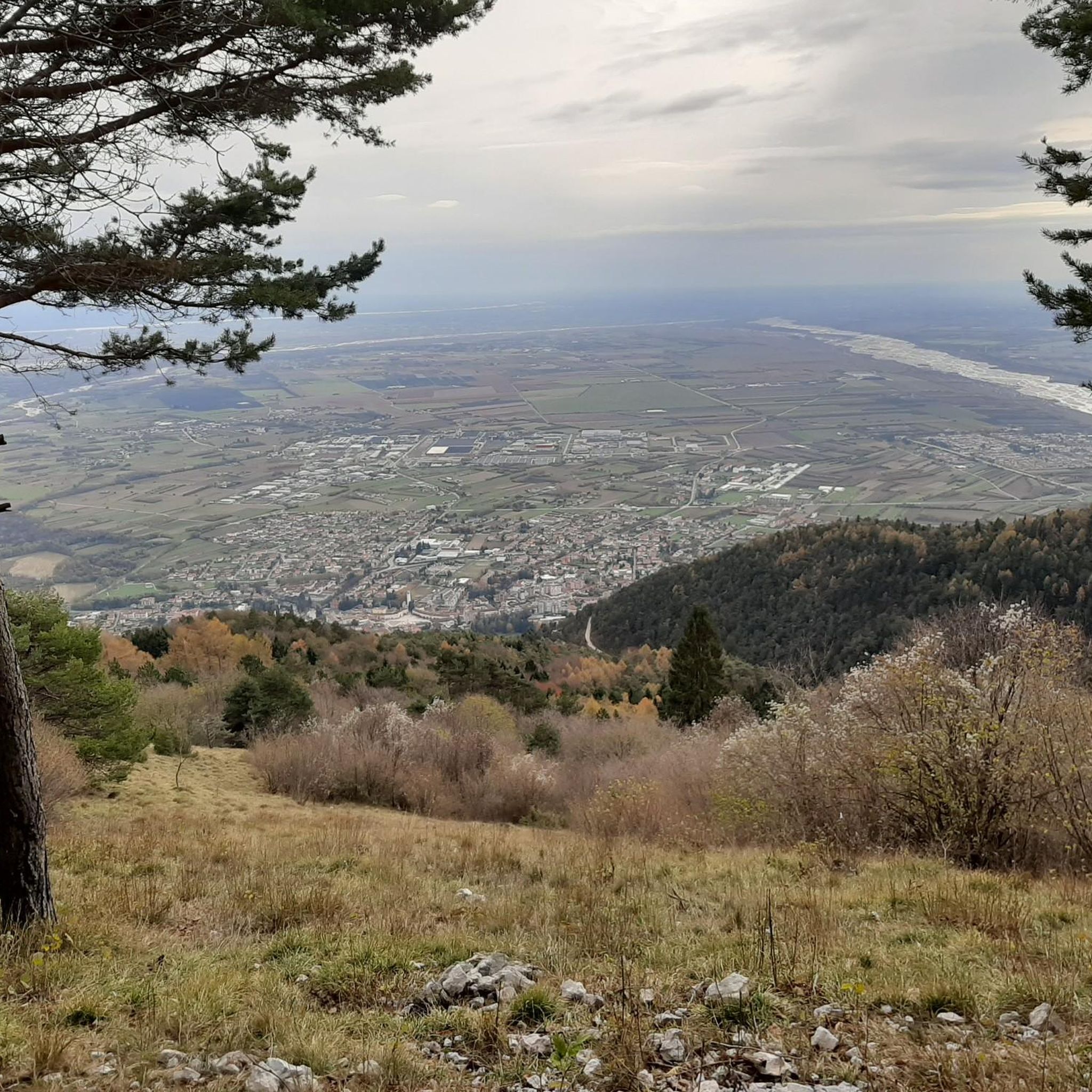
Highly visible from the plain, the Toppo castle, dating back to around 1100 AD, created a belt of manors on the Pordenone foothills.
0
0
The castle of Solimbergo is an ancient manor. The first traces date back to the Romanesque era. It was a defensive bastion thanks to its strategic position.
0
0

The façade is adorned with seven oculi and is extremely sober. The symbolic number seven recalls several texts of the Bible, first and foremost the lamb with "seven horns and seven eyes" from the Apocalypse of John. Two of the seven oculi, walled up in 1858, were reopened in 2011. The north side of the Cathedral, on Piazza del Duomo The main entrance is not the one on the façade, but the portal built on the northern façade, which overlooks Piazza Duomo. This was built in 1376 by Zenone da Campione and was originally reserved for the entrance of lords. Interior The Pordenone - Conversion of Saul - Organ door. The large organ, in the central nave The interior consists of three naves. In the central nave, second span, there is the Renaissance organ relocated here in 1981 after the restoration work following the earthquake in Friuli. The original instrument, a 1515 work by Bernardino Vicentino from Venice, had been lost over the centuries and was restored by Francesco Zanin using period materials and methods. It is used for liturgy, concerts and numerous recordings. The chest, among the oldest in the world, is decorated with canvases and panels painted by Pordenone in 1525. The organ doors contain three depictions: Assumption of Mary (closed doors); Fall of Simon Magus (open door on the left); Conversion of Saul (open door on the right). In the parapet of the choir there are five panels with the Stories of the Virgin, while in the lateral spaces some Pages are depicted. Presbytery The presbytery is decorated with a cycle of fourteenth-century frescoes, clearly derived from the lesson that Vitale da Bologna had left in the cathedral of Udine. The unknown author is cited as the Master of the Pavilions and his works date back to the period 1350-1380. The right wall is decorated with stories from the Old Testament: Master of the Pavilions - Susanna bathing. Creation of Adam and Eve Expulsion from Paradise Adam's Work Killing of Abel Lameus kills Cain Noah's Ark Sacrifice of Isaac Jews in the desert Capture of Jericho David and Goliath Death of Absalom Return of Tobias and Sarah Susanna bathing King Solomon Still life On the left wall, instead, there are stories from the life of Christ, derived from the New Testament: Master of the Pavilions - Stories of Christ. Nativity Adoration of the Shepherds Presentation at the Temple Flight into Egypt Massacre of the Innocents Christ among the Doctors Wedding at Cana Expulsion of the Merchants from the Temple Transfiguration Entry into Jerusalem Prayer in Gethsemane Capture of Christ Flagellation Ascent to Calvary The back wall is dominated by the dramatic scene of the Crucifixion. Crypt The burial ark of Walterpertoldo. The lower church consists of five rooms, one of which has recently been closed. The northern chapel contains the burial ark of Walterpertoldo, who died in 1382, lord of Spilimbergo and podestà of Treviso. Until 1964 the ark was on display in the square next to the church, and was then placed in the crypt. Chapel of the Rosary Chapel of the Rosary - the painting Presentation at the Temple with inserts by Gasparo Narvesa. Chapel of the Rosary - Giovanni Martini - Presentation at the Temple. The chapel is dominated by the altarpiece Presentation at the Temple by Giovanni Martini (1503), with a frame between the vegetal intrigues the Mysteries of the Rosary and the Madonna of the Rosary with the Child Jesus and Saint Dominic, work of Gasparo Narvesa (1626-1627).
0
0
The church was commissioned by the lord of Spilimbergo Walterpertoldo in 1284 and the first stone was laid on October 4 of the same year. Construction continued until about 1359, although the cathedral was consecrated only in 1453. The irregularity of the building plan is due, more than to rethinking or remaking, to the exploitation of existing structures and the conformation of the territory. In fact, the building was built leaning against a wall, and the bell tower was built on a portal of the same.
0
0

beautiful square, with a cobbled ground
0
0
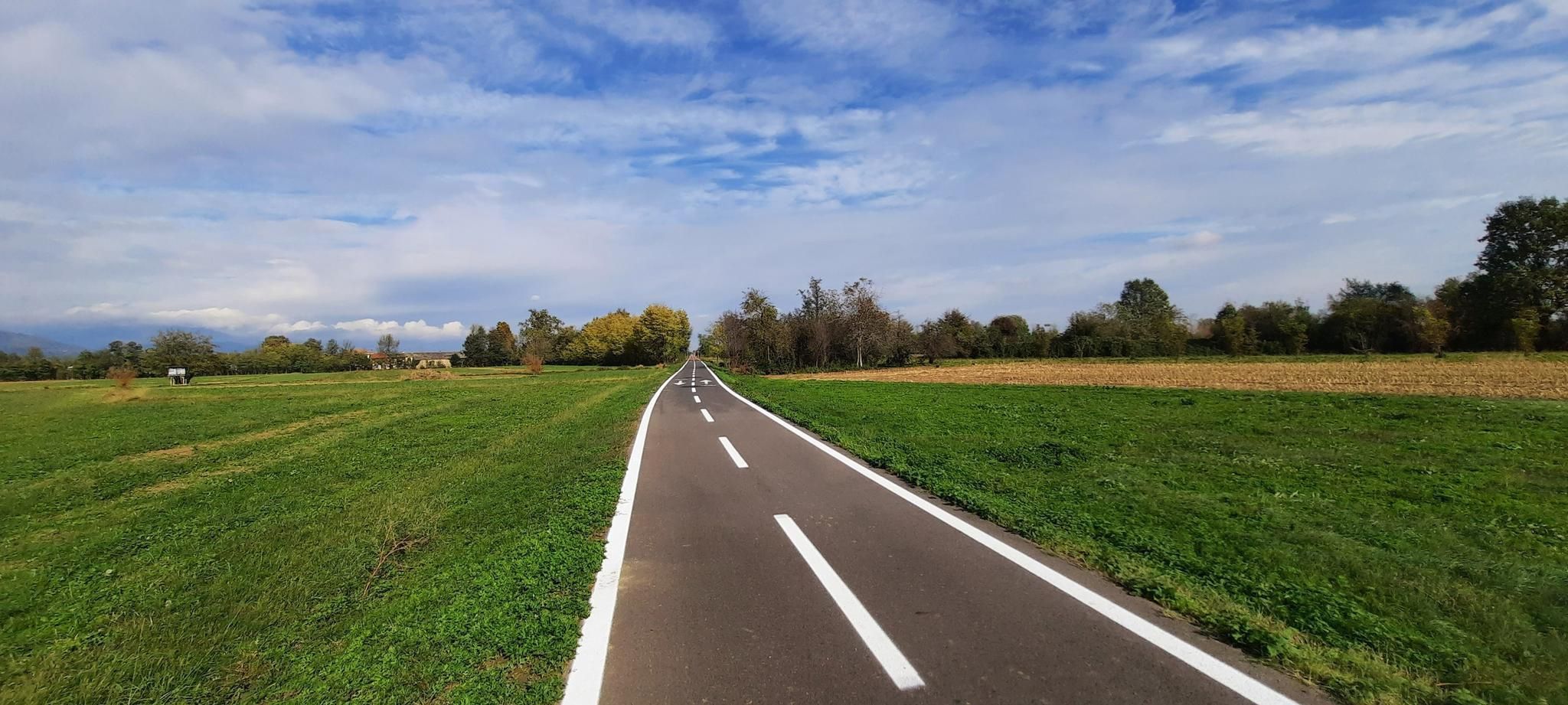
fantastic road, shame about the asphalt not perfect for high speeds. between 20 and 25 km/h it's perfect
0
0

One of many castle ruins in the foothills of the surrounding mountains. Very well restored with information signs. From the ruins there is a beautiful view towards Val Colvera di Jof and far into the Friulian plain. The ascent is on a forest path, partly with coarser rock. It is worth a visit, impressively illuminated in the dark.
0
0
Frequently Asked Questions
What historical castles can I explore in the Maniago region?
The Maniago region offers several historical sites. You can visit the evocative ruins of the 12th-century Castello di Maniago, which offers panoramic views from its elevated position. Another significant site is Toppo Castle, a complex with ruins possibly of Lombard origin, dating from the early Middle Ages. While not a traditional castle, the Cathedral of Santa Maria Maggiore (Spilimbergo) is a valuable example of Romanesque-Gothic architecture with castle connections.
Are there any castles around Maniago that are good for families?
Yes, the Cathedral of Santa Maria Maggiore (Spilimbergo) is listed as family-friendly. While the Castello di Maniago and Toppo Castle are primarily ruins, the walk to them and the historical context can be engaging for older children interested in history and nature. The panoramic views from these sites are also a highlight.
What kind of views can I expect from the castles in Maniago?
From the elevated position of the Castello di Maniago ruins, you can enjoy stunning panoramic views of Maniago and the surrounding landscape, including the Friulian Dolomites. Toppo Castle also offers a beautiful panorama of the Borgo di Toppo and the surrounding area.
How accessible are the castle ruins in Maniago?
The Castello di Maniago ruins are accessible via a pleasant walk of about ten minutes from the city center, leading to the Colle di San Giacomo. Information panels along the path detail the castle's history. For Toppo Castle, a short walk through the woods leads to the ruins. Be aware that terrain can be uneven and steep at these historical sites, so comfortable shoes are recommended.
What outdoor activities can I do near the castles in Maniago?
The region around Maniago offers various outdoor activities. You can find numerous hiking routes, such as the 'Par Crous historic trail to Forcella Crous' or the 'Cammino di San Cristoforo, Stage 3: From Maniago to Poffabro via Val Colvera'. For cycling enthusiasts, there are routes like the 'Pordenone Foothills Loop from Maniago'. Running trails also abound, including routes to the Maniago Castle and Monte Jouf. You can explore more options in the Hiking around Maniago, Cycling around Maniago, and Running Trails around Maniago guides.
Are there specific walking routes to the castle ruins in Maniago?
Yes, the Castello di Maniago ruins are reached by an evocative walk from the city center up to Colle di San Giacomo. For Toppo Castle, there's a short walk through the woods to reach the ruins. These walks combine historical exploration with pleasant natural surroundings.
What is the best time of year to visit the castles around Maniago?
The region's castles, being mostly outdoor ruins or sites with panoramic views, are best visited during pleasant weather. Spring and autumn generally offer comfortable temperatures for walking and exploring, with lush scenery or vibrant fall colors. Summer can also be enjoyable, though it might be warmer.
What should I wear when visiting the castles in Maniago?
Given that many castle sites involve walking on uneven or steep terrain, especially to reach ruins like the Castello di Maniago or Toppo Castle, it's highly recommended to wear comfortable and sturdy shoes. Layered clothing is also advisable to adapt to changing weather conditions, especially when exploring elevated viewpoints.
Are there any less crowded or 'hidden gem' castles in the Maniago region?
While the Castello di Maniago ruins are a significant local attraction, they offer a quiet and atmospheric experience, rewarding those willing to explore off the well-worn path. The Ruins of the Castle of Mizza are another option for those seeking a more secluded historical site, as only a defensive bastion remains.
What can I learn about the architecture of castles in the Maniago area?
The region showcases various architectural styles and remnants. The Castello di Maniago, though in ruins, offers a glimpse into medieval architectural brilliance. The Cathedral of Santa Maria Maggiore (Spilimbergo) is a prime example of Romanesque-Gothic architecture. For insights into internal structures, the Interior of Castello di Polcenigo provides an interesting look into how a castle was arranged inside.
How long does it typically take to visit the castles around Maniago?
The time required varies by site. A visit to the Castello di Maniago ruins, including the walk, might take 1-2 hours to explore and enjoy the views. For sites like Toppo Castle or the Ruins of the Castle of Mizza, you might spend 1-1.5 hours. If you plan to visit multiple sites or combine them with hiking, allocate a full day.
What do visitors enjoy most about the castles in the Maniago region?
Visitors frequently appreciate the historical significance and the breathtaking panoramic views offered by the elevated castle sites. The quiet and atmospheric nature of the ruins, combined with pleasant walks through nature, provides a unique experience. The architectural details, like those at the Cathedral of Santa Maria Maggiore (Spilimbergo), are also highly valued.
Most popular routes around Maniago
Most popular attractions around Maniago

Get inspired with the komoot mobile app


Explore more
Looking for the best castles somewhere else? Discover other guides around Maniago:
