Top 7 Castles around Trissino
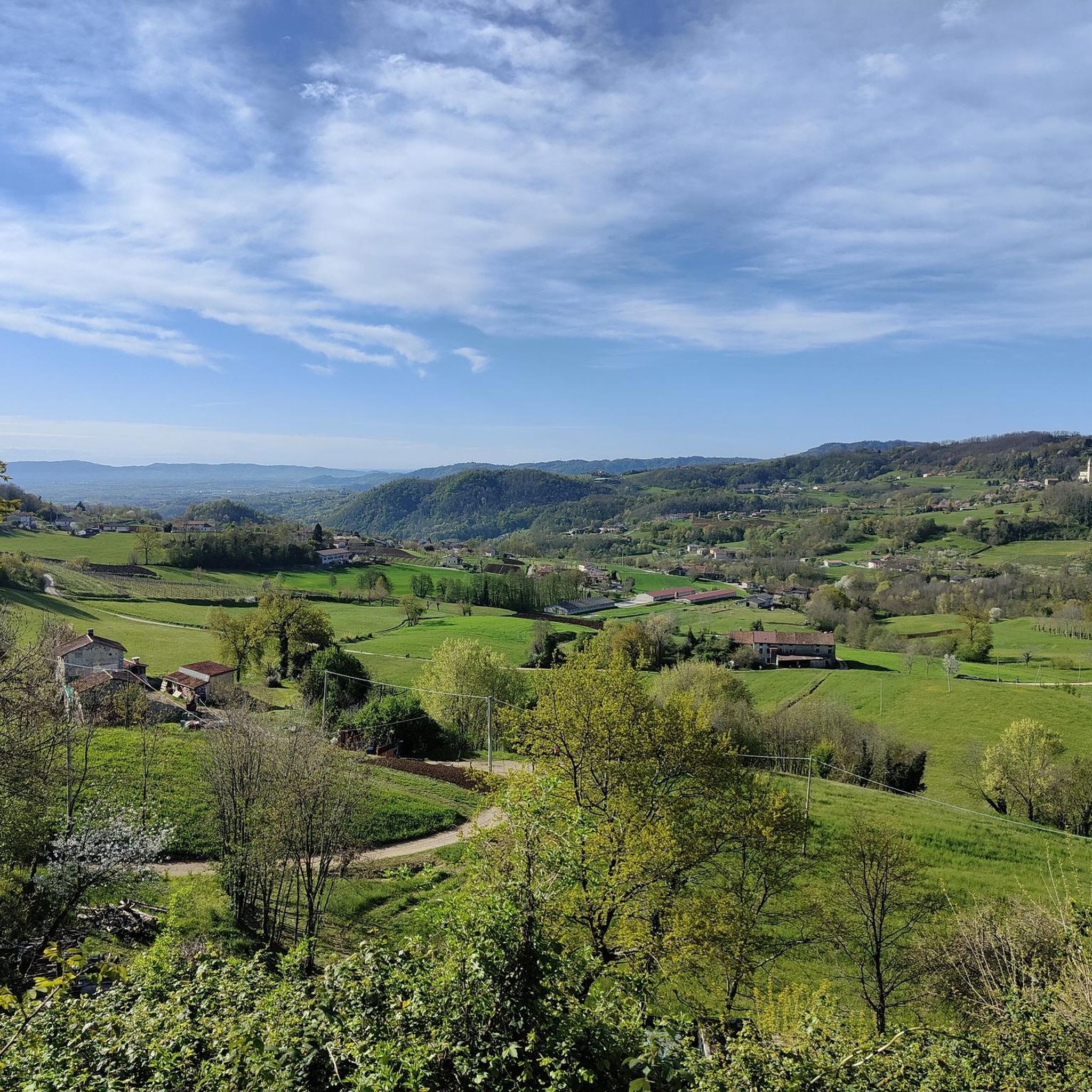
Best castles around Trissino are found in a region of Italy known for its historical residences and medieval fortresses. The area offers a glimpse into a rich past, with structures rooted in medieval defense and later transformed into significant architectural complexes. These sites provide insight into the evolution of noble residences and strategic strongholds in the Vicenza province. The landscape features hills and valleys, offering panoramic views from many of these historical locations.
Best castles around Trissino
- The most popular…
Last updated: August 10, 2026
Bishops' Castle
Highlight • Castle
Translated by Google •
Tip by

Villa Castle or Romeo's Castle
Highlight • Castle
Translated by Google •
Tip by
Sign up now to discover places like this
Get recommendations on the best single tracks, peaks, & plenty of other exciting outdoor places.
Sign up for free
Bellaguardia Castle or Juliet's Castle
Highlight • Castle
Translated by Google •
Tip by
Colle di San Vittore
Highlight • Trail
Translated by Google •
Tip by
Strada dei Carri to Castello di Giulietta
Highlight • Trail
Translated by Google •
Tip by

Sign up for free to discover even more castles around Trissino.
Sign up for free
Already have an account?
Start today with a free account
Your next adventure awaits.
Login or Signup
Tips from the Community


uphill rural road passable only on foot or MTB. Leads to the castle of "Giulietta" and the hypogeum complex "Le Priare".
0
0

Beautiful medieval fortress under restoration and currently not open to visitors.
0
0

Colle di San Vittore is a silent, secluded and suggestive place that dominates a strategic passage between the Alta Pianura Vicentina and the Valle dell'Agno, with a view of the piedmont: precisely because of its position, it hosted the castle of Pietramala (ancient name of Priabona), built in the 8th-9th century and destroyed in 1250. For many centuries the hill was the center of the village, in a protected position, with the construction of the first parish church and the cemetery. Until quieter times pushed the inhabitants to go down to a more comfortable position, along the pass and the current road: the new church and the new cemetery were built. Today the hill hosts an unusual gathering of eras and styles: the church (with an appearance distorted over the centuries), the characteristic and squat bell tower, the ancient oratory (what remains of the castle), the deconsecrated cemetery and the 'recent' abandoned convent. https://padovasorprendi.it/loratorio-di-san-vittore-di-priabona-e-il-colle-ponimo/
2
0

Magnificent view on one side of Sovizzo and on the other of Montecchio Maggiore. Sometimes it hosts events (theatre, open-air cinema, medieval events).
0
0
A medieval fortress, destroyed and rebuilt several times over the centuries, built on the hills of Montecchio Maggiore for its strategic position along the Via Postumia, controlling the passage between Verona and Vicenza. A previous fortification likely existed in Roman times. It is known as "Romeo's Castle" by tradition and folklore: Luigi da Porto, a military leader and man of letters, retired from military life and wrote the first novel about Romeo and Juliet in 1531 in his residence in Montorso, overlooking the two castles. In the 19th century, at the height of Romanticism, legend arose that the two castles, so close yet so far away, inspired him to imagine them as belonging to the rival families of the Montecchi and the Cappelletti. Shakespeare later drew inspiration from his work to make the tragic love story famous. Today, the castle occasionally hosts cultural events (concerts, theater, open-air cinema); it is open on weekends (see link); Free access to both the walls and the tower, from the top of which you can enjoy a magnificent 360° panorama. https://www.prolocoaltemontecchio.it/cosa-vedere/castelli-di-giulietta-e-romeo/ https://it.wikipedia.org/wiki/Castelli_di_Romeo_e_Giulietta
2
0
A medieval fortress, destroyed and rebuilt several times over the centuries, built on the hills of Montecchio Maggiore for its strategic position along the Via Postumia, controlling the passage between Verona and Vicenza. A previous fortification likely existed in Roman times. It is known as "Juliet's Castle" by tradition and folklore: Luigi da Porto, a military leader and man of letters, retired from military life and wrote the first story of Romeo and Juliet in 1531 in his residence in Montorso, overlooking the two castles. In the 19th century, at the height of Romanticism, legend arose that the two castles, so close yet so far away, inspired him to imagine them as belonging to the rival families of the Montecchi and the Cappelletti. Shakespeare later drew inspiration from his work to make the tragic love story famous. Today, the castle houses a bar/restaurant, and admission (free) is open during its opening days and hours (see link); From the panoramic terrace, you can enjoy a magnificent 360° view of the surrounding valleys and hills, covered in greenery and cultivated fields. https://www.prolocoaltemontecchio.it/cosa-vedere/castelli-di-giulietta-e-romeo/ https://it.wikipedia.org/wiki/Castelli_di_Romeo_e_Giulietta
2
0

Definitely a nice route, quite easy and quiet because it is not crowded. Allow me to correct the length of the route, which is not about 8 km as written, but well over 12, this is for information only. Advised.
2
2
Frequently Asked Questions
What kind of historical sites can I expect to find around Trissino?
The Trissino area is rich in historical residences, ranging from medieval fortresses to elegant Renaissance villas. You'll find sites that have evolved from ancient defensive bastions into grand estates, offering a glimpse into centuries of regional history and architectural transformation. Examples include the Bishops' Castle, which was once an imposing medieval fortress, and the beautiful Villa Trissino Marzotto, a monumental complex that began as a medieval stronghold.
Are there any castles with unique historical legends or stories?
Yes, the area is famously associated with the legend of Romeo and Juliet. You can visit Villa Castle, also known as Romeo's Castle, and Bellaguardia Castle, or Juliet's Castle. These medieval fortresses, located on the hills of Montecchio Maggiore, are said to have inspired Luigi da Porto's 16th-century novel, which later influenced Shakespeare's tragic love story.
What are some notable architectural features of the villas in Trissino?
The villas around Trissino showcase a blend of architectural styles. Villa Trissino Marzotto features late-Baroque elements, including monumental entrances and a vast twenty-hectare park with Italian-style gardens adorned with over a hundred statues. Villa Trissino Paninsacco, built on ancient defensive bastions, exhibits the classical symmetry typical of the Vicentine Renaissance style, with two distinct facades and historical interiors.
Can I find panoramic views from the castles in the Trissino area?
Absolutely. Several castles offer magnificent panoramic views. From Bellaguardia Castle (Juliet's Castle), you can enjoy a 360° view of the surrounding valleys and hills. Villa Castle (Romeo's Castle) also provides a superb panorama from its tower. Even the ruins of Bishops' Castle offer a beautiful vantage point overlooking the Brendola valley.
Are there any castle ruins or ancient fortifications to explore?
Yes, the region has several sites with remnants of older fortifications. The Bishops' Castle, for instance, retains its keep and fragments of its original walls, offering a glimpse into its medieval past as a strategic fortress. Additionally, the Colle di San Vittore, near Malo, was once home to the castle of Pietramala, built in the 8th-9th century, with an ancient oratory remaining from the castle structure.
Are there family-friendly castles around Trissino?
Yes, some castles are particularly welcoming for families. Villa Castle (Romeo's Castle) is categorized as family-friendly and occasionally hosts cultural events like open-air cinema. The area around Military Vehicles and View of Rocca di Brendola is also noted as family-friendly, offering an interesting spot for kids.
What outdoor activities can I do near these castles?
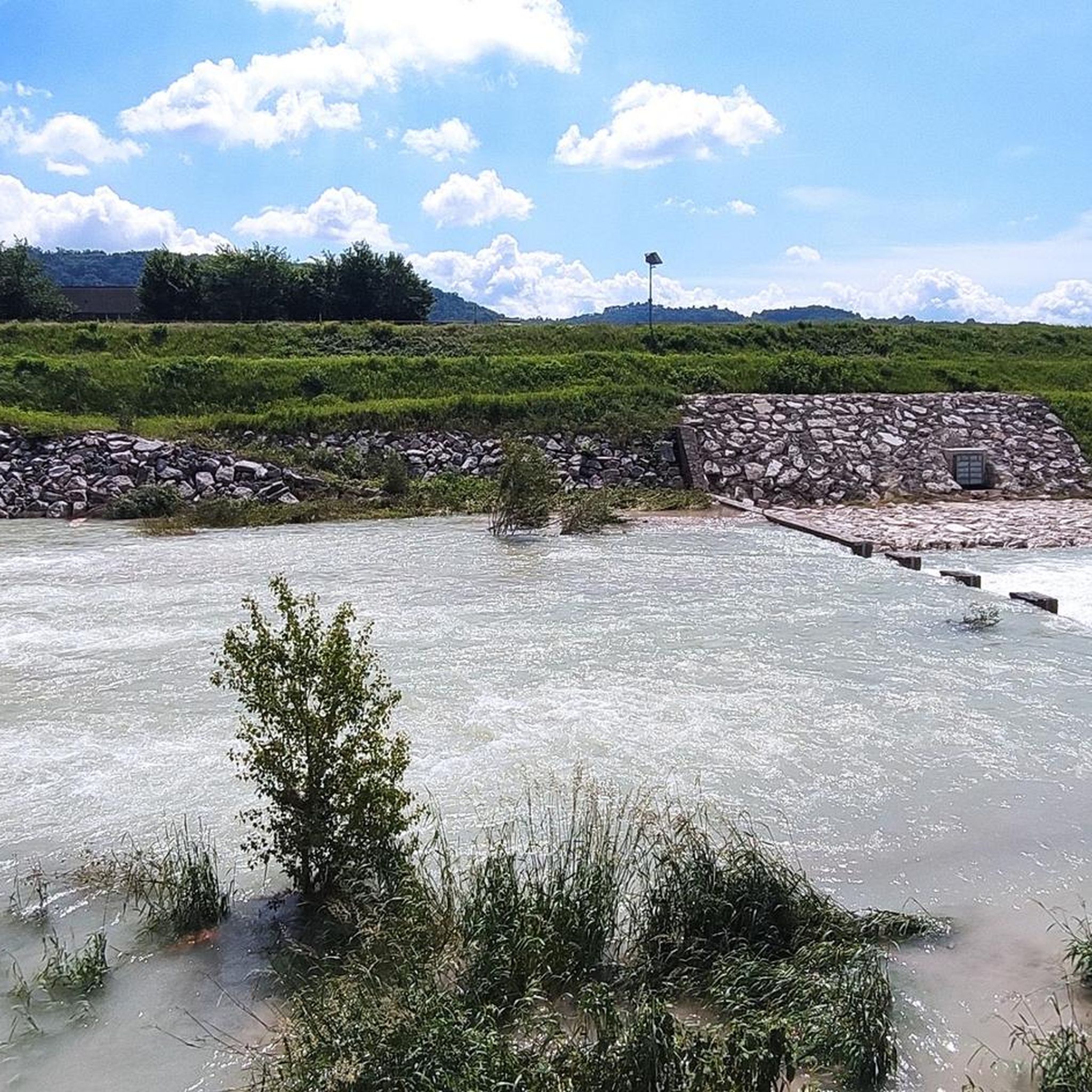
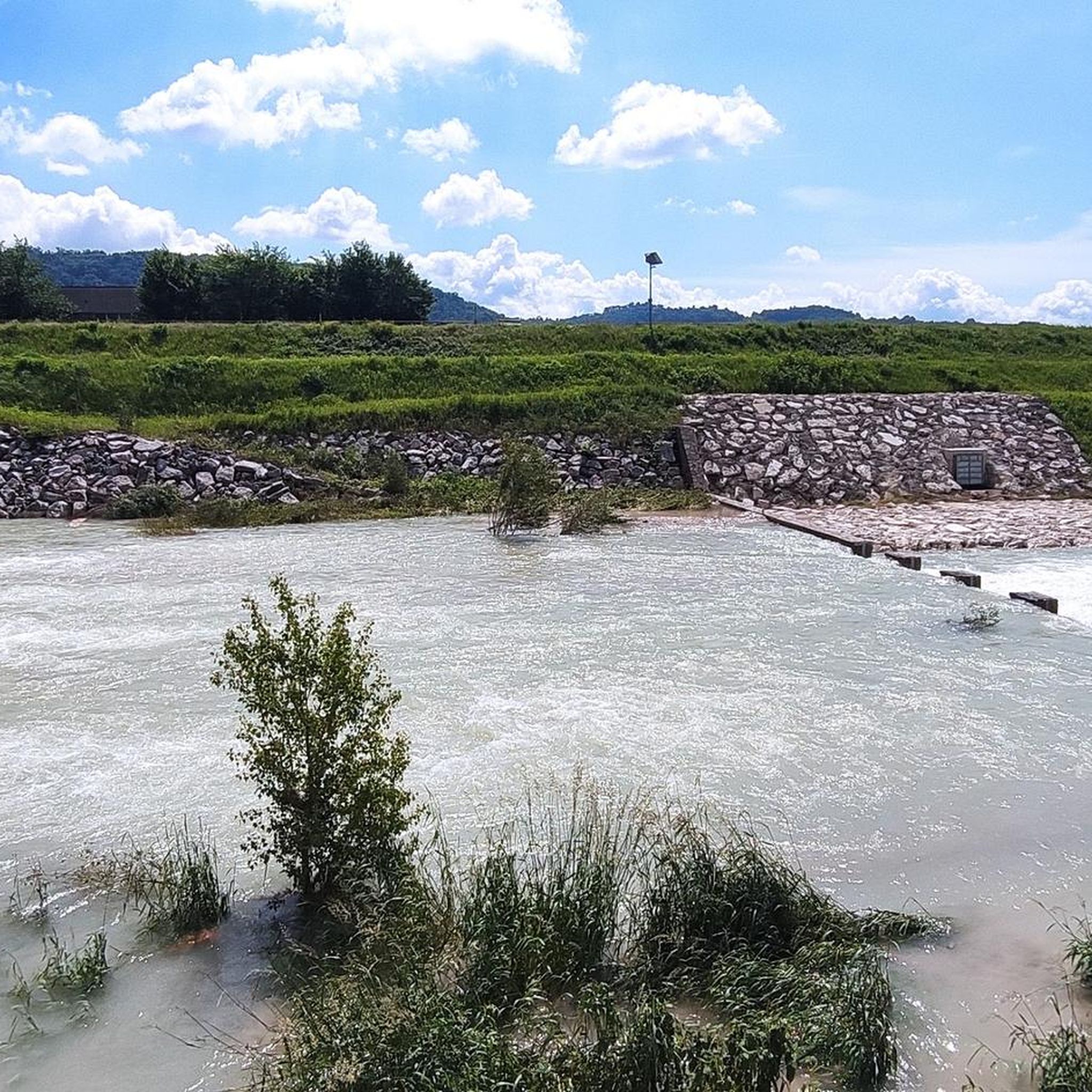
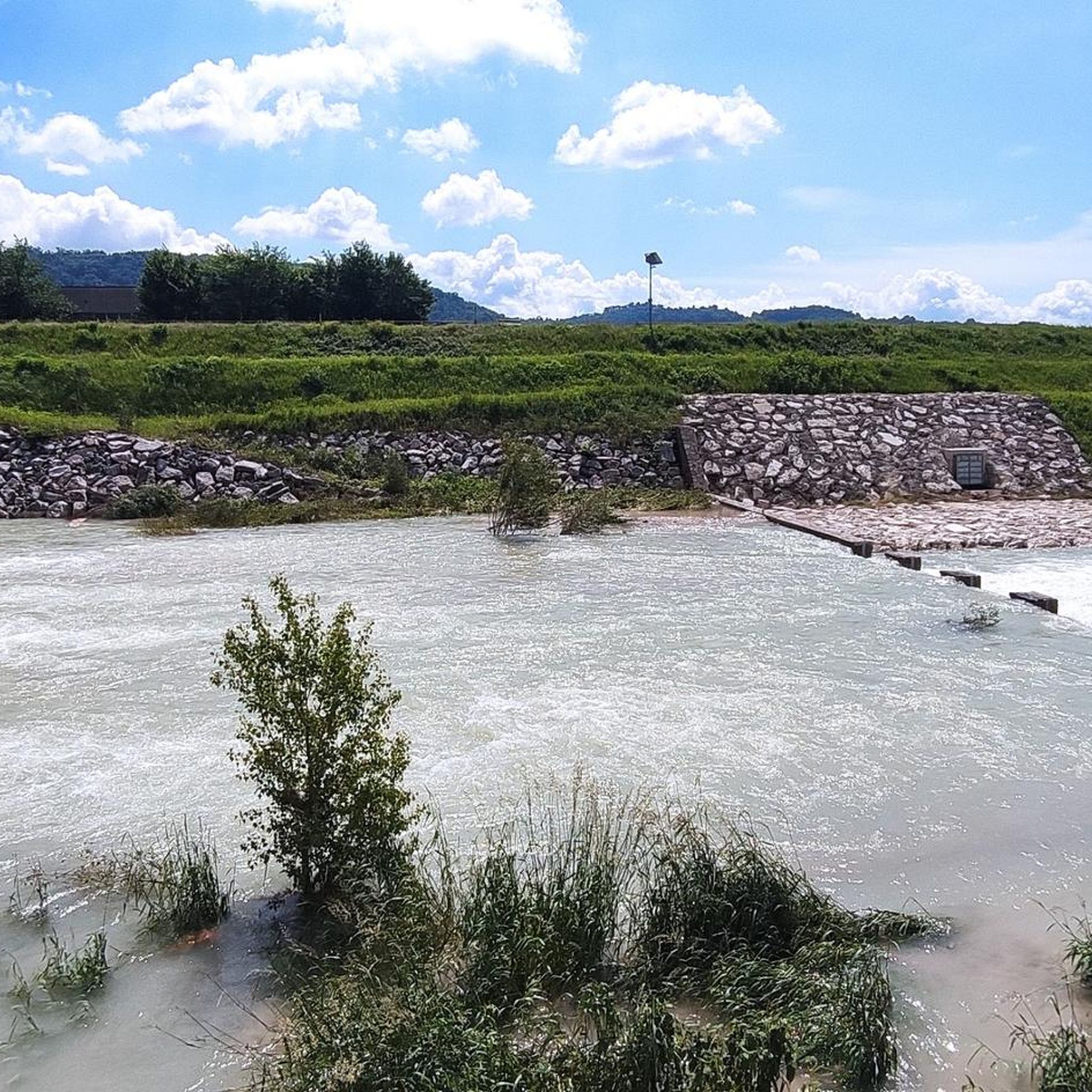
The Trissino area offers various outdoor activities, especially hiking and cycling. You can find numerous routes for both touring bicycles and road cycling, as well as hiking trails. For example, there are moderate hiking loops like the 'Rotte del Guà Weir System' or 'Crucifix of Covolo Basso'. You can explore more options on the Hiking around Trissino guide or the Cycling around Trissino guide.
Are there hiking trails near the castles?
Yes, the region surrounding Trissino's castles is well-suited for hiking. You can find trails that lead to or pass by historical sites. For instance, the San Vittore Malo Descent highlight mentions a trail leading to the Colle di San Vittore, which hosted the ancient castle of Pietramala. Many other hiking routes are available, ranging from moderate to difficult, which you can find in the Hiking around Trissino guide.
What is the best time of year to visit the castles around Trissino?
While specific opening hours vary by site, generally, spring and autumn offer pleasant weather for exploring the castles and their surrounding parks. These seasons avoid the peak heat of summer and the colder, potentially less accessible conditions of winter. Always check individual castle websites for current opening times and seasonal events.
Are there cafes or restaurants near the castles?
Yes, some castles offer amenities on-site. Bellaguardia Castle (Juliet's Castle) houses a bar/restaurant, allowing visitors to enjoy refreshments with a panoramic view. For other locations, you'll find cafes and restaurants in the nearby towns and villages, such as Montecchio Maggiore or Trissino itself.
What do visitors enjoy most about the castles around Trissino?
Visitors frequently praise the historical significance and the stunning views. The strategic positions of castles like Romeo's Castle and Juliet's Castle offer magnificent panoramas. The blend of medieval history and Renaissance architecture, along with the rich cultural experiences, such as the art collections at Villa Trissino Marzotto, are also highly appreciated.
Is there parking available near the castles?
Parking availability varies by location. For castles situated near towns or popular attractions, designated parking areas are usually provided. For more remote sites or those on hills, parking might be available at the base or within a short walking distance. It's advisable to check local signage or specific castle websites for detailed parking information before your visit.
Most popular routes around Trissino
Most popular attractions around Trissino

Get inspired with the komoot mobile app


Explore more
Looking for the best castles somewhere else? Discover other guides around Trissino:
