Top 7 Castles around Fontevivo
Best castles around Fontevivo are primarily represented by historically significant sites, including the Cistercian Abbey of Fontevivo, founded in 1142. This region is known for its rich architectural heritage, featuring Romanesque structures and medieval art. The area's historical depth is evident in its well-preserved buildings and cultural landmarks. These sites offer insights into centuries of local history and architectural evolution.
Best castles around Fontevivo
- The most popular castles is Corte di Giarola, a historical site that offers a beautiful…
Last updated: October 31, 2026
Corte di Giarola
Highlight • Historical Site
Translated by Google •
Tip by

Palazzo della Pilotta
Highlight • Historical Site
Translated by Google •
Tip by

Sign up now to discover places like this
Get recommendations on the best single tracks, peaks, & plenty of other exciting outdoor places.
Rocca Sanvitale di Fontanellato
Highlight • Castle
Translated by Google •
Tip by

Soragna and the Rocca Meli Lupi
Highlight • Castle
Translated by Google •
Tip by

Fontanellato and its castle
Highlight • Castle
Translated by Google •
Tip by
Sign up for free to discover even more castles around Fontevivo.
Already have an account?
Start today with a free account
Your next adventure awaits.
Tips from the Community

In the ancient Benedictine "grancia" (farmstead), the centuries-old agricultural vocation lives on with two exhibition paths dedicated to food. The Pasta Museum tells the story of wheat, its cultivation and processing, with an entire 19th-century pasta factory. The main dish of Italian cuisine can be enjoyed at the Corte restaurant. Coordinates: https://maps.app.goo.gl/GduPNYW222scYydg8 Link: https://pasta.museidelcibo.it Stop on the Pasta, Tomato and Fragno Truffle Route - 𝘊𝘰𝘭𝘭𝘦𝘻𝘪𝘰𝘯𝘦 𝘌𝘮𝘪𝘭𝘪𝘢 𝘉𝘪𝘬𝘦 𝘌𝘹𝘱𝘦𝘳𝘪𝘦𝘯𝘤𝘦 - see the complete collection
0
0
The agricultural courtyard of medieval origin hosts two exhibition routes dedicated to food. The Tomato Museum tells the story of this fruit from the Americas and its extraordinary spread in the Parma area, which is still a leader in its processing today. Ancient machinery and unexpected curiosities. All about the tomato. Coordinates: https://maps.app.goo.gl/GduPNYW222scYydg8 Link: https://pomodoro.museidelcibo.it Stop on the Pasta, Tomato and Fragno Truffle Route - 𝘊𝘰𝘭𝘭𝘦𝘻𝘪𝘰𝘯𝘦 𝘌𝘮𝘪𝘭𝘪𝘢 𝘉𝘪𝘬𝘦 𝘌𝘹𝘱𝘦𝘳𝘪𝘦𝘯𝘤𝘦 - view the complete collection
0
0
In the ancient Benedictine "grancia", the centuries-old agricultural vocation lives on with two exhibition paths dedicated to food. The Pasta Museum tells the story of wheat, its cultivation and processing, with an entire 19th-century pasta factory. The main dish of Italian cuisine can be enjoyed at the Corte restaurant. Coordinates: https://maps.app.goo.gl/GduPNYW222scYydg8 Link: https://pasta.museidelcibo.it
0
0
The 15th-century castle in the center of the town, with its towers and battlements, owned by the wealthy Sanvitale family, houses the original furnishings of the sumptuous castle on the main floor, as well as the masterpiece painted by Parmigianino, which tells the stories of Diana and Actaeon. The markets enchant visitors in the square around the moat. Emotions not to be missed. A stop on the Parmigiano Reggiano and Culatello route, see the complete collection. web: https://fontanellato.org/
0
0

The Pilotta Monumental Complex in Parma is an imposing 16th-century palace that constitutes the true cultural heart of the city.
4
0

La corte di Giarola è una corte rurale medievale dotata di chiesa interna, situata nell'omonima località presso Pontescodogna, frazione di Collecchio, in provincia di Parma; costituisce la sede dell'Ente di Gestione per i Parchi e la Biodiversità Emilia Occidentale, del museo del pomodoro, del museo della pasta, del Teatro alla Corte, del centro visite "Sotto il segno dell'acqua", di due sale convegni e di un ristorante.[1][2] È il punto di partenza per semplici camminate nel Parco del Taro. STORIA: La corte fu costruita originariamente tra l'VIII e il IX secolo per volere della casata di Ingo, nobile franco; l'edificio nacque quale presidio fortificato a controllo del vicino guado di un ramo della via Francigena attraverso il fiume Taro; a causa della sua prossimità al corso d'acqua, la località era conosciuta col nome di Glarola, forse di origine latina, in riferimento alla grande quantità di ghiaia depositata sulle sponde. La più antica testimonianza della sua esistenza risale al 1034, quando Glariola fu citata in un rogito di compravendita di terreni da parte di Alberto Prete a Giovanni di Viarolo. I discendenti di Ingo, feudatari della zona,nel 1045 donarono il castrum con la sua cappella romanica alla badessa Imila del monastero di San Paolo di Parma. L'anno seguente il vescovo Cadalo cedette alcune terre in castro clariolae alle monache. Nei decenni seguenti le religiose trasformarono la struttura in una corte agricola indipendente,[4][5] protetta da mura e dotata di abitazioni, stalle, caseificio e mulino alimentato dalle acque del canale Naviglio; le boscose e paludose terre circostanti furono bonificate e coltivate. Nel 1187 il papa Gregorio VIII emanò una bolla confermando alla badessa di San Paolo i diritti sull'Ecclesiam Sancti Nicomedi de Glarola, oltre a numerose altre del Parmense. A difesa dell'edificio e del guado il vescovo di Parma fece inoltre erigere una torre difensiva, che si aggiunse ai vicini castelli di Collecchio, Segalara, Madregolo e Carona. Nel 1308 i Rossi e i Lupi, dopo la loro cacciata da Parma, presero possesso della struttura fortificata di Giarola, che pochi mesi dopo fu contrattaccata dalle truppe di Giberto III da Correggio e distrutta al termine di un aspro combattimento; sopravvissero solo la corte agricola e la cappella. Nel 1440 ogni residua struttura fortificata fu completamente demolita o trasformata in abitazioni. Nel 1451 la corte ospitò durante il suo viaggio il duca di Milano Francesco Sforza,mentre nel 1495 vi si accamparono, in vista della battaglia di Fornovo, le truppe di Ludovico il Moro. Secondo il Catasto farnesiano del 1562, la corte, dipendente dalla magistratura di Parma e abitata da 110 persone, gestiva un territorio di 1140 biolche parmigiane, corrispondenti a circa 342 ettari, appartenenti in gran parte al monastero di San Paolo; le coltivazioni si estendevano in particolare nella pianura occidentale, in quanto all'epoca il fiume Taro scorreva molto più a ovest. Nel 1760 la chiesa romanica fu modificata in stile neoclassico. Dopo la conquista napoleonica del ducato di Parma e Piacenza, la corte rimase per alcuni anni soggetta direttamente al Comune (o mairie) di Parma, ma nel 1806 fu aggregata a quello di Collecchio. In seguito alla soppressione degli ordini religiosi che colpì anche le benedettine del monastero di San Paolo, nel 1811 la tenuta fu confiscata dal governo francese e affittata a imprenditori agricoli, primi tra tutti i conti Camillo e Alessandro Zileri. Gli abitanti della struttura raggiunsero la quota di 312 nel 1855, per calare un po' alla volta nei decenni seguenti. Le terre furono lottizzate e alienate a privati, mentre la corte fu acquistata alla fine del XIX secolo dalla famiglia Montagna, che dedicò parte dei terreni circostanti alla coltivazione di pomodori e costruì in adiacenza una fabbrica di conserva e un moderno caseificio con annesso allevamento di suini, affittati a conduttori esterni. Durante la seconda guerra mondiale, il 17 aprile 1945 la corte fu colpita dai bombardamenti alleati, che causarono la morte di nove persone[14] e il parziale crollo della chiesa di San Nicomede, di cui rimasero in piedi soltanto alcune porzioni delle murature esterne; il luogo di culto fu ricostruito nel 1950 nelle originarie forme romaniche. La fabbrica conserviera fu alienata nel 1957 all'imprenditore Ercole Azzali; pochi anni dopo fu però chiusa, mentre il caseificio sopravvisse ancora per qualche tempo. Dopo la cessazione dell'attività, il degrado aumentò, finché nel 1998 la corte e le strutture annesse furono acquistate dall'Ente Parco Fluviale Regionale del Taro, poi Ente di Gestione per i Parchi e la Biodiversità Emilia Occidentale, che ne avviò i lavori di ristrutturazione, adibendo parte dell'edificio a propria sede; nell'ala est furono inoltre ricavati un percorso espositivo e una sala auditorium. Nel 2005 fu recuperata la casa colonica esterna, destinata a Laboratorio storico. Nel 2006, su finanziamento della Regione Emilia-Romagna, del Comune di Collecchio e della Fondazione Cariparma, l'ala sud, originariamente adibita a legnaia e deposito, fu trasformata in sala teatrale; il Teatro alla Corte fu inaugurato nel settembre del 2007; nello stesso anno furono avviati i lavori di sistemazione dell'ala ovest, ove all'interno delle antiche stalle trovò spazio nel 2010 il Museo del pomodoro. Nel 2013 il cantiere dell'ala ovest fu completato recuperando anche l'antico pastificio e il mulino; l'anno seguente gli ambienti divennero la sede del Museo della pasta. Nel 2014 fu inoltre ricostruito il tetto della chiesa di San Nicomede,sede parrocchiale a servizio della frazione di Pontescodogna. Nel 2019 fu ristrutturato l'antico caseificio posto nell'ala nord ovest, al cui interno nel novembre dello stesso anno fu inaugurato l'Agrilab Giarola, un laboratorio di cucina per promuovere la biodiversità agroalimentare, i prodotti del territorio e la loro stagionalità. FONTE ed altre b notizie: https://it.wikipedia.org/wiki/Corte_di_Giarola
0
0

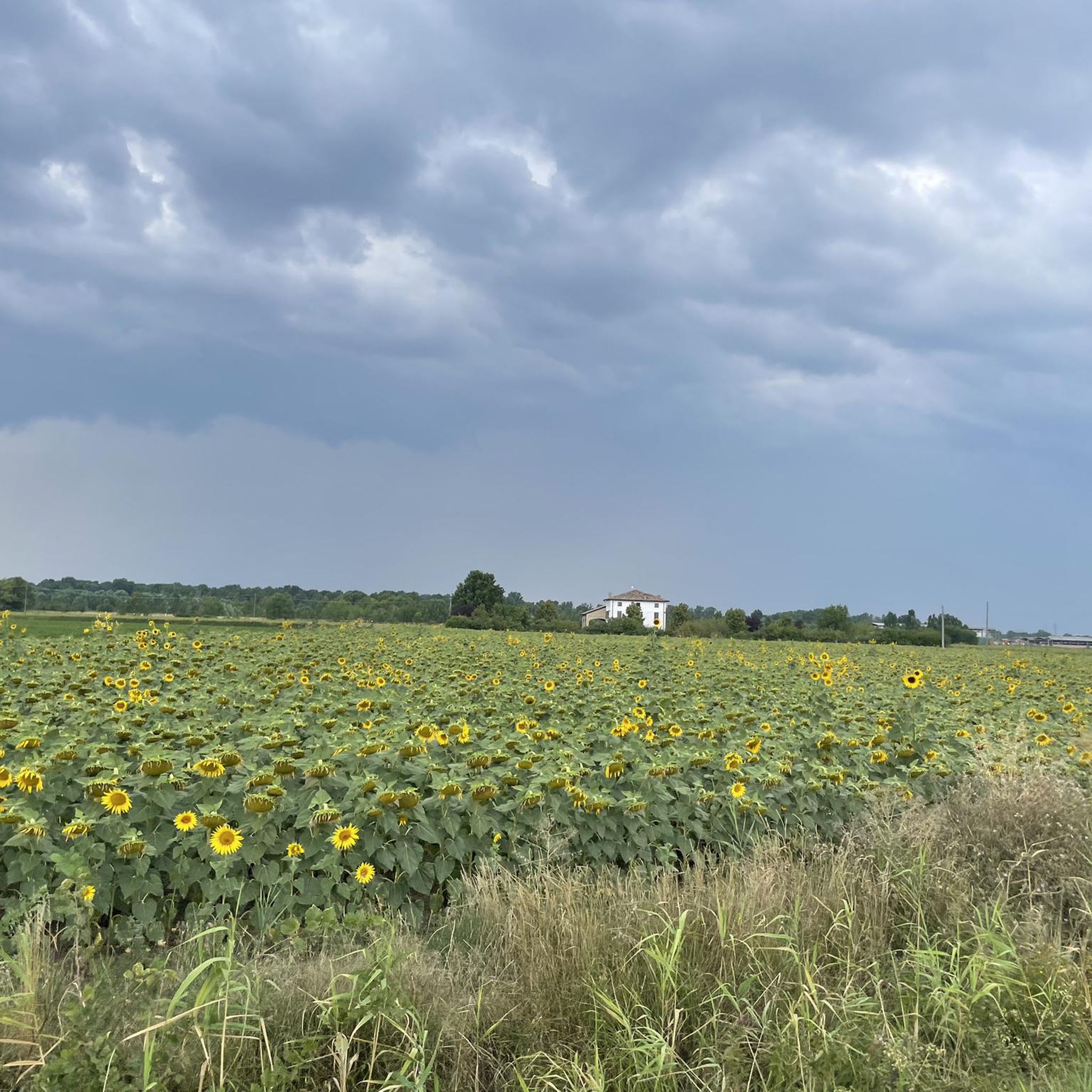
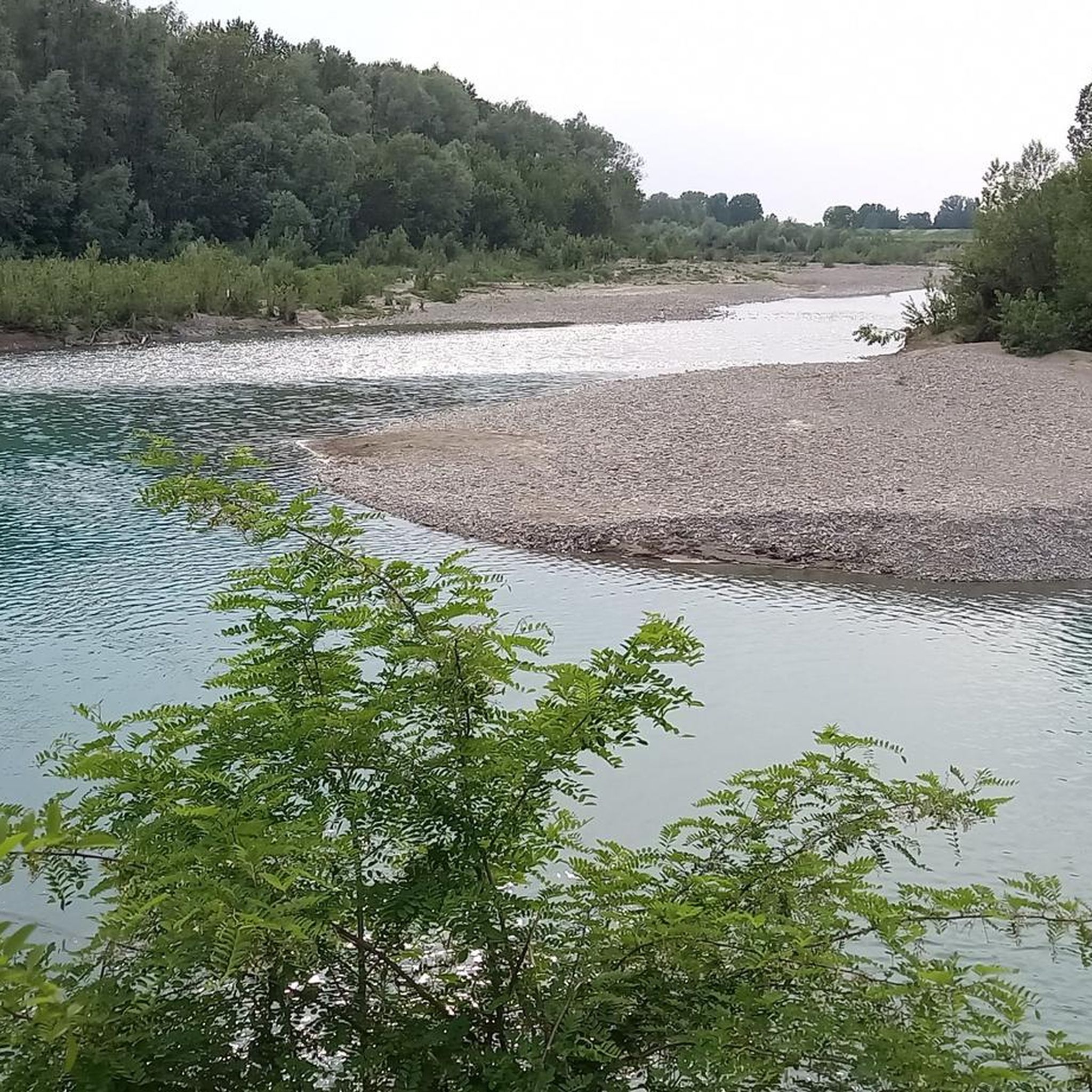
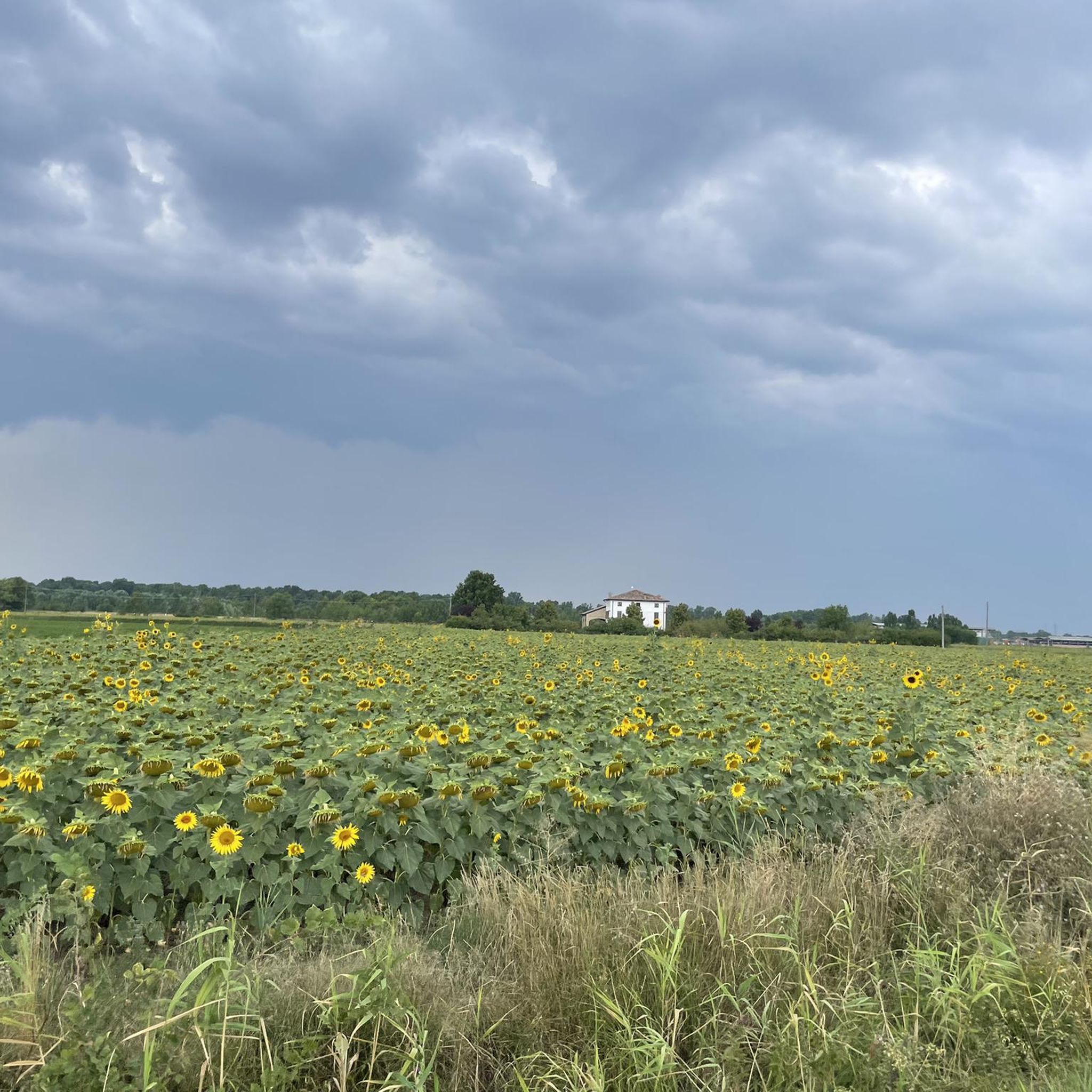
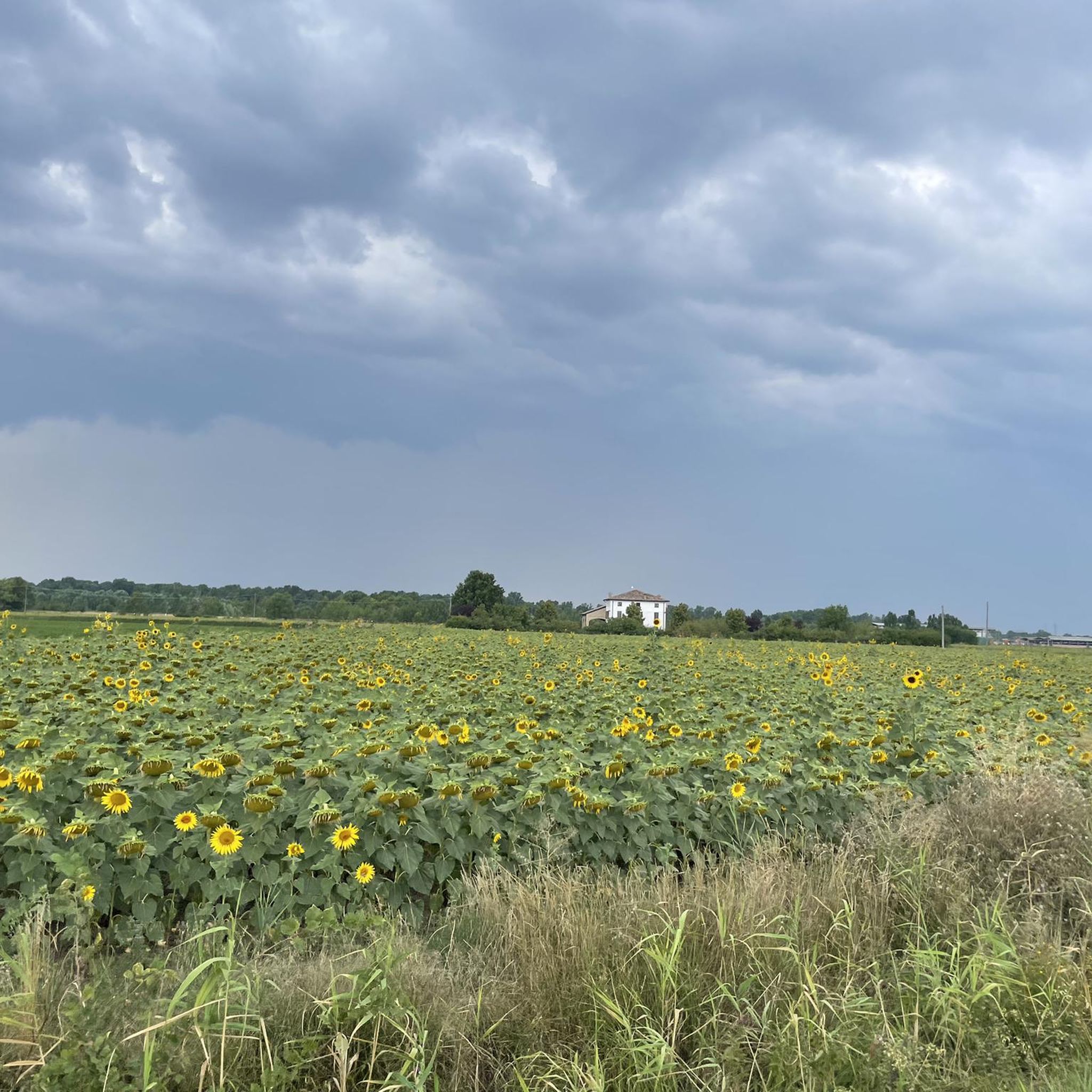
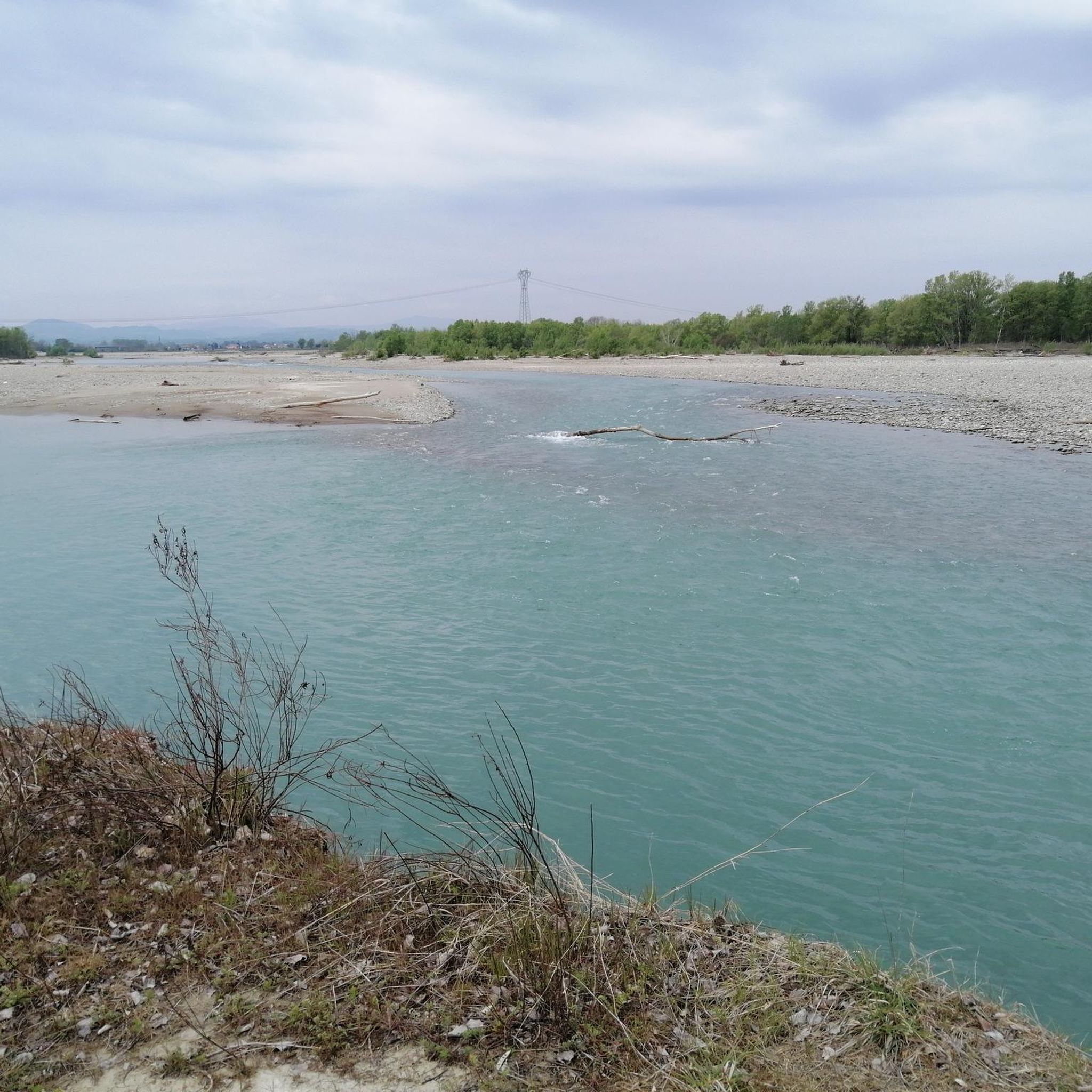
From behind the courtyard you enter the Taro Park towards the canals and the butterfly path
1
0

The court of Giarola is a medieval rural court with an internal church, located in the locality of the same name near Pontescodogna, a hamlet of Collecchio. The court was originally built between the 8th and 9th centuries at the behest of the Ingo family, a Frankish noble; the building was born as a fortified garrison to control the nearby ford of a branch of the Via Francigena across the Taro river; due to its proximity to the watercourse, the locality was known by the name of Glarola, perhaps of Latin origin, in reference to the large quantity of gravel deposited on the banks.
2
0
Frequently Asked Questions
What historical sites are considered 'castles' in and around Fontevivo?
While Fontevivo is primarily known for its historically significant Cistercian Abbey of Santa Maria di Vivofonte, the surrounding area features several notable 'castles' and historical sites. These include the impressive Rocca Sanvitale di Fontanellato, a fortress surrounded by a moat, and the splendid Rocca Meli Lupi in Soragna. Additionally, the grand Palazzo della Pilotta in Parma, with its museums and Farnese Theater, is a significant ducal palace often grouped with the region's historical fortresses.
What makes the Cistercian Abbey of Fontevivo a significant historical site?
The Cistercian Abbey, founded in 1142, is a remarkable example of Romanesque architecture, built with characteristic rose-colored bricks. It houses significant art, including a 'Madonna and Child' statue attributed to Benedetto Antelami, and the rare tomb of a Templar Knight, Guido Pallavicino. The abbey also contains the tomb of Duke Ferdinand of Bourbon. Its rich history, from its Cistercian origins to its transformation into a boarding school and now a modern hospitality complex, makes it a compelling destination.
Are there family-friendly historical sites near Fontevivo?
Yes, several historical sites in the area are suitable for families. Corte di Giarola offers a pleasant stop with food museums. The Rocca Sanvitale di Fontanellato is family-friendly, featuring a unique Optical Camera. The Palazzo della Pilotta also welcomes families to explore its museums and the Farnese Theater.
What unique features can I find at Rocca Sanvitale di Fontanellato?
The Rocca Sanvitale di Fontanellato is unique for its wide moat filled with water and its well-preserved interior, including the Sanvitale noble apartment. It houses a masterpiece of Italian mannerism, a small room painted by Parmigianino, and is home to the only Optical Camera in operation in Italy, which projects an image of the square onto a screen.
What outdoor activities can I do near these historical sites?
The Fontevivo area offers various outdoor activities. For cycling enthusiasts, there are numerous routes, including difficult touring bicycle loops like the 'Reggia di Colorno – Busseto loop' or gravel biking options such as the 'Torrechiara Castle – Val Baganza Bridge loop'. If you prefer running, you can find moderate running loops starting directly from Fontevivo. You can explore more options on the Cycling around Fontevivo, Gravel biking around Fontevivo, and Running Trails around Fontevivo guide pages.
What is the best time to visit the castles and historical sites around Fontevivo?
The best time to visit is generally during the spring (April to June) and autumn (September to October) months. During these periods, the weather is typically mild and pleasant for exploring both indoor attractions and outdoor areas. Summer can be warm, while winter offers a quieter experience, though some attractions might have reduced hours.
Are there any food-related attractions near the castles?
Yes, Corte di Giarola is a recommended stop that features food museums, offering a unique culinary and historical experience. It's a great place to take a break and enjoy local flavors.
What can I expect to see at Palazzo della Pilotta?
The Palazzo della Pilotta is an imposing 16th-century complex that symbolizes ducal power. It houses several cultural institutions, including the Farnese Theater, the National Gallery of Parma, the National Archaeological Museum, and the Palatine Library, all rich in art and historical collections.
Can I find accommodation or places to eat near the historical sites?
Yes, parts of the former Cistercian Abbey complex in Fontevivo have been transformed into a hotel, restaurant, and event space, offering a unique stay within a historic setting. Additionally, towns like Fontanellato and Soragna, where other castles are located, provide various local cafes, pubs, and accommodation options.
What do visitors particularly enjoy about the historical sites in this region?
Visitors frequently praise the rich historical and architectural depth of the sites. They appreciate the well-preserved Romanesque style of the Cistercian Abbey, the unique features like the Optical Camera at Rocca Sanvitale, and the extensive art collections within places like Palazzo della Pilotta. The blend of ancient history with modern amenities, such as food museums at Corte di Giarola, also receives positive feedback.
How can I learn more about the Cistercian Abbey of Fontevivo?
For more detailed historical and architectural information about the Cistercian Abbey, you can visit its Wikipedia page: https://en.wikipedia.org/wiki/Fontevivo_Abbey. This resource provides in-depth context on its founding, evolution, and notable features.
Most popular routes around Fontevivo
Most popular attractions around Fontevivo

Get inspired with the komoot mobile app


Explore more
Looking for the best castles somewhere else? Discover other guides around Fontevivo:
