Top 8 Caves around Faloppio
Best caves around Faloppio offer a glimpse into the region's geological and historical landscape. While Faloppio itself may not have prominent named caves, the broader area, including the Lanza Valley, features significant cave systems. These sites often reveal ancient geological formations and historical human activity, such as quarrying. The terrain provides opportunities for exploration, showcasing natural landmarks and points of interest.
Best caves around Faloppio
- The most popular caves is Sandstone Caves of the Molera Gorges, a natural monument…
Last updated: October 3, 2026
Sandstone Caves of the Molera Gorges
Highlight • Cave
Translated by Google •
Tip by

Malnate Caves
Highlight (Segment) • Cave
They are very ancient sandstone quarries: in fact they date back to 25 million years ago, when …
Translated by Google •
Tip by

Sign up now to discover places like this
Get recommendations on the best single tracks, peaks, & plenty of other exciting outdoor places.
Molera Quarries
Highlight • Structure
Translated by Google •
Tip by
I WorldWar-Cadorna's fortifications line
Highlight • Historical Site
Translated by Google •
Tip by

Piodelle Mine
Highlight • Cave
Tip by

Sign up for free to discover even more caves around Faloppio.
Already have an account?
Start today with a free account
Your next adventure awaits.
Tips from the Community

must visit for hikers and bikers
0
0

BRRRRR SO COLD... BUT WHAT A SHOW 💥
0
1


Stunning place in all seasons of the year
0
0

Interesting caves along a well-maintained cycle path
0
0

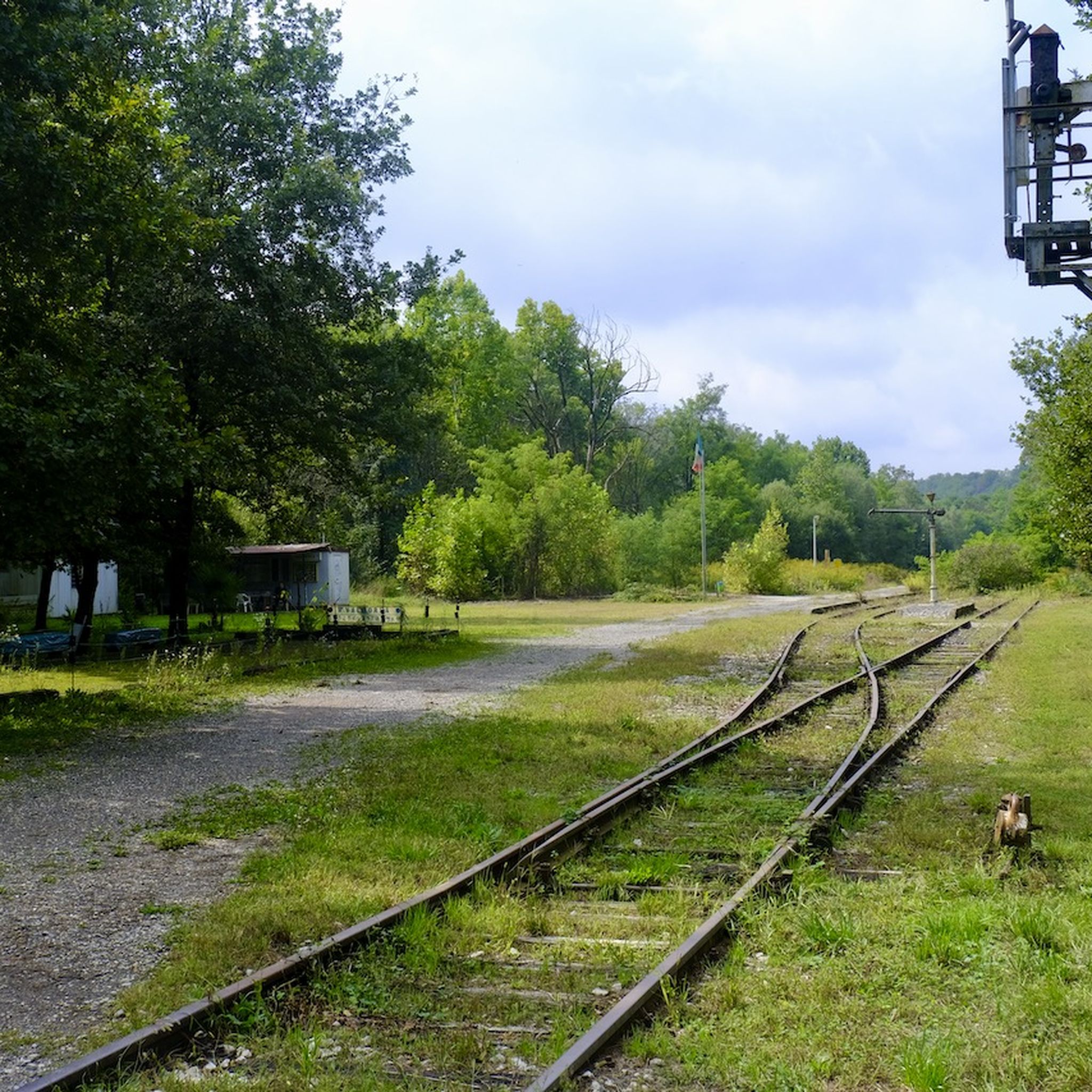
In the Lanza Park - beautiful! Let's hope they complete it as soon as possible up to the old Valmorea station, which at the moment can be reached but along the old "track side" section
0
1

The Malnate caves are located in the heart of the Lanza valley park. They are very ancient sandstone quarries: in fact they date back to 25 million years ago, when they originated on the seabed. In the past they were used for the extraction of sandstone blocks, today they are recognized as natural and cultural heritage.
2
0
asphalted, usable by anyone!
0
0
Frequently Asked Questions
What types of caves can I explore around Faloppio?
The Faloppio area is known for its unique sandstone caves and historical quarries. You can visit sites like the Sandstone Caves of the Molera Gorges, which were formed from ancient sea beds, or the Malnate Caves and Molera Quarries, which are ancient sandstone quarries recognized as natural and cultural heritage. These locations offer a glimpse into both natural geological formations and historical human activity.
Are there any family-friendly caves in the Faloppio area?
Yes, the Marenghi Park Marian Grotto is categorized as family-friendly. Further afield, the Grotte di Rescia near Lake Lugano offers a structured route through impressive stalactites and stalagmites, which can be an engaging experience for families.
What is the geological history of the caves in this region?
Many of the caves around Faloppio, particularly the sandstone caves like those in the Molera Gorges and the Malnate Caves, originated about 25 million years ago from ancient sea beds. Over time, water and geological processes created the unique formations seen today, including large vaulted rooms and intricate passages.
What historical significance do the caves and quarries hold?
The caves and quarries in the Faloppio region, such as the Molera Quarries and Malnate Caves, were historically used for the extraction of sandstone blocks for centuries. These sites bear witness to the hard work of stonemasons and are now recognized as important natural and cultural heritage. The Piodelle Mine also represents a historical mining site, though its access points are now closed.
What outdoor activities can I do near these caves?
The area around Faloppio offers various outdoor activities. You can find mountain hikes, MTB trails, and road cycling routes. For specific routes and details, you can explore the Mountain Hikes around Faloppio, MTB Trails around Faloppio, or Road Cycling Routes around Faloppio guides.
Are there any guided tours or specific visitor information for the caves?
For structured visits, the Grotte di Rescia, located near Lake Lugano, offers a guided route through its seven natural caves. For other natural caves in the wider Lariano Triangle region, Alpine Guides can provide information and assistance for more experienced exploration. Specific visitor information for each highlight, including tips, can often be found on their respective komoot highlight pages.
What is the best time of year to visit the caves?
Many caves, especially those with structured visitor access like the Grotte di Rescia, are typically open from April to September, often in the afternoons. For natural caves and quarries, accessibility can vary with weather conditions, so checking local conditions is advisable. The mild seasons of spring and autumn generally offer pleasant weather for exploring the surrounding areas.
Are there any other notable caves in the broader Lake Como region?
Beyond Faloppio, the broader Lake Como region features other interesting cave systems. The Grotte di Rescia in Claino con Osteno is a significant example, known for its unique formations and a 70-meter high waterfall nearby. The Crot di Darden Cave, named after sparrowhawks, is another smaller cave accessible via a path along the riverbed in the Valle dei Mulini.
What should I wear when exploring caves in this area?
When exploring caves, especially natural ones or former quarries, it's advisable to wear sturdy, closed-toe shoes with good grip. Layers of clothing are recommended as cave temperatures can be cooler than outside, and some areas might be damp. A headlamp or flashlight is also useful for better visibility.
Can I bring my dog to the caves?
Policies regarding dogs can vary significantly between specific cave sites. For natural, open-access areas like some of the quarries, dogs on a leash might be permitted. However, for commercial cave attractions like Grotte di Rescia, it's best to check their official visitor guidelines directly before planning your visit.
Are there any viewpoints or natural landmarks near the caves?
Yes, several caves are situated within scenic areas. For instance, the Piodelle Mine offers beautiful views of Lake Ceresio and the surrounding mountains. The Grotte di Rescia is also near the Orrido of Santa Giulia, a canyon featuring a impressive waterfall. The Lanza Valley Park, where the Malnate Caves are located, is itself a natural landmark.
Most popular routes around Faloppio
Most popular attractions around Faloppio

Get inspired with the komoot mobile app


Explore more
Extend your search for the best caves by checking out these guides of the top ones around Faloppio:
