Top 6 Castles around Casale Cremasco-Vidolasco
Castles near Casale Cremasco-Vidolasco offer insights into the region's historical architecture and defensive structures. The area, situated in the Lombardy plain, features a landscape shaped by centuries of human settlement and agricultural activity. While Casale Cremasco-Vidolasco itself is known for historical residences like Villa Serafina Augusta with castellated features, the broader vicinity provides access to several well-preserved castles. These sites reflect the strategic importance of the area throughout medieval and Renaissance periods.
Best castles around Casale Cremasco-Vidolasco
- The most popular…
Last updated: October 3, 2026
Castello di Pagazzano
Highlight • Castle
Translated by Google •
Tip by

Visconti Fortress of Romano di Lombardia
Highlight • Castle
Translated by Google •
Tip by

Sign up now to discover places like this
Get recommendations on the best single tracks, peaks, & plenty of other exciting outdoor places.
Industrial archaeology by the Serio river
Highlight • Castle
None of this: a small church, the ruins of what was once a castle and …
Translated by Google •
Tip by

Castello di Romano
Highlight • Castle
Translated by Google •
Tip by

Start today with a free account
Your next adventure awaits.
Popular around Casale Cremasco-Vidolasco

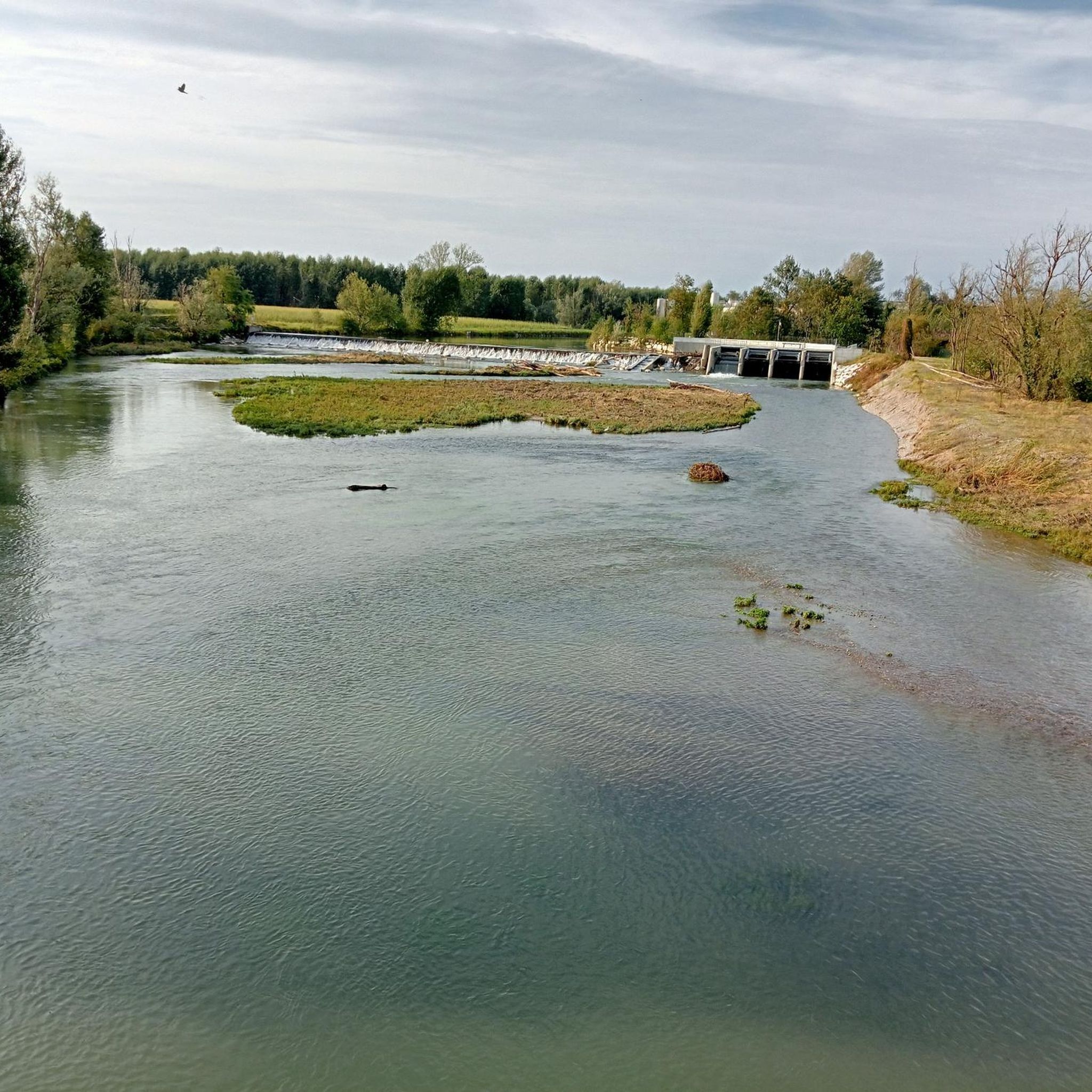
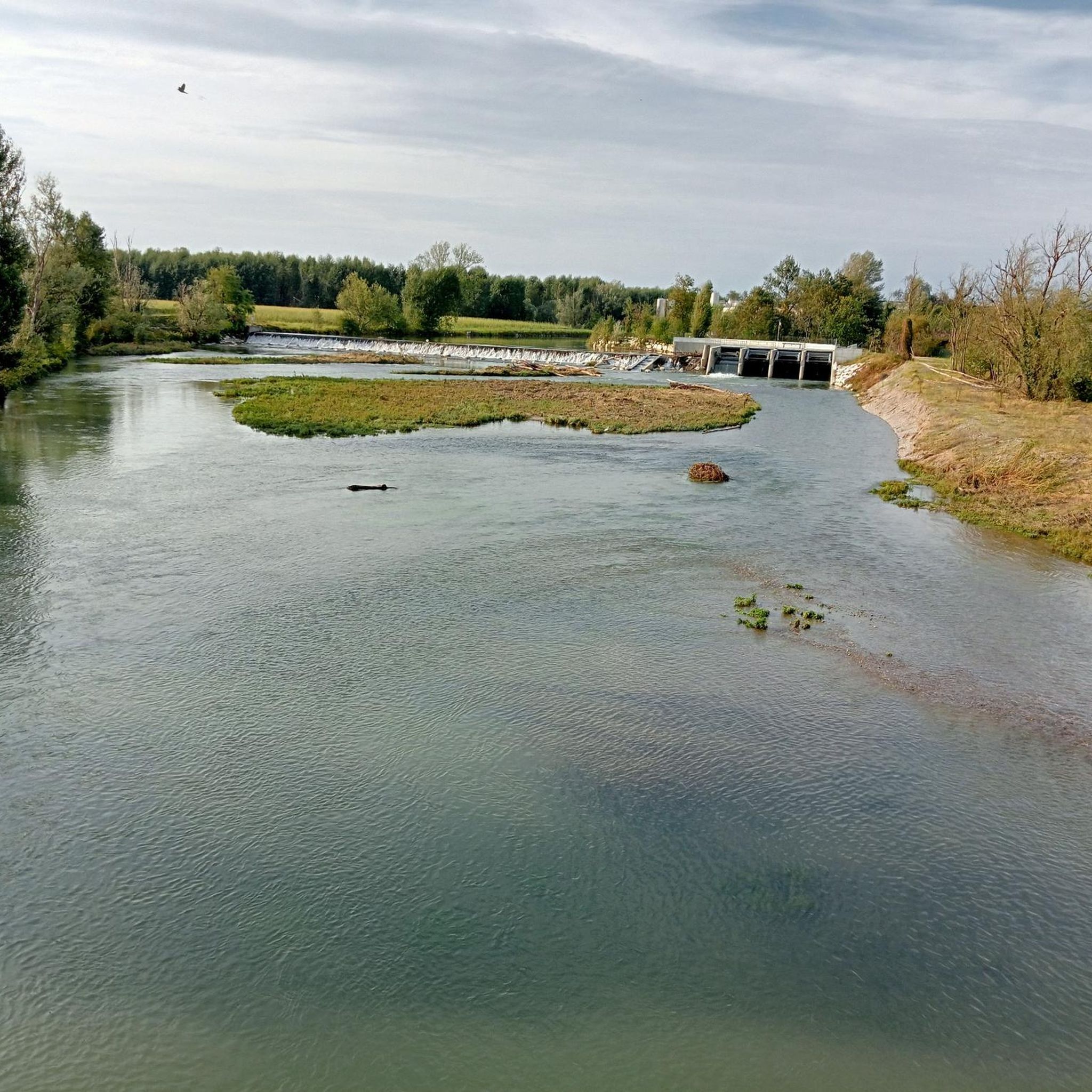
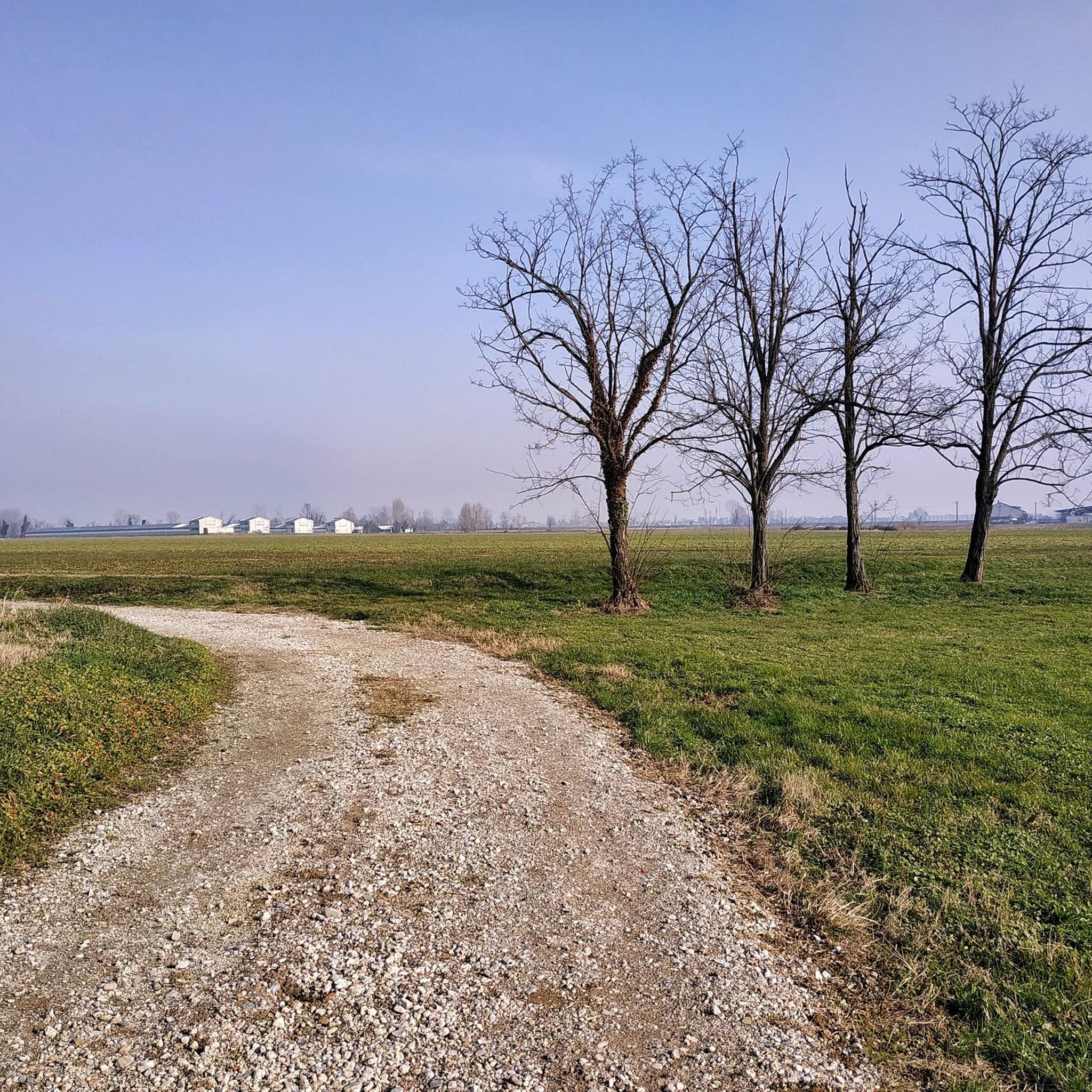
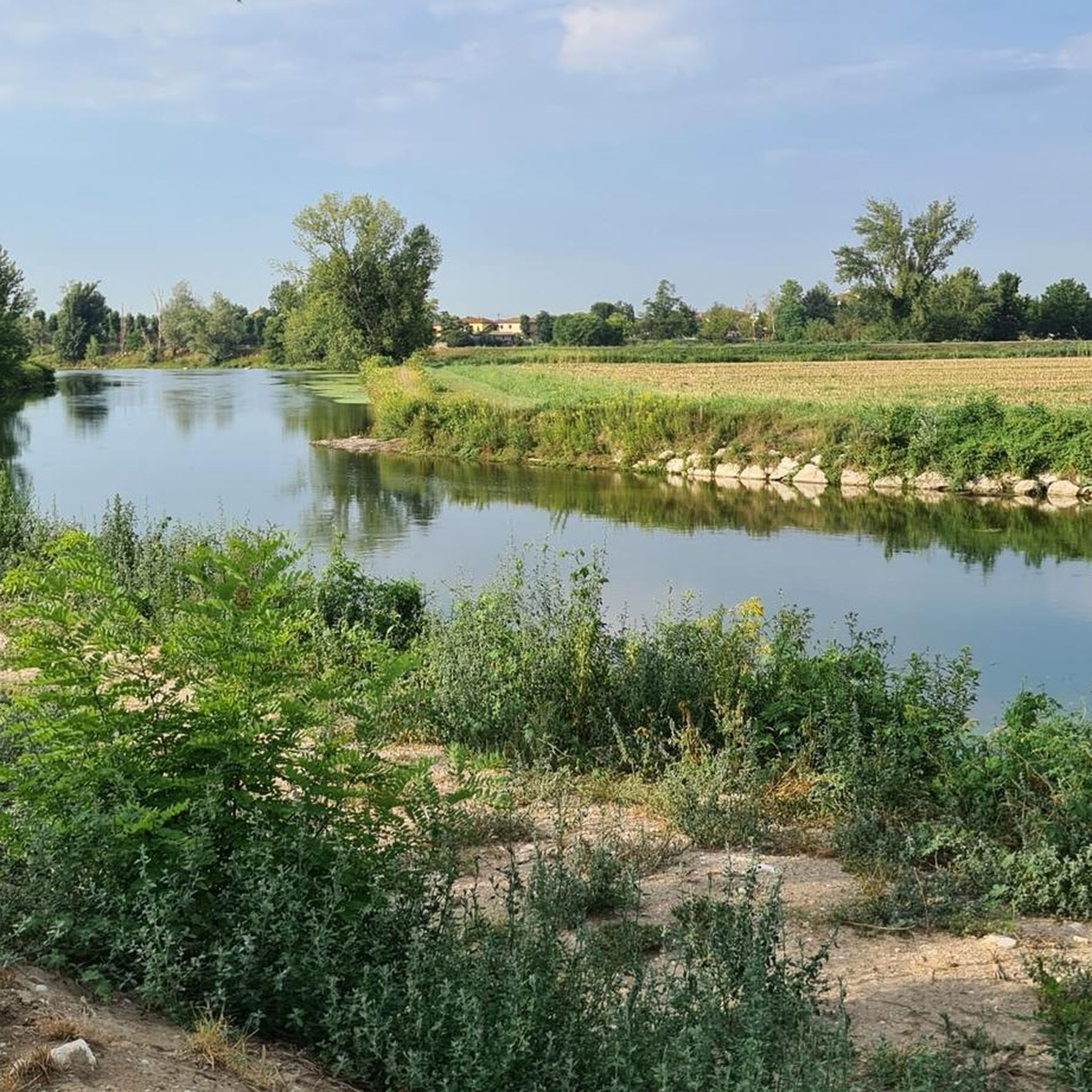
Tips from the Community

Fortress, stately home, granary, farmhouse, monument. How many other buildings can boast of having survived the centuries, adapting to the passage of time? This is the story of the Visconti Castle of Pagazzano; indeed, different uses and needs make up its history. There are still those who remember how, as a child, they accompanied their grandfather to buy seeds inside the castle and even in its very rooms. Here, within its walls, the poet Petrarch stayed as a guest several times. And within its walls, a very young Francesco Bernardino Visconti, known to all as "the Unnamed," grew up, entrusted to his uncle, the archpriest Galeazzo Visconti, in 1595. Today, it hosts conferences, theater and music festivals, sculpture symposia, and educational workshops.
1
0

beautiful, worth stopping and visiting
0
0
Beautiful castle, very well preserved and enriched by a beautiful drawbridge and its moat
0
0
Nice very nice. The only flaw: there isn't even a fountain to cool off...
1
0

It is an area full of history and medieval and Renaissance finds. Furthermore, the Serio cycle path is very beautiful
1
0
Frequently Asked Questions
What is the historical significance of castles in the Casale Cremasco-Vidolasco area?
The castles and fortified residences around Casale Cremasco-Vidolasco offer a glimpse into the region's strategic importance during medieval and Renaissance periods. They showcase architectural evolution, from defensive strongholds to more refined villas, reflecting centuries of human settlement and noble family histories.
Are there any castles directly within Casale Cremasco-Vidolasco?
While not a traditional castle today, Casale Cremasco-Vidolasco is home to Villa Serafina (now Augusta) in Vidolasco. This splendid residence has roots stretching back to the 1200s and retains a 'castellano' (castellated) layout, including a 30-meter high medieval tower. Its foundations date to the 13th century, initially surrounded by a moat, and it evolved from a castle into a Renaissance villa.
What are some notable castles near Casale Cremasco-Vidolasco?
Beyond the historical Villa Serafina, you can explore several significant castles nearby. These include Castello di Pagazzano, known for its well-preserved Visconti architecture and defensive moat, and Visconti Fortress of Romano di Lombardia, a 12th-century defensive structure with a garden open daily. Another historical site is Castello di Romano, rich in medieval and Renaissance finds.
Are there family-friendly castles to visit in the region?
Yes, several castles near Casale Cremasco-Vidolasco are considered family-friendly. Castello di Pagazzano, Castello di Romano, and the Visconti Fortress of Romano di Lombardia are all categorized as such, offering historical exploration suitable for all ages. The Visconti Fortress, for instance, has a garden that can be visited daily.
What kind of architecture can I expect to see at these historical sites?
The architecture ranges from austere medieval fortifications, characterized by defensive structures, towers, and moats, to Renaissance modifications that transformed castles into more residential villas. Villa Serafina in Vidolasco is a prime example of this evolution, showcasing both its original castellated layout and later Renaissance influences.
What outdoor activities can I do near these castles?
The area around Casale Cremasco-Vidolasco offers various outdoor activities. You can find numerous cycling routes, such as the 'Watermill – Murals of Covo loop' or the 'Weir at Ponte di Sergnano – Serio Riverside Path loop'. For those who enjoy running or walking, there are routes like the 'Spring in the Cremona Plain loop'. You can find more details on these activities in the cycling and running guides for the region.
Are there cycling routes that pass by historical sites or castles?
Yes, the region has cycling routes that allow you to explore historical sites. For example, the Serio cycle path is mentioned as a beautiful route near Castello di Romano. Many routes in the area, such as those listed in the Cycling around Casale Cremasco-Vidolasco guide, will take you through the historical landscape of the Lombardy plain.
What do visitors enjoy most about the castles and historical sites in this area?
Visitors appreciate the historical and architectural interest of the castles, noting their well-preserved nature and the insights they offer into past eras. The unique features, such as the defensive moat at Castello di Pagazzano, and the blend of medieval and Renaissance elements at places like Villa Serafina, are often highlighted. The opportunity to explore rich historical finds and the panoramic views of the Lower Bergamo Plain from sites like Castel Liteggio are also popular.
Can I find natural features or viewpoints near the castles?
While the region is primarily known for its historical architecture, you can find natural elements. The Serio River is a prominent feature, with cycling paths running alongside it. From sites like Castel Liteggio, even in its ruined state, you can enjoy beautiful views of the panorama of the Lower Bergamo Plain, offering a blend of historical interest and natural scenery.
What are the visiting hours for the castles?
Visiting hours vary by castle. For instance, the garden of the Visconti Fortress of Romano di Lombardia can be visited every day, while its internal spaces are accessible on the first Sunday of the month from March to June and then from September to November. For specific opening times and any potential entry requirements for other castles like Castello di Pagazzano or Castello di Romano, it is best to check their official websites or contact them directly before your visit.
Are there places to eat or stay near the castles?
The towns and villages surrounding the castles, including Casale Cremasco-Vidolasco and Romano di Lombardia, offer various options for cafes, restaurants, and accommodation. You can find local eateries to enjoy regional cuisine and a selection of hotels, B&Bs, or agriturismo options for an overnight stay, making it convenient to explore the historical sites.
Most popular routes around Casale Cremasco-Vidolasco
Most popular attractions around Casale Cremasco-Vidolasco

Get inspired with the komoot mobile app


Explore more
Looking for the best castles somewhere else? Discover other guides around Casale Cremasco-Vidolasco:
