Top 5 Castles around Segusino
Best castles around Segusino are found within the scenic Prealps of the Treviso province, an area known for its hilly landscapes and historical routes. While Segusino itself does not feature standing castles today, historical records indicate the past presence of sites like the Castle of Mirabello. The broader region offers a variety of medieval fortifications, providing insights into the area's rich past. These historical sites are often nestled amidst natural beauty, making them points of interest for those exploring the…
Last updated: June 3, 2026
View of the Torri di Credazzo
Highlight • Viewpoint
Translated by Google •
Tip by

Castello di Zumelle
Highlight • Castle
Translated by Google •
Tip by

Sign up now to discover places like this
Get recommendations on the best single tracks, peaks, & plenty of other exciting outdoor places.
Sign up for free
Alboin's Castle
Highlight • Castle
Translated by Google •
Tip by

Start today with a free account
Your next adventure awaits.
Login or Signup
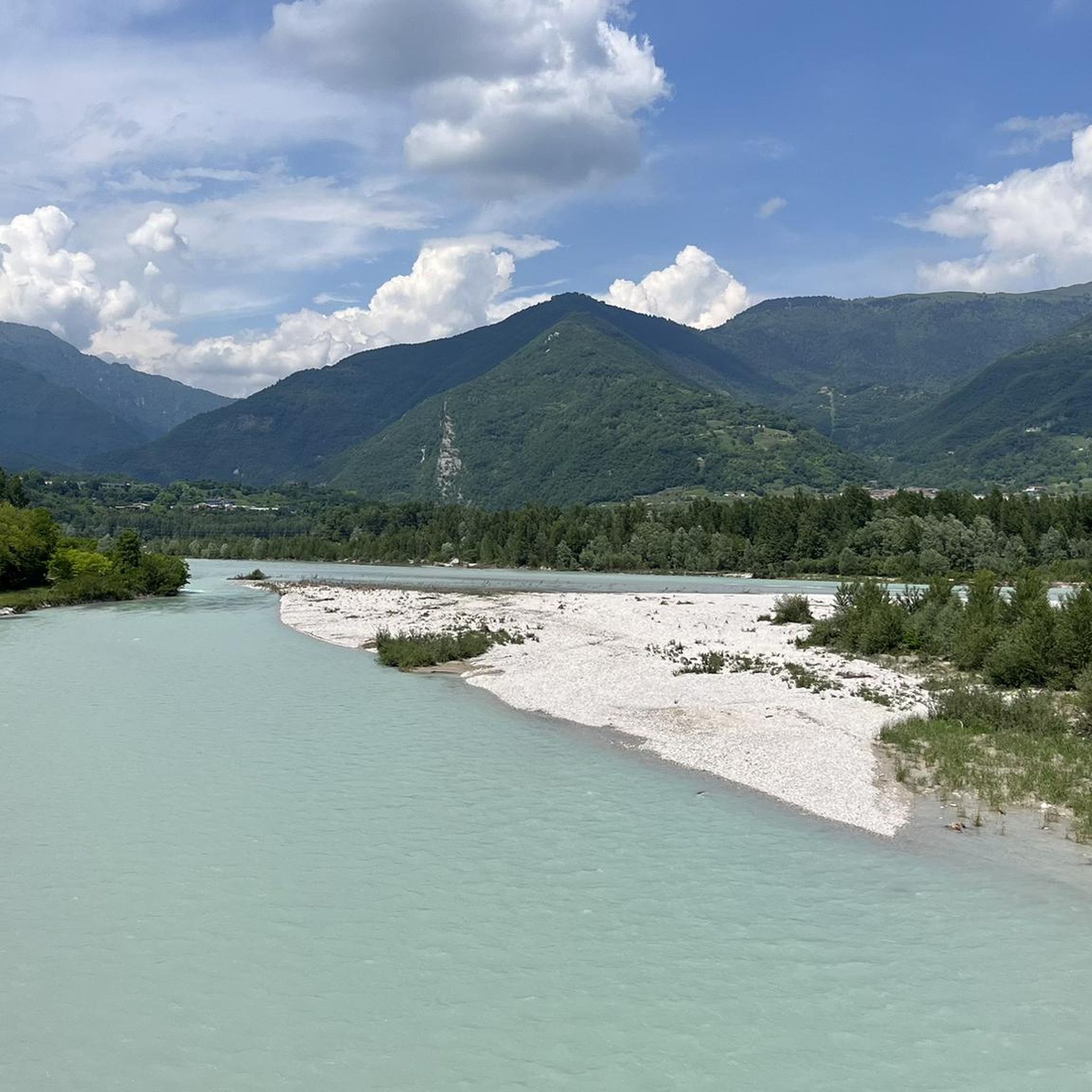
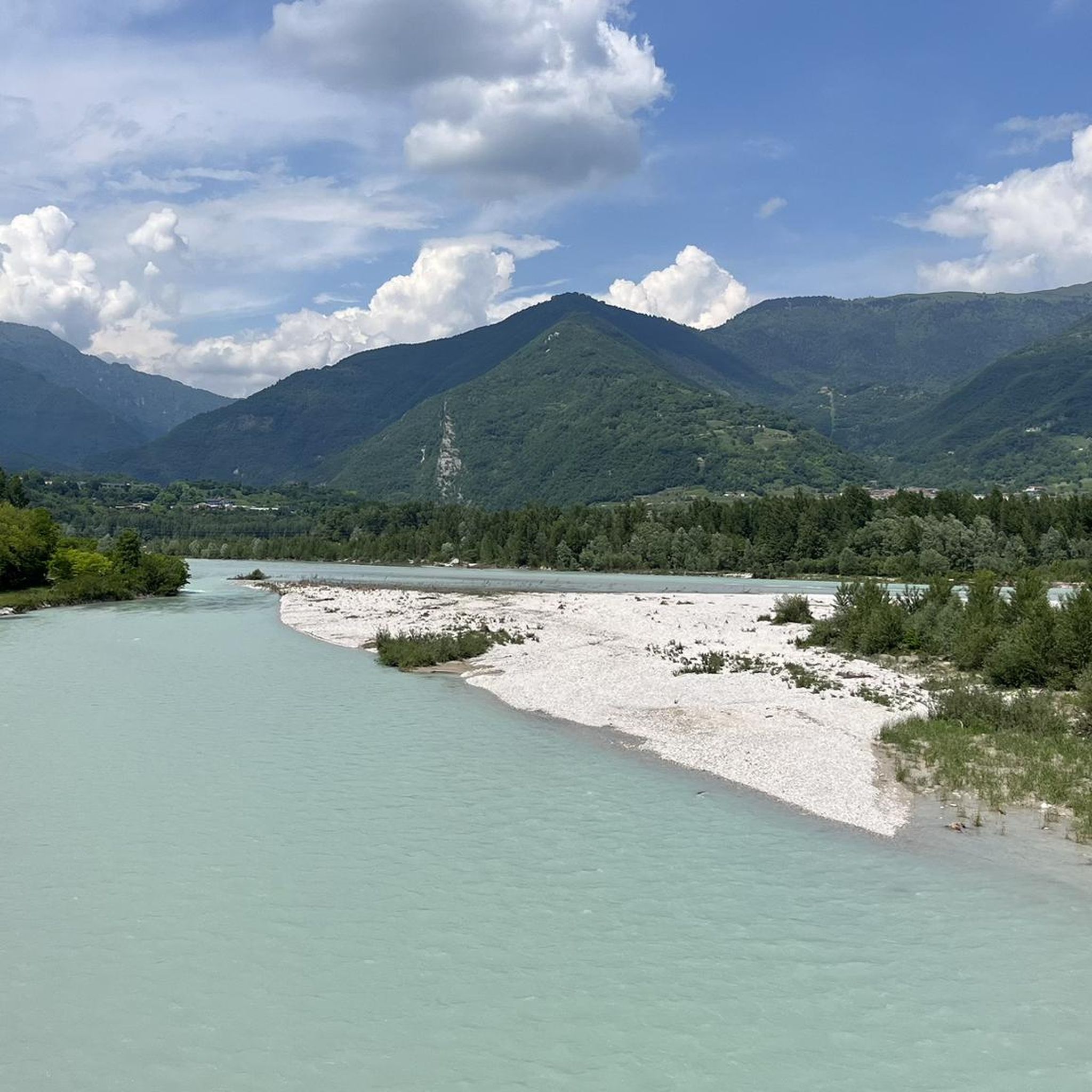
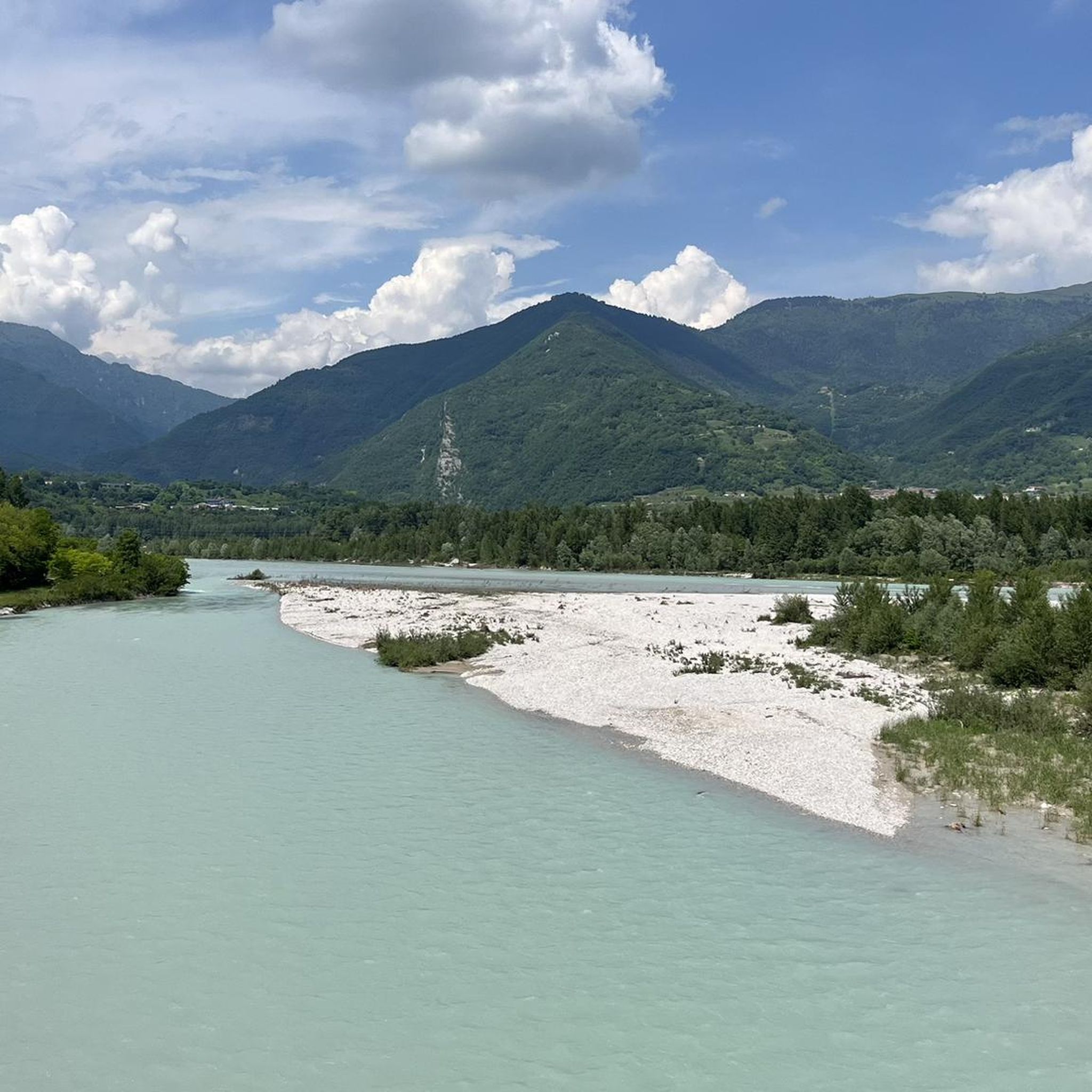
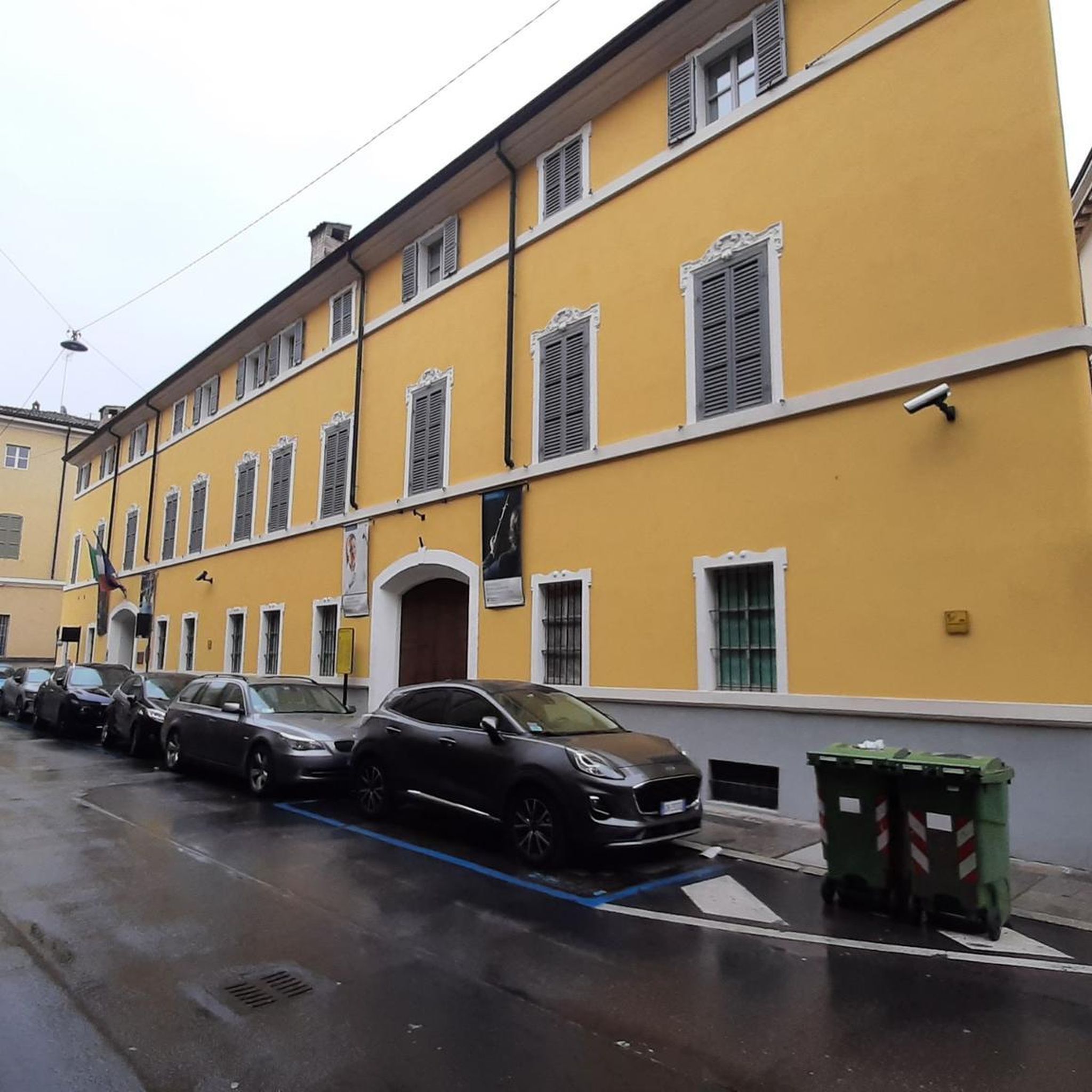
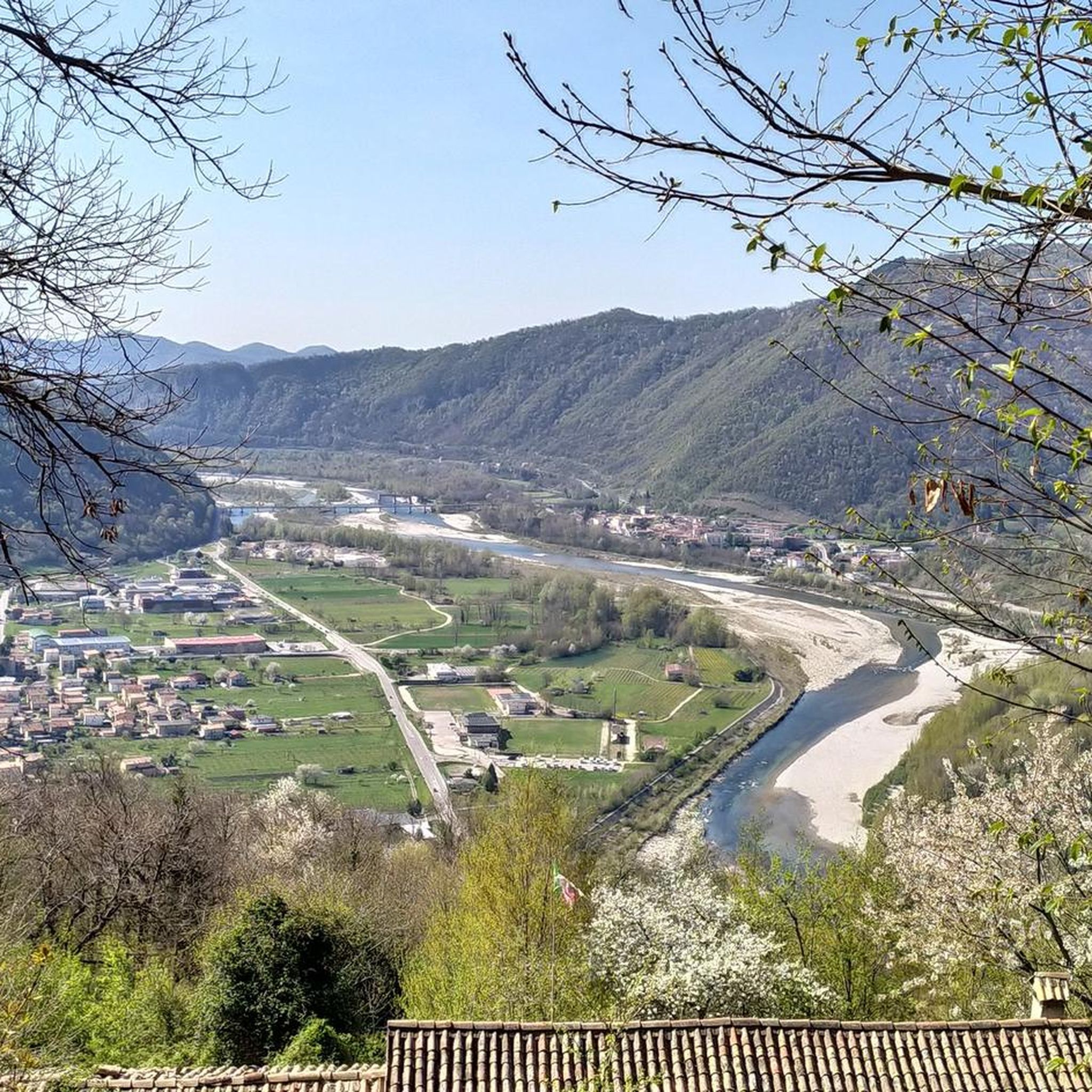
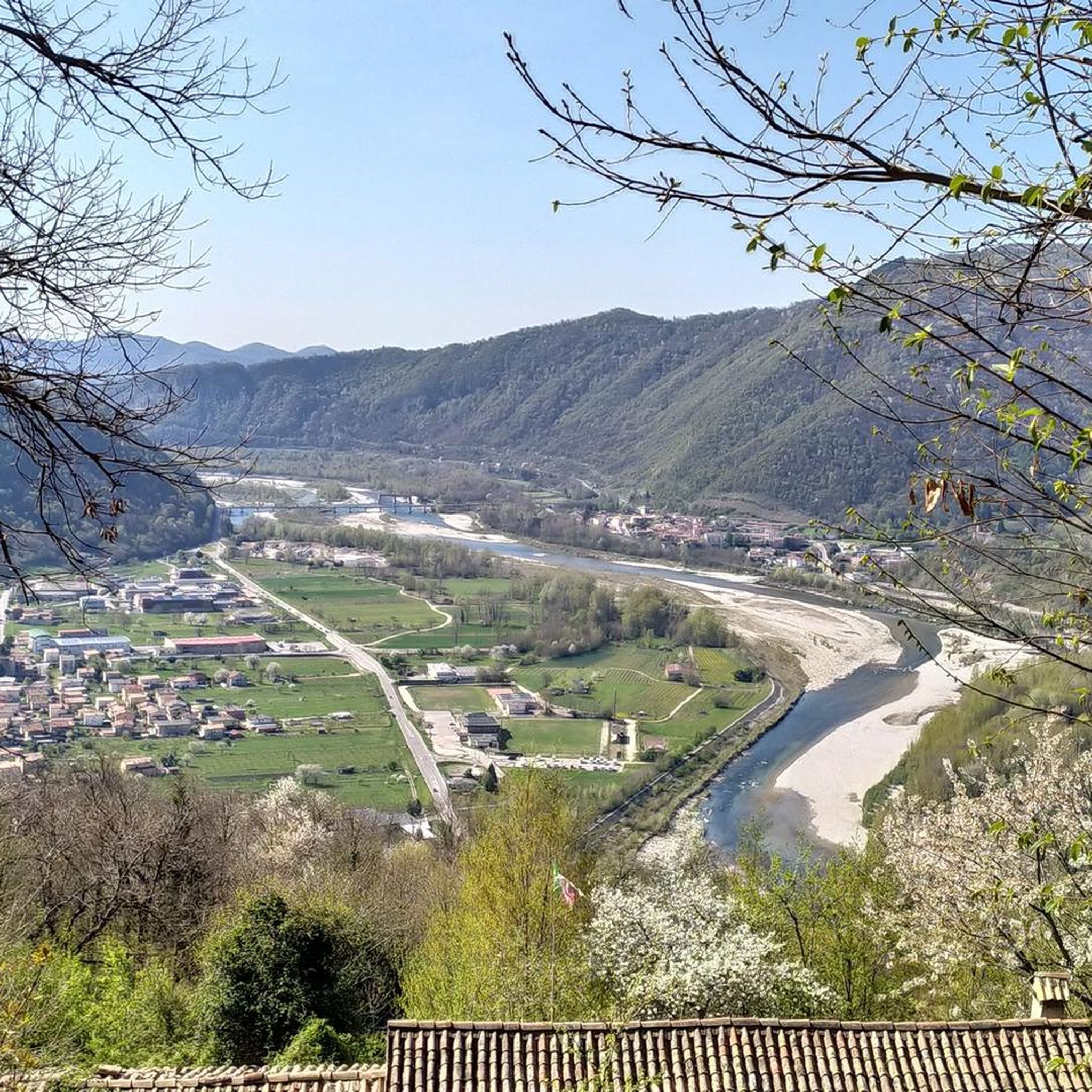
Tips from the Community

The Castello di Alboino, also known as Castello di Feltre, dominates the town of Feltre from the Colle delle Capre.
0
0

unique landscape to observe
0
0

Zumelle Castle stands out over Valbelluna https://it.wikipedia.org/wiki/Castello_di_Zumelle
0
0

a glimpse of the Zumelle Castle from Tiago https://www.dolomiti.it/it/castelli-e-fortezze/il-castello-di-zumelle https://youtu.be/V4SM3gZQT6Q
1
0

The Credazzo Towers are a fortified complex located between Farra di Soligo and Col San Martino, in the heart of the Prosecco Hills. They stand on a hillside at 308 m above sea level and take their name from the nearby village of Credazzo (a toponym derived from creda, "clay", in reference to the clayey nature of the territory). The most ancient history of the fortress remains largely obscure. It was built between the 9th and 10th centuries during the invasions of the Hungarians at the behest of the Counts of Collalto: this is proven by a diploma from 980, with which the emperor Otto II also added this territory to the family's properties. The first document that explicitly mentions Credazzo is however much later, from 1233. At that time the fortress was controlled by the da Camino family, forming the center of a small fiefdom that also included the village of the same name and the church of San Lorenzo. The complex is also linked to the events of some of the most important exponents of the Caminesi: Guecellone VI was born here, an ally of Ezzelino da Romano and father of Tolberto III, husband of the famous Gaia da Camino remembered by Dante. In 1321 the castle was put up for auction and was bought by Rambaldo VIII of Collalto. At the beginning of 1413, when the province of Treviso was now part of the Serenissima, the fortification was destroyed by the Hungarians led by Pippo Spano and the Collaltos had no interest in rebuilding it. After a long period of abandonment, around 1940 the remaining buildings were purchased by the Biscaro family, and then passed to the architect Giovanni Barbin who supervised the restoration which took place thirty years later. The castle still consists of three towers aligned in a north-south direction, connected to each other by walls that delimit two internal courtyards. Since 2015, the complex has been owned by a family of entrepreneurs from Cordignano.
4
0

Symbol of the Zumellese territory, it is the best preserved in the whole of Valbelluna A symbol of the Zumella area, it is the best preserved in the entire Valbelluna.
0
1
Frequently Asked Questions
What historical castles can I visit near Segusino?
While Segusino itself no longer has standing castles, the broader Treviso province offers several significant historical fortifications. You can explore the impressive Castello di Zumelle, a well-preserved castle overlooking Valbelluna, or the ancient fortified complex of View of the Torri di Credazzo, dating back to the 9th-10th centuries. Other notable sites include the Castle of San Salvatore in Susegana, Conegliano Castle, and the walled city of Castelfranco Veneto Castle.
Are there any family-friendly castles or historical sites to visit?
Yes, several historical sites in the region are suitable for families. For example, the View of Castello di Alboino, Feltre is categorized as family-friendly. The well-preserved medieval walls of Castelfranco Veneto also offer an engaging historical experience for all ages. When planning, consider sites with open grounds or easy access for a pleasant family outing.
What kind of natural features or viewpoints can I expect near these castles?
Many castles in the region are situated amidst beautiful natural landscapes, offering stunning viewpoints. The View of the Torri di Credazzo provides a unique landscape view over vineyards. Conegliano Castle, perched atop a hill, offers commanding views of the city. The area around Castelcies Castle is characterized by natural beauty, including chestnut and olive trees, making it ideal for scenic walks.
What outdoor activities can I do near the castles around Segusino?
The region around Segusino is excellent for outdoor activities. You can find numerous hiking and running trails. For instance, there are moderate to difficult hiking routes like the 'Monte Zogo Loop Trail' or 'Trail 1002 to Milies Village'. Cycling enthusiasts can explore routes such as 'Isola dei Morti Memorial – Rest Area on the Piave River loop'. You can find more details on these activities and routes in the Hiking around Segusino, Running Trails around Segusino, and Cycling around Segusino guides.
Are there specific hiking trails that lead to or offer views of these castles?
Yes, several trails offer views or access to historical sites. For example, the View of the Torri di Credazzo is a fortified complex that can be reached via paths through vineyards. The View of Castello di Alboino, Feltre is accessible from a cart track, offering beautiful perspectives of the castle. Exploring the area around Castelcies Castle also involves scenic walks through ancient settlements.
What is the best time of year to visit the castles and surrounding areas?
The best time to visit the castles and enjoy the surrounding natural beauty is generally during spring (April-June) and autumn (September-October). During these seasons, the weather is pleasant for exploring, hiking, and enjoying the scenic views without the intense heat of summer or the chill of winter. The vineyards around sites like the Credazzo Towers are particularly beautiful in autumn.
Are there any castles that are particularly well-preserved or restored?
The Castello di Zumelle is noted as the best-preserved castle in the entire Valbelluna area. The Castle of San Salvatore in Susegana, despite being severely damaged during the First World War, has been extensively restored and now serves as a prominent landmark and event venue. The View of the Torri di Credazzo also underwent restoration in the 1970s.
What do visitors enjoy most about the castles around Segusino?
Visitors appreciate the rich history and architectural heritage of the castles, often nestled in picturesque landscapes. The unique views, such as those from the View of the Torri di Credazzo over vineyards, are highly rated. The komoot community has shared over 20 photos and given more than 90 upvotes to these historical sites, highlighting their visual appeal and historical significance.
Can I find cafes or restaurants near these historical sites?
While specific cafes directly adjacent to every castle might vary, the towns and villages surrounding these historical sites, such as Susegana, Conegliano, Castelfranco Veneto, and Feltre, offer various dining options. It's advisable to check local listings for restaurants and cafes in the specific town you plan to visit.
Is public transport available to reach castles near Segusino?
Public transport options to reach some of the larger towns with castles, such as Conegliano, Castelfranco Veneto, and Feltre, are generally available via regional buses or trains. However, reaching smaller, more remote castle sites like Castelcies or the Credazzo Towers might require a combination of public transport and walking, or private vehicle access. Planning your route in advance is recommended.
Are there any hidden gem castles or lesser-known historical sites worth exploring?
Beyond the more prominent castles, the region holds several intriguing historical spots. The area around Castelcies Castle, for instance, offers a glimpse into ancient settlements, possibly dating back to the Bronze Age, with a reconstructed castle and well-restored old buildings. These smaller sites often provide a more intimate historical experience away from larger crowds.
What is the historical significance of the castles in the Segusino area?
The castles in the Segusino area, though varied in their current state, played crucial roles in the region's history. Sites like the historical Castle of Mirabello in Segusino, and the View of the Torri di Credazzo, were strategic defensive structures during periods of invasion and conflict, such as against the Hungarians. They reflect the power struggles of noble families like the Collalto and da Camino, and their evolution from fortresses to manorial residences showcases a thousand years of art and architecture in the Treviso landscape.
Most popular routes around Segusino
Most popular attractions around Segusino

Get inspired with the komoot mobile app


Explore more
Looking for the best castles somewhere else? Discover other guides around Segusino:
