Top 4 Castles around Castel D'Ario
Best castles around Castel D'Ario include the historic Castello di Castel d'Ario, an ancient stronghold dating back to the 10th century. This area is characterized by its significant medieval fortifications, offering insights into centuries of history. The main castle features a pentagonal layout, five towers, and the notable Torre della Fame. Visitors can explore well-preserved structures and learn about the region's past.
Best castles around Castel D'Ario
- The most popular castles is Castel d'Ario Castle, a castle that is…
Last updated: June 3, 2026
Matilda Tower of Governolo
Highlight • Monument
Translated by Google •
Tip by

Castel d'Ario Castle
Highlight • Castle
Translated by Google •
Tip by

Sign up now to discover places like this
Get recommendations on the best single tracks, peaks, & plenty of other exciting outdoor places.
Sign up for free
Matildic Tower
Highlight • Castle
Translated by Google •
Tip by

Castello di Villimpenta
Highlight • Castle
Translated by Google •
Tip by
Salizzole Castle
Highlight • Castle
Translated by Google •
Tip by

Sign up for free to discover even more castles around Castel D'Ario.
Sign up for free
Already have an account?
Start today with a free account
Your next adventure awaits.
Login or Signup

Tips from the Community

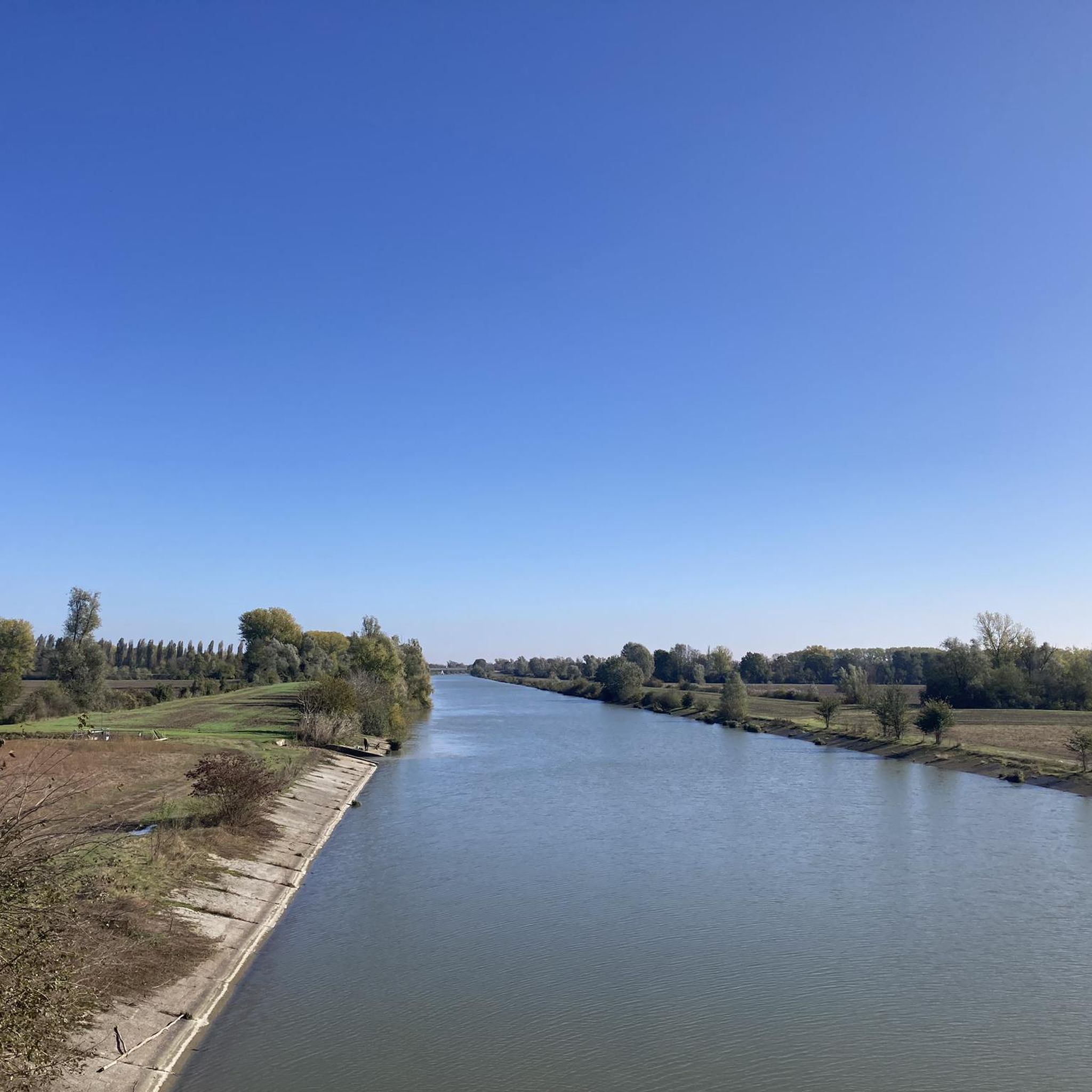
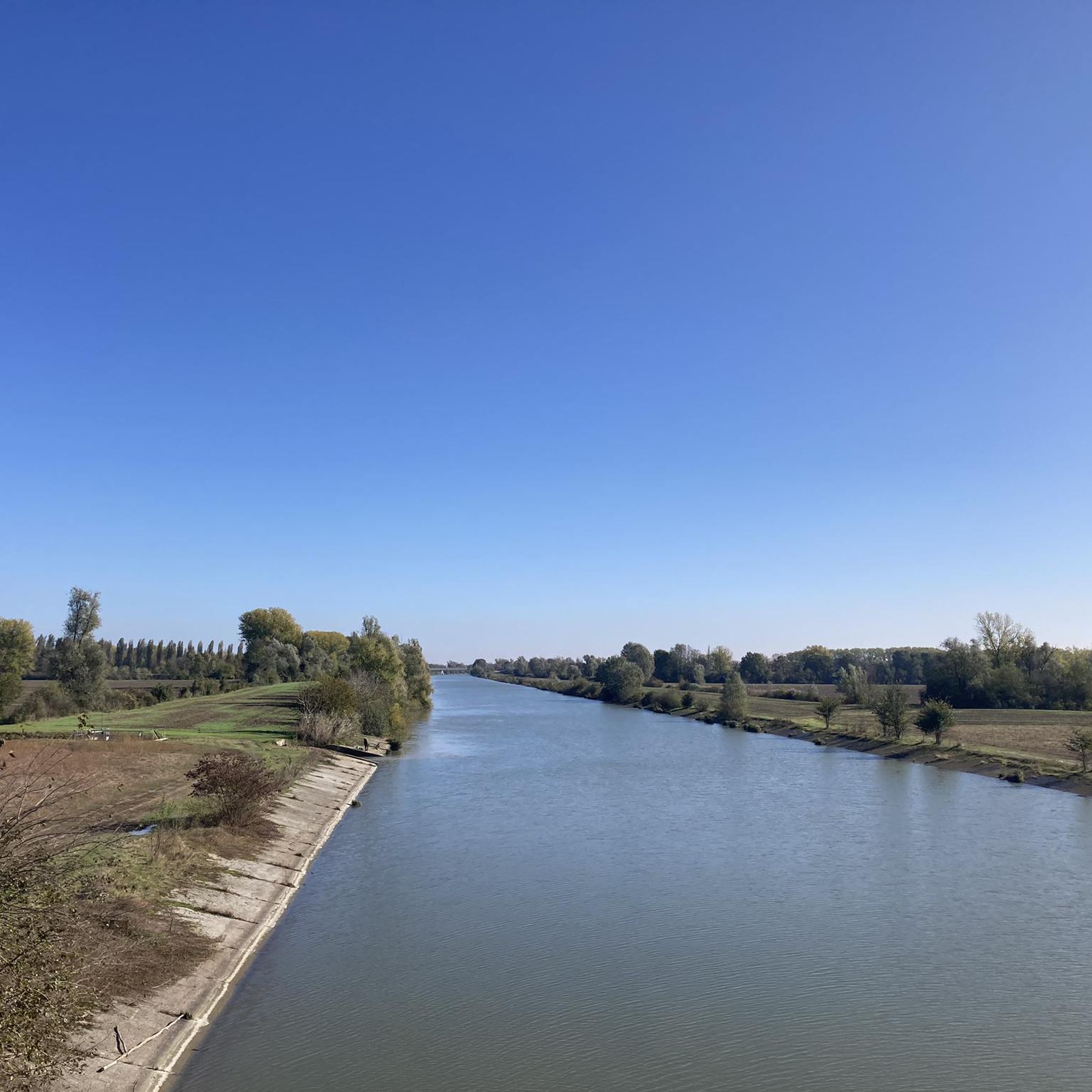
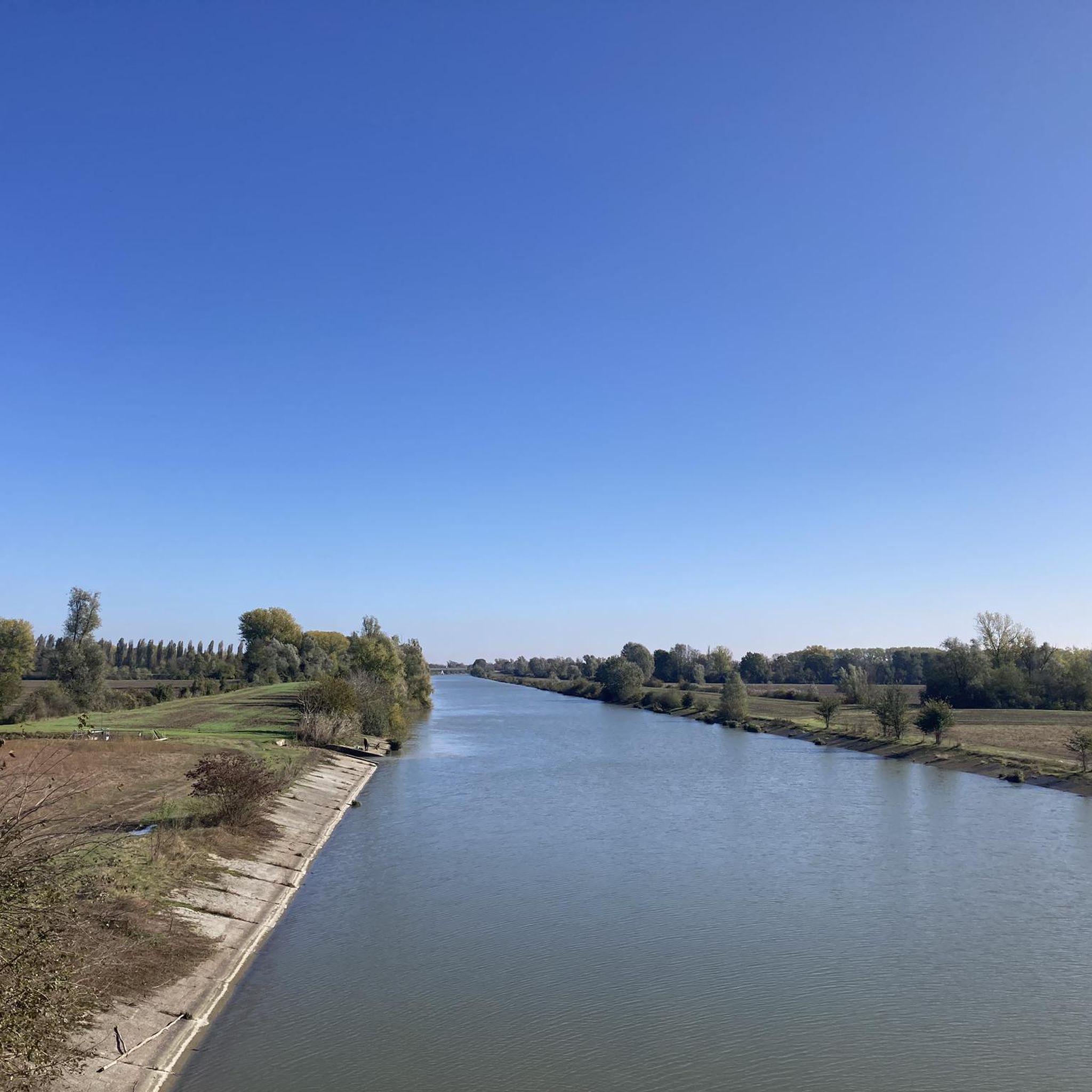
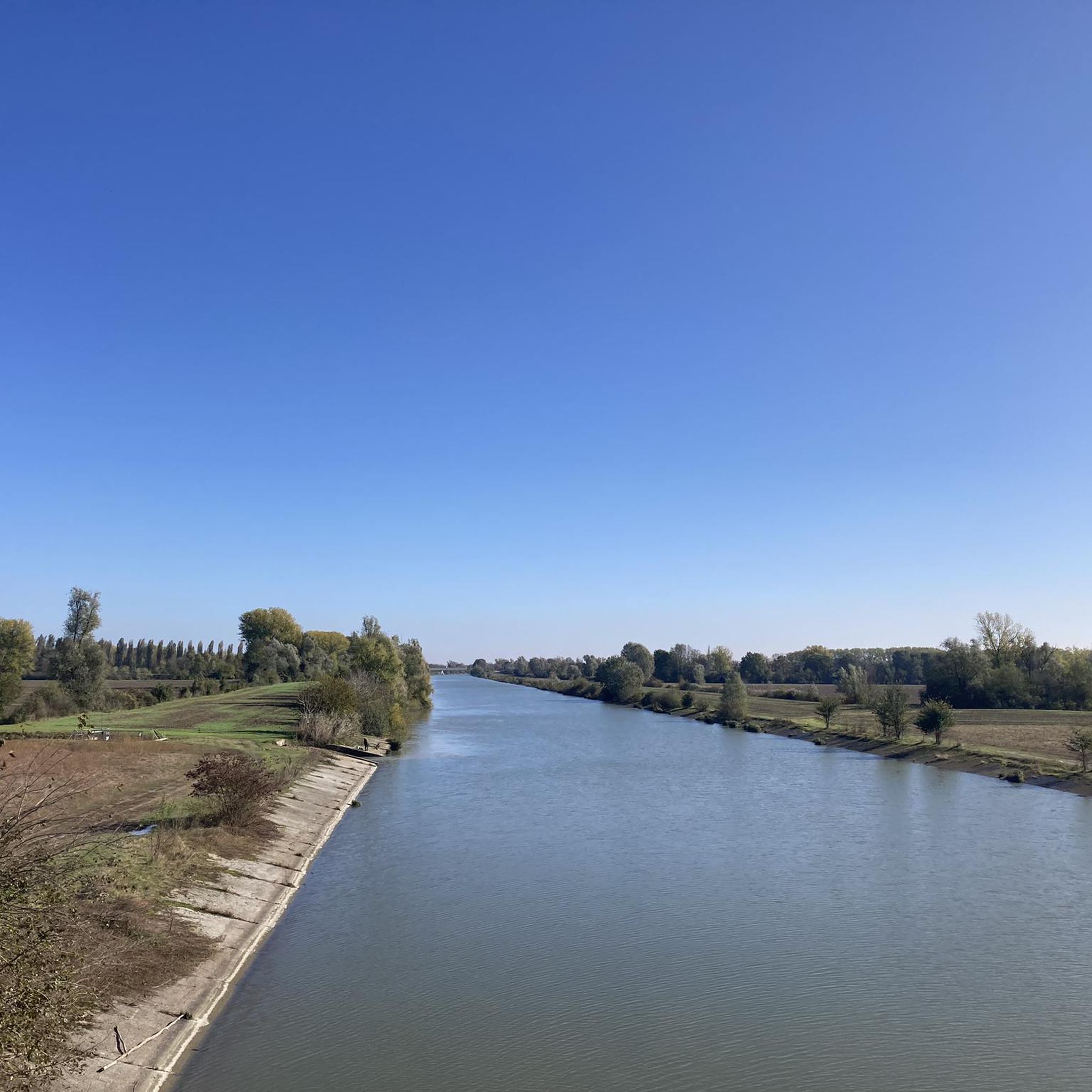
On July 18, 1848, during one of the wars of independence, a clash took place here in Governolo between Piedmontese troops, including bersaglieri, and an Austrian army rearguard. The Austrians had the worst of it, also because they were in clear numerical inferiority. When you visit Governolo, it is very interesting to follow the path prepared by the municipality with explanatory panels placed in various locations (I must say that sometimes they are not even very visible and therefore you have to go on a bit of a treasure hunt, but it's fun) that guide you step by step through the events of that day; in reality, they also tell of a clash that took place on April 24, also in 1848. Let's say that 1848, that period, was not exactly peaceful.
0
0

Very nice but I expected more
0
0
Very nice at first glance but then everything closed
0
0
You pass in front of it on the way to the Mincio
0
0
Frequently Asked Questions
What makes the Castel d'Ario Castle unique?
The Castel d'Ario Castle is a rare example of a medieval fortification that largely retains its original structure. It features an unaltered pentagonal layout with a perimeter wall and five towers, including an entrance tower, the imposing central Rocca, and three shielded corner towers. It's considered an unusual and characteristic site to discover.
What historical significance does the Castel d'Ario Castle hold?
Dating back to the 10th century, the Castel d'Ario Castle was a crucial bulwark for border lands, controlled by powerful families like the Bonacolsi, Scaligeri, and Gonzaga. Its history spans centuries, with construction phases through the 12th to 14th centuries. It's also associated with the birthplace of racing driver Tazio Nuvolari.
Are there other notable historical sites besides the main castle in the Castel D'Ario area?
Yes, the area offers other significant historical sites. The Matildic Tower is what remains of a 14th-century trapezoidal castle and has hosted popes and emperors. Another notable site is Castello di Villimpenta, appreciated for its appearance and glimpse into local heritage.
What is the 'Torre della Fame' at Castel d'Ario Castle?
The 'Torre della Fame' or 'Tower of Hunger' is a somber and famous feature within the Castel d'Ario Castle. It earned its name after the discovery of seven skeletons in 1851, believed to be those of Francesco I Pico and his sons, and the son and nephews of Rinaldo Bonacolsi, who were imprisoned and left to starve to death in the 14th century. A plaque at the castle's entrance commemorates this tragic event.
What can I expect to see inside the Castel d'Ario Castle?
While the exterior of Castel d'Ario Castle is well-preserved, the interior offers glimpses into its past. Adjacent to the entrance tower is the Palazzo Pretorio, which has been restored and now houses the municipal library. During its restoration, important 14th-century frescoes, featuring the coats of arms of the Scaligeri family, were brought to light on its noble floor.
Are there family-friendly castles in the Castel D'Ario area?
Yes, several castles in the area are considered family-friendly. The Castel d'Ario Castle itself is listed as family-friendly, as is the Matildic Tower. These sites offer historical exploration suitable for various ages.
What is the best time of year to visit the castles around Castel D'Ario?
The best time to visit the castles around Castel D'Ario is generally during the spring (April-June) and autumn (September-October) months. The weather is typically mild and pleasant, making it ideal for exploring the outdoor structures and surrounding areas. Summer can be quite hot, while winter might be chilly, though the castles are still accessible.
What outdoor activities can I do near the castles in Castel D'Ario?
The Castel D'Ario area offers various outdoor activities, particularly cycling. You can find numerous routes for touring bicycles, road cycling, and mountain biking. For example, there are easy touring bicycle routes like the 'Tazio Nuvolari Monument loop from Castel d'Ario' or the 'Castel d'Ario Castle – Carpaneta Forest loop'. For more options, explore the Cycling around Castel D'Ario guide, the Road Cycling Routes around Castel D'Ario guide, or the MTB Trails around Castel D'Ario guide.
Are there hiking trails near these castles?
While the primary outdoor activities listed for the Castel D'Ario area are cycling-focused, many of the cycling routes, especially those for mountain biking, can also be enjoyed on foot for a scenic walk. For instance, routes like the 'Mincio Cycle Path in Mantua – Sun Cycle Path — Lakeside loop' offer natural landscapes to explore. Check the MTB Trails around Castel D'Ario guide for paths that might suit a hike.
How long should I plan for a visit to the castles in Castel D'Ario?
For a thorough visit to the main Castel d'Ario Castle, including exploring its exterior, the Palazzo Pretorio, and understanding its history, plan for at least 1-2 hours. If you wish to visit other nearby historical sites like the Matildic Tower or Castello di Villimpenta, a half-day or full-day trip would be more appropriate.
What do visitors enjoy most about the castles in Castel D'Ario?
Visitors appreciate the historical depth and unique architecture of the castles. The Castel d'Ario Castle is often described as an 'unusual and characteristic' site, with its well-preserved exterior. The area's medieval fortifications offer a tangible connection to centuries of history, making it a compelling and educational experience for those interested in medieval architecture and Italian heritage.
Most popular routes around Castel D'Ario
Most popular attractions around Castel D'Ario

Get inspired with the komoot mobile app


Explore more
Looking for the best castles somewhere else? Discover other guides around Castel D'Ario:
