Top 7 Caves around Carlentini
Best caves around Carlentini are found within a region rich in historical and natural subterranean formations, particularly near Lentini and Syracuse. The area features ancient rock-cut dwellings, religious sites, and significant archaeological landscapes. These geological features offer insights into prehistoric and ancient civilizations, showcasing unique rock architecture and historical uses. The diverse cave systems provide a blend of natural exploration and cultural discovery within Sicily's varied terrain.
Best caves around Carlentini
- The most popular caves is Anapo Valley, a…
Last updated: August 10, 2026
Anapo Valley
Highlight (Segment) • Gorge
Translated by Google •
Tip by

Pantalica Cave
Highlight • Cave
Translated by Google •
Tip by

Sign up now to discover places like this
Get recommendations on the best single tracks, peaks, & plenty of other exciting outdoor places.
Sign up for free
Bronze Age Rock Tombs
Highlight • Historical Site
Translated by Google •
Tip by
San Micidiario Rock-cut Church
Highlight • Religious Site
Translated by Google •
Tip by
Cavetta Rock Settlement
Highlight • Historical Site
Translated by Google •
Tip by

Sign up for free to discover even more caves around Carlentini.
Sign up for free
Already have an account?
Start today with a free account
Your next adventure awaits.
Login or Signup
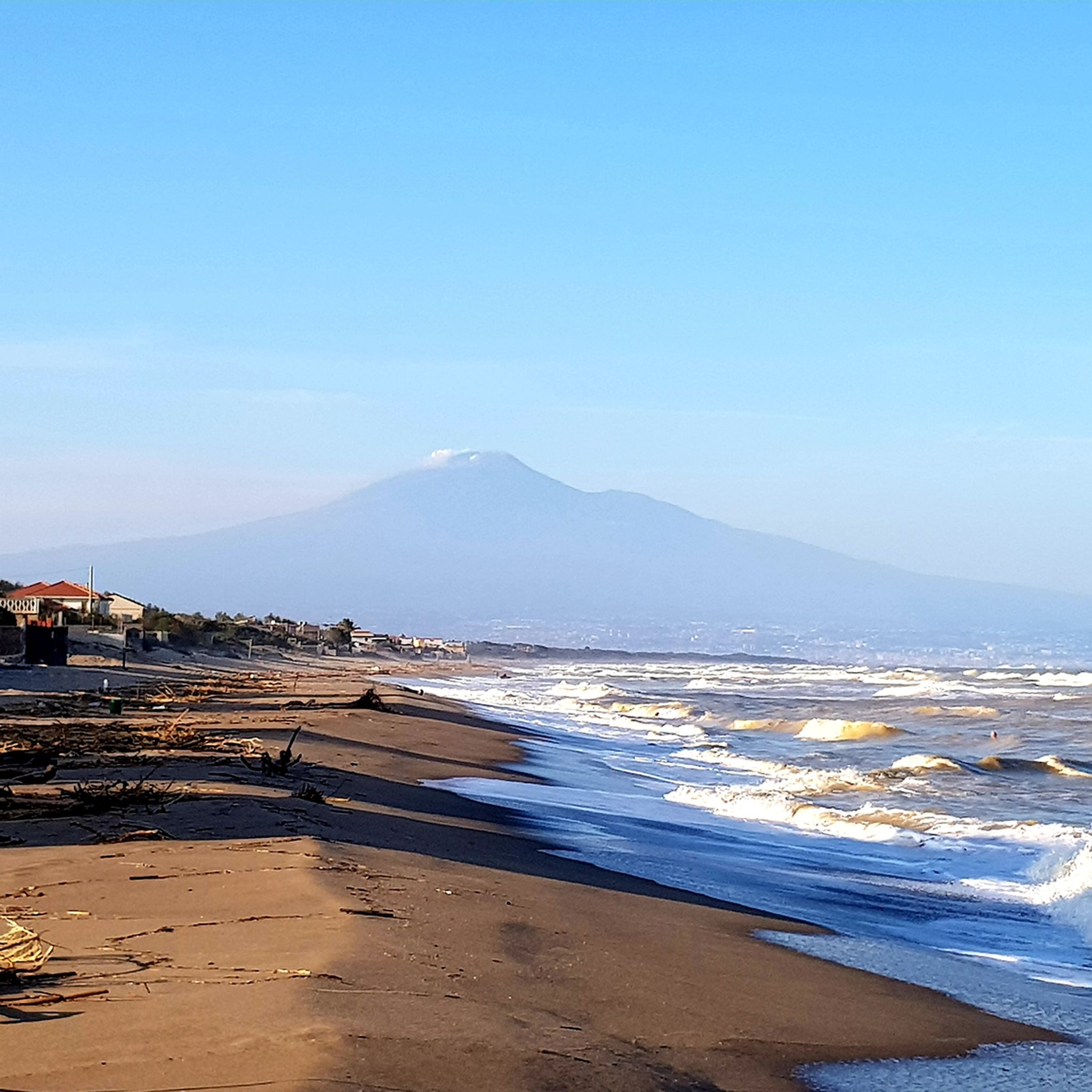
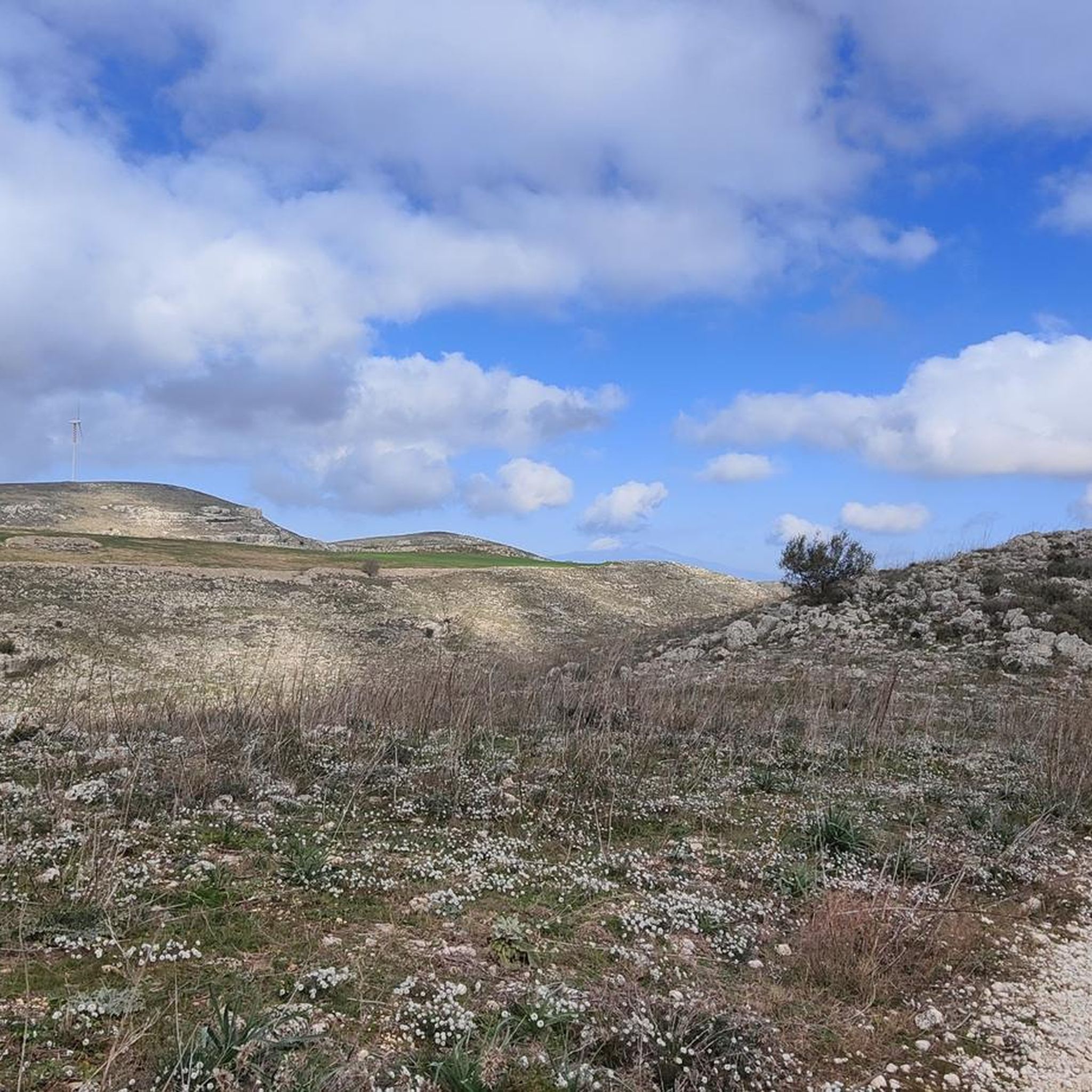
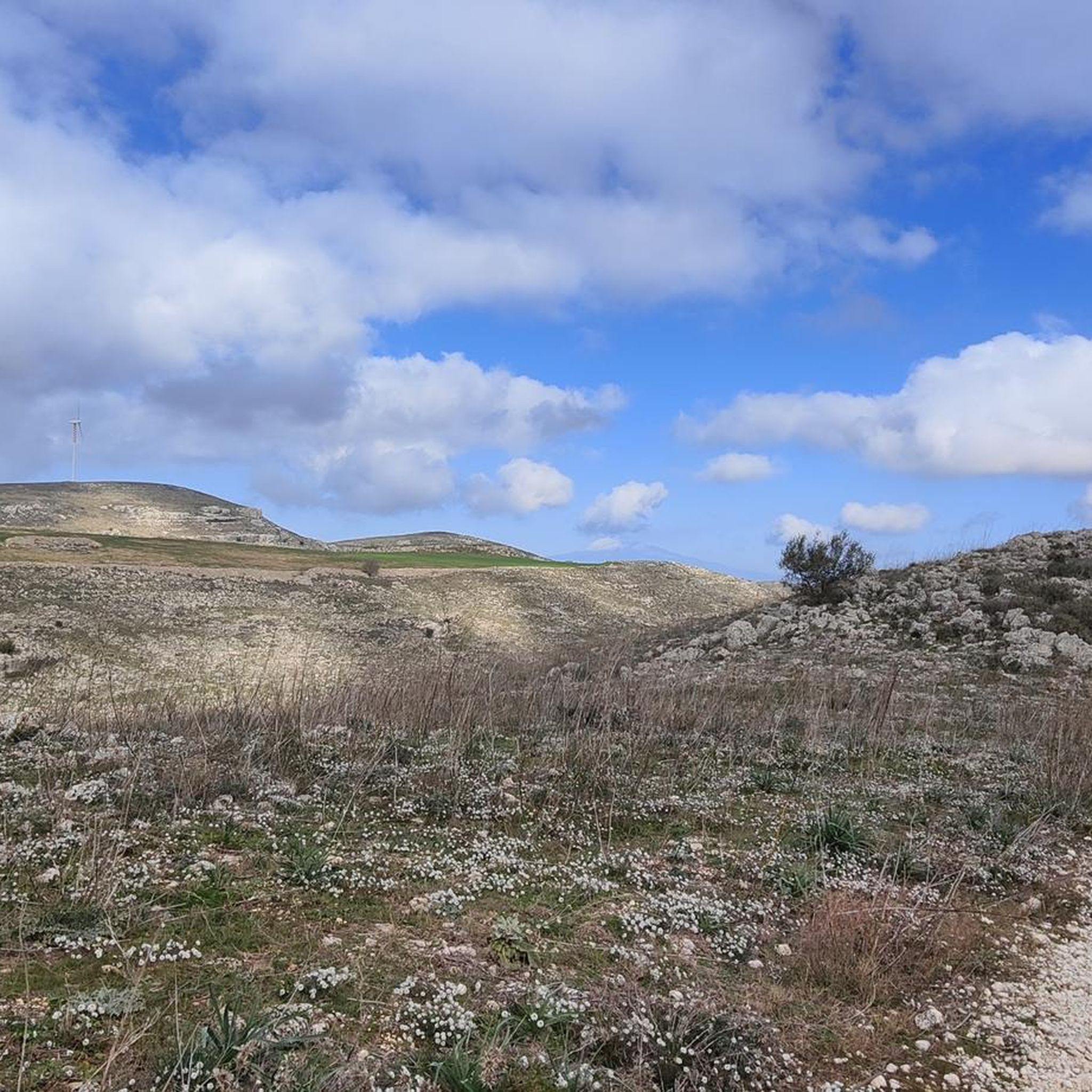
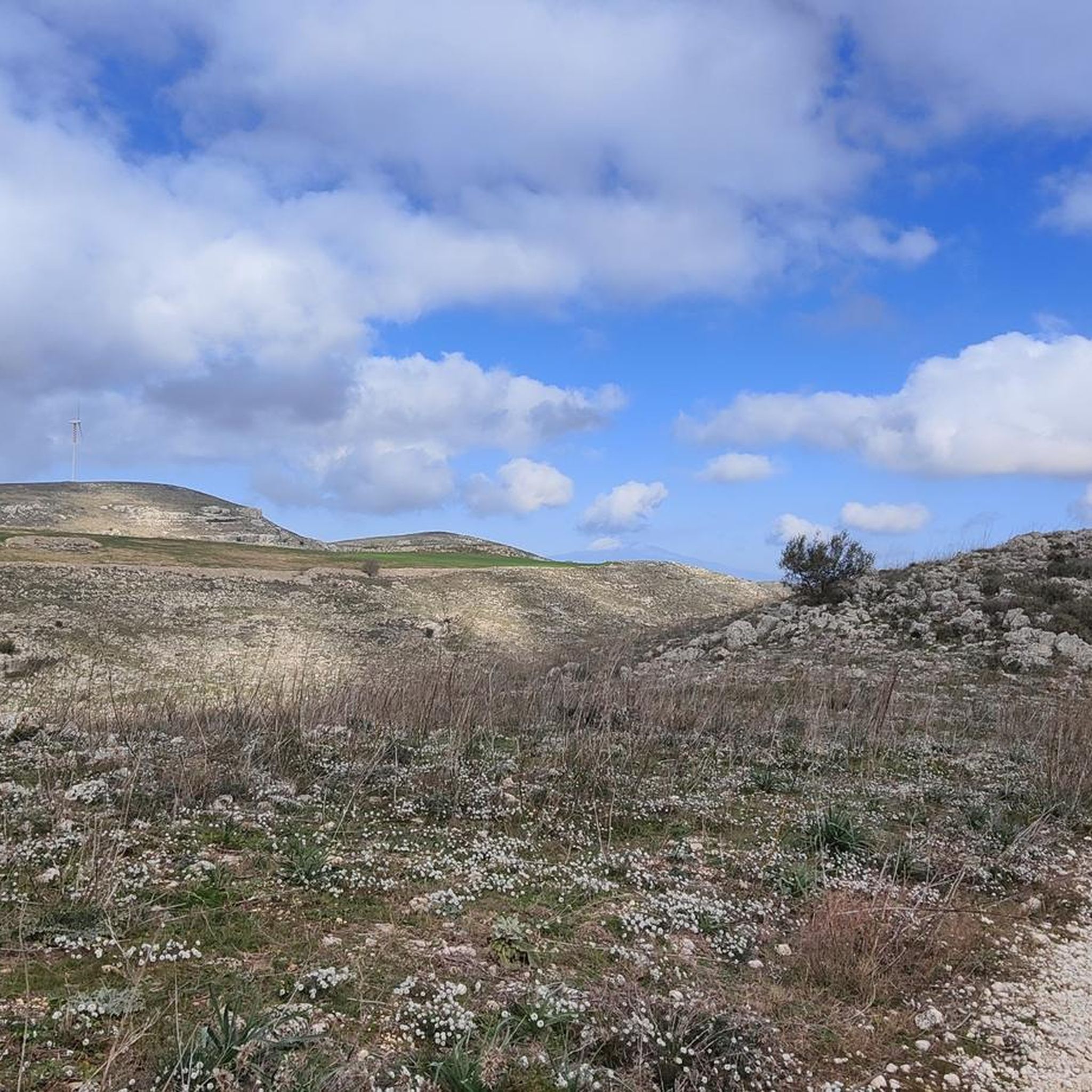
Tips from the Community

Enough water and full battery, Komoot was a help to get out again.
0
0

The entrance looks inconspicuous. The grotto is relatively large inside. But you need a helmet and a lamp. The entrance is closed by a gate
1
0
Here is stop number 1 for the shuttle bus from the main entrance of Ferla.
2
0

One of three Byzantine villages in the area. Of particular interest because the caves were not tombs but dwellings of about 70 households.
1
0
The access is blocked off with a gate, but you have a good view. There are several old dwellings and of course gravesites in the immediate area.
2
0
An entry fee is planned here from summer 2024.
2
0

The Valle dell Anapo is not only very beautiful in terms of landscape, but also for around 1800 rock chamber tombs from the period 1200 - 800 BC. known. They were created by the Siculians, who exclusively buried their dead in this way. Later, some graves were expanded to be used as apartments. There are also a few caves with a small chapel.
2
0

Did the tour from Sontino.👍 Were then 15 km / 580 hm. Walking around to the left is a good idea....🤩🙋♂️
1
1
Frequently Asked Questions
What types of caves can I explore around Carlentini?
The region around Carlentini offers a diverse range of subterranean sites. You can find ancient rock-cut dwellings, historical religious sites like rock churches, and significant archaeological landscapes featuring rock tombs. These include natural caves, as well as artificial cavities carved into rock, showcasing both natural formations and human ingenuity over centuries.
Are there any caves with significant historical or religious importance?
Yes, several caves in the region hold historical and religious significance. Near Carlentini/Lentini, the Grotte Rupestri include the Chiesa rupestre del Crocifisso, known for its well-preserved Byzantine-style frescoes dating from the 12th to 17th centuries. The San Micidiario Rock-cut Church also offers a view of old dwellings and gravesites within a rock-cut church setting. Additionally, the Bronze Age Rock Tombs are part of an ancient necropolis, and the Cavetta Rock Settlement features caves that were once dwellings for about 70 households.
What makes the Ear of Dionysius in Syracuse unique?
The Ear of Dionysius, located in Syracuse, is an artificial limestone cave famous for its exceptional acoustics and distinctive 'S' shape. It's 23 meters high and 65 meters deep, amplifying even small sounds up to 16 times. Legend suggests the tyrant Dionysius I used it to eavesdrop on prisoners. You can learn more about it on Wikipedia.
Are there any caves suitable for families with children?
Many of the historical rock-cut sites, such as the Bronze Age Rock Tombs and the San Micidiario Rock-cut Church, can be interesting for families, offering a glimpse into ancient history in a unique setting. The Grotta del Ninfeo in Syracuse, with its fountain and connection to Greek mythology, also provides a culturally rich experience that can engage younger visitors.
What do visitors particularly enjoy about the caves in this region?
Visitors appreciate the blend of natural beauty and historical depth. The Anapo Valley, for instance, is loved for its fantastically beautiful landscape and the 1800 rock chamber tombs from the Siculian period. The unique rock-cut architecture, ancient frescoes, and the sense of stepping back in time are frequently highlighted by those exploring the area's caves and rock settlements.
What is the best time of year to visit the caves around Carlentini?
The best time to visit the caves and archaeological sites around Carlentini is typically during the spring (April-June) and autumn (September-October) months. During these periods, the weather is milder and more pleasant for exploration, avoiding the intense heat of summer and the potentially wetter conditions of winter.
Are there any challenging caves for experienced explorers?
Yes, for those seeking a more challenging experience, the Pantalica Cave is noted as challenging. It requires a helmet and a lamp for exploration, and its entrance is closed by a gate, suggesting a more rugged and less developed environment for caving.
Can I find any ancient quarries with cave-like formations in the area?
Yes, in the wider Syracuse area, you can explore the Latomie del Paradiso and Latomia dei Cappuccini. These are ancient stone quarries that feature numerous caverns, fissures, and cliffs, often resembling caves. They offer a powerful sense of history, having been used to build the city's monuments and even as prisons, with impressive natural and man-made landscapes.
What outdoor activities can I do near these caves?
The region around Carlentini offers various outdoor activities. You can find numerous cycling routes, including options for touring bicycles and mountain biking. There are also running trails available. For detailed routes and guides, you can explore Cycling around Carlentini, MTB Trails around Carlentini, and Running Trails around Carlentini.
Are there specific hiking trails that lead to or past these caves?
Many of the caves and rock settlements are integrated into or accessible via hiking paths. For example, the Anapo Valley features a bike path along an old railway track that is also suitable for walking, leading past numerous rock chamber tombs and small chapels within caves. The archaeological sites often have established trails for exploration.
Where can I find information about prehistoric dwellings in the Carlentini area?
The Grotte Rupestri near Lentini, including the Chiesa rupestre del Crocifisso, served as dwellings and places of worship since prehistoric times. These rock caves offer a direct glimpse into ancient living spaces and practices. The Cavetta Rock Settlement is another excellent example, where caves were utilized as dwellings rather than tombs.
Is there a cave monastery in the Carlentini territory?
Yes, the Grotta di S. Mauro, located on the southeastern slope of the San Mauro hill in the Carlentini territory, was part of a late cave monastery. It consists of three interconnected spaces, with one dedicated to worship and another likely serving communal functions, providing insight into monastic life within ancient rock settlements.
Most popular attractions around Carlentini

Get inspired with the komoot mobile app


Explore more
Extend your search for the best caves by checking out these guides of the top ones around Carlentini:
