Top 7 Castles around Arona
Best castles around Arona are situated on the picturesque Piedmontese shore of Lake Maggiore. This region is known for its historical fortresses and strategic locations that offer panoramic views of the lake and surrounding landscape. The area provides a compelling glimpse into the past with structures dating back centuries. Its natural setting makes it a notable destination for exploring historical landmarks.
Best castles around Arona
- The most popular castles is Castello di Divignano, a castle located in the center…
Last updated: May 2, 2026
Buccione Tower
Highlight • Castle
Translated by Google •
Tip by

Rocca di Angera
Highlight • Castle
The view from …
Translated by Google •
Tip by

Sign up now to discover places like this
Get recommendations on the best single tracks, peaks, & plenty of other exciting outdoor places.
Sign up for free
Visconti Castle of San Vito
Highlight • Castle
Translated by Google •
Tip by

Borromean Fortress of Arona
Highlight • Castle
Translated by Google •
Tip by

Castello di Divignano
Highlight • Castle
The presence of a castle or "castrum" is …
Translated by Google •
Tip by

Sign up for free to discover even more castles around Arona.
Sign up for free
Already have an account?
Start today with a free account
Your next adventure awaits.
Login or Signup
Popular around Arona
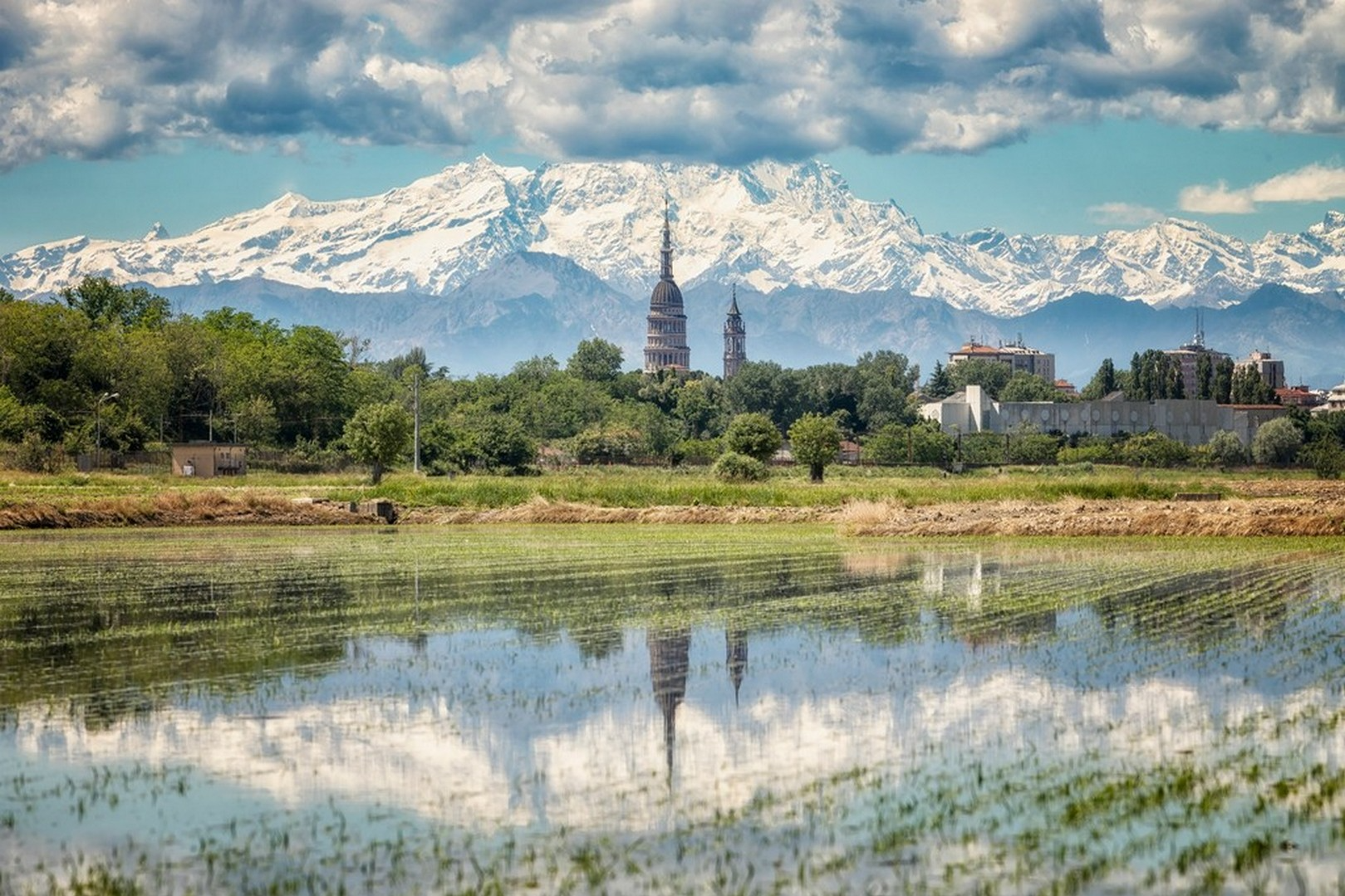
Devoto Cammino dei Sacri Monti – on the trail of the ancient pilgrims
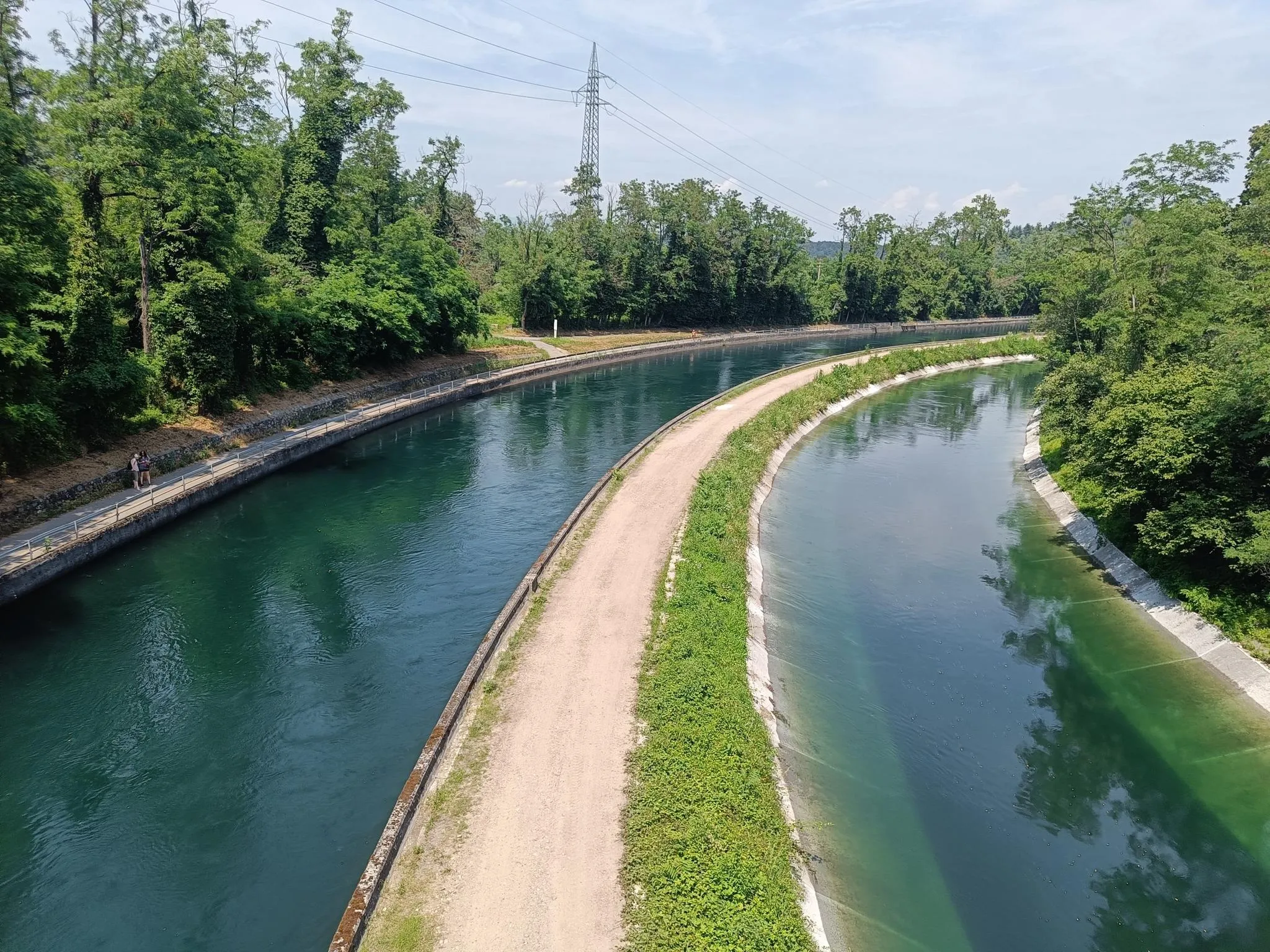
Pedal along water – loop from Milan to Lake Maggiore
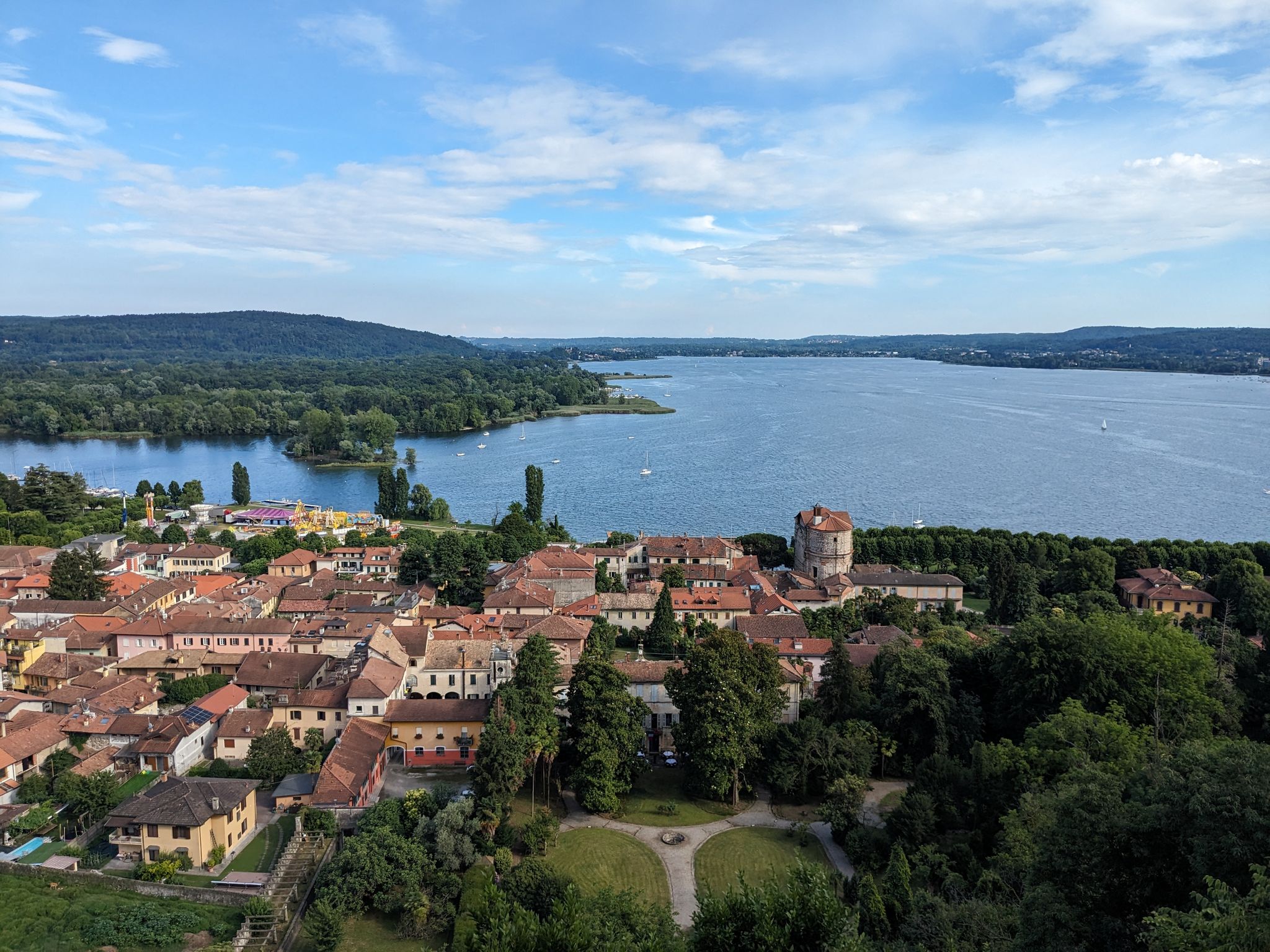
Castles, hermitages and villas – Tour of Lake Maggiore
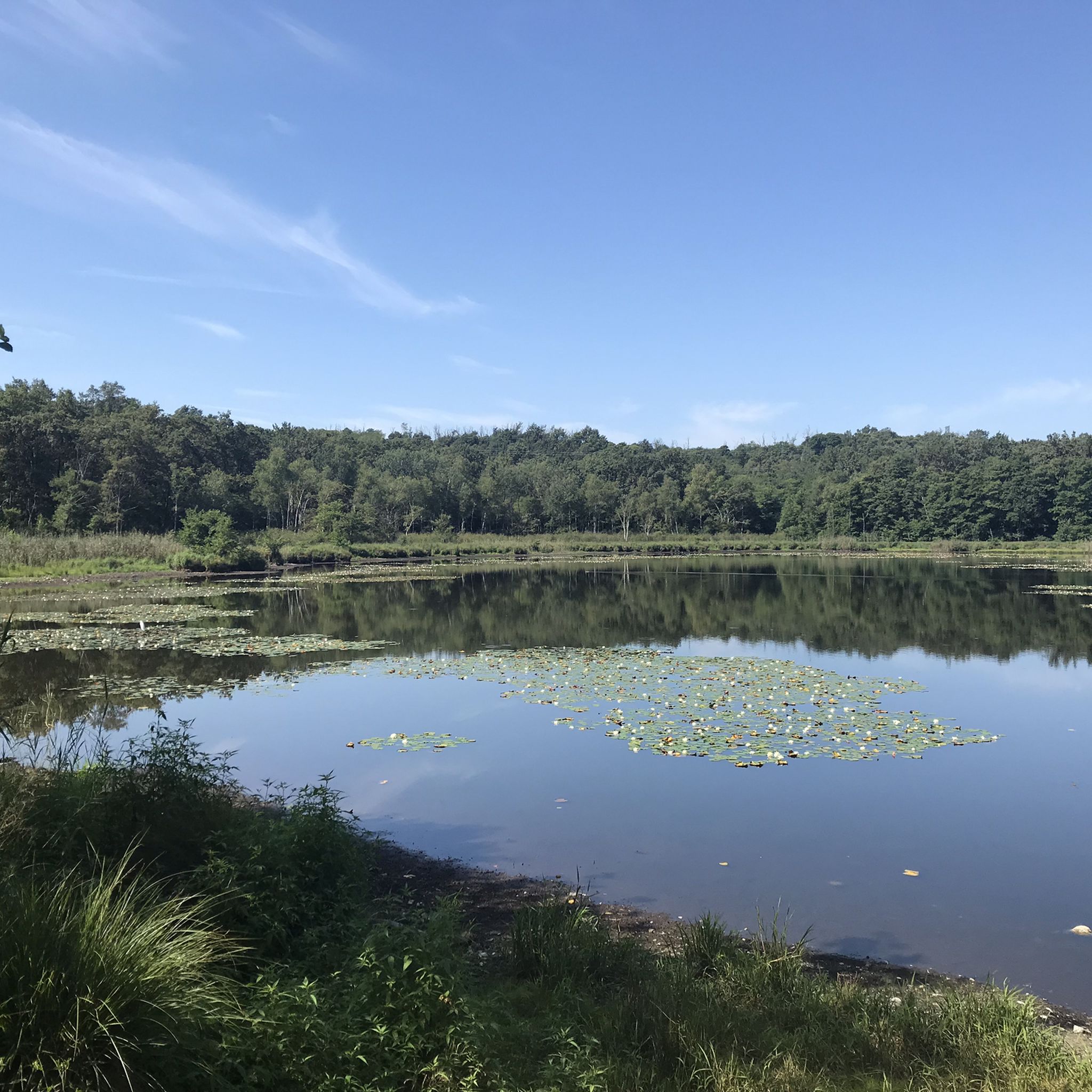
Hiking around Arona
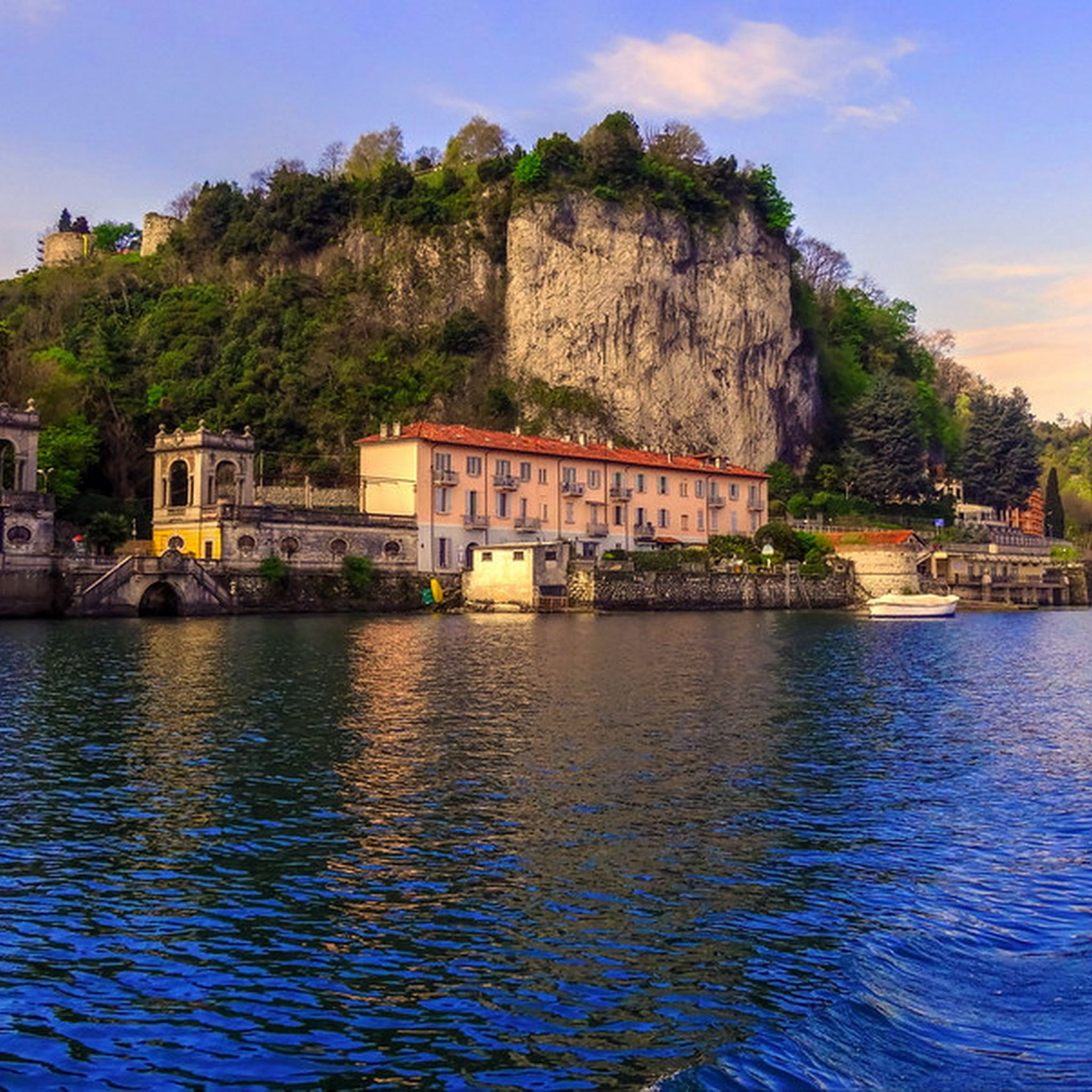
Road Cycling Routes around Arona
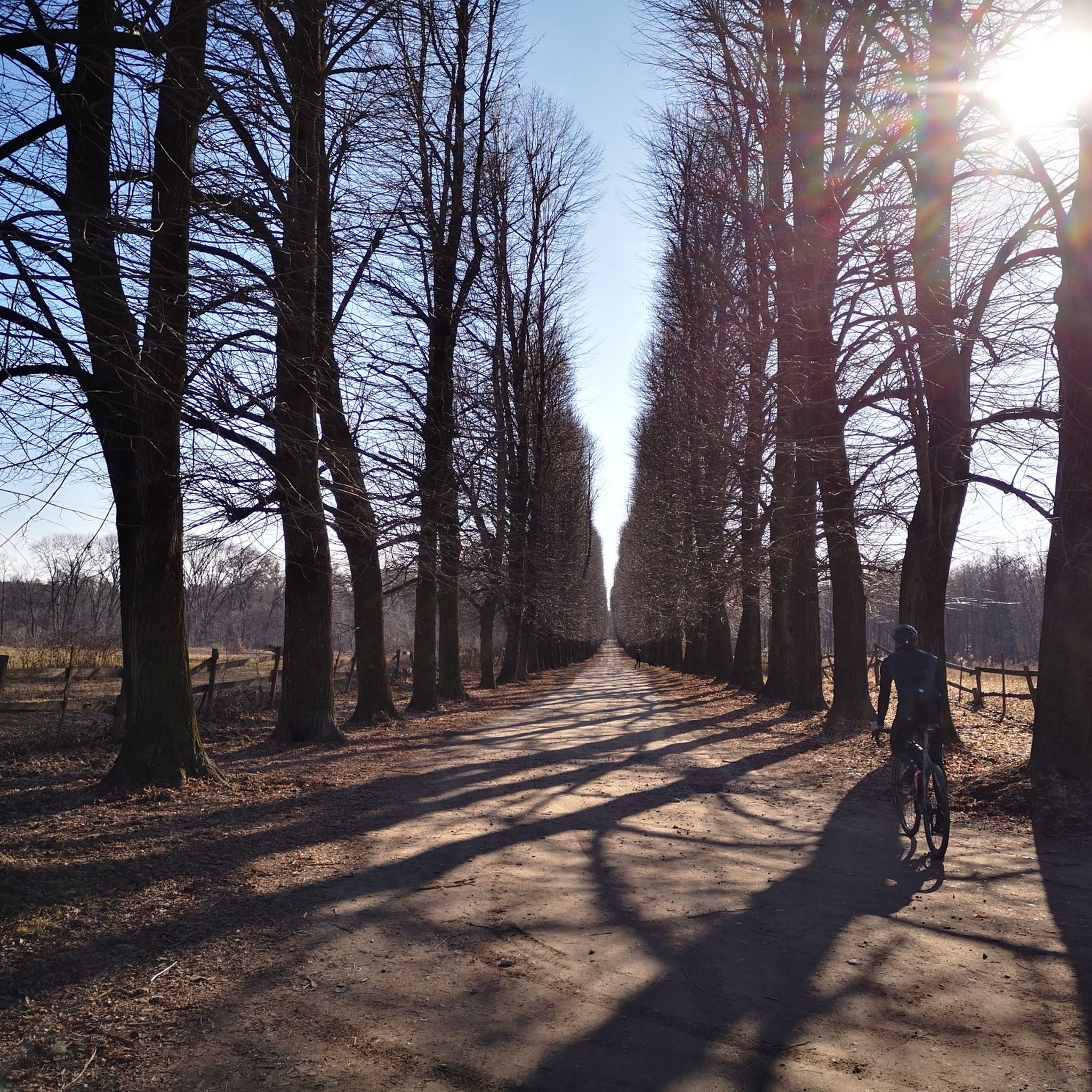
Cycling around Arona
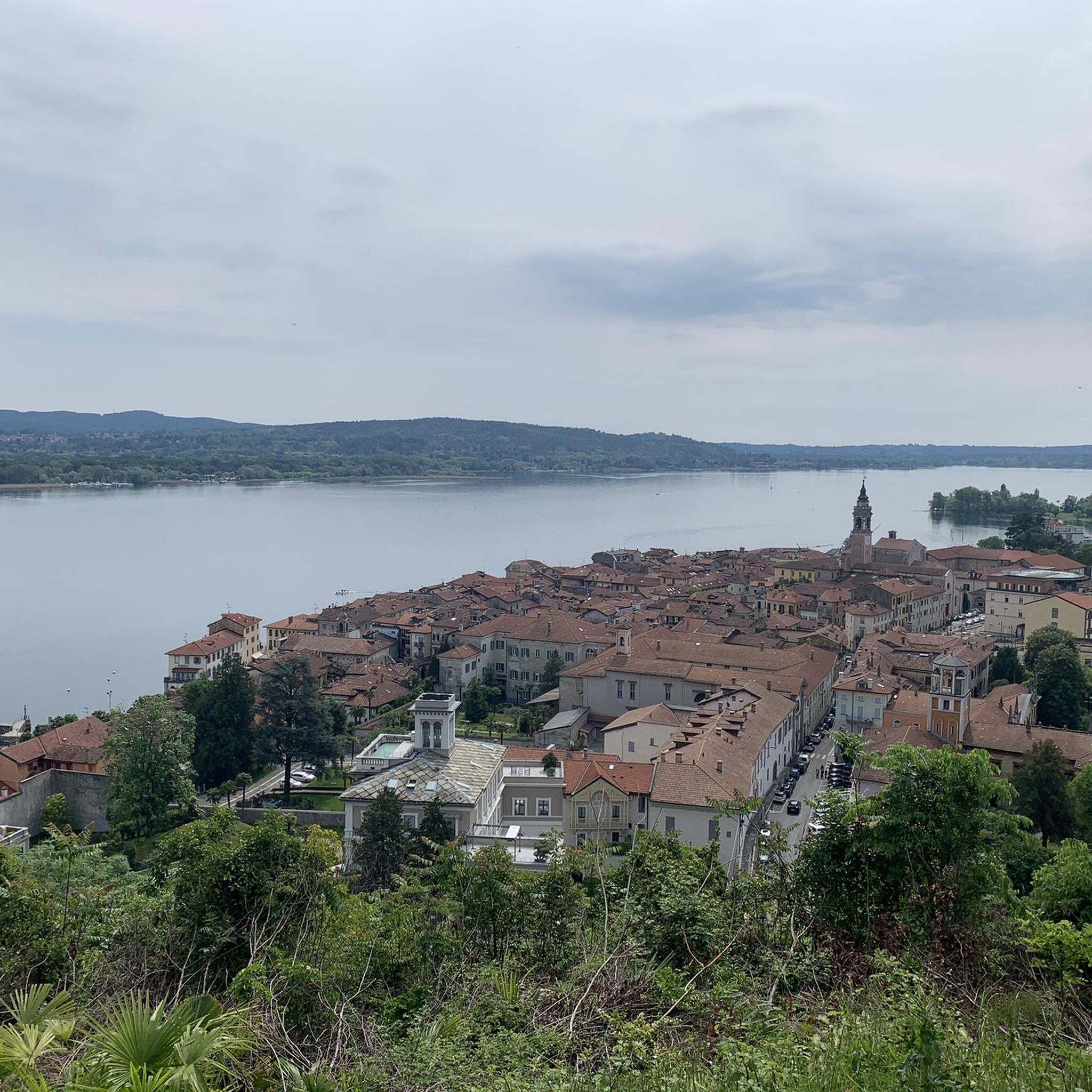
Running Trails around Arona

Gravel biking around Arona
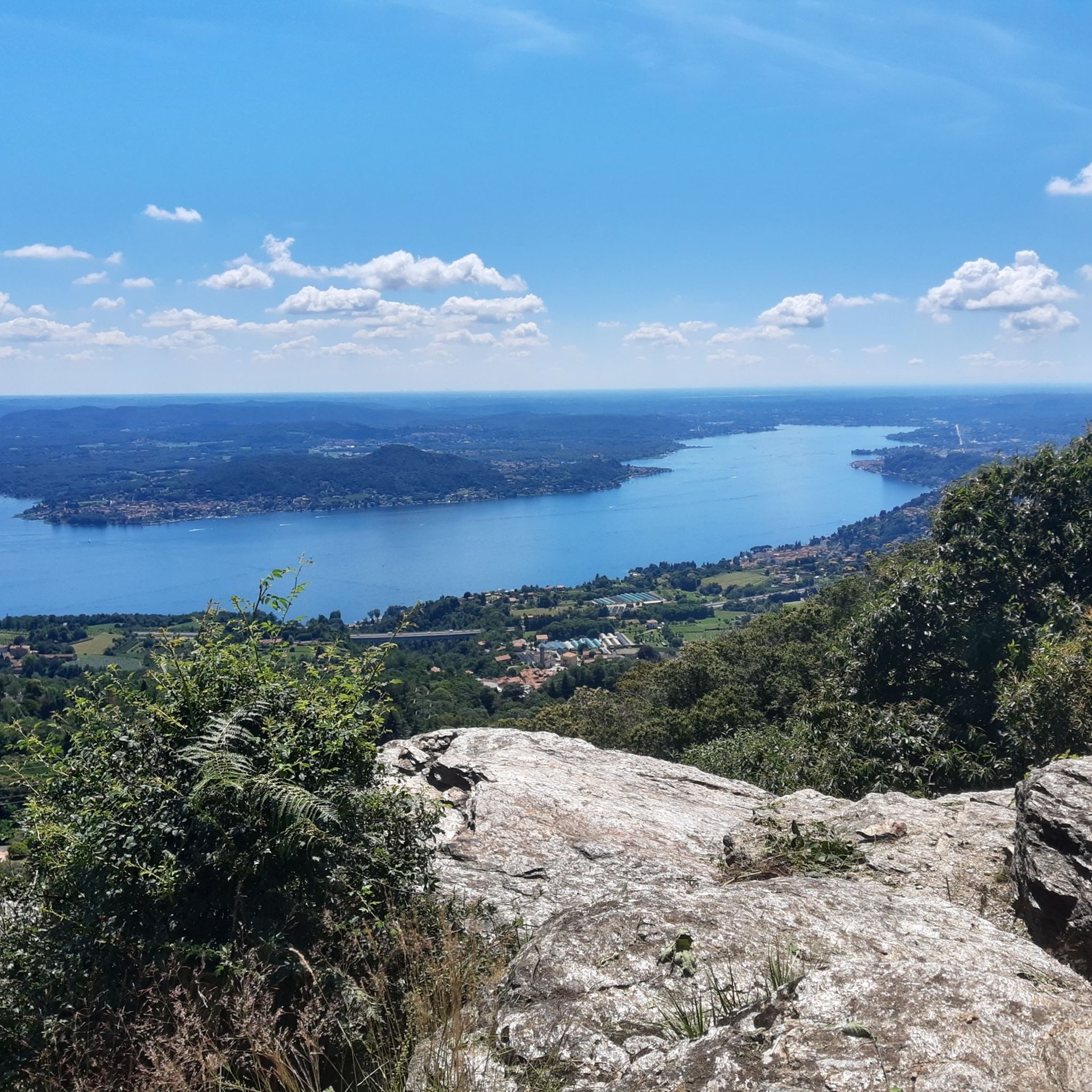
MTB Trails around Arona
Other adventures around Arona


Tips from the Community

The castle is located in the center of the village, on a hill overlooking the valley below and part of the town. The presence of a castle or "castrum" is mentioned as early as 1191, but the construction of the current fortress appears to date between 1454-1464 and 1489, that is, between the reign of Filippo Borromeo and that of his sons, Giovanni and Vitaliano. It is known with certainty that in 1493 the building and its grounds were inherited by Ludovico Visconti Borromeo. The old square fortress, on the northern side, features the elegant and solid forms of the original fifteenth-century structure, with beautiful pointed-arch windows softened by terracotta decorations. The castle's current appearance is the result of various renovations over the centuries, the most significant dating back to the eighteenth century. The new reconstruction was commissioned by Giulio Visconti Borromeo Arese.
0
0

Spectacular view of the city of Arona and Lake Maggiore
0
0

Once you arrive in Arona, walk along the lakeside and have an ice cream, go up to visit the statue of S. Carlone but... don't forget to visit the Rocca too! Founded in a period shortly before the year 1000 under the control of the Lombards, for four centuries the Rocca remained in the hands of the Borromeo family, giving birth to Cardinal San Carlo Borromeo in 1538; the history of the Rocca di Arona ends in 1800 when the Napoleonic army received the order to destroy some fortifications occupied by the Austrians; from that moment on only a few ruins of the Rocca di Arona remain. From above you can also enjoy a spectacular view of Arona below, of Angera opposite and of this entire stretch of lake!
0
0

The Church of the Purification of the Virgin Mary is the parish church of Massino Visconti in the Province and Diocese of Novara. It is part of the Vergante pastoral unit. The first mention of a Catholic church in Massino dates back to 887. The new church was built in the second half of the 16th century with three naves and was given the title of parish church during the same period, after the Church of San Michele was severely damaged by a landslide. In the first half of the 19th century, the old Romanesque bell tower was demolished and replaced with a new tower. The church's striking, west-facing façade consists of three volumes interrupted by pilasters: the main body, characterized by the main portal, is preceded by a small portico opening into a serliana in the center, while the two side wings have secondary entrances. Attached to the parish church is the stone bell tower with a square floor plan. Its cell has a single-lancet window on each side, protected by a balustrade, and is crowned by a pyramidal spire resting on a drum with an octagonal base. The interior of the building is divided into three naves, overlooking which the side chapels face. Pillars and columns support round arches, above which runs the molded and projecting entablature, upon which the vaults rest. At the end of the hall is the presbytery, raised a few steps, bordered by balustrades and housing the main altar. Several valuable works have been preserved here, including the 16th-century frescoes depicting Saint Mary of the Assumption and the Coronation of Mary, as well as the paintings on the vaults depicting the Doctors of the Church and the symbols of the Evangelists. it.wikipedia.org/wiki/Chiesa_della_Purificazione_di_Maria_Vergine_(Massino_Visconti)
0
0

Still very well preserved - great panoramic view
0
0

on sunny days, excellent view of Lake Orta
0
0


From the town, a somewhat steep footpath leads upwards. It is marked at the entrance with a red Rocco sign. At the top, in La Corte della Rocchetta, there is the opportunity to eat and drink.
1
0
Frequently Asked Questions
What are some must-see castles around Arona?
Beyond the well-known Rocca Borromea of Arona, which offers stunning views, you should definitely visit Rocca di Angera. This perfectly preserved medieval fortress across Lake Maggiore houses a unique doll museum and impressive frescoes. Another notable site is Castello di Divignano, a 15th-century fortress with elegant forms and pointed-arch windows, located on a hill overlooking the valley.
Are there family-friendly castles to visit near Arona?
Yes, Rocca di Angera is particularly family-friendly. It features the Museo della Bambola e del Giocattolo, with over a thousand dolls and toys from various eras, which is very engaging for visitors of all ages. The castle also has a restored medieval garden that children might enjoy exploring.
Can I find good viewpoints at the castles around Arona?
Absolutely. The **Rocca Borromea of Arona** (also known as Borromean Fortress of Arona) is renowned for its almost 360-degree panoramic views of Lake Maggiore and the surrounding area. Similarly, Rocca di Angera, perched on a hilltop, offers commanding views of the southern Lake Maggiore region. The Buccione Tower also provides a fantastic view over Lago d'Orta.
What historical significance do the castles in Arona hold?
The castles around Arona, such as the **Rocca Borromea of Arona** and Rocca di Angera, are deeply rooted in history, dating back to around 1000 A.D. They were strategically important defensive structures controlling Lake Maggiore. The **Rocca Borromea of Arona** is notably the birthplace of Saint Charles Borromeo in 1538. Many of these fortresses passed through powerful families like the Visconti and Borromeo, shaping the region's medieval and Renaissance history.
Are there any unique museums or collections within these castles?
Yes, Rocca di Angera houses the impressive Museo della Bambola e del Giocattolo (Museum of Dolls and Toys). This collection features over a thousand dolls from the 18th century to the present day, making it one of Europe's most significant of its kind.
What outdoor activities can I do near the castles?
The area around Arona offers various outdoor activities. You can find numerous running trails, such as the 'Borromean Walls of Arona – Arona lakeside promenade loop', which is a moderate 7.9 km route. For cycling enthusiasts, there's the 'Arona and Lagoni di Mercurago Park Loop' (15 km, moderate) or more challenging routes like the 'Feriolo lakeside – Lake Mergozzo loop' (74 km, difficult). Gravel biking options are also available, including the 'From castle to hermitage' route (52 km, difficult). You can explore more options on the Running Trails around Arona, Cycling around Arona, and Gravel biking around Arona guides.
When is the best time of year to visit the castles around Arona?
The spring and autumn months generally offer pleasant weather for exploring the castles and their surroundings, with milder temperatures ideal for walking and enjoying the views. Summer can be warm, but the lake breeze often provides relief. Some sites, like the **Rocca Borromea of Arona**, are accessible as public parks year-round, but specific castle interiors or museums might have seasonal opening hours.
Are there cafes or refreshment points available at the castles?
At the **Rocca Borromea of Arona** (also known as Borromean Fortress of Arona), there is a refreshment point open during the summer months. It's also a perfect spot for a picnic. For other castles, it's advisable to check their specific facilities or find cafes in the nearby towns.
What is the difference between Rocca Borromea of Arona and Rocca Borromeo di Angera?
The **Rocca Borromea of Arona** is primarily a ruin today, serving as a public park with historical remnants and offering spectacular panoramic views of Lake Maggiore. It's significant as the birthplace of Saint Charles Borromeo. In contrast, the Rocca Borromeo di Angera, located directly across the lake, is a remarkably well-preserved medieval fortress that provides a more complete castle experience, featuring historic rooms, frescoes, and the famous Museum of Dolls and Toys.
What is the history of the Rocca Borromea of Arona?
The **Rocca Borromea of Arona** is a defensive structure dating back to around 1000 A.D. under Lombard rule. It was strategically positioned to control Lake Maggiore. Over centuries, it was held by bishops, the Visconti family, and for four centuries, the powerful Borromeo family. It is most famous as the birthplace of Saint Charles Borromeo in 1538. Today, it consists of ruins, including fortified walls, towers, and the 11th-century oratory of St. Ambrose, and is accessible as a public park.
What is special about the Rocca Borromeo di Angera?
Rocca Borromeo di Angera is special for being a rare example of a perfectly preserved medieval fortress. It boasts distinctive swallow-tailed battlements, historic rooms like the Hall of Justice with 13th-century frescoes, and a comprehensive Museum of Dolls and Toys. Its external medieval garden, restored according to historical documentation, and its commanding views of Lake Maggiore further enhance its unique appeal.
Are there any lesser-known or 'hidden gem' castles worth exploring?
While not a 'hidden gem' in the sense of being unknown, the Visconti Castle of San Vito in Massino Visconti offers a fascinating history. Originally a convent, it was transformed into an elegant country residence by the Visconti family. Its current appearance is the result of 16th-century reconstructions, and it features a small balcony where the Visconti spoke to villagers, offering a glimpse into local history.
Most popular attractions around Arona

Get inspired with the komoot mobile app


Explore more
Looking for the best castles somewhere else? Discover other guides around Arona:
