Top 9 Caves around Castri Di Lecce
Best caves around Castri Di Lecce are found within the broader Salento region, known for its diverse geological formations and historical significance. The area features a mix of natural sea caves and ancient rock-cut structures. These sites offer insights into the region's past and unique natural phenomena. Castri Di Lecce serves as a central point for exploring these subterranean attractions.
Best caves around Castri Di Lecce
- The most popular caves is Byzantine Crypt of Santa Cristina, a religious building…
Last updated: May 2, 2026
Faggiano Museum
Highlight • Historical Site
Translated by Google •
Tip by

Rock-cut Cells of the Basilian Monks
Highlight • Cave
Translated by Google •
Tip by

Sign up now to discover places like this
Get recommendations on the best single tracks, peaks, & plenty of other exciting outdoor places.
Sign up for free
Byzantine Crypt of Santa Cristina
Highlight • Religious Site
Translated by Google •
Tip by

Cyclopean Rock Castle
Highlight • Historical Site
Translated by Google •
Tip by

Crypt of San Nicola (Trappeto Vecchio), Borgagne
Highlight • Cave
Translated by Google •
Tip by

Sign up for free to discover even more caves around Castri Di Lecce.
Sign up for free
Already have an account?
Start today with a free account
Your next adventure awaits.
Login or Signup

Tips from the Community

Very nice small private museum
0
0

Example of rock archaeology. Partly collapsed.
0
0
I don't know if they are actually ancient shelters for monks. They are certainly very ancient underground structures a few meters from the singletrack. It seems that they are the remains of a larger rock village partly present in the adjacent Masseria San Pietro
0
0
Splendid example of rock archaeology. Their use is not clear
0
0

Inserted in the collection https://www.komoot.com/it-it/collection/2431081/-pietre-del-salento - Example of how stones were used to protect themselves. Located on a dirt road adjacent to a cycle path, it is easily accessible and visible. Be careful, it is still a ruin whose stability remains to be verified.
0
0

This is the best museum in Lecce. Unique what this family presents in the house.
0
0
Posted in Salento Byzantine collection komoot.it/collection/1811756/-salento-bizantino - I have not found any trace of the frescoes described on the various sources at my disposal, probably because they are now permanently destroyed or because of the scarce light that prevented them from being found. There are two ways to access the site located in a private farm; the first is to contact the owner directly if you know him; the second is to go around the high wall adjacent to the road by accessing the adjacent private farms and climbing over a couple of dry stone walls. All this, of course, leaving the bicycle close to the aforementioned dry stone walls a short distance from the site respecting everything you encounter in private property, of course. https://www.visitmelendugno.com/dettaglio/punti-interesse/storia-e-cultura/cripta-di-san-nicola/
0
0
Posted in the Salento Bizantino collection komoot.it/collection/1811756/-salento-bizantino - In order to access the interior, you must refer to the plaque affixed to the external gate of the entrance to the crypt. Attached to the Highlight is the photo depicting the contact points on which to rely. https://youtu.be/cfnwc5Ojj2E
0
0
Frequently Asked Questions
What types of caves can I explore near Castri di Lecce?
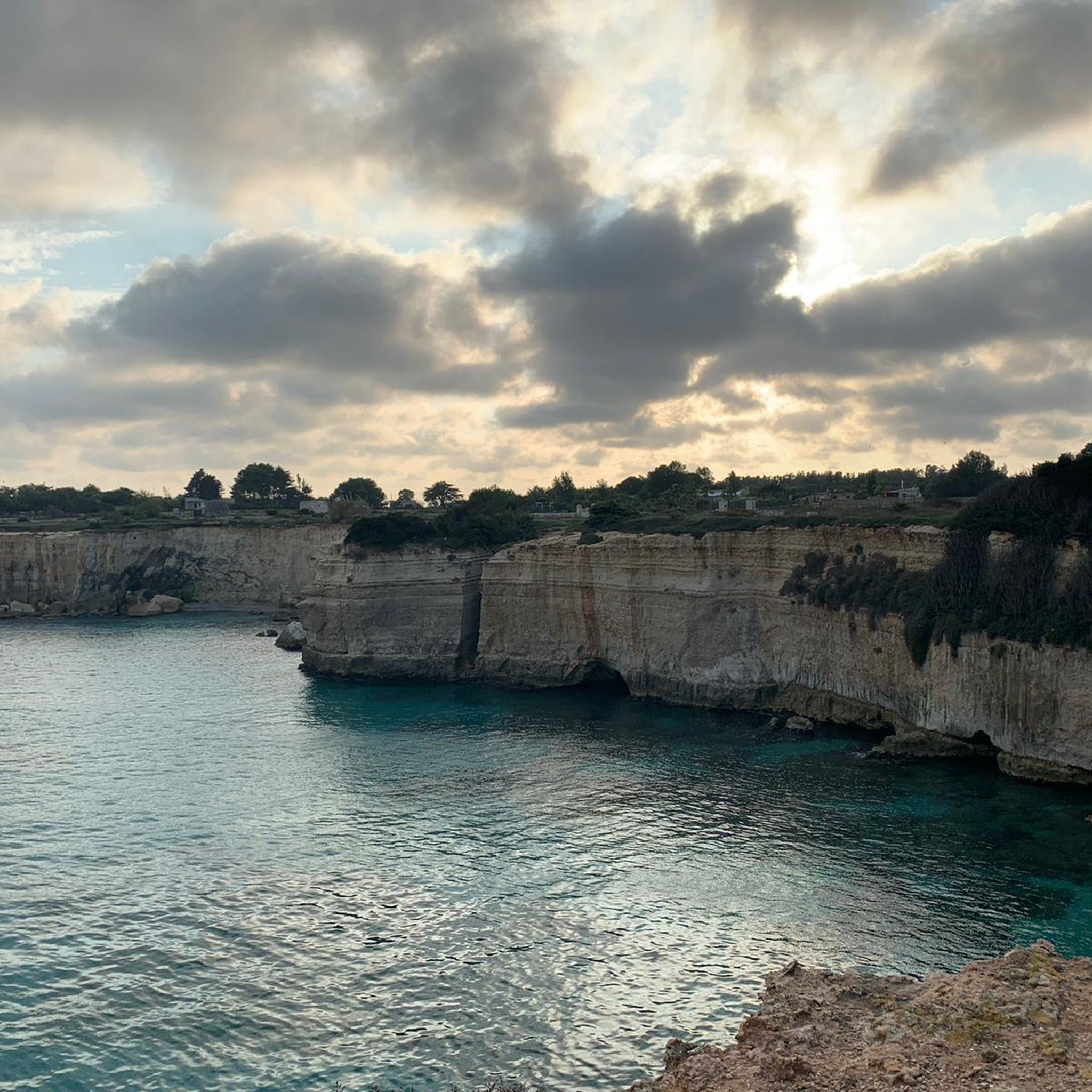
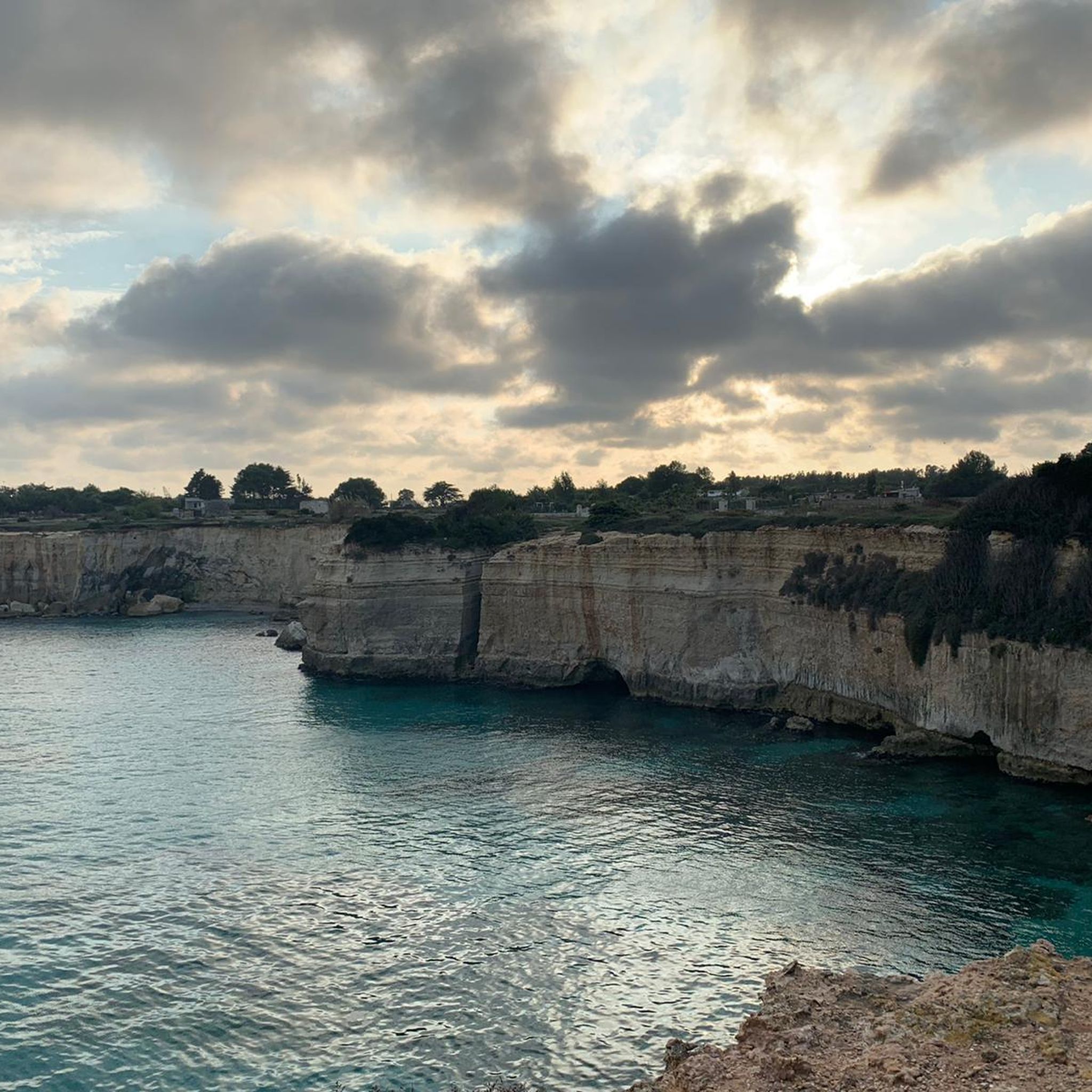
The region around Castri di Lecce, particularly the broader Salento area, offers a diverse range of caves. You can find historical rock-cut structures like the Byzantine Crypt of Santa Cristina and the Rock-cut Cells of the Basilian Monks, which provide insights into ancient life and religious practices. Additionally, the coastal areas boast spectacular natural sea caves like Grotta della Poesia and Grotta Azzurra, known for their unique geological formations and stunning waters.
Are there any historically significant caves in the area?
Yes, the Salento region is rich in historical cave sites. The Byzantine Crypt of Santa Cristina features ancient frescoes, while the Rock-cut Cells of the Basilian Monks are ancient underground structures believed to have served as tombs or shelters. Further afield, Grotta dei Cervi near Porto Badisco is an exceptionally important archaeological site with prehistoric rock drawings, though it's generally closed to the public for preservation.
Which caves are accessible by land and offer impressive formations?
The Crypt of San Nicola (Trappeto Vecchio) near Borgagne is a historical cave accessible by land. For natural formations, Grotta della Zinzulusa, one of Salento's most famous caves, is accessible by land and features remarkable stalactite and stalagmite formations, resembling tattered cloths ('zinzuli').
Can I visit sea caves near Castri di Lecce?
Absolutely. The Salento coastline is famous for its sea caves. Grotta Azzurra in Castro is renowned for its stunning blue reflections, and Grotta del Soffio near Leuca Lighthouse creates a unique 'puffing' sound as waves enter. Many of these sea caves, including Grotta della Poesia, are best explored via boat tours, which are often available from coastal towns like Castro.
What are some family-friendly cave experiences in the region?
While specific 'family-friendly' designations for caves are rare, sites like the Cyclopean Rock Castle, an ancient fortified straw pit, are easily accessible on a dirt road and offer an interesting historical stop. Natural swimming spots like Grotta della Poesia, a natural swimming pool without a roof, can also be a unique experience for families, depending on swimming abilities.
Are there any caves that are difficult to access or require special arrangements?
Yes, some caves require specific arrangements. To access the interior of the Byzantine Crypt of Santa Cristina, you need to refer to the plaque at the external gate for contact points. The Crypt of San Nicola (Trappeto Vecchio) is located on a private farm and requires contacting the owner or navigating dry stone walls. Grotta dei Cervi is generally closed to the public due to the fragility of its prehistoric rock drawings.
What outdoor activities can I combine with a visit to the caves?
The area around Castri di Lecce offers various outdoor activities. You can find numerous running trails, such as the 'Running loop from Caprarica di Lecce' (8.5 km, moderate), or explore hiking routes like the 'Acaya Castle – Acaya Gate loop from Acaya' (12.9 km, moderate). For mountain biking, consider the 'Parco Avventura Caprarica loop from Caprarica di Lecce' (4.9 km, easy). You can find more details on these activities in the Running Trails around Castri Di Lecce, Hiking around Castri Di Lecce, and MTB Trails around Castri Di Lecce guides.
What is the best time of year to visit the caves in Salento?
The best time to visit the caves in Salento generally depends on the type of cave. For sea caves, late spring to early autumn (May to October) offers the warmest weather for boat tours and swimming. Land-accessible historical caves can be visited year-round, though spring and autumn provide milder temperatures for exploration and hiking in the surrounding areas.
Are there any unique natural phenomena associated with the caves?
Yes, the region features some fascinating natural phenomena. Grotta della Poesia is a unique natural swimming pool open to the sky. Grotta Azzurra is famous for the vibrant blue reflections created by sunlight entering the water. Grotta del Soffio near Leuca is known for the distinctive 'puffing' sound it makes as waves are expelled from its dome-shaped interior.
What should I know about visiting the Faggiano Museum in Lecce?
The Faggiano Museum in Lecce is a private historical-archaeological building that offers a unique glimpse into over 2000 years of history. It features excavated cisterns, tombs, and underground passages discovered beneath a family home. The owner's son often shares the story of its discovery and excavation. It's considered a must-visit for those interested in the region's hidden archaeological layers.
Are there any caves with archaeological significance beyond prehistoric art?
Beyond the prehistoric art of Grotta dei Cervi, Grotta Romanelli, also near Castro, is another site of significant archaeological importance. It has provided valuable evidence of the Palaeolithic period, offering insights into early human presence in the Salento region.
Where can I find more information about the geology of the Salento caves?
The caves in the Salento region, including those near Castri di Lecce, are primarily formed in limestone, a sedimentary rock. This geology contributes to the impressive stalactite and stalagmite formations seen in caves like Grotta della Zinzulusa, as well as the unique coastal erosion that created the sea caves. For more detailed geological information, you might consult local geological surveys or specialized regional tourism sites.
Most popular routes around Castri Di Lecce
Most popular attractions around Castri Di Lecce

Get inspired with the komoot mobile app


Explore more
Extend your search for the best caves by checking out these guides of the top ones around Castri Di Lecce:
