Top 3 Castles around Follonica
Castles near Follonica offer a glimpse into the region's medieval past, contrasting with the area's primary identity as a seaside resort. The Maremman countryside provides strategic locations for these historical structures, many of which have seen centuries of changing ownership and architectural evolution. While Follonica itself is known for its industrial heritage and beaches, the surrounding hills host significant fortifications. These sites provide historical context and panoramic views of the Tuscan Archipelago and the local landscape.
Top castles around Follonica
…Last updated: October 3, 2026
Casalappi Castle
Highlight • Castle
Showing Translation
Tip by

Suvereto Fortress
Highlight • Castle
Translated by Google •
Tip by
Sign up now to discover places like this
Get recommendations on the best single tracks, peaks, & plenty of other exciting outdoor places.
Rocca di Scarlino
Highlight • Castle
Translated by Google •
Tip by

Ascent to Scarlino Castle Ruins
Highlight (Segment) • Climb
Translated by Google •
Tip by

Maus Castle
Highlight • Castle
Translated by Google •
Tip by

Sign up for free to discover even more castles around Follonica.
Already have an account?
Start today with a free account
Your next adventure awaits.
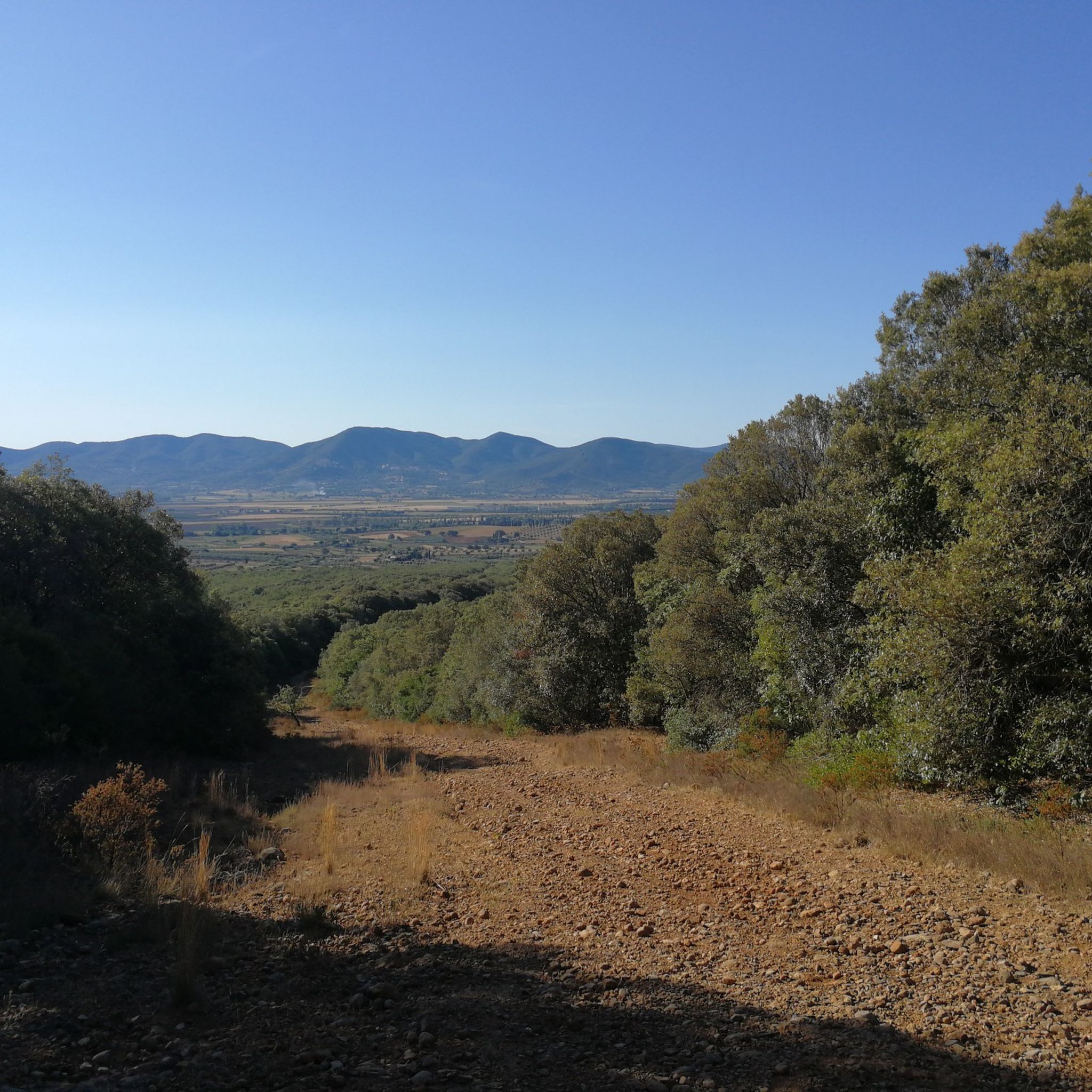
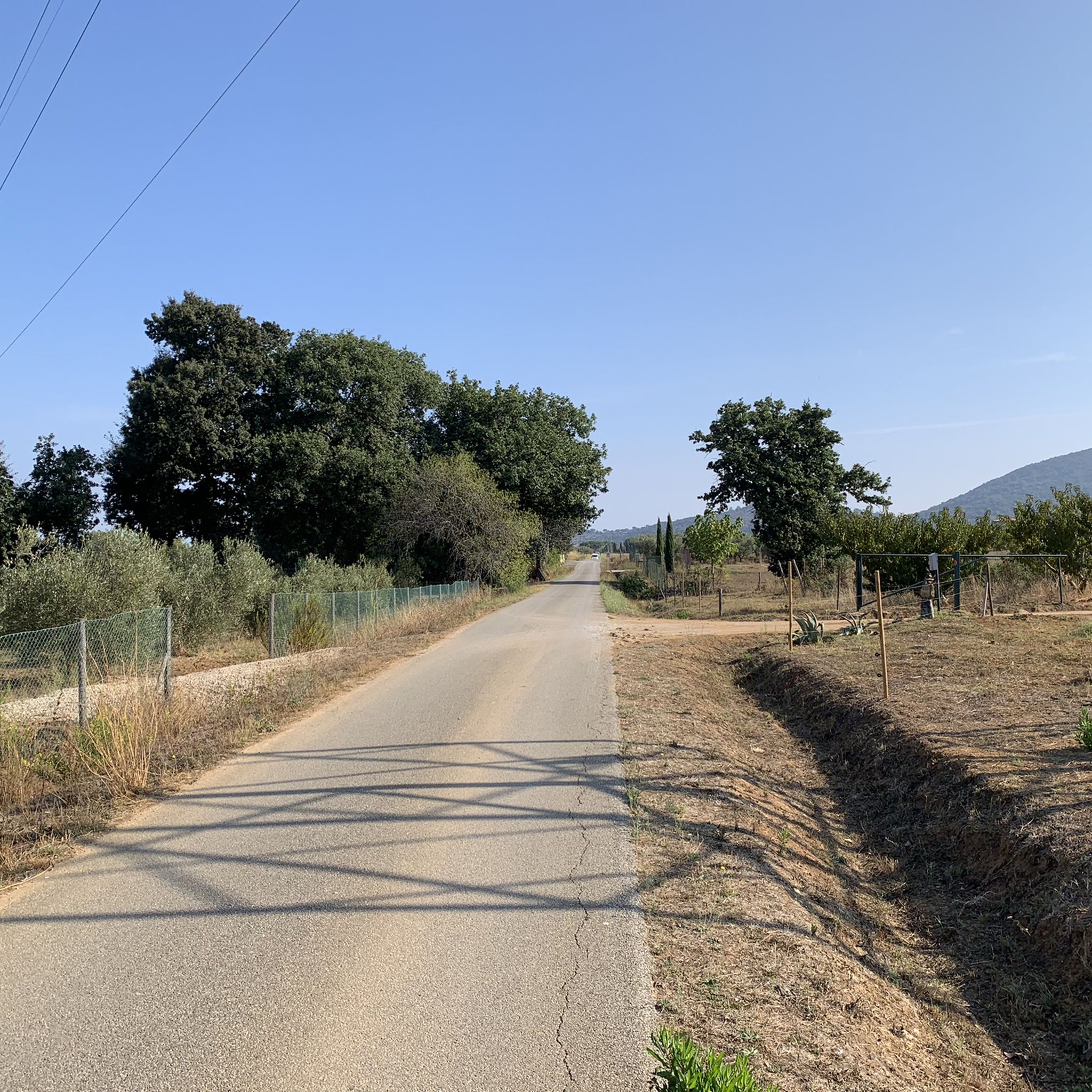
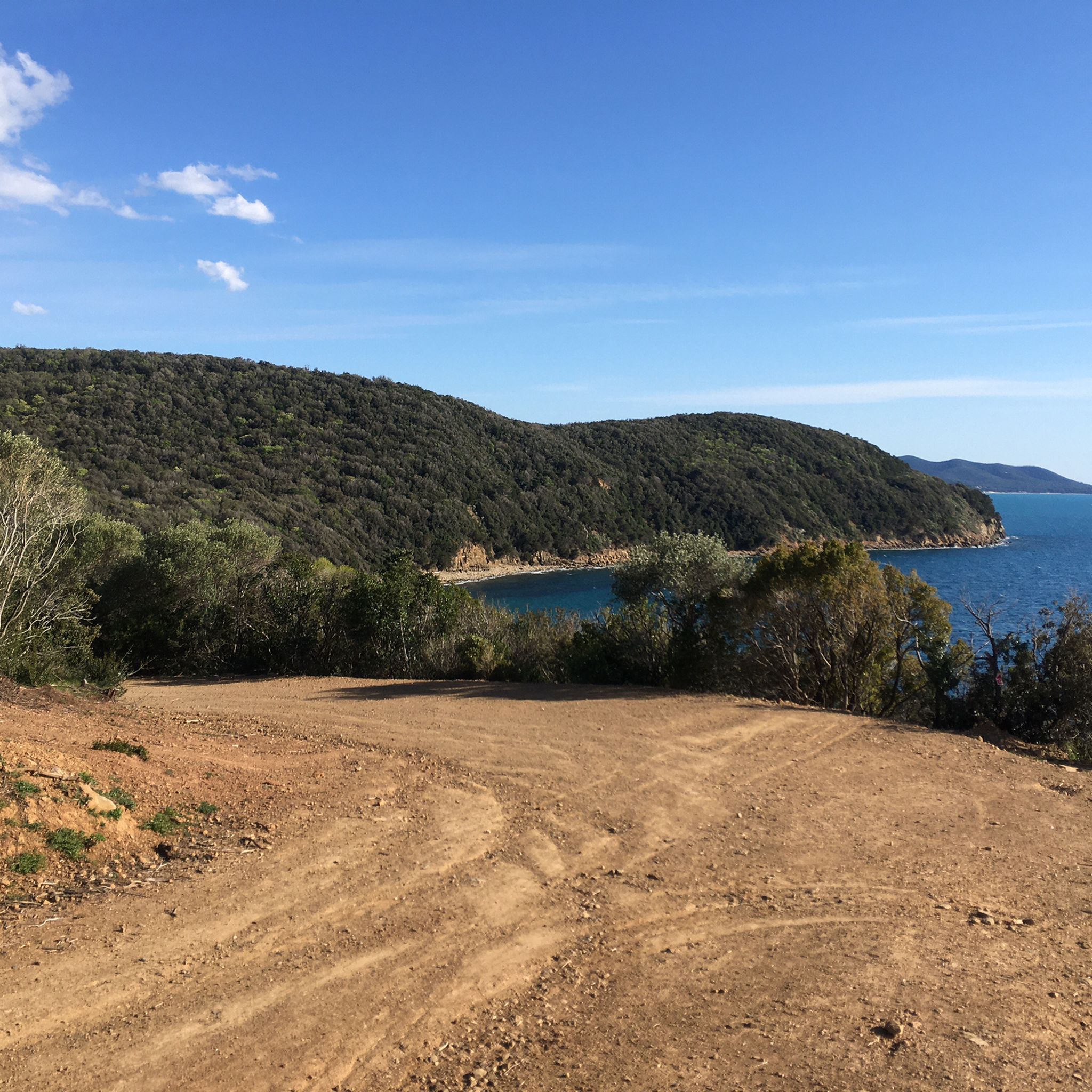
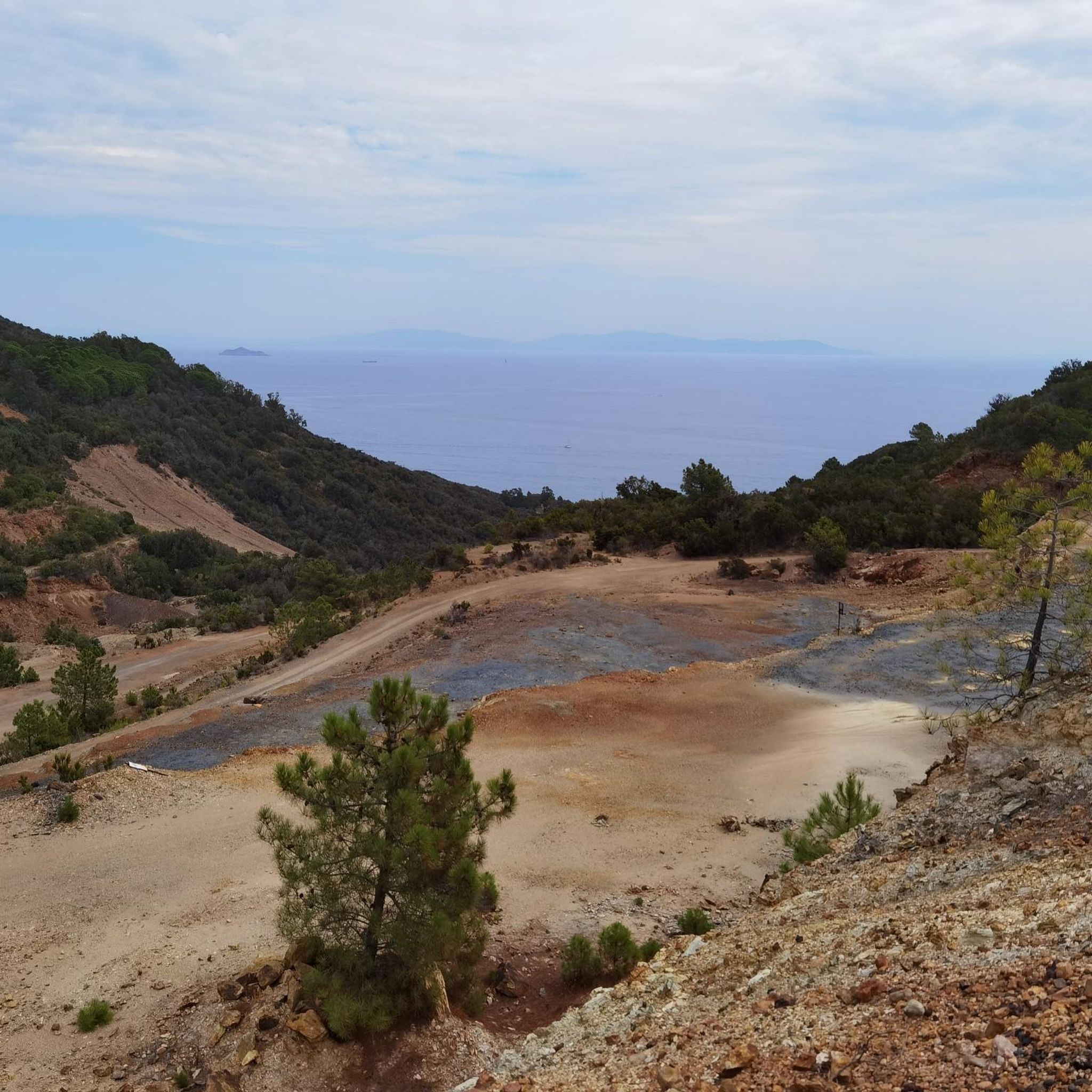
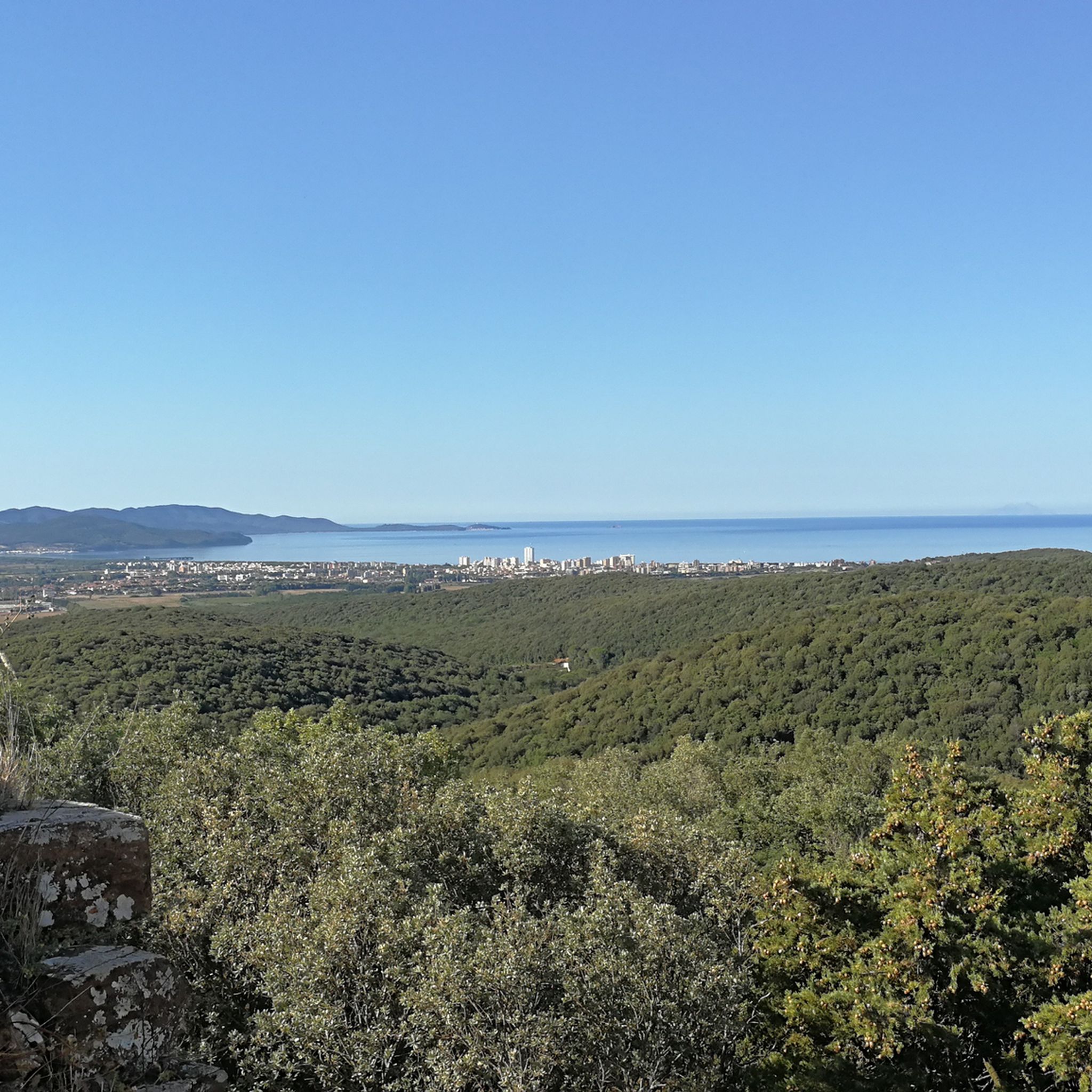

Tips from the Community

The fortification of Suvereto was commissioned by the noble Aldobrandeschi family, already holders of public rights over Populonia, who moved the administrative center of their possessions to the area. The original settlement consisted essentially of wooden huts and a few rough, unworked stone buildings. The first walled nucleus of the complex consists of a quadrangular tower, a structure more defensive than residential, most likely built around 1164. The walls are made of worked stone arranged in horizontal, parallel rows, with arrow slits at various heights along the walls. At the same time, the village also developed along the terraces of the hill, with a curvilinear shape of concentric rings.
1
0
The name "Castrum Appii" suggests that its history began during the civil wars between Caesar and Pompey, when people fleeing from the Via Appia took refuge in this strategic area. The castle suffered an attack and fire by Saracen pirate bands, who destroyed the central tower. It became an important center, owned by the United Counts of Campiglia Marittima, and positioned itself as an "independent state" between various territorial entities. In 1776, the Castello di Casalappi was annexed to the territory of the Municipality of Campiglia Marittima. It is a complex of buildings from various eras, an ancient medieval castle with a panoramic tower offering views of the islands of the Tuscan Archipelago. It includes an ancient cellar with cross vaults (originally a religious building), a consecrated church, and an old oven.
0
0

Nice moderate climb and a wonderful view as well as a nice village as a reward 😎👌
0
0

Great castle with a wonderful view of the country. Worth seeing
0
0

Challenging ascent via the Panaramico route to the SCARLINO castle ruins. Then of course downhill again :)
0
0

old castle ruins above Scarlino open May to September
3
0

The Maus castle, also known as Maus castle or Maus castle, is a fortification located on the hill of the same name which rises in the municipal area of Castiglione della Pescaia, just south of Pian d'Alma. Of the castle remain the ruins immersed in the vegetation of the hill. Source: https://it.wikipedia.org/wiki/Castello_di_Maus
1
1
Frequently Asked Questions
What are some historically significant castles near Follonica?
The region around Follonica is rich in history. Notable castles include Castello di Valli, an 11th-century relic that changed hands between powerful entities like the Bishops of Lucca and the Aldobrandeschi. Casalappi Castle, with roots potentially dating back to the civil wars of Caesar and Pompey, was once an independent state. Scarlino Castle, also known as Rocca Pisana, was a crucial stronghold for Pisa's commercial interests.
Can I visit the interior of these castles, or are they mostly ruins?
The accessibility varies. While Castello di Valli is technically closed to the public, its crumbling ruins offer a captivating historical experience from the outside. Casalappi Castle is a complex of buildings from various eras, and you can explore its ancient medieval structure, including a panoramic tower. Scarlino Castle offers a well-preserved example of a medieval Tuscan fortification, and the village of Scarlino itself is a charming place to explore.
Are there castles near Follonica that offer panoramic views?
Yes, several castles provide excellent viewpoints. From the panoramic tower of Casalappi Castle, you can enjoy views of the islands of the Tuscan Archipelago. The Ascent to Scarlino Castle Ruins also rewards visitors with wonderful views over the surrounding area.
What kind of historical features can I expect to see at these castles?
You'll find a range of historical features. At Castello di Valli, you can observe proud walls and the ruins of a tall watchtower, with many buildings rebuilt in a Neo-medieval style on original foundations. Casalappi Castle features an ancient cellar with cross vaults (originally a religious building), a consecrated church, and an old oven. In Suvereto, you can see ancient castle walls, including Il Torrione and La Porticciola, which were main access gates.
Can I combine a castle visit with outdoor activities like cycling or hiking?
Absolutely. The area around Follonica is excellent for outdoor activities. Many castles are situated in scenic locations perfect for combining with a ride or hike. For cycling, you can explore routes like those found in the Gravel biking around Follonica guide or the Traffic-free bike rides around Follonica guide. Some castle ruins, like Maus Castle, are immersed in vegetation, making them ideal for exploration on foot.
What is the best time of year to visit the castles around Follonica?
The Tuscan Maremma, where Follonica is located, enjoys a Mediterranean climate. Spring (April-May) and autumn (September-October) are generally ideal, offering pleasant temperatures for exploring historical sites and outdoor activities without the intense heat of summer or the cooler, wetter conditions of winter.
Is there parking available near the castles?
Parking availability varies by location. For castles situated within or near villages, such as Scarlino Castle or the fortifications in Suvereto (like The Torrione and the Porticciola), you can typically find public parking in the village itself, often requiring a short walk to the castle site. For more remote ruins like Castello di Valli or Maus Castle, parking might be less formal, often along access roads or designated small areas.
Are there any 'hidden gem' castles worth exploring?
While not entirely hidden, Castello di Valli is less commonly visited due to its status as ruins and being technically closed to the public. However, its long and varied history and its status as one of the few true castles in the Maremma make it a significant and rewarding site for those interested in deeper historical exploration. Similarly, the ruins of Maus Castle, immersed in vegetation, offer a more secluded and adventurous experience.
Are dogs allowed at the castles near Follonica?
Policies regarding dogs can vary. For outdoor ruins and village fortifications like those in Suvereto (Corner Tower of Suvereto's Walls, The Torrione and the Porticciola), dogs on a leash are generally permitted in public outdoor areas. For sites with interiors or more formal visitor facilities, it's advisable to check specific rules beforehand. Always ensure your dog is well-behaved and on a leash.
What are the main historical periods represented by the castles in the Follonica region?
The castles in the Follonica region primarily represent the medieval period, with some structures having origins as early as the 9th-11th centuries. They reflect the power struggles between various entities such as the Bishops of Lucca, the Aldobrandeschi family, and the Republic of Pisa, as well as later influences from the Principality of Piombino. Many have undergone reinforcements and rebuilds over centuries, showcasing diverse architectural styles from different eras.
Can I find food and drink options near these castle sites?
Yes, especially for castles located near or within villages. Scarlino Castle is situated above the charming village of Scarlino, which offers local eateries. Similarly, the fortifications of Suvereto (Il Torrione and La Porticciola) are part of a medieval village known for its amenities. For more remote sites like Castello di Valli or Maus Castle, it's best to bring your own refreshments or plan to visit a nearby town before or after your exploration.
Most popular routes around Follonica
Most popular attractions around Follonica

Get inspired with the komoot mobile app


Explore more
Looking for the best castles somewhere else? Discover other guides around Follonica:
