Top 7 Castles around Serravalle Pistoiese
Best castles around Serravalle Pistoiese are found in a medieval village strategically located between the Valdinievole and the plain connecting Pistoia and Florence. This area boasts a rich history, reflected in its numerous fortifications that were often contested strongholds. The remnants of two primary fortresses, the Rocca Nuova and the Rocca Vecchia, stand as testaments to its past. Serravalle Pistoiese offers a journey back in time, providing picturesque views and insights into medieval military architecture.
Best castles around Serravalle Pistoiese
- The most popular castles is Cozzile Castle and the Clock Tower, a castle that was founded around fortification works with lookout and defense functions. It features a fortified town with a "fishbone" pattern, and its city walls still show important remains.
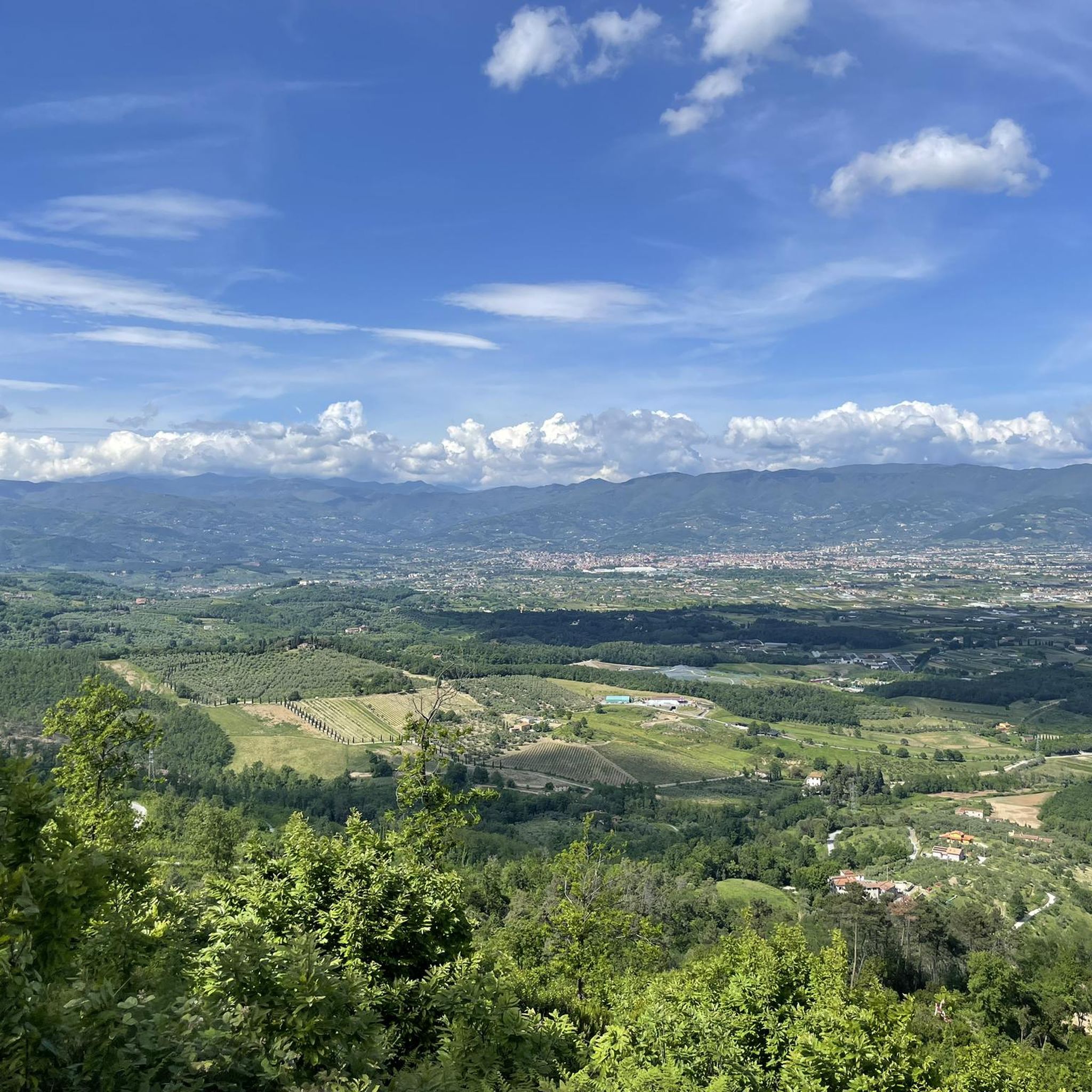
- Another must-see spot is Viewpoint from the Rocca di Carmignano, a viewpoint offering extensive vistas. This location provides views of the surrounding plain.
- Visitors also love Cozzile Medieval Village, an early medieval castle still inhabited today. It is preserved in excellent condition and offers a vast panorama towards the south over the Valdinievole and Tuscany.
- Serravalle Pistoiese is known for its medieval fortifications, including the Rocca Nuova (Castruccio Fortress) and the Rocca Vecchia (Barbarossa Tower), as well as preserved medieval villages. Visitors can explore a variety of defensive structures and historical settlements.
- The castles around Serravalle Pistoiese are appreciated by the komoot community, with more than 45 upvotes and 20 photos shared by users.
Last updated: August 10, 2026
Cozzile Castle and the Clock Tower
Highlight • Castle
Translated by Google •
Tip by

Viewpoint from the Rocca di Carmignano
Highlight • Viewpoint
Translated by Google •
Tip by

Sign up now to discover places like this
Get recommendations on the best single tracks, peaks, & plenty of other exciting outdoor places.
Sign up for free
Cozzile Medieval Village
Highlight • Settlement
Translated by Google •
Tip by

Porta Nuova, Cozzile
Highlight • Historical Site
Translated by Google •
Tip by
Villa Smilea
Highlight • Castle
Translated by Google •
Tip by

Sign up for free to discover even more castles around Serravalle Pistoiese.
Sign up for free
Already have an account?
Start today with a free account
Your next adventure awaits.
Login or Signup

Tips from the Community

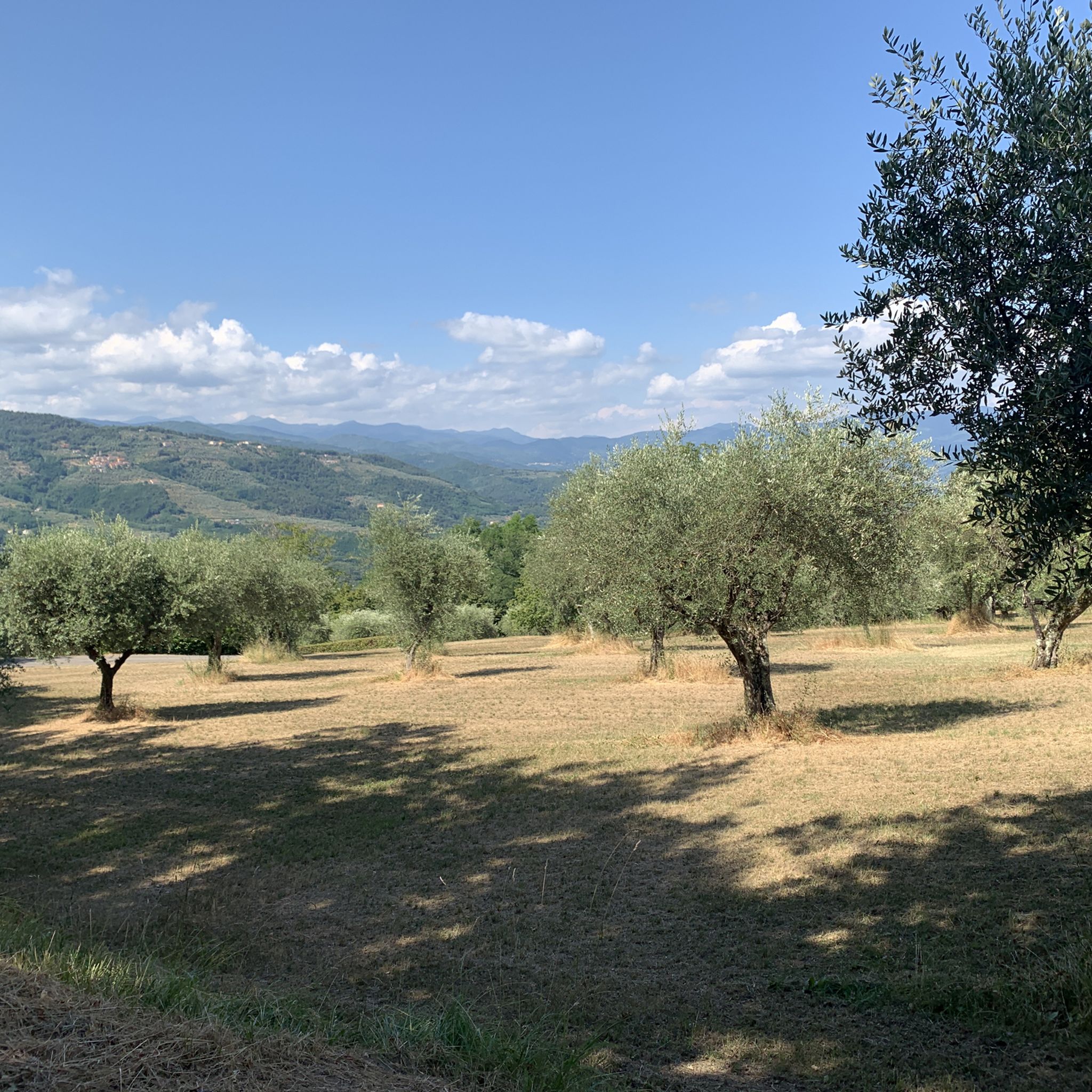
The Rocca or Castle of Carmignano has dominated the village from above for over a thousand years: the bastion was in fact mentioned for the first time in the year 998, in a document by Otto III of Saxony which granted ownership to the bishop of Pistoia. The Rocca was the object of continuous battles between Pistoia, Florence and Prato, due to its strategic position in the political-military context of the Middle Ages: from up here, in fact, you can admire the entire plain between the three cities. After having resisted, in 1154, a siege conducted by troops from Prato and Florence, the castle was destroyed for the first time in 1228 by the Florentines. Having regained possession of Pistoia in 1242, the fortification was rebuilt and in the early fourteenth century sold again to Florence, which proceeded to demolish the fortress and the castle walls once again. After a new parenthesis in Pistoia (1315-1324) the castle returned to Florentine hands, only to be besieged and conquered by Castruccio Castracani, who made it his own stronghold until 1328, when it finally returned to Florence. The Rocca di Carmignano can be accessed via a pedestrian path (starting from the church of San Michele, where Pontormo's famous Visitation is kept) that climbs the hill full of olive trees, where you can enjoy a beautiful view of Montalbano. Few remains of the medieval walls around the Rocca remain, partly rebuilt as the Campano, with the bell tower and clock, while in the center stands a medieval tower, called the Maschio della Rocca. (www.visittuscany.com)
0
0

Cozzile was probably founded at the end of the 12th century around fortification works with lookout and extreme defense functions. Even at the beginning of the 14th century they hosted a castellan and a small garrison on behalf of the people of Lucca. Around the fortress a fortified town arose with a structure similar to that of Massa, organized in a "fishbone" pattern on both sides of the road that crossed it and which, exiting at the other end of the town, led towards the Apennines and towards Modena. The houses were grouped into two neighborhoods or "deeds" (Volata to the East, and Cessana to the West of the main road) with the square located to the north and the church to the south. In the city walls, of which important remains are still visible incorporated into the houses built above them, three doors opened: one to the east, corresponding to the entrance to the town of the medieval road from Massa (gate to Massa), one to the west , on the diametrically opposite side (Porta Vecchia)
0
0
Cozzile was probably founded at the end of the 12th century around fortification works with lookout and extreme defense functions. Even at the beginning of the 14th century they housed a castellan and a small garrison on behalf of the people of Lucca. Around the fortress a fortified town arose with a structure similar to that of Massa, organized in a "fishbone" pattern on both sides of the road that crossed it and which, exiting at the other end of the town, led towards the Apennines and towards Modena. The houses were grouped into two neighborhoods or "deeds" (Volata to the East, and Cessana to the West of the main road) with the square located to the north and the church to the south. In the city walls, of which important remains are still visible incorporated into the houses built above them, three doors opened: one to the east, corresponding to the entrance to the town of the medieval road from Massa (gate to Massa), one to the west , on the diametrically opposite side (Porta Vecchia)
0
0
Cozzile was probably founded at the end of the 12th century around fortification works with lookout and extreme defense functions. Even at the beginning of the 14th century they housed a castellan and a small garrison on behalf of the people of Lucca. Around the fortress a fortified town arose with a structure similar to that of Massa, organized in a "fishbone" pattern on both sides of the road that crossed it and which, exiting at the other end of the town, led towards the Apennines and towards Modena. The houses were grouped into two neighborhoods or "deeds" (Volata to the East, and Cessana to the West of the main road) with the square located to the north and the church to the south. In the city walls, of which important remains are still visible incorporated into the houses built above them, three doors opened: one to the east, corresponding to the entrance to the town of the medieval road from Massa (gate to Massa), one to the west , on the diametrically opposite side (Porta Vecchia)
0
0

La Rocca above The village of Carmignano is worth a visit and not just for the view. From this fortress there were two arms that the Pistoiesi had placed and that "made the figs" towards Florence. For more information, consult the Divine Comedy.
0
0

Villa Castello Smilea stands at the entrance to the Agna valley along the Roman route of the Via Cassia Clodia. The building consists of two towers, one north and one south, and a lowered tower running along the north side.
4
0
It is the Roccadi Carmignano
0
0

Early medieval castle still inhabited today, which is preserved in excellent condition and offers a vast panorama towards the south over the Valdinievole and all of Tuscany
0
0
Frequently Asked Questions
What are the main historical castles to explore in Serravalle Pistoiese?
Serravalle Pistoiese is home to two primary historical fortresses: the Rocca Nuova (also known as Castruccio Fortress) and the Rocca Vecchia, which features the prominent Barbarossa Tower. These structures played a crucial role in the region's medieval history, guarding the passage between the Valdinievole and the plain connecting Pistoia and Florence. You can learn more about the Castruccio Fortress here and the Barbarossa Tower here.
Are there any medieval villages with castles that are still inhabited?
Yes, the Cozzile Medieval Village is an early medieval castle settlement that remains inhabited today. It is well-preserved and offers a vast panorama towards the south over the Valdinievole and the wider Tuscan landscape.
What kind of views can I expect from the castles in Serravalle Pistoiese?
The castles and fortifications in Serravalle Pistoiese offer extensive panoramic views. From the hexagonal tower of the Rocca Nuova, you can overlook the surrounding area. The Barbarossa Tower, standing over 40 meters tall, provides commanding vistas over the Valdinievole plain, reaching as far as Florence, Lucca, and even the sea. Additionally, the Viewpoint from the Rocca di Carmignano also offers beautiful views of the surrounding plain.
What are some unique architectural features of the castles in this region?
The Rocca Nuova is notable for its triangular shape and a striking hexagonal tower made from square ashlar bricks. It also features two square bastions and ancient loopholes for archers. The Barbarossa Tower of the Rocca Vecchia is a massive square-plan tower, over 40 meters high, with its entrance uniquely located 5.20 meters above ground, a common medieval defensive feature.
Are there opportunities for outdoor activities like cycling or mountain biking near the castles?
Yes, the area around Serravalle Pistoiese offers various outdoor activities. You can find numerous routes for mountain biking, such as the 'La Fortezza Trail – Etruscan Source loop from Casalguidi' or 'Le Piagge Forest loop from Serravalle Pistoiese'. For cycling enthusiasts, there are routes like the 'Vitruvian Man Sculpture, Vinci – San Baronto Cyclists' Monument loop'. Explore more options in the MTB Trails around Serravalle Pistoiese and Cycling around Serravalle Pistoiese guides.
What is the best time to visit the castles in Serravalle Pistoiese?
The castles and medieval villages in Serravalle Pistoiese can be enjoyed throughout the year. Spring and autumn offer pleasant temperatures for exploring the outdoor sites and enjoying the panoramic views. Summer allows for cultural events like the Serravalle Jazz festival at Rocca Nuova, though it can be warmer. Winter visits can be charming, with fewer crowds, but some facilities might have reduced hours.
Are there any family-friendly aspects to visiting the castles?
Exploring the medieval villages and fortresses can be an engaging experience for families. Children might enjoy the historical atmosphere, imagining knights and battles within the ancient walls. The panoramic views from towers like the Barbarossa Tower can also be a highlight. While specific family activities vary, the historical context and scenic beauty offer an educational and enjoyable outing.
What historical details are known about Cozzile Castle?
Cozzile Castle and the Clock Tower was likely founded in the late 12th century as a fortification with lookout and defense functions. It developed into a fortified town with a distinctive 'fishbone' pattern, and its city walls, with important remains still visible, once featured three gates. It housed a castellan and a small garrison in the early 14th century.
Can I find places to eat or stay near the castles in Serravalle Pistoiese?
Serravalle Pistoiese, being a charming medieval village, offers local cafes and restaurants where you can enjoy traditional Tuscan cuisine. For accommodation, you can find various options ranging from agriturismos to hotels in and around the village, providing a convenient base for exploring the castles and the surrounding region.
What do visitors appreciate most about the castles around Serravalle Pistoiese?
Visitors frequently appreciate the rich history and well-preserved medieval architecture of the castles and villages. The strategic locations offer extraordinary panoramic views of the Tuscan landscape, making them popular for photography and scenic walks. The sense of stepping back in time and the cultural events hosted at sites like the Rocca Nuova also contribute to a memorable experience.
Are there any hidden gems or lesser-known castles worth visiting?
While the Rocca Nuova and Rocca Vecchia are prominent, exploring the smaller, still-inhabited medieval settlements like Cozzile Medieval Village offers a unique glimpse into the past. These villages, often built around ancient fortifications, provide a more intimate experience of medieval life and architecture, away from larger crowds.
What kind of trails are available for walking or hiking near the castles?
The area around Serravalle Pistoiese offers various walking and hiking opportunities, including routes that pass by or connect some of the historical sites. While specific 'easy walking routes' directly around the castles might be short, the broader region provides trails of varying difficulty. You can find more detailed hiking routes in the Castles around Serravalle Pistoiese guide.
Most popular routes around Serravalle Pistoiese
Most popular attractions around Serravalle Pistoiese

Get inspired with the komoot mobile app


Explore more
Looking for the best castles somewhere else? Discover other guides around Serravalle Pistoiese:
