Top 6 Castles around Scarperia E San Piero
Best castles around Scarperia E San Piero are found in the Mugello region of Tuscany, an area rich in history and natural landscapes. This municipality, nestled amidst hills and valleys, served as a significant administrative center for the Florentine Republic and was closely tied to the powerful Medici family. Its historical structures, including fortified residences and villas, offer insights into centuries of regional heritage. The area's strategic location provided both defensive advantages and scenic viewpoints over the surrounding countryside.
Best…
Last updated: May 18, 2026
Fountain at the Castello del Trebbio
Highlight • Rest Area
Tip by

Palazzo dei Vicari, Scarperia
Highlight • Historical Site
Translated by Google •
Tip by

Sign up now to discover places like this
Get recommendations on the best single tracks, peaks, & plenty of other exciting outdoor places.
Sign up for free
Rocca di Cerbaia
Highlight • Castle
Translated by Google •
Tip by

Palazzo dei Vicari di Scarperia
Highlight • Historical Site
Translated by Google •
Tip by

Castello di Trebbio
Highlight • Castle
Tip by
Sign up for free to discover even more castles around Scarperia E San Piero.
Sign up for free
Already have an account?
Start today with a free account
Your next adventure awaits.
Login or Signup
Popular around Scarperia E San Piero
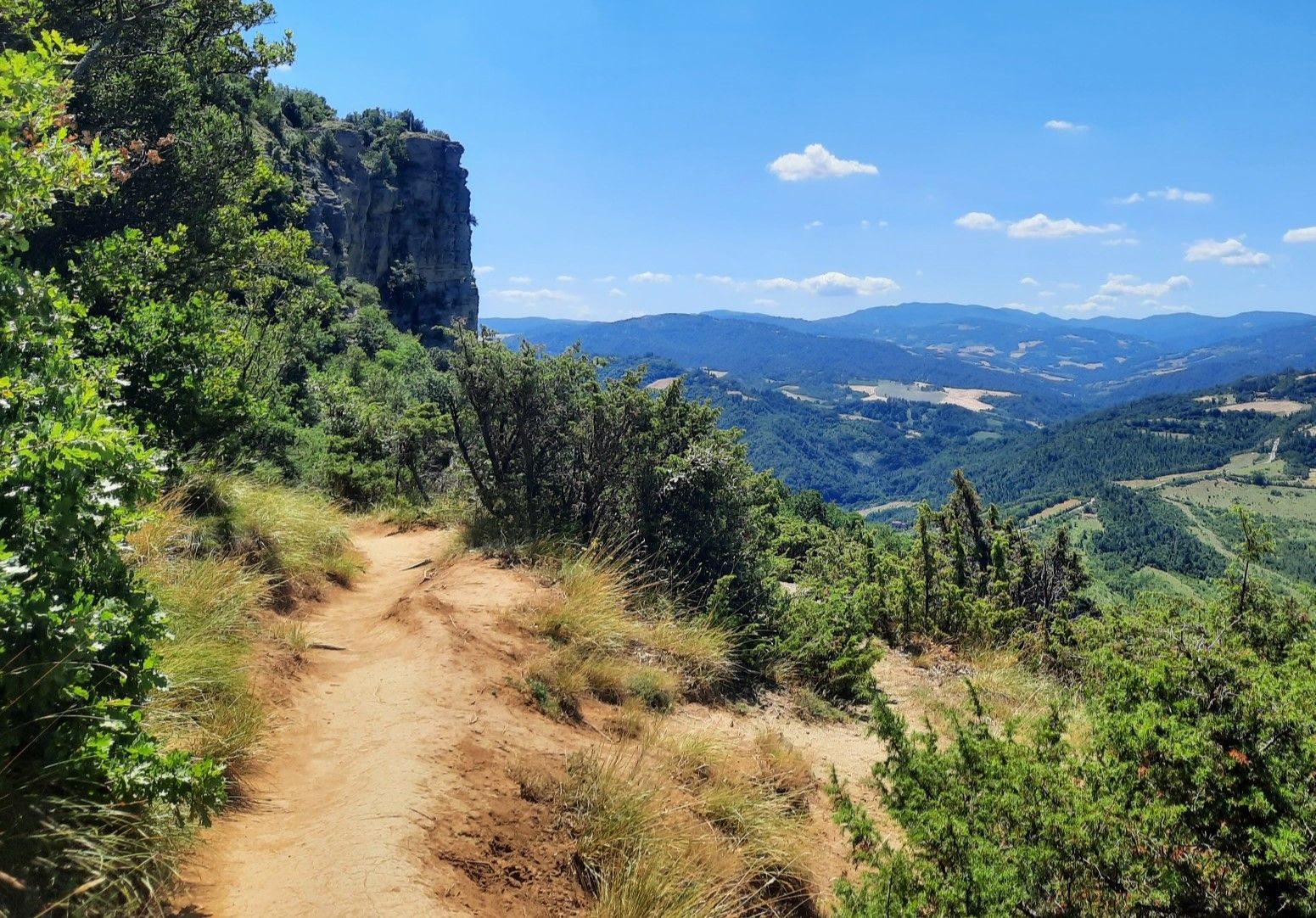
Bologna to Florence through the Apennines — the Via degli Dei
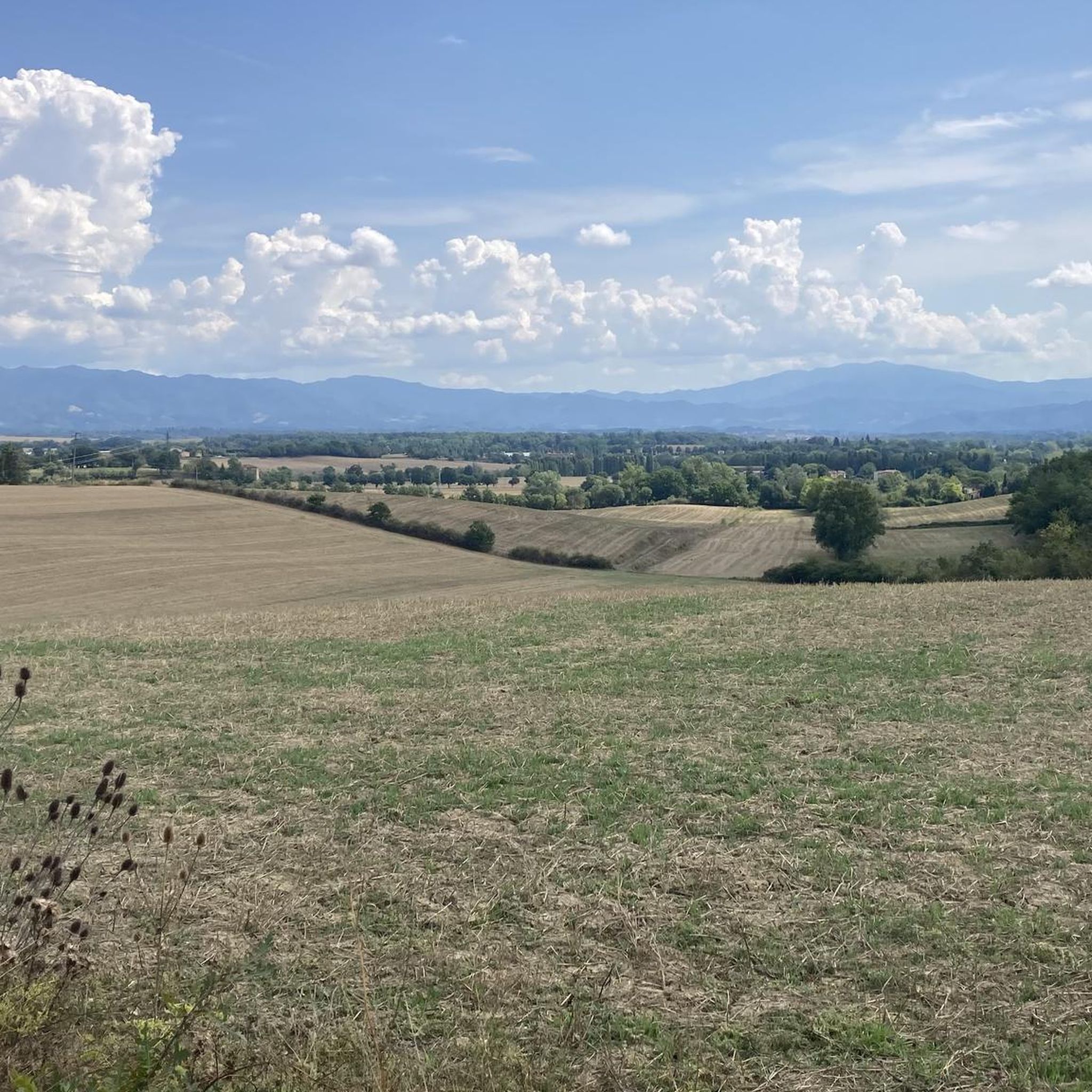
Road Cycling Routes around Scarperia E San Piero
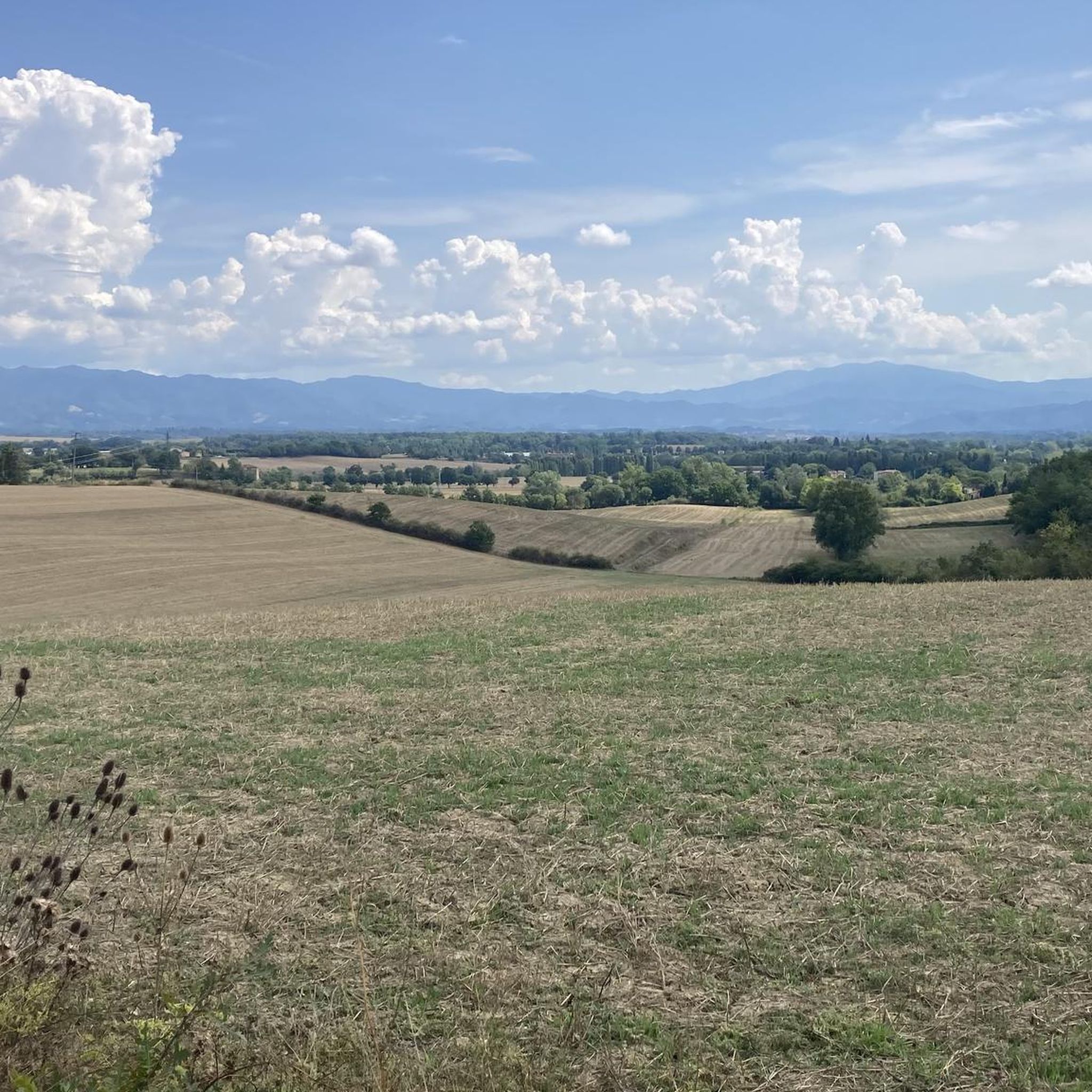
Hiking around Scarperia E San Piero
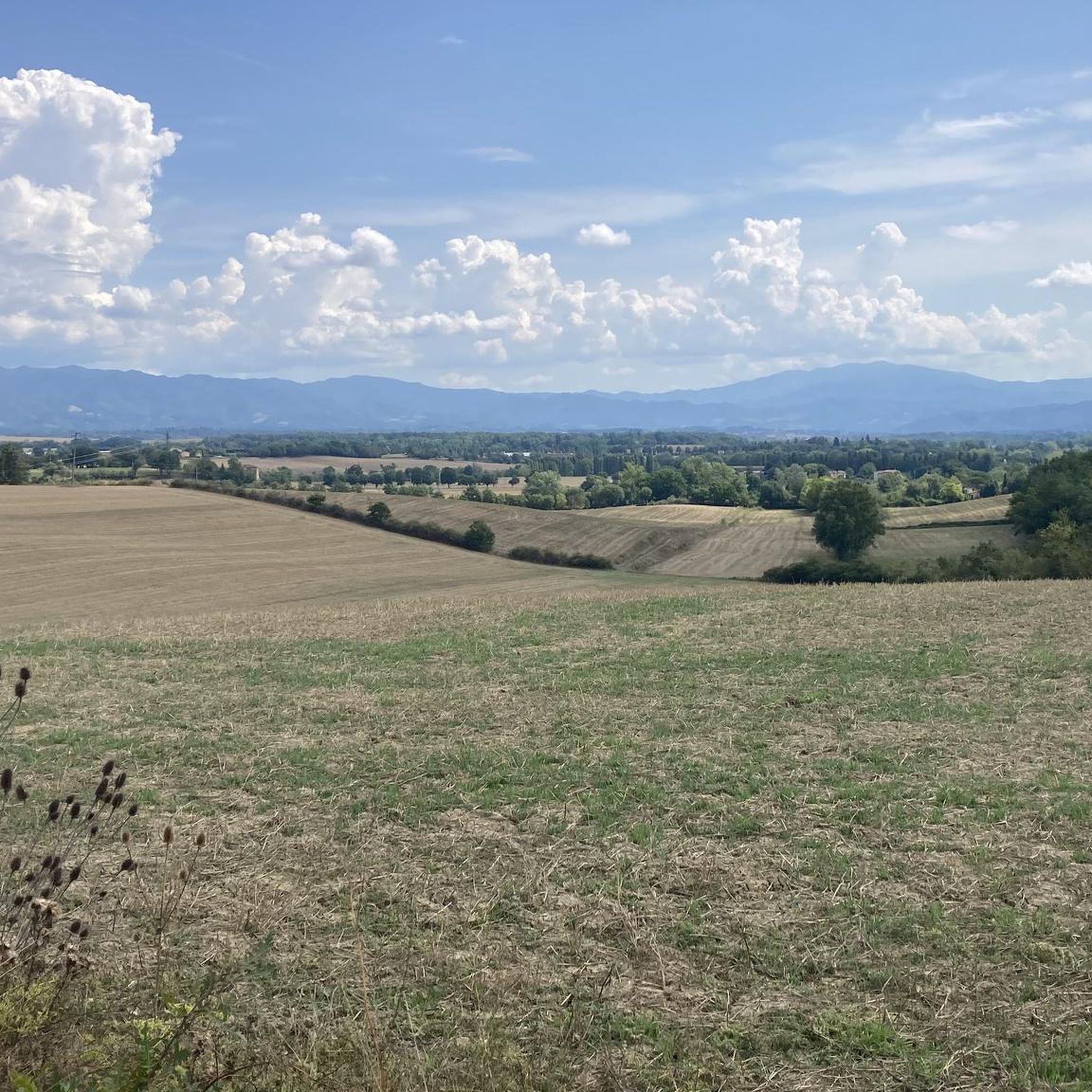
Cycling around Scarperia E San Piero
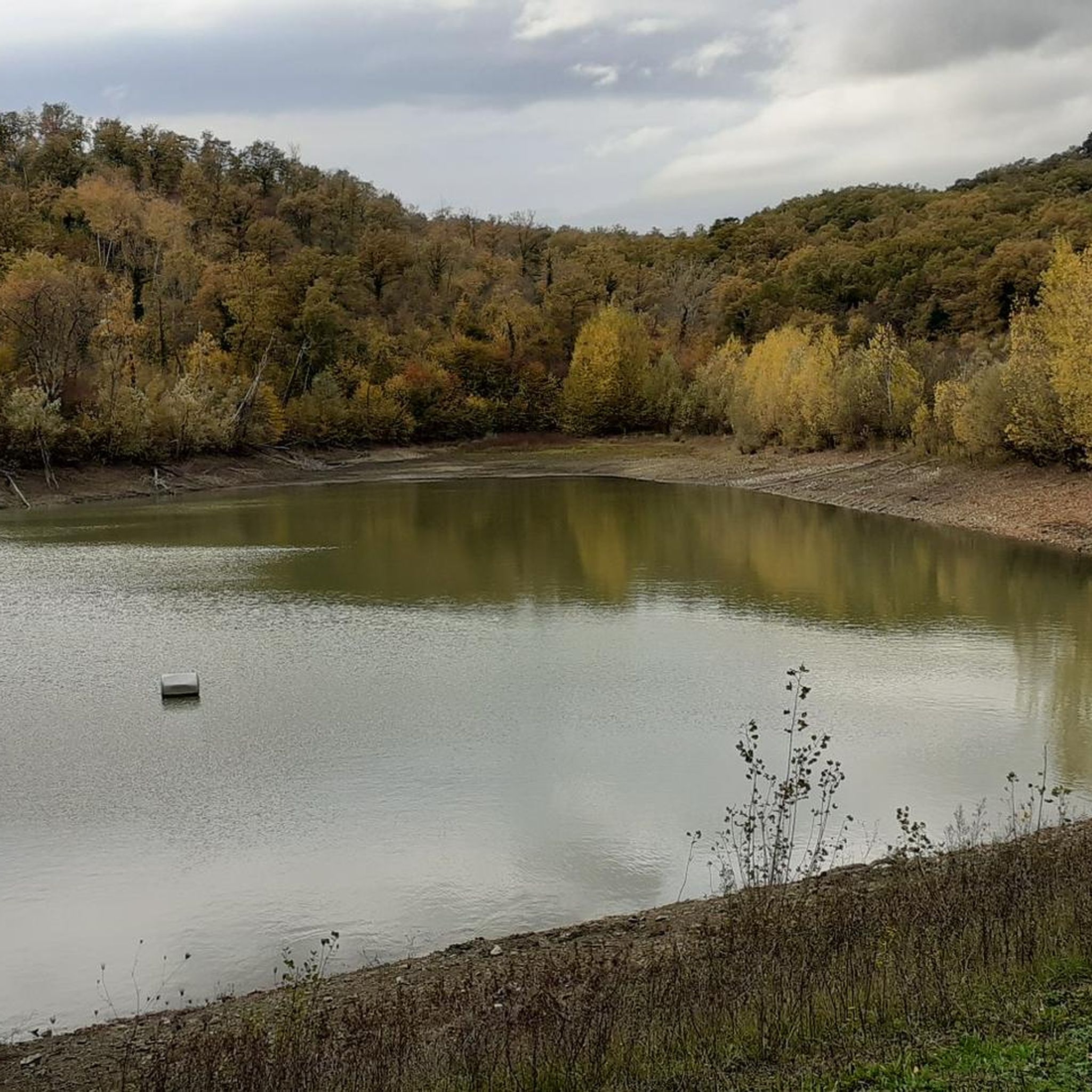
MTB Trails around Scarperia E San Piero
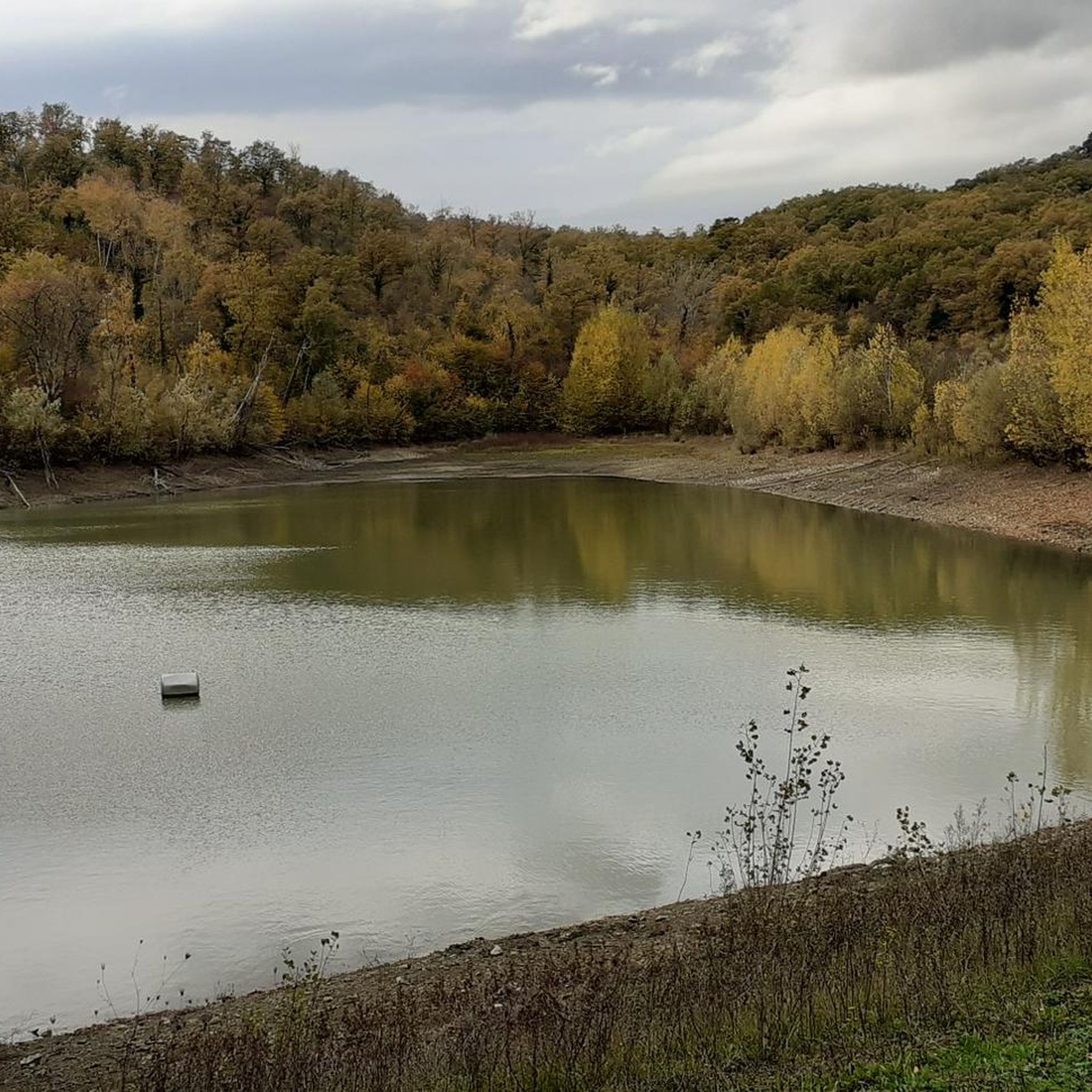
Running Trails around Scarperia E San Piero

Gravel biking around Scarperia E San Piero
Other adventures around Scarperia E San Piero

Tips from the Community

La Rocca di Cerbaia, or simply Rocca Cerbaia, dominates the summit of a rocky spur nearly four hundred meters high, sheer above the Bisenzio river valley. For centuries, the fortified structure has battled the forces of nature, which first caused its abandonment, then its ruin. Its origin, at least in the form we see it today, appears to date back to the early 1100s, when the Alberti family erected a fortress on the site to control the ancient road known as the "Via di Lombardia," a link between Tuscany and the regions beyond the Apennines. Despite its military functions, the fortress was also used by the Alberti family as a residence for a long period, a fact confirmed by the high-quality finishes still visible inside the keep. Legend, almost certainly unfounded, has it that in 1285 the Alberti family refused a request for hospitality at the Rocca made by the Poet Dante Alighieri while traveling to Bologna. The great poet himself made famous one of the descendants of the family that owned the fortress, Cunizza Alberti, a protagonist of a lively romantic life in his "Divine Comedy" (Paradiso IX, 13-36). In 1361, the fortress was sold to the Florentines who, given its important strategic position, established a permanent military garrison there and strengthened its defenses by building a second ring of walls and other buildings. La Rocca di Cerbaia has the classic appearance of medieval ring castles: a mighty keep dominates the center of the two surrounding, roughly pentagonal, walled enclosures. The construction was carried out in sandstone, of which the area is rich. Large portions of the first outer ring wall are still recognizable, with the entrance gate set into the southern curtain. Beyond this gate, on the left, are the remains of a building called 'Palazzo Nuovo,' and on the right, what remains of the cistern with a barrel vault roof, all constructions dating back to the first half of the 1300s. Outside this first enclosure, we find the ruins of the Church of S. Martino, a single nave.
1
0


Village of Villages
0
0

Rich in coats of arms that the various Vicars have managed the Borgo
1
0

done the trail in 5 days alone in July 2023, no comment can give an idea of the feeling of happiness, freedom, tension..... I met many guys (and this gives me the idea that the future will be better than what we elderly people leave).... I cried upon arriving in Piazza della Signoria..... as I have already posted "if you have someone you don't love tell them to take the path, if instead you have someone you who you love tell them to do it... in any case they will thank you".
0
0
done the trail in 5 days alone in July 2023, no comment can give an idea of the feeling of happiness, freedom, tension..... I met many guys (and this gives me the idea that the future will be better than what we elderly people leave).... I cried upon arrival in Piazza della Signoria..... as I have already posted "if you have someone you don't love tell them to take the path, if instead you have someone you who you love tell them to do it... in any case they will thank you".
0
0

The Castello di Trebbio, situated along the Via Degli Dei (VDD), is a captivating fortress that adds a touch of medieval splendor to the journey. This historic castle, perched on a hill with commanding views of the surrounding landscape, beckons travelers to step back in time and immerse themselves in its rich history.
1
0

Small church surrounded by cypresses at the foot of the castle
0
0
Frequently Asked Questions
What is the historical significance of the castles in Scarperia e San Piero?
The castles and fortified residences in Scarperia e San Piero are deeply rooted in the region's history, particularly their strong ties to the powerful Medici family and the Florentine Republic. Structures like the Palazzo dei Vicari served as administrative centers, while others like Castello del Trebbio and Castello di Cafaggiolo were significant Medici residences and UNESCO World Heritage sites, reflecting centuries of regional heritage and strategic importance.
Are there family-friendly castles to visit in the area?
Yes, several castles and sites are considered family-friendly. The Palazzo dei Vicari, Scarperia, for instance, is listed as family-friendly and houses the Museum of Cutting Tools, which can be engaging for all ages. Exploring the historical towns surrounding these castles also offers a pleasant experience for families.
Can I bring my dog to the castles around Scarperia e San Piero?
While specific rules for each castle may vary, many outdoor areas and grounds around the castles are generally dog-friendly. For example, the area around the Fountain at the Castello del Trebbio is a popular spot for hikers and their dogs. It's always advisable to check individual castle policies or their official websites before visiting, especially for indoor access.
What is the best time of year to visit the castles in Scarperia e San Piero?
The best time to visit is typically during spring (April-May) and autumn (September-October). During these seasons, the weather is pleasant for exploring, and the natural landscapes of the Mugello region are particularly beautiful. Summer can be hot, while winter might have reduced opening hours for some attractions.
How long does it typically take to visit a castle like Palazzo dei Vicari?
Visiting the Palazzo dei Vicari, Scarperia, including its impressive facade, Renaissance frescoes, and the Museum of Cutting Tools, can take approximately 1 to 2 hours. This allows time to appreciate its historical significance and the artisanal knife-making tradition of Scarperia.
Are there parking options available at the castles?
Parking availability varies by castle. For castles located within towns, such as Palazzo dei Vicari in Scarperia, you can usually find public parking nearby. For more secluded castles like Castello del Trebbio or Fortezza di San Martino, there might be designated parking areas or roadside parking. It's recommended to check local signage upon arrival.
What outdoor activities are available near the castles?
The region around Scarperia e San Piero offers a variety of outdoor activities. You can find numerous cycling and running routes. For instance, there are challenging road cycling routes like the 'Futa Pass – Medici Villa at Cafaggiolo loop' or running trails such as the 'Poggio Pratone Summit loop'. You can explore more options on the Cycling around Scarperia E San Piero, Road Cycling Routes around Scarperia E San Piero, and Running Trails around Scarperia E San Piero guides.
Are there hiking trails that connect the castles?
While there aren't specific 'castle-connecting' trails listed, the castles are often situated in scenic areas with existing hiking routes. For example, the Castello del Trebbio is near the Via degli Dei trail, and you can reach it on foot from San Piero a Sieve. Exploring the local trail networks can lead you to or near several historical sites.
Where can I find food and drink near the castles?
The towns of Scarperia and San Piero a Sieve, where many of the castles are located, offer various cafes, restaurants, and accommodation options. You'll find places to eat and drink within walking distance or a short drive from sites like Palazzo dei Vicari and Fortezza di San Martino.
Which castles offer the best panoramic views?
The Castello del Trebbio, situated 500 meters above sea level on a hill, offers strategic elevated positions with panoramic views over the entire Mugello valley. Similarly, the ruins of Monterotondo Castle are located in the hills, providing charming views of the surrounding landscape.
What makes Castello del Trebbio a significant historical site?
The Castello del Trebbio is a UNESCO World Heritage site, built by Michelozzo Michelozzi for Cosimo de' Medici. It was a favorite hunting retreat for Lorenzo the Magnificent and hosted notable figures like a young Amerigo Vespucci. Its strategic hilltop location and rich Medici history make it a significant landmark in the Mugello region.
Is Castello di Cafaggiolo accessible to visitors?
The Medici Villa at Cafaggiolo, another UNESCO World Heritage site, is a private property but can be visited by appointment. It hosts events, conferences, and cooking schools, sometimes offering Renaissance animation shows. It's advisable to contact them directly for current visiting opportunities.
What do visitors enjoy most about the castles in Scarperia e San Piero?
Visitors appreciate the rich history and architectural beauty of the castles. The Palazzo dei Vicari is praised for its impressive facade adorned with coats of arms and its unique Museum of Cutting Irons. The Castello del Trebbio is noted for its beautiful architecture and hilltop location, while the Medici Villa at Cafaggiolo is recognized as a prestigious Medici residence and a center of humanistic culture.
Most popular routes around Scarperia E San Piero
Most popular attractions around Scarperia E San Piero

Get inspired with the komoot mobile app


Explore more
Looking for the best castles somewhere else? Discover other guides around Scarperia E San Piero:
